


CEFUROXIMA SANDOZ 500 mg COMPRIMIDOS RECUBIERTOS EFG
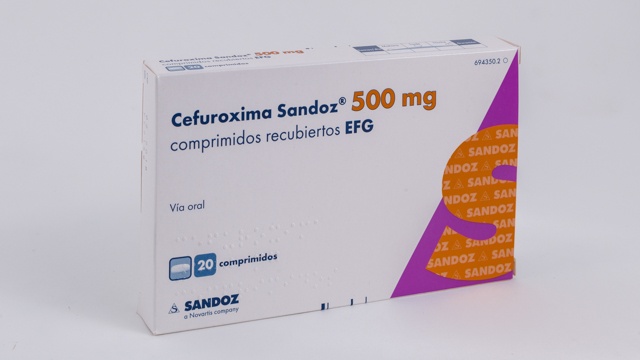



Cómo usar CEFUROXIMA SANDOZ 500 mg COMPRIMIDOS RECUBIERTOS EFG
Traducción generada por IA
Este contenido ha sido traducido automáticamente y se ofrece solo con fines informativos. No sustituye la consulta con un profesional sanitario.
Ver originalContenido del prospecto
Introducción
Prospecto: información para el paciente
Cefuroxima Sandoz 500 mg comprimidos recubiertos EFG
Lea todo el prospecto detenidamente antes de empezar a tomar este medicamento, porque contiene información importante para usted.
- Conserve este prospecto, ya que puede tener que volver a leerlo.
- Si tiene alguna duda, consulte a su médico o farmacéutico.
- Este medicamento se le ha recetado solamente a usted, y no debe dárselo a otras personas aunque tengan los mismos síntomas que usted, ya que puede perjudicarles.
- Si experimenta efectos adversos, consulte a su médico o farmacéutico, incluso si se trata de efectos adversos que no aparecen en este prospecto. Ver sección 4.
Contenido del prospecto:
- Qué es Cefuroxima Sandoz y para qué se utiliza.
- Qué necesita saber antes de empezar a tomar Cefuroxima Sandoz
- Cómo tomar Cefuroxima Sandoz
- Posibles efectos adversos
- Conservación de Cefuroxima Sandoz
- Contenido del envase e información adicional
1. Qué es Cefuroxima Sandoz y para qué se utiliza
Cefuroxima es un antibiótico utilizado en adultos y niños. Actúa eliminando las bacterias que causan infecciones. Pertenece al grupo de medicamentos llamados cefalosporinas.
Los antibióticos se utilizan para tratar infecciones bacterianas y no sirven para tratar infecciones víricas, como la gripe o el catarro. Es importante que siga las instrucciones relativas a la dosis, el intervalo de administración y la duración del tratamiento indicadas por su médico. No guarde ni reutilice este medicamento. Si una vez finalizado el tratamiento le sobra antibiótico, devuélvalo a la farmacia para su correcta eliminación. No debe tirar los medicamentos por el desagüe ni a la basura. |
Cefuroxima se utiliza para tratar infecciones de:
- garganta,
- senos de la nariz,
- oído medio,
- los pulmones o pecho,
- el tracto urinario,
- la piel y tejidos blandos.
Cefuroxima también se puede utilizar:
- para tratar la enfermedad de Lyme (una enfermedad transmitida por parásitos llamados garrapatas).

2. Qué necesita saber antes de empezar a tomar Cefuroxima Sandoz
No tome Cefuroxima Sandoz:
- si es alérgicoa cefuroxima o a cualquier antibiótico cefalosporínicoo a alguno de los demás componentes de este medicamento (incluidos en la sección 6),
- si ha tenido alguna vez una reacción alérgica grave (hipersensible) a cualquier tipo de antibiótico betalactámico (penicilinas, monobactámicos, carbapenémicos),
- si alguna vez ha desarrollado una erupción cutánea o descamación de la piel graves, ampollas y/o úlceras en la boca después del tratamiento con cefuroxima o cualquier otro antibiótico de cefalosporinas.
?Si piensa que esto le afecta, no tome cefuroximahasta que haya consultado con su médico.
Advertencias y precauciones
Consulte a su médico o farmacéutico antes de empezar a tomar cefuroxima.
No se recomienda el uso de cefuroxima en niños menores de 3 meses, ya que no se ha establecido la seguridad y eficacia en este grupo de edad.
Mientras está tomando cefuroxima, debe tener en cuenta algunos síntomas como reacciones alérgicas, infecciones producidas por hongos (como cándida) y diarrea grave (colitis pseudomembranosa). Esto reducirá el riesgo de posibles complicaciones. Ver “Síntomas a los que tiene que estar atento” en la sección 4.
Tenga especial cuidado con Cefuroxima Sandoz
Se han notificado reacciones cutáneas graves, incluido el síndrome de Stevens-Johnson, necrolisis epidérmica tóxica, reacción a fármaco con eosinofilia y síntomas sistémicos (DRESS), asociadas al tratamiento con cefuroxima. Busque atención médica inmediatamente si nota cualquiera de los síntomas relacionados con estas reacciones cutáneas graves descritos en la sección 4.
Si necesita un análisis de sangre
Cefuroxima puede afectar a los resultados de un análisis para determinar los niveles de glucosa en sangre, o un test llamado Test de Coomb.
Si necesita un análisis de sangre:
?Informe a la persona que realiza los análisisque está tomando cefuroxima.
Otros medicamentos y Cefuroxima Sandoz
Informe a su médico o farmacéutico si está tomando, ha tomado recientemente o pudiera tener que tomar cualquier otro medicamento.
Esto incluye medicamentos que se pueden adquirir sin receta.
Medicamentos utilizados para reducir la cantidad de ácido en su estómago(por ejemplo, antiácidosutilizados para tratar el ardor de estómago) pueden afectar al funcionamiento de cefuroxima.
Probenecid
Anticoagulantes orales
?Consulte con su médico o farmacéuticosi está tomando cualquier medicamento de este tipo.
Embarazo, lactancia y fertilidad
Si está embarazada o en periodo de lactancia, cree que podría estar embarazada o tiene intención de quedarse embarazada, consulte a su médico o farmacéutico antes de utilizar este medicamento.
Su médico considerará el beneficio de tratarle con cefuroxima frente al riesgo de su bebe.
Conducción y uso de máquinas
Cefuroxima puede producirle mareoy otros efectos adversos que hacen que este menos alerta.
?No conduzca ni utilice maquinariasi no se encuentra bien.
Cefuroxima Sandoz contiene sodio
Este medicamento contiene menos de 1 mmol de sodio (23 mg) por comprimido recubierto; esto es, esencialmente “exento de sodio”.
3. Cómo tomar Cefuroxima Sandoz
Siga exactamente las instrucciones de administración de este medicamento indicadas por su médico o farmacéutico.En caso de duda, consulte de nuevo a su médico o farmacéutico.
Tome cefuroxima después de las comidas. Esto ayudará a hacer que el tratamiento sea más efectivo.
Trague los comprimidos de cefuroxima con algo de agua.
No mastique, triture ni parta los comprimidos; esto puede hacer que los comprimidos sean difíciles de tragar y el tratamiento sea menos efectivo.
La dosis recomendada es:
Adultosy niños con peso 40 kg y superior
La dosis recomendada de cefuroxima es de 250 mg a 500 mg, dos veces al día, dependiendo de la gravedad y del tipo de infección.
Niñosde peso inferior a 40 kg
La dosis recomendada de cefuroxima es de 10 mg/kg de peso del niño (hasta un máximo 250 mg) a 15 mg/kg de peso del niño (hasta un máximo 250 mg) dos veces al día, dependiendo de la gravedad y del tipo de infección.
No se recomienda el uso de cefuroxima en niños menores de 3 meses, ya que no se conoce la seguridad y eficacia en este grupo de edad.
Dependiendo de la enfermedad y de cómo usted o su hijo responda al tratamiento, se puede cambiar la dosis inicial o necesitar más de un ciclo de tratamiento.
Pacientes con problemas de riñón
Si tiene problemas de riñón, su médico puede cambiarle la dosis.
?Informe a su médicosi esto le afecta.
Si toma más Cefuroxima Sandoz del que debe
Si toma demasiada cefuroxima puede sufrir trastornos neurológicos, en particular, puede tener mayor probabilidad de tener ataques(convulsiones).
?No se retrase. Contacte inmediatamente con su médico o farmacéutico, acuda al servicio de urgencias más cercanoo llame al Servicio de Información Toxicológica, teléfono: 91 562 04 20, indicando el medicamento y la cantidad utilizada.Si es posible, enséñeles el envase de Cefuroxima Sandoz.
Si olvidó tomar Cefuroxima Sandoz
No tome una dosis doble para compensar las dosis olvidadas. Tome la siguiente dosis a la hora habitual.
Si interrumpe el tratamiento con Cefuroxima Sandoz
No interrumpa la toma de Cefuroxima Sandoz sin consejo previo.
Es importante que usted tome el tratamiento completo de Cefuroxima Sandoz.No lo interrumpa al menos que su médico se lo aconseje incluso si ya se encuentra mejor. Si no completa el tratamiento entero, puede reaparecer la infección.
Si tiene cualquier otra duda sobre el uso de este medicamento, pregunte a su médico o farmacéutico.

4. Posibles efectos adversos
Al igual que todos los medicamentos, este medicamento puede producir efectos adversos, aunque no todas las personas los sufran.
Deje de tomar cefuroxima y busque atención médica de inmediato si nota alguno de los siguientes síntomas:
- Parches rojizos no elevados, en forma de diana o circulares, a menudo con ampollas centrales, descamación de la piel, úlceras en la boca, garganta, nariz, genitales y ojos. Estas erupciones cutáneas graves pueden ir precedidas de fiebre y síntomas similares a los de la gripe (síndrome de Stevens-Johnson, necrólisis epidérmica tóxica).
- Una erupción roja, escamosa y generalizada con protuberancias debajo de la piel y ampollas acompañadas de fiebre. Los síntomas suelen aparecer al inicio del tratamiento (pustulosis exantemática aguda generalizada).
Síntomas a los que debe estar atento
Un pequeño número de personas que tomaron cefuroxima presentaron una reacción alérgica o una reacción de la piel potencialmente grave. Los síntomas de estas reacciones incluyen:
- reacción alérgica grave. Los signos incluyen erupción en la piel y con picor, hinchazón, algunas veces de la cara o boca causando dificultad al respirar,
- erupción generalizada, temperatura corporal alta y ganglios linfáticos agrandados (síndrome de DRESS o síndrome de hipersensibilidad a medicamentos),
- dolor en el pecho en el contexto de reacciones alérgicas, que puede ser un síntoma de infarto cardíaco desencadenado por alergia (síndrome de Kounis).
Otros síntomas a los que debe estar atento mientras toma cefuroxima, pueden inlcuir:
- infecciones producidas por hongos. Medicamentos como cefuroxima pueden causar una proliferación de hongos (Cándida) en el cuerpo que puede dar lugar a infecciones producidas por hongos (tales como candidiasis vaginal). Este efecto adverso es más frecuente si toma cefuroxima durante mucho tiempo,
- diarrea grave(colitis pseudomembranosa). Medicamentos como cefuroxima pueden causar inflamación del colon (intestino grueso), causando diarrea grave, normalmente con sangre y moco, dolor de estómago y fiebre,
- reacción de Jarisch-Herxheimer.Algunos pacientes pueden tener temperatura alta (fiebre), escalofríos, dolor de cabeza, dolor muscular y erupción de la piel mientras están siendo tratados con cefuroxima para la Enfermedad de Lyme. Esto se conoce como la Reacción de Jarisch-Herxheimer. Los síntomas duran normalmente unas pocas horas o hasta un día.
?Contacte con su médico inmediatamente si tiene alguno de estos síntomas.
Efectos adversos frecuentes
Pueden afectar hasta 1 de cada 10personas:
- infecciones fúngicas (como Candida),
- dolor de cabeza,
- mareos,
- diarrea,
- sensación de malestar,
- dolor de estómago.
Efectos adversos frecuentes que pueden aparecer en los análisis de sangre:
- aumento de un tipo de células blancas sanguíneas (eosinofilia),
- aumento de los niveles de enzimas hepáticos.
Efectos adversos poco frecuentes
Pueden afectar hasta 1 de cada 100personas
- náuseas,
- erupciones de la piel.
Efectos adversos poco frecuentes que pueden aparecer en los análisis de sangre:
- disminución en el número de plaquetas en sangre (células que ayudan a coagular la sangre),
- disminución en el número de células blancas de la sangre,
- Test Coomb positivo.
Otros efectos adversos
Otros efectos adversos que han ocurrido en un número pequeño de personas, pero su frecuencia
exacta es desconocida:
- diarrea grave (colitis pseudomembranosa),
- reacciones alérgicas,
- reacciones en la piel (que pueden llegar a ser graves),
- temperatura alta (fiebre),
- amarilleamiento de la parte blanca de los ojos o de la piel,
- inflamación del hígado (hepatitis).
Efectos adversos que pueden aparecer en los análisis de sangre:
- células rojas sanguíneas que se destruyen muy rápido (anemia hemolítica).
Comunicación de efectos adversos
Si experimenta cualquier tipo de efecto adverso, consulte a su médico, farmacéutico o enfermero, incluso si se trata de posibles efectos adversos que no aparecen en este prospecto. También puede comunicarlos directamente a través del Sistema Español de Farmacovigilancia de Medicamentos de Uso Humano: https://www.notificaram.es. Mediante la comunicación de efectos adversos usted puede contribuir a proporcionar más información sobre la seguridad de este medicamento.
5. Conservación de Cefuroxima Sandoz
Mantener este medicamento fuera de la vista y del alcance de los niños.
No utilice este medicamento después de la fecha de caducidad que aparece en la etiqueta y la caja después de CAD/EXP. La fecha de caducidad es el último día del mes que se indica.
Conservar en el embalaje original para protegerlo de la humedad.
Este medicamento no requiere ninguna temperatura especial de conservación.
Los medicamentos no se deben tirar por los desagües ni a la basura. Deposite los envases y los medicamentos que no necesita en el Punto SIGRE de la farmacia. En caso de duda pregunte a su farmacéutico cómo deshacerse de los envases y de los medicamentos que no necesita. De esta forma, ayudará a proteger el medio ambiente.
6. Contenido del envase e información adicional
Composición de Cefuroxima Sandoz
- El principio activo es cefuroxima. Cada comprimido contiene 601,44 mg de cefuroxima axetilo (equivalente a 500 mg de cefuroxima).
- Los demás componentes (excipientes) son: laurilsulfato de sodio, copovidona, croscarmelosa sódica (E468), estearato de magnesio (E470B), sílice coloidal anhidra (E551), manitol granulado (E421), celulosa microcristalina (E460), crospovidona (E1202), talco (E553B), manitol (E421), hipromelosa, polietilenglicol, polisorbato 80 y dióxido de titanio (E171).
Aspecto del producto y contenido del envase
Comprimidos recubiertos blancos a ligeramente amarillentos, biconvexos y oblongos.
Se presenta en envases de cartón con blíster(es) o tira(s) que contienen 8, 10, 12, 14, 15, 16, 20, 24 y 500 comprimidos recubiertos.
Puede que solamente estén comercializados algunos tamaños de envase.
Titular de la Autorización de Comercialización y responsable de la fabricación:
Titular de la Autorización de Comercialización
Sandoz Farmacéutica, S.A.
Centro Empresarial Parque Norte
Edificio Roble
C/ Serrano Galvache, 56
28033 Madrid
España
Responsable de la fabricación
Sandoz GmbH
Biochemiestrasse 10
6250 Kundl
Austria
Este medicamento está autorizado en los Estados Miembro del Espacio Económico Europeo con los siguientes nombres:
Austria Cefuroxim Sandoz 500 mg – Filmtabletten
Bélgica Cefuroxim Sandoz 500 mg omhulde tabletten
República Checa Xorimax 500 mg potahované tablety
Hungría Xorimax 500 mg bevont tabletta
Lituania Xorimax 500 mg dengtos tabletes
Letonia Xorimax 500 mg apvalkotas tabletes
Países Bajos Cefuroximaxetil 500, omhulde tabletten 500 mg
Polonia Xorimax 500
República Eslovaca Xorimax 500 mg
Fecha de la última revisión de este prospecto:marzo 2025
La información detallada de este medicamento está disponible en la página web de la Agencia Española de Medicamentos y Productos Sanitarios (AEMPS) http://www.aemps.gob.es/
- País de registro
- Forma farmacéuticaCOMPRIMIDO, 500 MG
- Código ATCJ01DC02
- Precio medio en farmacia9.68 EUR
- Principio activo
- Requiere recetaSí
- Fabricante
- Esta información es de carácter general y no sustituye la consulta con un profesional sanitario.
- Alternativas a CEFUROXIMA SANDOZ 500 mg COMPRIMIDOS RECUBIERTOS EFGForma farmacéutica: COMPRIMIDO, 500 mg cefuroximaPrincipio activo: CefuroximaFabricante: Laboratorios Alter S.A.Requiere recetaForma farmacéutica: COMPRIMIDO, 250 mgPrincipio activo: CefuroximaFabricante: Aristo Pharma GmbhRequiere recetaForma farmacéutica: COMPRIMIDO, 500 mgPrincipio activo: CefuroximaFabricante: Aristo Pharma GmbhRequiere receta
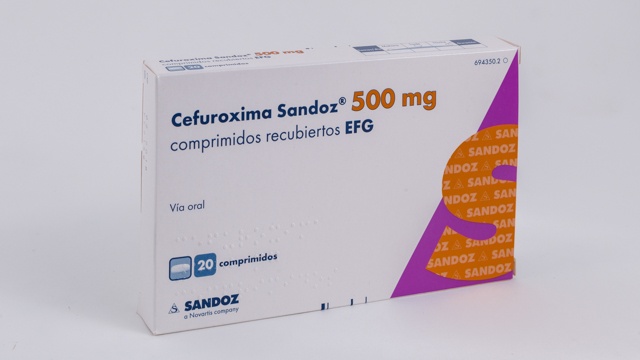

Médicos online para CEFUROXIMA SANDOZ 500 mg COMPRIMIDOS RECUBIERTOS EFG
Comenta la dosis, los posibles efectos secundarios, interacciones, contraindicaciones o la revisión de receta de CEFUROXIMA SANDOZ 500 mg COMPRIMIDOS RECUBIERTOS EFG, sujeto a valoración médica y a la normativa local.











Preguntas frecuentes
