



ЦЕФІКСИМ НЕКЛАЙФ 100 мг/5 мл ПОРОШОК ДЛЯ ПРИГОТУВАННЯ ОРАЛЬНОЇ СУСПЕНЗІЇ

Запит на рецепт онлайн
Лікар проаналізує вашу ситуацію та визначить, чи є призначення рецепта клінічно доцільним.

Поговоріть з лікарем про ці ліки
Обговоріть свої скарги та можливий план дій під час короткого онлайн-прийому.



Інструкція із застосування ЦЕФІКСИМ НЕКЛАЙФ 100 мг/5 мл ПОРОШОК ДЛЯ ПРИГОТУВАННЯ ОРАЛЬНОЇ СУСПЕНЗІЇ
Зміст інструкції
- Введення
- П
- Що таке Цефіксима Неклайф і для чого він використовується
- Що потрібно знати перед тим, як почати приймати Цефіксима Неклайф
- Як приймати Цефіксима Неклайф
- Можливі побічні ефекти
- Збереження Цефіксима Неклайф
- Зміст упаковки та додаткова інформація
Введення
П
Цефіксима Неклайф 100 мг/5 мл порошок для пероральної суспензії ЕФГ
Прочитайте уважно весь листок інструкцій перед тим, як почати приймати цей препарат, оскільки він містить важливу інформацію для вас.
- Збережіть цей листок інструкцій, оскільки вам може знадобитися знову його прочитати.
- Якщо у вас є якісь питання, проконсультуйтеся з вашим лікарем або фармацевтом.
- Цей препарат призначений тільки для вас, і не слід давати його іншим людям, навіть якщо вони мають такі самі симптоми, як і ви, оскільки це може їм нашкодити.
- Якщо ви відчуваєте побічні ефекти, проконсультуйтеся з вашим лікарем або фармацевтом, навіть якщо це побічні ефекти, які не вказані в цьому листку інструкцій. Див. розділ 4.
Зміст листка інструкцій
- Що таке Цефіксима Неклайф і для чого він використовується
- Що потрібно знати перед тим, як почати приймати Цефіксима Неклайф
- Як приймати Цефіксима Неклайф
- Можливі побічні ефекти
- Збереження Цефіксима Неклайф
- Зміст упаковки та додаткова інформація

Не впевнені, чи підходить вам цей препарат?
Обговоріть скарги та можливі варіанти терапії з лікарем у дистанційному форматі.
1. Що таке Цефіксима Неклайф і для чого він використовується
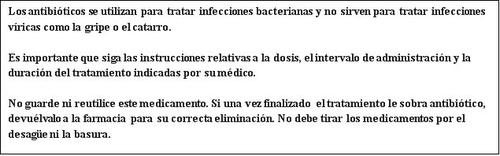
Цей препарат містить речовину, яка називається цефіксима, що належить до групи антибіотиків «цефалоспорини», які використовуються для лікування інфекцій, викликаних бактеріями.
Цей препарат використовується для лікування:
- Гострої інфекції середнього вуха
- Інфекції, яка викликає раптове погіршення хронічної бронхіти
- Гострої неускладненої інфекції сечового міхура
- Гострої інфекції горла, викликаної бактеріями
- Гострої неускладненої інфекції сечовивідних шляхів (гостра неускладнена цистит)
- Гострої неускладненої гонореї
2. Що потрібно знати перед тим, як почати приймати Цефіксима Неклайф

Виникли запитання під час прийому ліків?
Розкажіть лікарю про свої скарги та поточне лікування під час онлайн-прийому.
Не приймайте Цефіксима Неклайф, якщо:
- ви алергічні на цефіксиму або на будь-який інший компонент цього препарату (вказані в розділі 6). Алергічна реакція може проявлятися у вигляді висипу на шкірі (виразки), свербежу, труднощів з ковтанням або диханням чи набухання обличчя, губ, горла та язика.
- алергічні на будь-який інший тип антибіотиків-цефалоспоринів.
- маєте інтенсивну алергічну реакцію на антибіотик пеніцилін або будь-який інший тип антибіотиків-бета-лактамів.
Попередження та обережність
Проконсультуйтеся з вашим лікарем або фармацевтом перед тим, як почати приймати цей препарат.
Перед тим, як прийняти цефіксиму, ви повинні повідомити вашого лікаря, якщо:
- ви алергічні на пеніцилін або будь-який інший антибіотик-бета-лактам.
Не всі люди, які алергічні на пеніцилін, алергічні також і на цефалоспорини. Але ви повинні бути особливо обережні, якщо ви коли-небудь мали алергічну реакцію на будь-який пеніцилін, оскільки ви можете бути алергічними також і на цей препарат.
Якщо пацієнт має інтенсивну алергічну реакцію або анафілаксію (тяжка алергічна реакція, яка викликає труднощі з диханням чи головокружіння) після прийому Цефіксима Неклайф, лікування цим препаратом буде припинено, і буде проведено відповідне лікування.
- Колись вам казали, що ваші нирки не функціонують дуже добре. Крім того, якщо ви приймаєте будь-яке лікування (наприклад, діаліз) для ниркової недостатності. Ви можете приймати цефіксиму, але вам може знадобитися нижча доза. (Дітям з проблемами нирок не слід приймати цефіксиму).
- У вас є сильна діарея або тривала діарея, яка може бути кровоточивою та супроводжуватися болем у животі чи спазмами: ці симптоми можуть виникнути під час або незабаром після лікування та є рідкісними, але можуть бути потенційно смертельними. Припиніть приймати цефіксиму та негайно зверніться до вашого лікаря. Не слід приймати препарати, які можуть зменшити або зупинити рух кишечника.
Лікування циклом цефіксими може тимчасово збільшити ймовірність появи інфекцій, викликаних іншими типами мікроорганізмів, на які цефіксима не діє. Наприклад, ви можете мати кандидоз ротової порожнини (інфекцію, викликану грибком типу Candida).
Інші препарати та Цефіксима Неклайф
Повідомте вашого лікаря або фармацевта, якщо ви приймаєте, нещодавно приймали або можете приймати будь-які інші препарати.
Особливо повідомте вашого лікаря або фармацевта, якщо ви приймаєте:
- Антикоагулянти (препарати, які запобігають згортанню крові)
- Вплив на аналітичні тести
- Якщо ви проходите аналіз крові або сечі, повідомте вашого лікаря, що ви приймаєте цей препарат, оскільки цефіксима може змінити результати деяких з цих аналізів.
- Цей препарат може змінити результати деяких визначень цукру в сечі, таких як тести Бенедикта, Фелінга або з сульфатом міді. Як і з іншими цефалоспоринами, цефіксима може змінити результати аналізу крові для виявлення антитіл, який називається прямим тестом Кумбса.
Вагітність, лактація та фертильність
Цей препарат виготовлений спеціально для дітей. Але якщо ви вагітні або перебуваєте в період лактації, вважаєте, що можете бути вагітною або плануєте завагітніти, проконсультуйтеся з вашим лікарем або фармацевтом перед тим, як використовувати цей препарат.
Водіння транспортних засобів та використання машин
Цефіксима може викликати головокружіння. Якщо ви відчуваєте це, не слід водити транспортні засоби чи експлуатувати машини.
Прийом Цефіксима Неклайф з їжею та напоями
Цефіксима можна приймати з їжею чи без неї.
Важлива інформація про деякі компоненти Цефіксима Неклайф
Цефіксима Неклайф містить:
Сахароза:цей препарат містить приблизно 2,33 г сахарози в кожних 5 мл після реконституції. Це повинно бути враховано у пацієнтів з цукровим діабетом. Якщо ваш лікар сказав вам, що у вас є непереносимість деяких цукрів, зверніться до вашого лікаря перед тим, як приймати цей препарат. Це може бути шкідливим для зубів, коли препарат використовується для тривалого використання, наприклад, протягом двох тижнів або більше.Бензоат натрію:цей препарат містить 10,0 мг бензоату натрію в кожних 5 мл після реконституції. Бензоат натрію може збільшити жовтяницю (жовте забарвлення шкіри та очей) у новонароджених дітей (до 4 тижнів життя).
3. Як приймати Цефіксима Неклайф
Слідуйте точно інструкціям щодо прийому цього препарату, вказаним вашим лікарем. У разі сумнівів зверніться знову до вашого лікаря або фармацевта.
Звичайна доза для дорослих та підлітків (12 років і старших)Звичайна доза для дорослих становить 400 мг на добу, як одна доза або у двох розділених дозах. Якщо ваш лікар призначив вам одну дозу на добу, її слід приймати кожні 24 години. Якщо ваш лікар призначив вам дві дози на добу, кожну дозу слід приймати кожні 12 годин. Препарат завжди слід приймати в один і той же час кожного дня.
Діти старші 6 місяців та до 11 років.Діти приймають цефіксиму у вигляді пероральної суспензії (рідина, яка приймається перорально). Добова доза обчислюється згідно з вагою дитини.Під час загальної кількості кожної доби зазвичай приймається 8 мг на кожен кілограм ваги тіла в одній дозі або розділені на 2 дози згідно з вагою.Для точного введення дози упаковка постачається з пластиковою орально-джерелом 5 мл, позначеною кожні 0,25 мл.Як загальне керівництво щодо звичайних доз див. наступну таблицю.
Вага тіла (кг) | Добова доза цефіксими (мг) | Добова доза (мл) з використанням graduрованої джерели (дозаможе вводитися як одна доза або розділена на 2 дози) |
10,0 | 80 | 4 мл (одна доза на добу) або 2 мл (дві дози на добу) |
12,5 | 100 | 5 мл (одна доза на добу) або 2,5 мл (дві дози на добу) |
15,0 | 120 | 6 мл (одна доза на добу) або 3 мл (дві дози на добу) |
17,5 | 140 | 7 мл (одна доза на добу) або 3,5 мл (дві дози на добу) |
20,0 | 160 | 8 мл (одна доза на добу) або 4 мл (дві дози на добу) |
22,5 | 180 | 9 мл (одна доза на добу) або 4,5 мл (дві дози на добу) |
25,0 | 200 | 10 мл (одна доза на добу) або 5 мл (дві дози на добу) |
27,5 | 220 | 11 мл (одна доза на добу) або 5,5 мл (дві дози на добу) |
30,0 | 240 | 12 мл (одна доза на добу) або 6 мл (дві дози на добу) |
37,5 | 300 | 15 мл (одна доза на добу) або 7,5 мл (дві дози на добу) |
> 37,5 (і пацієнти 12 років і старші) | 400 | 20 мл (одна доза на добу) або 10 мл (дві дози на добу) |
Діти молодші 6 років
Не рекомендується використання цього препарату у дітей молодших 6 місяців.
Пацієнти похилого віку
Не потрібно змінювати дозу у пацієнтів похилого віку, якщо їхні нирки функціонують правильно.
Ниркова недостатність
Якщо у вас є серйозні проблеми з нирками або ви проходите діаліз, ваш лікар зменшить вашу дозу.Немає достатніх даних про використання цього препарату у дітей з проблемами нирок. Тому не рекомендується використання Цефіксима Неклайф у цих пацієнтів.
Підготовка Цефіксима Неклайф
50 мл пероральної суспензії:Встряхніть, щоб відокремити порошок. Додайте 35 мл води в два етапи до сухої суміші в пляшці. Встряхніть добре після кожного додавання. Не рекомендується подальше розбавлення.
100 мл пероральної суспензії:Встряхніть, щоб відокремити порошок. Додайте 69 мл води в два етапи до сухої суміші в пляшці. Встряхніть добре після кожного додавання. Не рекомендується подальше розбавлення.
Якщо ви прийняли більше Цефіксима Неклайф, ніж потрібно
Якщо ви прийняли більшу кількість цього препарату, ніж потрібно, зверніться до відділу невідкладної допомоги найближчої лікарні або до вашого лікаря негайно.
У разі передозування або випадкового прийому зверніться негайно до вашого лікаря або фармацевта або зателефонуйте до Токсикологічної служби (Тел. 91 562 04 20), вказавши препарат і кількість, прийняту.
Якщо ви забули прийняти Цефіксима Неклайф
Якщо ви забули прийняти одну дозу, прийміть її як тільки вам нагадаєте. Однак, якщо наступна доза повинна бути прийнята менш ніж за 6 годин, пропустіть забуту дозу та поверніться до вашого регулярного графіку прийому дози.Не приймайте подвійну дозу, щоб компенсувати забуту дозу.
Якщо ви припинили лікування Цефіксима Неклайф
Важливо приймати цей препарат до кінця всього курсу лікування, який вам призначили. Якщо ви припините приймати його занадто рано, інфекція може повернутися.
Якщо у вас є якісь інші питання щодо використання цього препарату, зверніться до вашого лікаря або фармацевта.
4. Можливі побічні ефекти
Як і всі препарати, цей препарат може викликати побічні ефекти, хоча не всі люди їх відчувають.
Алергічні реакціїВсі препарати можуть викликати алергічні реакції, хоча серйозні алергічні реакції зазвичай рідкісні (можуть впливати до 1 особи з 1000). До них можуть належати:• Раптова задишка та стиск у грудній клітці• Набухання повік, обличчя, губ чи язика.• Серйозні висипи на шкірі, які можуть призвести до утворення пухирів та можуть впливати на очі, рот, горло та геніталії.
Всі ці алергічні реакції потребують негайної медичної допомоги. Якщо ви вважаєте, що маєте одну з цих реакцій, припиніть приймати цей препарат та зверніться до вашого лікаря або до відділу невідкладної допомоги найближчої лікарні.
Відзначені наступні побічні ефекти:
Часті(можуть впливати до 1 особи з 10):
- Діарея (Якщо у вас є сильна діарея або ви бачите кров у фекаліях, ви повинні припинити приймати цей препарат та негайно звернутися до вашого лікаря, оскільки ви можете мати дуже рідкісну інфекцію товстої кишки, яка потребує спеціального лікування)
Рідкі(можуть впливати до 1 особи з 100):
- Головний біль
- Нудота
- Вомітування
- Біль у животі (у череві),
- Висип на шкірі
- Зміни в аналізах крові, які вимірюють функціювання печінки
Рідкісні(можуть впливати до 1 особи з 1000):
- Серйозна алергічна реакція, яка викликає набухання обличчя чи горла (ангіоневротичний набух)
- Реакції гіперчутливості (це висипи на шкірі, які є алергічними реакціями, менш серйозними, ніж вищезгадані, нерівний висип (уртикарія), свербеж)
- Головокружіння
- Втрата апетиту (анорексія)
- Втрата газів (метеоризм)
- Свербеж шкіри
- Гарячка
- Збільшення кількості одного типу білих кров'яних тілець, які називаються еозинофілами
- Запалення слизової оболонки
- Повторювані інфекції, викликані бактеріями.
- Повторювані інфекції, викликані грибами.
- Зміни в аналізах крові, які вимірюють функціювання нирок
Дуже рідкісні(можуть впливати до 1 особи з 10 000):
- Пухирчасті висипи або кровоточивість шкіри навколо губ, очей, рота, носа та геніталій. Також симптоми грипу та гарячка (синдром Стівенса-Джонсона)• Серйозний висип з пухирцями, де шари шкіри можуть відшаровуватися, залишаючи великі ділянки відкритої шкіри на тілі. Також загальне відчуття нездоров'я, гарячка, озноб та біль у м'язах (токсична епідермальна некроліз).• Реакція гіперчутливості, яка викликає симптоми, такі як висип, біль у суглобах, гарячка та шок (серумна хвороба)• відчуття неспокою, пов'язане з підвищенням активності (психомоторна гіперактивність)• Серйозна алергічна реакція, яка викликає труднощі з диханням чи шок (анафілактичний шок) запалення кишок, яке іноді трапляється після лікування антибіотиками (коліт, пов'язаний з антибіотиками)• Серйозна зменшення кількості білих кров'яних тілець, яке робить інфекції більш ймовірними (агранулоцитоз)
- Серйозна зменшення кількості кров'яних клітин, яке може викликати слабкість, синяки чи зробити інфекції більш ймовірними (панцитопенія)• Зменшення кількості малих клітин, необхідних для згортання крові, яке збільшує ризик кровотечі чи синяків (тромбоцитопенія) (якщо ви проходите аналіз крові з якоїсь причини, повідомте особу, яка приймає вашу пробу крові, що ви приймаєте цей препарат, оскільки він може впливати на результат)• Зменшення кількості червоних кров'яних тілець, яке може зробити шкіру блідою та викликати слабкість чи труднощі з диханням (гемолітична анемія)• Низький рівень білих кров'яних тілець (леукопенія)• Запалення нирок, яке впливає на їхню структуру та функцію.• Запалення печінки (гепатит)• Розлад жовчних шляхів (холестатична жовтяниця)• Зміни в аналізах крові, які показують, як функціонує ваша нирка (збільшення креатиніну в крові)
Частота невідома(не може бути оцінена на основі доступних даних):
- Збільшення кількості тромбоцитів (тромбоцитоз)
- Зменшення кількості одного типу білих кров'яних тілець (нейтропенія)
- Диспепсія
- Висип на шкірі чи ушкодження шкіри з кільцем рожевого/червоного кольору та блідим центром, які можуть свербіти, лущитися чи бути наповнені рідиною. Висип з'являється особливо на долонях рук чи підошвах ніг. Це можуть бути ознаки серйозної алергічної реакції на препарат, яка називається «еритема мультиформе».
- Стан мозку з симптомами, такими як судоми, відчуття розгубленості, відчуття меншої уваги чи свідомості речей, ніж зазвичай, незвичайні рухи м'язів чи жорсткість. Це може бути стан, який називається енцефалопатією. Цей побічний ефект більш ймовірний, якщо ви прийняли передозування або якщо у вас вже є проблема з нирками.
Звіт про побічні ефекти
Якщо ви відчуваєте будь-який побічний ефект, зверніться до вашого лікаря, фармацевта або медсестри, навіть якщо це побічні ефекти, які не вказані в цьому листку інструкцій. Ви також можете повідомити про них безпосередньо через Іспанську систему фармакологічного нагляду за лікарськими засобами для людини: https://www.notificaram.es.
Інформуючи про побічні ефекти, ви можете допомогти надати більше інформації про безпеку цього препарату.
5. Збереження Цефіксима Неклайф
Тримайте цей препарат поза зоною видимості та досягнення дітей.
Не використовуйте цей препарат після закінчення терміну придатності, який вказаний на коробці після {CAD}. Термін придатності - останній день місяця, який вказаний.
Без відкриття: Зберігайте при температурі нижче 25 ° C. Не охолоджуйте чи заморожуйте.
Після реконституції суспензію можна зберігати при температурі нижче 25 ° C протягом 14 днів. Не охолоджуйте чи заморожуйте. Тримайте флакони добре закритими та встряхніть їх добре перед використанням. Викиньте будь-яку невикористану частину після 14 днів. Не рекомендується розбавлення суспензії.
Лікарські засоби не повинні викидатися у водопровідні труби чи сміттєві контейнери. Відкладайте упаковку та лікарські засоби, які вам не потрібні, у пункті збору в аптеці. У разі сумнівів зверніться до вашого фармацевта, як викинути упаковку та лікарські засоби, які вам не потрібні. Таким чином, ви допоможете захистити довкілля
6. Зміст упаковки та додаткова інформація
Склад Цефіксима Неклаїф
Активний інгредієнт - це цефіксима.
- Інші компоненти: ксантановий гум, бензоат натрію, колоїдна безводна діоксид кремнію, сахароза, смак гуарани з полуницею (який містить аромати, ідентичні натуральним, натуральні смаки, мальтодекстрин кукурудзи та пропіленгліколь)
Вигляд продукту та вміст упаковки
Цефіксима Неклаїф - це зернистий порошок білувато-жовтого кольору зі смаком гуарани з полуницею. Кожні 5 мл реконституїрованої суспензії містять тригідрат цефіксими, еквівалентний 100 мг цефіксими. Цефіксима Неклаїф випускається в скляному флаконі кольору амбри типу III з білим кришечкою Pilfer Proof, який містить 25 г або 50 г порошку для приготування 50 мл або 100 мл пероральної суспензії відповідно. Флакони постачаються з мірним стаканом з позначкою "35 мл" і "69 мл", який може виміряти 35 мл і 69 мл води для реконституції. Флакони постачаються з пластиковою орально-джерелевою піпеткою об'ємом 5 мл, градуйованою в діленнях по 0,25 мл. Можливо, що тільки деякі розміри упаковок будуть продаватися
Власник дозволу на маркетинг та відповідальна особа за виробництво
Власник дозволу на маркетинг
Nectlife PT, Unipessoal LDA
Вулиця Бріто Пайс, 8С
1495-028 Алжеш
Португалія
Відповідальна особа за виробництво
PHARMADOX HEALTHCARE LIMITED
KW20A Kordin Industrial Park
PLA 3000 Паола
Мальта
Цей лікарський засіб дозволений в державах-членах Європейського економічного простору під наступними назвами:
Португалія:Цефіксим Нектар
Німеччина:Цефіксим Нектар
Іспанія:Цефіксима Неклаїф
Хорватія:Цефіксим Нектар
Угорщина:Цефіксим Нектар
Ірландія:Цефіксим Нектар Лайф-Саєнсес
Італія:Цефіксим Нектар
Дата останнього перегляду цього проспекту: жовтень2018
Детальна та оновлена інформація про цей лікарський засіб доступна на сайті Агентства з лікарських засобів та медичних продуктів Іспанії (AEMPS) http://www.aemps.gob.es/
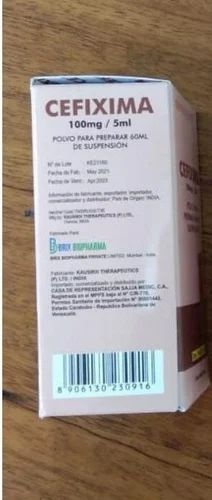
- Країна реєстрації
- Лікарська формаОРАЛЬНИЙ РОЗЧИН/СУСПЕНЗІЯ, 100 мг/5 мл
- Код АТХJ01DD08
- Діюча речовина
- Потрібен рецептТак
- Виробник
- СкладSACAROSA (2326,083 mg mg), BENZOATO DE SODIO (E 211) (10 mg mg), SABOR GUARANA FRESA (20 mg mg)
- Ці дані наведені виключно для ознайомлення і не є медичною рекомендацією. Усі рішення щодо терапії ухвалює лікар.
- Альтернативи до ЦЕФІКСИМ НЕКЛАЙФ 100 мг/5 мл ПОРОШОК ДЛЯ ПРИГОТУВАННЯ ОРАЛЬНОЇ СУСПЕНЗІЇЛікарська форма: ТАБЛЕТКА, 400 мгДіюча речовина: цефиксимВиробник: Codal-Synto LimitedПотрібен рецептЛікарська форма: ТАБЛЕТКА, 200 мгДіюча речовина: цефиксимВиробник: Mabo Farma S.A.Потрібен рецептЛікарська форма: ТАБЛЕТКА, 400 мгДіюча речовина: цефиксимВиробник: Mabo Farma S.A.Потрібен рецепт
Лікарі онлайн щодо ЦЕФІКСИМ НЕКЛАЙФ 100 мг/5 мл ПОРОШОК ДЛЯ ПРИГОТУВАННЯ ОРАЛЬНОЇ СУСПЕНЗІЇ
Питання застосування, безпеки та можливості виписки рецепта — за підсумками клінічної оцінки.









Отримайте рецепт на ЦЕФІКСИМ НЕКЛАЙФ 100 мг/5 мл ПОРОШОК ДЛЯ ПРИГОТУВАННЯ ОРАЛЬНОЇ СУСПЕНЗІЇ онлайн
Заповніть форму за 2 хвилини
Опишіть скарги, медичну історію та бажаний препарат.
Оберіть лікаря або ми призначимо
Виберіть конкретного фахівця або ми запропонуємо найближчого доступного лікаря.
Лікар розглядає ваш випадок
Як правило, протягом 30 хвилин. За потреби може поставити уточнювальні запитання в чаті.
Отримайте в будь-якій аптеці
Електронний рецепт надходить на вашу пошту — дійсний в усіх аптеках Іспанії.
Часті запитання
ЦЕФІКСИМ НЕКЛАЙФ 100 мг/5 мл ПОРОШОК ДЛЯ ПРИГОТУВАННЯ ОРАЛЬНОЇ СУСПЕНЗІЇ потребує рецепта в Іспанія. Ви можете обговорити з лікарем в онлайн-форматі, чи підходить цей препарат для вашого випадку.
Активний компонент ЦЕФІКСИМ НЕКЛАЙФ 100 мг/5 мл ПОРОШОК ДЛЯ ПРИГОТУВАННЯ ОРАЛЬНОЇ СУСПЕНЗІЇ — цефиксим. Це дозволяє знайти препарати з ідентичним складом під іншими торговими марками.
ЦЕФІКСИМ НЕКЛАЙФ 100 мг/5 мл ПОРОШОК ДЛЯ ПРИГОТУВАННЯ ОРАЛЬНОЇ СУСПЕНЗІЇ випускається компанією Neclife Pt Unipessoal Lda.. Торгова назва та дизайн упаковки можуть відрізнятися залежно від дистрибʼютора.
Фахівці, зокрема Сімейні лікарі, Психіатри, Дерматологи, Кардіологи, Ендокринологи, Гастроентерологи, Пульмонологи, Нефрологи, Ревматологи, Гематологи, Інфекціоністи, Алергологи, Геріатри, Педіатри, Онкологи, можуть оцінити доцільність призначення ЦЕФІКСИМ НЕКЛАЙФ 100 мг/5 мл ПОРОШОК ДЛЯ ПРИГОТУВАННЯ ОРАЛЬНОЇ СУСПЕНЗІЇ з урахуванням вашого стану здоров'я та чинних правил. Забронюйте онлайн-прийом, щоб обговорити скарги та визначити подальший план дій.
Польща має добре розвинену систему охорони здоров'я у великих містах, таких як Варшава, Краків, Вроцлав і Гданськ. Аптеки широко доступні та працюють відповідно до чинного законодавства, забезпечуючи доступ до рецептурних препаратів.
Ви можете придбати ЦЕФІКСИМ НЕКЛАЙФ 100 мг/5 мл ПОРОШОК ДЛЯ ПРИГОТУВАННЯ ОРАЛЬНОЇ СУСПЕНЗІЇ у Варшаві, Кракові, Вроцлаві або Гданську в будь-якій аптеці за наявності дійсного рецепта.
Щоб отримати рецепт, ви можете скористатися Oladoctor:
Інші препарати з тим самим активним компонентом (цефиксим) — ЦЕФІКСИМ КОДАЛ 400 мг ТАБЛЕТКИ, ПОКРИТІ ПЛІВКОВОЮ ОБОЛОНКОЮ, ЦЕФІКСИМ МАБО 200 мг ТАБЛЕТКИ, ПОКРИТІ ПЛІВКОВОЮ ОБОЛОНКОЮ, ЦЕФІКСИМ МАБО 400 мг ТАБЛЕТКИ, ПОКРИТІ ПЛІВКОВОЮ ОБОЛОНКОЮ. Вони можуть відрізнятися за торговою назвою чи формою випуску, але містять однаковий терапевтичний інгредієнт. Перед заміною або початком нового препарату рекомендується порадитися з лікарем.
