







Cómo usar BUDESONIDA EASYHALER 200 mcg POLVO PARA INHALACION
Traducción generada por IA
Este contenido ha sido traducido automáticamente y se ofrece solo con fines informativos. No sustituye la consulta con un profesional sanitario.
Ver originalContenido del prospecto
Introducción
[Código QR ahttps://cima.aemps.es/info/66669]
Para ver las instrucciones de uso de Easyhaler escanee este código o entre en https://cima.aemps.es/info/66669
Prospecto: información para el usuario
Budesonida Easyhaler 200 microgramos/dosis polvo para inhalación
Lea todo el prospecto detenidamente antes de empezar a usar este medicamento, porque contiene información importante para usted.
- Conserve este prospecto, ya que puede tener que volver a leerlo.
- Si tiene alguna duda, consulte a su médico, farmacéutico o enfermero.
- Este medicamento se le ha recetado solamente a usted, y no debe dárselo a otras personas aunque tengan los mismos síntomas que usted, ya que puede perjudicarles.
- Si experimenta efectos adversos, consulte a su médico, farmacéutico o enfermero, incluso si se trata de efectos adversos que no aparecen en este prospecto. Ver sección 4.
Contenido del prospecto
- Qué es Budesonida Easyhaler y para qué se utiliza
- Qué necesita saber antes de empezar a usar Budesonida Easyhaler
- Cómo usar Budesonida Easyhaler
- Posibles efectos adversos
- Conservación de Budesonida Easyhaler
- Contenido del envase e información adicional
1. Qué es Budesonida Easyhaler y para qué se utiliza
El principio activo de Budesonida Easyhaler es budesonida. Budesonida polvo se presenta en un inhalador. Al inhalar a través de la boquilla, el polvo entra en los pulmones con el aire inhalado. Budesonida actúa reduciendo y previniendo la hinchazón e inflamación de sus pulmones.
Budesonida Easyhaler es un medicamento denominado “preventivo”. Se utiliza para prevenir los síntomas del asma. Pertenece a un grupo de medicamentos llamados corticoesteroides.
Budesonida NO detendrá un ataque de asma una vez que ya se ha iniciado. Por ello es necesario que siempre tenga a mano un broncodilatador de acción rápida “calmante” (un agonista beta2).
El efecto de budesonida empieza después de unos pocos días de tratamiento y alcanza su punto máximo al cabo de unas semanas. Tome Budesonida Easyhaler regularmente para prevenir la inflamación asmática. Siga tomando regularmente este medicamento, de acuerdo a las instrucciones de uso, incluso si no tiene síntomas.

2. Qué necesita saber antes de empezar a usar Budesonida Easyhaler
No use Budesonida Easyhaler, si es alérgico:
- a budesonida o
- al otro componente de este medicamento (incluido en la sección 6) que es lactosa (que contiene pequeñas cantidades de proteínas lácteas)
Informe a su médico para que su medicamento pueda cambiarse por otro.
Advertencias y precauciones
Consulte a su médico antesde empezar a usar Budesonida Easyhaler si usted tiene:
- tuberculosis pulmonar
- una infección bacteriana, vírica o fúngica no tratada en su boca, vías respiratorias o pulmones
- problemas graves de hígado
Póngase en contacto con su médico si presenta visión borrosa u otras alteraciones visuales.
Enjuáguese la boca con agua después de cada inhalación para evitar infección por hongos en la boca.
No se recomienda usar Budesonida Easyhaler en niños menores de 6 años.
Otros medicamentos y Budesonida Easyhaler
Informe a su médico o farmacéutico si está utilizando, ha utilizado recientemente o pudiera tener que utilizar cualquier otro medicamento, incluso los adquiridos sin receta.
Algunos medicamentos pueden aumentar los efectos de Budesonida Easyhaler y su médico puede considerar realizarle un seguimiento estrecho si está tomando estos medicamentos (incluyendo algunos medicamentos para el tratamiento del SIDA: ritonavir, cobicistar).
Informe a su médico si usted está usando:
- medicamentos nasales que contienen corticoesteroides
- comprimidos de corticoesteroides
- medicamentos antifúngicos conteniendo ketoconazol e itraconazol
Embarazo y lactancia
Si está embarazada o en periodo de lactancia, cree que podría estar embarazada o tiene intención de quedarse embarazada, consulte a su médico antes de utilizar este medicamento. Es importante tanto para el feto como para la madre mantener un tratamiento adecuado del asma durante el embarazo. Al igual que con otros medicamentos administrados durante el embarazo, se debe valorar el beneficio de la administración de budesonida a la madre respecto los riesgos sobre el feto. Se debe utilizar la dosis menor efectiva de budesonida para mantener un adecuado control del asma.
Conducción y uso de máquinas
No hay indicios de que Budesonida Easyhaler pueda afectar a la capacidad de conducir y utilizar maquinaria.
Budesonida Easyhaler polvo para inhalación contiene una pequeña cantidad de lactosa, la cual probablemente no le cause problemas incluso si tiene intolerancia a la lactosa. Si su médico le ha indicado que padece una intolerancia a ciertos azúcares, consulte con él antes de usar este medicamento.
La lactosa contiene pequeñas cantidades de proteínas lácteas, que pueden causar una reacción alérgica.
3. Cómo usar Budesonida Easyhaler
Siga exactamente las instrucciones de administración de este medicamento indicadas por su médico. En caso de duda, consulte de nuevo a su médico o farmacéutico.
Su médico le ha prescrito la dosis y la duración de Budesonida Easyhaler más adecuada para usted. Siga cuidadosamente las instrucciones de su médico.
Sustitución de comprimidos de corticoesteroides por Budesonida Easyhaler:
Consulte a su médico si toma comprimidos de corticoesteroides (por ejemplo comprimidos de cortisona) para tratar su asma. Su médico le puede reducir gradualmente el número de comprimidos hasta finalmente suspender el tratamiento en pocas semanas. Si no se siente bien durante este periodo de transferencia, consulte a su médico pero no deje de usar Budesonida Easyhaler.
Uso en adultos (incluido ancianos) y adolescentes (12 a 17 años):
- 1-2 inhalaciones por la mañana y por la noche o una vez al día por la noche.
Uso en niños de 6 a 11 años:
- 1-2 inhalaciones por la mañana y por la noche o una vez al día por la noche.
Durante el tratamiento, su médico le ajustará la dosis y le recetará la mínimadosis que controle sus síntomas del asma (dosis de mantenimiento).
Si Budesonida Easyhaler se administra en niños, asegúrese que él/ella puede usarlo correctamente.
En adición al preventivo Budesonida Easyhaler, usted puede necesitar también un broncodilatador calmante:
Budesonida no detendrá un ataque de asma una vez que ya se ha iniciado. Por ello es necesario que siempre tenga a mano un broncodilatador de acción rápida calmante(un agonista beta2) por si presenta síntomas agudos de asma.
Si usted usa un inhalador calmante (un agonista beta2), debería inhalarlo antes de Budesonida Easyhaler (preventivo).
Empeoramiento de los síntomas de asma durante el tratamiento:
Consulte a su médico tan pronto como sea posible si:
- Su sibilancia (jadeo) o dolor en el pecho empeora durante el tratamiento
- Necesita usar el inhalador calmante más a menudo que antes
- Su inhalador calmante no le alivia igual que antes
Su asma puede empeorar y es posible que necesite un tratamiento adicional.
Si usa más Budesonida Easyhaler del que debe:
Si usa una dosis de Budesonida Easyhaler mayor de la que debe o más dosis de las que debe, consulte a su médico tan pronto como sea posible. Debe continuar usando Budesonida Easyhaler a menos que su médico le indique lo contrario.
Es importante que tome su dosis como le ha aconsejado su médico o farmacéutico. No debe incrementar o disminuir su dosis sin consejo médico.
Si olvidó usar Budesonida Easyhaler:
Si olvida administrar una dosis, tome una tan pronto como sea posible, o bien puede tomar la siguiente dosis cuando corresponda. Tome el medicamento a la misma hora del día.
No tome una dosis doble para compensar las dosis olvidadas.
Si interrumpe el tratamiento con Budesonida Easyhaler:
No interrumpa el tratamiento con Budesonida Easyhaler sin consultar a su médico. Si deja de usar el medicamento bruscamente, su asma puede empeorar.
Si tiene cualquier otra duda sobre el uso de este medicamento, pregunte a su médico, farmacéutico o enfermero.
Las instrucciones de cómo utilizar el inhalador se encuentran al final del prospecto.

4. Posibles efectos adversos
Al igual que todos los medicamentos, este medicamento puede producir efectos adversos, aunque no todas las personas los sufran.
Frecuentes(pueden afectar hasta 1 de cada 10 personas):
Irritación de garganta, dificultades para tragar, tos, infección por hongos en la boca y garganta (muguet). Si tiene alguno de estos efectos adversos no interrumpa el uso de Budesonida Easyhaler. Consulte a su médico.
Para prevenir los efectos adversos anteriormente mencionados, se puede enjuagar la boca y la garganta con agua o cepillarse los dientes después de cada dosis. No se trague el agua de los enjuagues, escúpala.
Poco frecuentes(pueden afectar hasta 1 de cada 100 personas):
Ansiedad, depresión, cataratas, visión borrosa, espasmos musculares y temblores.
Raros(pueden afectar hasta 1 de cada 1.000 personas):
Poco o demasiado cortisol en sangre. Glándula suprarrenal hipoactiva (glándula cercana a los riñones). Erupciones cutáneas, picor, moratones, disfonía, ansiedad y nerviosismo. Retraso del crecimiento en niños. Cambios de comportamiento especialmente en niños.
Reacción alérgicaaguda rara:
Si poco después de tomar una dosis aparece picor, erupción, enrojecimiento cutáneo, hinchazón de los párpados, los labios, la cara o la garganta, sibilancias, baja presión arterial o colapso, actúe de la siguiente manera:
- Deje de tomar Budesonida Easyhaler
- Busque consejo médico inmediatamente
Falta de aliento inmediatamente después de la dosis:
Raramente, los medicamentos inhalados pueden causar un aumento de las sibilancias y de falta de aliento (broncoespasmo) inmediatamente después de la dosis. Si esto ocurre:
- Deje de tomar Budesonida Easyhaler
- Tome rápidamente un broncodilatador de acción rápida
- Busque consejo médico inmediatamente
Muy raros(pueden afectar hasta 1 de cada 10.000 personas):
Glaucoma. Disminución de la densidad ósea (debilitamiento de los huesos).
Frecuencia desconocida (no se puede estimar la frecuencia a partir de los datos disponibles):
Problemas de sueño, reacciones agresivas, aumento de la actividad motora (dificultad de estarse quieto) e irritabilidad. Estos efectos son más probables en niños.
Si cree que puede tener alguno de estos efectos adversos raros, o si está preocupado por la posibilidad de tenerlos, consulte a su médico.
Comunicación de efectos adversos
Si experimenta cualquier tipo de efecto adverso, consulte a su médico o farmacéutico, incluso si se trata de posibles efectos adversos que no aparecen en este prospecto. También puede comunicarlos directamente a través del Sistema Español de Farmacovigilancia de Medicamentos de Uso Humano: www.notificaram.es. Mediante la comunicación de efectos adversos usted puede contribuir a proporcionar más información sobre la seguridad de este medicamento.
5. Conservación de Budesonida Easyhaler
Mantener este medicamento fuera de la vista y el alcance de los niños.
Antes del primer uso: conservar en el envase original.
Una vez abierta la bolsa de aluminio: conservar por debajo de 30ºC y protegido de la humedad. Se recomienda guardar Budesonida Easyhaler en la cubierta protectora.
Sustituir Budesonida Easyhaler por uno nuevo a los 6 meses de la apertura de la bolsa de aluminio. Escriba la fecha en que ha sido abierta para ayudarle a recordarlo. ______________
Si Budesonida Easyhaler se humedece debe reemplazarlo por uno nuevo.
No utilice este medicamento después de la fecha de caducidad indicada en la etiqueta y en el envase.
Los medicamentos no se deben tirar por los desagües ni a la basura. Deposite los envases y los medicamentos que no necesita en el Punto SIGRE de la farmacia. Pregunte a su farmacéutico cómo deshacerse de los envases y de los medicamentos que ya no necesita. De esta forma, ayudará a proteger el medio ambiente.
6. Contenido del envase e información adicional
Composición de Budesonida Easyhaler
- El principio activo es budesonida
- El otro componente es monohidrato de lactosa (que contiene proteínas de la leche).
Aspecto del producto y contenido del envase
Polvo blanco o casi blanco.
Budesonida Easyhaler 200 microgramos/dosis polvo para inhalación
- 120 dosis
- 200 dosis + cubierta protectora
- 200 dosis
- 2 x 200 dosis
- 600 dosis (3 x 200 dosis)
Puede que solo estén comercializados algunos tamaños de envase.
Titular de la autorización de comercialización:
Orion Corporation
Orionintie 1
FI-02200 Espoo
Finlandia
Responsable de fabricación:
Orion Corporation Orion Pharma
Orionintie 1
FI-02200 Espoo
Finlandia
Representante local:
Orion Pharma S.L.
Teléfono: +349 159 9 86 01
Este medicamento está autorizado en los estados miembros del Espacio Económico Europeo con los siguientes nombres:
Finlandia, Hungría, Alemania | Budesonid Easyhaler |
España | Budesonida Easyhaler |
Bélgica, Polonia | Budesonide Easyhaler |
Eslovenia | Budesonid Orion Easyhaler |
Holanda | Budesonide Orion Easyhaler |
Reino Unido | Easyhaler Budesonide |
Noruega, Suecia, Dinamarca, República Checa, Eslovaquia, Estonia, Lituania, Letonia, Malta | Giona Easyhaler |
Fecha de la última revisión de este prospecto:05/2021
La información detallada de cómo utilizar este medicamento está disponible escaneando este código QR (incluido también en la caja y en la etiqueta) con su teléfono inteligente. La misma información también está disponible en la siguiente página web: https://cima.aemps.es/info/66669
[Código QR ahttps://cima.aemps.es/info/66669]
La información detallada de este medicamento está disponible en la página Web de la Agencia Española de Medicamentos y Productos Sanitarios (AEMPS) http://www.aemps.gob.es/
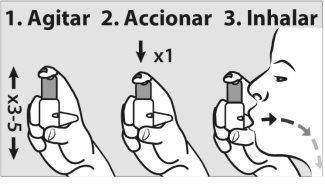
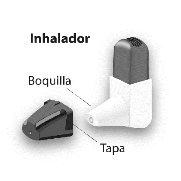
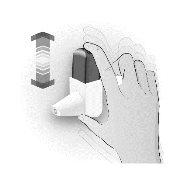
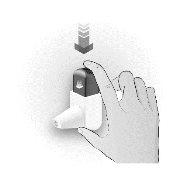
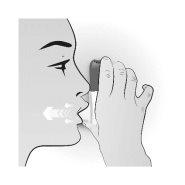
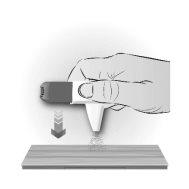
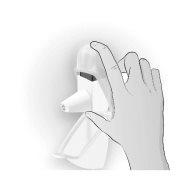
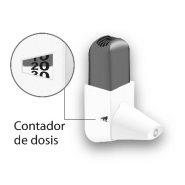
Cómo usar el inhalador Easyhaler Sobre su inhalador Easyhaler Budesonida Easyhaler puede ser distinto a otros inhaladores que haya utilizado hasta ahora. Por esto es muy importante que lo use adecuadamente, de lo contrario, puede no recibir la cantidad adecuada de medicamento. Esto puede hacerle sentir mal o ser causa que su asma no se esté tratando de forma adecuada. Su médico, enfermera o farmacéutico le enseñarán cómo usar correctamente su inhalador. Asegúrese que entiende cómo usar correctamente el inhalador. Si no está seguro, contacte de nuevo con su médico, enfermera o farmacéutico. Como con todos los inhaladores, los cuidadores se deben asegurar que los niños a los que se ha prescrito Budesonida Easyhaler utilicen la técnica correcta de inhalación, como se describe a continuación. También puede utilizar el vídeo de instrucciones disponible en https://cima.aemps.es/info/66669 Primer uso del Easyhaler
CÓMO UTILIZAR CORRECTAMENTE
Si necesita realizar una segunda inhalación repita los pasos 1 a 3 Agitar-Accionar-Inhalar. Después de utilizar el inhalador:
Limpieza de su inhalador Easyhaler Mantenga el inhalador seco y limpio. Si es necesario limpie la parte externa de la boquilla con un paño seco. No utilice agua: el polvo del interior del inhalador Easyhaler es sensible a la humedad.
Si tiene cualquier otra duda sobre el uso de este medicamento, pregunte a su médico o farmacéutico. |
- País de registro
- Forma farmacéuticaINHALACIÓN PULMONAR, 200 mcg/dosis
- Código ATCR03BA02
- Precio medio en farmacia24.52 EUR
- Principio activo
- Requiere recetaSí
- Fabricante
- Esta información es de carácter general y no sustituye la consulta con un profesional sanitario.
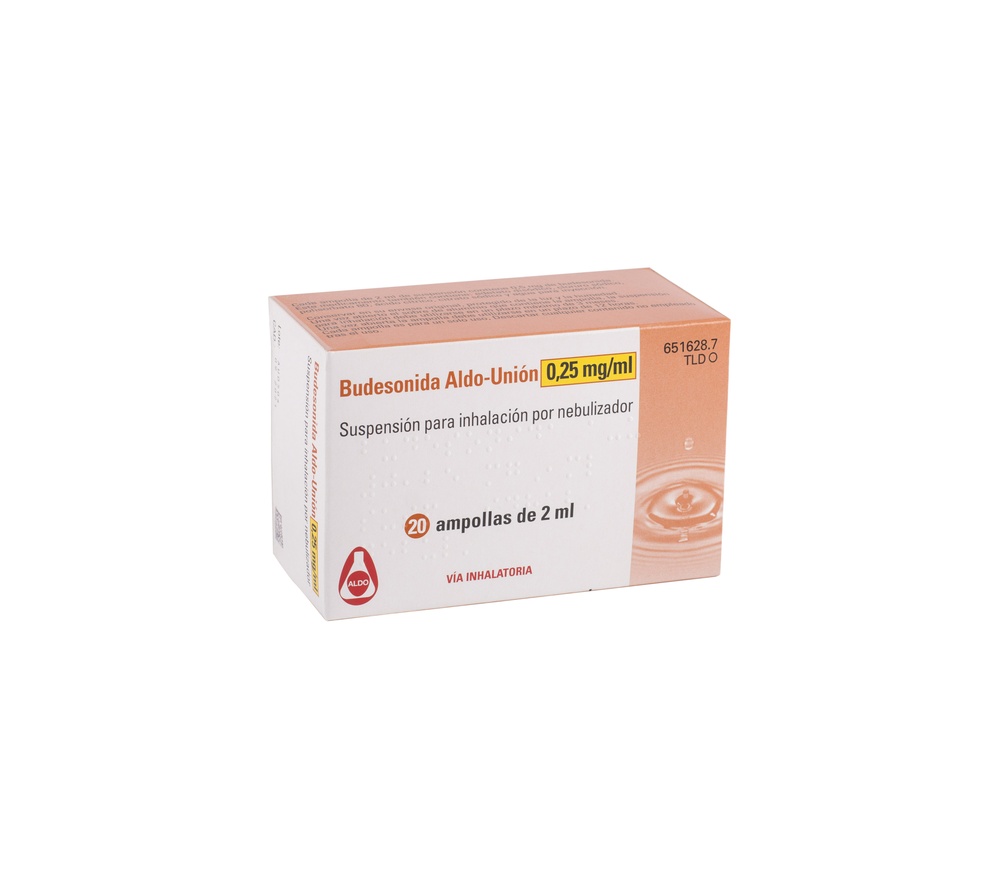
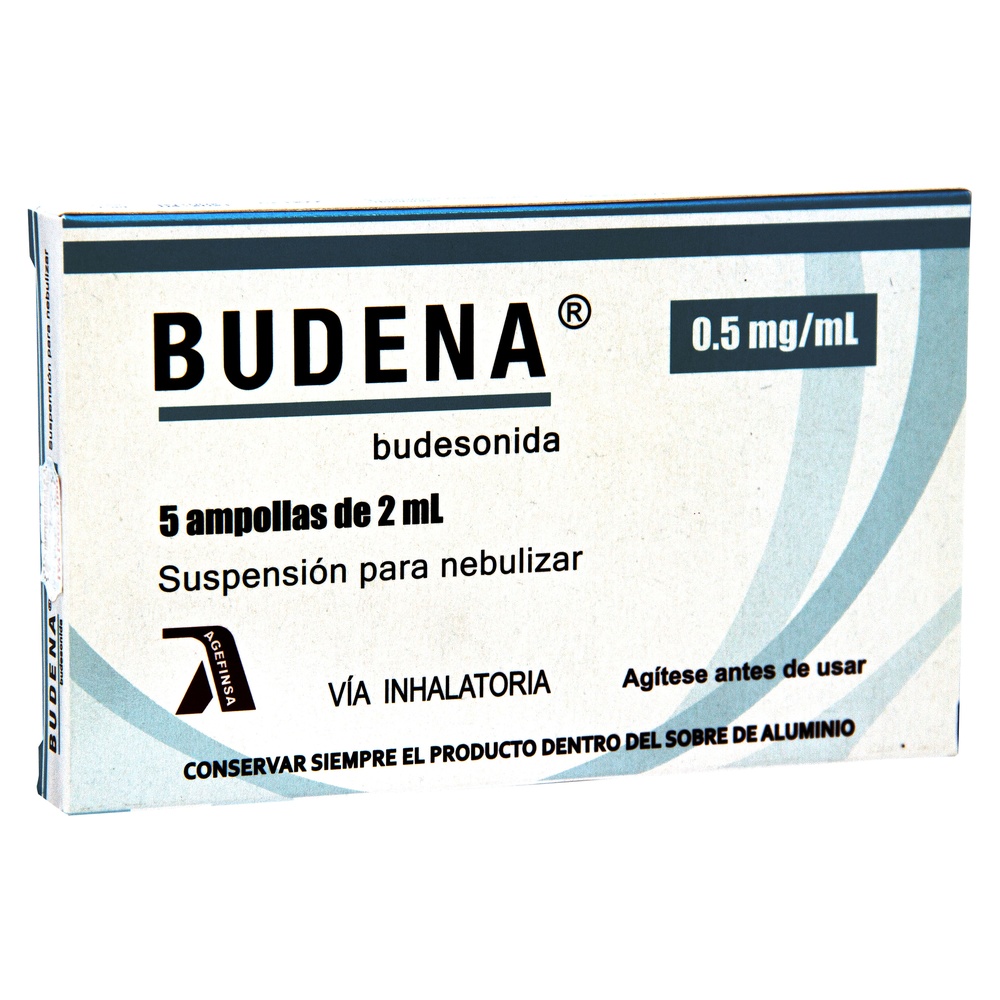
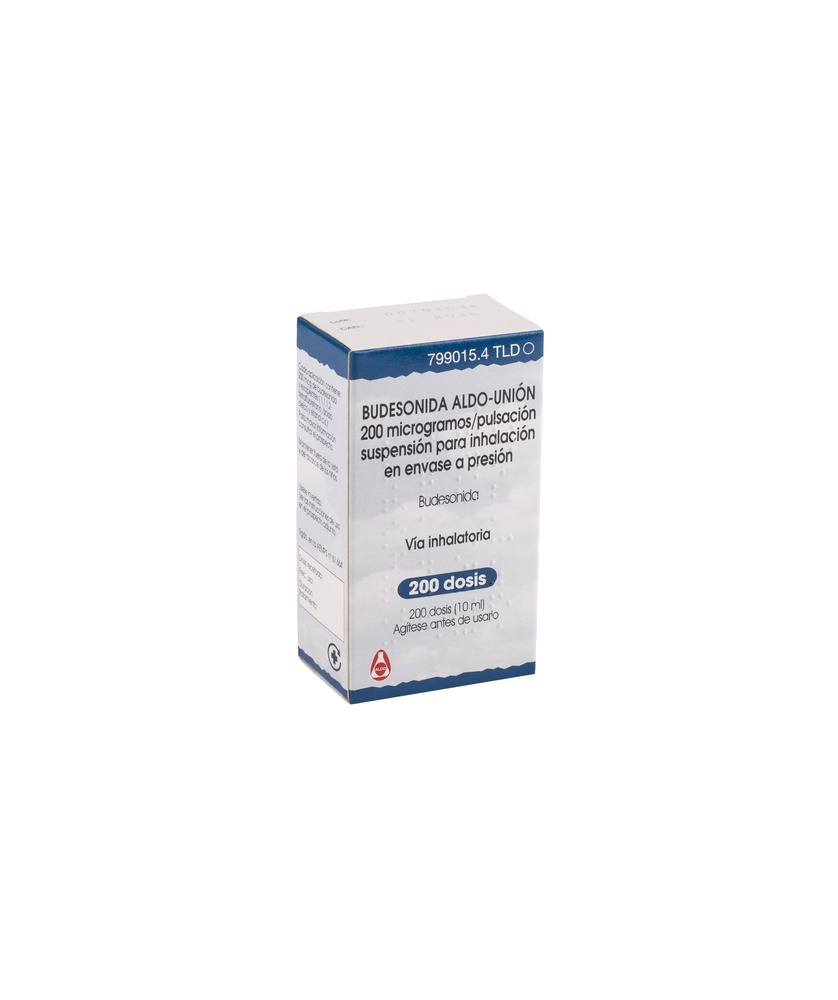
- Alternativas a BUDESONIDA EASYHALER 200 mcg POLVO PARA INHALACIONForma farmacéutica: INHALACIÓN PULMONAR, 0,25 mg/mlPrincipio activo: BudesonidaFabricante: Laboratorio Aldo Union S.L.Requiere recetaForma farmacéutica: INHALACIÓN PULMONAR, 0,5 mg/mlPrincipio activo: BudesonidaFabricante: Laboratorio Aldo Union S.L.Requiere recetaForma farmacéutica: INHALACIÓN PULMONAR, 0,04000 gPrincipio activo: BudesonidaFabricante: Laboratorio Aldo Union S.L.Requiere receta
Médicos online para BUDESONIDA EASYHALER 200 mcg POLVO PARA INHALACION
Comenta la dosis, los posibles efectos secundarios, interacciones, contraindicaciones o la revisión de receta de BUDESONIDA EASYHALER 200 mcg POLVO PARA INHALACION, sujeto a valoración médica y a la normativa local.









Obtén una receta de BUDESONIDA EASYHALER 200 mcg POLVO PARA INHALACION online
Rellena un formulario de 2 minutos
Cuéntanos tus síntomas, historial y el medicamento que necesitas.
Elige un médico o nosotros te asignamos uno
Escoge un especialista o te conectamos con el próximo médico disponible.
El médico revisa tu caso
Normalmente en 30 minutos. Puede hacerte preguntas adicionales por chat.
Recógela en cualquier farmacia
Receta electrónica enviada a tu correo, válida en toda España.
Preguntas frecuentes
BUDESONIDA EASYHALER 200 mcg POLVO PARA INHALACION requires receta en España. Puedes confirmarlo con un médico online según tu caso.
El principio activo de BUDESONIDA EASYHALER 200 mcg POLVO PARA INHALACION es Budesonida. Esta información ayuda a identificar medicamentos con la misma composición pero con diferentes nombres comerciales.
El precio medio en farmacia de BUDESONIDA EASYHALER 200 mcg POLVO PARA INHALACION es de aproximadamente 24.52 EUR. Puede variar según el fabricante y la forma farmacéutica.
BUDESONIDA EASYHALER 200 mcg POLVO PARA INHALACION es fabricado por Orion Corporation. La marca y el envase pueden variar según el distribuidor.
Los Médicos de familia, Psiquiatras, Dermatólogos, Cardiólogos, Endocrinólogos, Gastroenterólogos, Neumólogos, Nefrólogos, Reumatólogos, Hematólogos, Infectólogos, Alergólogos, Geriatras, Pediatras, Oncólogos pueden valorar la prescripción de BUDESONIDA EASYHALER 200 mcg POLVO PARA INHALACION cuando esté clínicamente indicado. Puedes reservar una videoconsulta para comentar tu caso y las opciones de tratamiento.
España cuenta con una infraestructura sanitaria bien desarrollada en ciudades principales como Madrid, Barcelona, Valencia y Sevilla. Las farmacias están ampliamente disponibles y operan bajo estrictas regulaciones, garantizando el acceso a medicamentos con receta.
Puedes comprar BUDESONIDA EASYHALER 200 mcg POLVO PARA INHALACION en Madrid, Barcelona, Sevilla o Valencia en cualquier farmacia local con una receta válida.
Para obtener una receta, puedes utilizar Oladoctor:
Otros medicamentos con el mismo principio activo (Budesonida) incluyen BUDENA 0,25 MG/ML SUSPENSION PARA INHALACION POR NEBULIZADOR, BUDENA 0,5 MG/ML SUSPENSION PARA INHALACION POR NEBULIZADOR, BUDESONIDA ALDO UNION 200 microgramos/pulsación SUSPENSIÓN PARA INHALACIÓN EN ENVASE A PRESIÓN. Pueden tener diferentes nombres comerciales o formulaciones, pero contienen el mismo componente terapéutico. Consulta siempre con un médico antes de cambiar o iniciar un nuevo medicamento.
