



ATENOLOL 100 mg Comprimidos Recubiertos Con Película

Revisión de receta online
Un médico revisará tu caso y determinará si la prescripción es médicamente apropiada.

Habla con un médico sobre este medicamento
Comenta tus síntomas y las opciones de tratamiento en una consulta online.



Cómo usar ATENOLOL COMBIX 100 MG COMPRIMIDOS RECUBIERTOS CON PELÍCULA EFG
Contenido del prospecto
- Introducción
- Qué es Atenolol Combix y para qué se utiliza
- Qué necesita saber antes de empezar a tomar Atenolol Combix
- Cómo tomar Atenolol Combix
- Posibles efectos adversos
- Conservación de Atenolol Combix
- Contenido del envase e información adicional
Introducción
Prospecto: información para el paciente
Atenolol Combix 50 mg comprimidos recubiertos con película EFG
Atenolol Combix 100 mg comprimidos recubiertos con película EFG
Lea todo el prospecto detenidamente antes de empezar a tomar este medicamento, porque contiene información importante para usted.
- Conserve este prospecto, ya que puede tener que volver a leerlo.
- Si tiene alguna duda, consulte a su médico o farmacéutico.
- Este medicamento se le ha recetado solamente a usted, y no debe dárselo a otras personas aunque tengan los mismos síntomas que usted, ya que puede perjudicarles.
- Si experimenta efectos adversos, consulte a su médico o farmacéutico, incluso si se trata de efectos adversos que no aparecen en este prospecto. Ver sección 4.
Contenido del prospecto
- Qué es Atenolol Combix y para qué se utiliza
- Qué necesita saber antes de empezar a tomar Atenolol Combix
- Cómo tomar Atenolol Combix
- Posibles efectos adversos
- Conservación de Atenolol Combix
- Contenido del envase e información adicional
1. Qué es Atenolol Combix y para qué se utiliza
Atenolol Combix pertenece a un grupo de medicamentos denominados betabloqueantes, es decir, actúa sobre su corazón y su sistema circulatorio.
Atenolol Combix está indicado en el tratamiento de la presión arterial elevada (hipertensión), para ayudar a prevenir el dolor de pecho (angina), para garantizar latidos cardiacos regulares y también, para proteger al corazón durante y después de un ataque cardiaco.

¿No estás seguro de si este medicamento es adecuado para ti?
Comenta tus síntomas y tratamiento con un médico online.
2. Qué necesita saber antes de empezar a tomar Atenolol Combix
No tomeAtenolol Combix
- Si es alérgico a atenolol o a alguno de los demás componentes de este medicamento (incluidos en la sección 6).
- Si ha padecido o padece dolencias cardiacas tales como insuficiencia cardiaca no controlada.
- Si padece otras afecciones cardiacas:
- bloqueo cardiaco de segundo o tercer grado (una alteración que puede ser tratada con un marcapasos),
- bradicardia (latidos cardiacos muy lentos o muy irregulares)
- presión arterial muy baja (hipotensión),
- trastorno de la circulación (enfermedad arterial periférica)
- o insuficiencia circulatoria.
- Si tiene un tumor llamado feocromocitoma (un tumor en las glándulas suprarrenales).
- Si ha mantenido ayuno.
- Si le han informado que tiene niveles de ácido en la sangre más altos de lo normal (acidosis metabólica).
Este medicamento, le ha sido indicado por su médico, de forma específica para usted. Por lo tanto, no debe proporcionarlos a nadie más.
Advertencias y precauciones
Consulte a su médico o farmacéutico antes de empezar a tomar Atenolol Combix.
- Si tiene problemas de salud tales como asma o dificultades respiratorias, diabetes, trastornos circulatorios, problemas cardiacos, renales o de tiroides.
- Si le han informado alguna vez que usted padece un tipo especial de dolor de pecho (angina), denominado angina de Prinzmetal.
- Si está embarazada, piensa estarlo o está en período de lactancia. Ver sección “Embarazo y lactancia”.
- Si ha sufrido alguna vez una reacción alérgica a algo, por ejemplo, a una picadura de insecto.
- Usted puede observar que su pulso es más lento mientras toma estos comprimidos. Esto es normal, pero si esto le preocupa, informe a su médico.
- Si usted es diabético, atenolol puede modificar su respuesta normal a la bajada de glucosa sanguínea, lo que implica habitualmente un aumento en la frecuencia cardiaca.
- En caso de ingresar en un hospital, comunique al personal sanitario y, en especial, al anestesista, que usted está siendo tratado con atenolol.
- Deje de tomar sus comprimidos únicamente si su médico así se lo indica y, en ese caso, hágalo sólo de forma gradual.
Niños
La seguridad de atenolol en niños no ha sido establecida, y por lo tanto, no debe ser utilizado en niños.
Otros medicamentos y Atenolol Combix
Informe a su médico o farmacéutico si está tomando, ha tomado recientemente o pudiera tener que tomar cualquier otro medicamento, incluidos los adquiridos sin receta médica, homeopáticos, plantas medicinales y otros productos relacionados con la salud, ya que puede ser necesario interrumpir el tratamiento o ajustar la dosis de alguno de ellos. Algunos medicamentos pueden afectar la acción de otros, en particular, comunique a su médico si está utilizando:
- Disopiramida o amiodarona (para latidos cardiacos irregulares).
- Otros tratamientos para la hipertensión o angina (en particular, verapamilo, diltiazem, nifedipino, clonidina). Si está utilizando clonidina para la hipertensión o para prevenir la migraña, no interrumpa el tratamiento con ésta ni con atenolol sin consultar previamente a su médico.
- Tratamiento para la insuficiencia cardiaca (digoxina).
- Medicamentos antiinflamatorios para tratamiento del dolor (como indometacina o ibuprofeno).
- Descongestivos nasales u otros productos para el resfriado que pueda haber comprado usted mismo en una farmacia.
Embarazo y lactancia
Si está embarazada o en periodo de lactancia, cree que podría estar embarazada o tiene intención de quedarse embarazada, consulte a su médico o farmacéutico antes de utilizar este medicamento.
Embarazo
No hay datos suficientes sobre la seguridad de atenolol durante el primer trimestre de embarazo. Su médico decidirá si el tratamiento durante el segundo y tercer trimestre es beneficioso para usted.
Lactancia
Informe a su médico si está siendo tratada con atenolol, en el momento del parto o durante la lactancia, ya que su bebé puede presentar riesgo de bajada de azúcar en sangre y latidos del corazón más lentos.
Las mujeres en periodo de lactancia deben consultar a su médico antes de tomar este medicamento ya que atenolol pasa a la leche materna.
Conducción y uso de máquinas
Observe su respuesta a la medicación porque en algunos casos se han producido mareos y fatiga a las dosis habituales. Si fuera así, no conduzca ni maneje maquinaria peligrosa.
Uso en deportistas
Se advierte a los deportistas que este medicamento contiene un componente que puede establecer un resultado analítico de control del dopaje como positivo.
Atenolol Combix contiene lactosa y sodio
Este medicamento contiene lactosa. Si su médico le ha indicado que padece una intolerancia a ciertos azúcares, consulte con él antes de tomar este medicamento.
Este medicamento contiene menos de 1 mmol de sodio (23 mg) por comprimido; esto es, esencialmente “exento de sodio”.
3. Cómo tomar Atenolol Combix
Siga exactamente las instrucciones de administración de este medicamento indicadas por su médico o farmacéutico. En caso de duda, consulte de nuevo a su médico o farmacéutico.
La dosis recomendada es de 50-100 mg al día.
Habitualmente este medicamento se toma una vez al día, aunque también puede repartirse la dosis diaria en dos tomas.
- Los comprimidos de atenolol se deben tragar enteros con ayuda de un poco de agua.
- El comprimido se puede dividir en dosis iguales.
- Intente tomar su comprimido a la misma hora cada día.
- Recuerde tomar su medicamento. Su médico le indicará la duración de su tratamiento con atenolol.
- Es muy importante seguir tomando este medicamento durante el tiempo recomendado por el médico.
- No deje de tomar este medicamento aunque se encuentre bien, a menos que su médico así se lo indique; en este caso, lo deberá realizar de forma gradual.
Adultos
- Presión arterial elevada (hipertensión):la dosis recomendada es de 50 a 100 mg al día.
- Dolor de pecho (angina):la dosis recomendada es de 100 mg al día o 50 mg dos veces al día.
- Latidos cardíacos irregulares (arritmias):la dosis recomendada es de 50 mg a 100 mg al día.
- Tratamiento precoz de un ataque cardiaco (infarto de miocardio):la dosis recomendada es de 50 mg a 100 mg al día.
- El tratamiento tardío de un ataque cardiaco (infarto de miocardio):la dosis recomendada es de 100 mg al día.
Pacientes con insuficiencia renal:
Si tiene problemas de riñón su médico puede decidir darle una dosis menor.
Si toma más Atenolol Combix del que debe
Si ingiere una dosis superior a la normal, contacte con su médico u hospital más próximo.
En caso de sobredosis o ingestión accidental consulte inmediatamente a su médico o farmacéutico o llame al Servicio de Información Toxicológica, teléfono: 91 562 04 20, indicando el medicamento y la cantidad ingerida.
Si olvidó tomar Atenolol Combix
Si usted omite una dosis, tómela tan pronto como se acuerde de ello. No tome una dosis doble para compensar las dosis olvidadas.
Si tiene cualquier otra duda sobre el uso de este medicamento, pregunte a su médico o farmacéutico.

¿Has empezado a tomar el medicamento y tienes preguntas?
Comenta tus síntomas y tratamiento con un médico online.
4. Posibles efectos adversos
Al igual que todos los medicamentos, este medicamento puede producir efectos adversos, aunque no todas las personas los sufran.
Frecuentes (pueden afectar a hasta 1 de cada 10 personas):
- Dedos de manos y pies fríos.
- Latidos cardiacos más lentos.
- Náuseas.
- Diarrea.
- Cansancio.
Poco frecuentes (pueden afectar a hasta 1 de cada 100 personas):
- Trastornos del sueño.
Raros (pueden afectar a hasta 1 de cada 1.000 personas):
- Bloqueo cardiaco (que puede provocar un latido cardíaco anormal, mareo, cansancio o desmayos).
- Empeoramiento de las dificultades respiratorias, si usted padece o ha padecido asma.
- Falta de respiración y/o inflamación de los tobillos, si también presenta insuficiencia cardiaca.
- Empeoramiento de su circulación arterial, si ya padece algún grado de insuficiencia circulatoria.
- Entumecimiento y espasmos en los dedos de las manos, seguido de calor y dolor (fenómeno de Raynaud).
- Cambios de humor.
- Pesadillas.
- Confusión.
- Psicosis o alucinaciones (trastornos mentales).
- Dolor de cabeza.
- Mareo, especialmente al ponerse de pie.
- Sensación de hormigueo en las manos.
- Impotencia.
- Boca seca.
- Ojos secos.
- Trastornos de la visión.
- Pérdida del cabello.
- Erupción cutánea, incluyendo empeoramiento de la psoriasis.
- Trombocitopenia (mayor facilidad para la aparición de hematomas).
- Púrpura (manchas púrpuras en la piel).
- Ictericia (que puede detectarse como coloración amarillenta de su piel y ojos).
- Valores elevados de enzimas séricas (transaminasas).
Muy raros (pueden afectar a hasta 1 de cada 10.000 personas):
Muy raramente pueden producirse cambios en algunas células o componentes de la sangre. Es posible que su médico desee realizarle un análisis de sangre para comprobar si atenolol ha tenido algún efecto sobre su sangre.
Frecuencia no conocida (no puede estimarse a partir de los datos disponibles):
Síndrome similar al lupus (una enfermedad en la que el sistema inmunológico produce anticuerpos que atacan principalmente a la piel y articulaciones).
No se alarme por esta lista de reacciones adversas, ya que puede que no aparezca ninguna de ellas.
Comunicación de efectos adversos:
Si experimenta cualquier tipo de efecto adverso, consulte a su médico o farmacéutico, incluso si se trata de posibles efectos adversos que no aparecen en este prospecto. También puede comunicarlos directamente a través del Sistema Español de Farmacovigilancia de Medicamentos de Uso Humano: www.notificaRAM.es. Mediante la comunicación de efectos adversos usted puede contribuir a proporcionar más información sobre la seguridad de este medicamento.
5. Conservación de Atenolol Combix
Mantener este medicamento fuera de la vista y del alcance de los niños.
No utilice este medicamento después de la fecha de caducidad que aparece en el envase después de CAD. La fecha de caducidad es el último día del mes que se indica.
No conservar a temperatura superior a 25 ºC.
Los medicamentos no se deben tirar por los desagües ni a la basura. Deposite los envases y los medicamentos que no necesita en el punto SIGRE de la farmacia. En caso de duda pregunte a su farmacéutico cómo deshacerse de los envases y de los medicamentos que no necesita. De esta forma ayudará a proteger el medio ambiente.
6. Contenido del envase e información adicional
Composición de Atenolol Combix 50 mg comprimidos recubiertos con película EFG:
El principio activo es atenolol. Cada comprimido contiene 50 mg de atenolol.
Composición de Atenolol Combix 100 mg comprimidos recubiertos con película EFG:
El principio activo es atenolol. Cada comprimido contiene 100 mg de atenolol.
Los demás componentes (excipientes) son:
Núcleo: almidón de maíz, celulosa microcristalina, croscarmelosa sódica, lactosa monohidrato, sílice coloidal hidrófoba, hipromelosa, estearato de magnesio, povidona y talco.
Recubrimiento:talco, dióxido de titanio (E-171), macrogol, hipromelosa, celulosa microcristalina, estearato de polioxietileno, dispersión al 30% de poliacrilato y emulsión de simeticona al 30%.
Aspecto del producto y contenido del envase
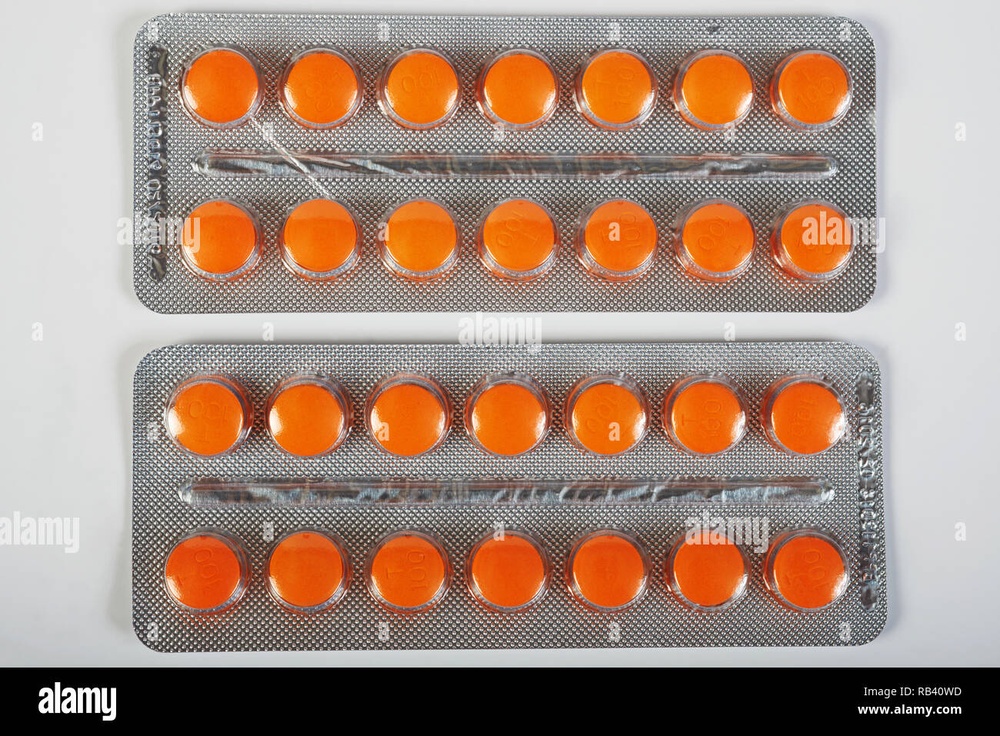
Comprimidos recubiertos con película, blancos, redondos, ranurados en una de sus caras y planos en la otra cara.
Atenolol Combix se presentan en blísteres de PVC/PVDC-Aluminio, en envases de 30 o 60 comprimidos.
Atenolol Combix 50 mg comprimidos recubiertos con película EFG
El diámetro del comprimido es aproximadamente de 8,1 mm
Atenolol Combix 100 mg comprimidos recubiertos con película EFG
El diámetro del comprimido es aproximadamente de 11,1 mm
Titular de la autorización de comercialización y responsable de la fabricación
Titular de la autorización de comercialización
Laboratorios Combix, S.L.U.
C/ Badajoz 2, Edificio 2
28223 Pozuelo de Alarcón (Madrid)
España
Responsable de la fabricación
Zydus France
ZAC Les Hautes Patures
Parc d'activités des Peupliers
25 Rue des Peupliers
92000 Nanterre
Francia
Ó
Pharmex Advanced Laboratories S.L.
Ctra. A-431 Km. 19
14720 Almodóvar del Río (Córdoba)
España
Ó
Centre Spécialités Pharmaceutiques
ZAC des Suzots
35 rue de la Chapelle
63450 Saint Amant Tallende
Francia
Ó
Netpharmalab consulting services
Carretera de Fuencarral 22,
Alcobendas,
28108 Madrid
España
Ó
Flavine pharma france
3 Voie d’Allemagne
13127 Vitrolles
Francia
Fecha de la última revisión de este prospecto: Abril 2024
La información detallada de este medicamento está disponible en la página web de la Agencia Española de Medicamentos y Productos Sanitarios (AEMPS) (http://www.aemps.gob.es/).
- País de registro
- Forma farmacéuticaCOMPRIMIDO, 100 mg
- Código ATCC07AB03
- Principio activo
- Requiere recetaSí
- Fabricante
- ComposiciónLACTOSA MONOHIDRATO (10 mg mg), CROSCARMELOSA SODICA (24 mg mg)
- Esta información es de carácter general y no sustituye la consulta con un profesional sanitario.
- Alternativas a ATENOLOL COMBIX 100 MG COMPRIMIDOS RECUBIERTOS CON PELÍCULA EFGForma farmacéutica: COMPRIMIDO, 100 mgPrincipio activo: AtenololFabricante: Laboratorios Alter S.A.Requiere recetaForma farmacéutica: COMPRIMIDO, 50 mgPrincipio activo: AtenololFabricante: Laboratorios Alter S.A.Requiere recetaForma farmacéutica: COMPRIMIDO, 100 mgPrincipio activo: AtenololFabricante: Aurovitas Spain, S.A.U.Requiere receta
Médicos online para ATENOLOL COMBIX 100 MG COMPRIMIDOS RECUBIERTOS CON PELÍCULA EFG
Comenta la dosis, los posibles efectos secundarios, interacciones, contraindicaciones o la revisión de receta de ATENOLOL COMBIX 100 MG COMPRIMIDOS RECUBIERTOS CON PELÍCULA EFG, sujeto a valoración médica y a la normativa local.
Obtén una receta de ATENOLOL COMBIX 100 MG COMPRIMIDOS RECUBIERTOS CON PELÍCULA EFG online
Rellena un formulario de 2 minutos
Cuéntanos tus síntomas, historial y el medicamento que necesitas.
Elige un médico o nosotros te asignamos uno
Escoge un especialista o te conectamos con el próximo médico disponible.
El médico revisa tu caso
Normalmente en 30 minutos. Puede hacerte preguntas adicionales por chat.
Recógela en cualquier farmacia
Receta electrónica enviada a tu correo, válida en toda España.
Preguntas frecuentes
ATENOLOL COMBIX 100 MG COMPRIMIDOS RECUBIERTOS CON PELÍCULA EFG requiere receta en España. Puedes confirmarlo con un médico online según tu caso.
El principio activo de ATENOLOL COMBIX 100 MG COMPRIMIDOS RECUBIERTOS CON PELÍCULA EFG es Atenolol. Esta información ayuda a identificar medicamentos con la misma composición pero con diferentes nombres comerciales.
ATENOLOL COMBIX 100 MG COMPRIMIDOS RECUBIERTOS CON PELÍCULA EFG es fabricado por Laboratorios Combix S.L.U.. La marca y el envase pueden variar según el distribuidor.
Los Médicos de familia, Psiquiatras, Dermatólogos, Cardiólogos, Endocrinólogos, Gastroenterólogos, Neumólogos, Nefrólogos, Reumatólogos, Hematólogos, Infectólogos, Alergólogos, Geriatras, Pediatras, Oncólogos pueden valorar la prescripción de ATENOLOL COMBIX 100 MG COMPRIMIDOS RECUBIERTOS CON PELÍCULA EFG cuando esté clínicamente indicado. Puedes reservar una videoconsulta para comentar tu caso y las opciones de tratamiento.
España cuenta con una infraestructura sanitaria bien desarrollada en ciudades principales como Madrid, Barcelona, Valencia y Sevilla. Las farmacias están ampliamente disponibles y operan bajo estrictas regulaciones, garantizando el acceso a medicamentos con receta.
Puedes comprar ATENOLOL COMBIX 100 MG COMPRIMIDOS RECUBIERTOS CON PELÍCULA EFG en Madrid, Barcelona, Sevilla o Valencia en cualquier farmacia local con una receta válida.
Para obtener una receta, puedes utilizar Oladoctor:
Otros medicamentos con el mismo principio activo (Atenolol) incluyen ATENOLOL ALTER 100 mg COMPRIMIDOS EFG, ATENOLOL ALTER 50 mg COMPRIMIDOS EFG, ATENOLOL AUROVITAS 100 MG COMPRIMIDOS RECUBIERTOS CON PELICULA EFG. Pueden tener diferentes nombres comerciales o formulaciones, pero contienen el mismo componente terapéutico. Consulta siempre con un médico antes de cambiar o iniciar un nuevo medicamento.
