






Cómo usar APEL 600 MG COMPRIMIDOS RECUBIERTOS CON PELICULA EFG
Traducción generada por IA
Este contenido ha sido traducido automáticamente y se ofrece solo con fines informativos. No sustituye la consulta con un profesional sanitario.
Ver originalContenido del prospecto
Introducción
Prospecto:información para el usuario
Apel 600 mg comprimidos recubiertos con película EFG
linezolid
Lea todo el prospecto detenidamente antes de empezar a usar este medicamento,porque contiene información importante para usted.
- Conserve este prospecto, ya que puede tener que volver a leerlo.
- Si tiene alguna duda, consulte a su médico, farmacéutico o enfermero.
- Este medicamento se le ha recetado solamente a usted, y no debe dárselo a otras personas aunque tengan los mismos síntomas que usted, ya que puede perjudicarles.
- Si experimenta efectos adversos, consulte a su médico, farmacéutico o enfermero, incluso si se trata de efectos adversos que no aparecen en este prospecto. Ver sección 4.
Contenido del prospecto
- Qué es Apel y para qué se utiliza
- Qué necesita saber antes de empezar a tomar Apel
- Cómo tomar Apel
- Posibles efectos adversos
5 Conservación de Apel
- Contenido del envase e información adicional
1. Qué es Apel y para qué se utiliza
Apel es un antibiótico del grupo de las oxazolidinonas que actúa impidiendo el crecimiento de determinadas bacterias (gérmenes) que causan infecciones.
Los antibióticos se utilizan para tratar infecciones bacterianas y no sirven para tratar infecciones víricas como la gripe o el catarro.
Es importante que siga las instrucciones relativas a la dosis, las tomas y la duración del tratamiento indicadas por su médico.
No guarde ni reutilice este medicamento. Si una vez finalizado el tratamiento le sobra antibiótico, devuélvalo a la farmacia para su correcta eliminación. No debe tirar los medicamentos por el desagüe ni a la basura.
Se utiliza para el tratamiento de la neumonía y de ciertas infecciones de la piel o debajo de la piel. Su médico habrá decidido si Apel es adecuado para tratar su infección.

2. Qué necesita saber antes de empezar a tomar Apel
No tome Apel:
- si es alérgico a linezolid o a alguno de los demás componentes de este medicamento (incluidos en la sección 6).
- si está tomando o ha tomado en las últimas 2 semanas algún medicamento de los llamados inhibidores de la monoaminooxidasa (IMAOs como por ejemplo, fenelzina, isocarboxazida, selegilina, moclobemida). Estos medicamentos suelen utilizarse para tratar la depresión o la enfermedad de Parkinson.
- si está dando el pecho. Linezolid pasa a la leche y podría afectar al bebé.
Advertencias y precauciones
Consulte a su médico, farmacéutico o enfermero antes de empezar a usar este medicamento .
Linezolid puede no ser adecuado para usted si responde sía cualquiera de las siguientes preguntas. En ese caso, indíqueselo a su médico, ya que él/ella necesitará controlar su salud general y su tensión arterial antes y durante el tratamiento o podría decidir que otro tratamiento es mejor para usted. Pregunte a su médico si no está seguro de si alguna de estas categorías aplica a su caso.
- ¿Tiene la tensión arterial alta, esté tomando o no medicinas para tratarla?
- ¿Le han diagnosticado hiperfunción tiroidea?
- ¿Tiene un tumor de las glándulas adrenales (feocromocitoma) o síndrome carcinoide (causado por tumores en el sistema hormonal que cursan con síntomas de diarrea, enrojecimiento de la piel, pitos al respirar)?
- ¿Padece depresión maniaca, trastorno esquizoafectivo, confusión mental u otros problemas mentales?
- ¿Tiene antecedentes de hiponatremia (niveles bajos de sodio en sangre) o toma medicamentos que reducen los niveles de sodio en sangre como, por ejemplo, ciertos diuréticos tales como la hidroclorotiazida?
- ¿Toma opioides?
El uso de ciertas medicinas, incluyendo antidepresivos y opioides, junto con Apel puede originar el síndrome serotoninérgico, una condición que potencialmente amenaza la vida (ver sección 2 “Otras medicinas y Apel” y sección 4).
Tenga especial cuidado con Apel:
Informe a su médico antes de tomar este medicamento si:
- Es un paciente de edad avanzada.
- Le salen cardenales y sangra con facilidad.
- Tiene anemia (recuento bajo de células rojas de la sangre).
- Es propenso a coger infecciones.
- Tiene historia de convulsiones.
- Tiene problemas de hígado o de riñones, especialmente si está en diálisis.
- Tiene diarrea.
Informe a su médico inmediatamente si durante el tratamiento aparecen:
- problemas de visión como visión borrosa, cambios en la visión de los colores, dificultad para ver con claridad o si nota que se reduce su campo visual.
- pérdida de sensibilidad en los brazos o piernas o una sensación de hormigueo o ardor en sus brazos o piernas.
- puede producirse diarrea mientras está tomando o después de tomar antibióticos, incluido linezolid. Si la diarrea se volviera intensa, durara mucho tiempo, o si notara que sus heces contienen sangre o mucosidad, deberá dejar de tomar este medicamento inmediatamente y consultar a su médico. En esta situación, no deberá tomar medicamentos que paren o disminuyan los movimientos intestinales.
- náuseas o vómitos repetidos, dolor abdominal o respiración rápida.
- dolor muscular inexplicable, sensibilidad o debilidad, y/o orina oscura. Estos pueden ser signos de una enfermedad grave llamada rabdomiólisis (degradación muscular), que puede provocar lesiones renales.
- malestar y mareos con debilidad muscular, dolor de cabeza, confusión y deterioro de la memoria que pueden indicar hiponatremia (niveles bajos de sodio en sangre).
Toma de Apelconotros medicamentos
En ocasiones linezolid puede interaccionar con ciertos medicamentos y producir efectos adversos tales como cambios en la tensión arterial, en la temperatura corporal o en la frecuencia cardiaca.
Informe a su médico si está tomando o ha estado tomando en las 2 últimas semanaslos siguientes medicamentos, ya que no debe tomar linezolid si todavía los está tomando o si los ha tomado recientemente (ver también la sección 2 anterior “No tome Apel”):
- Inhibidores de la monoaminooxidasa (IMAOs, como por ejemplo fenelzina, isocarboxazida, selegilina, moclobemida). Estos medicamentos se suelen utilizar para el tratamiento de la enfermedad del Parkinson.
Informe también a su médico si está tomando los siguientes medicamentos. Su médico podría decidir tratarle con linezolid, pero necesitará valorar su estado general y su tensión arterial antes y durante el tratamiento. En otros casos, su médico podría decidir que otro tratamiento es mejor para usted.
- Remedios descongestivos para el resfriado que contienen pseudoefedrina o fenilpropanolamina.
- Algunos medicamentos para tratar el asma como salbutamol, terbutalina, fenoterol.
- Ciertos antidepresivos llamados tricíclicos o ISRSs (inhibidores selectivos de la recaptación de serotonina). Hay muchos medicamentos de este tipo, incluido amitriptilina, citalopram, clomipramina, dosulepina, doxepina, fluoxetina, fluvoxamina, imipramina, lofepramina, paroxetina o sertralina.
- Medicamentos utilizados para tratar las migrañas como sumatriptán o zolmitriptán.
- Medicamentos para tratar reacciones alérgicas graves repentinas como adrenalina (epinefrina).
- Medicamentos que aumentan la tensión arterial como noradrenalina (norepinefrina), dopamina y dobutamina.
- Opioides, por ejemplo, petidina, utilizados para tratar el dolor moderado o grave.
- Medicamentos utilizados para tratar trastornos de ansiedad como buspirona.
- Medicamentos que impiden la coagulación de la sangre como warfarina.
- Un antibiótico llamado rifampicina
Informe a su médico, farmacéutico o enfermero si está utilizando o ha utilizado recientemente cualquier otro medicamento, incluso los adquiridos sin receta.
Toma deApel con alimentos, bebidas y alcohol
- Puede tomar linezolid antes, durante o después de las comidas.
- Evite comer cantidades excesivas de queso, extractos de levadura o extractos de semillas de soja (por ejemplo, salsa de soja) y de bebidas alcohólicas, especialmente cerveza de barril y vino. La razón es que linezolid puede reaccionar con una sustancia llamada tiramina que está presente de forma natural en algunos alimentos. Esta interacción puede causar un aumento de su tensión arterial.
- Si comienza con cefalea pulsátil después de comer o beber, comuníqueselo a su médico, farmacéutico o enfermero inmediatamente.
Embarazo,lactanciay fertilidad
Se desconoce el efecto de linezolid en las mujeres embarazadas. Por tanto, las mujeres embarazadas no deben usar linezolid , a menos que se lo aconseje su médico. Si está embarazada o en periodo de lactancia, cree que podría estar embarazada o tiene intención de quedarse embarazada, consulte a su médico o farmacéutico antes de utilizar este medicamento.
No debería dar el pecho mientras esté tomando linezolid porque este medicamento pasa a la leche y podría afectar a su bebé.
Conducción y uso de máquinas
Linezolid puede producir mareos o problemas de visión. Si le ocurre esto, no conduzca ni utilice máquinas. Recuerde que si no se encuentra bien puede verse afectada su capacidad para conducir o para utilizar máquinas.
Este medicamento contiene menos de 23 mg de sodio (1mmol) por unidad de dosis; esto es, esencialmente “exento de sodio”.
3. Cómo tomar Apel
Adultos
Siga siempre exactamente las instrucciones de administración del medicamento contenidas en este prospecto o las indicadas por su médico, farmacéutico o enfermero. En caso de duda, pregunte a su médico, farmacéutico o enfermero.
La dosis recomendada es de un comprimido recubierto con película (600 mg) dos veces al día (cada 12 horas). Debe tragar el comprimido recubierto con película entero con ayuda de un poco de agua.
Si está en un programa de diálisis, debe tomar linezolid después de cada sesión.
La duración normal del tratamiento es de 10-14 días, pero puede prolongarse hasta 28 días. La seguridad y la eficacia de este medicamento no han sido establecidas en periodos de tratamiento superiores a 28 días. Su médico decidirá la duración de su tratamiento.
Mientras esté tomando linezolid , su médico le realizará análisis de sangre periódicos para controlar el recuento sanguíneo.
Si toma linezolid durante más de 28 días, su médico deberá controlarle la visión.
Uso en niños y adolescentes
Linezolid no se utiliza normalmente en niños ni adolescentes (menores de 18 años).
Si toma más Apel del que debe
Informe inmediatamente a su médico o farmacéutico.
En caso de sobredosis o ingestión accidental consulte inmediatamente a su médico o farmacéutico o llame al Servicio de Información Toxicológica, teléfono 91 562 04 20, indicando el medicamento y la cantidad ingerida.
Si olvidó tomar Apel
Tome el comprimido que ha olvidado tan pronto como se acuerde. Tome el siguiente comprimido recubierto con película 12 horas después y continúe tomando los comprimidos recubiertos con película cada 12 horas. No tome una dosis doble para compensar la dosis olvidada.
Si interrumpe el tratamiento con Apel
Es importante que sólo interrumpa su tratamiento si se lo indica su médico. Si al interrumpir su tratamiento vuelven a aparecer los síntomas iniciales, informe inmediatamente a su médico o farmacéutico.
Si tiene cualquier otra duda sobre el uso de este medicamento, pregunte a su médico, farmacéutico o enfermero.

4. Posibles efectos adversos
Al igual que todos los medicamentos, este medicamento puede producir efectos adversos, aunque no todas las personas los sufran.
Informe inmediatamente a su médico, enfermera o farmacéuticosi nota cualquiera de los siguientes efectos adversos mientras está en tratamiento con linezolid:
Los efectos adversos de linezolid más graves (cuya frecuencia está entre paréntesis) son:
- Alteraciones graves de la piel (poco frecuente), hinchazón particularmente alrededor de la cara y cuello (poco frecuente) , sibilancias y/o dificultad para respirar (rara). Esto puede ser un signo de una reacción alérgica y puede ser necesario interrumpir el tratamiento con linezolid. Reacciones de la piel como una erupción púrpura elevada debido a la inflamación de los vasos sanguíneos (rara), piel roja, dolorida y escamosa (dermatitis) (poco frecuente), erupción cutánea (frecuente), picor (frecuente).
- problemas de la visión (poco frecuente) como visión borrosa (poco frecuente), cambios en la percepción de los colores (no conocida), dificultad para ver con claridad (no conocida) o si nota que se reduce su campo visual (rara).
- diarrea grave que contiene sangre y/o mucosidad (colitis asociada a antibióticos incluida colitis pseudomembranosa), que en raras circunstancias podrían dar lugar a complicaciones que pueden llegar a poner en peligro la vida (poco frecuente).
- náuseas o vómitos repetidos, dolor abdominal o respiración rápida (rara).
- se han comunicado casos de ataques epilépticos o convulsiones (poco frecuente) en pacientes en tratamiento con linezolid.
- Síndrome serotoninérgico (no conocida): debe indicar a su médico si experimenta agitación, confusión, delirio, rigidez, temblor, descoordinación, convulsiones, latidos cardíacos rápidos, problemas respiratorios graves y diarrea (sugestivos de síndrome serotoninérgico), mientras está también en tratamiento con antidepresivos llamados ISRSs y opioides (ver sección 2).
- Sangrado o moratones inexplicables, que pueden deberse a una alteración del número de ciertas células sanguíneas que pueden afectar a la coagulación sanguínea o producir anemia (frecuente).
- Reducción del número de las células de la sangre que pueden afectar la capacidad para luchar contra las infecciones (poco frecuente). Algunos signos de infección incluyen: fiebre (frecuente), dolor de garganta (poco frecuente), ulceras en la boca (poco frecuente) y cansancio (poco frecuente).
- Rabdomiólisis (poco frecuente): Los signos y síntomas incluyen dolor muscular inexplicable, sensibilidad o debilidad, y/o orina oscura. Estos pueden ser signos de una enfermedad grave llamada rabdomiólisis (degradación muscular), que puede provocar daños renales.
- Inflamación del páncreas (poco frecuente).
- Convulsiones (poco frecuente).
- Ataques isquémicos transitorios (alteración pasajera del flujo de sangre al cerebro que causa síntomas a corto plazo tales como pérdida de visión, debilidad en brazos y piernas, dificultad para hablar y pérdida del conocimiento) (poco frecuente).
- “Pitidos” en los oídos (tinnitus) (poco frecuente).
Se han comunicado casos de adormecimiento, hormigueo o visión borrosa en pacientes que han tomado linezolid más de 28 días. Si experimenta dificultades en su visión consulte a su médico lo antes posible.
Otros efectos adversos incluyen:
Frecuentes(pueden afectar hasta 1 de cada 10 personas):
- Infecciones por hongos, especialmente en la vagina o en la boca.
- Dolor de cabeza.
- Sabor metálico.
- Diarrea, vómitos, náuseas.
- Alteración de algunos resultados del análisis de sangre, incluidos los resultados de las pruebas de proteínas, sales o enzimas que miden la función hepática, renal o los niveles de azúcar en sangre.
- Dificultad para dormir.
- Aumento de la tensión arterial.
- Anemia (reducción del número de las células rojas de la sangre).
- Mareo.
- Dolor abdominal localizado o generalizado.
- Estreñimiento.
- Indigestión.
- Dolor localizado.
- Reducción en el número de plaquetas.
Poco frecuentes(pueden afectar hasta 1 de cada 100 personas):
- Inflamación de la vagina o de la zona genital de la mujer.
- Sensación como de hormigueo o adormecimiento.
- Hinchazón, molestias, cambios de color de la lengua.
- Boca seca.
- Necesidad de orinar con más frecuencia.
- Escalofríos.
- Sensación de sed.
- Aumento de la sudoración.
- Hiponatremia (niveles bajos de sodio en sangre).
- Fallo renal.
- Hinchazón abdominal.
- Incremento de la creatinina.
- Dolor de estómago.
- Cambios en el ritmo de los latidos del corazón (por ejemplo, aumento del ritmo de los latidos).
- Disminución en el recuento de células de la sangre.
- Debilidad y/o cambios sensoriales.
- Raros(pueden afectar hasta 1 de cada 1.000 personas): Cambio del color de la superficie de los dientes, que desaparece con los procedimientos de limpieza dental profesional.
También se han comunicado los siguientes efectos adversos(no conocida: la frecuencia no puede estimarse a partir de los datos disponibles):
- Alopecia (pérdida del pelo).
Comunicación de efectos adversos
Si experimenta cualquier tipo de efecto adverso, consulte a su médico o farmacéutico, incluso si se trata de posibles efectos adversos que no aparecen en este prospecto. También puede comunicarlos directamente a través del Sistema Español de Farmacovigilancia de Medicamentos de Uso Humano: www.notificaRAM.es.
Mediante la comunicación de efectos adversos usted puede contribuir a proporcionar más información sobre la seguridad de este medicamento.
5. Conservación de Apel
Mantener este medicamento fuera de la vista y del alcance de los niños.
Este medicamento no requiere condiciones especiales de conservación.
No utilice este medicamento después de la fecha de caducidad que aparece en la caja después de CAD. La fecha de caducidad es el último día del mes que se indica.
Los medicamentos no se deben tirar por los desagües ni a la basura. Deposite los envases y los medicamentos que no necessita en el Punto Sigre de la farmacia. De esta forma, ayudará a proteger el medio ambiente.
6. Contenido del envase e información adicional
Composición de Apel
- El principio activo es linezolid. Cada comprimido recubierto con película contiene 600 mg de linezolid.
- Los demás componentes son: celulosa microcristalina (E 460), hidroxipropilcelulosa (E 463), almidón de maíz, carboximetilalmidón de sodio (tipo A) (procedente de almidón de patata) y estearato de magnesio (E 572). La película de recubrimiento contiene: hipromelosa (E 464), macrogol 400, dióxido de titanio (E 171).
Aspecto del producto y contenido del envase
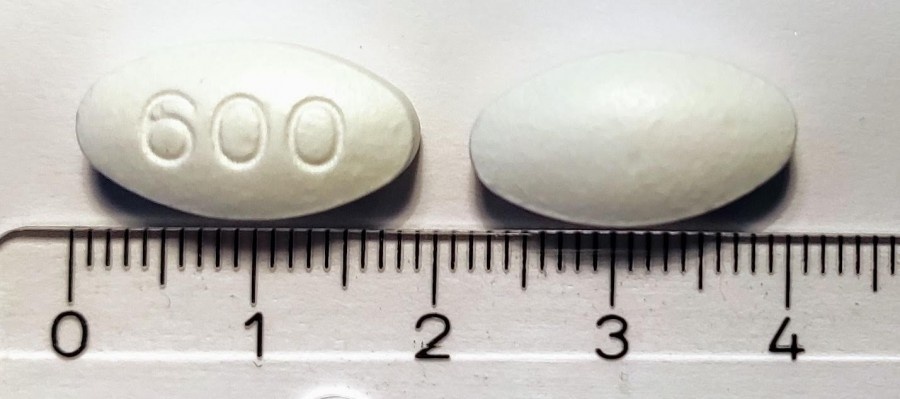
Los comprimidos recubiertos con película son de color blanco, ovalados, biconvexos, planos en ambos lados con dimensiones de 18 x 9 mm.
El envase contiene blisters opacas de PVC/PVDC-Alu con 10, 14, 20, 24, 30, 50, 60 o 100 comprimidos recubiertos con película.
Puede que solamente estén comercializados algunos tamaños de envases.
Titular de la autorización de comercialización
Medochemie Ltd
1-10 Constantinoupoleos street
3011 Limassol,
Chipre
Responsable de la fabricación
Medochemie Ltd, Factory AZ
2 Michael Erakleous Street,
Agios Athanassios Industrial Area,
Agios Athanassios, Limassol, 4101
Chipre
Pueden solicitar más información respecto a este medicamento dirigiéndose al representante local del titular de la autorización de comercialización:
Medochemie Iberia S.A., Sucursal en España
Avenida de las Águilas, nº 2 B; planta 5 oficina 6,
28044 Madrid
ESPAÑA
Fecha de la última revisión de esteprospecto:Enero 2025
La información detallada de este medicamento está disponible en la página web de la {Agencia Española de Medicamentos y Productos Sanitarios (AEMPS) (http://www.aemps.gob.es/).
-

- País de registro
- Forma farmacéuticaCOMPRIMIDO, 600 mg
- Código ATCJ01XX08
- Principio activo
- Requiere recetaSí
- Fabricante
- Esta información es de carácter general y no sustituye la consulta con un profesional sanitario.
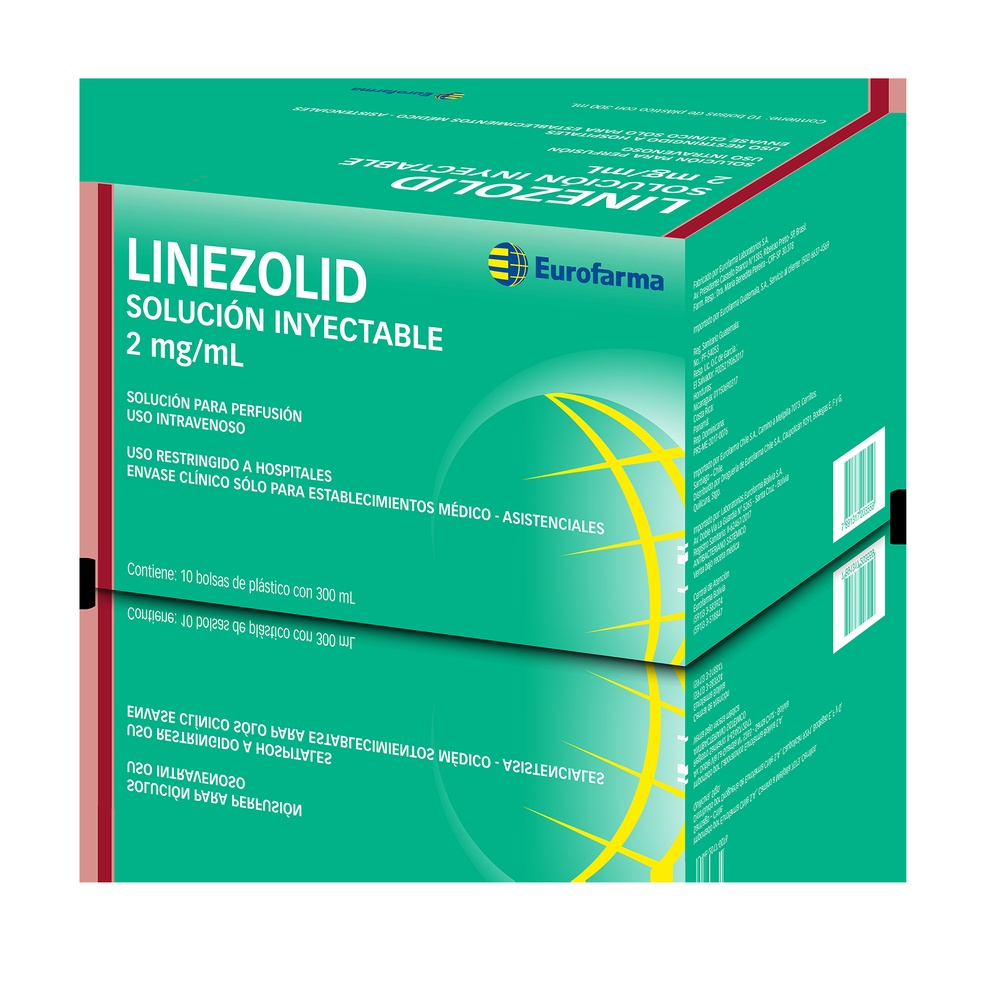
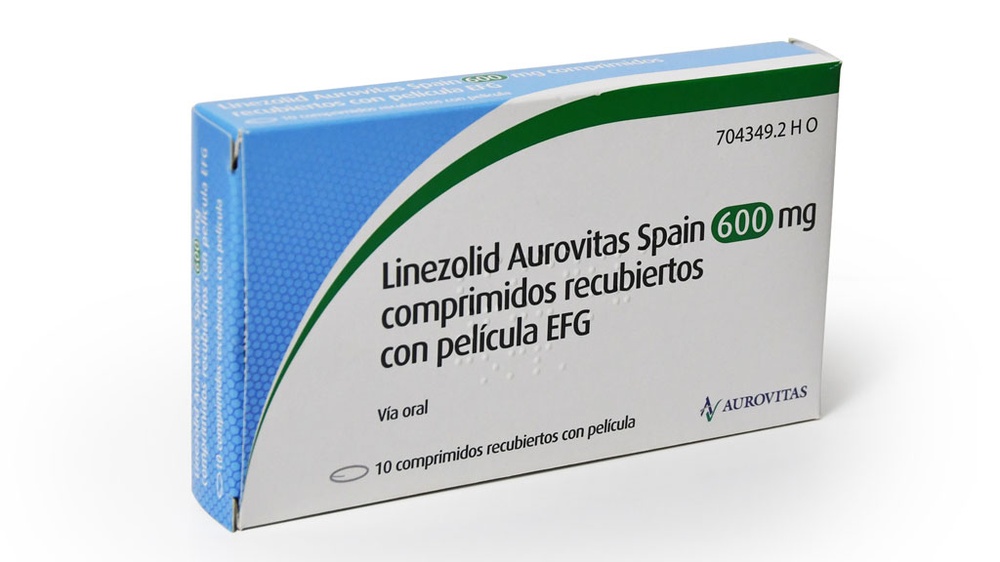
- Alternativas a APEL 600 MG COMPRIMIDOS RECUBIERTOS CON PELICULA EFGForma farmacéutica: INYECTABLE PERFUSION, 2 mg/mlPrincipio activo: LinezolidFabricante: Altan Pharmaceuticals SaRequiere recetaForma farmacéutica: INYECTABLE PERFUSION, 2 mg/mlPrincipio activo: LinezolidFabricante: Eugia Pharma (Malta) LimitedRequiere recetaForma farmacéutica: COMPRIMIDO, 600 mgPrincipio activo: LinezolidFabricante: Aurovitas Spain, S.A.U.Requiere receta
Médicos online para APEL 600 MG COMPRIMIDOS RECUBIERTOS CON PELICULA EFG
Comenta la dosis, los posibles efectos secundarios, interacciones, contraindicaciones o la revisión de receta de APEL 600 MG COMPRIMIDOS RECUBIERTOS CON PELICULA EFG, sujeto a valoración médica y a la normativa local.









Obtén una receta de APEL 600 MG COMPRIMIDOS RECUBIERTOS CON PELICULA EFG online
Rellena un formulario de 2 minutos
Cuéntanos tus síntomas, historial y el medicamento que necesitas.
Elige un médico o nosotros te asignamos uno
Escoge un especialista o te conectamos con el próximo médico disponible.
El médico revisa tu caso
Normalmente en 30 minutos. Puede hacerte preguntas adicionales por chat.
Recógela en cualquier farmacia
Receta electrónica enviada a tu correo, válida en toda España.
Preguntas frecuentes
APEL 600 MG COMPRIMIDOS RECUBIERTOS CON PELICULA EFG requires receta en España. Puedes confirmarlo con un médico online según tu caso.
El principio activo de APEL 600 MG COMPRIMIDOS RECUBIERTOS CON PELICULA EFG es Linezolid. Esta información ayuda a identificar medicamentos con la misma composición pero con diferentes nombres comerciales.
APEL 600 MG COMPRIMIDOS RECUBIERTOS CON PELICULA EFG es fabricado por Medochemie Limited. La marca y el envase pueden variar según el distribuidor.
Los Médicos de familia, Psiquiatras, Dermatólogos, Cardiólogos, Endocrinólogos, Gastroenterólogos, Neumólogos, Nefrólogos, Reumatólogos, Hematólogos, Infectólogos, Alergólogos, Geriatras, Pediatras, Oncólogos pueden valorar la prescripción de APEL 600 MG COMPRIMIDOS RECUBIERTOS CON PELICULA EFG cuando esté clínicamente indicado. Puedes reservar una videoconsulta para comentar tu caso y las opciones de tratamiento.
España cuenta con una infraestructura sanitaria bien desarrollada en ciudades principales como Madrid, Barcelona, Valencia y Sevilla. Las farmacias están ampliamente disponibles y operan bajo estrictas regulaciones, garantizando el acceso a medicamentos con receta.
Puedes comprar APEL 600 MG COMPRIMIDOS RECUBIERTOS CON PELICULA EFG en Madrid, Barcelona, Sevilla o Valencia en cualquier farmacia local con una receta válida.
Para obtener una receta, puedes utilizar Oladoctor:
Otros medicamentos con el mismo principio activo (Linezolid) incluyen LINEZOLID ALTAN 2 MG/ML SOLUCION PARA PERFUSION EFG, LINEZOLID AUROVITAS 2 MG/ML SOLUCION PARA PERFUSION EFG, LINEZOLID AUROVITAS SPAIN 600 MG COMPRIMIDOS RECUBIERTOS CON PELICULA EFG. Pueden tener diferentes nombres comerciales o formulaciones, pero contienen el mismo componente terapéutico. Consulta siempre con un médico antes de cambiar o iniciar un nuevo medicamento.
