






Cómo usar ALPROLIX 1.000 UI POLVO Y DISOLVENTE PARA SOLUCION INYECTABLE
Traducción generada por IA
Este contenido ha sido traducido automáticamente y se ofrece solo con fines informativos. No sustituye la consulta con un profesional sanitario.
Ver originalContenido del prospecto
Introducción
Prospecto: información para el usuario
ALPROLIX 250UI polvo y disolvente para solución inyectable
ALPROLIX 500UI polvo y disolvente para solución inyectable
ALPROLIX 1000UI polvo y disolvente para solución inyectable
ALPROLIX 2000UI polvo y disolvente para solución inyectable
ALPROLIX 3000UI polvo y disolvente para solución inyectable
eftrenonacog alfa factor IX de coagulación recombinante, proteína de fusión Fc
Lea todo el prospecto detenidamente antes de empezar a usar este medicamento, porque contiene información importante para usted.
- Conserve este prospecto, ya que puede tener que volver a leerlo.
- Si tiene alguna duda, consulte a su médico, farmacéutico o enfermero.
- Este medicamento se le ha recetado solamente a usted, y no debe dárselo a otras personas aunque tengan los mismos síntomas que usted, ya que puede perjudicarles.
- Si experimenta efectos adversos, consulte a su médico, farmacéutico o enfermero, incluso si se trata de efectos adversos que no aparecen en este prospecto. Ver sección 4.
Contenido del prospecto
- Qué es ALPROLIX y para qué se utiliza
- Qué necesita saber antes de empezar a usar ALPROLIX
- Cómo usar ALPROLIX
- Posibles efectos adversos
- Conservación de ALPROLIX
- Contenido del envase e información adicional
- Instrucciones de preparación y administración
1. Qué es ALPROLIX y para qué se utiliza
ALPROLIX contiene el principio activo eftrenonacog alfa, un factor IX de coagulación recombinante, proteína de fusión Fc. El factor IX es una proteína producida de forma natural por el cuerpo y es necesaria para que la sangre forme coágulos y detener las hemorragias.
ALPROLIX es un medicamento utilizado para el tratamiento y la prevención de las hemorragias en los pacientes de todos los grupos de edad con hemofilia B (un trastorno hemorrágico hereditario causado por una deficiencia del factor IX).
ALPROLIX se prepara mediante tecnología recombinante sin la adición de ningún componente de origen humano o animal en el proceso de fabricación.
Como actúa ALPROLIX
En los pacientes con hemofilia B, el factor IX está ausente o no funciona adecuadamente. Este medicamento se utiliza para sustituir el factor IX ausente o deficiente. ALPROLIX aumenta las concentraciones de factor IX en la sangre y corrige temporalmente la tendencia a sufrir hemorragias. La proteína de fusión Fc de este medicamento prolonga la duración de la acción del medicamento.

2. Qué necesita saber antes de empezar a usar ALPROLIX
No use ALPROLIX
- si es alérgico al eftrenonacog alfa o a alguno de los demás componentes de este medicamento (incluidos en la sección 6).
Advertencias y precauciones
Consulte a su médico, farmacéutico o enfermero antes de empezar a usar ALPROLIX.
- Existe una pequeña posibilidad de que sufra una reacción anafiláctica (una reacción alérgica grave y repentina) a ALPROLIX. Entre los signos de las reacciones alérgicas se encuentran picor generalizado, ronchas, sensación de opresión en el pecho, dificultad para respirar y presión arterial baja. Si aparece cualquiera de estos síntomas, interrumpa inmediatamente la inyección y póngase en contacto con su médico. Debido al riesgo de reacciones alérgicas con el factor IX, sus primeras administraciones de ALPROLIX se deben realizar bajo observación médica en un lugar donde se pueda proporcionar una asistencia médica adecuada en caso de reacciones alérgicas.
- Consulte a su médico si cree que no está consiguiendo controlar las hemorragias con la dosis que recibe, ya que pueden existir varios motivos para ello. Por ejemplo, la formación de anticuerpos (también conocidos como inhibidores) contra el factor IX es una complicación conocida que puede ocurrir durante el tratamiento de la hemofilia B. Los anticuerpos impiden que el tratamiento actúe adecuadamente. Su médico comprobará si esto es así. No aumente la dosis total de ALPROLIX para controlar las hemorragias sin hablar antes con su médico.
Los pacientes con un inhibidor del factor IX pueden tener un mayor riesgo de anafilaxia durante tratamientos futuros con factor IX. Por lo tanto, si experimenta reacciones alérgicas como las descritas más arriba, se le deberá hacer un análisis para comprobar la presencia de un inhibidor.
Los medicamentos de factor IX pueden aumentar el riesgo de coágulos sanguíneos no deseados en su cuerpo, especialmente si tiene factores de riesgo para desarrollar coágulos sanguíneos. Los síntomas de un posible coágulo sanguíneo no deseado pueden incluir: dolor y/o sensibilidad al tacto a lo largo de una vena, hinchazón inesperada de un brazo o pierna o falta de aliento repentina o dificultad para respirar.
Trastornos cardiovasculares
Si le han dicho que tiene una enfermedad del corazón o corre el riesgo de padecerla, tenga especial cuidado cuando utilice el factor IX y consulte a su médico.
Complicaciones relacionadas con el catéter
Si necesita un dispositivo de acceso venoso central (DAVC), se debe tener en cuenta el riesgo de complicaciones relacionadas con el DAVC, incluidas las infecciones locales, la presencia de bacterias en la sangre y los coágulos sanguíneos en el lugar de inserción del catéter.
Documentación
Le recomendamos encarecidamente que cada vez que se administre ALPROLIX, se anoten el nombre y el número de lote del producto.
Otros medicamentos y ALPROLIX
Informe a su médico o farmacéutico si está utilizando, ha utilizado recientemente o pudiera tener que utilizar cualquier otro medicamento.
Embarazo y lactancia
Si está embarazada o en periodo de lactancia, cree que podría estar embarazada o tiene intención de quedarse embarazada, consulte a su médico o farmacéutico antes de utilizar este medicamento.
Conducción y uso de máquinas
La influencia de ALPROLIX sobre la capacidad para conducir y utilizar máquinas es nula.
ALPROLIX contiene sodio
Este medicamento contiene menos de 1 mmol de sodio (23 mg) por vial; esto es, esencialmente “exento de sodio”. En caso de tratamiento con varios viales, se debe tener en cuenta el contenido total de sodio.
3. Cómo usar ALPROLIX
El tratamiento con ALPROLIX lo iniciará un médico con experiencia en el cuidado de pacientes con hemofilia. Siga exactamente las instrucciones de administración de este medicamento indicadas por su médico (ver sección 7). En caso de duda, consulte de nuevo a su médico, farmacéutico o enfermero.
ALPROLIX se administra mediante inyección en una vena. Usted u otra persona puede administrarlo después de recibir el entrenamiento necesario. Su médico decidirá la dosis (en Unidades Internacionales o “UI”) que usted recibirá. La dosis dependerá de sus necesidades individuales de tratamiento de sustitución del factor IX y de si se utiliza para la prevención o el tratamiento de las hemorragias. Consulte a su médico si cree que no está consiguiendo controlar las hemorragias con la dosis que recibe.
Con qué frecuencia necesitará una inyección, dependerá del grado de eficacia que el medicamento esté mostrando con usted. Su médico le realizará las pruebas de laboratorio pertinentes para asegurarse de que tiene concentraciones adecuadas de factor IX en la sangre.
Tratamiento de las hemorragias
La dosis de ALPROLIX se calcula en función de su peso corporal y de las concentraciones de factor IX que se desean conseguir. Las concentraciones objetivo de factor IX dependen de la gravedad y la localización de la hemorragia.
Prevención de las hemorragias
Si está utilizando ALPROLIX para evitar las hemorragias, su médico le calculará la dosis.
La dosis habitual de ALPROLIX es de 50 UI por kg de peso corporal, administradas una vez a la semana, o 100 UI por kg de peso corporal, administradas una vez cada 10 días. Su médico puede ajustar la dosis o el intervalo. En algunos casos, especialmente en los pacientes más jóvenes, puede ser necesario usar intervalos de dosificación más cortos o dosis mayores.
Uso en niños y adolescentes
ALPROLIX se puede utilizar en niños y adolescentes de todas las edades. En los niños menores de 12 años, pueden ser necesarias dosis más altas o inyecciones más frecuentes y la dosis habitual es de 50 a 60 UI por kg de peso corporal, administradas una vez cada 7 días.
Si usa más ALPROLIX del que debe
Informe a su médico lo antes posible. Siga exactamente las instrucciones de administración de ALPROLIX indicadas por su médico. En caso de duda, pregunte a su médico, farmacéutico o enfermero.
Si olvidó usar ALPROLIX
No tome una dosis doble para compensar las dosis olvidadas. Tome su dosis tan pronto se acuerde y después reanude su pauta normal de dosificación. Si no está seguro de lo que debe hacer, consulte a su médico, farmacéutico o enfermero.
Si interrumpe el tratamiento con ALPROLIX
No interrumpa el tratamiento con ALPROLIX sin consultar a su médico. Si interrumpe el tratamiento con ALPROLIX, es posible que ya no esté protegido contra las hemorragias o que una hemorragia ya existente no se detenga.
Si tiene cualquier otra duda sobre el uso de este medicamento, pregunte a su médico, farmacéutico o enfermero.

4. Posibles efectos adversos
Al igual que todos los medicamentos, este medicamento puede producir efectos adversos, aunque no todas las personas los sufran.
Si se producen reacciones alérgicas graves y repentinas (reacción anafiláctica), la inyección se debe interrumpir inmediatamente. Se debe poner en contacto con su médico de inmediato si presenta alguno de los siguientes síntomas de las reacciones alérgicas: hinchazón de la cara, erupción, picor generalizado, ronchas, sensación de tirantez en el pecho, dificultad para respirar, escozor y pinchazos en el lugar de la inyección, escalofríos, sofocos, dolor de cabeza, sensación general de malestar, náuseas, agitación, latido cardiaco rápido y presión arterial baja.
En los niños que no han recibido tratamiento previo con medicamentos que contienen factor IX, es frecuente que se puedan formar inhibidores (en hasta 1 de cada 10 pacientes) (ver sección 2). Si esto ocurre, el medicamento puede dejar de actuar adecuadamente y su hijo puede presentar hemorragia persistente. Si esto ocurre, debe ponerse en contacto con su médico inmediatamente.
Con este medicamento pueden aparecer los siguientes efectos adversos.
Efectos adversos frecuentes (pueden afectar hasta 1 de cada 10personas):dolor de cabeza, entumecimiento o cosquilleo en la boca, dolor en el costado con sangre en la orina (uropatía obstructiva) y enrojecimiento en la zona de inyección.
Niños que no han recibido tratamiento previo con medicamentos que contienen factor IX: inhibidores del factor IX, hipersensibilidad.
Efectos adversos poco frecuentes (pueden afectar hasta 1 de cada 100personas):mareo, alteraciones del gusto, mal aliento, sensación de cansancio, dolor en la zona de inyección, latido cardiaco rápido, sangre en la orina (hematuria), dolor en el costado (cólico de riñón), presión arterial baja y disminución del apetito.
Efectos adversos con frecuencia no conocida (la frecuencia no puede estimarse a partir de los datos disponibles):reacción alérgica grave y repentina y reacción alérgica potencialmente mortal (choque anafiláctico).
Comunicación de efectos adversos
Si experimenta cualquier tipo de efecto adverso, consulte a su médico, farmacéutico o enfermero, incluso si se trata de posibles efectos adversos que no aparecen en este prospecto. También puede comunicarlos directamente a través del sistema nacional de notificación incluido en el Apéndice V. Mediante la comunicación de efectos adversos usted puede contribuir a proporcionar más información sobre la seguridad de este medicamento.
5. Conservación de ALPROLIX
Mantener este medicamento fuera de la vista y del alcance de los niños.
No utilice este medicamento después de la fecha de caducidad que aparece en la caja y en la etiqueta del vial después de “CAD/EXP”. La fecha de caducidad es el último día del mes que se indica. No utilice este medicamento si se ha conservado a temperatura ambiente durante más de 6 meses.
Conservar en nevera (entre 2 °C ‑ 8 °C). No congelar. Conservar en el embalaje original para protegerlo de la luz.
Alternativamente, ALPROLIX se puede conservar a temperatura ambiente (hasta 30 °C) durante un periodo único que no supere los 6 meses. Anote en la caja la fecha en la que se extrajo ALPROLIX de la nevera y se dejó a temperatura ambiente. Tras la conservación a temperatura ambiente, el medicamento no se debe volver a introducir en la nevera.
Una vez haya preparado ALPROLIX, debe utilizarlo inmediatamente. Si no puede usar la solución preparada de inmediato, debe utilizarla en un plazo máximo de 6 horas si se ha conservado a temperatura ambiente. No refrigere la solución después de prepararla. Proteja la solución de la luz solar directa.
La solución preparada debe ser transparente a ligeramente perlada (opalescente) e incolora. No utilice este medicamento si observa que está turbio o contiene partículas visibles.
Este medicamento es para un solo uso.
Elimine adecuadamente cualquier resto de solución no utilizada. Los medicamentos no se deben tirar por los desagües ni a la basura. Pregunte a su farmacéutico cómo deshacerse de los envases y de los medicamentos que ya no necesita. De esta forma, ayudará a proteger el medio ambiente.
6. Contenido del envase e información adicional
Composición de ALPROLIX
Polvo:
- El principio activo es eftrenonacog alfa (factor IX de coagulación recombinante, proteína de fusión Fc). Cada vial de ALPROLIX contiene nominalmente 250, 500, 1.000, 2.000 o 3.000 UI de eftrenonacog alfa.
- Los demás componentes son sacarosa, L-histidina, manitol, polisorbato 20, hidróxido de sodio y ácido clorhídrico. Ver sección 2 si sigue una dieta pobre en sodio.
Disolvente:
5 ml de cloruro de sodio y agua para preparaciones inyectables
Aspecto del producto y contenido del envase
ALPROLIX se presenta en forma de polvo y disolvente para solución inyectable. El polvo es un polvo o torta de color blanco a blanquecino. El disolvente suministrado para la preparación de la solución es una disolución transparente e incolora. Tras la preparación, la solución es de transparente a ligeramente opalescente e incolora.
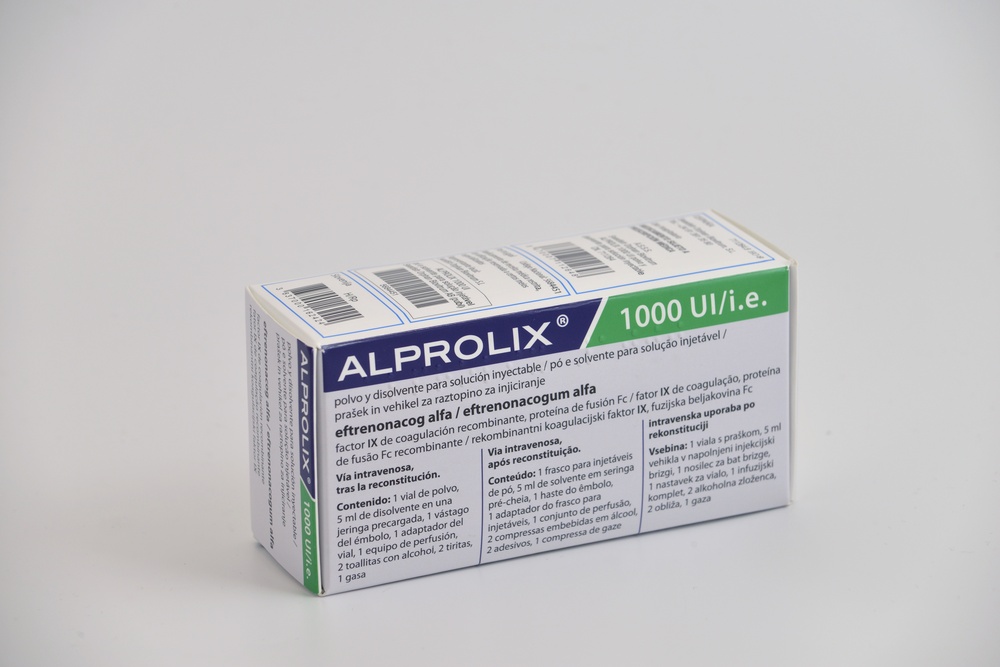
Cada envase de ALPROLIX contiene 1 vial de polvo, 5 ml de disolvente en una jeringa precargada, 1 vástago del émbolo, 1 adaptador del vial, 1 equipo de perfusión, 2 toallitas con alcohol, 2 tiritas y 1 gasa.
Titular de la autorización de comercialización y responsable de la fabricación
Swedish Orphan Biovitrum AB (publ)
SE-112 76 Stockholm
Suecia
Teléfono: +46 8 697 20 00
Fecha de la última revisión de este prospecto: 01/2024
La información detallada de este medicamento está disponible en la página web de la Agencia Europea de Medicamentos: http://www.ema.europa.eu. También existen enlaces a otras páginas web sobre enfermedades raras y medicamentos huérfanos.
Dé la vuelta al prospecto para consultar la sección 7. Instrucciones de preparación y administración
- Instrucciones de preparación y administración
El procedimiento siguiente describe la preparación y administración de ALPROLIX.
ALPROLIX se administra mediante inyección intravenosa (IV) después de disolver el polvo inyectable con el disolvente suministrado en la jeringa precargada. El envase de ALPROLIX contiene:
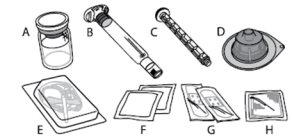
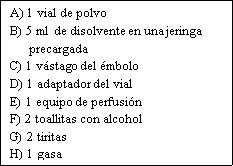
ALPROLIX no se debe mezclar con otras soluciones inyectables o para perfusión.
Lávese las manos antes de abrir el envase.
Preparación:
| |
| |
|
|
|
|
| |
|
|
|
|
|
|
|
|
|
|
|
|
No lo agite. |
|
| |
Nota: si usa más de un vial de ALPROLIX por inyección, cada vial se debe preparar por separado conforme a las instrucciones previas (pasos 1 a 13) y la jeringa de disolvente se debe retirar, dejando el adaptador del vial colocado en su posición. Se puede utilizar una única jeringa luer lock más grande para extraer el contenido preparado de cada uno de los viales. |
|
|
|
Nota: si la solución no se va a utilizar inmediatamente, la cápsula de cierre de la jeringa se debe volver a colocar cuidadosamente sobre la punta de la jeringa. No toque la punta de la jeringa ni el interior de la cápsula de cierre. Tras la preparación, ALPROLIX se puede conservar a temperatura ambiente durante un máximo de 6 horas antes de la administración. Una vez transcurrido este tiempo, la solución preparada de ALPROLIX se debe desechar. Protéjala de la luz solar directa. |
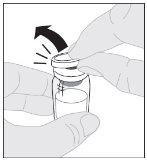
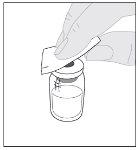
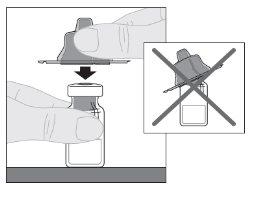
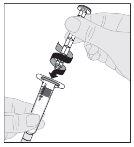
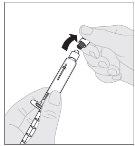
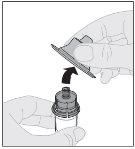
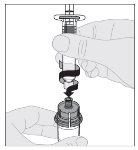
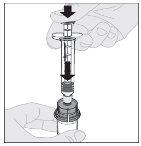
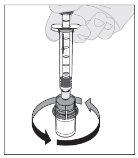
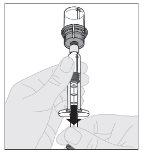
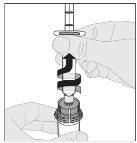
Administración (inyección intravenosa):
ALPROLIX se debe administrar utilizando el equipo de perfusión (E) suministrado en el envase.
|
|
| |
| |
| |
|
|
|
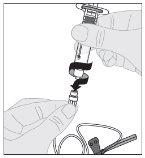
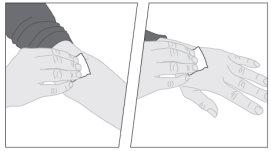 Si es necesario, aplique un torniquete y prepare el lugar de la inyección limpiando bien la piel con la otra toallita con alcohol suministrada en el envase.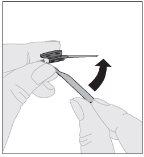
-

- País de registro
- Forma farmacéuticaINYECTABLE, 1.000 UI
- Código ATCB02BD04
- Principio activo
- Requiere recetaSí
- Fabricante
- Esta información es de carácter general y no sustituye la consulta con un profesional sanitario.
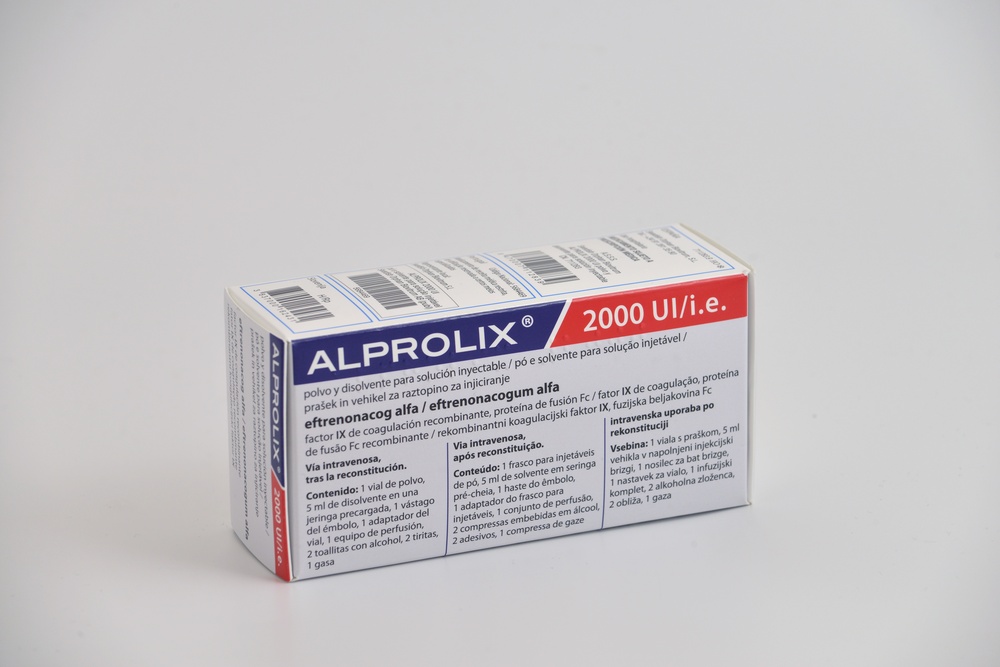
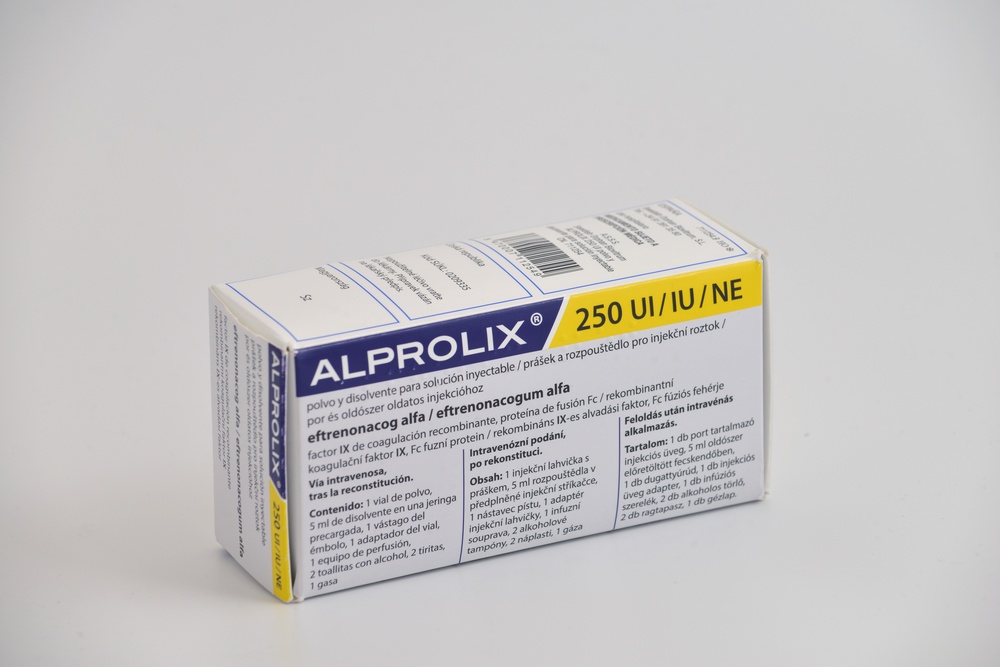
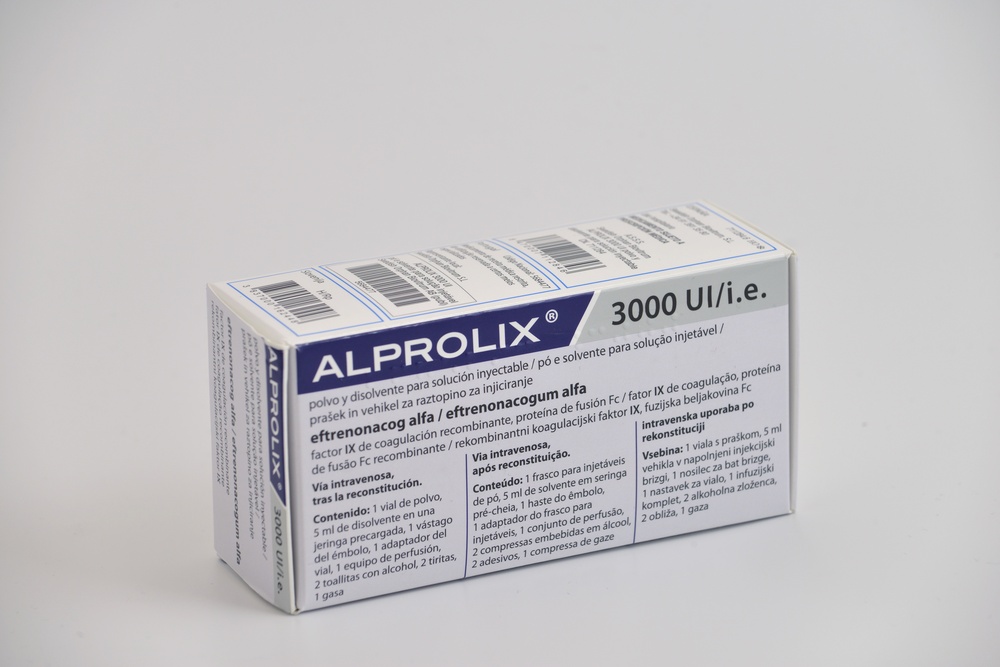
- Alternativas a ALPROLIX 1.000 UI POLVO Y DISOLVENTE PARA SOLUCION INYECTABLEForma farmacéutica: INYECTABLE, 2.000 UIPrincipio activo: Factor de coagulación de la sangre humana IXFabricante: Swedish Orphan Biovitrum Ab (Publ)Requiere recetaForma farmacéutica: INYECTABLE, 250 UIPrincipio activo: Factor de coagulación de la sangre humana IXFabricante: Swedish Orphan Biovitrum Ab (Publ)Requiere recetaForma farmacéutica: INYECTABLE, 3.000 UIPrincipio activo: Factor de coagulación de la sangre humana IXFabricante: Swedish Orphan Biovitrum Ab (Publ)Requiere receta
Médicos online para ALPROLIX 1.000 UI POLVO Y DISOLVENTE PARA SOLUCION INYECTABLE
Comenta la dosis, los posibles efectos secundarios, interacciones, contraindicaciones o la revisión de receta de ALPROLIX 1.000 UI POLVO Y DISOLVENTE PARA SOLUCION INYECTABLE, sujeto a valoración médica y a la normativa local.









Obtén una receta de ALPROLIX 1.000 UI POLVO Y DISOLVENTE PARA SOLUCION INYECTABLE online
Rellena un formulario de 2 minutos
Cuéntanos tus síntomas, historial y el medicamento que necesitas.
Elige un médico o nosotros te asignamos uno
Escoge un especialista o te conectamos con el próximo médico disponible.
El médico revisa tu caso
Normalmente en 30 minutos. Puede hacerte preguntas adicionales por chat.
Recógela en cualquier farmacia
Receta electrónica enviada a tu correo, válida en toda España.
Preguntas frecuentes
ALPROLIX 1.000 UI POLVO Y DISOLVENTE PARA SOLUCION INYECTABLE requires receta en España. Puedes confirmarlo con un médico online según tu caso.
El principio activo de ALPROLIX 1.000 UI POLVO Y DISOLVENTE PARA SOLUCION INYECTABLE es Factor de coagulación de la sangre humana IX. Esta información ayuda a identificar medicamentos con la misma composición pero con diferentes nombres comerciales.
ALPROLIX 1.000 UI POLVO Y DISOLVENTE PARA SOLUCION INYECTABLE es fabricado por Swedish Orphan Biovitrum Ab (Publ). La marca y el envase pueden variar según el distribuidor.
Los Médicos de familia, Psiquiatras, Dermatólogos, Cardiólogos, Endocrinólogos, Gastroenterólogos, Neumólogos, Nefrólogos, Reumatólogos, Hematólogos, Infectólogos, Alergólogos, Geriatras, Pediatras, Oncólogos pueden valorar la prescripción de ALPROLIX 1.000 UI POLVO Y DISOLVENTE PARA SOLUCION INYECTABLE cuando esté clínicamente indicado. Puedes reservar una videoconsulta para comentar tu caso y las opciones de tratamiento.
España cuenta con una infraestructura sanitaria bien desarrollada en ciudades principales como Madrid, Barcelona, Valencia y Sevilla. Las farmacias están ampliamente disponibles y operan bajo estrictas regulaciones, garantizando el acceso a medicamentos con receta.
Puedes comprar ALPROLIX 1.000 UI POLVO Y DISOLVENTE PARA SOLUCION INYECTABLE en Madrid, Barcelona, Sevilla o Valencia en cualquier farmacia local con una receta válida.
Para obtener una receta, puedes utilizar Oladoctor:
Otros medicamentos con el mismo principio activo (Factor de coagulación de la sangre humana IX) incluyen ALPROLIX 2.000 UI POLVO Y DISOLVENTE PARA SOLUCION INYECTABLE, ALPROLIX 250 UI POLVO Y DISOLVENTE PARA SOLUCION INYECTABLE, ALPROLIX 3.000 UI POLVO Y DISOLVENTE PARA SOLUCION INYECTABLE. Pueden tener diferentes nombres comerciales o formulaciones, pero contienen el mismo componente terapéutico. Consulta siempre con un médico antes de cambiar o iniciar un nuevo medicamento.
