


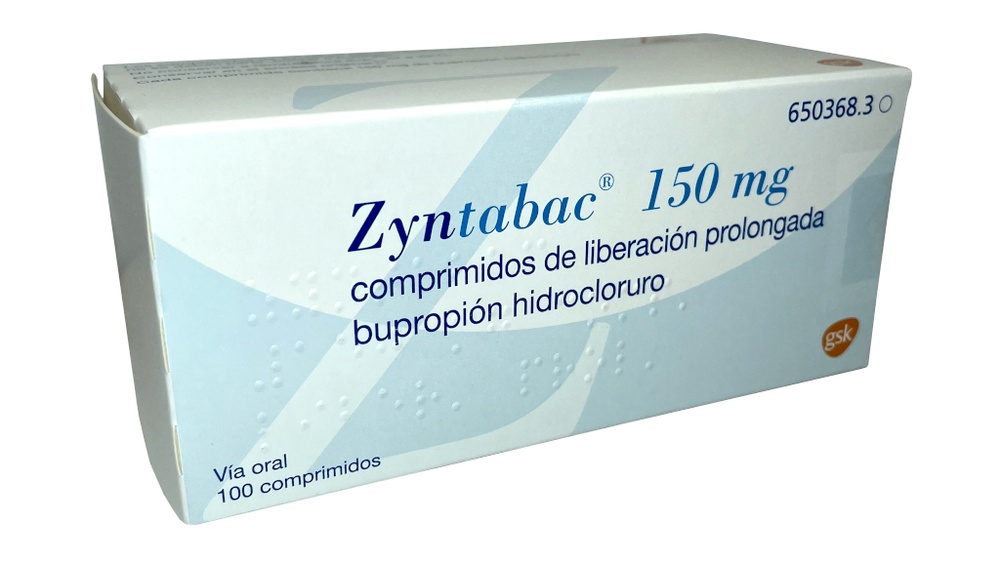
ZYNTABAC 150 mg COMPRIMIDOS DE LIBERACION PROLONGADA



Cómo usar ZYNTABAC 150 mg COMPRIMIDOS DE LIBERACION PROLONGADA
Traducción generada por IA
Este contenido ha sido traducido automáticamente y se ofrece solo con fines informativos. No sustituye la consulta con un profesional sanitario.
Ver originalContenido del prospecto
Introducción
Prospecto:información para el usuario
Zyntabac 150 mg comprimidos de liberación prolongada
bupropión hidrocloruro
Lea todo el prospecto detenidamente antes de empezar a tomar este medicamento, porque contiene información importante para usted.
- Conserve este prospecto, ya que puede tener que volver a leerlo.
- Si tiene alguna duda, consulte a su médico o farmacéutico.
- Este medicamento se le ha recetado solamente a usted, y no debe dárselo a otras personas, aunque tengan los mismos síntomas que usted, ya que puede perjudicarles.
- Si experimenta efectos adversos, consulte a su médico o farmacéutico, incluso si se trata de efectos adversos que no aparecen en este prospecto. Ver sección 4.
Contenido del prospecto
- Qué es Zyntabac y para qué se utiliza
- Qué necesita saber antes de empezar a tomar Zyntabac
- Cómo tomar Zyntabac
- Posibles efectos adversos
- Conservación de Zyntabac
- Contenido del envase e información adicional
1. Qué es Zyntabac y para qué se utiliza
Zyntabac es un medicamento prescrito por su médico para ayudarle a dejar de fumar, cuando se encuentra motivado para ello o forma parte de programas de apoyo para dejar de fumar.
Zyntabac será más eficaz si usted se encuentra completamente seguro de que quiere dejar de fumar.Pregunte a su médico o farmacéutico sobre tratamientos y otras ayudas para ayudarle a dejar de fumar.

2. Qué necesita saber antes de empezar a tomar Zyntabac
No tome Zyntabac:
- si es alérgicoa bupropión o a alguno de los demás componentes de este medicamento (incluidos en la sección 6)
- si está tomando otros medicamentos que contienen bupropión(como Elontril,para el tratamiento de la depresión)
- si tiene una enfermedad que le causa crisis epilépticas (convulsiones),como la epilepsia,o si tiene antecedentes de crisis epilépticas
- si padece,o ha padecido, algún trastorno de la alimentación(por ejemplo, bulimia o anorexia nerviosa)
- si padece una alteración grave de la función del hígado,como la cirrosis
- si tiene un tumor en el cerebro
- si bebe mucho alcohol habitualmentey decide dejar de tomar alcohol o si va a dejar de beber alcohol durante el tratamiento con Zyntabac
- si ha dejado recientemente de tomar sedantes o medicamentos para el tratamiento de la ansiedad(especialmente benzodiazepinaso fármacos similares), o si decide dejar de tomar estos medicamentos durante el tratamiento con Zyntabac
- si tiene trastorno bipolar(cambios bruscos en el estado de ánimo), ya que Zyntabac podría dar lugar a la aparición de un episodio de esta enfermedad
- si está tomandoo ha tomado en los últimos 14 días, medicamentos para la depresióno la enfermedad de Parkinson denominados inhibidores de la monoaminooxidasa(IMAOs). Su médico le informará que este periodo de tiempo puede ser menor para algunos tipos de IMAOs.
- Informe a su médico inmediatamente si está en alguna de estas situaciones y no tome Zyntabac.
Advertencias y precauciones
Consulte a su médico o farmacéutico antes de empezar a tomar Zyntabac. El motivo es porque algunas enfermedades hacen que sea más probable que tenga efectos adversos (ver también la sección 4).
Síndrome de Brugada
Si tiene una afección denominada síndrome de Brugada (un síndrome hereditario raro que afecta al ritmo cardiaco) o si se ha producido una parada cardiaca o muerte súbita en su familia.
Niños y adolescentes
Zyntabac no está recomendado para personas menores de 18 años de edad.
Adultos
Crisis epilépticas(convulsiones)
Se ha demostrado que Zyntabac puede causar crisis epilépticas (convulsiones) en alrededor de 1 de cada 1 000 personas (ver también “Otros medicamentos y Zyntabac” en esta sección y la sección 4, “Posibles efectos adversos”, para más información). Es más probable sufrir crisis epilépticas:
- si bebe mucho alcohol de forma habitual
- si tiene diabetesque está siendo tratada con insulina o comprimidos orales
- si ha sufrido una lesión grave en la cabezao ha tenido en el pasado un traumatismo en la cabeza.
Si está en alguna de estas situaciones, no tome Zyntabac a menos que haya acordado con su médico que hay una razón importante para hacerlo.
Si experimenta crisis epilépticas (convulsiones) durante el tratamiento:
- Deje de tomar Zyntabac y no lo tome nunca más. Consulte a su médico.
Puede tener un mayor riesgo de padecer efectos adversos:
- si tiene problemas de riñón o de hígado
- si es mayor de 65 años.
Necesitará tomar una dosis más baja (ver sección 3) y ser controlado estrictamente mientras tome Zyntabac.
Si ha tenido alguna enfermedad mental…
Durante el tratamiento con Zyntabac, algunas personas han tenido alucinaciones o ideas delirantes (ver, oír o creer cosas que no existen), trastornos del pensamiento o cambios bruscos en el estado de ánimo. Es más probable que estos efectos se manifiesten en personas que hayan tenido enfermedades mentales con anterioridad.
Si se siente deprimido o con pensamientos de suicidio…
Algunas personas se deprimen cuando intentan dejar de fumar; muy ocasionalmente, pueden pensar en suicidarse o en intentarlo. Estos síntomas han aparecido en personas que toman Zyntabac, sobre todo en las primeras semanas de tratamiento.
Si se siente deprimido o piensa en el suicidio:
- Póngase en contacto con su médico o vaya a un hospital inmediatamente.
Si está tomando medicamentos para la depresión…
El uso de estos medicamentos junto con Zyntabac puede causar síndrome serotoninérgico, una condición potencialmente mortal (ver “Otros medicamentos y Zyntabac” en esta sección).
Tensión arterial elevada y Zyntabac…
Durante el tratamiento con Zyntabac, algunas personas han necesitado tratamiento para la tensión arterial elevada. Si usted ya tiene niveles elevados de tensión arterial, esto puede empeorar. Es más probable que esto ocurra, si también está usando parches de nicotinapara ayudarle a dejar de fumar.
Tendrá que comprobar su tensión arterialantes de tomar Zyntabac y mientras esté tomándolo, especialmente si ya tenía la tensión arterial elevada. Si además utiliza parches de nicotina, deberá comprobar su tensión arterial cada semana. Si su tensión arterial aumenta, puede que necesite dejar de tomar Zyntabac.
Otros medicamentos y Zyntabac
Comunique a su médico o farmacéutico que está utilizando, ha utilizado recientemente o podría tener que utilizar cualquier otro medicamento, incluso los adquiridos sin receta.
Puede haber un riesgo mayor del habitual a tener crisis epilépticas si toma:
- medicamentos para la depresiónu otras enfermedades mentales(ver también “no tome Zyntabac” al comienzo de la sección 2)
- teofilinapara el asmao enfermedad pulmonar
- tramadol,un potente analgésico
- medicamentos contra la malaria
- estimulantesu otros medicamentos para controlar el pesoo el apetito
- esteroides(excepto cremas y lociones para enfermedades de los ojos y la piel)
- antibióticosdenominados quinolonas
- algunos tipos de antihistamínicosutilizados principalmente para tratar alergias, que pueden causar somnolencia
- medicamentos para la diabetes.
- Si está tomando alguno de los medicamentos de esta lista, comuníqueselo a su médico inmediatamente,antes de tomar Zyntabac (ver sección 3 debajo de “Algunas personas necesitan tomar una dosis menor”).
Algunos medicamentos pueden afectar al funcionamiento de Zyntabac o aumentar el riesgo de que tenga efectos adversos. Estos incluyen:
- medicamentos para tratar la depresión(como desipramina, imipramina, paroxetina, citalopram, escitalopram, venlafaxina) u otras enfermedades mentales(como risperidona, tioridazina). Zyntabac puede interaccionar con algunos medicamentos usados para el tratamiento de la depresión y puede experimentar cambios en el estado mental (por ejemplo, agitación, alucinaciones, coma) y otros efectos adversos como temperatura corporal superior a 38 ºC, aumento del ritmo cardiaco, presión arterial inestable, reflejos exagerados, rigidez muscular, falta de coordinación y/o síntomas gastrointestinales (por ejemplo, náuseas, vómitos, diarrea)
- medicamentos para la enfermedad de Parkinson(como levodopa, amantadina u orfenadrina)
- carbamazepina, fenitoínao valproato,para tratar la epilepsiao algunas enfermedadesmentales
- algunos medicamentos utilizados para el tratamiento del cáncer(como ciclofosfamida, ifosfamida)
- ticlopidinao clopidogrel,utilizados principalmente para tratar enfermedades cardiacaso ictus
- algunos betabloqueantes(como metoprolol), utilizados principalmente para tratar la tensión arterial elevada
- algunos medicamentos para el ritmo cardiaco irregular(como propafanona, flecainida)
- ritonaviro efavirenz,para el tratamiento de la infección por VIH.
- Si usted toma cualquier medicamento de esta lista, consulte a su médico.Su médico valorará los beneficios y los riesgos de que usted tome Zyntabac, o puede decidir cambiar la dosis de otros medicamentos que esté tomando.
Zyntabac puede hacer que otros medicamentos sean menos efectivos:
- si toma tamoxifeno utilizado para el tratamiento del cáncer.
Informe a su médico si está en esta situación.Puede ser necesario cambiar su tratamiento para dejar de fumar.
- si toma digoxina para el corazón.
Informe a su médico si está en esta situación.El médico puede considerar ajustar la dosis de digoxina.
Puede ser necesario reducir la dosis de algunos medicamentos cuando deja de fumar
Cuando fuma, las sustancias químicas absorbidas dentro de su cuerpo pueden producir que algunos medicamentos sean menos efectivos. Cuando deja de fumar, puede que necesite reducir la dosis de estos medicamentos, de lo contrario, puede tener efectos adversos.
Si está tomando otros medicamentos, consulte con su médico si experimenta cualquier nuevo síntoma que piense que pueda ser un efecto adverso.
Uso de Zyntabac con alcohol
Algunas personas son más sensibles al alcohol durante el tratamiento con Zyntabac. Su médico puede sugerirle que no tome alcohol mientras esté tomando Zyntabac, o que trate de beber lo menos posible. Si bebe actualmente mucho alcohol, no lo deje bruscamente, ya que puede correr el riesgo de tener una crisis epiléptica.
Efecto en los análisis de orina
Zyntabac puede interferir con algunos análisis de orina utilizados para detectar otros fármacos o sustancias. Si necesita un análisis de orina, comunique a su médico o al hospital que está tomando Zyntabac.
Embarazo y lactancia
No tome Zyntabac si está embarazada, cree que podría estar embarazada o tiene intención de quedarse embarazada. Consulte a su médico o farmacéutico antes de utilizar este medicamento. Algunos estudios, no todos, han notificado un aumento del riesgo de defectos de nacimiento, en particular defectos del corazón, de bebés cuyas madres estuvieron tomando Zyntabac. No se conoce si esto es debido al uso de Zyntabac.
Los componentes de Zyntabac pueden pasar a la leche materna. Pida consejo a su médico o farmacéutico antes de tomar Zyntabac.
Conducción y uso de máquinas
Algunos de los efectos adversos de Zyntabac, como la sensación de mareo o aturdimiento, pueden afectar a su concentración y juicio.
Si esto le afecta, no conduzca ni maneje máquinas.
3. Cómo tomar Zyntabac
Siga exactamente las instrucciones de administración de este medicamento indicadas por su médico o farmacéutico. En caso de duda, consulte de nuevo a su médico o farmacéutico.
Cuándo comenzar y cuánto tomar
| ||
Semana 1 Lo ideal es continuar fumando mientras toma Zyntabac | Días1 a6 | Tome un comprimido(150 mg), una vez al día |
Día 7 | Incremente su dosis a un comprimido dos veces al día,con al menos 8 horas de diferencia entre ellas y no próximas a la hora de dormir. | |
Semana 2 | Continúe tomando un comprimido dos veces al día. Deje de fumar esta semana, en el Día para Dejar de Fumar establecido. | |
Semanas3 a9 | Continúe tomando un comprimido, dos veces al díahasta las 9 semanas. Si no es capaz de dejar de fumar después de 7 semanas,su médico le aconsejará que interrumpa el tratamiento con Zyntabac. Se le aconsejará que deje de tomar Zyntabac gradualmente, tras 7-9 semanas. |
Algunas personas necesitan tomar una dosis menor
… ya que tienen mayor probabilidad de sufrir efectos adversos.
- si tiene más de 65 años
- si tiene una enfermedad hepática o renal
- si tiene un mayor riesgo de padecer crisis epilépticas (ver “Advertencias y precauciones” y “Otros medicamentos y Zyntabac” en la sección 2).
Para estas personas, la dosis máxima recomendada es de un comprimido de 150 mg al día.
Cómo tomar sus comprimidos
Tome sus comprimidos de Zyntabac con al menos 8 horas de diferencia entre uno y otro. No tome Zyntabac antes de irse a la cama -puede causarle dificultad para dormir.
Puede tomar Zyntabac con o sin alimentos.
 Trague los comprimidos de Zyntabac enteros.No los mastique, ni los triture ni los divida - si lo hace, el medicamento se liberará en su organismo demasiado rápido y es más probable que tenga efectos adversos, incluyendo crisis epilépticas.
Si toma más Zyntabac del que debe
Si toma más comprimidos de lo indicado por el médico, es más probable que tenga crisis epilépticas u otros efectos adversos.
- No se demore.Consulte inmediatamente a su médico o acuda a urgencias.
En caso de sobredosis o ingestión accidental, consulte inmediatamente a su médico o farmacéutico o llame al Servicio de Información Toxicológica, teléfono: 91 562 04 20 (indicando el medicamento y la cantidad ingerida).
Si olvidó tomar Zyntabac
Si se le olvida tomar una dosis, espere y tome la siguiente dosis a la hora habitual.
No tome una dosis doble para compensarlas dosis olvidadas.
Si interrumpe el tratamiento con Zyntabac
Puede que necesite tomar Zyntabac durante más de 7 semanas para que tenga su efecto completo.
No interrumpa el tratamiento con Zyntabac sin haberlo consultado previamente con su médico.Puede que necesite reducir gradualmente su dosis.
Si tiene cualquier otra duda sobre el uso de este medicamento, pregunte a su médico o farmacéutico.

4. Posibles efectos adversos
Al igual que todos los medicamentos, este medicamento puede producir efectos adversos, aunque no todas las personas los sufran.
Efectos adversos graves
Crisis epilépticas (convulsiones)
Aproximadamente 1 de cada 1 000 personas que toman Zyntabac tiene riesgo de tener crisis epilépticas.
Entre los síntomas de las crisis epilépticasse incluyen convulsiones y a menudo pérdida del conocimiento. Después de una crisis epiléptica puede sentirse confuso y puede que no recuerde lo que ha pasado.
Es más probable que tenga una crisis epiléptica si toma más comprimidos de los que debe, si está tomando otros medicamentos o si tiene mayor riesgo de lo habitual de tener una crisis epiléptica (ver sección 2).
- Si tiene una crisis epiléptica,comuníqueselo a su médico una vez que se haya recuperado. No tome más Zyntabac.
Reacciones alérgicas
Raramente (hasta 1 de cada 1 000) algunas personas pueden tener reacciones alérgicas potencialmente graves a Zyntabac. Los signos de las reacciones alérgicas incluyen:
- erupción cutánea (incluyendo picor, ampollas o habones en la piel). Algunas erupciones cutáneas pueden requerir hospitalización, especialmente si van unidas a hinchazón de la boca y los ojos
- aparición anormal de “pitos” en el pecho o dificultad para respirar
- hinchazón de párpados, labios o lengua
- dolor en músculos o articulaciones
- síncope o desmayo.
- Si tiene cualquier signo de reacción alérgica, póngase en contacto con un médico enseguida. No tome más comprimidos.
Lupus eritematoso cutáneo o empeoramiento de los síntomas del lupus
Frecuencia no conocida: la frecuencia no puede estimarse con los datos disponibles de personas que toman Zyntabac. El lupus es un trastorno del sistema inmunológico que afecta a la piel y a otros órganos.
- Si experimenta una exacerbación del lupus, erupción cutánea o lesiones (particularmente en áreas expuestas al sol) mientras toma Zyntabac, contacte inmediatamente con su médico, ya que puede ser necesario interrumpir el tratamiento.
Pustulosis Exantemática Generalizada Aguda(PEGA)
Frecuencia no conocida: la frecuencia no puede estimarse con los datos disponibles de personas que toman Zyntabac.
Los síntomas de la PEGA incluyen erupción con granos/ampollas llenos de pus.
- Si experimenta una erupción con granos/ampollas llenos de pus, contacte inmediatamente con su médico, ya que puede ser necesario interrumpir el tratamiento.
Otros efectos adversos
Efectos adversos muy frecuentes
Pueden afectar a más de 1 de cada 10personas:
- dificultad para dormir (asegúrese de no tomar Zyntabac en las horas previas a irse a la cama).
Efectos adversos frecuentes
Pueden afectar hasta 1 de cada 10personas:
- sentirse deprimido (ver también “Advertencias y precauciones” en la sección 2)
- sentirse ansioso o agitado
- dificultad para concentrarse
- agitación (temblores)
- dolor de cabeza
- náuseas, vómitos
- dolor de estómago u otros trastornos (como estreñimiento), alteración del sentido del gusto, sequedad de boca
- fiebre, mareos, sudores, erupciones cutáneas (a veces debidas a una reacción alérgica), picazón.
Efectos adversos poco frecuentes
Pueden afectar hasta 1 de cada 100personas:
- pitidos en los oídos, alteraciones visuales
- elevación de la tensión arterial (a veces grave), rubefacción
- pérdida del apetito (anorexia)
- debilidad
- dolor en el pecho
- confusión
- aceleración de los latidos del corazón (taquicardia).
Efectos adversos raros
Pueden afectar hasta 1 de cada 1000personas:
- crisis epilépticas (ver el comienzo de esta sección)
- espasmos musculares, rigidez muscular, falta de coordinación de movimientos, problemas al caminar o de coordinación (ataxia)
- palpitaciones
- desfallecimientos, sentirse desfallecido al ponerse de pie repentinamente debido a una bajada de tensión
- irritabilidad u hostilidad; sueños raros (incluyendo pesadillas)
- pérdida de memoria
- hormigueo o entumecimiento
- reacciones alérgicas severas; erupciones unidas a dolor muscular y articular (ver el comienzo de esta sección)
- orinar más o menos de lo normal
- erupciones cutáneas graves, que pueden afectar a la boca y a otras partes del cuerpo y pueden ser peligrosas para la vida
- empeoramiento de la psoriasis (placas de engrosamiento o enrojecimiento de la piel)
- cambio del color de la piel o el blanco de los ojos a amarillo (ictericia), elevación de las enzimas hepáticas, hepatitis
- cambios en los niveles de azúcar en sangre
- sensaciones de sentirse como no real o extraño (despersonalización); ver u oír cosas que no existen (alucinaciones).
Efectos adversos muy raros
Éstos pueden afectar hasta 1 de cada 10000personas:
- sensación de inquietud, agresividad
- sentir o creer cosas irreales (ideas delirantes), desconfianza grave (paranoia)
- incontinencia urinaria (micción involuntaria, pérdida de orina)
- pérdida o adelgazamiento inusual del pelo (alopecia).
Frecuencia no conocida
Otros efectos adversos han ocurrido en un pequeño número de personas, pero se desconoce su frecuencia exacta:
- pensamientos de autolesionarse o suicidarse durante el tratamiento con Zyntabac o poco después de interrumpir el tratamiento (ver la sección 2,“Qué necesita saber antes de empezar a tomar Zyntabac”). Si usted tiene estos pensamientos, contacte con su médico o acuda inmediatamente a un hospital
- pérdida de contacto con la realidad e incapacidad de pensar o juzgar con claridad (psicosis); otros síntomas pueden incluir alucinaciones y/o delirios
- sensación repentina de miedo intenso (crisis de angustia)
- tartamudeo
- reducción del número de glóbulos rojos (anemia), glóbulos blancos (leucopenia) y plaquetas (trombocitopenia)
- disminución de sodio en sangre (hiponatremia)
- cambios en el estado mental (por ejemplo agitación, alucinaciones, coma) y otros efectos adversos como temperatura corporal superior a 38 ºC, aumento del ritmo cardiaco, presión arterial inestable, reflejos exagerados, rigidez muscular, falta de coordinación y/o síntomas gastrointestinales (por ejemplo, náuseas, vómitos, diarrea), mientras toma Zyntabac junto con otros medicamentos usados para el tratamiento de la depresión (como paroxetina, citalopram, escitalopram, fluoxetina y venlafaxina).
Efectos de dejar de fumar
Algunas personas cuando dejan de fumar se ven afectadas por la retirada de la nicotina. Esto también puede afectar a personas que estén tomando Zyntabac. Entre los signos de retirada de la nicotina se incluyen:
- dificultad para dormir
- temblor o sudoración
- sentirse ansioso, agitado o deprimido, en algunas ocasiones con pensamientos de suicidio.
Consulte con su médicosi está preocupado sobre como se siente.
Comunicación de efectos adversos
Si experimenta cualquier tipo de efecto adverso, consulte a su médico o farmacéutico, incluso si se trata de posibles efectos adversos que no aparecen en este prospecto. También puede comunicarlos directamente a través del Sistema Español de Farmacovigilancia de Medicamentos de Uso Humano: www.notificaRAM.es. Mediante la comunicación de efectos adversos usted puede contribuir a proporcionar más información sobre la seguridad de este medicamento.
5. Conservación de Zyntabac
Mantener este medicamento fuera de la vista y del alcance de los niños.
No utilice este medicamento después de la fecha de caducidad que aparece en el envase. La fecha de caducidad es el último día del mes que se indica.
No conservar este medicamento a temperatura superior a 25 ºC.
Conservar en el embalaje original.
Los medicamentos no se deben tirar por los desagües ni a la basura. Deposite los envases y los medicamentos que no necesita en el Punto SIGRE de la farmacia. En caso de duda pregunte a su farmacéutico cómo deshacerse de los envases y de los medicamentos que no necesita. De esta forma, ayudará a proteger el medio ambiente.
6. Contenido del envase e información adicional
Composición de Zyntabac
El principio activo es bupropión hidrocloruro. Cada comprimido contiene 150 mg de bupropión hidrocloruro.
Los demás componentes son:
Núcleo del comprimido: celulosa microcristalina, hipromelosa, hidrocloruro de cisteína monohidrato, estearato de magnesio.
Cubierta del comprimido: hipromelosa, macrogol 400, dióxido de titanio (E171), cera carnauba.
Tinta de impresión: hipromelosa, óxido de hierro negro (E172).
Aspecto del producto y contenido del envase
Zyntabac 150 mg comprimidos de liberación prolongada son comprimidos de color blanco, biconvexos, redondos, marcados en una cara con “GX CH7”. Están disponibles en cajas que contienen blísteres de 30, 40, 50, 60 o 100 comprimidos.
Puede que solamente estén comercializados algunos tamaños de envases.
Titular de la Autorización de Comercialización y Responsable de la fabricación
Titular de la Autorización de Comercialización | GlaxoSmithKline, S.A. P.T.M. C/ Severo Ochoa, 2 28760 Tres Cantos (Madrid) Tel: +34 900 202 700 |
Responsable de la fabricación | Glaxo Wellcome, S.A. Avda. de Extremadura, 3 09400 – Aranda de Duero (Burgos) |
Este medicamento está autorizado en los estados miembros del Espacio Económico Europeocon los siguientes nombres:
Zyban: Bélgica, Dinamarca, Finlandia, Francia, Alemania, Grecia, Islandia, Irlanda, Italia, Luxemburgo, Noruega, Portugal, Suecia, Países Bajos.
Zyntabac: España, Países Bajos.
Fecha de la última revisión de este prospecto:Marzo 2024
La información detallada y actualizada de este medicamento está disponible en la página Web de la Agencia Española de Medicamentos y Productos Sanitarios (AEMPS) http://www.aemps.gob.es/
- País de registro
- Principio activo
- Requiere recetaSí
- Fabricante
- Esta información es de carácter general y no sustituye la consulta con un profesional sanitario.
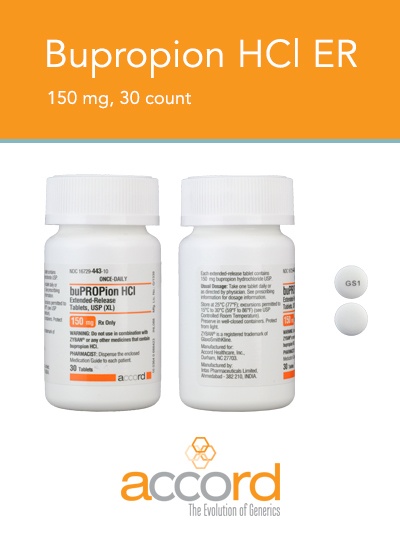
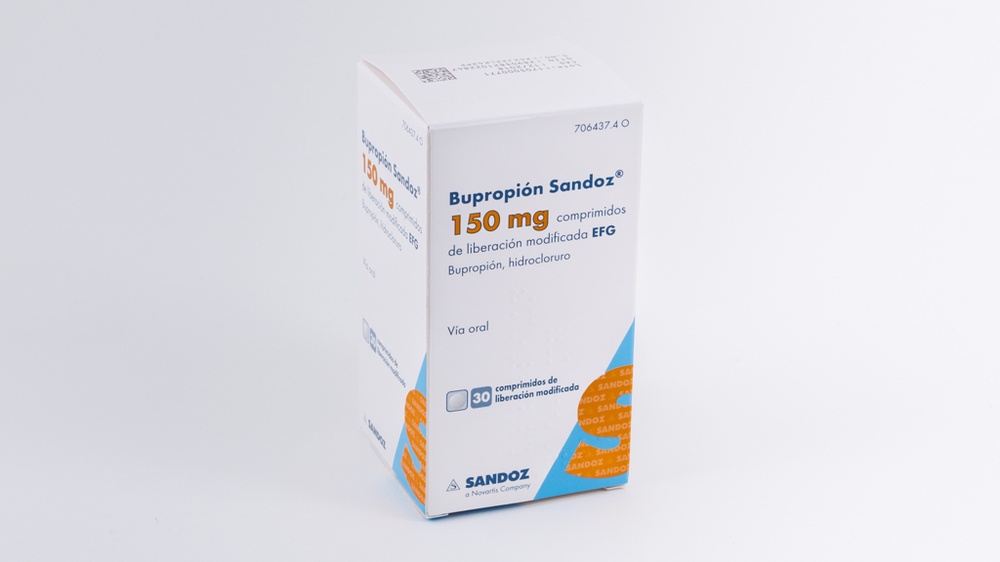
- Alternativas a ZYNTABAC 150 mg COMPRIMIDOS DE LIBERACION PROLONGADAForma farmacéutica: COMPRIMIDO LIBERACION MODIFICADA, 150 mgPrincipio activo: bupropionFabricante: Accord Healthcare S.L.U.Requiere recetaForma farmacéutica: COMPRIMIDO LIBERACION MODIFICADA, 150 mgPrincipio activo: bupropionFabricante: Laboratorios Cinfa S.A.Requiere recetaForma farmacéutica: COMPRIMIDO LIBERACION MODIFICADA, 150 MGPrincipio activo: bupropionFabricante: Sandoz Farmaceutica S.A.Requiere receta

Médicos online para ZYNTABAC 150 mg COMPRIMIDOS DE LIBERACION PROLONGADA
Comenta la dosis, los posibles efectos secundarios, interacciones, contraindicaciones o la revisión de receta de ZYNTABAC 150 mg COMPRIMIDOS DE LIBERACION PROLONGADA, sujeto a valoración médica y a la normativa local.







Preguntas frecuentes
