


PHARMAGRIP JUNIOR TOS Y SECRECIÓN NASAL GRANULADO PARA SOLUCION ORAL
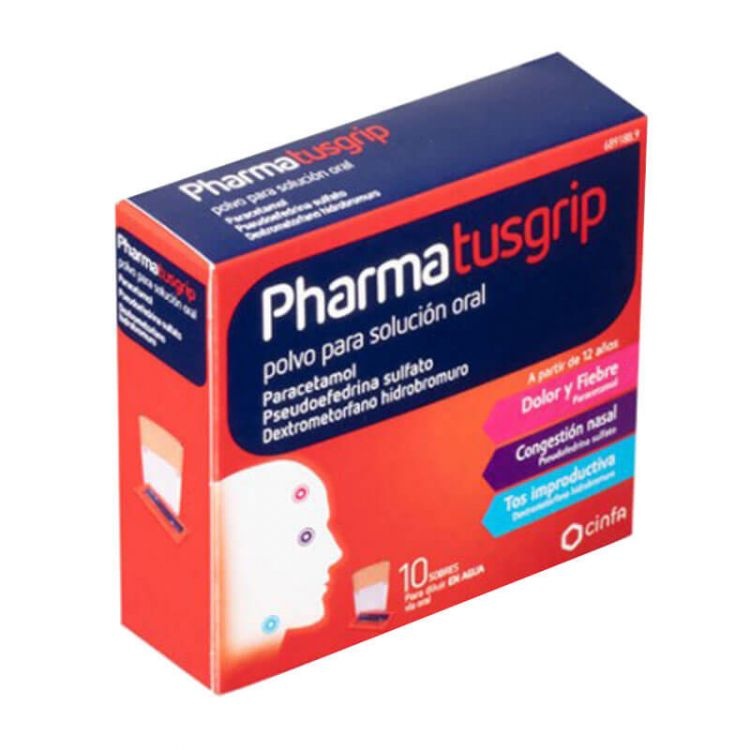



Cómo usar PHARMAGRIP JUNIOR TOS Y SECRECIÓN NASAL GRANULADO PARA SOLUCION ORAL
Traducción generada por IA
Este contenido ha sido traducido automáticamente y se ofrece solo con fines informativos. No sustituye la consulta con un profesional sanitario.
Ver originalContenido del prospecto
- Introducción
- Qué es Pharmagrip junior tos y secreción nasal y para qué se utiliza
- Qué necesita saber antes de empezar a tomar Pharmagrip junior tos y secreción nasal
- Cómo tomar Pharmagrip junior tos y secreción nasal
- Posibles efectos adversos
- Conservación de Pharmagrip junior tos y secreción nasal
- Contenido del envase e información adicional
Introducción
Prospecto: información para el usuario
Pharmagrip junior tos y secreción nasal granulado para solución oral
Paracetamol / Clorfenamina maleato / Dextrometorfano hidrobromuro
Lea todo el prospecto detenidamente antes de empezar a tomar este medicamento, porque contiene información importante para usted.
Siga exactamente las instrucciones de administración del medicamento contenidas en este prospecto o las indicadas por su médico o farmacéutico.
- Conserve este prospecto, ya que puede tener que volver a leerlo.
- Si necesita consejo o más información, consulte a su farmacéutico.
- Si experimenta efectos adversos, consulte a su médico o farmacéutico, incluso si se trata de efectos adversos que no aparecen en este prospecto. Ver sección 4.
- Debe consultar a su médico si empeora o si no mejora después de 3 días.
Contenido del prospecto
- Qué es Pharmagrip junior tos y secreción nasal y para qué se utiliza.
- Qué necesita saber antes de empezar a tomar Pharmagrip junior tos y secreción nasal.
- Cómo tomar Pharmagrip junior tos y secreción nasal.
- Posibles efectos adversos.
- Conservación de Pharmagrip junior tos y secreción nasal.
- Contenido del envase e información adicional.
1. Qué es Pharmagrip junior tos y secreción nasal y para qué se utiliza
Este medicamento es una asociación de paracetamol que reduce la fiebre y alivia el dolor, dextrometorfano que es un antitusivo y clorfenamina que ayuda a reducir la secreción nasal.
Este medicamento está indicado para el alivio sintomático de los catarros y gripes que cursan con dolor leve o moderado como dolor de cabeza, fiebre, tos improductiva (tos irritativa, tos nerviosa) y secreción nasal para niños mayores de 6 años y adolescentes.
Debe consultar a su médico si empeora o si no mejora después de 3 días de tratamiento.

2. Qué necesita saber antes de empezar a tomar Pharmagrip junior tos y secreción nasal
Este medicamento puede provocar dependencia. Por lo tanto el tratamiento debe ser de corta duración.
No tomePharmagrip junior tos y secreción nasal
- Si es alérgico al paracetamol, a la clorfenamina, al dextrometorfano o a alguno de los demás componentes de este medicamento (incluidos en la sección 6).
- Si padece alguna enfermedad del hígado o riñón grave.
- Si está en tratamiento o ha estado en las 2 semanas anteriores con algún medicamento llamado inhibidor de la monoaminooxidasa (IMAO) utilizado para el tratamiento de la depresión, medicamentos inhibidores de la recaptación de la serotonina (ISRS) utilizados para el tratamiento de la depresión, bupropión que es un medicamento utilizado para dejar de fumar, linezolid que es un medicamento antibacteriano, procarbazina que es un medicamento utilizado para tratar el cáncer o selegilina que se utiliza para el tratamiento del Parkinson.(ver apartado “Otros medicamentos y Pharmagrip junior tos y secreción nasal”).
- Si padece de insuficiencia respiratoria, tos asmática y tos acompañada de expectoración.
- Los niños menores de 6 años no pueden tomar este medicamento.
Advertencias y precauciones
Consulte a su médico o farmacéutico antes de empezar a tomar este medicamento.
- No debe tomar más de la dosis recomendada en la sección 3 “Cómo tomar Pharmagrip junior tos y secreción nasal”. Tomar más de la dosis recomendada (sobredosis) puede resultar en daño hepático. En caso de sobredosis, pida ayuda médica inmediatamente. Una atención médica rápida es crítica para adultos, así como para niños, incluso aunque usted no perciba ningún signo o síntoma.
- Los alcohólicos crónicos deben preguntar a su médico si pueden tomar paracetamol, otros analgésicos o medicinas que reducen la fiebre. Además deberán tener la precaución de no tomar más de 6 sobres al día (2 g de paracetamol).
- Mientras se esté tomando este medicamento no se puede tomar otros que contengan paracetamol porque se podría producir una sobredosis de paracetamol que podría dañar el hígado.
- Si usted está tomando otros medicamentos como antidepresivos o antipsicóticos, este medicamento puede interactuar con estos medicamentos y es posible que experimente cambios en su estado mental (p. ej. agitación, alucinaciones, coma) y otros efectos como temperatura corporal superior a los 38º C, aumento de la frecuencia cardíaca, hipertensión arterial y exageración de los reflejos, rigidez muscular, falta de coordinación y/o síntomas gastrointestinales (p. ej., náuseas, vómitos y diarrea).
- Los pacientes con enfermedades del riñón, corazón o del pulmón y los pacientes con anemia.
- Los pacientes con enfermedades hepáticas (con insuficiencia hepática o sin ella) o hepatitis viral, porque aumenta el riesgo de hepatotoxicidad.
- Los pacientes asmáticos sensibles al ácido acetilsalicílico.
- Los pacientes sensibles (alérgicos) a un antihistamínico, porque pueden ser sensibles a otros (como puede ser clorfenamina).
- Los pacientes con hipertensión (tensión arterial elevada), glaucoma (presión ocular elevada), hipertiroidismo, obstrucción del cuello vesical, dificultad para orinar, hipertrofia prostática sintomática, retención urinaria.
- Los pacientes de edad avanzada que pueden ser más sensibles a los efectos secundarios de este medicamento.
- Los pacientes con dermatitis atópica.
- Los pacientes con enfermedad respiratoria persistente como enfisema, bronquitis crónica, asma bronquial.
- Los pacientes metabolizadores lentos de CYP2D6 o que usan inhibidores de CYP2D6.
- Si tiene enfermedades graves, como insuficiencia renal grave o sepsis (cuando las bacterias y sus toxinas circulan en la sangre, lo que provoca daños en los órganos), o si padece malnutrición, alcoholismo crónico o si también está tomando flucloxacilina (un antibiótico). Se ha notificado una enfermedad grave denominada acidosis metabólica (una anomalía en la sangre y los líquidos) en pacientes en estas situaciones cuando se utiliza paracetamol a dosis regulares durante un período prolongado o cuando se toma paracetamol junto con flucloxacilina. Los síntomas de acidosis metabólica pueden incluir: dificultad respiratoria grave con respiración profunda y rápida, somnolencia, sensación de malestar (náuseas) y vómitos.
- En caso de déficit de glucosa-6-fosfato deshidrogenasa (G6PD) (puede provocar anemia hemolítica)
Este medicamento puede producir somnolencia. Evite el consumo de bebidas alcohólicas y de determinados medicamentos mientras esté en tratamiento con este medicamento, ya que pueden potenciar este efecto. Consulte los apartados “Otros medicamentos y Pharmagrip junior tos y secreción nasal” y “Toma de Pharmagrip junior tos y secreción nasal con alimentos, bebidas y alcohol”.
Los pacientes sedados, debilitados o encamados no deben tomar este medicamento.
En raras ocasiones se pueden producir reacciones graves en la piel con enrojecimiento, ampollas o erupciones. Si nota alguno de estos síntomas, cese el tratamiento y consulte con su médico.
Otros medicamentos y Pharmagrip junior tos y secreción nasal
Informe a su médico o farmacéutico si está tomando, ha tomado recientemente o pudiera tener que tomar cualquier otro medicamento.
En particular, si está utilizando algunos de los siguientes medicamentos, ya que puede ser necesario modificar la dosis de algunos de ellos o la interrupción del tratamiento:
- Medicamentos para tratar la epilepsia (lamotrigina, fenitoína u otras hidantoínas, fenobarbital, metilfenobarbital y primidona).
- Medicamentos para tratar la tuberculosis (isoniazida y rifampicina).
- Medicamentos para evitar coágulos en la sangre (anticoagulantes orales) como acenocumarol y warfarina.
- Medicamentos utilizados para aumentar la eliminación de orina (diuréticos del asa como los del grupo furosemida, u otros diuréticos), y otros diuréticos que producen pérdida de potasio (como diuréticos para tratar la hipertensión u otros).
- Medicamentos utilizados para evitar náuseas y vómitos (metoclopramida y domperidona).
- Medicamentos utilizados para el tratamiento de la gota (probenecid).
- Medicamentos utilizados en el tratamiento de la tensión arterial alta (hipertensión), como propranolol y las alteraciones del ritmo del corazón (arritmias cardiacas), como amiodarona o quinidina.
- Medicamentos para disminuir los niveles de colesterol en sangre (colestiramina).
- Medicamentos utilizados para tratar la depresión (moclobemida, tranilcipromina, fluoxetina, paroxetina y bupropión), la enfermedad de Parkinson (selegilina) u otras enfermedades, como cáncer (procarbazina), infecciones (linezolid y furazolidona). Se debe separar la administración de este medicamento un mínimo de 14 días después de terminar el tratamiento.
- Otros medicamentos para tratar la depresión, denominados antidepresivos tricíclicos y tetracíclicos (como maprotilina).
- Medicamentos para la esquizofrenia (como haloperidol).
- Medicamentos que producen depresión sobre el sistema nervioso central (como los empleados para el insomnio o la ansiedad, para el párkinson y para la alergia).
- Medicamentos ototóxicos (que tienen como efecto adverso que dañan al oído).
- Medicamentos fotosensibilizantes (que como efecto adverso, producen alergia a la luz).
- Medicamentos utilizados para el alivio del dolor y la inflamación (celecoxib, parecoxib y valdecoxib).
- Medicamentos utilizados para aumentar la secreción de moco.
- Metoprolol, utilizado para el tratamiento de enfermedades del sistema cardiovascular (hipertensión, infarto agudo de miocardio).
- Isovuconazol, empleado en el tratamiento de la aspergilosis invasiva y la mucormicosis invasiva.
Informe también a su médico o farmacéutico si está tomando:
-flucloxacilina (antiobiótico), debido a un riesgo grave de alteración de la sangre y los fluidos (denominada acidosis metabólica con alto desequilibrio aniónico) que debe ser tratada urgentemente (véase la sección 2).
Interferencias con pruebas analíticas:
Si le van a realizar alguna prueba diagnóstica (incluidos análisis de sangre, orina, pruebas cutáneas que utilizan alérgenos, etc.) comunique a su médico que está tomando este medicamento, ya que puede alterar los resultados.
Toma dePharmagrip junior tos y secreción nasalcon alimentos, bebidas y alcohol
Mientras esté tomando este medicamento no puede tomar bebidas alcohólicas, porque le puede potenciar la aparición de efectos adversos de este medicamento.
Además la utilización de medicamentos que contienen paracetamol por pacientes que consumen habitualmente alcohol (3 o más bebidas alcohólicas - cerveza, vino, licor... - al día) puede provocar daño en el hígado.
No se debe tomar el medicamento junto con zumo de pomelo o de naranja amarga ya que puede potenciar los efectos de uno de sus componentes (dextrometorfano).
Embarazo y lactancia
Si está embarazada o en periodo de lactancia, cree que podría estar embarazada o tiene intención de quedarse embarazada, consulte a su médico o farmacéutico antes de utilizar este medicamento.
El consumo de medicamentos durante el embarazo puede ser peligroso para el embrión o para el feto, y debe ser vigilado por su médico.
Este medicamento no se debe tomar durante el embarazo a no ser que su médico considere que es estrictamente necesario.
Los 3 principios activos de este medicamento se excretan con la leche materna por lo que las mujeres en periodo de lactancia no deben tomar este medicamento.
Conducción y uso de máquinas
Este medicamento puede producir somnolencia y mareos leves alterando la capacidad mental y/o física. Si nota estos efectos, evite conducir vehículos o utilizar máquinas.
Pharmagrip junior tos y secreción nasalcontiene sodio.Este medicamento contiene menos de 23 mg de sodio (1 mmol) por sobre; esto es, esencialmente “exento de sodio”.
Pharmagrip junior tos y secreción nasalcontiene sacarosa.Si su médico le ha indicado que padece una intolerancia a ciertos azúcares, consulte con él antes de tomar este medicamento. Los pacientes con diabetes mellitus deben tener en cuenta que este medicamento contiene 4,1 g de sacarosa por sobre.
Pharmagrip junior tos y secreción nasalcontiene amarillo anaranjado S (E-110).Este medicamento puede producir reacciones alérgicas porque contiene amarillo anaranjado S (E-110). Puede provocar asma, especialmente en pacientes alérgicos al ácido acetilsalicílico.
3. Cómo tomar Pharmagrip junior tos y secreción nasal
Siga exactamente las instrucciones de administración del medicamento contenidas en este prospecto o las indicadas por su médico o farmacéutico. En caso de duda pregunte a su médico o farmacéutico.
La dosis recomendada es:
Niños de 6 a 12 años: (peso entre 21,5 kg y 43 kg) 1 sobre cada 6 u 8 horas (3 o 4 veces al día) según necesite.
Pueden producirse efectos adversos graves en niños en caso de sobredosis, incluidas alteraciones neurológicas. Los cuidadores no deben exceder la dosis recomendada.
Mayores de 12 años (peso mayor de 44 kg) 2 sobres cada 6 u 8 horas (3 o 4 veces al día) según necesite.
Preferentemente tomar 1 dosis antes de acostarse. No sobrepasar 4 tomas al día.
Este medicamento está contraindicado en menores de 6 años.
Usar siempre la dosis menor que sea efectiva.
Iniciar el tratamiento al aparecer los primeros síntomas y se suspenderá a medida que estos desaparezcan.
Este medicamento no debe emplearse más de 3 días seguidos sin consultar al médico (ver sección 1 “Qué es Pharmagrip junior tos y secreción nasal y para qué se utiliza”).
Cómo tomar:
El granulado contenido en los sobres de este medicamento es para administración por vía oral.
Verter el contenido de un sobre en medio vaso de agua y remover su contenido hasta que esté disuelto.
Si toma másPharmagrip junior tos y secreción nasaldel que debe
Acuda inmediatamente a un centro médico aunque no haya síntomas ya que a menudo no se manifiestan hasta pasados 3 días desde la ingestión de la sobredosis, aún en caso de intoxicación grave.
El efecto más grave por sobredosis del medicamento es el daño hepático producido por el paracetamol. Puede sentir mareos, vómitos, confusión, excitabilidad, inquietud, nerviosismo, irritabilidad, alteraciones visuales, pérdida de apetito, coloración amarillenta de la piel y los ojos (ictericia), dolor abdominal y dificultad para respirar. En los niños, estados de sopor, o alteraciones en la forma de andar.
La sobredosis también puede provocar: trastornos de coagulación (coágulos sanguíneos y hemorragias).
Si toma más medicamento de lo indicado, puede experimentar los siguientes síntomas: náuseas y vómitos, contracciones musculares involuntarias, agitación, confusión, somnolencia, trastornos de la consciencia, movimientos oculares involuntarios y rápidos, trastornos cardíacos (aceleración del ritmo cardíaco), trastornos de coordinación, psicosis con alucinaciones visuales e hiperexcitabilidad.
Otros síntomas en caso de sobredosis masiva pueden ser: coma, problemas respiratorios graves y convulsiones.
Póngase en contacto con su médico u hospital inmediatamente si experimenta cualquiera de los síntomas mencionados.
Se han producido casos de abuso con medicamentos que contienen dextrometorfano, pudiendo aparecer efectos adversos graves, como agitación, estado de confusión, trastornos de conversión, alucinaciones, ataxia (movimientos descoordinados), coma, conciencia disminuida, disartria (dificultad del habla), apatía, distonía, nistagmo (movimiento incontrolado e involuntario de los ojos), convulsiones, síndrome de serotonina, temblor, depresión y excitación del sistema nervioso central, miosis y midriasis (contracción y dilatación de la pupila del ojo), depresión respiratoria, retención de orina, taquicardia, hipertensión y colitis isquémica.
Los síntomas de sobredosis por clorfenamina pueden ser depresión del SNC, hipertermia, síndrome anticolinérgico (midriasis, enrojecimiento, fiebre, sequedad de boca, retención de orina, ruidos intestinales disminuidos), taquicardia, hipotensión, hipertensión, náuseas, vómitos, agitación, confusión, alucinaciones, psicosis, convulsiones o arritmias. Pacientes con agitación prolongada, coma o convulsiones pueden desarrollar raramente rabdomiólisis y fallo renal.
El tratamiento de la sobredosis es más eficaz si se inicia dentro de las 4 horas siguientes a la ingestión del medicamento. Los pacientes en tratamiento con barbitúricos o los alcohólicos crónicos, pueden ser más susceptibles a la toxicidad de una sobredosis de paracetamol.
En caso de sobredosis o ingestión accidental consulte inmediatamente a su médico o farmacéutico o llame al Servicio de Información Toxicológica, teléfono 91 562 04 20, indicando el medicamento y la cantidad ingerida.

4. Posibles efectos adversos
Al igual que todos los medicamentos, este medicamento puede producir efectos adversos, aunque no todas las personas los sufran.
Los siguientes efectos adversos se reportaron al menos en 1 de cada 100 sujetos durante los ensayos clínicos con clorfenamina: somnolencia, boca seca, mareos, inquietud, faringitis y dispepsia.
Durante el periodo de utilización de la asociación de paracetamol, dextrometorfano y clorfenamina se han producido los siguientes efectos adversos cuya frecuencia no se ha podido establecer con exactitud: reacción anafiláctica, hipersensibilidad, insomnio, excitación, nerviosismo e inquietud (hiperactividad psicomotora), más comunes en niños y ancianos.
De la misma manera: molestias gastrointestinales, como dolor abdominal, diarrea, náuseas, vómitos e indigestión (dispepsia), angioedema (hinchazón de determinadas zonas de la piel), prurito, urticaria, rash prurítico, erupción cutánea, lesiones en la piel tras la toma del medicamento (exantema fijo medicamentoso), así como aumento de las transaminasas.
Los siguientes efectos adversos se reportaron con el paracetamol con una frecuencia no conocida (no puede estimarse a partir de los datos disponibles): Una enfermedad grave que puede hacer que la sangre sea más ácida (denominada acidosis metabólica) en pacientes con enfermedad grave que utilizan paracetamol (ver sección 2).
Se han notificado muy raramente casos de reacciones graves en la piel.
El consumo simultáneo de alcohol durante el tratamiento puede acentuar la aparición de efectos adversos. No ingerir bebidas alcohólicas durante el mismo.
Comunicación de efectos adversos
Si experimenta cualquier tipo de efecto adverso, consulte a su médico o farmacéutico, incluso si se trata de posibles efectos adversos que no aparecen en este prospecto. También puede comunicarlos directamente a través del Sistema Español de Farmacovigilancia de Medicamentos de Uso Humano: https://www.notificaram.es. Mediante la comunicación de efectos adversos usted puede contribuir a proporcionar más información sobre la seguridad de este medicamento.
5. Conservación de Pharmagrip junior tos y secreción nasal
Mantener este medicamento fuera de la vista y del alcance de los niños.
No conservar a temperatura superior a 30ºC.
No utilice este medicamento después de la fecha de caducidad que aparece en el envase después de CAD. La fecha de caducidad es el último día del mes que se indica.
Los medicamentos no se deben tirar por los desagües ni a la basura. Deposite los envases y los medicamentos que no necesita en el Punto SIGRE de la farmacia. En caso de duda, pregunte a su farmacéutico cómo deshacerse de los envases y de los medicamentos que no necesita. De esta forma, ayudará a proteger el medio ambiente.
6. Contenido del envase e información adicional
Composición dePharmagrip junior tos y secreción nasal
- Los principios activos son: 300 mg de paracetamol, 15 mg de dextrometorfano hidrobromuro y 2 mg de clorfenamina maleato.
- Los demás componentes son: sacarosa, ácido cítrico anhidro, ciclamato sódico, amarillo anaranjado S (E-110), amarillo de quinoleína (E-104), aroma de naranja (contiene preparado(s) aromatizante(s), sustancia(s) aromatizante(s), maltodextrina de maíz, goma arábiga (E-414), ácido ascórbico (E-300), hidroxianisol butilado (BHA) (E-320)), sacarina sódica (E-954), polisorbato 80 y dióxido de titanio (E-171).
Aspecto del producto y contenido del envase
Granulado para solución oral de color blanco ligeramente anaranjado.
Tras su reconstitución en agua se presenta como una solución oral transparente anaranjada.
Este medicamento se presenta en sobres conteniendo 5 g de granulado para solución oral. Se trata de un complejo formado por papel/aluminio/polietileno.
Cada envase contiene 10 sobres.
Titular de la autorización de comercialización y responsable de la fabricación
Laboratorios Cinfa, S.A.
Carretera Olaz-Chipi, 10. Polígono Industrial Areta
31620 Huarte (Navarra) - España
Fecha de la última revisión de este prospecto:marzo 2025
La información detallada de este medicamento está disponible en la página web de la Agencia Española de Medicamentos y Productos Sanitarios (AEMPS) http://www.aemps.gob.es/
- País de registro
- Forma farmacéuticaSOLUCIÓN/SUSPENSIÓN ORAL, 300 mg/2 mg/15 mg
- Requiere recetaNo
- Fabricante
- Esta información es de carácter general y no sustituye la consulta con un profesional sanitario.
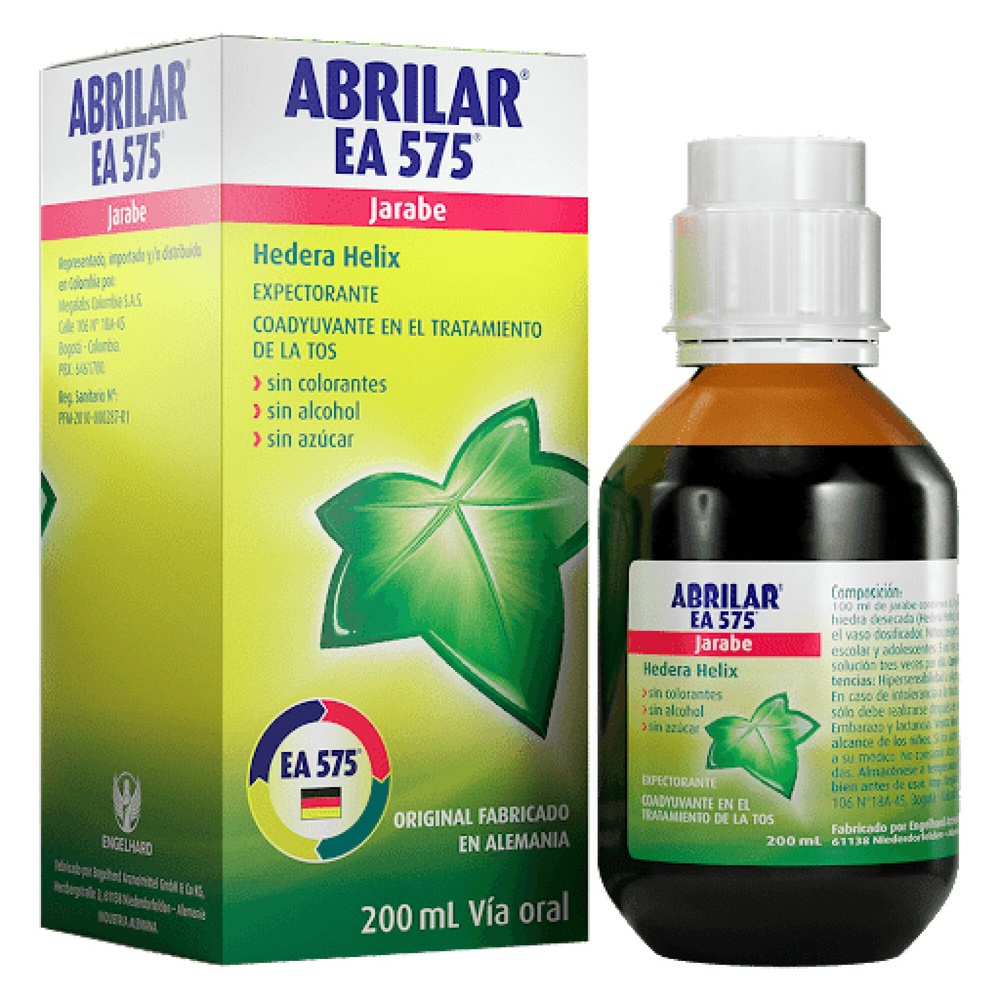
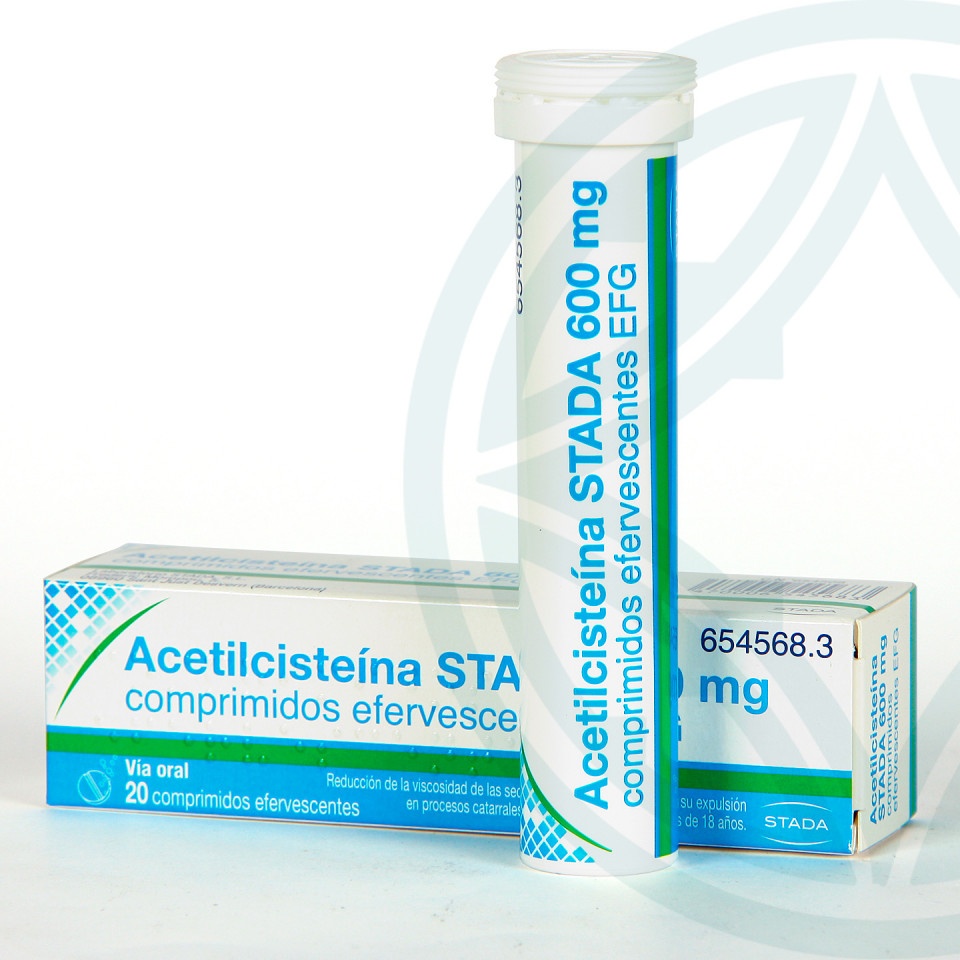
- Alternativas a PHARMAGRIP JUNIOR TOS Y SECRECIÓN NASAL GRANULADO PARA SOLUCION ORALForma farmacéutica: SOLUCIÓN/SUSPENSIÓN ORAL, 7 mg/mlPrincipio activo: Hederae helicis foliumFabricante: Engelhard Arzneimittel Gmbh & Co. KgNo requiere recetaForma farmacéutica: COMPRIMIDO EFERVESCENTE, 600 MGPrincipio activo: AcetilcisteinaFabricante: Kern Pharma S.L.No requiere recetaForma farmacéutica: COMPRIMIDO EFERVESCENTE, 600 mgPrincipio activo: AcetilcisteinaFabricante: Laboratorios Alter S.A.Requiere receta
Médicos online para PHARMAGRIP JUNIOR TOS Y SECRECIÓN NASAL GRANULADO PARA SOLUCION ORAL
Comenta la dosis, los posibles efectos secundarios, interacciones, contraindicaciones o la revisión de receta de PHARMAGRIP JUNIOR TOS Y SECRECIÓN NASAL GRANULADO PARA SOLUCION ORAL, sujeto a valoración médica y a la normativa local.











Preguntas frecuentes
