


OXIGENO MEDICINAL LIQUIDO CARBUROS METALICOS, 99,5% v/v, GAS CRIOGENICO MEDICINAL, EN RECIPIENTES CRIOGENICOS FIJOS.
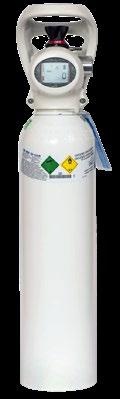



Cómo usar OXIGENO MEDICINAL LIQUIDO CARBUROS METALICOS, 99,5% v/v, GAS CRIOGENICO MEDICINAL, EN RECIPIENTES CRIOGENICOS FIJOS.
Traducción generada por IA
Este contenido ha sido traducido automáticamente y se ofrece solo con fines informativos. No sustituye la consulta con un profesional sanitario.
Ver originalContenido del prospecto
- Introducción
- Qué es Oxígeno Medicinal Líquido Carburos Metálicos y para qué se utiliza
- Qué necesita saber antes de empezar a usar Oxígeno Medicinal Líquido Carburos Metálicos
- Cómo usar Oxígeno Medicinal Líquido Carburos Metálicos
- Posibles efectos adversos
- Conservación de Oxígeno Medicinal Líquido Carburos Metálicos
- Contenido del envase e información adicional
Introducción
Prospecto: información para el usuario
Oxígeno Medicinal Líquido Carburos Metálicos gas criogénico medicinal 99,5% v/v en recipientes criogénicos fijos
Lea todo el prospecto detenidamente antes de empezar a usar este medicamento, porque contiene información importante para usted.
- Conserve este prospecto, ya que puede tener que volver a leerlo.
- Si tiene alguna duda, consulte a su médico, farmacéutico o enfermero.
- Este medicamento se le ha recetado solamente a usted, y no debe dárselo a otras personas aunque tengan los mismos síntomas que usted, ya que puede perjudicarles.
- Si experimenta efectos adversos, consulte a su médico, farmacéutico o enfermero, incluso si se trata de efectos adversos que no aparecen en este prospecto. Ver sección 4.
Contenido del prospecto
- Qué es Oxígeno Medicinal Líquido Carburos Metálicos y para qué se utiliza
- Qué necesita saber antes de empezar a usar Oxígeno Medicinal Líquido Carburos Metálicos
- Cómo usar Oxígeno Medicinal Líquido Carburos Metálicos
- Posibles efectos adversos
- Conservación de Oxígeno Medicinal Líquido Carburos Metálicos
- Contenido del envase e información adicional
1. Qué es Oxígeno Medicinal Líquido Carburos Metálicos y para qué se utiliza
El Oxígeno Medicinal Líquido Carburos Metálicos es un gas para inhalación que pertenece a un grupo de medicamentos denominados gases medicinales. Se envasa en recipientes criogénicos que contienen sólo oxígeno puro.
El oxígeno es un elemento esencial para el organismo y se administra para aumentar sus niveles en la sangre y como consecuencia conseguir un mayor transporte de oxígeno a todos los tejidos del cuerpo.
El tratamiento con oxígeno está indicado en los siguientes casos:
- Corrección de la falta de oxígeno de distintos orígenes que precisan la administración de oxígeno a presión normal o elevada.
- Alimentación de los respiradores en anestesia - reanimación.
- Administración mediante nebulizador de los medicamentos para inhalación.

2. Qué necesita saber antes de empezar a usar Oxígeno Medicinal Líquido Carburos Metálicos
No use Oxígeno Medicinal Líquido Carburos Metálicos
Este medicamento no puede ser utilizado a alta presión en casos de colapsos pulmonares que no han sido tratados aún (neumotórax no tratado). Un colapso pulmonar es una acumulación de gas en la cavidad torácica entre las dos membranas pulmonares. Si ha sufrido un colapso pulmonar con anterioridad, comuníqueselo a su médico.
Advertencias y precauciones
Consulte a su médico o farmacéutico antes de empezar a usar Oxígeno Medicinal Líquido Carburos Metálicos.
- Si padece una enfermedad pulmonar crónica como bronquitis, enfisema o asma y en situaciones graves de falta de oxígeno. Deberá advertir de ello a su médico.
- No debe aplicarse ninguna materia grasa (vaselina, pomadas, etc.) en el rostro de los pacientes por el riesgo de que se inflamen (ver Sección 6).
- Porque puede ser tóxico para el pulmón o el sistema nervioso según la concentración y el tiempo durante el que se aplica (ver secciones 3 y 6).
Precauciones de empleo
- El oxígeno no debe usarse en presencia de materiales inflamables: aceites, lubricantes, tejidos, madera, papel, materiales plásticos,… (ver Sección 6).
- Si se aplica oxígeno a presión elevada (oxigenoterapia hiperbárica) puede haber lesiones producidas por la elevada presión en las cavidades del cuerpo que contienen aire y que están en comunicación con el exterior. Para evitar riesgos la compresión y la descompresión deben ser lentas (ver Sección 4).
- Al hacer uso de oxigenoterapia a alta presión (oxigenoterapia hiperbárica) debe informar a su médico en caso de que padezca: o enfermedad pulmonar obstructiva crónica (EPOC)
- una alteración pulmonar provocada por la pérdida de elasticidad del tejido pulmonar acompañada de dificultad respiratoria (grave) (enfisema pulmonar)
- infecciones del tracto respiratorio superior
- cirugía del oído medio reciente
- cirugía torácica, en cualquier momento de la vida del paciente
- fiebre alta descontrolada
- epilepsia grave
- miedo a los espacios cerrados (claustrofobia)
- si ha sufrido un colapso pulmonar con anterioridad (una acumulación de aire o de gas en la cavidad torácica entre las dos membranas pulmonares (neumotórax))
- El Oxígeno acondicionado en recipientes criogénicos es un líquido a temperatura criogénica (aprox. -183ºC), por lo que en contacto con la piel puede provocar congelaciones graves.
- En caso de congelación, rociar con agua a temperatura ambiente durante 15 minutos. Aplicar un vendaje estéril. Obtener asistencia médica.
- En caso de contacto con los ojos, lavar inmediatamente los ojos con agua a temperatura ambiente durante, al menos, 15 minutos. Obtener asistencia médica.
Niños
En recién nacidos, especialmente si son prematuros, puede haber daño ocular (fibroplasia retrolental) con determinadas concentraciones de oxígeno (ver Sección 4).
Uso de Oxígeno Medicinal Líquido Carburos Metálicos con otros medicamentos
Informe a su médico o farmacéutico si está tomando, ha tomado recientemente o podría tener que tomar cualquier otro medicamento.
- La toxicidad del oxígeno puede verse aumentada si se usa al mismo tiempo que otros medicamentos que también pueden tener efecto sobre los pulmones: corticosteroides, algunos medicamentos para el cáncer (bleomicina), simpaticomiméticos. También puede ocurrir en el tratamiento de una intoxicación por paraquat, al utilizar rayos X, o en casos de hipertiroidismo o carencia de vitaminas C y E o de deficiencia de glutation.
- Existen informes de interacción con amiodarona. La recaída de daños pulmonares inducida por bleomicina o actinomicina puede resultar fatal.
- El oxígeno también puede agravar las depresiones respiratorias inducidas por el alcohol.
- Entre los medicamentos de los que se sabe que producen efectos adversos se encuentran: adriamicina, menadión, promazina, cloropromazina, thioridazina y cloroquina. Los efectos serán particularmente pronunciados en los tejidos con elevados niveles de oxígeno, especialmente los pulmones.
Embarazo y lactancia
Consulte a su médico o farmacéutico antes de utilizar cualquier medicamento
Durante el embarazo, se permite el uso de oxígeno a presión normal (oxigenoterapia normobárica) en bajas concentraciones.
Durante los tratamientos de salvamento, el oxígeno también puede ser utilizado durante el embarazo en altas concentraciones y altas presiones.
No existen contraindicaciones para utilizar el oxígeno durante los periodos de lactancia.
Consulte a su médico o farmacéutico si necesita consejo antes de tomar cualquier medicamento.
Conducción y uso de máquinas
No hay datos sobre la acción del oxígeno medicinal sobre la conducción y el uso de máquinas, por lo tanto se puede conducir pero extremando precauciones.
3. Cómo usar Oxígeno Medicinal Líquido Carburos Metálicos
Siga exactamente las instrucciones de administración de este medicamento indicadas por su médico.
Oxígeno Medicinal Líquido Carburos Metálicos se usa por inhalación. El médico determinará la dosis correcta de oxígeno medicinal y se lo administrará mediante un sistema adecuado a sus necesidades que garantizará el suministro de la cantidad correcta de oxígeno.
Dosificación.
La dosis usual es:
- En pacientes que respiran espontáneamente (ventilación espontánea) y con insuficiencia respiratoria aguda el oxígeno se administra a un flujo de 0,5 a 15 litros /minuto. Esto puede variar según los resultados de los análisis realizados (gasometría).
- En pacientes que respiran espontáneamente (ventilación espontánea) y con insuficiencia respiratoria crónica el oxígeno se administra a un flujo de 0,5 a 2 litros /minuto. Esto puede variar según los resultados de los análisis realizados (gasometría).
- En pacientes que precisan ayuda para respirar (ventilación asistida) el oxigeno debe administrarse a una dosis que permita alcanzar una concentración de oxígeno mínima del 21%, pudiendo llegar hasta el 100%.
Forma de administración
- En los pacientes que no presentan problemas de ventilación: el oxígeno puede administrarse por ventilación espontánea con ayuda de unas gafas nasales, de una sonda nasofaríngea o de una mascarilla, que deberán adaptarse al flujo de oxígeno.
- En los pacientes que presentan problemas de ventilación, o están anestesiados, el oxígeno se administra mediante dispositivos especiales como tubo endotraqueal, mascarilla laringea, a través de una traqueotomía que permite conectar ventilación asistida, u otros.
- La administración de oxígeno a una presión elevada (oxigenoterapia hiperbárica) se realiza en una cámara hiperbárica a una presión de 2 a 3 atmósferas y la duración de las sesiones es de entre 90 minutos y 2 horas. Estas sesiones pueden repetirse entre 2 y 4 veces al día en función de las indicaciones y del estado clínico del paciente.
Duración del tratamiento
Como norma general, las concentraciones elevadas de oxígeno se deben utilizar durante el menor tiempo posible que permita alcanzar el resultado deseado. La concentración de oxígeno que se administra debe reducirse lo antes posible a la mínima concentración necesaria.
- Concentraciones de oxígeno hasta el 100% no deberían darse durante más de 6 horas.
- Concentraciones de oxígeno entre 60-70% no deberían darse durante más de 24 horas.
- Concentraciones de oxígeno entre 40-50% no deberían darse durante las 24 horas siguientes.
- Cualquier concentración de oxígeno superior al 40% es potencialmente tóxica después de 2 días.
Si estima que la acción de Oxígeno Medicinal Líquido Carburos Metálicos es demasiado fuerte o débil, comuníqueselo a su médico.
Si usa más Oxígeno Medicinal Líquido Carburos Metálicos del que debe:
En algunas situaciones demasiado oxígeno puede afectar a la respiración y excepcionalmente producir anestesia o inconsciencia por dióxido de carbono.
Los efectos tóxicos del oxígeno varían según la presión del oxígeno inhalado y la duración de la exposición.
A baja presión (de 0,5 a 2,0 bares), estos efectos son más probables en la región pulmonar que en el sistema nervioso central (cerebro y médula espinal). A alta presión (oxigenoterapia hiperbárica), se produce lo contrario.
Los efectos en la región pulmonar incluyen respiración entrecortada (hipoventilación), tos y dolor de pecho. Los efectos en el sistema nervioso central incluyen desde náuseas, mareos, ansiedad y confusión hasta espasmos, pérdidas de conciencia y crisis epilépticas.
En caso de sobredosis, consulte inmediatamente a su médico o farmacéutico o llame al Servicio de Información Toxicológica, teléfono 91 562 04 20.

4. Posibles efectos adversos
Al igual que todos los medicamentos, Oxígeno Medicinal Líquido Carburos Metálicos puede producir efectos adversos, aunque no todas las personas los sufran.
Cuando el oxígeno se administra mediante gafas nasales puede producir sequedad de las mucosas nasal y labial.
Los efectos adversos aparecen normalmente cuando se utilizan altas concentraciones de oxígeno (por encima del 70%) y después de un tratamiento prolongado (al menos 6-12 horas).
Los efectos adversos poco frecuentes, que pueden afectar a entre 1 y 10 de cada 1.000 pacientes, son:
- Trastornos respiratorios, torácicos y mediastínicos: atelectasia, (colapso alveolos pulmonares), tos seca y dolor asociado a la respiración.
- Con oxígeno a alta presión (oxígenoterapia hiperbárica): Trastornos del oído y del laberinto como sensación de presión en el oído medio y ruptura de la membrana timpánica.
Los efectos adversos raros, que pueden afectar a entre 1 y 10 de cada 10.000 pacientes, son:
- Trastornos oculares: daño ocular que puede afectar a la visión (fibroplasia retrolental) en recién nacidos prematuros expuestos a altas concentraciones de oxígeno.
Los efectos adversos muy raros, que pueden afectar a menos de 1 de cada 10.000 pacientes, son:
- Trastornos respiratorios, torácicos y mediastínicos: dificultad severa para respirar por fallo pulmonar agudo (Síndrome de distress respiratorio agudo).
- Con oxígeno a alta presión (oxígenoterapia hiperbárica): trastornos del sistema nervioso como ansiedad, confusión, pérdida de consciencia y convulsiones epilépticas.
Otros efectos adversos comunicados y de frecuencia no conocidason:
- Apnea (interrupción de la respiración): en pacientes con insuficiencia respiratoria crónica.
- Lesiones en senos nasales, neumotórax (presencia de aire en cavidad torácica), nauseas, mareos, pérdida temporal de la visión, dolor y contracción muscular con oxígeno a alta presión (oxígenoterapia hiperbárica).
- Crisis de claustrofobia: en los pacientes sometidos a altas presiones de oxígeno en cámaras hiperbáricas
- Anemia.
- Afectación en distintos órganos con altas concentraciones de oxígeno en tratamientos a largo plazo: corazón (también puede disminuir la frecuencia cardíaca cuando se administra oxígeno al 100% en períodos cortos), hígado, riñones y pulmones (fibrosis pulmonar).
- Malformaciones pulmonares (displasia broncopulmonar), hemorragias en distintas localizaciones ( subependimales e intraventriculares) y daño intestinal con destrucción de los tejidos (enterocolitis necrotizante) en recién nacidos y bebés prematuros
Comunicación de efectos adversos
Si experimenta cualquier tipo de los efectos adversos, consulte a si médico o farmacéutico, incluso si se trata de efectos adversos que no aparecen en este prospecto.
También puede comunicarlos directamente a través del Sistema Español de Farmacovigilancia de Medicamentos de Uso Humano: www.notificaRAM.es
Mediante la comunicación de efectos adversos puede contribuir a proporcionar más información sobre la seguridad de este medicamento.
5. Conservación de Oxígeno Medicinal Líquido Carburos Metálicos
Mantener este medicamento fuera de la vista y del alcance de los niños.
No utilice este medicamento después de la fecha de caducidad que aparece en el envase. La fecha de caducidad es el último día del mes que se indica.
- Los tanques deben situarse en un lugar bien ventilado, exclusivamente dedicado a gases medicinales. Esta área de almacenamiento no debe contener materiales combustibles.
- Los tanques no deben situarse en las proximidades de fuentes de calor.
- Se prohíbe cualquier contacto con grasas, aceites u otros hidrocarburos.
6. Contenido del envase e información adicional
Composición del Oxígeno Medicinal Líquido Carburos Metálicos:
- El principio activo es Oxígeno.
- Sin excipientes.
Aspecto del producto y contenido del envase
El Oxígeno Medicinal Líquido Carburos Metálicos es gas medicinal criogénico. El oxígeno es un gas incoloro, inodoro e insípido. Cuando está licuado tiene un color ligeramente azul.
Se conserva en depósitos criogénicos fijos fabricados de acero inoxidable.
Los contenedores criogénicos fijos están fabricados con una doble capa de acero inoxidable.
Éstos se suministran bajo presión en forma de un líquido a muy baja temperatura (aproximadamente -183ºC) en depósitos con aislamiento térmico diseñados especialmente para el almacenar líquidos criogénicos.
La capacidad de los depósitos es
Tanques O2 | |
Producto | Capacidades medias (litros) |
Oxígeno líquido medicinal | 1.000 |
2.000 | |
3.000 | |
6.000 | |
10.000 | |
20.000 | |
30.000 |
Titular de la autorización de comercialización
S.E. CARBUROS METÁLICOS, S.A.
Av. de la Fama, 1
08940 Cornellà de Llobregat (Barcelona)
ESPAÑA
Responsable de fabricación
S.E. DE CARBUROS METALICOS, S.A.
Ronda Valdecarrizo, 49 28760 Tres Cantos, Madrid - España
S.E. DE CARBUROS METÁLICOS, S.A.
Políg. Industrial El Morell Apartado 3 – 43760 El Morell, Tarragona - España
S.E. DE CARBUROS METÁLICOS, S.A.
Urbanización Ind. Salinetas – 35219 -Telde, Las Palmas - España
S.E. DE CARBUROS METÁLICOS, S.A.
C/. Dr. Fleming, 29 - Pol. Ind. Ca n' Estella – 08635 - Sant Esteve Sesrovires, Barcelona -España
S.E. DE CARBUROS METÁLICOS, S.A.
C/ Celleters. 142 polígono Industrial Can Rubiol – 07141 – Marratxí, Baleares – España
LINDE GAS ESPAÑA, S.A.U.
Polígono Industrial Can Pí de Vilaroch Avenida Antonio Gaudí, 151 – 08191 – Rubí, Barcelona - España–
LINDE GAS ESPAÑA, S.A.U.
Polígono Industrial Ciudad del Transporte Parcela 27-1/2/3/4 – 11407 - Jerez de la Frontera, Cádiz – España
OXÍGENO DE SAGUNTO, S.L.
C/Acería s/n – 46520 - Puerto de Sagunto, Valencia - España
ANDALUZA DE GASES, S.A. - AGSA
Carretera Sevilla - Málaga, Km 6,3 41500 - Alcalá de Guadaira,Sevilla - España
GASES OXINORTE AIE
Buen Pastor s/n – 48903 - Baracaldo, Vizcaya - España
SOCIEDADE PORTUGUESA DE OXIGÉNIO, LDA - SPO
Rua Profesor Antonio Marques, 99 - 4470-909 -Fogosa, Maia - Portugal
NIPPON GASES ESPAÑA, S.L.
C/ Gavilanes, 12 P. I. La Estación – 28320 - Pinto, Madrid - España
NIPPON GASES ESPAÑA, S.L.
C/ Metalurgia, 14 P. I. San Vicente – 08755 - Castellbisbal, Barcelona - España
Instrucciones de uso/manipulación
No fumar.
No acercar a una llama.
No engrasar.
En particular:
- No introducir nunca este producto en un aparato que se sospeche pueda contener materias combustibles, en especial si son de naturaleza grasa;
- No limpiar nunca con productos combustibles, en especial si son de naturaleza grasa, ni los aparatos que contienen este gas ni los grifos, las juntas, las guarniciones, los dispositivos de cierre y las válvulas ;
- No aplicar ninguna materia grasa (vaselina, pomadas...) en el rostro de los pacientes;
- No utilizar aerosoles (laca, desodorante...) ni disolventes (alcohol, perfume...) sobre el material o cerca de él.
Los contenedores de oxígeno medicinal están reservados exclusivamente al uso terapéutico.
Para el caso específico del oxígeno líquido, se deben considerar también unas particularidades adicionales del producto que se tienen que tener en cuenta como precauciones para su uso y manipulación:
- El oxígeno es un gas más pesado que el aire, que puede acumularse en puntos bajos tras la vaporización del líquido y volver la atmósfera peligrosa.
- El oxígeno a la presión atmosférica es un líquido a muy baja temperatura (en torno a -183ºC) pudiendo provocar quemaduras por congelación si entra en contacto con la piel ante salpicaduras o manipulación del líquido sin los equipos de protección adecuados.
- Un litro de oxígeno líquido libera por vaporización y calentamiento a la temperatura ambiente 850 litros de gas. La expansión del oxígeno líquido por calentamiento es 850 veces su volumen de líquido y por tanto, se deben tener las precauciones propias de sobrepresiones en volúmenes cerrados (equipos e instalaciones) y de sobreoxigenación de los materiales y la atmósfera de los recintos.
Para evitar cualquier incidente, es necesario respetar obligatoriamente las siguientes consignas:
- Verificar el buen estado del material antes de su utilización.
- No forzar nunca un contenedor en un soporte demasiado estrecho para ella.
- Manipular el material con las manos limpias y libres de grasa.
- Manipular los contenedores de 50 l o más con guantes de manipulación limpios y con zapatos de seguridad.
- No levantar el contenedor cogiéndola por el grifo.
- Utilizar conexiones o elementos flexibles de conexión específicos para el oxígeno.
- Utilizar un manorreductor con un caudalómetro que admita una presión de al menos 1,5 veces la presión máxima de servicio del contenedor (salvo si ya hay un reductor incorporado al grifo).
- Utilizar elementos flexibles de conexión en las tomas murales, provistos de boquillas específicas para oxígeno.
- Abrir el grifo o la válvula de forma progresiva.
- No forzar nunca el grifo para abrirlo, ni abrirlo del todo
- Purgar la conexión de salida del contenedor antes de incorporar el manorreductor para eliminar el polvo que pudiese haber. Mantener limpias las conexiones entre el contenedor y el manorreductor.
- No someter nunca el manorreductor a varias presurizaciones sucesivas.
- No colocarse nunca frente a la salida del grifo, sino siempre en el lado opuesto al manorreductor, detrás del contenedor y hacia atrás. No exponer nunca a los pacientes al flujo gaseoso.
- No utilizar conexiones intermedias para permitir la conexión de dos dispositivos que no encajan entre sí.
- No intentar reparar un grifo defectuoso.
- No apretar nunca con tenazas el manorreductor - caudalómetro, bajo riesgo de provocar desperfectos en la junta.
- Verificar por adelantado la compatibilidad de los materiales en contacto con el oxígeno, utilizando en particular juntas de conexión del manorreductor especiales para oxígeno.
- Cerrar el grifo de la contenedor tras su utilización, permitir que disminuya la presión del manorreductor dejando abierto el caudalómetro, cerrar el caudalómetro y aflojar a continuación (salvo en el caso de los manorreductores integrados) el tornillo de regulación del manorreductor.
- En caso de fuga, cerrar el grifo o la válvula de alimentación del circuito que tenga un defecto de estanqueidad. No utilizar nunca una contenedor que presente un defecto de estanqueidad, y comprobar que se activa el dispositivo de emergencia.
- No vaciar nunca por completo una contenedor.
- Conservar los contenedores vacíos con el grifo cerrado y los bastidores vacíos con la válvula cerrada (para evitar procesos de corrosión en presencia de humedad).
- No trasvasar el producto de un contenedor a otro.
- Ventilar si es posible el lugar de utilización, si se trata de ubicaciones reducidas (vehículos, domicilio).
Fecha de la última revisión de este prospecto:Junio 2023
La información detallada y actualizada de este medicamento está disponible en la página Web de la Agencia Española de Medicamentos y Productos Sanitarios (AEMPS) http://www.aemps.gob.es/
- País de registro
- Principio activo
- Requiere recetaSí
- Fabricante
- Esta información es de carácter general y no sustituye la consulta con un profesional sanitario.
- Alternativas a OXIGENO MEDICINAL LIQUIDO CARBUROS METALICOS, 99,5% v/v, GAS CRIOGENICO MEDICINAL, EN RECIPIENTES CRIOGENICOS FIJOS.Forma farmacéutica: INHALACIÓN PULMONAR, 21-22,5% v/vPrincipio activo: OxigenoFabricante: Nippon Gases Espana SluRequiere recetaForma farmacéutica: INHALACIÓN PULMONAR, Oxigeno 21,0% v/v al 22,5% v/vPrincipio activo: OxigenoFabricante: Oxigen Salud S.A.Requiere recetaForma farmacéutica: INHALACIÓN PULMONAR, 100 % oxigenoPrincipio activo: OxigenoFabricante: Linde Gas Espana S.A.U.Requiere receta
Médicos online para OXIGENO MEDICINAL LIQUIDO CARBUROS METALICOS, 99,5% v/v, GAS CRIOGENICO MEDICINAL, EN RECIPIENTES CRIOGENICOS FIJOS.
Comenta la dosis, los posibles efectos secundarios, interacciones, contraindicaciones o la revisión de receta de OXIGENO MEDICINAL LIQUIDO CARBUROS METALICOS, 99,5% v/v, GAS CRIOGENICO MEDICINAL, EN RECIPIENTES CRIOGENICOS FIJOS., sujeto a valoración médica y a la normativa local.


Preguntas frecuentes
