






How to use YURELAX 10 mg HARD CAPSULES
Translated with AI
This page provides general information and does not replace a doctor’s consultation. Always consult a doctor before taking any medication. Seek urgent medical care if symptoms are severe.
Show originalContents of the leaflet
Introduction
Package Leaflet: Information for the Patient
Yurelax 10 mg Hard Capsules
Cyclobenzaprine Hydrochloride
Read all of this leaflet carefully before you start taking this medicine because it contains important information for you.
- Keep this leaflet, you may need to read it again.
- If you have any further questions, ask your doctor, pharmacist, or nurse.
- This medicine has been prescribed for you only. Do not pass it on to others. It may harm them, even if their symptoms are the same as yours.
- If you get any side effects, talk to your doctor, pharmacist, or nurse. This includes any possible side effects not listed in this leaflet. See section 4.
Contents of the Package Leaflet
- What is Yurelax and what is it used for
- What you need to know before you take Yurelax
- How to take Yurelax
- Possible side effects
5 Storage of Yurelax
- Contents of the pack and further information
1. What is Yurelax and what is it used for
Yurelax contains the active substance cyclobenzaprine. It is a muscle relaxant that acts on the locomotor apparatus. It is indicated for the relief of pain caused by muscle spasms, associated with acute and painful musculoskeletal processes.
Cyclobenzaprine is not effective in muscle spasms due to central nervous system injuries.

2. What you need to know before you start taking Yurelax
Do not take Yurelax
- If you are allergic to cyclobenzaprine or any of the other ingredients of this medicine (listed in section 6).
- If you have heart problems such as arrhythmias, conduction disorders, congestive heart failure, recent myocardial infarction.
- If you have a thyroid disease called hyperthyroidism.
- If you are taking or have taken MAOIs (medicines for depression or Parkinson's disease) in the last 14 days before starting treatment with Yurelax.
Warnings and Precautions
Consult your doctor, pharmacist, or nurse before starting to take Yurelax:
- If you are taking other central nervous system depressants at the same time, as it may increase their adverse effects.
- If you have a history of urinary retention.
- If you have elevated intraocular pressure or angle-closure glaucoma (a eye disease that presents with sudden and intense pain in one eye, blurred vision, halos, and redness).
- If you have epilepsy.
- If you have liver problems.
- If you have high blood pressure.
- If you are an elderly person.
- If you have depression or other diseases treated with antidepressants.
- The use of these medicines with Yurelax may cause serotonin syndrome, a potentially life-threatening disease (see "Use of Yurelax with other medicines").
Taking Yurelax with other medicines
Tell your doctor or pharmacist if you are taking, have recently taken, or might take any other medicines.
During treatment with cyclobenzaprine, you should avoid using the following medicines unless your doctor tells you otherwise:
- Antiparkinsonian agents (MAOI inhibitors: rasagiline, selegiline); antidepressants (MAOI inhibitors: tranylcypromine, moclobemide); analgesics (tramadol); antibacterials (linezolid), as they may cause increased blood pressure or severe convulsions if taken with cyclobenzaprine.
- These medicines may cause tachycardia or arrhythmias if taken with cyclobenzaprine:
- Medicines used for heart problems such as antiarrhythmics (dronedarone, amiodarone, disopyramide, flecainide, ranolazine), antianginal agents (ivabradine), and beta-blockers (sotalol).
- Antineoplastics (cancer treatment medicines: arsenic trioxide, lapatinib, nilotinib, pazopanib, sunitinib, vemurafenib, and vinflunine).
- Antibiotics (clarithromycin, erythromycin, telithromycin, levofloxacin, moxifloxacin).
- Antifungals (medicines used to treat fungi: fluconazole, voriconazole).
- Antimalarials (lumefantrine).
- Antipsychotics (medicines for the treatment of schizophrenia: pimozide, asenapine, clozapine, droperidol, paliperidone, ziprasidone).
- Antidepressants such as moclobemide, tranylcypromine, citalopram, escitalopram, fluoxetine, fluvoxamine, paroxetine, sertraline, duloxetine, venlafaxine, amitriptyline, doxepin, or trimipramine. These medicines may interact with Yurelax and you may experience symptoms such as involuntary muscle contractions, including the muscles that control eye movements, agitation, hallucinations, coma, excessive sweating, tremors, exaggerated reflexes, increased muscle tone, body temperature above 38 °C. Contact your doctor if you experience these symptoms.
- Medicines that act on the nervous system (methadone, tetrabenazine, pasireotide).
- Medicines that contain sodium phosphate.
- Asthmatics (formoterol).
- Other antineoplastics (cancer treatment medicines: procarbazine), antimigraine agents (medicines used for very intense headaches: almotriptan), and antidepressants (duloxetine, hydroxytryptophan, trazodone, desvenlafaxine, escitalopram), or buprenorphine; as they may increase the risk of serotonin syndrome (high blood pressure, fever, changes in mental status, muscle contractions ...) when taken with cyclobenzaprine.
- Guanethidine (a medicine used to treat high blood pressure) as cyclobenzaprine may decrease the effect of guanethidine.
- Alcohol and other medicines that slow down the activity of the nervous system, as cyclobenzaprine may increase their effect.
Taking Yurelax with food, drinks, and alcohol
During treatment with cyclobenzaprine, you should avoid consuming alcoholic beverages. Cyclobenzaprine may potentiate the effects of alcohol.
Pregnancy, Breast-feeding, and Fertility
If you are pregnant or breast-feeding, think you may be pregnant, or are planning to have a baby, ask your doctor or pharmacist for advice before taking this medicine.
Pregnancy:
The safety of cyclobenzaprine in pregnant women is unknown. If you are pregnant, your doctor will only prescribe this medicine if he/she considers that the benefits of the treatment are greater than the possible risks for you and your baby.
Breast-feeding:
It is unknown whether cyclobenzaprine passes into breast milk. While taking this medicine during breast-feeding, your doctor will monitor and evaluate the benefit of the treatment for the mother versus the possible risk for the child.
Driving and Using Machines
Yurelax may cause drowsiness, dizziness, vision problems, or clumsiness or instability in some people. If this happens, do not drive or use tools or machinery.
3. How to take Yurelax
Follow exactly the administration instructions of this medicine given by your doctor or pharmacist. If you are unsure, consult your doctor or pharmacist again.
The recommended dose is 1 capsule of 10 mg, three times a day.
The dose may vary between 20 and 40 mg per day, in divided doses (2 to 4 capsules per day), up to a maximum of 60 mg per day (6 capsules per day).
The treatment period should not exceed 3 weeks.
The capsules can be taken with a little water.
If you take more Yurelax than you should
The most common symptoms that accompany cases of acute overdose are: convulsions, severe drowsiness, rapid or irregular heartbeats, or difficult breathing, hallucinations, increased or decreased body temperature, and vomiting.
In case of overdose or accidental ingestion, consult the Toxicological Information Service. Phone: 91 562 04 20 indicating the medicine and the amount ingested.
If you forget to take Yurelax
In case of forgetting a dose, take the medicine as soon as possible, continuing the treatment as prescribed. However, if the next dose is near, it is better not to take the forgotten dose and wait for the next one. Do not take a double dose to make up for the forgotten doses.
If you have any other questions about the use of this medicine, ask your doctor or pharmacist.

4. Possible side effects
Like all medicines, this medicine can cause side effects, although not everybody gets them.
The most common side effects of cyclobenzaprine are:
Drowsiness, dizziness, and dry mouth.
Other side effects described for cyclobenzaprine are:
Immune system disorders: allergic reactions including skin rash, urticaria, and angioedema (face and tongue edema).
Psychiatric disorders: confusion, nervousness, depression, sleep disorders, anxiety, agitation, abnormal thoughts, hallucinations, insomnia, disorientation, excitement, euphoria.
Nervous system disorders: tremors, ataxia (lack of coordination in muscle movements), dysarthria (speech alteration), paresthesia (tingling, numbness, prickling), convulsions, hypertonia (increased muscle tone or stiffness), vertigo.
Eye disorders: blurred vision.
Ear and labyrinth disorders: tinnitus.
Cardiac and vascular disorders: tachycardia, syncope, arrhythmias, hypotension, palpitations, vasodilation.
Gastrointestinal disorders: bad taste, constipation, dyspepsia (difficult digestion), nausea, vomiting, diarrhea, gastritis, anorexia, taste alteration, flatulence, abdominal pain, thirst, gastrointestinal pain.
Hepatobiliary disorders: abnormal liver function, hepatitis, jaundice (yellowing of the skin and mucous membranes), and cholestasis (suppression of bile flow).
Musculoskeletal and connective tissue disorders: muscle contractions and local weakness.
Renal and urinary disorders: polyuria (increased frequency of urination) and/or urinary retention, decreased bladder tone.
General disorders and administration site conditions: weakness, headache, asthenia (lack of strength), malaise.
Endocrine disorders: hypoglycemia (low blood sugar level).
Skin and subcutaneous tissue disorders: sweating.
Reporting of side effects
If you experience any side effects, talk to your doctor, pharmacist, or nurse, even if it is possible side effects not listed in this leaflet. You can also report side effects directly through the Spanish Medicines and Health Products Agency's website: https://www.notificaram.es. By reporting side effects, you can help provide more information on the safety of this medicine.
5. Storage of Yurelax
This medicine does not require any special storage conditions.
Keep out of the sight and reach of children.
Do not use this medicine after the expiry date which is stated on the carton after EXP. The expiry date refers to the last day of the month shown.
Medicines should not be disposed of via wastewater or household waste. Ask your pharmacist how to dispose of medicines no longer required. These measures will help protect the environment.
6. Contents of the pack and further information
Composition of Yurelax
- The active substance is cyclobenzaprine hydrochloride. Each capsule contains 10 mg of cyclobenzaprine hydrochloride.
- The other ingredients are: magnesium stearate, talc, microcrystalline cellulose. The hard gelatin capsule contains: titanium dioxide (E171), indigo carmine (E132), quinoline yellow (E104).
Appearance of the product and pack contents
Hard gelatin capsules, green and white in color, packaged in blisters. Pack containing 30 hard gelatin capsules.
Marketing Authorisation Holder
Viatris Healthcare Limited
Damastown Industrial Park
Mulhuddart, Dublin 15
Dublin
Ireland
Manufacturer
Labiana Pharmaceuticals, S.L.
C/Casanova, 27-31
08757 Corbera de Llobregat (Barcelona) Spain
You can request more information about this medicine from the local representative of the Marketing Authorisation Holder:
Viatris Pharmaceuticals, S.L.
C/ General Aranaz, 86
28027 - Madrid
Spain
Date of last revision of this leaflet: February 2021
Detailed and updated information on this medicine is available on the website of the Spanish Agency for Medicines and Health Products (AEMPS) http://www.aemps.gob.es
-


- Country of registration
- Dosage formCAPSULE, 10 mg
- ATC codeM03BX08
- Average pharmacy price3.48 EUR
- Active substance
- Prescription requiredYes
- Manufacturer
- This information is for reference only and does not constitute medical advice. Always consult a doctor before taking any medication. Oladoctor is not responsible for medical decisions based on this content.
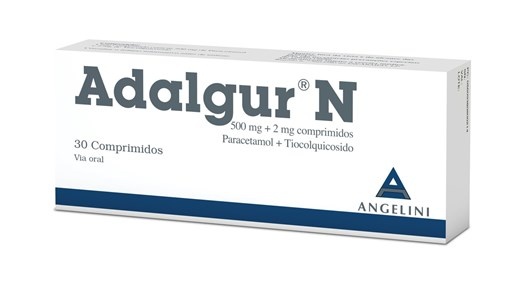
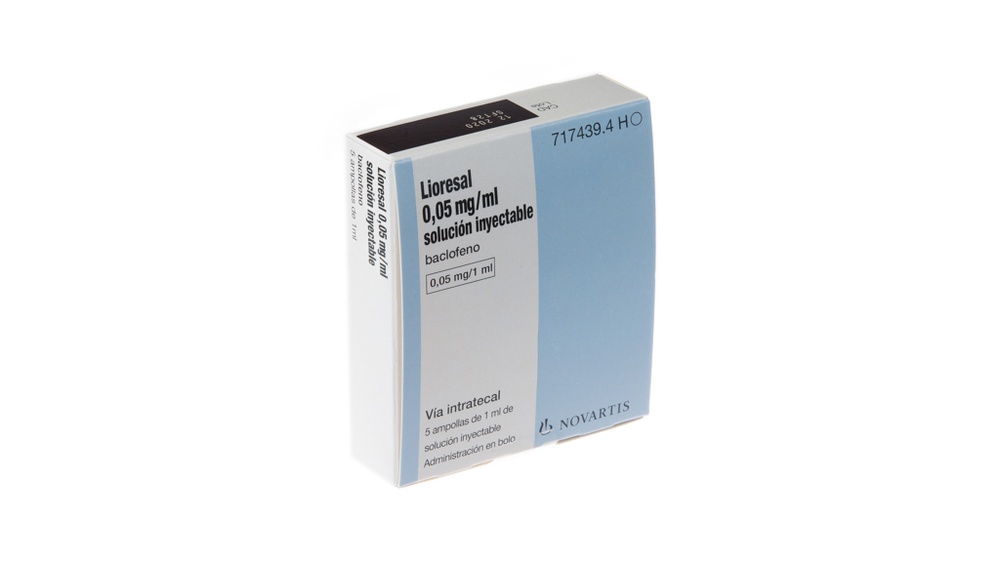
- Alternatives to YURELAX 10 mg HARD CAPSULESDosage form: TABLET, 500 mg/2 mgActive substance: thiocolchicoside, combinationsManufacturer: Teofarma S.R.L.Prescription requiredDosage form: TABLET, 10 mgActive substance: baclofenManufacturer: Laboratorios Combix S.L.U.Prescription requiredDosage form: INJECTABLE, 0.05 mgActive substance: baclofenManufacturer: Novartis Farmaceutica S.A.Prescription required

Online doctors for YURELAX 10 mg HARD CAPSULES
Discuss questions about YURELAX 10 mg HARD CAPSULES, including use, safety considerations and prescription review, subject to medical assessment and local regulations.









Get YURELAX 10 mg HARD CAPSULES Prescription Online
Fill in a 2-min form
Tell us your symptoms, history, and what medicine you're requesting.
Pick a doctor or let us assign
Choose a specialist or we'll match you with the next available doctor.
Doctor reviews your case
Usually within 30 minutes. They may ask follow-up questions via chat.
Collect from any pharmacy
Electronic prescription sent to your email — valid across Spain.
Frequently Asked Questions
YURELAX 10 mg HARD CAPSULES requires a prescription in Spain. You can check with a doctor online whether this medicine may be appropriate for your situation.
The active ingredient in YURELAX 10 mg HARD CAPSULES is cyclobenzaprine. This information helps identify medicines with the same composition but different brand names.
The average pharmacy price for YURELAX 10 mg HARD CAPSULES is around 3.48 EUR. Prices may vary depending on the manufacturer and dosage form.
YURELAX 10 mg HARD CAPSULES is manufactured by Viatris Healthcare Limited. Pharmacy brands and packaging may differ depending on the distributor.
Doctors such as Family doctors, Psychiatrists, Dermatologists, Cardiologists, Endocrinologists, Gastroenterologists, Pulmonologists, Nephrologists, Rheumatologists, Hematologists, Infectious disease physicians, Allergists, Geriatricians, Paediatricians, Oncologists may assess whether YURELAX 10 mg HARD CAPSULES is appropriate, depending on your situation and local regulations. You can book an online consultation to discuss your symptoms and possible next steps.
Spain has a well-developed healthcare infrastructure across major cities such as Madrid, Barcelona, Valencia, and Seville. Pharmacies are widely available and operate under strict regulations, ensuring access to prescribed medications.
You can buy YURELAX 10 mg HARD CAPSULES in Madrid, Barcelona, Seville, or Valencia at any local pharmacy with a valid prescription.
To obtain a prescription, you can use Oladoctor:
Other medicines with the same active substance (cyclobenzaprine) include ADALGUR 500 mg/2 mg TABLETS, BACLOFEN COMBIX 10 mg TABLETS, LIORESAL 0.05 mg/mL Injectable Solution. These may have different brand names or formulations but contain the same therapeutic ingredient. Always consult a doctor before switching or starting a new medicine.
