

VENCLYXTO 100 mg Film-Coated Tablets





How to use VENCLYXTO 100 mg FILM-COATED TABLETS
Translated with AI
This page provides general information and does not replace a doctor’s consultation. Always consult a doctor before taking any medication. Seek urgent medical care if symptoms are severe.
Show originalContents of the leaflet
Introduction
Package Leaflet: Information for the Patient
Venclyxto 10mg film-coated tablets
Venclyxto 50mg film-coated tablets
Venclyxto 100mg film-coated tablets
venetoclax
Read all of this leaflet carefully before you start taking this medicine because it contains important information for you.
- Keep this leaflet, you may need to read it again.
- If you have any further questions, ask your doctor or pharmacist.
- This medicine has been prescribed for you only. Do not pass it on to others. It may harm them, even if their signs of illness are the same as yours.
- If you get any side effects, talk to your doctor, pharmacist or nurse. This includes any possible side effects not listed in this leaflet. See section 4.
Contents of the pack
- What is Venclyxto and what is it used for
- What you need to know before you take Venclyxto
- How to take Venclyxto
- Possible side effects
- Storing Venclyxto
- Contents of the pack and other information
1. What is Venclyxto and what is it used for
What is Venclyxto
Venclyxto is a cancer medicine that contains the active substance venetoclax. It belongs to a group of medicines called “BCL-2 inhibitors”.
What is Venclyxto used for
Venclyxto is used to treat adults with:
- chronic lymphocytic leukaemia (CLL). You may receive Venclyxto alone or in combination with other medicines.
- acute myeloid leukaemia (AML). You will receive Venclyxto in combination with other medicines.
CLL is a type of cancer that affects a type of white blood cell called lymphocytes and lymph nodes. In CLL, lymphocytes multiply too quickly and live too long, so that there are too many of them in the blood.
AML is a type of cancer that affects a type of white blood cell called myeloid cells. In AML, myeloid cells multiply and grow very quickly in the bone marrow and in the blood, so that there are too many of them and not enough red blood cells in the blood.
How Venclyxto works
Venclyxto works by blocking a protein in the body called “BCL-2”. This protein is found in high amounts in some cancer cells and helps cancer cells to survive. Blocking this protein helps to destroy cancer cells and reduce their number. It also delays the worsening of the disease.

2. What you need to know before you take Venclyxto
Do not take Venclyxto if:
- you are allergic to the active substance venetoclax or any of the other ingredients of this medicine (listed in section 6).
- you have CLL and are taking any of the following medicines when you start treatment and during the gradual increase in dose (usually for 5 weeks). You must not take them because they can cause serious and potentially life-threatening side effects when taken with Venclyxto:
- itraconazole, ketoconazole, posaconazole or voriconazole for fungal infections.
- clarithromycin for bacterial infections.
- ritonavir for HIV infection.
Once the dose of Venclyxto has been increased to the full standard dose, ask your doctor if you can start taking these medicines again.
- you are taking a herbal medicine called St. John’s Wort, used for depression. If you are not sure, talk to your doctor, pharmacist or nurse before taking Venclyxto.
It is important that you tell your doctor, pharmacist or nurse about all the medicines you are taking, including those that you have bought without a prescription, vitamins and herbal supplements. Your doctor may ask you to stop taking certain medicines when you start taking Venclyxto and during the first few days or weeks, during the increase in dose to the full standard dose.
Warnings and precautions
Talk to your doctor, pharmacist or nurse before you start taking Venclyxto if:
- you have any kidney problems, as this may increase the risk of a side effect called tumour lysis syndrome.
- you have liver problems, as this may increase the risk of side effects. Your doctor may need to reduce your dose of Venclyxto.
- you think you may have an infection or have had a long-lasting or repeated infection.
- you are due to have a vaccination.
If you are in any of these situations, or are not sure, talk to your doctor, pharmacist or nurse before taking this medicine.
Tumour Lysis Syndrome
Some people may have high levels of certain salts in the blood (such as potassium and uric acid) due to the rapid breakdown of cancer cells during treatment. This can cause changes in kidney function, an abnormal heart rhythm or seizures. This condition is called tumour lysis syndrome (TLS). The risk of TLS is highest in the first few days or weeks of treatment with Venclyxto, when the dose is being increased.
If you have CLL
Your doctor, pharmacist or nurse will do blood tests to check for TLS.
Before you start treatment with Venclyxto, your doctor will give you medicines to help prevent the build-up of uric acid in your body.
Drinking plenty of water, at least 1.5 to 2 litres a day, helps to remove the waste products of cancer cells from the blood through the urine and may reduce the risk of TLS (see section 3).
Tell your doctor, pharmacist or nurse immediately if you have any of the symptoms of TLS listed in section 4.
If you are at risk of TLS, you may receive treatment in hospital so that you can be given extra fluids through a vein if needed, have more frequent blood tests and be checked for side effects. This is to make sure that it is safe for you to continue taking this medicine.
If you have AML
You may receive treatment in hospital and your doctor or nurse will make sure that you have enough water or fluids, give you medicines to prevent the build-up of uric acid in your body and do blood tests before you start taking Venclyxto, while the dose is being increased and when you start taking the full dose.
Children and adolescents
Venclyxto must not be used in children and adolescents.
Other medicines and Venclyxto
Tell your doctor or pharmacist if you are taking any of the following medicines, as they may increase or decrease the amount of venetoclax in the blood:
- medicines for fungal infections - fluconazole, itraconazole, ketoconazole, posaconazole or voriconazole
- antibiotics for bacterial infections - ciprofloxacin, clarithromycin, erythromycin, nafcillin or rifampicin
- medicines to prevent seizures or to treat epilepsy - carbamazepine, phenytoin
- medicines for HIV infection - efavirenz, etravirine, ritonavir
- medicines to treat high blood pressure or angina - diltiazem, verapamil
- medicines to lower cholesterol levels in the blood - colestyramine, colestipol, colesevelam
- a medicine used to treat a lung condition called pulmonary arterial hypertension - bosentan
- a medicine to treat a sleep disorder (narcolepsy) called modafinil
- a herbal medicine called St. John’s Wort
Your doctor may need to change your dose of Venclyxto.
Tell your doctor if you are taking any of the following medicines, as Venclyxto may affect how they work:
- medicines that prevent blood clots, warfarin, dabigatran
- a medicine to treat heart problems, called digoxin
- a medicine to treat cancer, called everolimus
- a medicine to prevent organ rejection, called sirolimus
- medicines to lower cholesterol levels in the blood, called statins
Tell your doctor or pharmacist if you are taking, have recently taken or might take any other medicines, including those obtained without a prescription, herbal medicines and supplements. This is because Venclyxto may affect how some medicines work and some medicines may affect how Venclyxto works.
Taking Venclyxto with food and drink
Do not take products containing grapefruit, Seville oranges (bitter oranges, often used in marmalade) or starfruit while you are taking Venclyxto - do not eat them, drink their juice or take supplements that may contain them. This is because they can increase the amount of venetoclax in the blood.
Pregnancy
- Do not become pregnant while you are taking this medicine. If you are pregnant or breast-feeding, think you may be pregnant or are planning to have a baby, ask your doctor or pharmacist for advice before taking this medicine.
- Venclyxto must not be used during pregnancy. There is no information on the safety of venetoclax in pregnant women.
Contraception
- Women who are able to become pregnant must use a highly effective method of contraception during treatment and for at least 30 days after receiving Venclyxto to prevent pregnancy. If you are using hormonal contraceptives (the pill or devices), you must also use a barrier method of contraception (such as a condom) because the effect of hormonal contraceptives may be affected by Venclyxto.
- Tell your doctor immediately if you become pregnant while you are taking this medicine.
Breast-feeding
Do not breast-feed while you are taking this medicine. It is not known whether the active substance of Venclyxto passes into breast milk.
Fertility
Based on the results of animal studies, Venclyxto may cause male infertility (reduced or absent sperm count). This may affect your ability to father a child. Ask your doctor about sperm storage before you start treatment with Venclyxto.
Driving and using machines
After taking Venclyxto, you may feel tired or dizzy, which may affect your ability to drive and use tools or machines. If this happens, do not drive or use any tools or machines.
Venclyxto contains sodium
This medicine contains less than 1 mmol of sodium (23 mg) per dose, which is essentially “sodium-free”.
3. How to take Venclyxto
Always take this medicine exactly as your doctor, pharmacist or nurse has told you. If you are not sure, check with your doctor, pharmacist or nurse.
How much to take
If you have CLL
You will start treatment with Venclyxto at a low dose for 1 week. Your doctor will gradually increase the dose over the next 4 weeks to the full standard dose. During the first 4 weeks, you will receive a new pack each week.
- the initial dose is 20 mg (2 x 10 mg tablets) once a day for 7 days.
- the dose will be increased to 50 mg (1 x 50 mg tablet) once a day for 7 days.
- the dose will be increased to 100 mg (1 x 100 mg tablet) once a day for 7 days.
- the dose will be increased to 200 mg (2 x 100 mg tablets) once a day for 7 days.
- the dose will be increased to 400 mg (4 x 100 mg tablets) once a day for 7 days.
A dose adjustment may be necessary due to side effects. Your doctor will tell you what dose to take.
If you have AML
You will start treatment with Venclyxto at a lower dose. Your doctor will gradually increase the dose each day over the first 3 days. After 3 days, you will take the full standard dose. The dose (tablets) is taken once a day.
The following table shows the doses
Day | Daily dose of Venclyxto |
1 | 100 mg (1 x 100 mg tablet) |
2 | 200 mg (2 x 100 mg tablets) |
3 and after | 400 mg (4 x 100 mg tablets) |
Your doctor will give you Venclyxto in combination with another medicine (azacitidine or decitabine).
You will continue to take the full dose of Venclyxto until your AML worsens or you are no longer able to take Venclyxto due to serious side effects.
How to take Venclyxto
- take the tablets with a meal, approximately at the same time each day
- swallow the tablets whole with a glass of water
- do not chew, crush or break the tablets
- during the first few days or weeks of treatment when the dose is being increased, take the tablets in the morning to make it easier to monitor you with blood tests if needed.
If you vomit after taking Venclyxto, do not take an extra dose that day. Take your next dose at the usual time the next day. If you have problems taking this medicine, talk to your doctor.
Drink plenty of water
If you have CLL
It is very important that you drink plenty of water while you are taking Venclyxto during the first 5 weeks of treatment. This will help to remove the waste products of cancer cells from the blood through the urine.
You should start drinking at least 1.5 to 2 litres of water a day, 2 days before you start taking Venclyxto. You can also include non-caffeinated, non-alcoholic drinks in this amount, but do not drink grapefruit, Seville orange or starfruit juice. You should continue to drink at least 1.5 to 2 litres of water a day, 2 days before your dose is increased and on the day of the increase.
If your doctor thinks that you are at risk of TLS, you may receive treatment in hospital so that you can be given extra fluids through a vein if needed, have more frequent blood tests and be checked for side effects. This is to make sure that it is safe for you to continue taking this medicine.
If you have AML
It is very important that you drink plenty of water while you are taking Venclyxto, especially when you start treatment and when the dose is increased. Drinking water will help to remove the waste products of cancer cells from the blood through the urine. If you are in hospital, your doctor or nurse will give you fluids through a vein if needed to make sure that this happens.
If you take more Venclyxto than you should
If you take more Venclyxto than you should, talk to a doctor, pharmacist or nurse or go to hospital immediately. Take the medicine pack and this leaflet with you.
If you forget to take Venclyxto
- do not take a double dose to make up for a forgotten dose.
If you stop taking Venclyxto
Do not stop taking this medicine unless your doctor tells you to. If you have any further questions on the use of this medicine, ask your doctor, pharmacist or nurse.

4. Possible Adverse Effects
Like all medicines, this medicine can cause adverse effects, although not all people suffer from them. This medicine may cause the following serious adverse effects:
Tumor Lysis Syndrome(frequent - may affect up to 1 in 10 people)
Stop taking Venclyxto and seek medical attention immediately if you notice any of the symptoms of TLS:
- fever or chills
- nausea or vomiting
- confusion
- difficulty breathing
- irregular heartbeat
- dark or cloudy urine
- unusual feeling of tiredness
- muscle pain or joint discomfort
- seizures or convulsions
- abdominal pain and distension
Decrease in White Blood Cell Count (Neutropenia) and Infections(very frequent - may affect more than 1 in 10 people)
Your doctor will check your blood cell count during treatment with Venclyxto. A decrease in white blood cells can increase the risk of infections. The signs may be fever, chills, weakness, or confusion, cough, pain, or burning sensation when urinating. Some infections, such as pneumonia or blood infection (sepsis), can be severe and life-threatening. Inform your doctor immediately if you have signs of infection during treatment with this medicine.
Tell your doctor if you notice any of the following adverse effects:
If you have CLL
Very Common(may affect more than 1 in 10 people)
- pneumonia
- upper respiratory tract infection (signs are nasal discharge, sore throat, or cough)
- diarrhea
- nausea or vomiting
- constipation
- fatigue
Also, the following may be observed in blood tests:
- decrease in red blood cell count
- decrease in white blood cell count called lymphocytes
- increase in potassium levels
- increase in a body electrolyte (an electrolyte) called phosphate
- decrease in calcium levels
Common(may affect up to 1 in 10 people)
- severe blood infection (sepsis)
- urinary tract infection
- decrease in white blood cell count with fever (febrile neutropenia)
Also, the following may be observed in blood tests:
- increase in creatinine levels
- increase in urea levels
If you have LMA
Very Common(may affect more than 1 in 10 people)
- feeling of nausea (nausea or vomiting)
- diarrhea
- mouth sores
- feeling of tiredness or weakness
- lung or blood infection
- loss of appetite
- joint pain
- dizziness or fainting
- headache
- difficulty breathing
- bleeding
- low blood pressure
- urinary tract infection
- weight loss
- abdominal pain
Blood tests may show:
- low platelet count (thrombocytopenia)
- low white blood cell count with fever (febrile neutropenia)
- low red blood cell count (anemia)
- high total bilirubin levels
- low potassium levels in blood
Common(may affect up to 1 in 10 people)
- gallstones or gallbladder infection
Reporting Adverse Effects
If you experience any adverse effects, consult your doctor, pharmacist, or nurse, even if they are possible adverse effects not listed in this leaflet. You can also report them directly through the national reporting system listed in Annex V. By reporting adverse effects, you can help provide more information on the safety of this medicine.
5. Storage of Venclyxto
Keep this medicine out of the sight and reach of children.
Do not use this medicine after the expiry date stated on the blister label and carton, after EXP.:
No special storage conditions are required.
Medicines should not be disposed of via wastewater or household waste. Ask your pharmacist how to dispose of medicines no longer required. This will help protect the environment.
6. Package Contents and Additional Information
Venclyxto Composition
The active substance is venetoclax.
- Venclyxto 10 mg film-coated tablets: Each film-coated tablet contains 10 mg of venetoclax.
- Venclyxto 50 mg film-coated tablets: Each film-coated tablet contains 50 mg of venetoclax.
- Venclyxto 100 mg film-coated tablets: Each film-coated tablet contains 100 mg of venetoclax.
The other ingredients are:
- In the tablet core: copovidone (K 28), polysorbate 80 (E433), colloidal anhydrous silica (E551), anhydrous calcium hydrogen phosphate (E341 (ii)), sodium stearyl fumarate.
In the film coating:
- Venclyxto 10 mg film-coated tablets: yellow iron oxide (E172), polyvinyl alcohol (E1203), titanium dioxide (E171), macrogol 3350 (E1521), talc (E553b).
- Venclyxto 50 mg film-coated tablets: yellow iron oxide (E172), red iron oxide (E172), black iron oxide (E172), polyvinyl alcohol (E1203), titanium dioxide (E171), macrogol 3350 (E1521), talc (E553b).
- Venclyxto 100 mg film-coated tablets: yellow iron oxide (E172), polyvinyl alcohol (E1203), titanium dioxide (E171), macrogol 3350 (E1521), talc (E553b).
Product Appearance and Package Contents
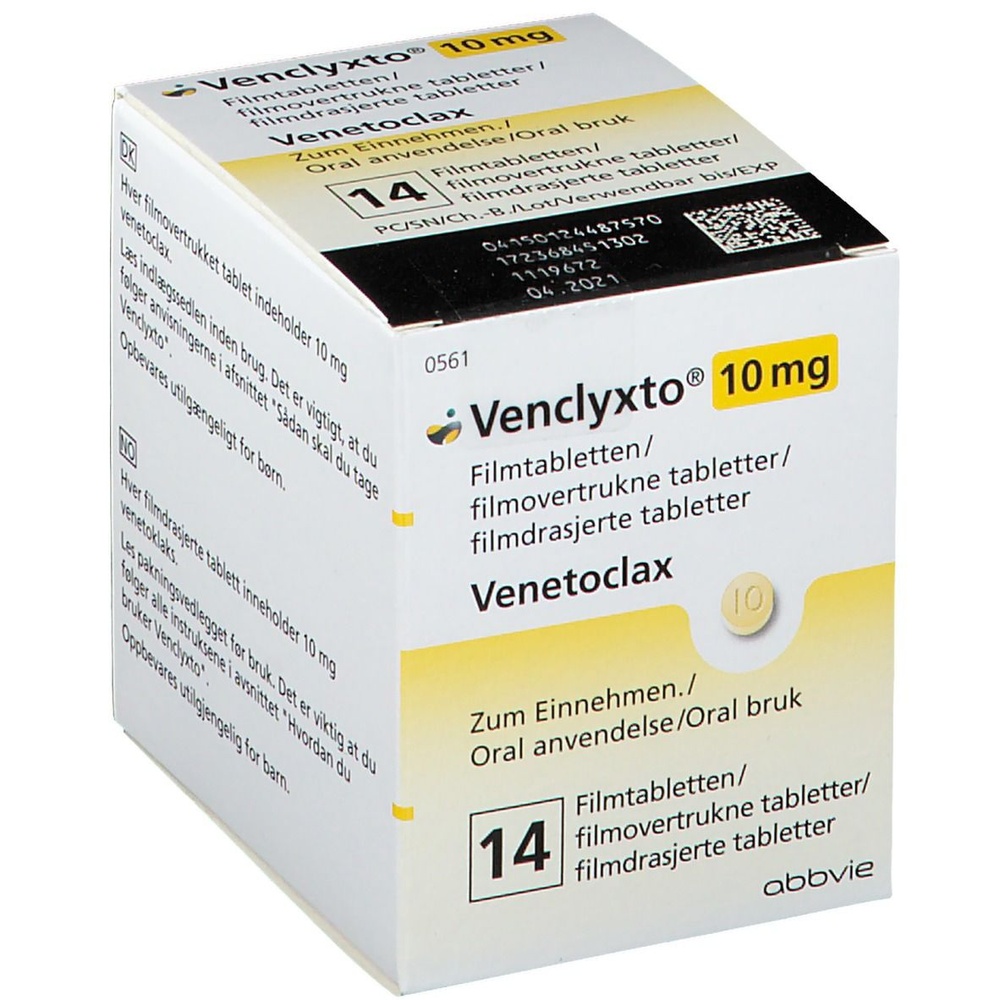
Venclyxto 10 mg film-coated tablet is pale yellow, round, 6 mm in diameter, marked with a V on one side and 10 on the other.
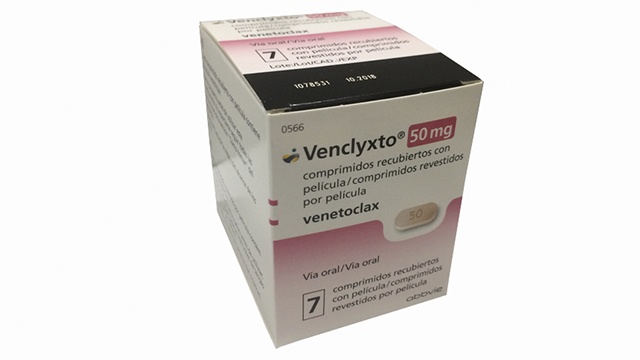
Venclyxto 50 mg film-coated tablet is beige, oblong, 14 mm long, marked with a V on one side and 50 on the other.
Venclyxto 100 mg film-coated tablet is pale yellow, oblong, 17.2 mm long, marked with a V on one side and 100 on the other.
Venclyxto tablets are available in blisters or bottles contained in cartons as follows:
Venclyxto 10 mg film-coated tablets:
- 10 tablets (5 blisters, each with 2 tablets)
- 14 tablets (7 blisters, each with 2 tablets)
Venclyxto 50 mg film-coated tablets:
- 5 tablets (5 blisters, each with 1 tablet)
- 7 tablets (7 blisters, each with 1 tablet)
Venclyxto 100 mg film-coated tablets:
- 7 tablets (7 blisters, each with 1 tablet)
- 14 tablets (7 blisters, each with 2 tablets)
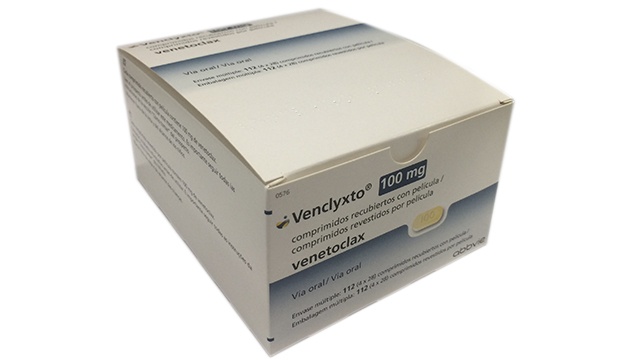
- 112 (4 x 28) tablets (4 containers of 7 blisters, each with 4 tablets)
- 360 tablets (3 bottles of 120 tablets each)
Not all pack sizes may be marketed.
Marketing Authorization Holder and Manufacturer
AbbVie Deutschland GmbH & Co. KG
Knollstrasse
67061 Ludwigshafen
Germany
AbbVie S.r.l.
S.R. 148 Pontina, km 52 SNC
04011 Campoverde di Aprilia (Latina)
Italy
You can request more information about this medicine by contacting the local representative of the marketing authorization holder:
België/Belgique/Belgien AbbVie SA Tél/Tel: +32 10 477811 | Lietuva AbbVie UAB Tel: +370 5 205 3023 |
| Luxembourg/Luxemburg AbbVie SA Belgique/Belgien Tél/Tel: +32 10 477811 |
Ceská republika AbbVie s.r.o. Tel: +420 233 098 111 | Magyarország AbbVie Kft. Tel:+36 1 455 8600 |
Danmark AbbVie A/S Tlf: +45 72 30‑20‑28 | Malta V.J.Salomone Pharma Limited Tel: +356 22983201 |
Deutschland AbbVie Deutschland GmbH & Co. KG Tel: 00800 222843 33 (gebührenfrei) Tel: +49 (0) 611 / 1720‑0 | Nederland AbbVie B.V. Tel: +31 (0)88 322 2843 |
Eesti AbbVie OÜ Tel: +372 623 1011 | Norge AbbVie AS Tlf: +47 67 81 80 00 |
Ελλάδα AbbVie ΦΑΡΜΑΚΕΥΤΙΚΗ Α.Ε. Τηλ: +30 214 4165 555 | Österreich AbbVie GmbH Tel: +43 1 20589‑0 |
España AbbVie Spain, S.L.U. Tel: +34 91 384 09 10 | Polska AbbVie Sp. z o.o. Tel.: +48 22 372 78 00 |
France AbbVie Tél: +33 (0) 1 45 60 13 00 | Portugal AbbVie, Lda. Tel: +351 (0)21 1908400 |
Hrvatska AbbVie d.o.o. Tel: + 385 (0)1 5625 501 | România AbbVie S.R.L. Tel: +40 21 529 30 35 |
Ireland AbbVie Limited Tel: +353 (0)1 4287900 | Slovenija AbbVie Biofarmacevtska družba d.o.o. Tel: +386 (1)32 08 060 |
Ísland Vistor hf. Tel: +354 535 7000 | Slovenská republika AbbVie s.r.o. Tel: +421 2 5050 0777 |
Italia AbbVie S.r.l. Tel: +39 06 928921 | Suomi/Finland AbbVie Oy Puh/Tel: +358 (0)10 2411 200 |
Κύπρος Lifepharma (Z.A.M.) Ltd Τηλ: +357 22 34 74 40 | Sverige AbbVie AB Tel: +46 (0)8 684 44 600 |
Latvija AbbVie SIA Tel: +371 67605000 |
Date of Last Revision of this Leaflet:
Other Sources of Information
Detailed information on this medicine is available on the European Medicines Agency website http://www.ema.europa.eu.
The leaflet can be found in all languages of the European Union/European Economic Area on the European Medicines Agency website.
To listen to this leaflet or request a copy in Braille, large print, or audio, contact the local representative of the marketing authorization holder.
-

- Country of registration
- Dosage formTABLET, 100 mg
- ATC codeL01XX52
- Active substance
- Prescription requiredYes
- Manufacturer
- CompositionPOLISORBATO 80 (58.30 mg mg), FUMARATO DE ESTEARILO Y SODIO (5.30 mg mg)
- This information is for reference only and does not constitute medical advice. Always consult a doctor before taking any medication. Oladoctor is not responsible for medical decisions based on this content.
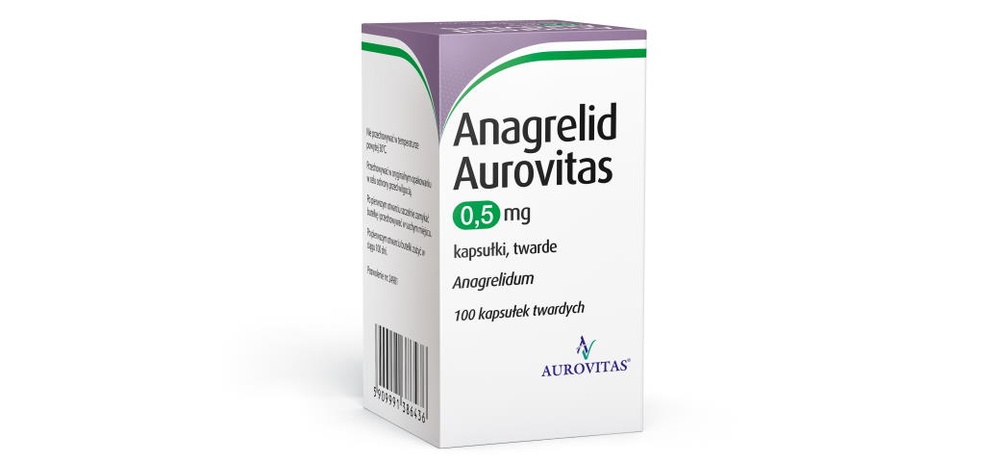
- Alternatives to VENCLYXTO 100 mg FILM-COATED TABLETSDosage form: TABLET, 10 mgActive substance: venetoclaxManufacturer: Abbvie Deutschland Gmbh & Co. KgPrescription requiredDosage form: TABLET, 50 mgActive substance: venetoclaxManufacturer: Abbvie Deutschland Gmbh & Co. KgPrescription requiredDosage form: CAPSULE, 0.5 mgActive substance: anagrelideManufacturer: Aurovitas Spain, S.A.U.Prescription required
Online doctors for VENCLYXTO 100 mg FILM-COATED TABLETS
Discuss questions about VENCLYXTO 100 mg FILM-COATED TABLETS, including use, safety considerations and prescription review, subject to medical assessment and local regulations.
Get VENCLYXTO 100 mg FILM-COATED TABLETS Prescription Online
Fill in a 2-min form
Tell us your symptoms, history, and what medicine you're requesting.
Pick a doctor or let us assign
Choose a specialist or we'll match you with the next available doctor.
Doctor reviews your case
Usually within 30 minutes. They may ask follow-up questions via chat.
Collect from any pharmacy
Electronic prescription sent to your email — valid across Spain.
Frequently Asked Questions
Is a prescription required for VENCLYXTO 100 mg FILM-COATED TABLETS?
VENCLYXTO 100 mg FILM-COATED TABLETS requires a prescription in Spain. You can check with a doctor online whether this medicine may be appropriate for your situation.
What is the active substance in VENCLYXTO 100 mg FILM-COATED TABLETS?
The active ingredient in VENCLYXTO 100 mg FILM-COATED TABLETS is venetoclax. This information helps identify medicines with the same composition but different brand names.
Who manufactures VENCLYXTO 100 mg FILM-COATED TABLETS?
VENCLYXTO 100 mg FILM-COATED TABLETS is manufactured by Abbvie Deutschland Gmbh & Co. Kg. Pharmacy brands and packaging may differ depending on the distributor.
Which doctors can assess the use of VENCLYXTO 100 mg FILM-COATED TABLETS online?
Doctors such as Family doctors, Psychiatrists, Dermatologists, Cardiologists, Endocrinologists, Gastroenterologists, Pulmonologists, Nephrologists, Rheumatologists, Hematologists, Infectious disease physicians, Allergists, Geriatricians, Paediatricians, Oncologists may assess whether VENCLYXTO 100 mg FILM-COATED TABLETS is appropriate, depending on your situation and local regulations. You can book an online consultation to discuss your symptoms and possible next steps.
How to buy VENCLYXTO 100 mg FILM-COATED TABLETS in Spain?
Spain has a well-developed healthcare infrastructure across major cities such as Madrid, Barcelona, Valencia, and Seville. Pharmacies are widely available and operate under strict regulations, ensuring access to prescribed medications.
You can buy VENCLYXTO 100 mg FILM-COATED TABLETS in Madrid, Barcelona, Seville, or Valencia at any local pharmacy with a valid prescription.
To obtain a prescription, you can use Oladoctor:
What are the alternatives to VENCLYXTO 100 mg FILM-COATED TABLETS?
Other medicines with the same active substance (venetoclax) include VENCLYXTO 10 mg FILM-COATED TABLETS, VENCLYXTO 50 mg FILM-COATED TABLETS, ANAGRELIDE AUROVITAS 0.5 mg HARD CAPSULES. These may have different brand names or formulations but contain the same therapeutic ingredient. Always consult a doctor before switching or starting a new medicine.
