



SYRACERIN 0.5 mg/g + 20 mg/g Topical Solution

Prescription review online
A doctor will review your case and decide whether a prescription is medically appropriate.

Talk to a doctor about this medicine
Discuss your symptoms and possible next steps in a quick online consultation.



How to use SYRACERIN 0.5 mg/g + 20 mg/g CUTANEOUS SOLUTION
Contents of the leaflet
- Introduction
- What Syracerin 0.5 mg/g + 20 mg/g cutaneous solution is and what it is used for
- What you need to know before you use Syracerin 0.5 mg/g + 20 mg/g cutaneous solution
- How to use Syracerin 0.5 mg/g + 20 mg/g cutaneous solution
- Possible side effects
- Storage of Syracerin 0.5 mg/g + 20 mg/g cutaneous solution
- Contents of the pack and other information
Introduction
Package Leaflet: Information for the User
Syracerin0.5 mg/g + 20 mg/g cutaneous solution
betamethasone/salicylic acid
Read all of this leaflet carefully before you start using this medicine because it contains important information for you.
- Keep this leaflet, you may need to read it again.
- If you have any further questions, ask your doctor or pharmacist.
- This medicine has been prescribed for you only. Do not pass it on to others. It may harm them, even if their signs of illness are the same as yours.
- If you get any side effects, talk to your doctor or pharmacist. This includes any possible side effects not listed in this leaflet. See section 4.
Contents of the pack
- What Syracerin 0.5 mg/g + 20 mg/g cutaneous solution is and what it is used for
- What you need to know before you use Syracerin 0.5 mg/g + 20 mg/g cutaneous solution
- How to use Syracerin 0.5 mg/g + 20 mg/g cutaneous solution
- Possible side effects
- Storage of Syracerin 0.5 mg/g + 20 mg/g cutaneous solution
- Contents of the pack and other information
1. What Syracerin 0.5 mg/g + 20 mg/g cutaneous solution is and what it is used for
Syracerin 0.5 mg/g + 20 mg/g cutaneous solution is a combination product for cutaneous use. It contains betamethasone dipropionate (a corticosteroid) and salicylic acid (a keratolytic agent). Betamethasone dipropionate reduces inflammation and allergic skin reactions, as well as reactions associated with excessive cell division in the skin, and salicylic acid decreases the outer corneal layer of the skin and facilitates the penetration of the corticosteroid.
Syracerin 0.5 mg/g + 20 mg/g cutaneous solution is used to treat psoriasis (psoriasis vulgaris).

Not sure if this medicine is right for you?
Discuss your symptoms and treatment with a doctor online.
2. What you need to know before you use Syracerin 0.5 mg/g + 20 mg/g cutaneous solution
Do not useSyracerin0.5 mg/g + 20 mg/g cutaneous solution
? if you are allergic to betamethasone dipropionate, salicylic acid, or any of the other ingredients of this medicine (listed in section 6).
? if you have certain viral-related diseases (e.g., chickenpox, herpes)
? if you have bacterial diseases (such as tuberculosis of the skin, erysipelas, or syphilitic skin manifestations)
? if you have bacterial or fungal skin infections (unless treated as such)
? on areas of the skin that show a reaction to a vaccine
? on areas of the skin affected by acne, rosacea (inflammation of the skin that is red/pink), perioral dermatitis (inflammation of the skin in the area of the upper lip and chin)
? in the eye, on mucous membranes, in the genital area, and on deep open wounds.
? in case of repeated use: if you have gastric or intestinal ulcers or in case of certain forms of blood coagulation disorders (hypocoagulability)
Syracerin 0.5 mg/g + 20 mg/g cutaneous solution should not be used in infants or nursing babies.
This medicine should not be used under occlusive conditions (bandages/pads, etc.).
Warnings and precautions
Consult your doctor or pharmacist before starting to use this medicine
Treatment should be discontinued if skin irritation or sensitization occurs during use of Syracerin 0.5 mg/g + 20 mg/g cutaneous solution.
Anti-inflammatory medicines (corticosteroids) like the active ingredient betamethasone dipropionate in this medicine show strong effects on the body. It is not recommended to use this medicine on large areas of the body or for prolonged periods, as this significantly increases the risk of side effects.
To reduce the risk of side effects:
? use as little as possible, especially in children;
? use only for the time that is absolutely necessary to relieve the skin condition; the duration of treatment should not exceed 3 weeks in adults; children should not be treated with this medicine for more than 1 week;
? Syracerin 0.5 mg/g + 20 mg/g cutaneous solution should not come into contact with the eyes or mouth, open wounds, or mucous membranes (e.g., in the anal and genital area);
? this medicine should not be used on large areas of the body; in children, the maximum area to be treated should be less than 10% of the body surface;
? this medicine should not be used under airtight and watertight materials such as bandages, poorly breathable dressings, clothing, or diapers;
If this medicine is used for diseases other than those prescribed, symptoms can be masked and correct diagnosis and therapy can be difficult.
This medicine should only be used on the face with caution and never on the eye area.
Consult your doctor if you experience blurred vision or other visual disturbances.
To avoid symptoms of poisoning, do not exceed the maximum daily dose of 2 g of salicylic acid for adults.
Children
In general, greater caution should be exercised when treating children with this medicine, as there may be greater absorption of the corticosteroid and salicylic acid through the child's skin.
When using Syracerin 0.5 mg/g + 20 mg/g cutaneous solution in children, do not exceed the daily dose of 0.2 g of salicylic acid. In children, the maximum area to be treated should be less than 10% of the body surface.
Other medicines andSyracerin0.5 mg/g + 20 mg/g cutaneous solution
Tell your doctor or pharmacist if you are taking/using, have recently taken/used, or might take/use any other medicines.
During use of this medicine, do not use medicinal shampoos for the hair, as there is no practical experience that rules out interactions to date.
Currently, there are no known influences on laboratory tests.
Pregnancy and breastfeeding
If you are pregnant or breastfeeding, think you may be pregnant, or are planning to have a baby, ask your doctor or pharmacist for advice before using this medicine.
Pregnancy:
In order to avoid any risk to your baby, do not use Syracerin 0.5 mg/g + 20 mg/g cutaneous solution if you are pregnant unless your doctor has told you to. If your doctor prescribes this medicine, use it as little as possible and only for the time that is absolutely necessary.
Breastfeeding:
If your doctor recommends using this medicine during breastfeeding, do not apply the medicine to the breast. Do not let your baby come into contact with the treated areas. Consult your doctor or pharmacist before taking or using any medicine.
Driving and using machines
No special precautions are required.
3. How to use Syracerin 0.5 mg/g + 20 mg/g cutaneous solution
Follow exactly the instructions of administration of this medicine given by your doctor or pharmacist. In case of doubt, consult your doctor or pharmacist again. Always follow the instructions for use, as otherwise this medicine may not work properly.
Recommended dose:
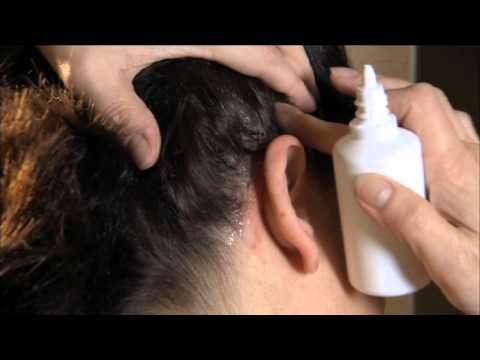
Apply Syracerin 0.5 mg/g + 20 mg/g cutaneous solution once or twice a day to the affected areas of the skin.
For some medical conditions, one application per day is sufficient. The frequency of application can be reduced as the medical condition improves.
The affected areas of the skin should be covered with a thin film of the solution.
Duration of treatment:
The duration of treatment should not exceed 3 weeks.
Children should not be treated with this medicine for more than 1 week.
Syracerin 0.5 mg/g + 20 mg/g cutaneous solution should not be used in infants or nursing babies.
If you think that the effect of this medicine is too strong or too weak, consult your doctor or pharmacist.
If you use moreSyracerin0.5 mg/g + 20 mg/g cutaneous solution than you should
No risk is expected from a single overdose (too large a quantity, too large a skin area, or used too frequently).
Repeated overdoses or misuse can cause side effects.
Excessive use of topical corticosteroids (repeated overdose or misuse) can lead to the so-called hypercorticoidism with severe symptoms, which will be treated properly by your doctor. Acute symptoms of hypercorticoidism (e.g., "moon face") are largely reversible. Electrolyte disturbances should be treated as necessary.
Excessive use of topical preparations containing salicylic acid can cause symptoms of salicylate poisoning (ringing in the ears with hearing loss, nosebleeds, nausea, vomiting, irritability, and dryness of the mucous membranes). Your doctor may initiate proper treatment for these symptoms.
In case of overdose or accidental ingestion, consult your doctor or pharmacist immediately or call the Toxicology Information Service, phone 91 562 04 20, indicating the medicine and the amount ingested.
If you forget to useSyracerin0.5 mg/g + 20 mg/g cutaneous solution
Do not use a double dose to make up for the forgotten dose.
If you have any doubts about the use of this medicine, ask your doctor or pharmacist.

Started taking the medicine and have questions?
Discuss your symptoms and treatment with a doctor online.
4. Possible side effects
Like all medicines, this medicine can cause side effects, although not everybody gets them.
If you are affected by any of the following side effects, stop using this medicine and consult your doctor as soon as possible.
The assessment of side effects is based on the following frequencies:
Frequency not known (frequency cannot be estimated from the available data):
skin irritation, skin thinning (atrophy), stretch marks, blisters, steroid acne, formation of light spots on the skin (hypopigmentation), spider veins, skin burns, itching, dryness of the skin, inflammation of the hair follicles (folliculitis), and alteration of hair growth, sensitization, perioral dermatitis (inflammation of the skin in the area of the upper lip and chin), allergic skin reaction (contact dermatitis), skin maceration, delayed wound healing, scaling, secondary infections (additional infections caused by pathogens), blurred vision.
The following side effects may occur more frequently when applied under occlusive dressings (bandages, pads): skin maceration, secondary infections (additional infections caused by pathogens), skin thinning, stretch marks, and blisters.
Side effects may occur not only at the site of treatment but also in completely different areas of the body (i.e., systemic side effects). This occurs if the active ingredient (corticosteroid) is absorbed by the body through the skin. This can lead, for example, to the so-called Cushing's syndrome; in children, growth retardation, weight gain reduction, and increased intracranial pressure have been observed. This is especially important in children, as they are more susceptible.
Reporting of side effects
If you experience any side effects, talk to your doctor or pharmacist. This includes any possible side effects not listed in this leaflet. You can also report side effects directly through the Spanish Medicines Information System for Human Use: www.notificaRAM.es. By reporting side effects, you can help provide more information on the safety of this medicine.
5. Storage of Syracerin 0.5 mg/g + 20 mg/g cutaneous solution
Keep this medicine out of the sight and reach of children.
Do not use this medicine after the expiry date which is stated on the bottle and carton after "EXP". The expiry date is the last day of the month stated.
Do not store above 25°C.
Information on shelf life after opening
After opening the bottle for the first time, this medicine has a shelf life of 3 months.
Medicines should not be disposed of via wastewater or household waste. Ask your pharmacist how to dispose of medicines no longer required. These measures will help protect the environment.
6. Contents of the pack and other information
The active substances are:
betamethasone dipropionate and salicylic acid
1 g of Syracerin 0.5 mg/g + 20 mg/g cutaneous solution contains 0.64 mg of betamethasone dipropionate (corresponding to 0.5 mg of betamethasone) and 20 mg of salicylic acid.
The other ingredients are:
disodium edetate, hypromellose, isopropyl alcohol, sodium hydroxide, and hydrochloric acid (for pH adjustment), purified water
Appearance of the product and contents of the pack
Syracerin 0.5 mg/g + 20 mg/g cutaneous solution is a colorless, slightly viscous solution and is available in polyethylene bottles with a polyethylene dropper and a screw cap made of polyethylene containing 15 ml (14.1 g), 20 ml (18.8 g), 30 ml (28.2 g), 50 ml (47.0 g), 60 ml (56.4 g), or 100 ml (94.0 g).
Not all pack sizes may be marketed.
Marketing authorization holder and manufacturer
Marketing authorization holder
Mibe Pharma España S.L.U.
C/Amaltea 9, 4ª planta, letra B,
28045, Madrid
Spain
Manufacturer
Mibe GmbH Arzneimittel
Münchener Strasse 15
06796 - Brehna
Germany
This medicine is authorized in the Member States of the European Economic Area under the following names:
Austria Betamethason/Salicylsäure Dermapharm 0.5 mg/g + 20 mg/g Lösung zur Anwendung auf der Haut
Italy Soderm plus 0.5 mg/g + 20 mg/g soluzione cutanea
Spain Syracerin 0.5 mg/g + 20 mg/g solución cutánea
Date of last revision of this leaflet:August 2020
Detailed information on this medicine is available on the website of the Spanish Agency for Medicines and Health Products (AEMPS) (http://www.aemps.gob.es/).
- Country of registration
- Dosage formTOPICAL SOLUTION, 0.5 mg/g + 20 mg/g
- ATC codeD07XC01
- Average pharmacy price5.87 EUR
- Active substance
- Prescription requiredYes
- Manufacturer
- CompositionEDETATO DE DISODIO (0,3 mg mg), HIDROXIDO DE SODIO (E 524) (4,6 - 5,8 pH mg)
- This information is for reference only and does not constitute medical advice. Always consult a doctor before taking any medication. Oladoctor is not responsible for medical decisions based on this content.
- Alternatives to SYRACERIN 0.5 mg/g + 20 mg/g CUTANEOUS SOLUTIONDosage form: CREAM, -Active substance: betamethasoneManufacturer: Faes Farma S.A.Prescription requiredDosage form: CREAM, 1 mg; 10 mg; 0.5 mg; 10 mgActive substance: betamethasoneManufacturer: Galenicum Derma S.L.U.Prescription requiredDosage form: OINTMENT, 0.64 mg ; 30 mgActive substance: betamethasoneManufacturer: Organon Salud S.L.Prescription required
Online doctors for SYRACERIN 0.5 mg/g + 20 mg/g CUTANEOUS SOLUTION
Discuss questions about SYRACERIN 0.5 mg/g + 20 mg/g CUTANEOUS SOLUTION, including use, safety considerations and prescription review, subject to medical assessment and local regulations.



Get SYRACERIN 0.5 mg/g + 20 mg/g CUTANEOUS SOLUTION Prescription Online
Fill in a 2-min form
Tell us your symptoms, history, and what medicine you're requesting.
Pick a doctor or let us assign
Choose a specialist or we'll match you with the next available doctor.
Doctor reviews your case
Usually within 30 minutes. They may ask follow-up questions via chat.
Collect from any pharmacy
Electronic prescription sent to your email — valid across Spain.
Frequently Asked Questions
SYRACERIN 0.5 mg/g + 20 mg/g CUTANEOUS SOLUTION requires a prescription in Spain. You can check with a doctor online whether this medicine may be appropriate for your situation.
The active ingredient in SYRACERIN 0.5 mg/g + 20 mg/g CUTANEOUS SOLUTION is betamethasone. This information helps identify medicines with the same composition but different brand names.
The average pharmacy price for SYRACERIN 0.5 mg/g + 20 mg/g CUTANEOUS SOLUTION is around 5.87 EUR. Prices may vary depending on the manufacturer and dosage form.
SYRACERIN 0.5 mg/g + 20 mg/g CUTANEOUS SOLUTION is manufactured by Mibe Pharma Espana S.L.. Pharmacy brands and packaging may differ depending on the distributor.
Doctors such as Family doctors, Psychiatrists, Dermatologists, Cardiologists, Endocrinologists, Gastroenterologists, Pulmonologists, Nephrologists, Rheumatologists, Hematologists, Infectious disease physicians, Allergists, Geriatricians, Paediatricians, Oncologists may assess whether SYRACERIN 0.5 mg/g + 20 mg/g CUTANEOUS SOLUTION is appropriate, depending on your situation and local regulations. You can book an online consultation to discuss your symptoms and possible next steps.
Spain has a well-developed healthcare infrastructure across major cities such as Madrid, Barcelona, Valencia, and Seville. Pharmacies are widely available and operate under strict regulations, ensuring access to prescribed medications.
You can buy SYRACERIN 0.5 mg/g + 20 mg/g CUTANEOUS SOLUTION in Madrid, Barcelona, Seville, or Valencia at any local pharmacy with a valid prescription.
To obtain a prescription, you can use Oladoctor:
Other medicines with the same active substance (betamethasone) include ALERGICAL 0.5 mg / 0.1 mg/g CREAM, CUATROCREM CREAM, DIPROSALIC OINTMENT. These may have different brand names or formulations but contain the same therapeutic ingredient. Always consult a doctor before switching or starting a new medicine.
