






How to use SARIDON 250 mg/150 mg/50 mg TABLETS
Translated with AI
This page provides general information and does not replace a doctor’s consultation. Always consult a doctor before taking any medication. Seek urgent medical care if symptoms are severe.
Show originalContents of the leaflet
Introduction
Package Leaflet: Information for the User
Saridon 250 mg/150 mg/50 mg Tablets
Paracetamol/Propyphenazone/Caffeine
Read the package leaflet carefully before starting to take this medication, as it contains important information for you.
Follow the administration instructions for the medication contained in this package leaflet or as indicated by your doctor or pharmacist.
- Keep this package leaflet, as you may need to read it again.
- If you need advice or more information, consult your pharmacist.
- If you experience side effects, consult your doctor, pharmacist, or nurse, even if they are not listed in this package leaflet. See section 4.
- You should consult a doctor if your condition worsens or if the pain does not improve after 5 days or the fever after 3 days.
Contents of the Package Leaflet
- What Saridon is and what it is used for
- What you need to know before taking Saridon
- How to take Saridon
- Possible side effects
- Storage of Saridon
- Package contents and additional information
1. What Saridon is and what it is used for
Saridon is an association of paracetamol and propyphenazone that act on pain and fever, and caffeine that has a stimulating effect on the central nervous system.
This medication is indicated for the symptomatic relief of mild or moderate pain such as headache, toothache, or menstrual pain, and febrile states in adults.

2. What you need to know before taking Saridon
Do not take Saridon:
- If you are allergic (hypersensitive) to paracetamol, caffeine, propyphenazone, metamizole, phenylbutazone, or any other pyrazolones, or to any of the other components of this medication (listed in section 6),
- If you have severe kidney, liver, or heart disease (renal, hepatic, or cardiac insufficiency),
- If you have uncontrolled severe hypertension,
- If you have any metabolic disorder such as porphyria (a rare, usually inherited disorder in which large amounts of porphyrin are eliminated in feces and urine) or congenital glucose-6-phosphate dehydrogenase deficiency,
- If you have blood disorders (granulocytopenia, agranulocytosis),
- If you have an active gastroduodenal ulcer,
- If you have experienced allergic reactions of an asthmatic type (difficulty breathing, shortness of breath, bronchospasm, and in some cases cough or wheezing when breathing) when taking acetylsalicylic acid or other non-steroidal anti-inflammatory drugs,
- During the third trimester of pregnancy.
Warnings and Precautions
Consult your doctor or pharmacist before starting to take Saridon:
- If you have anemia, arterial hypertension, increased thyroid function (hyperthyroidism), gastritis (inflammation of the stomach), as well as kidney or liver disease, or if you are over 65 years old,
- If you have heart disorders (cardiac arrhythmia, myocardial ischemia...) especially when engaging in physical exercise or being in high-altitude places,
- If you have asthma or severe respiratory diseases (chronic obstructive pulmonary disease, emphysema, chronic bronchitis, as thickening of secretions and alteration of expectoration may occur),
- If you notice redness on the skin, rash, blisters, or peeling, interrupt treatment and consult your doctor,
- If you are dehydrated, have chronic malnutrition, or have Gilbert's syndrome (characterized by elevated bilirubin levels in the blood),
- If you have mental disorders that cause nervous excitement, crises with convulsive movements, with or without loss of consciousness (epilepsy).
During treatment with Saridon, inform your doctor immediately if you have severe diseases, such as severe renal insufficiency or sepsis (when bacteria and their toxins circulate in the blood, causing damage to organs), or if you have malnutrition, chronic alcoholism, or are also taking flucloxacillin (an antibiotic). A severe disease called metabolic acidosis (an anomaly in blood and fluids) has been reported in patients in these situations when paracetamol is used at regular doses for a prolonged period or when paracetamol is taken with flucloxacillin. The symptoms of metabolic acidosis may include: severe respiratory distress with deep and rapid breathing, drowsiness, feeling of discomfort (nausea) and vomiting.
Do not take more medication than recommended in section 3. How to take Saridon.
Do not take this medication continuously or with other analgesics.
The simultaneous use of this medication with other medications containing paracetamol should be avoided, as high doses can lead to liver damage. Do not use more than one medication containing paracetamol without consulting your doctor.
The use of products containing caffeine is recommended to be limited when being treated with this medication.
In people with sleep difficulties, it is recommended not to take this medication in the hours prior to bedtime to avoid possible insomnia.
Children and Adolescents
The use of this medication is not recommended.
Interaction of Saridon with Other Medications
Inform your doctor or pharmacist if you are taking or have recently taken or may need to take any other medication.
In particular, if you are taking any of the following medications, it may be necessary to modify the dose of one of them or interrupt treatment:
- ethyl alcohol,
- other analgesics or non-steroidal anti-inflammatory drugs (medications used to treat pain and/or muscle inflammation),
- certain antidepressants, such as selective serotonin reuptake inhibitors, monoamine oxidase inhibitors (MAOIs), or lithium,
- oral anticoagulants (medications used to "thin" the blood and prevent the formation of clots) such as warfarin,
- anticholinergics (medications used to relieve spasms or contractions of the stomach, intestine, and bladder) such as propanteline,
- oral contraceptives,
- antiepileptics (medications used to treat epilepsy) such as lamotrigine, phenytoin,
- anti-gout medications (medications used to treat gout) such as probenecid,
- antihistamines (used to reduce the symptoms of allergic reactions),
- anti-infective quinolones or erythromycin (antibiotics to treat infections),
- antituberculars (medications to treat tuberculosis) such as isoniazid,
- barbiturates (medications used to treat convulsions),
- beta-blockers (medications to control hypertension),
- bronchodilators (medications to treat bronchial asthma),
- calcium,
- cimetidine (used for stomach acidity and stomach ulcers),
- cytochrome P450,
- chloramphenicol (antibiotic used for very serious infections such as typhoid fever),
- cholestyramine (medication used to decrease cholesterol levels in blood),
- corticosteroids, as they may increase the risk of gastrointestinal bleeding,
- disulfiram (used in the treatment of recovering alcoholics),
- diuretics and ACE inhibitors (used to treat high blood pressure),
- iron (for the treatment of anemia), it is recommended to space out the intake by at least 2 hours,
- medications that contain caffeine or produce stimulation of the central nervous system,
- medications that can modify the blood formula (antimalarials, antithyroid, sulfonamides...),
- metoclopramide, domperidone, tropisetron, and granisetron (used to prevent nausea and vomiting),
- mexiletine (used to correct heart rhythm alterations, such as cardiac arrhythmias),
- propranolol (used in the treatment of blood pressure and heart disorders),
- sympathomimetics (used to increase blood pressure),
- substances with a broad spectrum of action such as benzodiazepines or clozapine,
- tobacco,
- theophylline (used to combat bronchial asthma),
- zidovudine (used in the treatment of patients infected with the human immunodeficiency virus, the cause of AIDS).
- flucloxacillin (antibiotic), due to a serious risk of alteration of blood and fluids (called metabolic acidosis) that requires urgent treatment (see section 2).
Taking Saridon with Food, Drinks, and Alcohol
If you habitually consume alcohol (three or more alcoholic beverages - beer, wine, liquor,... - per day), taking Saridon may cause stomach bleeding or liver damage.
Limit the consumption of beverages that contain caffeine (coffee, tea, chocolate, and cola drinks), while taking this medication.
Pregnancy, Breastfeeding, and Fertility
If you are pregnant or breastfeeding, or think you may be pregnant or plan to become pregnant, consult your doctor or pharmacist before using this medication.
Pregnancy
Do not take Saridon if you are in the last 3 months of pregnancy, as it may harm the fetus or cause problems during delivery.
This medication may cause kidney and heart problems in the fetus. It may affect your tendency to bleed and that of your baby, causing a possible delay in delivery or prolonging it more than expected.
You should not take Saridon during the first 6 months of pregnancy unless it is absolutely necessary and advised by your doctor. If you need treatment during this period or while trying to become pregnant, the dose will be limited to the lowest possible during the shortest time possible.
If you take Saridon for several days from the 20th week of pregnancy, it may cause kidney problems in the fetus that could lead to low levels of amniotic fluid (oligohydramnios) or narrowing of a blood vessel (ductus arteriosus) in the baby's heart. If you need treatment for several days, your doctor may recommend additional monitoring.
Driving and Using Machines
Do not drive or operate hazardous machinery, as this medication may cause drowsiness or decreased reaction capacity at the recommended doses.
3. How to Take Saridon
Follow the administration instructions for this medication contained in this package leaflet or as indicated by your doctor or pharmacist. In case of doubt, ask your doctor or pharmacist.
The recommended dose is:
Adults: take 1 to 2 tablets every 4 or 6 hours (6 or 4 times a day), as needed. Do not take more than 6 tablets (equivalent to 1500 mg of paracetamol/900 mg of propyphenazone) every 24 hours.
Do not take more than 3 g of paracetamol every 24 hours (see section Warnings and Precautions).
Always use the lowest effective dose.
Patient with kidney or liver disease or over 65 years old: before taking this medication, they must consult their doctor.
Use in Children and Adolescents
The use of this medication is not recommended in minors under 18 years old.
Method of administration:
This medication is administered orally.
The tablets should be swallowed whole, broken, or crushed with food or water.
Take preferably with food if digestive discomfort is noticed.
Do not take the last dose in the 6 hours prior to bedtime to avoid possible insomnia, especially in patients with sleep difficulties.
The administration of this medication is subject to the appearance of painful or febrile symptoms. As these symptoms disappear, this medication should be suspended.
If the pain persists for more than 5 days, the fever for more than 3 days, or the symptoms worsen or other symptoms appear, treatment should be interrupted and your doctor consulted.
If You Take More Saridon Than You Should
The symptoms of overdose may be: nausea, dizziness, vomiting, loss of appetite, jaundice (yellowish coloration of the skin and eyes), abdominal pain, kidney or liver failure, sweating, and general discomfort.
If you have ingested an overdose, you should go to a medical center immediately, even if you do not notice symptoms, as they often do not manifest until 3 days after ingestion of the overdose, even in cases of severe poisoning.
In case of overdose or accidental ingestion, consult your doctor or pharmacist immediately or go to a medical center immediately or call the Toxicology Information Service, phone 91 562 04 20, indicating the medication and the amount ingested.
If you have any other doubts about the use of this product, ask your doctor or pharmacist.

4. Possible Side Effects
Like all medications, this medication can have side effects, although not everyone will experience them.
Common side effects (may affect up to 1 in 100 people):
- Gastrointestinal disorders such as nausea and vomiting.
Rare side effects (may affect up to 1 in 1,000 people):
- Hypotension (decreased blood pressure),
- Increased levels of liver transaminases (markers of liver function),
- Discomfort.
Very rare side effects (may affect up to 1 in 10,000 people):
- Skin reactions such as redness or itching, skin alteration with blister formation, urticaria, anaphylactic shock (a very severe allergic reaction that can lead to death), severe skin reactions,
- Dyspnea,
- Alterations in blood cell count such as thrombocytopenia, agranulocytosis, leukopenia, neutropenia, hemolytic anemia,
- Hypoglycemia (decreased glucose levels in blood),
- Hepatotoxicity (jaundice: yellowish coloration of skin and eyes),
- Pyuria (cloudy urine), kidney and liver side effects.
Side effects with unknown frequency:
- Gastrointestinal discomfort such as stomach upset, diarrhea, and abdominal pain,
- Dizziness, vertigo, drowsiness, restlessness, nervousness, headache, or insomnia due to caffeine,
- Respiratory problems such as bronchospasm and asthma, including analgesic asthma syndrome,
- Blood disorders such as thrombocytopenic purpura and pancytopenia,
- Hyperglycemia (increased glucose levels in blood),
- Skin disorders such as edema (swelling), allergic angioedema, rash, severe generalized pustular eruptions (with pus), outbreaks, erythema multiforme, toxic epidermal necrolysis (a severe skin disease characterized by the appearance of blisters),
- Liver alterations such as liver failure, hepatitis, dose-dependent liver failure, liver necrosis (including fatal outcomes),
- Kidney alterations such as kidney damage, especially in case of overdose.
- A severe disease that can make the blood more acidic (called metabolic acidosis) in patients with severe disease using paracetamol (see section 2).
Treatment should be suspended immediately if the patient experiences any episode of dizziness or palpitations.
High doses of caffeine may cause palpitations, tachycardia, and increased blood pressure.
Reporting of Side Effects
If you experience any side effects, consult your doctor or pharmacist, even if they are not listed in this package leaflet. You can also report them directly through the Spanish Medication Surveillance System for Human Use: https://notificaram.es. By reporting side effects, you can contribute to providing more information on the safety of this medication.
5. Storage of Saridon
No special storage conditions are required.
Keep this medication out of sight and reach of children.
Do not use Saridon after the expiration date shown on the packaging, after the abbreviation CAD. The expiration date is the last day of the month indicated.
Medications should not be disposed of through wastewater or household waste. Deposit the packaging and medications you no longer need at the Sigre Collection Point in the pharmacy. If in doubt, ask your pharmacist how to dispose of the packaging and medications you no longer need. This way, you will help protect the environment.
6. Package Contents and Additional Information
Composition of Saridon
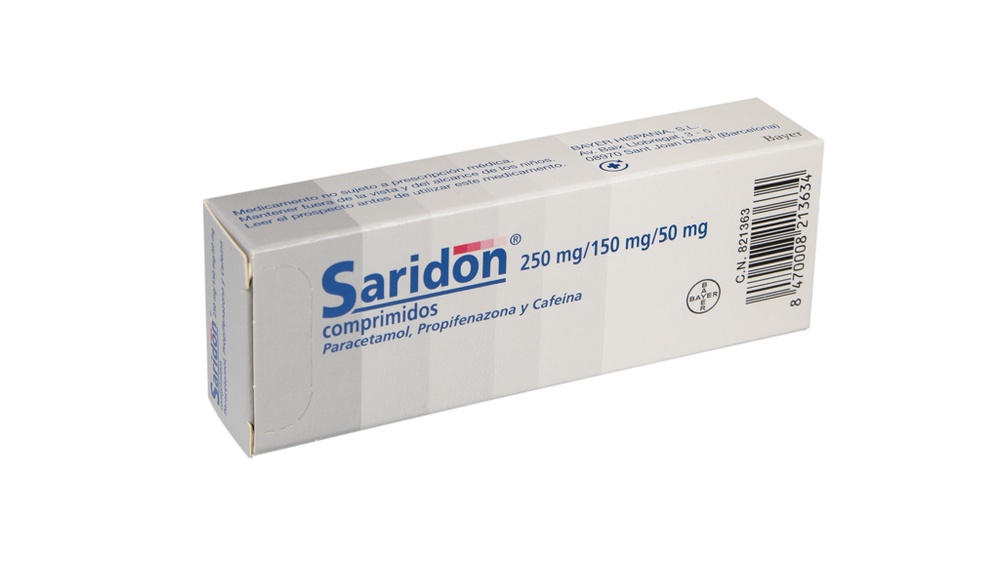
- The active ingredients are paracetamol, 250 mg; propyphenazone, 150 mg; and caffeine, 50 mg.
- The other components (excipients) are: microcrystalline cellulose, hydroxypropyl methylcellulose, formaldehyde-casein, cornstarch, talc, magnesium stearate, anhydrous colloidal silica.
Appearance of the Product and Package Contents
Saridon are round white tablets. They come in a cardboard box with two PVC/Aluminum blisters containing 10 tablets each.
Marketing Authorization Holder:Manufacturer:
BAYER HISPANIA, S.L. Delpharm Gaillard
Av. Baix Llobregat, 3 – 5 33, Rue de l’Industrie
08970 Sant Joan Despí (Barcelona) 74240 Gaillard
Spain France
Date of the Last Revision of this Package Leaflet: January 2025
Detailed and updated information on this medication is available on the website of the Spanish Agency for Medicines and Health Products (AEMPS) http://www.aemps.gob.es/
-

- Country of registration
- Dosage formTABLET, 250mg paracetamol/150mg propyphenazone/50mg caffeine
- ATC codeN02BE51
- Active substance
- Prescription requiredNo
- Manufacturer
- This information is for reference only and does not constitute medical advice. Always consult a doctor before taking any medication. Oladoctor is not responsible for medical decisions based on this content.
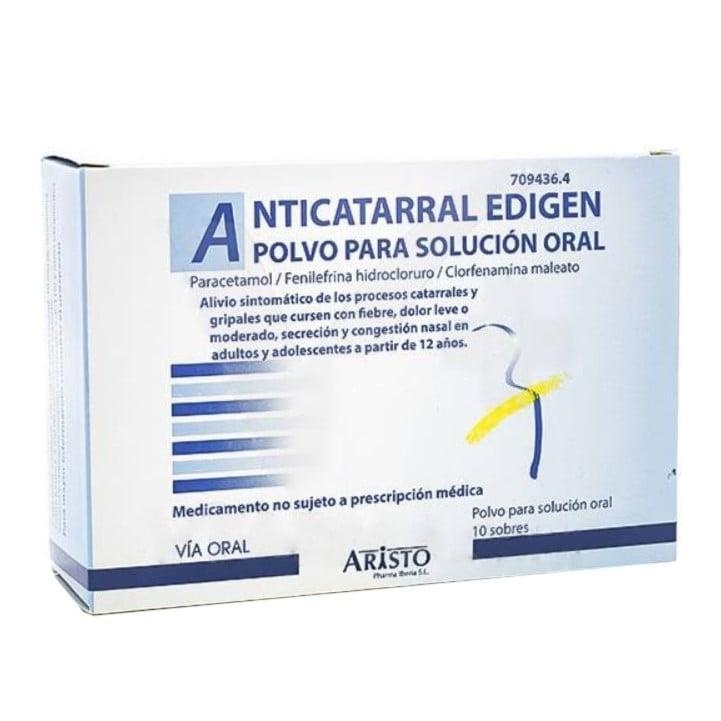
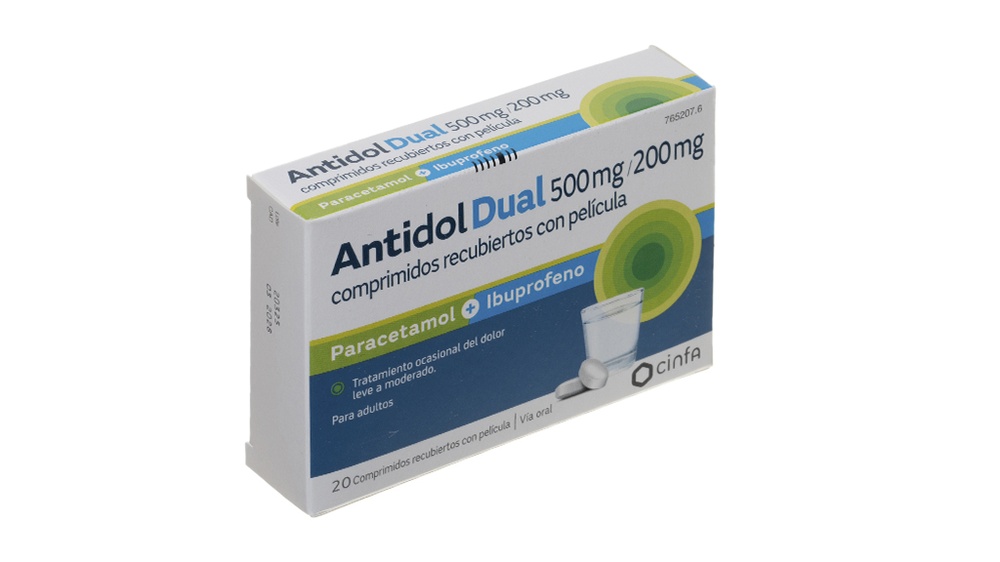
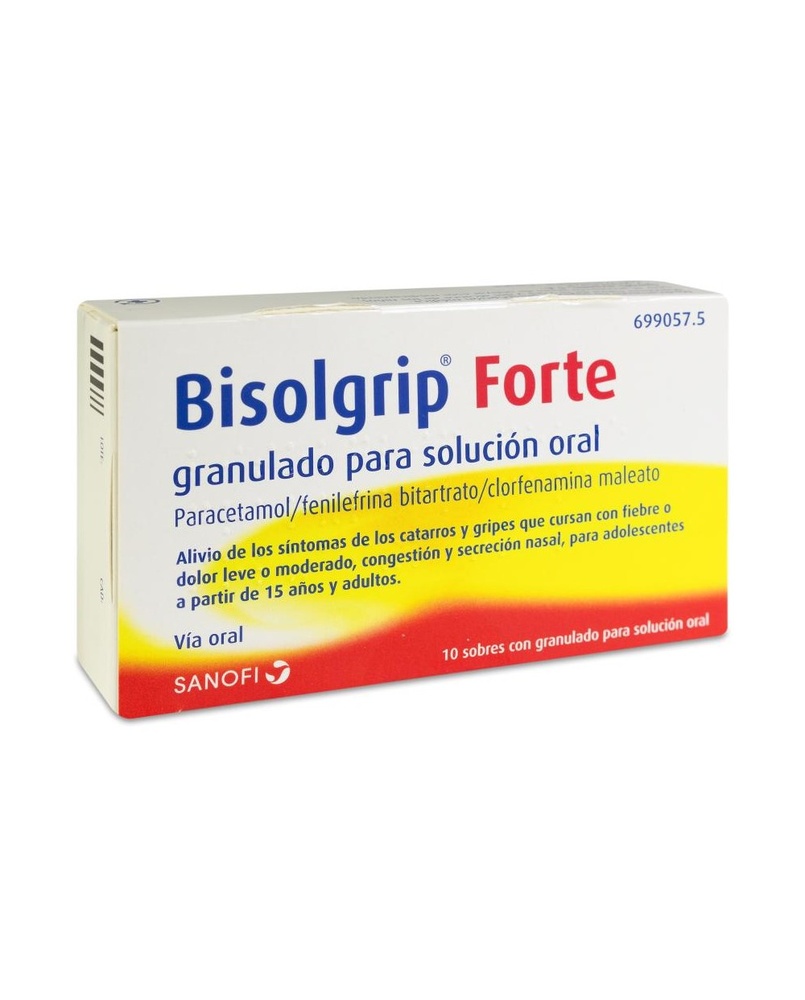
- Alternatives to SARIDON 250 mg/150 mg/50 mg TABLETSDosage form: ORAL SOLUTION/SUSPENSION, 500 mg; 4 mg; 10 mgActive substance: paracetamol, combinations excl. psycholepticsManufacturer: Aristo Pharma Iberia S.L.Prescription not requiredDosage form: TABLET, 500 mg/200 mgActive substance: paracetamol, combinations excl. psycholepticsManufacturer: Laboratorios Cinfa S.A.Prescription not requiredDosage form: ORAL SOLUTION/SUSPENSION, 650 mg/2.8 mg/8.21 mgActive substance: paracetamol, combinations excl. psycholepticsManufacturer: Opella Healthcare Spain S.L.Prescription not required
Online doctors for SARIDON 250 mg/150 mg/50 mg TABLETS
Discuss questions about SARIDON 250 mg/150 mg/50 mg TABLETS, including use, safety considerations and prescription review, subject to medical assessment and local regulations.








Get SARIDON 250 mg/150 mg/50 mg TABLETS Prescription Online
Fill in a 2-min form
Tell us your symptoms, history, and what medicine you're requesting.
Pick a doctor or let us assign
Choose a specialist or we'll match you with the next available doctor.
Doctor reviews your case
Usually within 30 minutes. They may ask follow-up questions via chat.
Collect from any pharmacy
Electronic prescription sent to your email — valid across Spain.
Frequently Asked Questions
SARIDON 250 mg/150 mg/50 mg TABLETS does not require a prescription in Spain. You can check with a doctor online whether this medicine may be appropriate for your situation.
The active ingredient in SARIDON 250 mg/150 mg/50 mg TABLETS is paracetamol, combinations excl. psycholeptics. This information helps identify medicines with the same composition but different brand names.
SARIDON 250 mg/150 mg/50 mg TABLETS is manufactured by Bayer Hispania S.L.. Pharmacy brands and packaging may differ depending on the distributor.
Doctors such as Family doctors, Psychiatrists, Dermatologists, Cardiologists, Endocrinologists, Gastroenterologists, Pulmonologists, Nephrologists, Rheumatologists, Hematologists, Infectious disease physicians, Allergists, Geriatricians, Paediatricians, Oncologists may assess whether SARIDON 250 mg/150 mg/50 mg TABLETS is appropriate, depending on your situation and local regulations. You can book an online consultation to discuss your symptoms and possible next steps.
Spain has a well-developed healthcare infrastructure across major cities such as Madrid, Barcelona, Valencia, and Seville. Pharmacies are widely available and operate under strict regulations, ensuring access to prescribed medications.
You can buy SARIDON 250 mg/150 mg/50 mg TABLETS in Madrid, Barcelona, Seville, or Valencia at any local pharmacy with a valid prescription.
To obtain a prescription, you can use Oladoctor:
Other medicines with the same active substance (paracetamol, combinations excl. psycholeptics) include ANTICATARRAL EDIGEN ORAL SOLUTION POWDER, ANTIDOL DUAL 500 mg/200 mg FILM-COATED TABLETS, BISOLGRIP FORTE GRANULES FOR ORAL SOLUTION. These may have different brand names or formulations but contain the same therapeutic ingredient. Always consult a doctor before switching or starting a new medicine.
