


PROPOFOL LIPOVEN FRESENIUS 10 mg/ml Injectable Emulsion for Infusion
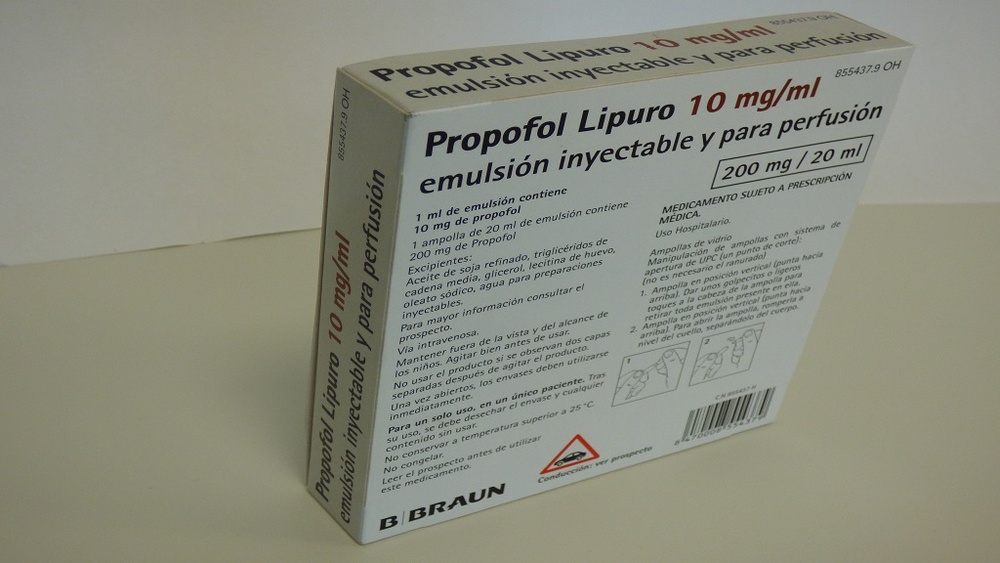



How to use PROPOFOL LIPOVEN FRESENIUS 10 mg/ml Injectable Emulsion for Infusion
Translated with AI
This page provides general information and does not replace a doctor’s consultation. Always consult a doctor before taking any medication. Seek urgent medical care if symptoms are severe.
Show originalContents of the leaflet
Introduction
Package Leaflet: Information for the User
Propofol Lipoven Fresenius 10 mg/ml injectable emulsion and for infusionPropofol
Read all of this leaflet carefully before you are given this medicine because it contains important information for you.
|
Contents of the pack
- What Propofol Lipoven Fresenius is and what it is used for
- What you need to know before you are given Propofol Lipoven Fresenius
- How Propofol Lipoven Fresenius is given
- Possible side effects
- Storing Propofol Lipoven Fresenius
- Contents of the pack and other information
1. What Propofol Lipoven Fresenius is and what it is used for
Propofol Lipoven Fresenius belongs to a group of medicines called general anaesthetics. General anaesthetics are used to produce unconsciousness (sleep) so that surgical operations or other procedures can be performed. They can also be used to sedate you (to make you feel drowsy but not completely asleep).
Propofol Lipoven Fresenius 10 mg/ml is used for:
- induction and maintenance of general anaesthesia in adults, adolescents, and children over 1 month of age
- sedation of patients over 16 years of age with assisted ventilation in Intensive Care Units
- sedation in adults, adolescents, and children over 1 month of age for diagnostic and surgical procedures, alone or in combination with local or regional anaesthesia

2. What you need to know before you are given Propofol Lipoven Fresenius
Do not use Propofol Lipoven Fresenius
- in patients 16 years or younger for sedation in intensive care.
- This medicine contains soybean oil. It must not be used if you are allergic to peanuts or soybeans.
Warnings and precautions
Talk to your doctor, pharmacist, or nurse before you are given Propofol Lipoven Fresenius.
You should not be given Propofol Lipoven Fresenius, or only with extreme caution and under close monitoring, if you:
- have advanced heart failure
- have any other severe heart disease
- are receiving electroconvulsive therapy (ECT, a treatment for psychiatric problems)
Propofol Lipoven Fresenius should be used with caution in weak or elderly patients.
Before you are given Propofol Lipoven Fresenius, tell your anaesthetist or intensive care doctor if you have:
- heart disease
- lung disease
- kidney disease
- liver disease
- fits (epilepsy)
- high pressure inside the skull (increased intracranial pressure). In combination with low blood pressure, this may decrease the amount of blood that reaches the brain
- altered lipid levels in the blood. If you are receiving total parenteral nutrition (nutrition through a vein), your lipid levels in the blood should be monitored
- your body has lost a lot of water (hypovolemia)
If you have any of the following conditions, they should be treated before you are given Propofol Lipoven Fresenius:
- heart failure
- when not enough blood is reaching the tissues (circulatory failure)
- severe breathing problems (respiratory failure)
- dehydration (hypovolemia)
- fits (epilepsy)
Propofol Lipoven Fresenius may increase the risk of:
- fits
- a nervous reflex that slows down your heart rate (vagotonia, bradycardia)
- changes in blood flow to the organs of the body (haemodynamic effects on the cardiovascular system) if you are overweight and receive high doses of Propofol Lipoven Fresenius
During sedation with Propofol Lipoven Fresenius, involuntary movements may occur. Your doctor should take into account how this may affect surgical procedures performed under sedation and take necessary precautions.
Very occasionally, after anaesthesia, a period of unconsciousness associated with numbness of the muscles may occur. This only requires observation by the medical team, without the administration of any other treatment. It will resolve on its own.
The injection of Propofol Lipoven Fresenius can be painful. A local anaesthetic can be used to reduce this pain, but it may cause its own side effects.
You will not be allowed to leave the hospital until you are fully awake.
If you can go home shortly after receiving Propofol, you should not go without an escort.
Children and adolescents
The use of Propofol Lipoven Fresenius 10 mg/ml injectable emulsion or for infusion is not recommended in newborns or children under 1 month of age.
Due to limited data available, the use of a controlled infusion system (TCI) in the paediatric population under 2 years is not recommended.
Propofol Lipoven Fresenius 10 mg/ml should not be given to children and adolescents under 16 years of age for sedation in the intensive care unit, as safety has not been demonstrated in this patient group for this indication.
Using Propofol Lipoven Fresenius with other medicines
Tell your doctor or pharmacist if you are using, have recently used, or might use any other medicines.
In particular, tell your doctor, anaesthetist, or nurse if you are taking any of the following medicines:
- Rifampicin (for tuberculosis-TB).
- Midazolam (used to induce sedation (a very relaxed state of calm, drowsiness, or sleep) and to relieve anxiety and muscle tension).
Be extra careful if you are also taking/receiving any of the following medicines:
- premedicines (your anaesthetist will know which medicines may interact with Propofol Lipoven Fresenius)
- other anaesthetics, including general, regional, local, and inhalational anaesthetics (lower doses of Propofol Lipoven Fresenius 10 mg/ml may be required. Your anaesthetist will know)
- analgesics (painkillers)
- strong painkillers (fentanyl or opioids)
- parasympatholytic agents (medicines used to treat, for example, painful cramps, asthma, or Parkinson's disease)
- benzodiazepines (medicines for treating anxiety)
- suxamethonium (muscle relaxant)
- medicines that affect many of the body's internal functions, such as heart rate, e.g. atropine
- medicines that contain alcohol or drinks
- neostigmine (medicine used to treat a disease called myasthenia gravis)
- ciclosporin (medicine used to prevent rejection in transplants)
- valproate (medicine used to treat epilepsy or mental disorders)
Using Propofol Lipoven Fresenius with food, drinks, and alcohol
After you have been given Propofol Lipoven Fresenius, you should not eat, drink, or consume alcohol until you are fully recovered.
Pregnancy and breastfeeding
If you are pregnant or breastfeeding, think you may be pregnant, or are planning to have a baby, ask your doctor or pharmacist for advice before using this medicine.
Propofol Lipoven Fresenius should not be used in pregnant women unless clearly necessary. You should stop breastfeeding and discard the breast milk for 24 hours after receiving Propofol Lipoven Fresenius.
Driving and using machines
Do not drive or operate tools or machines after receiving Propofol Lipoven Fresenius, as this medicine may affect your ability to react. Your doctor will tell you how long you should wait before driving or using machines.
After receiving propofol, you may feel drowsy for some time.
Do not drive or operate tools or machines until you are sure the effects have worn off.
If you can go home shortly after receiving propofol, do not drive a car and do not return home without an escort.
Ask your doctor when you can resume these activities and return to work.
Propofol Lipoven Fresenius contains soybean oil and sodium
Propofol Lipoven Fresenius contains soybean oil. This may rarely cause severe hypersensitivity reactions (allergic reactions) (see "Do not use Propofol Lipoven Fresenius"). Tell your doctor if you know you are allergic to soybean oil.
This medicine contains less than 1 mmol (23 mg) of sodium per 100 ml, so it is essentially "sodium-free".
3. How Propofol Lipoven Fresenius is given
Propofol Lipoven Fresenius will only be given to you in hospitals or in suitable therapy units by or under the direct supervision of your anaesthetist or by an intensive care doctor.
Dose
The dose given to you will depend on your age, body weight, and physical condition. Your doctor will give you the correct dose to induce and maintain anaesthesia or to achieve the required level of sedation, carefully controlling your response and vital signs (pulse, blood pressure, breathing, etc.).
You may need different types of medicines to keep you asleep or sedated, pain-free, breathing properly, and maintaining stable blood pressure. The doctor will decide which medicines you need and when you need them.
Adults
Most people need 1.5 - 2.5 mg of propofol per kg of body weight to fall asleep (induction of anaesthesia), and then 4 - 12 mg of propofol per kg of body weight per hour to stay asleep (maintenance of anaesthesia). For sedation, a dose of 0.3 to 4.0 mg of propofol per kg of body weight per hour is usually sufficient.
To provide sedation during surgical and diagnostic procedures in adults, most patients require 0.5 - 1 mg of propofol/kg body weight during 1 to 5 minutes for the start of sedation. Maintenance of sedation should be carried out by adjusting the infusion of Propofol Lipoven Fresenius to the desired level of sedation. Most patients require 1.5 - 4.5 mg of propofol/kg body weight/h. The infusion can be supplemented by administering a bolus of 10 - 20 mg of propofol (1 - 2 ml of Propofol Lipoven Fresenius 10 mg/ml injectable emulsion and for infusion) if a rapid increase in the intensity of sedation is required.
To provide sedation in patients with assisted ventilation over 16 years of age in intensive care, the dose should be adjusted according to the required level of sedation. Usually, satisfactory sedation is achieved by continuous infusion at a rate of administration between 0.3 and 4.0 mg of propofol per kg of body weight per hour. Infusion rates greater than 4.0 mg of propofol per kg of body weight per hour are not recommended.
Elderly and weak patients
Elderly and weak patients may require lower doses.
Use in children over 1 month of age and adolescents
The use of Propofol Lipoven Fresenius is not recommended in children under 1 month of age.
Special care should also be taken when administering Propofol Lipoven Fresenius 10 mg/ml injectable emulsion or for infusion to children under 3 years of age. However, the evidence now available does not suggest that its use is less safe than for children over 3 years of age.
The dose should be adjusted according to age and/or body weight.
Most patients over 8 years of age require approximately 2.5 mg/kg of body weight of Propofol Lipoven Fresenius to fall asleep (induction of anaesthesia). In younger children, especially between 1 month and 3 years of age, the requirements may be higher (2.5 - 4 mg/kg of body weight).
Doses in the range of 9 - 15 mg/kg/h usually achieve satisfactory anaesthesia to maintain sleep (maintenance of anaesthesia). In younger children, especially between 1 month and 3 years of age, the dose requirements may be higher.
For sedation during surgical and diagnostic procedures in children over 1 month of age with Propofol Lipoven Fresenius 10 mg/ml injectable emulsion or for infusion, most paediatric patients require 1 - 2 mg/kg of body weight of propofol for the start of sedation. Maintenance of sedation can be carried out by adjusting the infusion of Propofol Lipoven Fresenius to the desired level of sedation. Most patients require 1.5 - 9 mg/kg/h of propofol. If a rapid increase in the depth of sedation is required, the infusion can be supplemented with a bolus administration of up to 1 mg/kg body weight.
Propofol Lipoven Fresenius 10 mg/ml injectable emulsion or for infusion should not be given to children and adolescents under 16 years of age for sedation in the intensive care unit, as safety has not been demonstrated in this patient group for this indication.
Method of administration
Propofol Lipoven Fresenius is given by injection into a vein, usually on the back of the hand or in the forearm. Your anaesthetist may use a needle or cannula (a thin plastic tube). Propofol Lipoven Fresenius will be injected into the vein manually or using an electric pump.
Propofol Lipoven Fresenius is for single use. Any unused emulsion should be discarded. The containers should be shaken before use. If two layers are observed after shaking, the emulsion should not be used. Only use homogeneous preparations and undamaged containers. Before use, the rubber stopper should be cleaned with a spray of alcohol or a cotton swab moistened with alcohol.
Duration of treatment
When used for sedation, Propofol Lipoven Fresenius should not be given for more than 7 days.
If you are given more Propofol Lipoven Fresenius than you should
Your doctor will make sure you receive the correct amount of propofol for the procedures being performed.
However, different people need different doses, and if you receive too much, your anaesthetist may need to take measures to ensure your heart and breathing are adequate. This is why anaesthetic medicines are only given by doctors who are specialists in anaesthesia or intensive care.
If you have any further questions about the use of this medicine, ask your doctor or pharmacist.

4. Possible side effects
Like all medicines, this medicine can cause side effects, although not everybody gets them.
Side effects that may occur during anaesthesia
The following side effects may occur during anaesthesia (while you are being given the injection or when you are drowsy or asleep). Your doctor will be monitoring you. If they occur, your doctor will give you the appropriate treatment.
Very common (may affect more than 1 in 10 people):
- local pain during injection (while you are being given the injection, before you fall asleep)
Common (may affect up to 1 in 10 people):
- slow or fast heartbeat
- low blood pressure
- changes in your breathing pattern (low breathing rate, respiratory arrest)
- hiccups
- coughing (may also occur when you wake up)
Uncommon (may affect up to 1 in 100 people):
- swelling and redness or blood clots in the vein at the injection site
Rare (may affect up to 1 in 1,000 people):
- muscle spasms and contractions, or convulsions (may also occur when you wake up)
Very rare (may affect up to 1 in 10,000 people):
- severe allergic reactions that can cause difficulty breathing, swelling, and redness of the skin, flushing
- fluid accumulation in the lungs that can make you feel very tired (may also occur when you wake up)
Frequency not known (cannot be estimated from the available data)
- Involuntary movements
- Severe skin and tissue reaction after accidental application outside the vein
- Prolonged and often painful erection (priapism)
Side effects that may occur after anaesthesia
- The following side effects may occur after anaesthesia (when you wake up or after you have woken up).
Common (may affect up to 1 in 10 people)
- headache
- feeling sick (nausea), being sick (vomiting)
- coughing
Rare (may affect up to 1 in 1,000 people)
- dizziness, shivering, and feeling cold
- excitement
Very rare (may affect up to 1 in 10,000 people)
- being unconscious after the operation (when this has happened, patients have recovered without problems)
- inflammation of the pancreas (pancreatitis) that causes severe stomach pain (causal relationship cannot be demonstrated)
- fever after surgery
Frequency not known (cannot be estimated from the available data)
- Feeling euphoric
- Feeling sexually excited
- Irregular heartbeat
- Changes in the ECG (Brugada-type ECG)
- Enlargement of the liver
- Kidney failure
- Destruction of muscle cells (rhabdomyolysis), increased blood acidity, elevated potassium and fat levels in the blood, heart failure
- Drug abuse, usually by healthcare professionals
- Prolonged and often painful erection (priapism)
- Hepatitis (inflammation of the liver), acute liver failure (symptoms may include yellowing of the skin and eyes, itching, dark-colored urine, stomach pain, and liver sensitivity (indicated by pain below the front of the ribcage on the right side), sometimes with loss of appetite)
When Propofol Lipoven Fresenius is administered in combination with lidocaine (a local anesthetic used to reduce pain at the injection site), certain adverse effects may rarely occur:
- Dizziness
- Vomiting
- Somnolence
- Seizures
- A decrease in heart rate (bradycardia)
- Irregular heartbeat (cardiac arrhythmias)
- Shock
Reporting of adverse effects
If you experience any type of adverse effect, consult your doctor or pharmacist, even if it is a possible adverse effect that does not appear in this leaflet. You can also report them directly through the Spanish Pharmacovigilance System for Human Use Medicines: https://www.notificaram.es. By reporting adverse effects, you can contribute to providing more information on the safety of this medicine.
5. Storage of Propofol Lipoven Fresenius
Keep this medicine out of the sight and reach of children.
Do not use this medicine after the expiration date that appears on the ampoule/vial and on the outer packaging after CAD. The expiration date is the last day of the month indicated.
Do not store above 25°C.
Do not freeze.
Once opened, the product must be used immediately.
Administration systems with undiluted Propofol Lipoven Fresenius should be replaced 12 hours after opening the ampoule or vial. Dilutions with glucose 50 mg/ml (5%) injectable solution or sodium chloride 9 mg/ml (0.9%) injectable solution or a mixture of lidocaine injectable solution without preservatives 10 mg/ml (1%) (at least 2 mg of propofol per ml) should be prepared aseptically (under controlled and validated conditions) immediately before administration and should be administered within 6 hours after preparation.
Medicines should not be thrown away via wastewater or household waste. Ask your pharmacist how to dispose of the packaging and medicines that are no longer needed. This will help protect the environment.
6. Package contents and additional information
Composition of Propofol Lipoven Fresenius 10 mg/ml
- The active ingredient is propofol.
Each ml of emulsion contains 10 mg of propofol.
Each 20 ml ampoule contains 200 mg of propofol.
Each 20 ml vial contains 200 mg of propofol.
Each 50 ml vial contains 500 mg of propofol.
Each 100 ml vial contains 1000 mg of propofol.
- The other components are refined soybean oil, medium-chain triglycerides, purified egg phosphatides, glycerol, oleic acid, sodium hydroxide, and water for injection.
Appearance of the product and package contents
Propofol Lipoven Fresenius is a white oil-in-water emulsion for injection or infusion.
Propofol Lipoven Fresenius is available in colorless glass ampoules or vials. The vials are sealed with rubber stoppers.
Package size:
Pack of 5 glass ampoules with 20 ml of emulsion
Pack of 10 glass ampoules with 20 ml of emulsion
Pack of 1 glass vial with 20, 50, or 100 ml of emulsion
Pack of 5 glass vials with 20 ml of emulsion
Pack of 10 glass vials with 20, 50, or 100 ml of emulsion
Pack of 15 glass vials with 50 or 100 ml of emulsion
Not all package sizes may be marketed.
Marketing authorization holder and manufacturer
Marketing authorization holder:
Fresenius Kabi Deutschland GmbH
61346 Bad Homburg v.d.H.
Germany
Manufacturer:
Fresenius Kabi Austria GmbH
A-8055 Hafnerstrase 36
Austria
or
Fresenius Kabi AB
S-75174 Uppsala, Rapsgatan 7
Sweden
This medicine is authorized in the Member States of the European Economic Area under the following names:
Member State | Medicine name |
Germany | Propofol 1% (10 mg/1 ml) MCT Fresenius, Emulsion zur Injektion oder Infusion |
Austria | Propofol “Fresenius” 1 % mit MCT - Emulsion zur Injektion oder Infusion |
Belgium | Propolipid 1 % |
Bulgaria | ???????? MCT/LCT ????????? 10 mg/ml ???????????/?????????? ??????? |
Cyprus | Propofol 1% MCT/LCT Fresenius |
Denmark | Propolipid |
Slovakia | Propofol MCT/LCT Fresenius 10 mg/ml injekcná/infuzní emulzia |
Slovenia | Propoven 10 mg/ml emulzija za injiciranje ali infundiranje |
Spain | Propofol Lipoven Fresenius 10 mg/ml emulsión inyectable y para perfusión |
Estonia | Propoven 1% |
Finland | Propolipid 10 mg/ml |
Greece | Propofol MCT/LCT 1% |
Hungary | Propofol 1% MCT/LCT Fresenius |
Ireland | Propofol 1% (10 mg/ml) emulsion for injection/infusion |
Iceland | Propolipid 10 mg/ml |
Italy | Propofol Kabi |
Latvia | Propoven 1% |
Lithuania | Propoven 1% |
Luxembourg | Propofol 1% MCT Fresenius |
Norway | Propolipid 10 mg/ml |
Netherlands | Propofol 10mg/ml MCT/LCT Fresenius |
Poland | Propofol 1% MCT/LCT Fresenius |
Portugal | Propofol 1% MCT/LCT Fresenius |
United Kingdom | Propofol 1% (10 mg/ml) emulsion for injection/infusion |
Czech Republic | Propofol MCT/LCT Fresenius 10 mg/ml injekcní/infuzní emulze |
Romania | Propofol MCT/LCT Fresenius 10 mg/ml emulsie injectabila/perfuzabila |
Sweden | Propolipid 10 mg/ml |
Date of the last revision of this leaflet: July 2024.
This information is intended only for healthcare professionals:
Propofol Lipoven Fresenius 10 mg/ml injectable or infusion emulsion should not be mixed before administration with other injectable or infusion solutions. However, it can be mixed with glucose 50 mg/ml (5%) solution, sodium chloride 9 mg/ml (0.9%) solution, or lidocaine injectable solution without preservatives 10 mg/ml (1%). The final concentration of propofol cannot be less than 2 mg/ml.
For single use. Any unused portion of the emulsion should be discarded.
Shake before use.
If two layers are observed after shaking the emulsion, it should not be used. Only homogeneous preparations in intact containers should be used.
Before use, the neck of the ampoule or the rubber stopper should be cleaned using an alcohol spray or an alcohol-impregnated swab. Once used, the containers should be discarded.
Propofol should be administered by specialist doctors in anesthesia (or, when appropriate, by a specialist doctor in intensive care).
Patient monitoring should be continuous, and facilities and equipment for maintaining a clear airway, providing artificial respiration, oxygen supply, and other resuscitation equipment should be fully available. Propofol should not be administered by the person performing the diagnostic or surgical procedure.
Cases of abuse and dependence on propofol have been reported, mostly by healthcare professionals. As with other general anesthetics, administration of propofol without control of the airways may lead to fatal respiratory complications.
When propofol is administered for conscious sedation in diagnostic and surgical procedures, patients should be continuously monitored to detect the first signs of hypotension, respiratory obstruction, and oxygen desaturation.
Propofol Lipoven Fresenius 10 mg/ml injectable or infusion emulsion can be administered undiluted or diluted in glucose 50 mg/ml (5%) injectable solution or sodium chloride 9 mg/ml (0.9%) injectable solution.
Propofol Lipoven Fresenius 10 mg/ml injectable or infusion emulsion should not be mixed with other injectable or infusion solutions except those mentioned above.
Glucose 50 mg/ml (5%) injectable solution, sodium chloride 9 mg/ml (0.9%) injectable solution, or sodium chloride 1.8 mg/ml (0.18%) and glucose 40 mg/ml (4%) injectable solution can be administered through the same infusion equipment.
Co-administration of other medicines or fluids in the Propofol Lipoven Fresenius infusion line should be performed near the catheter using a Y-connector or a three-way valve.
Propofol Lipoven Fresenius is a lipid emulsion without antimicrobial preservatives and may facilitate the rapid growth of microorganisms.
Once the ampoule is opened or the vial is broken, the emulsion should be transferred aseptically to a sterile syringe or administered immediately. Administration should begin without delay.
During the infusion period, asepsis should be maintained for both Propofol Lipoven Fresenius and the infusion equipment. Propofol Lipoven Fresenius should not be administered through a microbiological filter.
Infusion of undiluted Propofol Lipoven 10 mg/ml:
The use of a burette, drip chamber, syringe pump, or volumetric infusion pump is recommended to control the infusion rate when Propofol Lipoven Fresenius 10 mg/ml is infused.
As is usual for fat emulsions, the infusion of Propofol Lipoven Fresenius 10 mg/ml via an infusion system should not exceed 12 hours. The Propofol Lipoven Fresenius 10 mg/ml infusion equipment should be changed at least every 12 hours.
Infusion of diluted Propofol Lipoven Fresenius 10 mg/ml:
Burets, drip chambers, or volumetric infusion pumps should always be used to control the infusion rate. The maximum dilution should not exceed 1 part of Propofol Lipoven Fresenius 10 mg/ml injectable or infusion emulsion with 4 parts of glucose 50 mg/ml (5%) injectable solution or sodium chloride 9 mg/ml (0.9%) injectable solution (minimum concentration 2 mg propofol/ml). The mixture should be prepared aseptically (under controlled and validated conditions) and should be administered within 6 hours after preparation.
To reduce pain at the injection site, it can be administered in a larger vein or lidocaine injectable solution can be administered before induction of anesthesia with Propofol Lipoven Fresenius. Alternatively, lidocaine can be added to the diluted solution (20 parts of Propofol Lipoven Fresenius 10 mg/ml to 1 part of lidocaine injectable solution without preservatives at 1%). Lidocaine should not be used in patients with acute porphyria.
If the same infusion system used for Propofol Lipoven Fresenius 10 mg/ml is used for the injection of muscle relaxants (e.g., atracurium and mivacurium), the infusion system should be flushed first.
- Country of registration
- Dosage formINJECTABLE, 10 mg propofol/ml
- ATC codeN01AX10
- Active substance
- Prescription requiredYes
- Manufacturer
- This information is for reference only and does not constitute medical advice. Always consult a doctor before taking any medication. Oladoctor is not responsible for medical decisions based on this content.
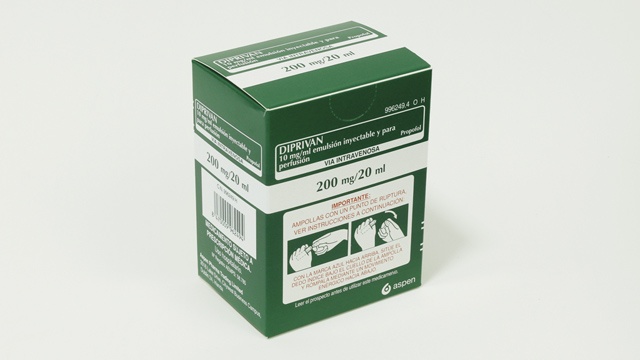
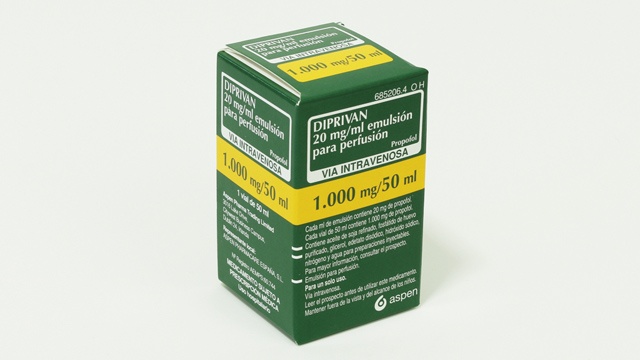
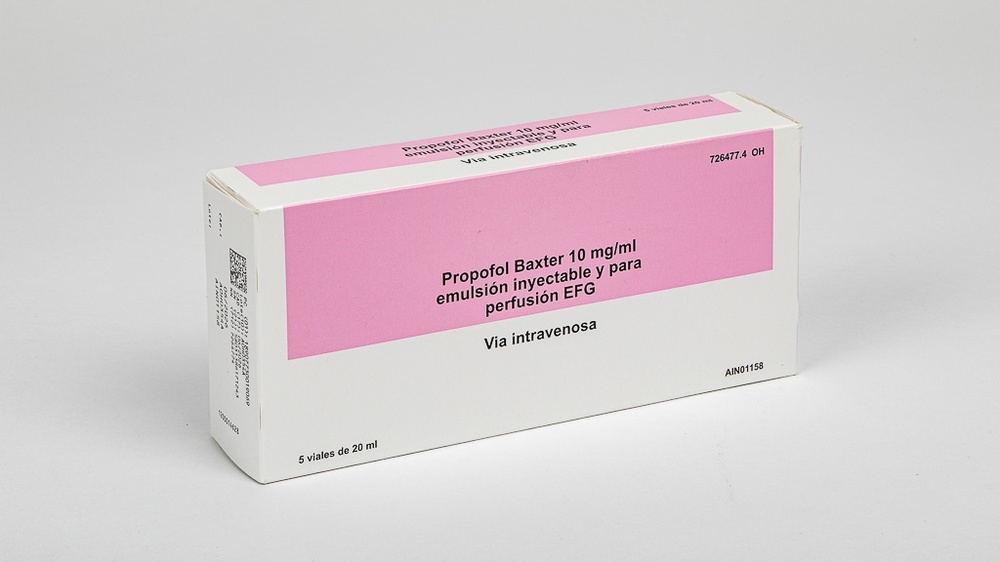
- Alternatives to PROPOFOL LIPOVEN FRESENIUS 10 mg/ml Injectable Emulsion for InfusionDosage form: INJECTABLE, 1% propofolActive substance: propofolManufacturer: Aspen Pharma Trading LimitedPrescription requiredDosage form: INJECTABLE, 20 mg propofol/ mlActive substance: propofolManufacturer: Aspen Pharma Trading LimitedPrescription requiredDosage form: INJECTABLE, 10 mg/mlActive substance: propofolManufacturer: Baxter Holding B.V.Prescription required
Online doctors for PROPOFOL LIPOVEN FRESENIUS 10 mg/ml Injectable Emulsion for Infusion
Discuss questions about PROPOFOL LIPOVEN FRESENIUS 10 mg/ml Injectable Emulsion for Infusion, including use, safety considerations and prescription review, subject to medical assessment and local regulations.






.jpg)




Frequently Asked Questions
