


PEPCID 10 mg FILM-COATED TABLETS




How to use PEPCID 10 mg FILM-COATED TABLETS
Translated with AI
This page provides general information and does not replace a doctor’s consultation. Always consult a doctor before taking any medication. Seek urgent medical care if symptoms are severe.
Show originalContents of the leaflet
Introduction
Package Leaflet: Information for the User
Pepcid10 mgCoated Tablets
Famotidine
Read the entire package leaflet carefully before starting to take this medication,as it contains important information for you.
Follow the administration instructions for the medication contained in this package leaflet or as indicated by your doctor or pharmacist.
-Keep this package leaflet, as you may need to read it again.
-If you need advice or more information, consult your pharmacist.
-If you experience side effects, consult your doctor or pharmacist, even if they are side effects not listed in this package leaflet.
-You should consult a doctor if your symptoms worsen or do not improve after 7 days of treatment.
Contents of the Package Leaflet:
- What Pepcid is and what it is used for
- What you need to know before taking Pepcid
- How to take Pepcid
- Possible side effects
- Storage of Pepcid
- Package Contents and Additional Information

1. What Pepcid is and what it is used for
Famotidine belongs to a group of medications that act on acid-producing cells in the stomach, reducing acid production.
Pepcid is indicated for the relief and symptomatic treatment of heartburn and stomach acid in adults and children over 16 years of age.
You should consult a doctor if your symptoms worsen or do not improve after 7 days of treatment.
2. What you need to know before taking Pepcid
Do not take Pepcid
-if you are allergic to famotidine or any of the other components of this medication (listed in section 6).
- -if you are allergic to other H2 antagonist medications (antihistamines), as cross-hypersensitivity has been observed.
Warnings and Precautions
Consult your doctor or pharmacist before starting to take Pepcid:
- -if you have unexplained weight loss.
- -if you are middle-aged or older and have stomach discomfort for the first time or your symptoms have recently changed.
- -if you have liver or kidney problems.
- -if you have difficulty swallowing or if stomach discomfort persists.
- -if you have a history of allergy to other medications in this group (cimetidine, nizatidine, ranitidine).
Suspend treatment and consult your doctor if you experience difficulty or pain when swallowing, severe vomiting, black stools, shortness of breath, or chest pain.
Treatment should not exceed 7 days; if you do not improve or worsen after this time, consult your doctor.
To avoid stomach discomfort related to hyperacidity (heavy digestions, heartburn, and acid), you should try not to smoke, eat regularly, not consume alcohol, and avoid stressful situations.
If you are going to undergo any diagnostic tests (including blood tests, skin tests using allergens, etc.), inform your doctor that you are taking this medication, as it may alter the test results.
Children and Adolescents
Children under 16 years of age should not take this medication.
Taking Pepcid with Other Medications
Inform your doctor or pharmacist if you are using, have recently used, or may need to use any other medication:
- -Calcium carbonate, when used to treat high blood phosphorus levels (hyperphosphatemia) in patients on dialysis.
- -Do not take antacids (bicarbonates, carbonates, hydroxides, aluminum, magnesium, calcium salts, etc.) until 2 hours after taking this medication.
- -If you are taking preparations containing ketoconazole or itraconazole (oral antifungals), you should avoid taking medications that reduce gastric acidity (e.g., famotidine 10 mg) and should take famotidine 2 hours after the antifungal.
- -This medication may reduce the effects of preparations containing iron salts.
- -Pepcid may decrease the effect of the oral suspension of posaconazole (a medication used to prevent and treat some fungal infections).
- -Pepcid may decrease the effect of dasatinib, erlotinib, gefitinib, or pazopanib (medications used to treat cancer).
Pregnancy and Breastfeeding
If you are pregnant or breastfeeding, think you may be pregnant, or plan to become pregnant, consult your doctor or pharmacist before using this medication.
Breastfeeding women should suspend treatment with famotidine or interrupt breastfeeding.
Driving and Using Machines
Although no effects are expected, if dizziness occurs, you should not drive or use hazardous machinery.

3. How to Take Pepcid
Follow the administration instructions for the medication contained in this package leaflet or as indicated by your doctor or pharmacist. If in doubt, ask your doctor or pharmacist.
Adults and adolescents over 16 years of age:
The recommended dose is 1 tablet when symptoms appear or 1 tablet 1 hour before eating to prevent symptoms associated with food and drink.
Do not take more than 2 tablets per day.
Treatment should not exceed 1 week.
This medication is taken orally.
Swallow the tablets whole with the help of a glass of liquid.
Use in Children and Adolescents
Children under 16 years of age should not take this medication.
Use in Elderly Patients
Elderly patients who experience stomach discomfort for the first time or unexplained weight loss should consult their doctor before taking this medication.
Use in Patients with Renal Impairment
You should consult a doctor before using this medication. A dose adjustment may be necessary.
If You Take More Pepcid Than You Should
In case of overdose or accidental ingestion, consult your doctor or pharmacist immediately, or call the Toxicology Information Service, phone 91 562.04.20 (indicating the medication and the amount ingested).
If You Forget to Take Pepcid
Do not take a double dose to make up for forgotten doses.
If you have any other questions about the use of this product, ask your doctor or pharmacist.
4. Possible Side Effects
Like all medications, this medication can cause side effects, although not everyone will experience them.
The most common side effects are headache and dizziness.
Other side effects are:
Uncommon (may affect up to 1 in 100 people):
- excess gas
Rare (may affect up to 1 in 1,000 people):
- constipation and diarrhea
Very rare (may affect up to 1 in 10,000 people):
- hypersensitivity, anaphylaxis, angioedema
- reversible mental disorders such as depression, anxiety, agitation, confusion, and hallucinations
- dizziness, asthenia, fatigue, and somnolence
- nausea and/or vomiting, abdominal discomfort, pain or distension, loss of appetite, dry mouth
- cholestatic jaundice, liver enzyme alterations
- toxic epidermal necrolysis, skin rash, pruritus, urticaria
- joint pain (arthralgia), muscle cramps
- discomfort
- hair loss
Reporting Side Effects
If you experience any side effects, consult your doctor or pharmacist, even if they are side effects not listed in this package leaflet. You can also report them directly through the Spanish Medication Monitoring System: www.notificaRAM.es. By reporting side effects, you can contribute to providing more information on the safety of this medication.
5. Storage of Pepcid
Store below 30°C. Keep the container tightly closed to protect it from moisture.
Keep this medication out of the sight and reach of children.
Do not use this medication after the expiration date shown on the container after "EXP". The expiration date is the last day of the month indicated.
Medications should not be disposed of through wastewater or household waste. Deposit the containers and medications you no longer need at the pharmacy's SIGRE point. If in doubt, ask your pharmacist how to dispose of the containers and medications you no longer need. This will help protect the environment.
6. Package Contents and Additional Information
Pepcid Composition
-The active ingredient is Famotidine 10 mg per coated tablet.
-The other ingredients are: hydroxypropyl cellulose, magnesium stearate, hypromellose, microcrystalline cellulose, pregelatinized cornstarch, red iron oxide (E172), talc, titanium dioxide (E171), and carnauba wax.
Product Appearance and Package Contents
They are pale pink coated tablets.
Pepcid is available in packs of 6 and 12 coated tablets.
Marketing Authorization Holder and Manufacturer
Marketing Authorization Holder:
JNTL Consumer Health (Spain), S.L.
C/ Vía de los Poblados 1, Edificio E, planta 3
28033-Madrid
Spain
Manufacturer:
JANSSEN-CILAG, S.P.A.
Vía C.Janssen
04010 Borgo S.Michele, Latina (Italy)
Date of the Last Revision of this Package Leaflet: September 2018
Detailed and updated information on this medication is available on the website of the Spanish Agency for Medicines and Health Products (AEMPS) http://www.aemps.gob.es/.
- Country of registration
- Dosage formTABLET, 10 mg famotidine
- ATC codeA02BA03
- Active substance
- Prescription requiredNo
- Manufacturer
- This information is for reference only and does not constitute medical advice. Always consult a doctor before taking any medication. Oladoctor is not responsible for medical decisions based on this content.
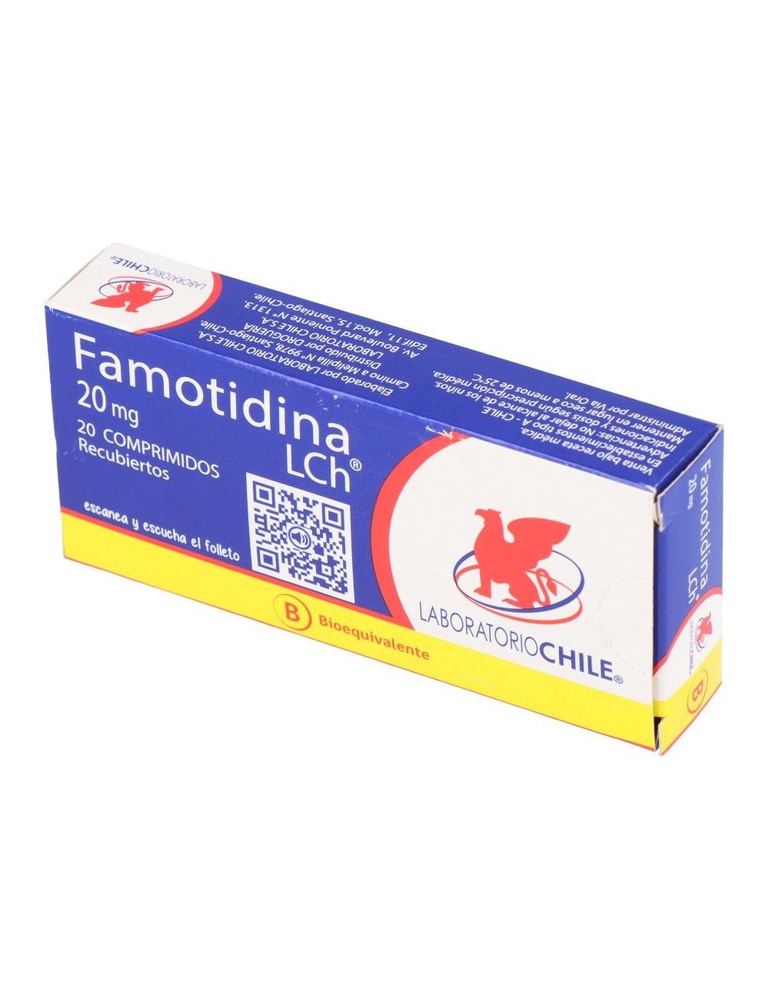
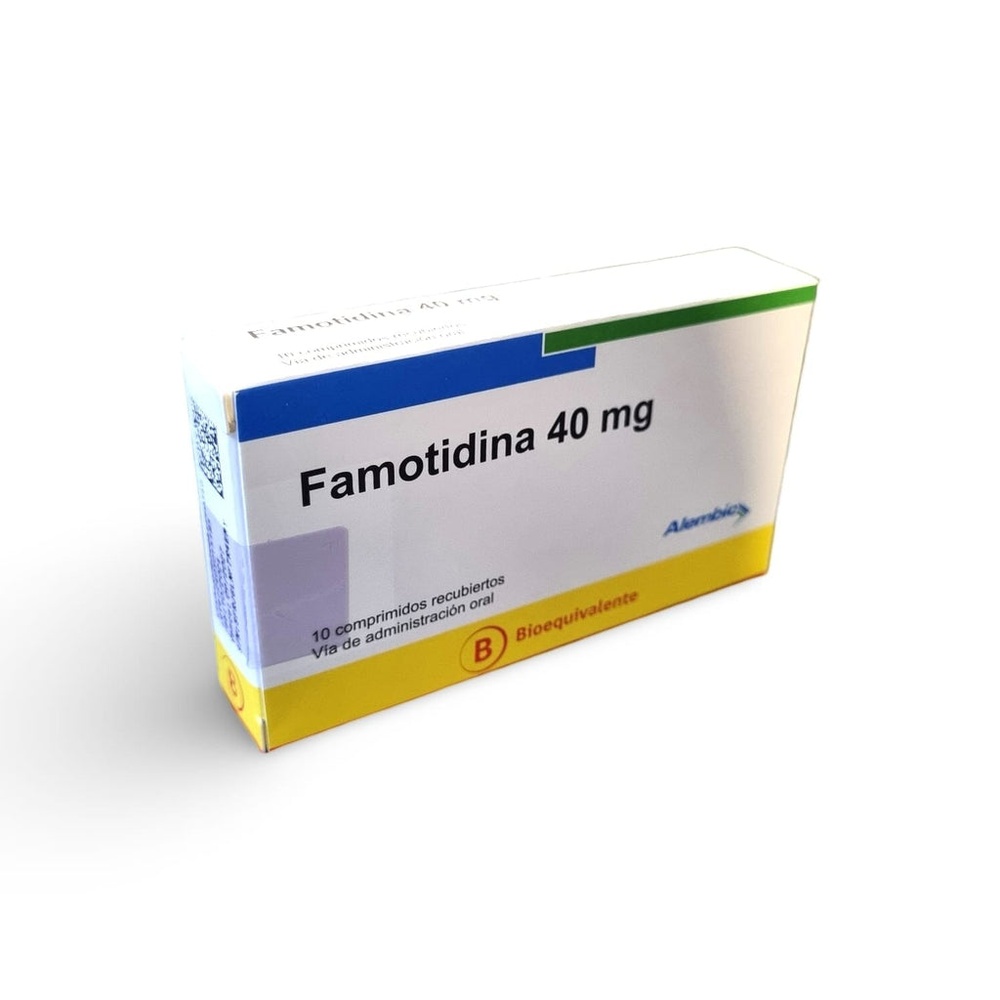
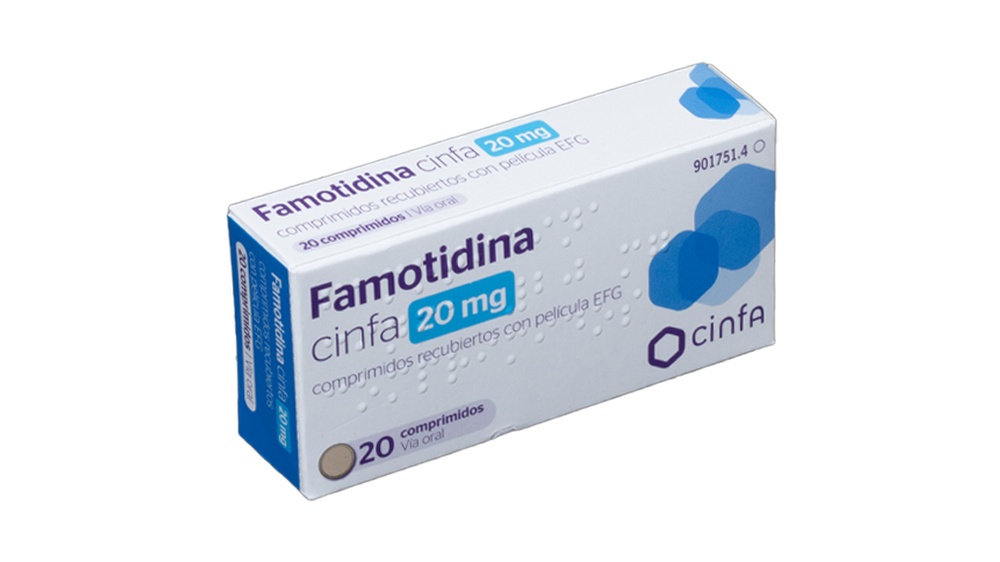
- Alternatives to PEPCID 10 mg FILM-COATED TABLETSDosage form: TABLET, 20 mgActive substance: famotidineManufacturer: Aristo Pharma Iberia S.L.Prescription requiredDosage form: TABLET, 40 mgActive substance: famotidineManufacturer: Aristo Pharma Iberia S.L.Prescription requiredDosage form: TABLET, 20 mg famotidineActive substance: famotidineManufacturer: Laboratorios Cinfa S.A.Prescription required
Online doctors for PEPCID 10 mg FILM-COATED TABLETS
Discuss questions about PEPCID 10 mg FILM-COATED TABLETS, including use, safety considerations and prescription review, subject to medical assessment and local regulations.











Frequently Asked Questions
