






How to use NATIFAR 200/400/2 micrograms TABLETS
Translated with AI
This page provides general information and does not replace a doctor’s consultation. Always consult a doctor before taking any medication. Seek urgent medical care if symptoms are severe.
Show originalContents of the leaflet
Introduction
Package Leaflet: Information for the User
NATIFAR 200/400/2 micrograms tablets
Iodine/ folic acid/ vitamin B12
Read this package leaflet carefully before you start taking this medicine because it contains important information for you.
- Keep this package leaflet, you may need to read it again.
- If you have any further questions, ask your doctor or pharmacist.
- This medicine has been prescribed for you only. Do not pass it on to others. It may harm them, even if their symptoms are the same as yours.
- If you experience any side effects, talk to your doctor or pharmacist. This includes any possible side effects not listed in this package leaflet. See section 4.
Contents of the package leaflet
- What is NATIFAR and what is it used for
- What you need to know before you take NATIFAR
- How to take NATIFAR
- Possible side effects
- Storage of NATIFAR
- Contents of the pack and further information
1. What is NATIFAR and what is it used for
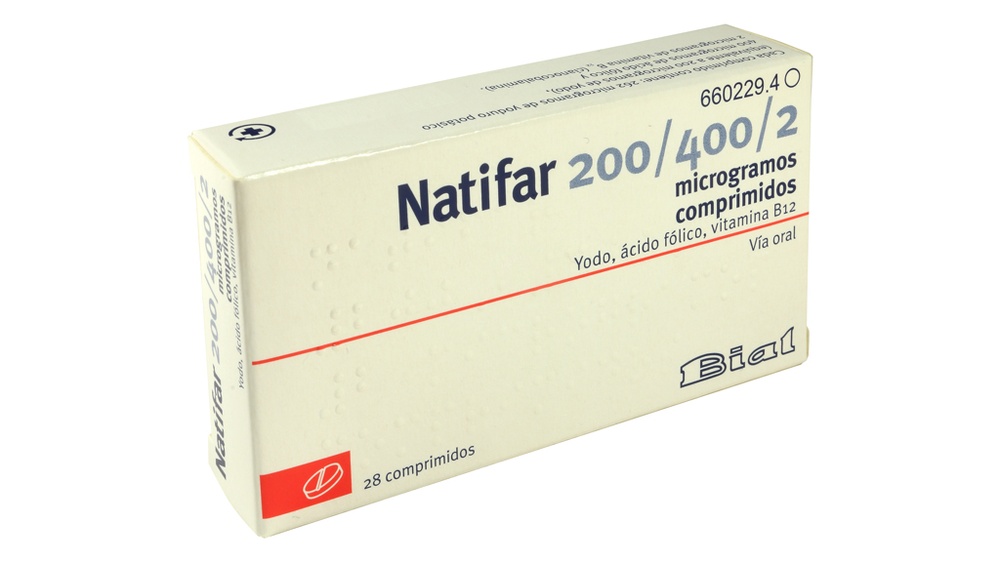
It contains as active substances iodine (as potassium iodide) and two substances belonging to the group of B vitamins, folic acid and cyanocobalamin (vitamin B12).
Natifar is indicated for the prevention of disorders due to iodine, folic acid, and vitamin B12 deficiency in women who are planning a pregnancy, for one month before conception and, at medical discretion, during the first trimester of pregnancy, as prophylaxis for developmental deficiencies of the nervous system in the fetus (neural tube defects and neurological disorders).

2. What you need to know before you take NATIFAR
Do not take NATIFAR
- if you are allergic to iodine (or potassium iodide), folic acid, vitamin B12, cobalt, or any of the other ingredients of this medicine (listed in section 6).
- if you have goiter (enlargement of the thyroid gland).
Warnings and precautions
Consult your doctor or pharmacist before starting to take Natifar.
Because this medicine contains potassium iodide and some people are particularly sensitive to iodine, treatment should be started with caution.
Caution should be exercised if you have acute bronchitis, overt or latent hyperthyroidism, Addison's disease (hormonal deficiency caused by damage to the adrenal gland), dehydration, or autoimmune thyroid disease.
If you suffer from any of the following diseases: chronic urticaria (skin disease that produces skin rashes in the form of hives or wheals), systemic lupus erythematosus (autoimmune disease that can affect many organs), or hypocomplementemic vasculitis (skin lesions similar to urticaria produced by inflammation of blood vessels), inform your doctor before taking this medicine, as it may cause you significant side effects.
Treatment with Natifar in epileptic patients should be done under strict medical supervision.
Special caution should be exercised when starting treatment in patients with kidney disease, hyperkalemia (high potassium levels), or active tuberculosis.
Iodinated disinfectants should not be used for the disinfection of the newborn or the pregnant mother.
Interference with analytical tests
If you are going to undergo any diagnostic test (including blood tests, urine tests, skin tests that use allergens, etc.), inform your doctor that you are taking this medicine, as it may alter the results. This medicine may affect thyroid function tests.
Children and adolescents
This medicine is not indicated for children under 14 years of age.
Taking NATIFAR with other medicines
Tell your doctor or pharmacist if you are using, have recently used, or might use any other medicine.
Certain medicines may interfere with Natifar. In these cases, it may be necessary to change the dose, interrupt treatment with one of them, or wait at least 3 hours between administration of both.
It is important that you inform your doctor if you are taking or have recently taken any of the following medicines:
- Anti-ulcer medicines such as omeprazole (medicines for gastric acidity)
- Chloramphenicol (antibiotic)
- Phenytoin, phenobarbital, barbiturates (medicine for convulsions)
- Methotrexate (medicine for cancer or autoimmune diseases)
- Nitrofurantoin (medicine for urinary infections)
- Primidone (medicine for epilepsy)
- Pyrimethamine (medicine for the treatment of parasitic diseases)
- Potassium-sparing diuretics (medicines for hypertension)
- Lithium salts (medicines for psychiatric diseases)
- Antithyroid drugs (medicines used in hyperthyroidism)
Taking NATIFAR with food, drinks, and alcohol
Do not take alcohol with this medicine, as it may reduce blood levels of folic acid.
Do not take green or black tea with this medicine because they can reduce blood levels of folic acid.
Pregnancy, breastfeeding, and fertility
If you are pregnant or breastfeeding, think you may be pregnant, or are planning to have a baby, ask your doctor or pharmacist for advice before taking this medicine.
Pregnancy
Natifar is indicated before and during pregnancy, but the recommended dose should not be exceeded.
Since iodine crosses the placental barrier and the fetus is sensitive to pharmacologically active doses of iodine, iodine should not be administered at the milligram level.
Breastfeeding
Potassium iodide passes into breast milk. Natifar is not indicated for use during breastfeeding.
Driving and using machines
Natifar has no or negligible influence on the ability to drive and use machines.
3. How to take NATIFAR
Follow exactly the administration instructions of this medicine given by your doctor. If you are unsure, consult your doctor or pharmacist again.
The recommended dose is 1 tablet per day, preferably taken before a meal.
Administer orally with sufficient water.
The recommended treatment duration is one month before conception (or when planning a pregnancy) and, at medical discretion, during the first trimester of pregnancy.
Use in children and adolescents
Natifar is not indicated for children under 14 years of age.
If you take more NATIFAR than you should
Deliberate or accidental overdose is unlikely. Administration of high doses (in the range of milligrams) or for long periods of time may cause manifestations of iodism such as metallic taste, burning in the mouth and throat, painful sensitivity in teeth and gums, increased salivation, irritation of the nasal mucosa and eyes. It can also cause severe headache, productive cough, pulmonary edema (fluid accumulation in the lung), and swelling, and discomfort of the salivary glands. The pharynx, larynx, and tonsils may become inflamed.
In seborrheic areas, moderate eruptions (rashes) may appear, rarely severe eruptions.
Gastric irritation is common when very high doses are ingested and may cause diarrhea.
The signs and symptoms of iodism usually disappear spontaneously after a few days of stopping treatment.
The use of high doses of potassium iodide or for long periods of time can cause hyperplasia (increase) of the thyroid gland, thyroid adenoma (benign tumor), goiter, or severe hypothyroidism.
In case of overdose or accidental ingestion, consult your doctor or pharmacist immediately or call the Toxicology Information Service, phone 91 562 04 20, indicating the medicine and the amount ingested.
If you forget to take NATIFAR
Do not take a double dose to make up for forgotten doses.
Simply take the forgotten dose when you remember and take the next doses with the indicated interval between doses (24 hours).
If you stop taking NATIFAR
Your doctor will determine the duration of treatment with Natifar. Do not stop it or prolong it.
If you have any further questions on the use of this medicine, ask your doctor or pharmacist.

4. Possible side effects
Like all medicines, this medicine can cause side effects, although not everybody gets them.
Uncommon side effects (may affect up to 1 in 100 people) are:
- Hypersensitivity reactions, with skin rashes with itching, redness, and symptoms such as edema (swelling), including facial and glottis edema, and symptoms similar to serum sickness (fever, arthralgia (joint pain), lymph node enlargement, eosinophilia (increase in a type of white blood cell, eosinophils), urticaria (rash in the form of hives and itching), thrombocytopenic purpura (blood disorder characterized by low platelet count and red blood cells), fatal periarteritis (vascular disease in which small and medium-sized arteries become inflamed and damaged).
- Goiter (enlargement of the thyroid gland).
- Hyperthyroidism (very high levels of thyroid hormones) and hypothyroidism (very low levels of thyroid hormones).
- Irregular heartbeat.
Side effects of unknown frequency are:
- Severe allergic reaction (anaphylactic reaction).
Reporting of side effects
If you experience any side effects, talk to your doctor or pharmacist. This includes any possible side effects not listed in this package leaflet. You can also report side effects directly via the Spanish Medicines and Healthcare Products Agency's website: https://www.notificaRAM.es. By reporting side effects, you can help provide more information on the safety of this medicine.
5. Storage of NATIFAR
No special storage conditions are required.
Keep this medicine out of the sight and reach of children.
Do not use this medicine after the expiry date which is stated on the packaging after EXP. The expiry date is the last day of the month shown.
Medicines should not be disposed of via wastewater or household waste. Ask your pharmacist how to dispose of medicines no longer required. These measures will help protect the environment.
6. Contents of the pack and further information
Composition of NATIFAR
- The active substances are: potassium iodide, folic acid, and vitamin B12 (cyanocobalamin). Each tablet contains: potassium iodide, 262 micrograms (equivalent to 200 micrograms of iodine); folic acid, 400 micrograms; and vitamin B12 (cyanocobalamin), 2 micrograms.
- The other ingredients (excipients) are: mannitol (E-421), microcrystalline cellulose, sodium glycolate starch, anhydrous colloidal silica, magnesium stearate, and maltodextrin.
Appearance of the product and contents of the pack
Tablets, round, yellow.
Each pack contains 28 tablets.
Marketing authorization holder and manufacturer
Marketing authorization holder:
DESMA Laboratorio Farmacéutico SL
Paseo de la Castellana 121, Escalera Izquierda 3ºB
28046 Madrid
Spain
Manufacturer:
FINE FOODS AND PHARMACEUTICALS N.T.M., S.P.A.
Via Grignano, 43
24041 Brembate (BG)
Italy
Date of last revision of this package leaflet: May 2024.
Detailed and up-to-date information on this medicine is available on the website of the Spanish Agency for Medicines and Healthcare Products (AEMPS) http://www.aemps.gob.es/
-

- Country of registration
- Dosage formTABLET, 200 MCG - 400 MCG - 2 MCG
- Average pharmacy price5.84 EUR
- Prescription requiredYes
- Manufacturer
- This information is for reference only and does not constitute medical advice. Always consult a doctor before taking any medication. Oladoctor is not responsible for medical decisions based on this content.
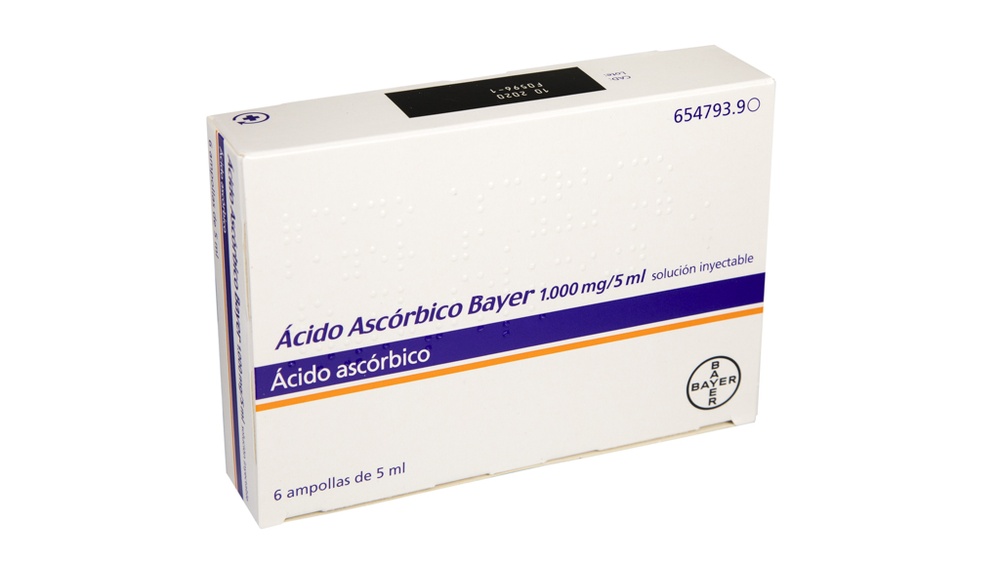
- Alternatives to NATIFAR 200/400/2 micrograms TABLETSDosage form: INJECTABLE, 1g ascorbic acid / 5mlActive substance: ascorbic acid (vit C)Manufacturer: Bayer Hispania S.L.Prescription requiredDosage form: CAPSULE, 25,000 IUActive substance: colecalciferolManufacturer: Laboratorios Alter S.A.Prescription requiredDosage form: CAPSULE, 50,000 IUActive substance: colecalciferolManufacturer: Laboratorios Alter S.A.Prescription required
Online doctors for NATIFAR 200/400/2 micrograms TABLETS
Discuss questions about NATIFAR 200/400/2 micrograms TABLETS, including use, safety considerations and prescription review, subject to medical assessment and local regulations.









Get NATIFAR 200/400/2 micrograms TABLETS Prescription Online
Fill in a 2-min form
Tell us your symptoms, history, and what medicine you're requesting.
Pick a doctor or let us assign
Choose a specialist or we'll match you with the next available doctor.
Doctor reviews your case
Usually within 30 minutes. They may ask follow-up questions via chat.
Collect from any pharmacy
Electronic prescription sent to your email — valid across Spain.
Frequently Asked Questions
NATIFAR 200/400/2 micrograms TABLETS requires a prescription in Spain. You can check with a doctor online whether this medicine may be appropriate for your situation.
The average pharmacy price for NATIFAR 200/400/2 micrograms TABLETS is around 5.84 EUR. Prices may vary depending on the manufacturer and dosage form.
NATIFAR 200/400/2 micrograms TABLETS is manufactured by Desma Laboratorio Farmaceutico S.L.. Pharmacy brands and packaging may differ depending on the distributor.
Doctors such as Family doctors, Psychiatrists, Dermatologists, Cardiologists, Endocrinologists, Gastroenterologists, Pulmonologists, Nephrologists, Rheumatologists, Hematologists, Infectious disease physicians, Allergists, Geriatricians, Paediatricians, Oncologists may assess whether NATIFAR 200/400/2 micrograms TABLETS is appropriate, depending on your situation and local regulations. You can book an online consultation to discuss your symptoms and possible next steps.
Spain has a well-developed healthcare infrastructure across major cities such as Madrid, Barcelona, Valencia, and Seville. Pharmacies are widely available and operate under strict regulations, ensuring access to prescribed medications.
You can buy NATIFAR 200/400/2 micrograms TABLETS in Madrid, Barcelona, Seville, or Valencia at any local pharmacy with a valid prescription.
To obtain a prescription, you can use Oladoctor:
Other medicines with the same active substance () include ASCORBIC ACID BAYER 1000 mg/5 ml INJECTABLE SOLUTION, ALDEXINA 25,000 IU HARD CAPSULES, ALDEXINA 50,000 IU HARD CAPSULES. These may have different brand names or formulations but contain the same therapeutic ingredient. Always consult a doctor before switching or starting a new medicine.
