






How to use BRONCHOGRIP powder for oral solution
Translated with AI
This page provides general information and does not replace a doctor’s consultation. Always consult a doctor before taking any medication. Seek urgent medical care if symptoms are severe.
Show originalContents of the leaflet
Introduction
Leaflet: Information for the User
Bronchogrip Powder for Oral Solution
Paracetamol, Guaifenesina, Phenylephrine Hydrochloride
Read the entire leaflet carefully before starting to take this medication, as it contains important information for you.
Follow the administration instructions of the medication contained in this leaflet or as indicated by your doctor or pharmacist exactly.
- Keep this leaflet, as you may need to read it again.
- If you need advice or more information, consult your pharmacist.
- If you experience adverse effects, consult your doctor or pharmacist, even if they are adverse effects that do not appear in this leaflet. See section 4.
- You should consult a doctor if it worsens or does not improve after 3 days.
Contents of the Leaflet
- What is Bronchogrip and what is it used for
- What you need to know before taking Bronchogrip
- How to take Bronchogrip
- Possible side effects
- Storage of Bronchogrip
- Contents of the pack and additional information
1. What is Bronchogrip and what is it used for
Bronchogrip contains the following active ingredients:
- Paracetamol, which relieves pain (analgesic) and is effective against pains and discomforts, including headache and sore throat, and also helps reduce temperature if you have a fever (antipyretic).
- Guaifenesina, which is an expectorant to help thin out mucus (phlegm) when you have a productive cough.
- Phenylephrine hydrochloride, which is a decongestant used to reduce the inflammation of the nasal passages, thus facilitating breathing.
Bronchogrip is used for the short-term relief of the symptoms of the common cold and flu, including pains and discomforts, such as headache, sore throat, nasal congestion, chills, and fever. It thins out persistent mucus (phlegm) and provides relief against productive cough in adults and adolescents 15 years or older.
This medication should only be used if you have all of the following symptoms: pain and/or fever, stuffy nose, and productive cough.
Consult your doctor if you do not improve or feel worse after 3 days.

2. What you need to know before taking Bronchogrip
If you take a pain reliever for headache for more than 3 days, it may worsen.
Do not takeBronchogrip if you:
- Are allergic to paracetamol, guaifenesina, phenylephrine hydrochloride, or any of the other components of this medication (included in section 6).
- Have severe liver or kidney disease.
- Have a heart condition or a cardiovascular disorder or blood problems, such as anemia (low red blood cell count).
- Have high blood pressure (hypertension).
- Have an overactive thyroid (hyperthyroidism).
- Have diabetes.
- Have pheochromocytoma (a rare tumor of the adrenal gland tissue).
- Are taking tricyclic antidepressants such as imipramine or amitriptiline.
- Are taking beta-blockers (e.g., atenolol) or vasodilators (e.g., hydralazine), which are used to treat high blood pressure (hypertension).
- Are taking other products that contain paracetamol.
- Are taking antidepressant medications called monoamine oxidase inhibitors (MAOIs) or have taken them in the last 14 days (medications such as moclobemide, phenelzine, isocarboxazid, and tranylcypromine).
- Have narrow-angle glaucoma (high pressure in the eyes).
- Have difficulty urinating, an enlarged prostate, or other prostate problems.
- Are currently taking other decongestant medications (e.g., ephedrine and xylometazoline) or stimulants (e.g., dextroamphetamine).
Warnings and precautions
Consult your doctor or pharmacist before taking Bronchogrip if you:
- Have a lot of coughing or asthma and sensitivity to aspirin. Consult your doctor if your cough lasts more than 5 days or if it recurs.
- Have circulatory disorders, such as a condition called Raynaud's phenomenon, which consists of poor circulation in the fingers of the hands and feet.
- Have angina or other cardiovascular diseases.
- Have an autoimmune disorder called myasthenia gravis, where muscles become tired and weakened easily.
- Have an enlarged prostate gland, as this can cause more difficulty urinating.
- Have severe stomach or intestinal problems.
- Have liver or kidney disease.
- Are taking a cough suppressant.
- Have difficulty sleeping (insomnia), nervousness, fever, tremors, and/or convulsions.
- Are intolerant to some sugars.
- Have phenylketonuria, a rare inherited metabolic disorder.
- Have chronic alcoholism, malnutrition, or dehydration.
- Have Gilbert's syndrome (familial non-hemolytic jaundice).
- Are an elderly patient, adult, or adolescent who weighs less than 50 kg.
You should consult your doctor if:
- You develop a high fever, rash, or persistent headache.
- You develop signs of another infection such as malaise, night sweats, fatigue, pain, or swelling.
- Your symptoms do not improve after three days.
- If you have severe diseases, such as severe kidney failure or sepsis (when bacteria and their toxins circulate in the blood causing damage to organs), or if you suffer from malnutrition, chronic alcoholism, or if you are also taking flucloxacillin (an antibiotic). There have been reports of a serious condition called metabolic acidosis (a blood and fluid anomaly) in patients in these situations when paracetamol is used at regular doses for a prolonged period or when paracetamol is taken with flucloxacillin. The symptoms of metabolic acidosis may include: severe breathing difficulties with rapid and deep breathing, drowsiness, feeling of dizziness (nausea), and vomiting.
Children and adolescents
Do not give this medication to children under 15 years of age.
Using Bronchogrip with other medications
Tell your doctor or pharmacist if you are using, have recently used, or may need to use any other medication.
If you are taking any of the following medications, consult your doctor before taking Bronchogrip:
- If you are taking probenecid, talk to your doctor as it may be necessary to reduce the dose of Bronchogrip.
- Medications to treat high cholesterol levels that reduce the amount of fat in the blood, such as cholestyramine.
- Medications to control nausea and vomiting, such as metoclopramide or domperidone.
- Medications called anticoagulants, which are used to thin the blood, such as warfarin or other coumarins - you may take occasional doses of paracetamol but should consult your doctor if you need to take it regularly.
- Barbiturates (for epilepsy or to help you sleep), such as phenobarbitones.
- Tricyclic antidepressants such as imipramine and amitriptiline.
- Monoamine oxidase inhibitors (MAOIs) such as moclobemide, phenelzine, isocarboxazid, and tranylcypromine, which are used to treat depression.
- Medications to treat heart problems or circulatory problems, or to lower blood pressure (e.g., digoxin, guanethidine, reserpine, methyldopa).
- Aspirin or other non-steroidal anti-inflammatory drugs (NSAIDs).
- Medications to treat migraines (e.g., ergotamine and methysergide).
- Zidovudine, as this could cause blood problems (low white blood cell count).
- Phenothiazines used as sedatives (e.g., chlorpromazine, periciazine, and flufenazine).
- Other products for flu or colds, or decongestants that contain sympathomimetic amines.
- If you are going to have a blood or urine test, as taking this medication may affect the results.
- If you are going to undergo general anesthesia, as this may cause changes in heart rhythm.
- If you are taking flucloxacillin (an antibiotic), due to a serious risk of alteration of blood and fluids (metabolic acidosis with high anion imbalance) that should be treated urgently (see section 2).
Bronchogrip with alcohol
Do not drink alcohol if you take this medication.
Pregnancy and breastfeeding
If you are pregnant or breastfeeding, think you may be pregnant, or plan to become pregnant, consult your doctor or pharmacist before using this medication.
This product should not be used during pregnancy.
This product should not be used during breastfeeding without medical advice.
Driving and using machines
This product may cause dizziness. If you feel dizzy, do not drive or operate machinery.
Bronchogrip contains sucrose
This medication contains 2.1g of sucrose (sugar) per sachet. If your doctor has told you that you have an intolerance to certain sugars, consult with them before taking this medication. This should be taken into account in patients with diabetes.
Bronchogrip contains aspartame (E951)
This medication contains 12 mg of aspartame per sachet. Aspartame is a source of phenylalanine. It may be harmful if you have phenylketonuria, a rare genetic disorder in which phenylalanine accumulates because the body cannot eliminate it properly.
Bronchogrip contains sodium
This medication contains 129 mg of sodium (main component of table/cooking salt) per sachet. This is equivalent to 6.5% of the maximum recommended daily intake of sodium for an adult.
3. How to take Bronchogrip
Follow the administration instructions described in this leaflet or as indicated by your doctor or pharmacist exactly. Consult your doctor or pharmacist if you are unsure.
Oral use.
Adults, elderly patients, and adolescents 15 years or older
The recommended dose is 1 sachet every 4 to 6 hours, as needed. Do not take more than 4 sachets (4 doses) in a 24-hour period. Do not take it more frequently than every 4 hours.
Use in children and adolescents
Do not administer to children under 15 years of age.
Elderly patients
Elderly patients, debilitated and immobile patients may require a reduced dose.
Pour the contents of 1 sachet into a standard cup. Fill the cup up to just below the rim with approximately 250 ml of hot water that does not boil. Stir until dissolved and let cool to a temperature that can be drunk. Drink the entire yellow solution within 1 hour and 30 minutes.
Do not exceed the indicated dose. If symptoms persist for more than 3 days or worsen, consult your doctor or pharmacist.
If you take more Bronchogrip than you should
In case of overdose or accidental poisoning, consult the Toxicology Information Service, telephone 91 562 04 20.
Medical advice should be sought immediately in case of overdose, due to the risk of irreversible liver damage. Talk to a doctor immediately if you take too much medication, even if you feel well. This is because too much paracetamol can cause serious and late liver damage.
Go to the emergency department of the nearest hospital. Take the medication and this leaflet with you.
If you forget to takeBronchogrip
Do not take a double dose to make up for the forgotten dose.
If you have any doubts about the use of this medication, ask your doctor or pharmacist.

4. Possible side effects
Like all medications, this medication can cause side effects, although not everyone gets them.
Most people do not have any side effects while taking this medication. However, if you experience any of the following side effects, or if something unusual happens, stop taking the medication immediately and consult your doctor or pharmacist.
The following adverse reactions represent the most common adverse reactions, although the actual frequencies are not available:
- Difficulty sleeping (insomnia)
- Diarrhea, nausea
- Nervousness, tremors, irritability, restlessness, or excitability
- Increased blood pressure with headache, dizziness, vomiting, and irregular heartbeats (palpitations).
- A serious condition that can make the blood more acidic (called metabolic acidosis), in patients with severe disease who take paracetamol (see section 2).
The frequency of the following reactions is unknown, but they are considered rare:
- Allergic reactions that can be serious, such as skin rash, skin peeling, itching, red and swollen skin areas, sometimes with difficulty breathing or swelling of the mouth, lips, tongue, throat, or face
- Respiratory problems, these are more likely if you have experienced them before when taking other pain relievers like aspirin or ibuprofen
- Gastrointestinal disorders (stomach pain or discomfort), nausea, vomiting, diarrhea
- Numbness or cold skin
- Liver problems
- Faster or irregular heartbeats
- Sudden increase in pressure inside the eye, dilated eye pupil
- Difficulty or pain when swallowing water.
The frequency of the following reaction is rare:
- Cloudy urine.
The frequency of the following reactions is unknown but is considered very rare:
- Increased tendency to bleed, bruising, fever, and infections, such as sore throat and ulcers, due to changes in your blood.
There have been reports of very rare cases of serious skin reactions.
If you have previously experienced an allergic reaction (hypersensitivity) when taking decongestants, appetite suppressants, and stimulants, you may have a higher risk of developing an allergic reaction when taking this product.
Reporting of side effects:
If you experience any type of side effect, consult your doctor or pharmacist, even if it is a possible side effect that does not appear in this leaflet. You can also report them directly through the Spanish Medicines Monitoring System for Human Use: www.notificaram.es.
By reporting side effects, you can help provide more information on the safety of this medication.
5. Storage of Bronchogrip
Keep this medication out of the sight and reach of children.
Do not use this medication after the expiration date indicated on the packaging and on the sachet. The expiration date refers to the last day of the month.
Do not store above 25°C.
After reconstitution with hot water, the solution is stable for 1 hour and 30 minutes.
Medications should not be disposed of through wastewater or household waste. Deposit the packaging and medications you no longer need at the SIGRE point in the pharmacy. In case of doubt, ask your pharmacist how to dispose of the packaging and medications you no longer need. This way, you will help protect the environment.
6. Contents of the pack and additional information
What Bronchogrip contains
Each sachet contains the active ingredients: Paracetamol (500 mg), Guaifenesina (200 mg), and Phenylephrine hydrochloride (10 mg).
The other ingredients are: sucrose, citric acid (E330), tartaric acid (E334), sodium citrate (E331), acesulfame potassium (E950), aspartame (E951), menthol flavor powder [contains natural menthol, corn maltodextrin, and gum arabic (E414)], lemon flavor [contains flavoring preparation, natural flavoring substance, corn maltodextrin, gum arabic E414, sodium citrate E331, citric acid E330, and butylated hydroxyanisole E320 (0.01%)], lemon juice flavor [contains flavoring preparation, natural flavoring substance(s), maltodextrin, modified starch E1450, and butylated hydroxyanisole E320 (0.03%)], quinoline yellow (E104).
Appearance of Bronchogrip and contents of the pack
Bronchogrip is a powder for oral solution, white in color and with a characteristic citrus/menthol odor, in sachets.
The reconstituted solution is yellowish and opalescent with a characteristic citrus/menthol odor.
Bronchogrip is available in packs of 5, 6, 10, 14, 15, or 20 sachets, although not all pack sizes may be marketed.
Marketing authorization holder and manufacturer
Marketing Authorization Holder:
Perrigo España, S.A.
Pza. Xavier Cugat, 2 - Edif. D, Pl. 1ª
08174 Sant Cugat del Vallès (Barcelona)
Spain
Manufacturer:
Omega Pharma International NV
Venecoweg 26, Nazareth
9810 Belgium
Perrigo Supply Chain International DAC
The Sharp Building
10-12 Hogan Place
Dublin 2
Ireland
This medication is authorized in the Member States of the European Economic Area under the following names:
Croatia Coldrex ComboGrip 500mg/200mg/10mg powder for oral solution
Estonia Coldrex Lemon & Menthol
Hungary Coldrex Plus köhögés elleni por belsoleges oldathoz
Latvia Hotex 500 mg/200 mg/10 mg pulveris iekškigi lietojama škiduma pagatavošanai
Lithuania Coldrex Lemon & Menthol
Portugal Antigrippine Trieffect Tosse 500mg+10mg+200mg Powder for oral solution
Slovenia Paracetamol/guaifenesin/phenylephrine Adriatic BST 500 mg/200 mg/10 mg powder for peroral solution
Spain Bronchogrip powder for oral solution
Date of the last revision of this leaflet:April 2025
-

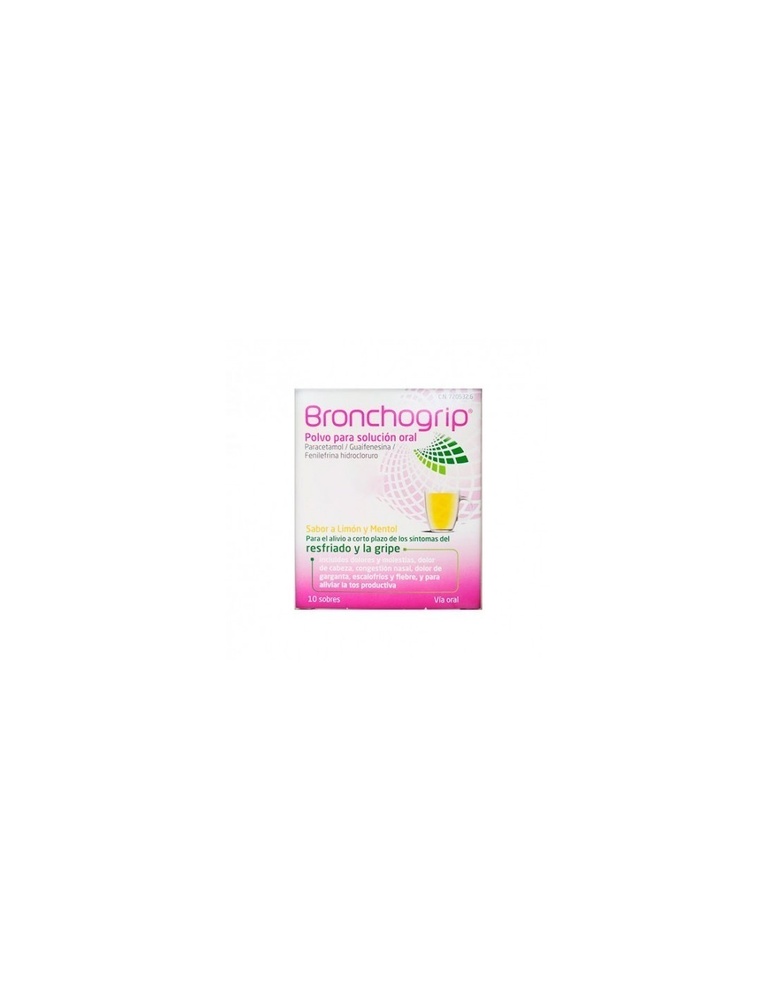
- Country of registration
- Dosage formORAL SOLUTION/SUSPENSION, 500 MG
- ATC codeN02BE51
- Active substance
- Prescription requiredNo
- Manufacturer
- This information is for reference only and does not constitute medical advice. Always consult a doctor before taking any medication. Oladoctor is not responsible for medical decisions based on this content.
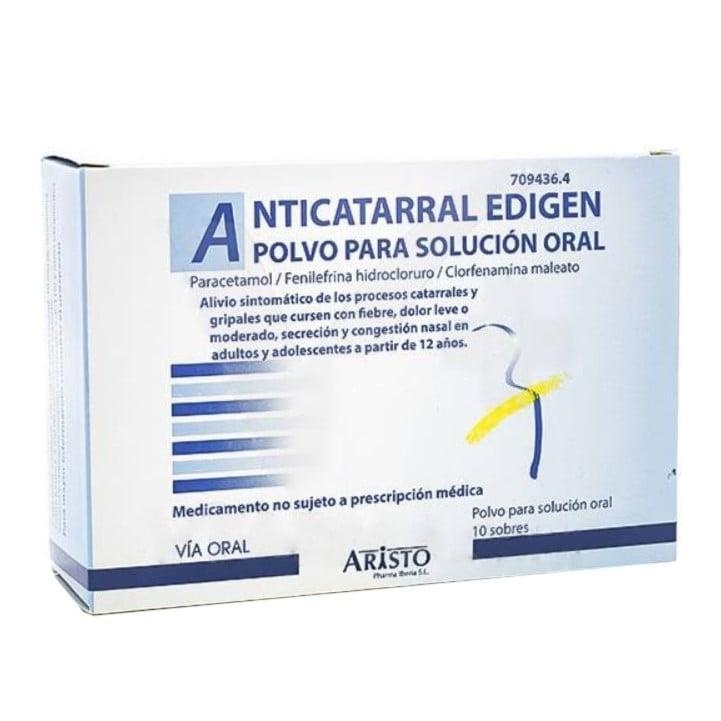
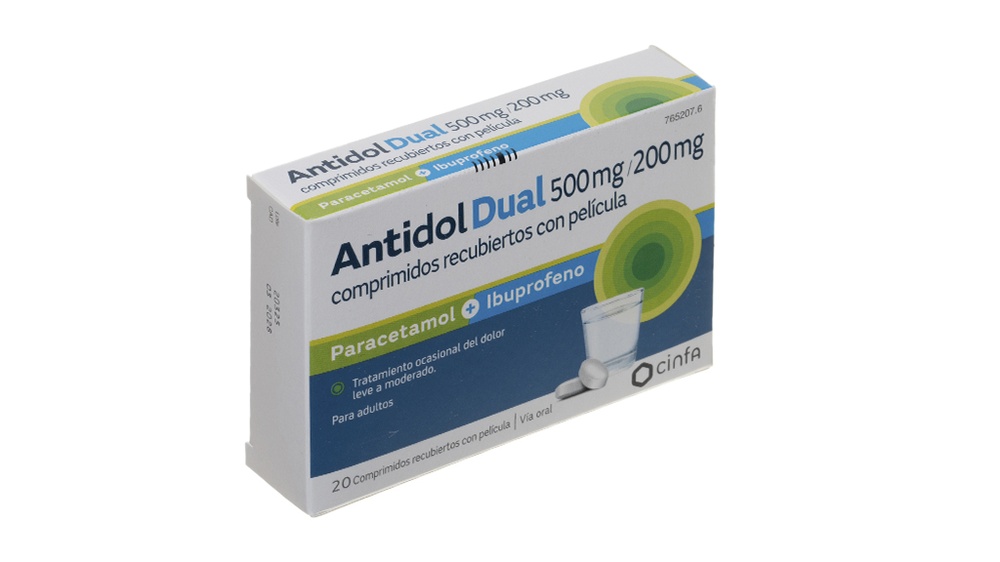
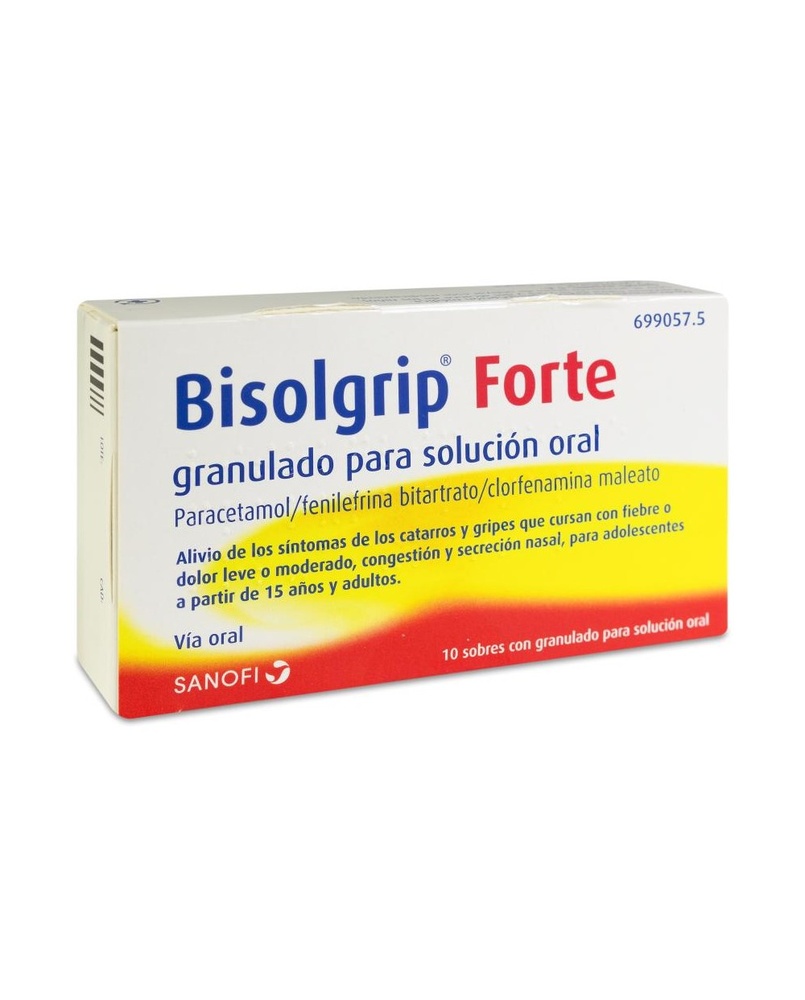
- Alternatives to BRONCHOGRIP powder for oral solutionDosage form: ORAL SOLUTION/SUSPENSION, 500 mg; 4 mg; 10 mgActive substance: paracetamol, combinations excl. psycholepticsManufacturer: Aristo Pharma Iberia S.L.Prescription not requiredDosage form: TABLET, 500 mg/200 mgActive substance: paracetamol, combinations excl. psycholepticsManufacturer: Laboratorios Cinfa S.A.Prescription not requiredDosage form: ORAL SOLUTION/SUSPENSION, 650 mg/2.8 mg/8.21 mgActive substance: paracetamol, combinations excl. psycholepticsManufacturer: Opella Healthcare Spain S.L.Prescription not required
Online doctors for BRONCHOGRIP powder for oral solution
Discuss questions about BRONCHOGRIP powder for oral solution, including use, safety considerations and prescription review, subject to medical assessment and local regulations.






Get BRONCHOGRIP powder for oral solution Prescription Online
Fill in a 2-min form
Tell us your symptoms, history, and what medicine you're requesting.
Pick a doctor or let us assign
Choose a specialist or we'll match you with the next available doctor.
Doctor reviews your case
Usually within 30 minutes. They may ask follow-up questions via chat.
Collect from any pharmacy
Electronic prescription sent to your email — valid across Spain.
Frequently Asked Questions
BRONCHOGRIP powder for oral solution does not require a prescription in Spain. You can check with a doctor online whether this medicine may be appropriate for your situation.
The active ingredient in BRONCHOGRIP powder for oral solution is paracetamol, combinations excl. psycholeptics. This information helps identify medicines with the same composition but different brand names.
BRONCHOGRIP powder for oral solution is manufactured by Perrigo Espana S.A.. Pharmacy brands and packaging may differ depending on the distributor.
Doctors such as Family doctors, Psychiatrists, Dermatologists, Cardiologists, Endocrinologists, Gastroenterologists, Pulmonologists, Nephrologists, Rheumatologists, Hematologists, Infectious disease physicians, Allergists, Geriatricians, Paediatricians, Oncologists may assess whether BRONCHOGRIP powder for oral solution is appropriate, depending on your situation and local regulations. You can book an online consultation to discuss your symptoms and possible next steps.
Spain has a well-developed healthcare infrastructure across major cities such as Madrid, Barcelona, Valencia, and Seville. Pharmacies are widely available and operate under strict regulations, ensuring access to prescribed medications.
You can buy BRONCHOGRIP powder for oral solution in Madrid, Barcelona, Seville, or Valencia at any local pharmacy with a valid prescription.
To obtain a prescription, you can use Oladoctor:
Other medicines with the same active substance (paracetamol, combinations excl. psycholeptics) include ANTICATARRAL EDIGEN ORAL SOLUTION POWDER, ANTIDOL DUAL 500 mg/200 mg FILM-COATED TABLETS, BISOLGRIP FORTE GRANULES FOR ORAL SOLUTION. These may have different brand names or formulations but contain the same therapeutic ingredient. Always consult a doctor before switching or starting a new medicine.
