

BRAINAL 30 mg Film-Coated Tablets





How to use BRAINAL 30 mg FILM-COATED TABLETS
Translated with AI
This page provides general information and does not replace a doctor’s consultation. Always consult a doctor before taking any medication. Seek urgent medical care if symptoms are severe.
Show originalContents of the leaflet
Introduction
Package Leaflet: Information for the User
Brainal 30 mg film-coated tablets
Nimodipine
Read this package leaflet carefully before you start taking this medicine, because it contains important information for you.
- Keep this package leaflet, you may need to read it again.
- If you have any further questions, ask your doctor or pharmacist.
- This medicine has been prescribed for you only. Do not pass it on to others, as it may harm them, even if their symptoms are the same as yours.
- If you experience any side effects, talk to your doctor or pharmacist. This includes any possible side effects not listed in this package leaflet. See section 4.
Contents of the package leaflet:
- What is Brainal and what is it used for.
- What you need to know before taking Brainal.
- How to take Brainal.
- Possible side effects.
- Storage of Brainal.
- Contents of the pack and further information.
1. What is Brainal and what is it used for
Brainal is a medicine that contains the active substance nimodipine and belongs to a group of medicines called calcium antagonists. These substances are able to dilate arteries and prevent them from contracting, which can lead to a lack of oxygen in the brain.
Brainal is used to prevent neurological damage caused by a lack of blood flow due to the contraction of cerebral arteries after a subarachnoid hemorrhage (a type of brain bleeding caused by the rupture of an aneurysm, which is an abnormal dilation or bulge of a portion of an artery where the wall is weakened).

2. What you need to know before taking Brainal
Do not take Brainal
- If you are allergic (hypersensitive) to nimodipine or any of the other ingredients of this medicine listed in section 6.
- If you are taking any of the following medicines to treat epilepsy: phenobarbital, phenytoin, or carbamazepine.
- If you are taking rifampicin (an antibiotic used to treat tuberculosis).
- If you have severe liver disease (e.g., cirrhosis).
- If you have generalized cerebral edema (an increase in the amount of fluid in the brain).
- If you have severe intracranial hypertension (a significant increase in pressure inside the head).
Warnings and precautions
Talk to your doctor or pharmacist before starting to take Brainal.
- If you have blood pressure problems or are being treated to lower your blood pressure.
- If you have kidney or liver disease.
- If you have had a head injury that caused intracranial bleeding.
- If you have heart problems, e.g., cardiac arrhythmias and heart failure (a condition in which the heart is unable to pump enough blood to meet the body's needs), in these circumstances, your doctor will perform periodic checks.
- If you weigh less than 70 kg.
In all these situations, your doctor will need to perform a series of checks to adjust the dose of Brainal accordingly.
If you are taking any of the medicines indicated in the section "Use of other medicines", your doctor will check your blood pressure and adjust the dose of Brainal.
Taking Brainal with other medicines
Tell your doctor or pharmacist if you are taking, have recently taken, or might take any other medicines.
Certain medicines may interact with this medicine; in these cases, your doctor will need to adjust the dose or interrupt treatment with one of the medicines. This is especially important if you are taking:
- Rifampicin (a medicine for the treatment of tuberculosis), as it may decrease the efficacy of nimodipine (see section "Do not take Brainal").
- Medicines for the treatment of epilepsy, such as phenytoin, phenobarbital, or carbamazepine, with chronic administration prior to treatment with nimodipine (see section "Do not take Brainal").
- Medicines to lower blood pressure, as they may enhance the hypotensive effect of nimodipine.
- Cimetidine (a medicine used in the management of stomach ulcers) or valproic acid (used in the treatment of epilepsy), as they may enhance the hypotensive effect of nimodipine.
- Antibiotics (medicines for the treatment of infections) such as erythromycin, quinupristin, and dalfopristin.
- Antiretroviral medicines (used in the treatment of HIV infection) such as ritonavir and zidovudine.
- Antifungal medicines (used for the treatment of fungal infections) such as ketoconazole.
- Medicines for depression, such as nefazodone, fluoxetine, and nortriptyline.
Taking Brainal with food and drinks
It is not recommended to take grapefruit juice with nimodipine, as it may alter its efficacy. Brainal should be taken outside of meals.
Pregnancy and breastfeeding
If you are pregnant or breastfeeding, think you may be pregnant, or are planning to have a baby, ask your doctor or pharmacist for advice before taking this medicine.
Brainal should not be used during pregnancy and breastfeeding, unless prescribed by a doctor. If it is essential to use nimodipine, your doctor will assess the possibility of administering this medicine.
Driving and using machines
If you feel dizzy after taking nimodipine, you should not drive vehicles or operate machinery, especially if you are drinking alcohol during treatment, so you should not consume alcohol during treatment.
3. How to take Brainal
Follow exactly the administration instructions of this medicine indicated by your doctor or pharmacist. If in doubt, consult your doctor or pharmacist again.
The recommended dose to prevent neurological damage due to lack of blood flow caused by the contraction of cerebral arteries after a subarachnoid hemorrhage should be (after a previous infusion of nimodipine 0.2 mg/ml solution for infusion for 5 to 14 days) a daily dose of 2 Brainal tablets 6 times a day (6 times x 60 mg of nimodipine daily), for a maximum total period of approximately three weeks. The interval between administrations should not be less than four hours.
In general, the tablet should be swallowed whole without chewing with the help of a little liquid (e.g., a glass of water), except grapefruit juice. Brainal should be taken outside of meals (see section "Taking Brainal with food and drinks").
Liver disease:You should not take this medicine if you have severe liver disease (see section "Do not take Brainal"). Inform your doctor if you have or have had any liver disease, so that the doctor can adjust the dose accordingly.
Kidney disease:Inform your doctor if you have or have had any kidney disease, as it may be necessary to adjust the dose of nimodipine.
Use in children and adolescents:The use of Brainal in children and adolescents is not recommended.
Your doctor will indicate the duration of treatment with nimodipine. Do not stop treatment before or abruptly, as it may be harmful to the progression of your disease.
If you take more Brainal than you should
If you have taken more Brainal than you should, talk to your doctor or pharmacist immediately.
The symptoms you may experience are: marked decrease in blood pressure, increase or decrease in heart rate, gastrointestinal disorders (e.g., nausea), and effects on the central nervous system.
In case of overdose or accidental ingestion, consult the Toxicology Information Service. Telephone 91 562 04 20.
If you forget to take Brainal
Do not take a double dose to make up for forgotten doses.
In case of forgetting a dose, you should take the tablet as soon as possible, continuing the treatment as prescribed. However, when the next dose is near, it is better not to take the forgotten tablet and take the next one at the scheduled time.
If you stop taking Brainal
If you have any doubts about the use of this product, ask your doctor or pharmacist.

4. Possible side effects
Like all medicines, this medicine can cause side effects, although not everybody gets them.
Side effects, more or less bothersome, occur in some patients, especially at the start of treatment.
The following possible side effects have been reported:
Common (may affect up to 1 in 10 people)
- hypotension (low blood pressure), vasodilation (widening of blood vessels)
- difficult digestion, abdominal cramps
- dermatitis, eruptions, acne
- muscle cramps
Uncommon (may affect up to 1 in 100 people)
- flushing
- changes in heart rate: bradycardia (decrease), tachycardia (increase),
palpitations, heart failure
- anemia, decrease in blood platelets
- peripheral edema (swelling of legs or hands), fainting, hematomas (bruises),
vasoconstriction (narrowing of blood vessels) and increased blood pressure,
thrombosis
- diarrhea, constipation, vomiting, flatulence, gastrointestinal bleeding
- headache, dizziness, involuntary movements, tremor, depression, sweating
- difficulty breathing
- itching, urticaria, petechiae (small purple spots)
- allergic reaction
- hepatitis, jaundice (yellowing of skin and mucous membranes)
Rare (may affect up to 1 in 1,000 people)
- decrease in sodium levels in the blood
- ileus (intestinal obstruction)
- increase in liver enzyme values, indicators of liver function, (including increased alkaline phosphatase and lactate dehydrogenase)
Frequency not known (cannot be estimated from the available data)
- nausea
- decrease in blood pressure, especially when the initial value is high, gamma-glutamyltransferase increased, transaminases elevated (a type of liver enzyme indicator of liver function)
- low oxygen levels in body tissues
Reporting of side effects
If you experience any side effects, talk to your doctor or pharmacist. This includes any possible side effects not listed in this package leaflet. You can also report side effects directly through the Spanish Medicines and Health Products Agency (AEMPS) website: https://www.notificaram.es. By reporting side effects, you can help provide more information on the safety of this medicine.
5. Storage of Brainal
Keep this medicine out of the sight and reach of children.
Store in the original package.
Take the tablet out of the original package immediately before administration.
Do not use this medicine after the expiry date stated on the package after EXP. The expiry date is the last day of the month indicated.
Medicines should not be disposed of via wastewater or household waste. Ask your pharmacist how to dispose of medicines no longer required. This will help protect the environment.
6. Contents of the pack and further information
Composition of Brainal
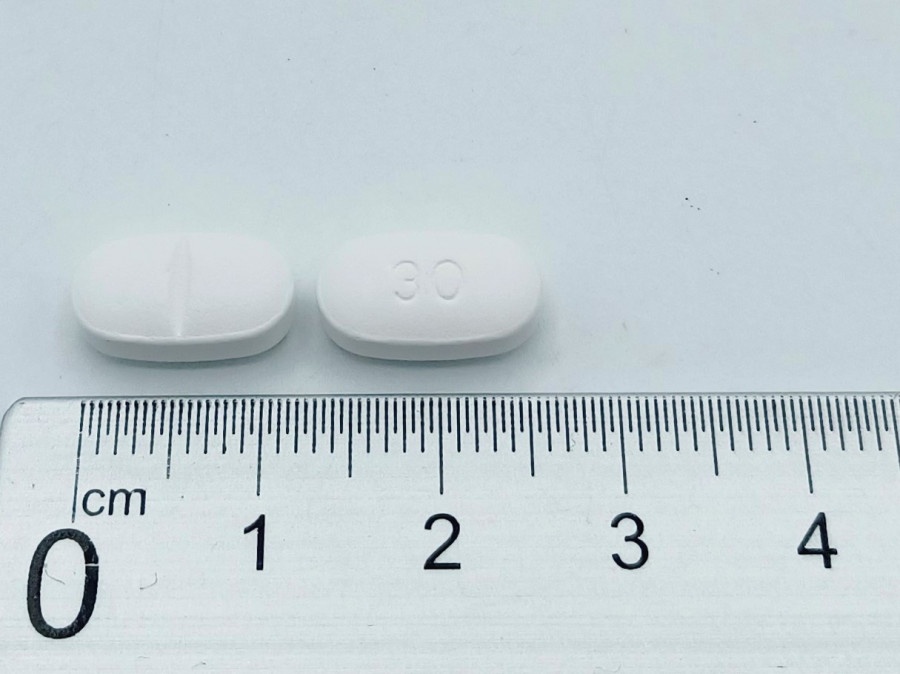
- The active substance is nimodipine. Each film-coated tablet contains 30 mg of nimodipine.
- The other ingredients are microcrystalline cellulose (E-460), pregelatinized corn starch, crospovidone, povidone (E-1201), magnesium stearate (E-572), hydroxypropyl methylcellulose, polyethylene glycol 400, titanium dioxide (E-171).
Appearance of the product and pack contents
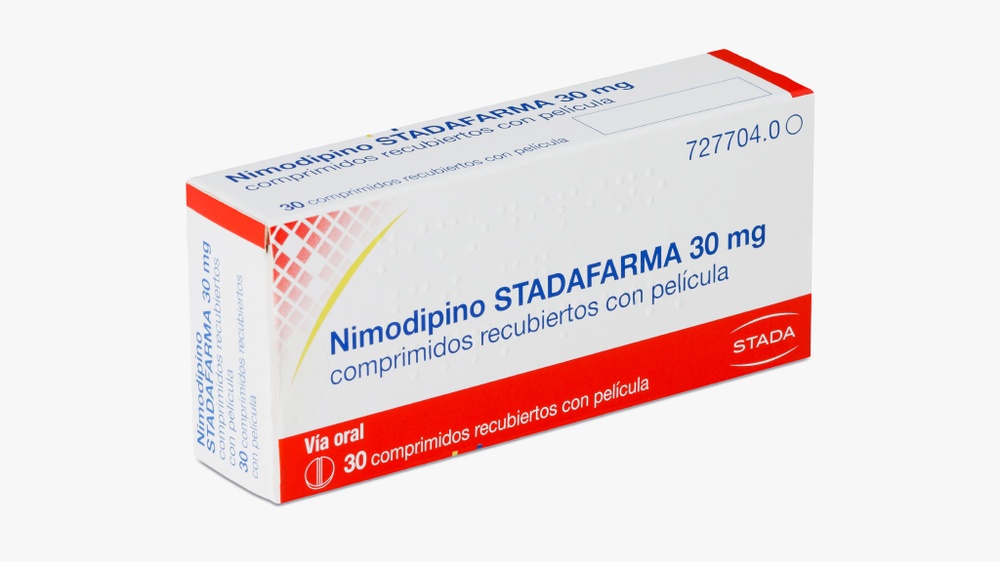
Brainal 30 mg film-coated tablets are available in packs of 30 or 100 tablets.
Marketing authorization holder and manufacturer
Marketing authorization holder:
Aristo Pharma Iberia, S.L.
C/ Solana, 26. 28850-Torrejón de Ardoz (Madrid)
Manufacturer:
Laboratorios Medicamentos Internacionales, S.A.
Solana, 26 – 28850 Torrejón de Ardoz (Madrid)
Date of last revision of this package leaflet:August 2024
Detailed information on this medicine is available on the website of the Spanish Agency for Medicines and Health Products (AEMPS) http://www.aemps.gob.es.

-

- Country of registration
- Dosage formTABLET, 30 mg nimodipine
- ATC codeC08CA06
- Average pharmacy price17.8 EUR
- Active substance
- Prescription requiredYes
- Manufacturer
- This information is for reference only and does not constitute medical advice. Always consult a doctor before taking any medication. Oladoctor is not responsible for medical decisions based on this content.
- Alternatives to BRAINAL 30 mg FILM-COATED TABLETSDosage form: INJECTABLE PERFUSION, 0.2 mg nimodipine/mlActive substance: nimodipineManufacturer: Altan Pharmaceuticals SaPrescription requiredDosage form: TABLET, 30 mgActive substance: nimodipineManufacturer: Laboratorio Stada S.L.Prescription requiredDosage form: INJECTABLE PERFUSION, 10 mg nimodipine/50 mlActive substance: nimodipineManufacturer: Laboratoire X.OPrescription required
Online doctors for BRAINAL 30 mg FILM-COATED TABLETS
Discuss questions about BRAINAL 30 mg FILM-COATED TABLETS, including use, safety considerations and prescription review, subject to medical assessment and local regulations.
Get BRAINAL 30 mg FILM-COATED TABLETS Prescription Online
Fill in a 2-min form
Tell us your symptoms, history, and what medicine you're requesting.
Pick a doctor or let us assign
Choose a specialist or we'll match you with the next available doctor.
Doctor reviews your case
Usually within 30 minutes. They may ask follow-up questions via chat.
Collect from any pharmacy
Electronic prescription sent to your email — valid across Spain.
Frequently Asked Questions
Is a prescription required for BRAINAL 30 mg FILM-COATED TABLETS?
BRAINAL 30 mg FILM-COATED TABLETS requires a prescription in Spain. You can check with a doctor online whether this medicine may be appropriate for your situation.
What is the active substance in BRAINAL 30 mg FILM-COATED TABLETS?
The active ingredient in BRAINAL 30 mg FILM-COATED TABLETS is nimodipine. This information helps identify medicines with the same composition but different brand names.
How much does BRAINAL 30 mg FILM-COATED TABLETS cost in pharmacies?
The average pharmacy price for BRAINAL 30 mg FILM-COATED TABLETS is around 17.8 EUR. Prices may vary depending on the manufacturer and dosage form.
Who manufactures BRAINAL 30 mg FILM-COATED TABLETS?
BRAINAL 30 mg FILM-COATED TABLETS is manufactured by Aristo Pharma Iberia S.L.. Pharmacy brands and packaging may differ depending on the distributor.
Which doctors can assess the use of BRAINAL 30 mg FILM-COATED TABLETS online?
Doctors such as Family doctors, Psychiatrists, Dermatologists, Cardiologists, Endocrinologists, Gastroenterologists, Pulmonologists, Nephrologists, Rheumatologists, Hematologists, Infectious disease physicians, Allergists, Geriatricians, Paediatricians, Oncologists may assess whether BRAINAL 30 mg FILM-COATED TABLETS is appropriate, depending on your situation and local regulations. You can book an online consultation to discuss your symptoms and possible next steps.
How to buy BRAINAL 30 mg FILM-COATED TABLETS in Spain?
Spain has a well-developed healthcare infrastructure across major cities such as Madrid, Barcelona, Valencia, and Seville. Pharmacies are widely available and operate under strict regulations, ensuring access to prescribed medications.
You can buy BRAINAL 30 mg FILM-COATED TABLETS in Madrid, Barcelona, Seville, or Valencia at any local pharmacy with a valid prescription.
To obtain a prescription, you can use Oladoctor:
What are the alternatives to BRAINAL 30 mg FILM-COATED TABLETS?
Other medicines with the same active substance (nimodipine) include Nimodipine Altan 0.2 mg/ml Solution for Infusion, NIMODIPINE STADAFARMA 30 mg FILM-COATED TABLETS, NIMOTOP 0.2 mg/ml SOLUTION FOR INFUSION. These may have different brand names or formulations but contain the same therapeutic ingredient. Always consult a doctor before switching or starting a new medicine.
