







How to use ABRADEL 2 mg/ml EYE DROPS SOLUTION
Translated with AI
This page provides general information and does not replace a doctor’s consultation. Always consult a doctor before taking any medication. Seek urgent medical care if symptoms are severe.
Show originalContents of the leaflet
Introduction
Package Leaflet: Information for the User
Abradel 2 mg/ml eye drops, solution
Brimonidine Tartrate
Read this package leaflet carefully before you start using this medicine because it contains important information for you.
- Keep this package leaflet, you may need to read it again.
- If you have any further questions, ask your doctor, pharmacist, or nurse.
- This medicine has been prescribed for you only. Do not pass it on to others. It may harm them, even if their signs of illness are the same as yours.
- If you get any side effects, talk to your doctor, pharmacist, or nurse. This includes any possible side effects not listed in this package leaflet.
Contents of the package leaflet:
- What is Abradel and what is it used for
- What you need to know before you use Abradel
- How to use Abradel
- Possible side effects
- Storage of Abradel
- Contents of the pack and further information
1. What is Abradel and what is it used for
Abradel is a medicine used to reduce intraocular pressure (pressure in the eye) in patients with open-angle glaucoma or ocular hypertension (high pressure in the eye).
Abradel can be used alone or in combination with other medicines to reduce intraocular pressure.

2. What you need to know before you use Abradel
Do not use Abradel:
- If you are allergic (hypersensitive) to brimonidine tartrate or any of the other ingredients of this medicine (listed in section 6).
- If you are taking monoamine oxidase inhibitors (MAOIs).
- If you are taking any medicine for depression (tricyclic antidepressants or mianserin).
- Tell your doctor if you are taking medicines for depression.
- In newborns and young children (up to 2 years).
Warnings and precautions
Consult your doctor, pharmacist, or nurse before starting to use Abradel:
- If you have severe or unstable uncontrolled heart failure.
- If you have depression.
- If you have cerebral or coronary insufficiency (reduced blood flow to the brain or heart).
- If you have orthostatic hypotension (sudden drop in blood pressure with dizziness and fainting when standing up or getting up after lying down).
- If you suffer from constriction of blood vessels, mainly in the hands and arms, (Raynaud's phenomenon) or from a chronic inflammatory vascular disease with obstruction of blood vessels as a result of coagulation (thromboangiitis obliterans).
- If you have kidney or liver problems.
Consult your doctor if you are in any of these situations.
Using Abradel with other medicines
Tell your doctor or pharmacist if you are using, have recently used, or might use any other medicines.
Substances that affect the central nervous system (CNS):Abradel may increase the effect of substances that affect the central nervous system (CNS) (alcohol, barbiturates, opioids, sedatives, or anesthetics).
Medicines for the treatment of nervous system diseases (chlorpromazine, methylphenidate), antihypertensive medicines (reserpine):caution is recommended in patients treated with medicines that may affect the absorption and metabolism of adrenaline, noradrenaline, and other biogenic amines in the blood.
Antihypertensive or heart disease medicines:after administration of Abradel, a slight decrease in blood pressure has been observed in some patients. Caution should be exercised when Abradel is administered with antihypertensive medicines and/or heart medicines of the digitalis glycoside group.
Agonists or antagonists of adrenergic receptors:caution should be exercised when starting treatment, administered systemically, or when changing the dosage (regardless of the method of administration), which may cause interactions with alpha-adrenergic receptor agonists or affect their action, such as agonists or antagonists of adrenergic receptors (e.g., isoprenaline or prazosin).
Pregnancy, breastfeeding, and fertility
If you are pregnant or breastfeeding, think you may be pregnant, or are planning to have a baby, ask your doctor or pharmacist for advice before using this medicine.
No studies have been conducted to determine if the use of Abradel during pregnancy is safe. Therefore, Abradel should be used with caution during pregnancy and only if the expected benefit to the mother outweighs the potential risk to the fetus.
Abradel should not be used during breastfeeding as it is unknown if brimonidine passes into breast milk.
Ask your doctor or pharmacist for advice before using any medicine.
Driving and using machines
Abradel may cause fatigue and/or drowsiness that may affect your ability to drive or use machines safely.
Abradel may cause changes in vision and/or blurred vision that may affect your ability to drive or use machines safely, especially at night or in low light.
Abradel contains benzalkonium chloride
This medicine may cause eye irritation because it contains benzalkonium chloride. Avoid contact with soft contact lenses. Remove contact lenses before application and wait at least 15 minutes before putting them back. Benzalkonium chloride alters the color of soft contact lenses.
3. How to use Abradel
Follow the instructions for administration of the medicine contained in this package leaflet or as indicated by your doctor. If you are unsure, consult your doctor or pharmacist.
It is very important to use Abradel for the period of time indicated by your doctor.
If you think the effect of Abradel is too strong or too weak, consult your doctor.
The usual dose is one drop in the affected eye(s) twice a day, with an interval between doses of approximately 12 hours, unless your doctor has indicated otherwise.
Method of administration:
Brimonidine is used only for ocular administration. Do not swallow.
Always wash your hands carefully before applying the drops.
Apply the drops as follows:
- Tilt your head back and look up.
- Gently pull down the lower eyelid until a small pocket is formed.
- Invert the bottle and squeeze it to release one drop into the eye.
Immediately after applying each drop, close your eye for one minute while pressing the lacrimal gland with your finger. This helps reduce the absorption of brimonidine by your body.
If you are using more than one eye medicine, wait 5 to 15 minutes between administration.
Use in children
Brimonidine eye drops should not be used in newborns or young children (up to 2 years) and are not recommended for use in children between 2 and 12 years.
If you use more Abradel than you should
No cases of overdose with Abradel have been reported in adults, and it is unlikely to occur when administered as eye drops.
Some cases of overdose have been reported in newborns. Symptoms include drowsiness, hypotonia, decreased body temperature, and breathing difficulties. If you experience any of these, contact your doctor immediately.
In one case where an adult accidentally ingested approximately 10 drops of Abradel, moderate hypotension was observed several hours after ingestion, followed by a significant increase in blood pressure approximately 8 hours after ingestion.
In case of overdose or accidental ingestion, consult your doctor or pharmacist immediately or call the Toxicology Information Service, phone (91) 562 04 20. If you go to a doctor, remember to take the medicine packaging with you so that they can see what you have taken.
If you forget to use Abradel
If you forget to use Abradel, apply the missed dose as soon as you remember. However, if it is almost time for the next dose, skip the missed dose and continue with the next administration at the usual time. Do not use a double dose to make up for the missed dose.
If you have any doubts, consult your doctor or pharmacist.
Do not change the dose that your doctor has prescribed.
If you stop using Abradel
Do not stop using Abradel without consulting your doctor first.
If you have any further questions on the use of this product, ask your doctor or pharmacist.

4. Possible side effects
Like all medicines, Abradel can cause side effects, although not everybody gets them. If you experience any side effect that you think is serious or if you notice any side effect not listed in this package leaflet, tell your doctor or pharmacist.
The most common side effects (22 to 25% of patients) are dry mouth, eye redness, and eye burning or itching. These effects are usually temporary and mild, so there is no need to stop treatment with Abradel.
During clinical trials, allergic reactions occurred in 12.7% of patients. In most cases, they occurred within 3 to 9 months of treatment. If allergic reactions occur, treatment with Abradel should be discontinued.
Analysis of side effects is based on the following frequency:
Very common: may affect more than 1 in 10 patients Common: may affect up to 1 in 10 patients Uncommon: may affect up to 1 in 100 patients Rare: may affect up to 1 in 1,000 patients Very rare: may affect up to 1 in 10,000 patients Frequency not known: cannot be estimated from the available data |
The following side effects have been observed during treatment with Abradel:
Eye disorders:
Very common:
- Eye irritation, including allergic reaction (eye redness, pain, and burning, itching, foreign body sensation, follicular conjunctivitis), blurred vision.
Common:
- Local eye irritation (eye redness and inflammation, eyelid inflammation, edema, and conjunctival discharge, eye pain, and tearing), sensitivity to light, corneal erosion or staining, dry eye, conjunctival paleness, abnormal vision, conjunctivitis.
Very rare:
- Iritis, miosis.
Systemic disorders:
Very common:
- Headache, dry mouth, fatigue/drowsiness.
Common:
- Upper respiratory tract symptoms, dizziness, gastrointestinal pain, weakness, taste disturbance.
Uncommon:
- Palpitations/irregular heartbeats (including very fast or very slow heartbeats), general allergic reactions, depression, dry nose.
Rare:
- Dyspnea.
Very rare:
- Fainting, hypertension, hypotension, insomnia.
5. Storage of Abradel
Keep this medicine out of the sight and reach of children.
Do not use this medicine after the expiry date which is stated on the carton and bottle after EXP. The expiry date is the last day of the month stated.
Discard the Abradel packaging 28 days after first opening.
Medicines should not be disposed of via wastewater or household waste. Ask your pharmacist how to dispose of medicines no longer required. These measures will help protect the environment.
6. Contents of the pack and further information
Composition of Abradel
- The active substance is brimonidine tartrate.
1 ml of solution contains 2 mg of brimonidine tartrate, equivalent to 1.3 mg of brimonidine.
- The other ingredients are: benzalkonium chloride, polyvinyl alcohol, sodium chloride, sodium citrate, citric acid monohydrate, purified water, sodium hydroxide, and hydrochloric acid for pH adjustment.
Appearance and packaging
Abradel 2mg/ml eye drops, solution is a slightly yellowish-green transparent solution.
The eye drops are available in bottles with a dropper of 5 ml in packs of 1, 3, or 6 bottles and in bottles with a dropper of 10 ml in packs of 1 or 3 bottles.
Not all pack sizes may be marketed.
Marketing authorisation holder and manufacturer
Marketing authorisation holder:
Tiedra Farmacéutica, S.L.
C/ Colón, 7
30510 Yecla - Murcia
Spain
Manufacturer:
AB Sanitas
Veiveriu Street 134B
46352 Kaunas
Lithuania
Pharma Stulln GmbH
Werksstrasse 3
92551 Stulln
Germany
Date of last revision of this package leaflet: February 2013
Detailed and up-to-date information on this medicine is available on the website of the Spanish Agency for Medicines and Health Products (AEMPS) http://www.aemps.gob.es/
- Country of registration
- Dosage formEYE DROP, 2 mg/ml
- ATC codeS01EA05
- Average pharmacy price7.31 EUR
- Active substance
- Prescription requiredYes
- Manufacturer
- This information is for reference only and does not constitute medical advice. Always consult a doctor before taking any medication. Oladoctor is not responsible for medical decisions based on this content.
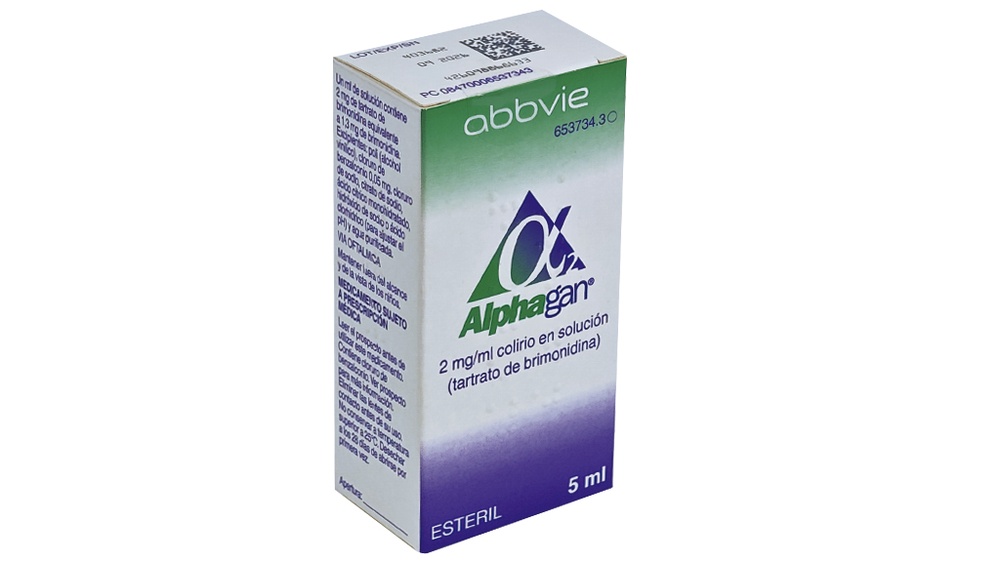
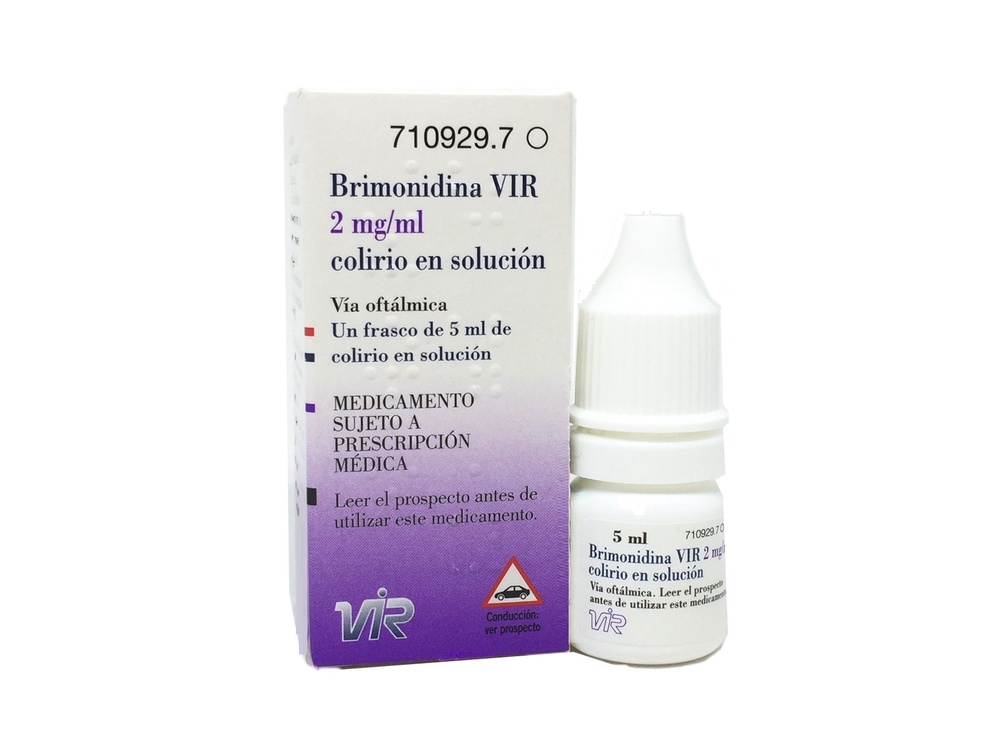
- Alternatives to ABRADEL 2 mg/ml EYE DROPS SOLUTIONDosage form: EYEDROP, 2 mg/ml of brimonidine tartrateActive substance: brimonidineManufacturer: Abbvie Spain, S.L.U.Prescription requiredDosage form: EYEDROP, 2 MG/MLActive substance: brimonidineManufacturer: Viatris LimitedPrescription requiredDosage form: EYEDROP, 2 MG/MLActive substance: brimonidineManufacturer: Industria Quimica Y Farmaceutica Vir S.A.Prescription required

Online doctors for ABRADEL 2 mg/ml EYE DROPS SOLUTION
Discuss questions about ABRADEL 2 mg/ml EYE DROPS SOLUTION, including use, safety considerations and prescription review, subject to medical assessment and local regulations.



Get ABRADEL 2 mg/ml EYE DROPS SOLUTION Prescription Online
Fill in a 2-min form
Tell us your symptoms, history, and what medicine you're requesting.
Pick a doctor or let us assign
Choose a specialist or we'll match you with the next available doctor.
Doctor reviews your case
Usually within 30 minutes. They may ask follow-up questions via chat.
Collect from any pharmacy
Electronic prescription sent to your email — valid across Spain.
Frequently Asked Questions
ABRADEL 2 mg/ml EYE DROPS SOLUTION requires a prescription in Spain. You can check with a doctor online whether this medicine may be appropriate for your situation.
The active ingredient in ABRADEL 2 mg/ml EYE DROPS SOLUTION is brimonidine. This information helps identify medicines with the same composition but different brand names.
The average pharmacy price for ABRADEL 2 mg/ml EYE DROPS SOLUTION is around 7.31 EUR. Prices may vary depending on the manufacturer and dosage form.
ABRADEL 2 mg/ml EYE DROPS SOLUTION is manufactured by Tiedra Farmaceutica S.L.. Pharmacy brands and packaging may differ depending on the distributor.
Doctors such as Family doctors, Psychiatrists, Dermatologists, Cardiologists, Endocrinologists, Gastroenterologists, Pulmonologists, Nephrologists, Rheumatologists, Hematologists, Infectious disease physicians, Allergists, Geriatricians, Paediatricians, Oncologists may assess whether ABRADEL 2 mg/ml EYE DROPS SOLUTION is appropriate, depending on your situation and local regulations. You can book an online consultation to discuss your symptoms and possible next steps.
Spain has a well-developed healthcare infrastructure across major cities such as Madrid, Barcelona, Valencia, and Seville. Pharmacies are widely available and operate under strict regulations, ensuring access to prescribed medications.
You can buy ABRADEL 2 mg/ml EYE DROPS SOLUTION in Madrid, Barcelona, Seville, or Valencia at any local pharmacy with a valid prescription.
To obtain a prescription, you can use Oladoctor:
Other medicines with the same active substance (brimonidine) include ALPHAGAN 2 mg/ml EYE DROPS SOLUTION, BRIMONIDINE VIATRIS 2 mg/ml EYE DROPS SOLUTION, BRIMONIDINE VIR 2 mg/ml EYE DROPS SOLUTION. These may have different brand names or formulations but contain the same therapeutic ingredient. Always consult a doctor before switching or starting a new medicine.
