Bg pattern

Postural tachycardia syndrome (PoTS)

Postural tachycardia syndrome (PoTS) is when your heart rate increases very quickly after getting up from sitting or lying down, often making you feel dizzy or lightheaded.


Prescription review online

Prescription review online

A doctor will review your case and issue a prescription if medically appropriate.

Talk to a doctor online

Talk to a doctor online

Discuss your symptoms and possible next steps with a doctor online.

5.0 (2)
Doctor

Alexander Nazarchuk

Allergology 7 years exp.

Dr. Alexander Nazarchuk is a physician specialising in allergology and internal medicine. He provides online consultations for adults, following the principles of evidence-based medicine — no outdated treatments or unnecessary tests, with clear explanations and a personalised approach. He helps patients with a wide range of allergic and therapeutic conditions, from common day-to-day complaints to complex cases involving allergies, gastrointestinal issues, cardiovascular concerns, respiratory symptoms, and more.

You can consult Dr. Nazarchuk for:

  • Test interpretation and guidance on diagnostic plans.
  • Allergic rhinitis, hay fever, bronchial asthma (including severe cases).
  • Food and drug allergies, skin rashes, angioedema.
  • Atopic dermatitis, urticaria, contact allergies.
  • Allergen-specific immunotherapy (AIT) – initiation and ongoing management.
  • Abdominal pain, bloating, changes in bowel habits, nausea, heartburn.
  • High blood pressure and adjustment of baseline antihypertensive therapy.
  • Hyperlipidaemia and elevated cholesterol.
  • Cough, nasal congestion, fever, sore throat.
  • Anaemia, including iron deficiency and related conditions.
  • Other issues related to allergology and internal medicine.

During consultations, Dr. Nazarchuk takes a thorough, structured approach — analysing symptoms, identifying potential causes, and helping patients make informed decisions. Whether treatment, further investigation, or monitoring is needed, he explains each step clearly so you understand your health and how best to manage it.

Camera Book a video appointment
€66
This page provides general information and does not replace a doctor’s consultation. If symptoms are severe, persistent or worsening, seek medical advice promptly.

Postural tachycardia syndrome (PoTS) is when your heart rate increases very quickly after getting up from sitting or lying down, often making you feel dizzy or lightheaded.
There's currently no cure, but it can be managed with changes to your lifestyle, or sometimes treatment with medicines.

Symptoms of postural tachycardia syndrome (PoTS)

Postural tachycardia syndrome (PoTS) affects everyone differently. Some people have mild symptoms, while for others it can have a big impact on their everyday lives.

Some symptoms happen when you stand up and can get better when you sit or lie down, such as:

  • dizziness or lightheadedness
  • noticeable heartbeats (heart palpitations)
  • chest pain
  • shortness of breath
  • shaking and sweating
  • fainting or nearly fainting

You may also get other symptoms, such as:

  • problems with your stomach or digestion, such as feeling sick, being sick, diarrhoea, constipation, bloating and tummy pain
  • headaches and problems with your sight, such as blurred vision or tunnel vision
  • your hands and feet looking purple – this may be more difficult to see if you have brown or black skin
  • weakness and extreme tiredness (fatigue), not being able to do much exercise, and sleeping badly
  • problems with thinking, memory and concentration (brain fog)

You may find your symptoms are worse in the morning, and they may change from day to day.

Symptoms of PoTS can be similar to those of other conditions, such as low blood pressure. Having these symptoms does not mean you definitely have PoTS.

Causes of postural tachycardia syndrome (PoTS)

It's not clear what causes postural tachycardia syndrome (PoTS). It can develop suddenly or gradually over time.

You may be more likely to get PoTS if you have long covid, myalgic encephalomyelitis (ME) or chronic fatigue syndrome (CFS), or joint hypermobility syndrome.

Some things can also make your symptoms worse, such as:

  • being in a hot place
  • standing or sitting upright for long periods of time
  • eating, especially refined carbohydrates like white bread
  • not drinking enough fluids
  • drinking alcohol
  • resting too much
  • exercise
  • being on your period
  • stress

 See a GP if: 

  • you have symptoms of postural tachycardia syndrome (PoTS)

How postural tachycardia syndrome (PoTS) is diagnosed

If you have symptoms of postural tachycardia syndrome (PoTS), a GP may check your blood pressure and heart rate before and after you stand up.

You may also have some blood tests and an electrocardiogram (ECG).

You may be referred to a specialist if:

  • making changes to your lifestyle does not help
  • you're very unwell
  • it's not clear what's causing your symptoms

The specialist may perform more tests, such as:

  • blood tests
  • pee (urine) tests
  • heart and blood pressure tests, such as an echocardiogram, ECG, and 24-hour blood pressure and heart rate monitoring
  • a tilt table test, where you lie on a flat bed that's tilted upwards so your heart rate can be monitored

It can take time for people to be diagnosed with PoTS, as the symptoms are similar to other conditions.

Treatments for postural tachycardia syndrome (PoTS)

If you're diagnosed with postural tachycardia syndrome (PoTS), finding the right treatment for you can take time.

A GP or specialist may suggest lifestyle changes first, such as drinking more fluids, eating small meals low in refined carbohydrates, and wearing compression clothing.

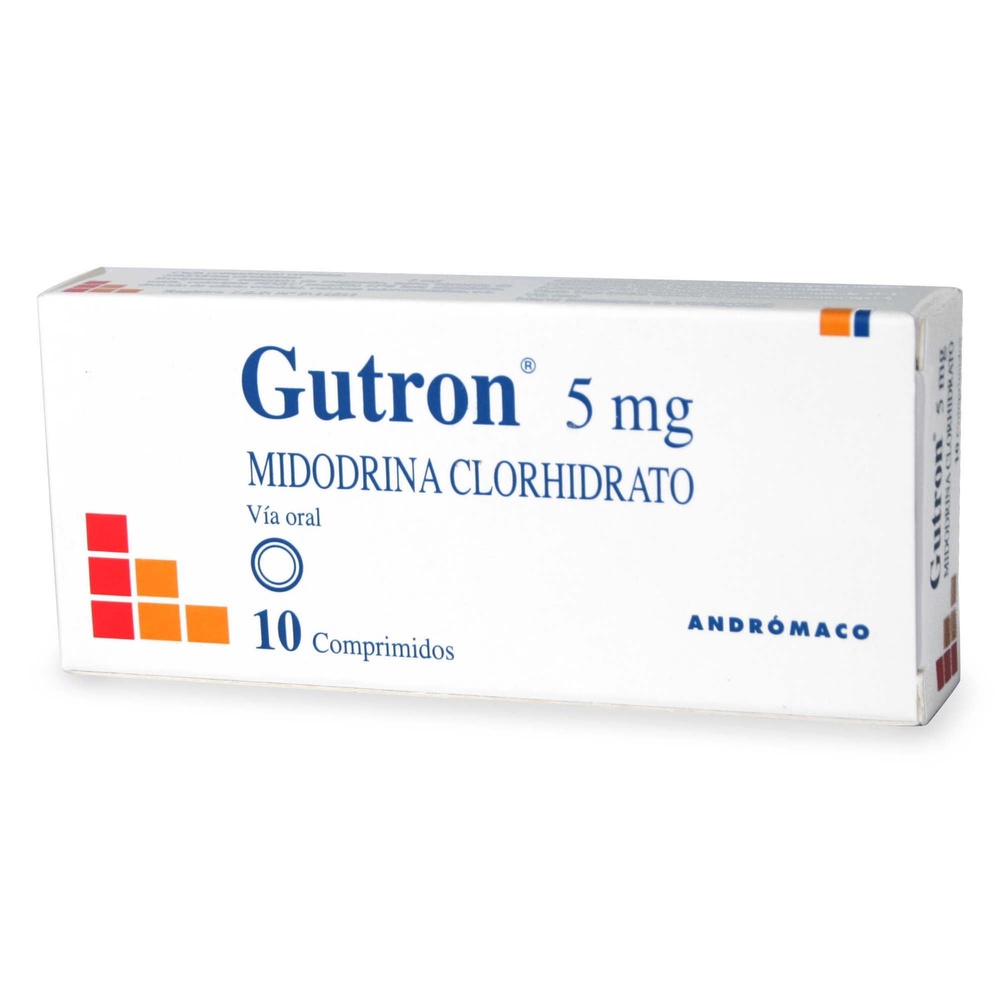
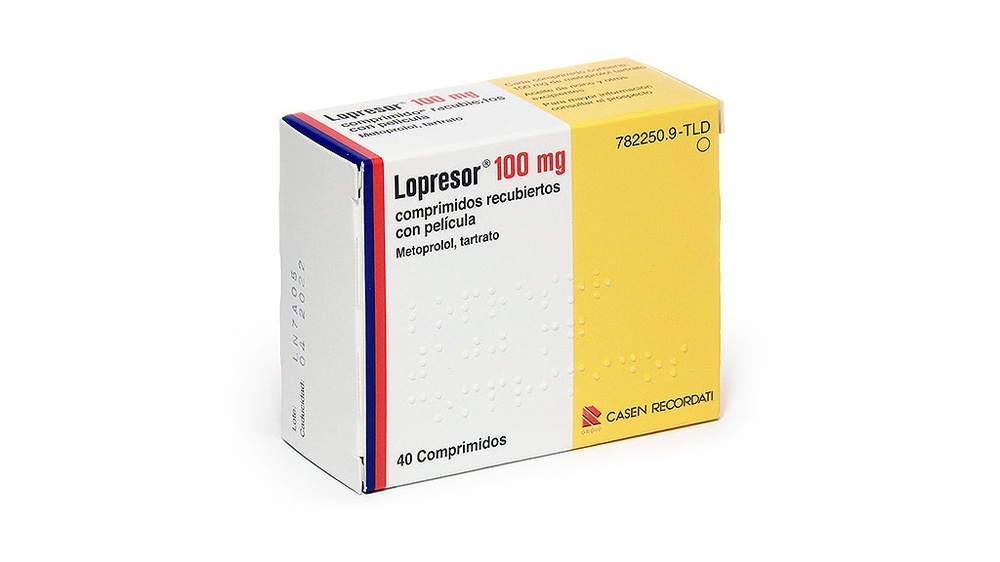
You may be prescribed medicines to help control your symptoms, such as steroids, medicines used to treat heart conditions and manage your blood pressure, and selective serotonin reuptake inhibitors (SSRIs).

You may also need to try several different medicines or combinations of medicines.

Things you can do if you have postural tachycardia syndrome (PoTS)

If you have postural tachycardia syndrome (PoTS), there are things you can try to help ease your symptoms.

If you suddenly feel faint or dizzy, you can try lying down and raising your legs until you feel better.

If you cannot lie down, you can try:

  • crossing your legs with 1 in front of the other while standing
  • rocking up and down on your toes
  • clenching your buttocks and tummy muscles
  • clenching your fists

Making changes to your lifestyle may also help with PoTS.

 Do 

  • try to avoid the things that trigger your symptoms
  • drink plenty of fluids until your pee is pale
  • try gentle exercise, such as walking, pilates and swimming – be careful when exercising and stop if you have any symptoms
  • raise the head of your bed so you're not lying completely flat
  • wear support tights to improve blood flow

 Don’t 

  • do not stand up for too long
  • do not get up too quickly after lying down – sit for a while before standing up
  • do not drink too much caffeine or alcohol

Consult with a doctor about Postural tachycardia syndrome (PoTS)

Consult with a doctor about Postural tachycardia syndrome (PoTS)

Discuss your symptoms and possible next steps with a doctor online.

Online doctors for Postural tachycardia syndrome (PoTS)

Discuss your symptoms and possible next steps for Postural tachycardia syndrome (PoTS) with a doctor online.


5.0 (111)
Doctor

Sergey Ilyasov

Psychiatry 7 years exp.

Dr Sergey Ilyasov is an experienced neurologist and qualified psychiatrist who provides online consultations for adults and adolescents. Combining deep neurological expertise with a modern psychiatric approach, he ensures comprehensive diagnostics and effective treatment for a wide range of conditions affecting both physical and mental health.

Dr. Ilyasov helps patients in the following cases:

  • Chronic headaches (migraine, tension-type headache), back pain, neuropathic pain, dizziness, numbness in limbs, coordination disorders.
  • Anxiety disorders (panic attacks, generalized anxiety disorder), depression (including atypical and treatment-resistant forms), sleep disturbances (insomnia, hypersomnia, nightmares), stress, burnout.
  • Chronic pain syndromes and psychosomatic symptoms (e.g., irritable bowel syndrome related to stress, vegetative-vascular dystonia).
  • Behavioral disorders and concentration difficulties in adolescents (including ADHD, autism spectrum disorders), nervous tics.
  • Memory impairments, phobias, obsessive-compulsive disorder (OCD), emotional swings, and support for post-traumatic stress disorder (PTSD).

Thanks to his dual specialization in neurology and psychiatry, Dr Sergey Ilyasov offers integrated and evidence-based care for complex conditions requiring a multidisciplinary approach. His consultations focus on accurate diagnosis, development of an individualized treatment plan (including pharmacotherapy and psychotherapeutic methods), and long-term support adapted to each patient's unique needs.

Book an online consultation with Dr. Sergey Ilyasov to receive qualified assistance and improve your well-being today.

5.0 (2)
Doctor

Alexander Nazarchuk

Allergology 7 years exp.

Dr. Alexander Nazarchuk is a physician specialising in allergology and internal medicine. He provides online consultations for adults, following the principles of evidence-based medicine — no outdated treatments or unnecessary tests, with clear explanations and a personalised approach. He helps patients with a wide range of allergic and therapeutic conditions, from common day-to-day complaints to complex cases involving allergies, gastrointestinal issues, cardiovascular concerns, respiratory symptoms, and more.

You can consult Dr. Nazarchuk for:

  • Test interpretation and guidance on diagnostic plans.
  • Allergic rhinitis, hay fever, bronchial asthma (including severe cases).
  • Food and drug allergies, skin rashes, angioedema.
  • Atopic dermatitis, urticaria, contact allergies.
  • Allergen-specific immunotherapy (AIT) – initiation and ongoing management.
  • Abdominal pain, bloating, changes in bowel habits, nausea, heartburn.
  • High blood pressure and adjustment of baseline antihypertensive therapy.
  • Hyperlipidaemia and elevated cholesterol.
  • Cough, nasal congestion, fever, sore throat.
  • Anaemia, including iron deficiency and related conditions.
  • Other issues related to allergology and internal medicine.

During consultations, Dr. Nazarchuk takes a thorough, structured approach — analysing symptoms, identifying potential causes, and helping patients make informed decisions. Whether treatment, further investigation, or monitoring is needed, he explains each step clearly so you understand your health and how best to manage it.

Camera Book a video appointment
€66
5.0 (5)
Doctor

Tomasz Grzelewski

Dermatology 21 years exp.

Dr Tomasz Grzelewski is an MD, PhD specialist in allergy, paediatrics, general practice and sports medicine, with a clinical focus on dermatology, endocrinology, allergology and sports-related health. He has more than 20 years of clinical experience and completed his medical training at the Medical University of Łódź, where he defended his PhD thesis with distinction. His doctoral research was recognised by the Polish Society of Allergology for its innovative contribution to the field. Throughout his career, he has gained extensive expertise in diagnosing and managing a wide range of allergic and paediatric conditions, including modern allergen desensitisation techniques. For five years, Dr Grzelewski served as the Head of two paediatric departments in Poland, managing complex clinical cases and leading multidisciplinary teams. He also worked in medical centres in the United Kingdom, gaining experience across both primary care and specialist environments. With over a decade of telemedicine experience, he has provided online consultations across Europe and is valued for his clear, structured and evidence-based medical guidance. Dr Grzelewski is actively involved in clinical programmes focused on modern anti-allergic therapies. As a Principal Investigator, he leads research projects on sublingual and oral allergen desensitisation, supporting evidence-based progress in allergy treatment for both children and adults. In addition to his background in allergology and paediatrics, he completed dermatology studies through the Cambridge Education Group (Royal College of Physicians of Ireland) and a Clinical Endocrinology course at Harvard Medical School. This advanced training enhances his ability to manage skin manifestations of allergies, atopic conditions, urticaria, endocrine-related symptoms and complex immunological reactions. Patients commonly seek his care for: 

  • seasonal and perennial allergies
  • allergic rhinitis and chronic nasal symptoms
  • asthma and breathing difficulties
  • food and medication allergies
  • urticaria, atopic dermatitis and skin reactions
  • recurrent infections in children
  • sports-related health questions
  • general family medicine concerns

Dr Tomasz Grzelewski is known for his clear communication style, structured medical approach and ability to explain treatment options in a concise and accessible way. His multidisciplinary background across allergy, paediatrics, dermatology and endocrinology allows him to provide safe, up-to-date and comprehensive care for patients of all ages.

Camera Book a video appointment
€86
0.0 (0)
Doctor

Joao Silva

General medicine 6 years exp.

Dr. João Silva is a physician with training and experience in the field of General and Family Medicine, dedicated to providing healthcare focused on the well-being and quality of life of his patients. Throughout his professional career, he has developed broad clinical competencies, striving to maintain a medical practice based on scientific evidence and continuous knowledge updates.

Between 2013 and 2019, he completed the Integrated Master's Degree in Medicine at the Abel Salazar Institute of Biomedical Sciences in Porto, where he acquired a solid academic and clinical education.

Subsequently, between January 2021 and December 2021, he completed the General Internship at the Entre Douro e Vouga Hospital Center in Santa Maria da Feira, where he had the opportunity to work in different hospital settings and deepen his competencies in several areas of medicine.

From January 2022 until March 2026, he works as a Resident Physician in General and Family Medicine at USF Salvador Machado in Oliveira de Azeméis, developing clinical activities in primary healthcare, follow-up of chronic patients, and health promotion in the community.

Complementing his medical training, Dr. João Silva also completed a Postgraduate Degree in Continuing and Palliative Care at CESPU, strengthening his preparation in the comprehensive approach to patient care, especially in situations requiring prolonged care and multidisciplinary support.

Camera Book a video appointment
€61
bg-pattern-dark

Stay informed about Oladoctor

News about new services, product updates and useful information for patients.

Follow us on social media