Varicela
La varicela es una infección común que se propaga fácilmente y afecta principalmente a los niños. Por lo general, mejora por sí sola después de 1 o 2 semanas sin necesidad de consultar a un médico, pero puede ser grave en algunas personas.
Si reconoces estos síntomas, consulta con un médico lo antes posible.


-
En esta página
-
Medicamentos comúnmente prescritos para Varicela
Solo con fines informativos. Consulta siempre a un médico antes de usar cualquier medicamento.
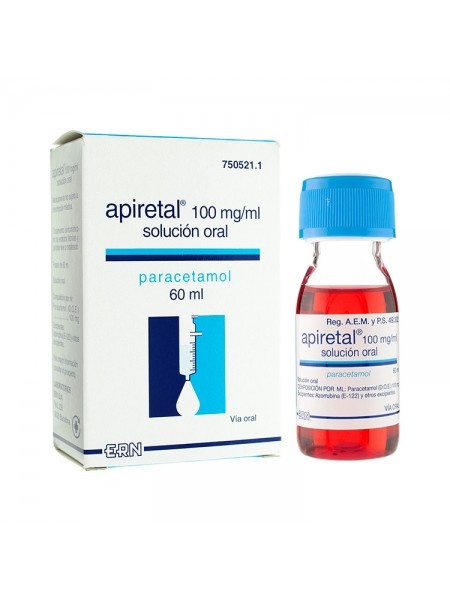
Forma farmacéutica: SOLUCIÓN/SUSPENSIÓN ORAL, 100 MG/MLPrincipio activo: ParacetamolFabricante: Ionfarma S.L.No requiere recetaForma farmacéutica: Comprimido, 1 gPrincipio activo: ParacetamolFabricante: Aristo Pharma Iberia S.L.Requiere recetaForma farmacéutica: SOLUCIÓN/SUSPENSIÓN ORAL, 100 mg/mlPrincipio activo: ParacetamolFabricante: Laboratorios Normon S.A.No requiere receta


La varicela es una infección común que se propaga fácilmente y afecta principalmente a los niños. Por lo general, mejora por sí sola después de 1 o 2 semanas sin necesidad de consultar a un médico, pero puede ser grave en algunas personas.
Síntomas de la varicela
El síntoma principal de la varicela es una erupción cutánea con manchas que pican. Puede aparecer en cualquier parte del cuerpo.
Antes o después de que aparezca la erupción, también es posible que tenga:
- fiebre alta
- dolores y molestias, y sentirse generalmente mal
- pérdida de apetito
La varicela se desarrolla en 3 etapas, pero pueden aparecer nuevas manchas mientras que otras se convierten en ampollas o forman una costra.
Etapa 1: aparecen pequeñas manchas
Las manchas pueden:
- aparecer en cualquier parte del cuerpo, incluida la boca y alrededor de los genitales, lo que puede ser doloroso
- extenderse o permanecer en una pequeña área
- ser rojas, rosas, más oscuras o del mismo color que la piel circundante, según su tono de piel
- ser más difíciles de ver en la piel morena y negra
- 1: Piel blanca con etapa 1 de la erupción de varicela (miniatura). 1
- 2: Piel marrón clara con etapa 1 de la varicela (miniatura). 2
- 3: Piel marrón clara con etapa 1 de la erupción de varicela (miniatura). 3
Etapa 2: las manchas se convierten en ampollas
Las manchas se llenan de líquido y se convierten en ampollas. Las ampollas pican mucho y pueden reventar.
- 1: Piel blanca con etapa 2 de la erupción de varicela (miniatura). 1
- 2: Piel marrón medio con etapa 2 de la erupción de varicela (miniatura). 2
- 3: Piel marrón medio con etapa 2 de la erupción de varicela (miniatura). 3
- 4: Piel marrón oscuro con etapa 2 de la erupción de varicela (miniatura). 4

Etapa 3: las ampollas se convierten en costras
Las manchas forman una costra. Algunas costras son escamosas, mientras que otras supuran líquido.
- 1: Piel blanca con etapa 3 de la erupción de varicela (miniatura). 1
- 2: Piel marrón clara con etapa 3 de la erupción de varicela (miniatura). 2
- 3: Piel marrón medio con etapa 3 de la erupción de varicela (miniatura). 3
Si no está seguro de que sea varicela
Compruebe otras erupciones en los niños
Cómo tratar la varicela en casa
Si tiene varicela, deberá quedarse en casa, en la escuela, en la guardería o en el trabajo hasta que todas las manchas hayan formado una costra. Esto suele ocurrir 5 días después de que aparezcan las manchas por primera vez.
Hay cosas que puede hacer para tratar la varicela en casa sin necesidad de consultar a un médico.
Sí
-
beba muchos líquidos (intente con polos si su hijo no bebe)
-
tome paracetamol para ayudar con cualquier dolor o molestia
-
corte las uñas de su hijo y póngale calcetines en las manos por la noche para que no se rasque
-
use cremas o geles refrescantes de una farmacia
-
consulte a un farmacéutico sobre el uso de medicamentos antihistamínicos para ayudar con la picazón
-
báñese en agua fría y seque la piel dando toques suaves (no frote)
-
vístase con ropa holgada
No
-
no use ibuprofeno a menos que un médico se lo indique, ya que puede causar infecciones cutáneas graves
-
no le dé aspirina a niños menores de 16 años
-
no se rasque las manchas, ya que rascarse puede causar cicatrices
Importante
No se acerque a los recién nacidos ni a las personas embarazadas o con un sistema inmunológico debilitado, ya que la varicela puede ser peligrosa para ellos.
Consulte a un médico si:
- no está seguro de que sea varicela
- le preocupa usted o su hijo
Dígale a la recepcionista que cree que podría ser varicela antes de entrar en la consulta de un médico.
Cómo se propaga la varicela
Puede propagar la varicela a otras personas desde 2 días antes de que aparezcan sus manchas hasta que todas se hayan convertido en costras, lo que suele ocurrir 5 días después de que aparezcan sus manchas.
Las manchas comienzan a aparecer entre 1 y 3 semanas después de contraer la varicela.
Puede contraer la varicela por:
- estar en la misma habitación que alguien que la tenga
- tocar cosas que tengan líquido de las ampollas
- alguien que tenga herpes zóster si nunca ha tenido varicela antes (pero no puede contraer herpes zóster de alguien que tenga varicela)
La vacuna contra la varicela
Por ejemplo, un niño puede ser vacunado si uno de sus padres está recibiendo quimioterapia.
También puede pagar la vacuna en algunas clínicas privadas o clínicas de viajes. Cuesta entre 120 y 200 libras.
Médicos online para Varicela
Comenta tus síntomas y los posibles siguientes pasos para Varicela con un médico online.