Celulitis
La celulitis es una infección de la piel que se trata con antibióticos. Puede ser grave si no se trata rápidamente.
Si reconoces estos síntomas, consulta con un médico lo antes posible.


-
En esta página
-
Medicamentos comúnmente prescritos para Celulitis
Solo con fines informativos. Consulta siempre a un médico antes de usar cualquier medicamento.
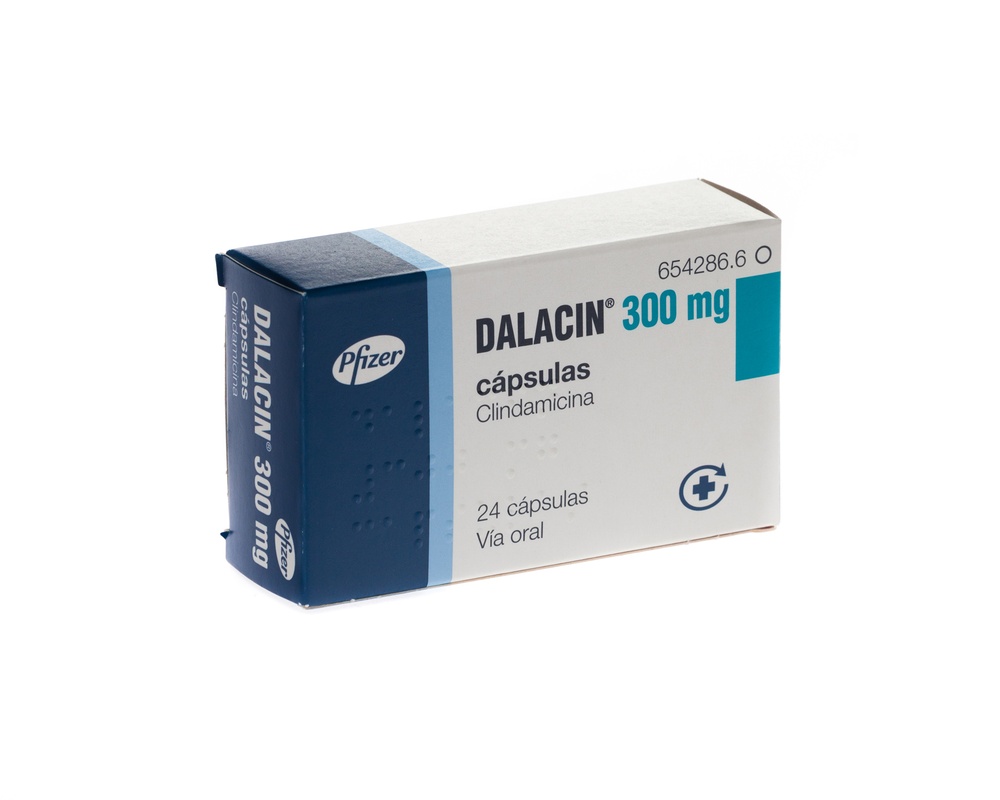
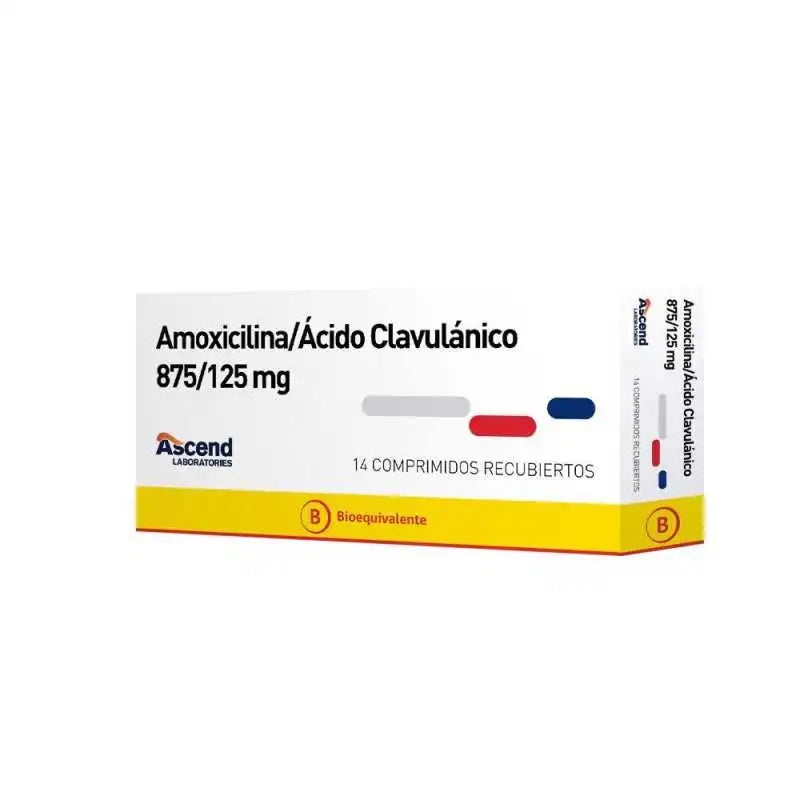
Forma farmacéutica: CAPSULA, 300 mg clindamicina hidrocloruroPrincipio activo: clindamicinaFabricante: Pfizer S.L.Requiere recetaForma farmacéutica: COMPRIMIDO, 500/125 mg/mgPrincipio activo: amoxicillin and beta-lactamase inhibitorFabricante: Aurovitas Spain, S.A.U.Requiere recetaForma farmacéutica: COMPRIMIDO, 875/125 mg/mgPrincipio activo: amoxicillin and beta-lactamase inhibitorFabricante: Viatris Pharmaceuticals S.L.U.Requiere receta
La celulitis es una infección de la piel que se trata con antibióticos. Puede ser grave si no se trata rápidamente.
Síntomas de la celulitis
La celulitis hace que su piel esté dolorida, caliente e hinchada. El área suele verse roja, pero esto puede ser menos obvio en la piel morena o negra. Su piel también puede tener ampollas.
También puede sentirse mal y tener síntomas similares a los de la gripe, con glándulas hinchadas y dolorosas.
Puede contraer celulitis en cualquier parte del cuerpo, pero es más común en las extremidades inferiores.
Tratamiento para la celulitis
Para la celulitis leve que afecta una pequeña área de la piel, un médico le recetará tabletas antibióticas, generalmente durante una semana.
Sus síntomas pueden empeorar en las primeras 48 horas del tratamiento, pero luego deberían comenzar a mejorar.
Póngase en contacto con su médico de cabecera si no comienza a sentirse mejor de 2 a 3 días después de comenzar los antibióticos.
Es importante seguir tomando antibióticos hasta que se terminen, incluso cuando se sienta mejor.
La mayoría de las personas se recuperan por completo después de 7 a 10 días.
Si la celulitis es grave, es posible que lo remitan al hospital para recibir tratamiento.
Para evitar que la celulitis regrese
A algunas personas con celulitis recurrente se les pueden recetar antibióticos a largo plazo en dosis bajas para evitar que regresen las infecciones.
Cosas que puede hacer para ayudar con la celulitis
Además de tomar antibióticos para la celulitis, puede ayudar a acelerar su recuperación mediante:
- tomar paracetamol o ibuprofeno para el dolor
- elevar la parte del cuerpo afectada sobre una almohada o silla cuando esté sentado o acostado, para reducir la hinchazón
- mover regularmente la articulación cerca de la parte del cuerpo afectada, como la muñeca o el tobillo, para evitar que se ponga rígida
- beber muchos líquidos para evitar la deshidratación
- no usar medias de compresión hasta que se sienta mejor
Puede reducir las posibilidades de volver a contraer celulitis mediante:
- mantener la piel limpia y bien hidratada
- limpiar cualquier corte o herida y usar crema antiséptica
- prevenir cortes y rasguños usando ropa y calzado adecuados
- usar guantes si trabaja al aire libre
Complicaciones de la celulitis
Si la celulitis no se trata rápidamente, la infección puede propagarse a otras partes del cuerpo, como la sangre, los músculos y los huesos.
Llame al 112 o vaya al servicio de urgencias si:
Tiene celulitis con:
- una temperatura muy alta, o si se siente caliente y con escalofríos
- frecuencia cardíaca rápida o respiración rápida
- parches morados en su piel, pero esto puede ser menos obvio en la piel morena o negra
- sensación de mareo o desmayo
- confusión o desorientación
- piel fría, húmeda o pálida
- falta de respuesta o pérdida del conocimiento
Estos son síntomas de complicaciones graves, que pueden poner en peligro la vida.
No conduzca al servicio de urgencias. Pídale a alguien que lo lleve o llame al 112 y pida una ambulancia.
Traiga cualquier medicamento que esté tomando.
Cómo contrae celulitis
La celulitis suele ser causada por una infección bacteriana.
Las bacterias pueden infectar las capas más profundas de su piel si está rota, por ejemplo, debido a una picadura de insecto o un corte, o si está agrietada y seca.
A veces, la ruptura de la piel es demasiado pequeña para notarse.
No puede contraer celulitis de otra persona, ya que afecta las capas más profundas de la piel.
Tiene más riesgo de celulitis si:
- tiene una mala circulación en sus brazos, piernas, manos o pies, por ejemplo, porque tiene sobrepeso
- le resulta difícil moverse
- tiene un sistema inmunológico debilitado, por ejemplo, debido a un tratamiento de quimioterapia o diabetes
- tiene linfedema, que causa acumulación de líquido debajo de la piel
- se inyecta drogas
- tiene una herida de una cirugía
- ha tenido celulitis antes
Las personas que tienen más riesgo de celulitis deben tratar pie de atleta rápidamente.

Médicos online para Celulitis
Comenta tus síntomas y los posibles siguientes pasos para Celulitis con un médico online.