Úlceras por presión (escaras)
Las úlceras por presión (escaras o llagas de decúbito) son áreas de daño en su piel y el tejido que se encuentra debajo. Tiene una mayor probabilidad de desarrollarlas si tiene dificultad para moverse.




-
En esta página
-
Medicamentos comúnmente prescritos para Úlceras por presión (escaras)
Solo con fines informativos. Consulta siempre a un médico antes de usar cualquier medicamento.
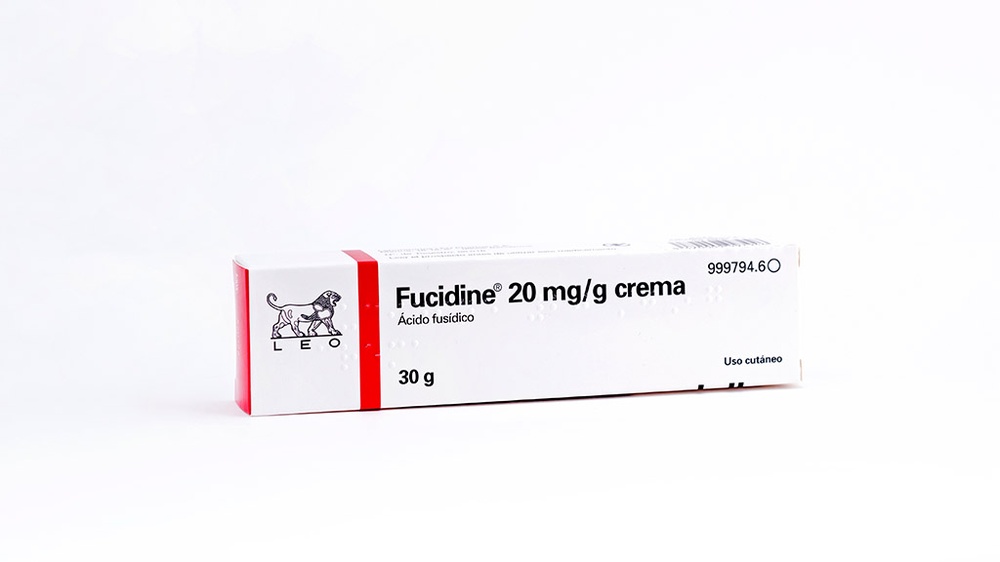
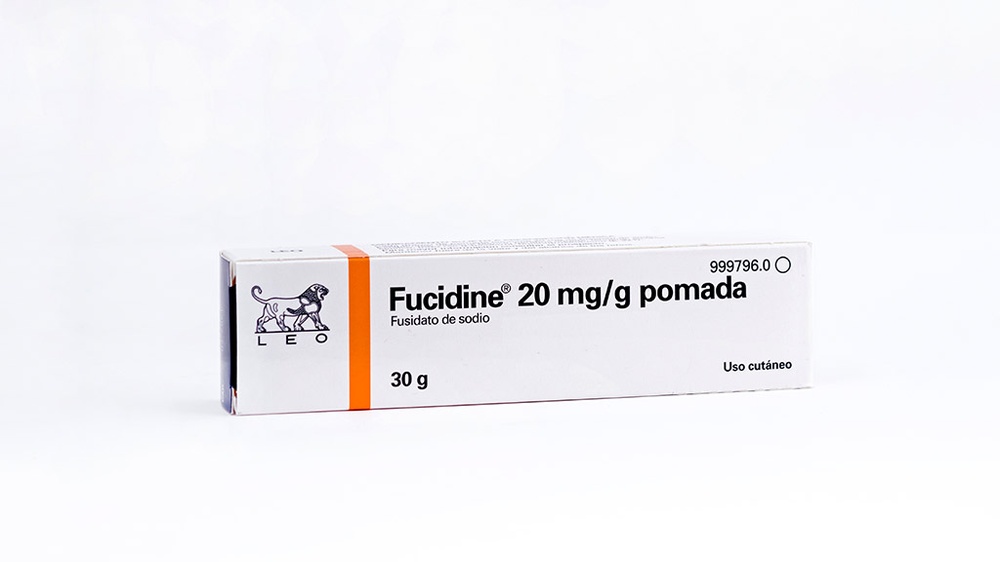
Forma farmacéutica: CREMA, 2 %Principio activo: Fusidico acidoFabricante: Laboratorios Leo Pharma S.A.Requiere recetaForma farmacéutica: CREMA, 20 mg/gPrincipio activo: Fusidico acidoFabricante: Redox Farma S.L.U.Requiere recetaForma farmacéutica: POMADA, 2 %Principio activo: Fusidico acidoFabricante: Laboratorios Leo Pharma S.A.Requiere receta

Las úlceras por presión (escaras o llagas de decúbito) son áreas de daño en su piel y el tejido que se encuentra debajo. Tiene una mayor probabilidad de desarrollarlas si tiene dificultad para moverse.
Síntomas de una úlcera por presión
Las úlceras por presión generalmente se forman en las partes óseas del cuerpo, como los talones, los codos, las caderas y el coxis.
Los síntomas de una úlcera por presión incluyen:
- parches de piel decoloridos que no cambian de color al presionarlos – los parches suelen ser rojos en la piel blanca, o morados o azules en la piel negra o marrón
- un parche de piel que se siente caliente, esponjoso o duro
- dolor o picazón en el área de la piel afectada
Las úlceras generalmente se desarrollan gradualmente, pero a veces pueden aparecer en unas pocas horas.
Pueden convertirse en una ampolla o herida abierta. Si no se tratan, pueden empeorar y eventualmente alcanzar las capas más profundas de la piel o los músculos y los huesos.
Consulte a un médico de cabecera si:
- piensa que usted o alguien que cuida tiene una úlcera por presión
Tratamientos para las úlceras por presión
La forma en que se trata una úlcera por presión depende de su gravedad.
Cambiar de posición y moverse regularmente es importante para ayudar a aliviar la presión sobre las úlceras y ayudar a evitar que se formen nuevas.
Otros tratamientos incluyen:
- colchones y cojines especialmente diseñados
- vendajes para proteger la úlcera y ayudarla a sanar
- cremas y ungüentos
- antibióticos si la úlcera está infectada
- limpieza de la úlcera
Si la úlcera por presión es grave u otros tratamientos no han funcionado, es posible que necesite cirugía para limpiar y cerrar la úlcera.
Causas de las úlceras por presión
Las úlceras por presión son causadas por algo que ejerce presión o frota su piel.
Le puede pasar a cualquiera, pero generalmente ocurre si tiene problemas para moverse, ya que esto puede significar que el peso de su cuerpo siempre ejerce presión sobre las mismas áreas de la piel, lo que puede dañarla.
Tiene una mayor probabilidad de desarrollar una úlcera por presión si:
- tiene problemas para moverse
- ha tenido una úlcera por presión antes
- ha estado gravemente enfermo en cuidados intensivos o se ha sometido recientemente a una cirugía
- tiene bajo peso
- tiene la piel hinchada, sudorosa o agrietada
- tiene mala circulación o piel frágil
- tiene problemas para sentir sensaciones o dolor
Cosas que puede hacer para prevenir las úlceras por presión
Si lo están cuidando en casa, hay cosas que usted y su equipo de atención médica pueden hacer para reducir sus posibilidades de desarrollar una úlcera por presión.
Haga
- cambie de posición regularmente
- use colchones y cojines especialmente diseñados
- revise su piel todos los días en busca de síntomas de una úlcera por presión
- intente mantenerse activo, si es posible
- coma una dieta saludable y equilibrada
No haga
- no fume
Si lo están cuidando en casa y cree que está en riesgo de desarrollar úlceras por presión, puede pedirle a un médico de cabecera una evaluación de riesgos para que su equipo de atención médica pueda elaborar un plan para prevenirlas.

Médicos online para Úlceras por presión (escaras)
Comenta tus síntomas y los posibles siguientes pasos para Úlceras por presión (escaras) con un médico online.