Cystitis
Cystitis is a urinary tract infection (UTI) that affects the bladder. It's common, particularly in women. It often gets better by itself, but may sometimes be treated with antibiotics.





-
En esta página
-
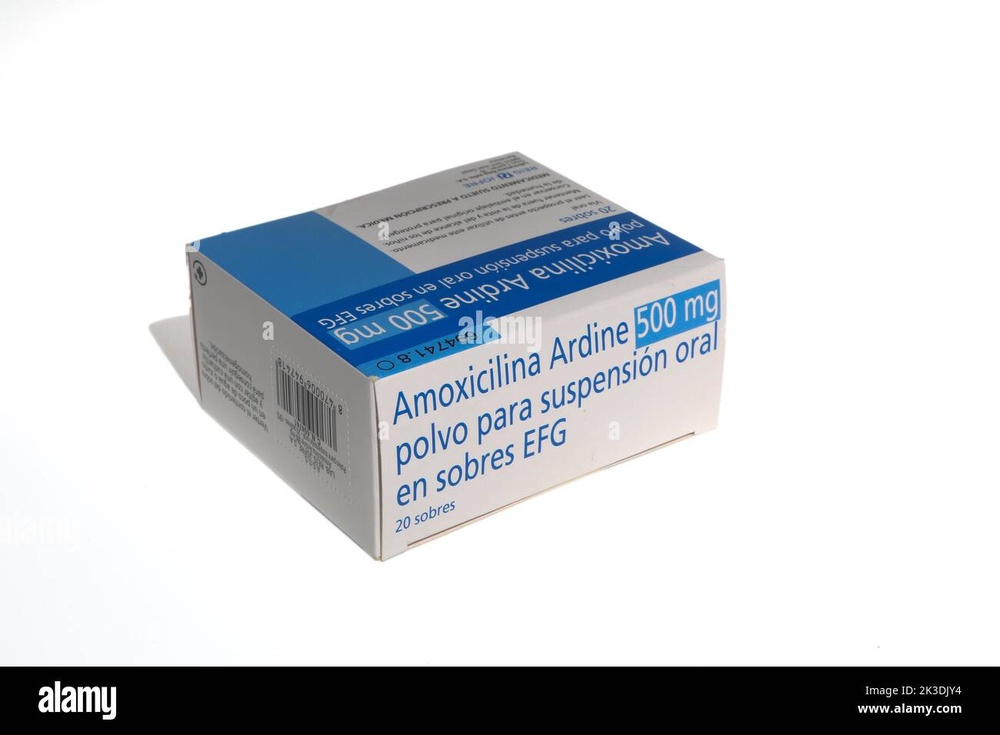
Medicamentos comúnmente prescritos para Cystitis
Solo con fines informativos. Consulta siempre a un médico antes de usar cualquier medicamento.
Forma farmacéutica: TABLET, 750 mgPrincipio activo: amoxicillinFabricante: Towa Pharmaceutical S.A.Requiere recetaForma farmacéutica: TABLET, 500 mgPrincipio activo: amoxicillinFabricante: Laboratorio Reig Jofre, S.A.Requiere recetaForma farmacéutica: INJECTABLE, -Principio activo: amoxicillinFabricante: Ldp Laboratorios Torlan S.A.Requiere receta

Cystitis is a urinary tract infection (UTI) that affects the bladder. It's common, particularly in women. It often gets better by itself, but may sometimes be treated with antibiotics.
Some people get cystitis frequently and may need regular or long-term treatment.
Symptoms of cystitis
Symptoms of cystitis include:
- pain, burning or stinging when you pee
- needing to pee more often and urgently than usual
- pee that's dark, cloudy or strong smelling
- pain low down in your tummy
Symptoms in young children may also include:
- a high temperature – they feel hotter than usual if you touch their neck, back or tummy
- wetting themselves
- reduced appetite and being sick
- weakness and irritability
In older, frail people with cognitive impairment (such as dementia) and people with a urinary catheter, symptoms may also include:
- changes in behaviour, such as acting confused or agitated (delirium)
- wetting themselves more than usual
- shivering or shaking (rigors)
See a GP if:
- you think you have cystitis and your symptoms have not gone away within 3 days
- your symptoms have not gone away after treatment with antibiotics
- you have severe cystitis symptoms, such as severe pain in your lower tummy
- you get cystitis symptoms frequently
- you have symptoms of cystitis and you're pregnant or you're a man
- your child has symptoms of cystitis
Treatment from a GP
If you have cystitis, a GP may:
- offer self-care advice and recommend taking a painkiller
- do a urine test, although this is not always needed
- give you a prescription for a 3-day course of antibiotics
- give you a prescription for antibiotics but suggest you wait for 48 hours before taking them, in case your symptoms go away on their own
Treatment for cystitis that keeps coming back
If you keep getting cystitis, a GP may prescribe:
- a single-dose antibiotic to take within 2 hours of having sex, if you've noticed sex triggers cystitis
- a low-dose antibiotic to take for up to 6 months
- a vaginal oestrogen cream, if you have gone through the menopause
In some women, antibiotics do not work or urine tests do not pick up an infection even though you have cystitis symptoms.
This may mean you have a long-term (chronic) bladder infection that is not picked up by current urine tests. Ask the GP for a referral to a specialist for further tests and treatment.
Long-term infections are linked to an increased risk of bladder cancer in people aged 60 and over.
Things you can try yourself
If you have mild symptoms of cystitis, it can help to:
- take paracetamol up to 4 times a day to reduce pain
- give children paracetamol – follow the instructions on the bottle
- drink plenty of water
- hold a hot water bottle over your lower tummy
- avoid having sex
- avoid drinks that may irritate your bladder, like fruit juices, coffee and alcohol
- pee frequently
Some people take cystitis sachets or cranberry drinks and products every day to prevent cystitis from happening, which might help. However, there’s no evidence they help ease symptoms or treat cystitis if the infection has already started.
A pharmacist can help with cystitis
You can ask a pharmacist about treatments for cystitis. A pharmacist can:
- offer advice on things that can help you get better
- suggest the best painkiller to take
- tell you if you need to see a GP about your symptoms
Some pharmacies offer a cystitis management service. They may be able to give antibiotics if they're needed.
Causes of cystitis
Cystitis is usually caused by bacteria from poo getting into the tube that carries urine out of your body (urethra).
Women have a shorter urethra than men. This means bacteria are more likely to reach the bladder and cause an infection.
Things that increase the chance of bacteria getting into the bladder include:
- having sex
- wiping your bottom from back to front after going to the toilet
- urinary catheters (a tube in your bladder used to drain urine)
- using spermicide with contraception
- conditions that block the urinary tract, such as kidney stones
- being pregnant
- conditions that make it difficult to fully empty the bladder, such as an enlarged prostate gland in men
- having been through the menopause
- having diabetes
- having a weakened immune system
How to prevent cystitis
If you get cystitis frequently, there are some things you can try to help prevent it returning.

Do
- wipe from front to back when you go to the toilet
- pee as soon as possible after sex
- drink plenty of fluids, especially water – so that you pee regularly during the day and do not feel thirsty
- have a shower rather than a bath – this stops exposing your genitals to cleaning products for too long
- wash the skin outside the vagina (vulva) with water before and after sex
- change soiled nappies or incontinence pads promptly
- keep the genital area clean and dry
Don’t
- do not use scented soap, bubble bath or talcum powder
- do not use spermicide with diaphragm or condoms – try non-spermicidal lube or different type of contraception
- do not hold your pee in if you feel the urge to go
- do not rush when going for a pee – try to fully empty your bladder
- do not drink lots of alcoholic drinks or coffee – they may irritate your bladder
- do not have lots of sugary foods or drinks – they may encourage bacteria to grow
Other ways to prevent cystitis coming back
If you keep getting cystitis, there is some evidence you may find it helpful to take:
- D-mannose – a sugar you can buy as a powder or tablets to take every day
- cranberry products – available as juice, tablets or capsules to take every day
Be aware that D-mannose and cranberry products can contain a lot of sugar. If you're taking warfarin, you should avoid cranberry products.
Médicos online para Cystitis
Comenta tus síntomas y los posibles siguientes pasos para Cystitis con un médico online.