Cluster headaches
Cluster headaches are severe attacks of pain that can last for long periods. They're not caused by another illness. They can have a real impact on your life, but there are treatments that can help.





-
En esta página
- Symptoms of a cluster headache
- See a GP if:
- Get an urgent GP appointment or call 112 if:
- Call 112 or go to A&E now if:
- What happens at your appointment
- Treatments for cluster headaches
- Treatments that help during a cluster headache
- Treatments to prevent a cluster headache
- Causes of a cluster headache
-
Medicamentos comúnmente prescritos para Cluster headaches
Solo con fines informativos. Consulta siempre a un médico antes de usar cualquier medicamento.
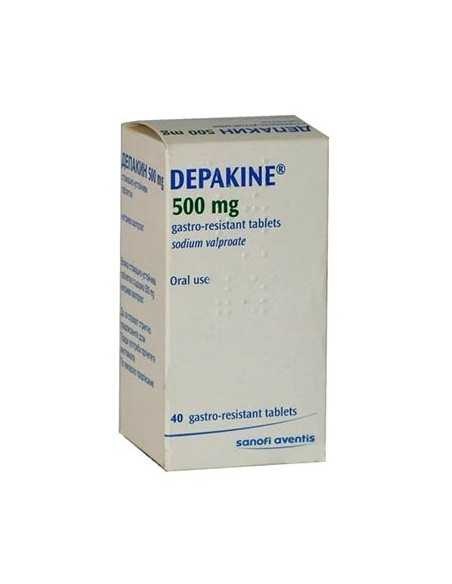
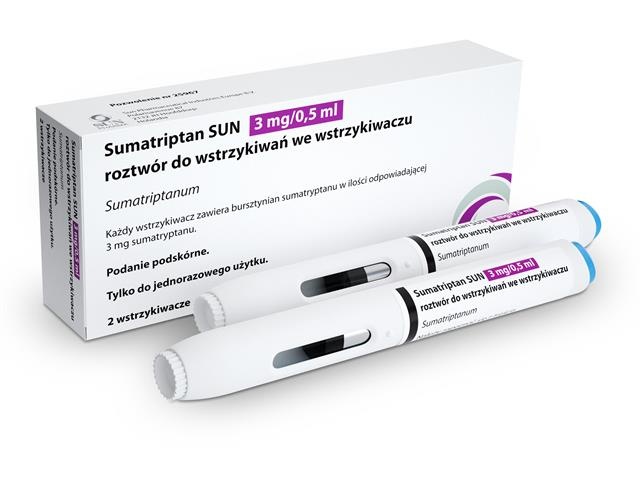
Forma farmacéutica: TABLET, 500 mg sodium valproatePrincipio activo: valproic acidFabricante: Sanofi Aventis S.A.Requiere recetaForma farmacéutica: MODIFIED-RELEASE TABLET, 240 mg verapamil hydrochloridePrincipio activo: verapamilFabricante: Viatris Healthcare LimitedRequiere recetaForma farmacéutica: INJECTABLE, 3 mg/ 0.5 mlPrincipio activo: sumatriptanFabricante: Sun Pharmaceutical Industries (Europe) B.V.Requiere receta

Cluster headaches are severe attacks of pain that can last for long periods. They're not caused by another illness. They can have a real impact on your life, but there are treatments that can help.
Symptoms of a cluster headache
Cluster headaches are severe headaches that can happen multiple times a day and continue for weeks or months. They may stop for a while (weeks, months or years), or there may be no gap between headaches.
The main symptoms of a cluster headache include:
- a sharp, burning or piercing pain, usually on 1 side of the head, around the eye
- headaches that happen at the same time of year or at set times of the day
- headaches that start and stop quickly, without warning
- pain that can make you feel restless, you may want to walk around or move your body
- headaches that last between 15 minutes and 3 hours
You may also get other symptoms, such as:
- a red and watering eye on the same side as the pain
- feeling sick
- drooping and swelling in the eyelid on the same side as the pain
- a smaller pupil in the eye on the same side as the pain
- face sweating
- a blocked or runny nose
Cluster headaches are rare but some of their common symptoms can be the same as other conditions, such as migraine.
See a GP if:
- you think you might have cluster headaches
- your headaches keep coming back
- painkillers such as ibuprofen and paracetamol do not help your headaches
- your headaches are so painful they make you restless and agitated
- you've been diagnosed with cluster headaches and they're getting worse, lasting longer than usual, or your usual treatments are not helping
Get an urgent GP appointment or call 112 if:
You have a severe headache and:
- jaw pain when eating
- blurred or double vision
- a sore scalp
- other symptoms, such as numbness or weakness in the arms or legs
These could be symptoms of temporal arteritis.
Call 112 or go to A&E now if:
You have either of these symptoms for the first time (even if you've already been diagnosed with cluster headaches):
- 1 of your eyelids is drooping
- the pupil in 1 of your eyes is smaller than the other
Find your nearest A&E
What happens at your appointment
There are no specific tests to diagnose cluster headaches. A GP will ask you about the pain, location and frequency of your headaches. They’ll also ask about any other symptoms you’re having.
Other conditions can have similar symptoms to cluster headaches. A GP may refer you to a specialist for a brain scan to rule out other possible causes of your symptoms.
Treatments for cluster headaches
There’s no cure for cluster headaches, but a specialist may recommend treatments to help ease and prevent symptoms.
Painkillers, such as paracetamol and ibuprofen, do not work.
Treatments that help during a cluster headache
If a cluster headache has already started, the main treatments include:
- medicines called triptans, given as an injection or a nasal spray
- oxygen, which is breathed through a mask
- using a device to give mild electrical pulses to the back of the neck
Rarely, when other treatments have not worked, you may be offered surgery. This involves implanting a small device to help treat your headaches.
Treatments to prevent a cluster headache
Your GP may prescribe medicines that can help to prevent a cluster headache before it starts.
These can include corticosteroids, verapamil or lithium.
Ask a GP for advice about common triggers. Understanding this may help you to avoid a cluster headache
Causes of a cluster headache
It’s not known what causes cluster headaches.
They’re more common in men in their 30s and 40s, or if you have a close family member who gets them.
Some people find certain triggers can cause cluster headaches, such as:
- smoking
- drinking alcohol
- perfume
- the smell of paint, nail varnish or petrol
- exercise
Keeping a headache diary may help you to understand your triggers.

Médicos online para Cluster headaches
Comenta tus síntomas y los posibles siguientes pasos para Cluster headaches con un médico online.