


Tratamiento online de dermatitis, eccema y erupciones
Alivio del picor, enrojecimiento y placas descamativas con una videoconsulta dermatológica. Comparte fotos claras y recibe un plan de cuidado personalizado.
 Evaluación online con dermatólogo o médico de familia según tu preferenciaOpciones de tratamiento con base científica: emolientes, corticoides tópicos o inhibidores de la calcineurina, según el casoReceta médica electrónica, cuando proceda, utilizable en su farmacia localIndicaciones para prevenir brotes (alérgenos, “trabajo húmedo”, cosméticos)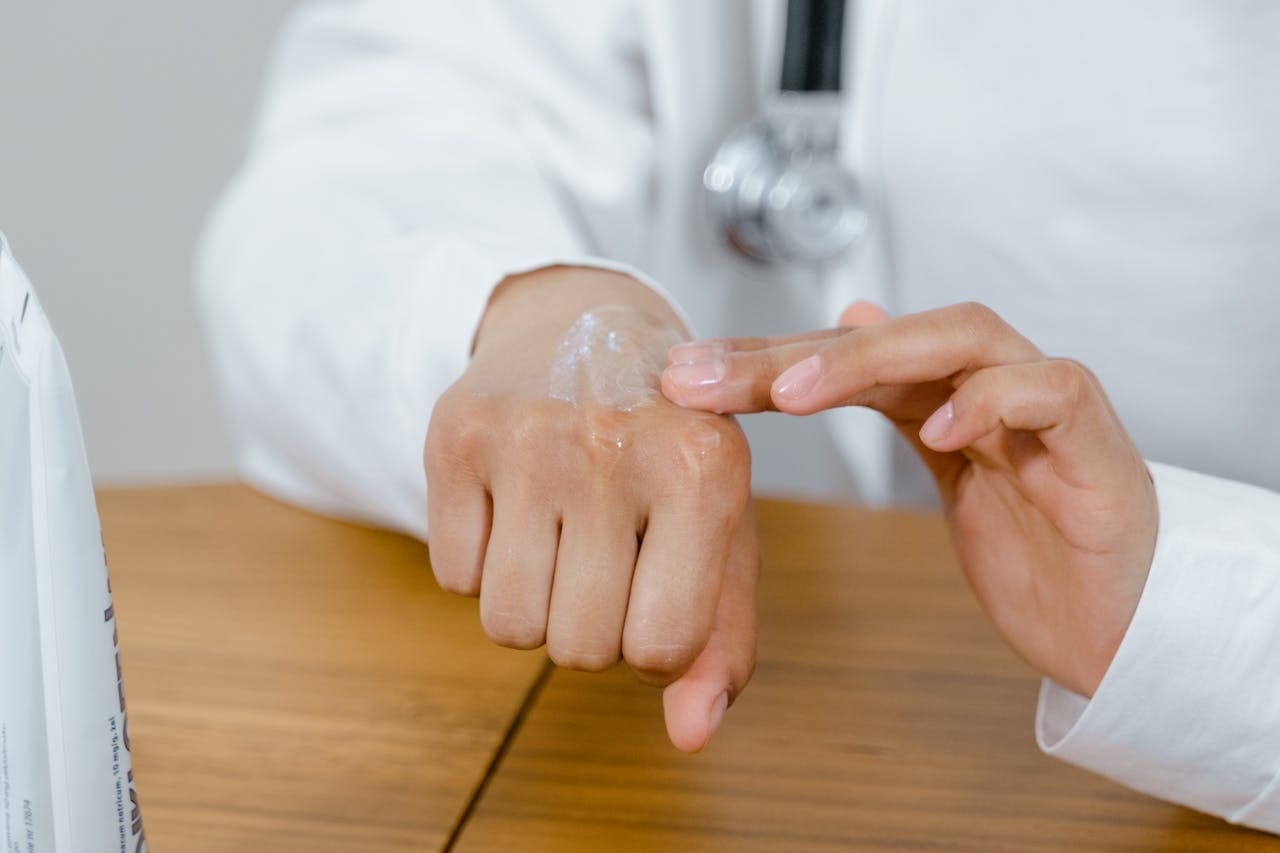
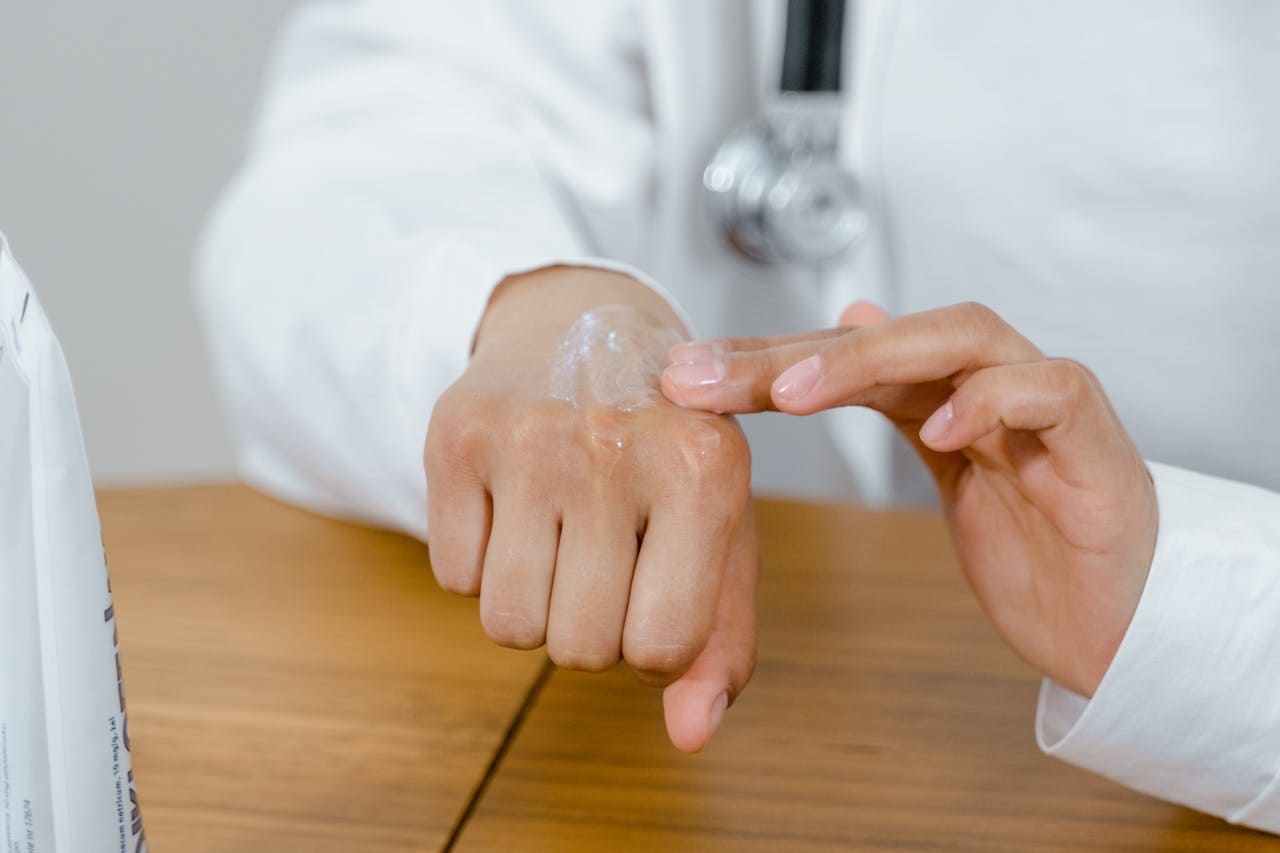
Cómo funciona el tratamiento online para dermatitis y eccema
De la reserva al plan de cuidado en una sola videoconsulta.
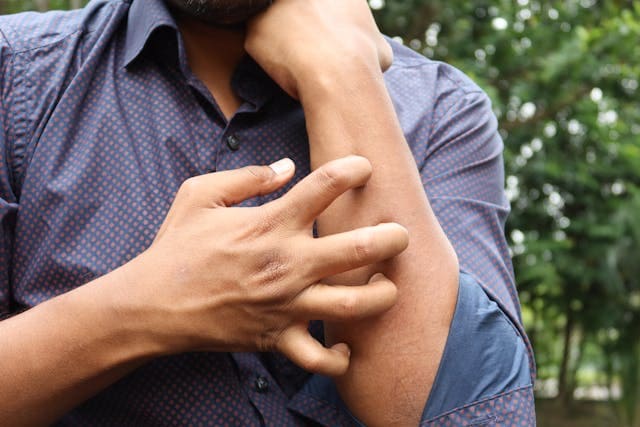
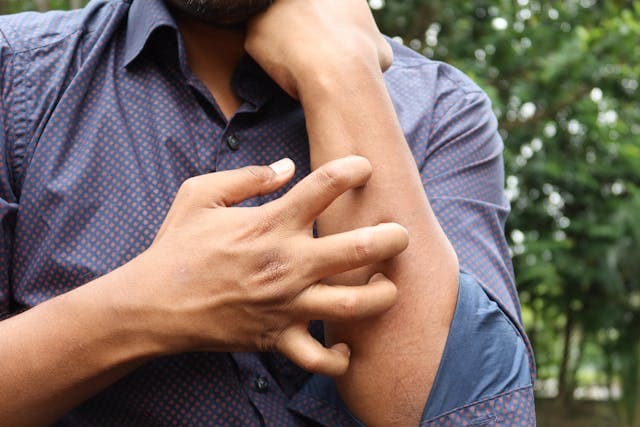
Nota: si aparece enrojecimiento que se expande con dolor, pus o fiebre, o hay afectación de párpados/ojos, acude a Urgencias para valoración presencial.
Dermatólogos y médicos de familia online para dermatitis y eccema
Compara perfiles por experiencia e idioma y reserva una videoconsulta para dermatitis, eccema o erupciones. El tratamiento lo determina el médico; receta médica electrónica cuando proceda, válida en tu farmacia local.


Dermatitis, eccema y erupciones: guía de síntomas, causas y tratamiento
Diferencias clave, desencadenantes frecuentes y rutina de cuidado. Opciones tópicas con base científica (emolientes, corticoides, inhibidores de la calcineurina), uso seguro y prevención; cuándo valorar pruebas del parche.

¿Dermatitis, eccema o “erupción”? Qué significa cada término
Dermatitis es inflamación de la piel (enrojecimiento, sequedad, picor y a veces descamación). Eccema (eczema) es un tipo de dermatitis con tendencia a brotes, la más frecuente es la dermatitis atópica. En el uso cotidiano, “erupción/sarpullido” es un término genérico; el eccema es solo una posible causa entre otras (infecciones, alergias, psoriasis, irritación por calor).
- Dermatitis atópica: placas muy pruriginosas y secas en pliegues (codos/rodillas), cuello o manos.
- Dermatitis de contacto: irritación o alergia a jabones, perfumes, níquel, tintes; aparece justo donde tocó el desencadenante.
- Dermatitis seborreica: enrojecimiento con escama fina en cuero cabelludo, cejas y aletas nasales (“caspa” en el cuero cabelludo).
- Eccema numular (discoide): placas redondeadas en extremidades o tronco.

Desencadenantes diarios y rutina para reducir los brotes
Los brotes de dermatitis/eccema suelen empeorar por irritantes cotidianos: perfumes y alcoholes en cosméticos, jabones agresivos, lana o tejidos ásperos, sudor y el trabajo húmedo (lavar, limpiar, peluquería, sanidad). La regla básica es quitar lo que irrita: pasa a productos sin perfume, usa sustitutos del jabón y prioriza prendas de algodón que no rocen (AEDV).
La hidratación es tratamiento. Aplica emoliente 2–3 veces al día y dentro de los 3 minutos tras la ducha para “sellar” la humedad. En piel muy seca funcionan mejor bálsamos/ungüentos; en clima cálido, lociones ligeras. Busca fórmulas con urea 5–10 % o ceramidas para reparar la barrera. Extiende el producto sin frotar y lleva un formato pequeño para reaplicar en manos después de cada lavado (AEDV).
En el baño, elige agua templada y duchas cortas. Evita el agua muy caliente, los exfoliantes duros y secarte con fricción; mejor dar toques con la toalla y después hidratar. En la colada, un detergente sin fragancias y, si puedes, doble aclarado; muchas pieles sensibles notan menos picor con estos cambios sencillos.
Si trabajas con agua o químicos, usa guantes de nitrilo y, si sudas, forro de algodón por dentro. Cambia los guantes cuando se humedezcan y reaplica emoliente al terminar. En exteriores, usa fotoprotector apto para piel sensible: menos perfume, más adherencia.
Cuando el brote aparece exactamente donde rozó un producto u objeto (reloj, pendientes, tinte, un cosmético concreto), piensa en dermatitis de contacto: eliminar el desencadenante suele ser la mitad del tratamiento. Si los episodios se repiten, tu médico puede valorar pruebas del parche para identificar alérgenos (níquel, fragancias, conservantes) y darte una lista de evitación (Actas Dermo-Sifiliográficas).

Escalera de tratamiento: de emolientes a cremas con receta
La base de cualquier plan es el emoliente diario: restaura la barrera y reduce el picor. Úsalo 2–3 veces al día y siempre tras la ducha. Fórmulas con urea 5–10 % o ceramidas suelen funcionar bien en piel seca; en clima cálido, lociones ligeras; en brotes intensos, bálsamos más densos.
Cuando hay brote, se añaden antiinflamatorios tópicos según zona y gravedad. En cara y pliegues se usan cursos de baja potencia (p. ej., hidrocortisona 1 %) o alternativas esteroide-ahorradoras como pimecrolimus 1 % (Elidel®) o tacrolimus 0,03–0,1 % (Protopic®). En tronco y extremidades son habituales potencias medias por tiempo limitado: butirato de hidrocortisona 0,1 % (Locoid®), metilprednisolona aceponato 0,1 % (Lexxema®/Advantan®), furoato de mometasona 0,1 % (Elocon®) o valerato de betametasona 0,1 % (Alergical®/Betnovate®). Los muy potentes (p. ej., clobetasol 0,05 %) se reservan para placas gruesas y cursos cortos y focales.
Para zonas delicadas (párpados, pliegues) y la prevención de recaídas, suele usarse una estrategia proactiva: tras controlar el brote, aplicar 2 veces/semana en las áreas que siempre recaen (a menudo con tacrolimus/pimecrolimus o corticoide de baja potencia). Así se espacian los brotes sin abusar de los esteroides.
Si el cuero cabelludo está afectado (dermatitis seborreica), combina el cuidado de la piel con champús medicados (p. ej., ketoconazol) y, si hace falta, soluciones/espumas tópicas para esas zonas. El prurito nocturno mejora más con barrera + antiinflamatorio que con antihistamínicos; estos últimos ayudan solo si hay urticaria asociada.
Seguridad en breve: potencia y localización importan más que la marca; evita usar potencias altas en párpados o pliegues y limita la duración de los cursos.

Uso seguro de tratamientos tópicos (sin efectos indeseados)
El medicamento correcto en la zona correcta. En cara, párpados y pliegues se usan opciones de baja potencia y cursos cortos; en tronco y extremidades, potencias medias durante un tiempo limitado; los muy potentes solo en placas gruesas y de forma breve y focal. Para áreas delicadas o mantenimiento, los inhibidores de la calcineurina (tacrolimus/pimecrolimus) ayudan a espaciar brotes sin abusar del corticoide.
Cuánta cantidad aplicar (regla FTU). No sirve “a ojo”. Dosa por unidades de yema del dedo (FTU): 1 FTU (de la punta al primer pliegue del índice) cubre aprox. dos palmas adultas. Esto asegura suficiente fármaco para apagar la inflamación sin excederse (ver guía FTU en Guía Farma Pediátrica).
Duración y descenso. Trata el brote con un curso limitado (p. ej., 5–7 días con potencias más altas) y luego desciende: reduce potencia o frecuencia en lugar de cortar en seco. En zonas que recaen siempre, una pauta proactiva (p. ej., 2 días/semana en esos puntos) disminuye la frecuencia de brotes.
Aplicación correcta y señales de alarma. Piel limpia y seca, rutina sin perfume, evita oclusión salvo indicación. No uses corticoides potentes en párpados ni pliegues profundos. Si no mejoras en 7–10 días, aparece enrojecimiento que se expande, exudado o costras, revisa el plan con el médico: puede requerir ajuste de potencia, duración o diagnóstico.

Mantenimiento y prevención de recaídas
Tras controlar el brote, el objetivo es mantener la piel estable y espaciar recaídas. Funciona mejor una pauta proactiva: en las zonas que siempre “rebotan” (párpados, pliegues, manos), aplicar 1–2 veces por semana el tratamiento indicado por el médico (corticoide de baja potencia o inhibidor de la calcineurina) en lugar de esperar al siguiente brote (AEDV).
La barrera cutánea necesita constancia: emoliente 2–3 veces al día y siempre después de la ducha (“sellar” la humedad). En el día a día, reduce desencadenantes: cosméticos con perfume/alcohol, jabones agresivos, lana/tejidos ásperos, sudor y trabajo húmedo. Para manos, usa sustituto del jabón, guantes de nitrilo (con forro de algodón si sudas) y reaplica crema tras cada lavado.
Cuando los brotes aparecen exactamente donde roza un producto u objeto (reloj, pendientes, tinte, un cosmético concreto), sospecha dermatitis de contacto: eliminar el alérgeno es tan importante como la crema. Si los episodios persisten, tu médico puede valorar pruebas del parche para identificar níquel, fragancias o conservantes y darte una lista de evitación.
Para cuero cabelludo con dermatitis seborreica, mantén 2–3 lavados/semana con champú medicado y reduce a 1 vez/semana como mantenimiento; complementa con soluciones/espumas tópicas en zonas rebeldes. En épocas de estrés, clima seco o frío, sube la hidratación y simplifica la rutina (menos productos, más adherencia).
Revisa la pauta si reaparecen picor nocturno, placas en los mismos sitios o necesidad de tratamientos “de rescate” cada pocas semanas: puede requerir ajustar potencia, frecuencia o investigar alergias de contacto.
Lo que valoran nuestros pacientes






Tu guía para la salud en España
Guías prácticas sobre el sistema sanitario en España, seguros, normas de prescripción y precios.

Análisis clínico: el bajo conocimiento sobre la disfunción eréctil en Europa y su impacto en la salud masculina

Georgi Eremeishvili
24 de junio de 2026
Temporada de gripe en España 2026
Oladoctor Editorial Team
29 de noviembre de 2025

Detección de cáncer de próstata después de los 40
Oladoctor Editorial Team
11 de septiembre de 2025

Psiquiatra vs psicólogo: ¿cuál es la diferencia?
Oladoctor Editorial Team
30 de abril de 2025
Análisis clínico: el bajo conocimiento sobre la disfunción eréctil en Europa y su impacto en la salud masculina
Georgi Eremeishvili
24 de junio de 2026
Temporada de gripe en España 2026
Oladoctor Editorial Team
29 de noviembre de 2025
Detección de cáncer de próstata después de los 40
Oladoctor Editorial Team
11 de septiembre de 2025
Psiquiatra vs psicólogo: ¿cuál es la diferencia?
Oladoctor Editorial Team
30 de abril de 2025
Preguntas frecuentes sobre dermatitis, eccema y erupciones
Evaluación con dermatólogo online, qué fotos enviar, uso seguro de tratamientos tópicos (FTU) y validez de la receta médica electrónica según el país.
Sí, en muchos casos. En una videoconsulta el médico revisa tu historia y fotos, diferencia patrones habituales (atópica, de contacto, seborreica) y propone un plan escalonado. Si hay signos de infección extensa, afectación ocular o dolor intenso, se recomendará valoración presencial.
Dos por zona: primer plano nítido (bordes/escama) y foto de contexto que muestre la localización en el cuerpo. Luz natural, sin filtros. Añade cuándo empezó, posibles desencadenantes (cosméticos, bisutería/níquel, trabajo húmedo) y tratamientos ya probados.
Cuando está clínicamente indicado y según la normativa local, sí. Recibirás una receta médica electrónica (PDF/código) para presentar en tu farmacia. La validez depende del país (a menudo ~30 días; en España suele ser 10 días).
Ejemplos según localización/gravedad (el médico decidirá):
- Baja potencia (cara/pliegues): hidrocortisona 1% (cursos cortos).
- Media potencia (tronco/extremidades, tiempo limitado): butirato de hidrocortisona 0,1%; metilprednisolona aceponato 0,1% (Lexxema/Advantan); furoato de mometasona 0,1%; valerato de betametasona 0,1% (Alergical/Betnovate).
- Muy potentes (breves y focales): clobetasol 0,05%.
- Alternativas esteroide-ahorradoras: tacrolimus o pimecrolimus (párpados/pliegues/mantenimiento).
Sí, si se usan en la zona correcta, con la potencia adecuada y durante el tiempo indicado. Evita potencias altas en párpados y pliegues; tras un curso para el brote, es habitual descender potencia o frecuencia. Para recaídas frecuentes en los mismos sitios, puede pautarse terapia proactiva 1–2 días/semana.
Dosa por unidades de yema del dedo (FTU): 1 FTU (de la punta al primer pliegue) cubre unas dos palmas de adulto. Así aplicas suficiente medicamento para apagar la inflamación sin excederte.
Con la potencia y rutina adecuadas, el picor y el enrojecimiento suelen mejorar en 3–7 días. Si no hay cambios en una semana o hay rebote al suspender, tu plan puede necesitar ajuste (potencia, zona, duración) o una revisión diagnóstica.
Pistas: si la lesión aparece exactamente donde toca un producto/objeto (reloj, pendientes, tinte, cosmético concreto), sospecha contacto alérgico. Eliminar el desencadenante es clave; en casos persistentes, el médico puede valorar pruebas del parche.
Párpados: rutina sencilla, cantidades mínimas, cursos de baja potencia o tacrolimus/pimecrolimus según indicación médica. Manos: sustituye jabones agresivos, hidrata tras cada lavado, usa guantes de nitrilo (con forro de algodón si sudas). Si el brote “dibuja” un anillo/guante, sospecha alergia de contacto.
La receta sigue vigente durante su periodo. Pide un pedido bajo demanda y/o consulta con el médico alternativas (otra potencia o molécula equivalente) mientras llega el producto.
Cada médico fija su tarifa; el precio se muestra antes de reservar. No hay suscripciones: pagas solo la visita seleccionada.
Se emite conforme a la normativa del país que indiques al reservar. Preséntala en tu farmacia local (digital o impresa). La aceptación puede variar según el sistema de cada farmacia; si tienes dudas, consúltalo con tu farmacéutico.
