


OXIBUPROCAINE HYDROCHLORIDE AGEPHA 4 MG/ML EYE DROPS IN SOLUTION



How to use OXIBUPROCAINE HYDROCHLORIDE AGEPHA 4 MG/ML EYE DROPS IN SOLUTION
Translated with AI
This page provides general information and does not replace a doctor’s consultation. Always consult a doctor before taking any medication. Seek urgent medical care if symptoms are severe.
Show originalContents of the leaflet
- Introduction
- What is Oxibuprocaine Hydrochloride Agepha and what is it used for
- What you need to know before you start using Oxibuprocaine Hydrochloride Agepha
- How to use Oxibuprocaine Hydrochloride Agepha
- Possible side effects
- Storage of Oxibuprocaine Hydrochloride Agepha
- Contents of the pack and further information
Introduction
Package Leaflet: Information for the User
Oxibuprocaine Hydrochloride Agepha 4 mg/ml Eye Drops Solution
Read this entire leaflet carefully before you start using this medicine because it contains important information for you.
- Keep this leaflet, you may need to read it again.
- If you have any further questions, ask your doctor or pharmacist.
- If you experience any side effects, talk to your doctor or pharmacist, even if they are not listed in this leaflet. See section 4.
Contents of the Package Leaflet
- What is Oxibuprocaine Hydrochloride Agepha and what is it used for
- What you need to know before you start using Oxibuprocaine Hydrochloride Agepha
- How to use Oxibuprocaine Hydrochloride Agepha
- Possible side effects
- Storage of Oxibuprocaine Hydrochloride Agepha
- Contents of the pack and further information
1. What is Oxibuprocaine Hydrochloride Agepha and what is it used for
This medicine is an external anaesthetic for use in adults.
It acts by locally anaesthetizing the surface of the eye for short ophthalmological procedures.

2. What you need to know before you start using Oxibuprocaine Hydrochloride Agepha
Do not use Oxibuprocaine Hydrochloride
- if you are hypersensitive (allergic) to oxibuprocaine or any of the other ingredients of oxibuprocaine hydrochloride (listed in section 6);
- if you are hypersensitive (allergic) to other local anaesthetics belonging to the same group of active substances (p-aminobenzoic acid).
Warnings and Precautions
Be especially careful with Oxibuprocaine Hydrochloride
If you wear contact lenses. Remove your contact lenses before instillation and wait until the anaesthetic effect has completely worn off before putting them back in your eye (see also 3. How to use Oxibuprocaine Hydrochloride).
In patients with a history of allergies, heart disease, asthma, hyperactive thyroid gland (hyperthyroidism), or liver disease, as well as in elderly patients.
If you have an inflamed eye, as red eyes greatly increase blood flow through the surface of the eyes.
Prolonged and repeated use
Oxibuprocaine Hydrochloride Agepha is intended for use by a doctor only and for a short period of time. Repeated and uncontrolled use can cause serious damage to the cornea of the eye. The same can be said of its long-term use.
Children and adolescents
The safety and efficacy of Oxibuprocaine Hydrochloride in children and adolescents have not been established.
Other medicines and Oxibuprocaine Hydrochloride
Tell your doctor or pharmacist if you are using, have recently used, or might use any other medicines.
Sulphonamides (present in certain antibiotics): The efficacy of these antibiotics may be reduced.
Pregnancy and breastfeeding
If you are pregnant or breastfeeding, think you may be pregnant, or are planning to have a baby, ask your doctor. He will tell you whether you can be given Oxibuprocaine Hydrochloride or not.
Driving and using machines
This medicine may affect your ability to react, as well as your ability to drive. The use of Oxibuprocaine Hydrochloride may affect your vision and, therefore, also your ability to react when driving or using machines. Do not drive vehicles or use tools or machinery before this effect has worn off.

3. How to use Oxibuprocaine Hydrochloride Agepha
The recommended dose is 1 drop for the eyes before the examination or procedure; this dose may be repeated if necessary.
Method of administration
For use in the eye. (To be instilled in the eye to be examined)
Your doctor or ophthalmologist will put the drops in your eye. You may be asked to press the inner corners of your eyelid for 1-2 minutes, which prevents the solution from passing into the nose and throat. This measure is especially advisable in elderly patients and at-risk populations.
Your eye will be numb for about an hour, depending on how many drops you have been given. Avoid touching your eye until the anaesthetic effect has worn off.
If you need to instil another eye drop, you should wait at least 15 minutes before administering it.
Although you may have received more oxibuprocaine hydrochloride than you should, it is very unlikely that you will suffer from the effects of an overdose.
If you suddenly feel unwell after the drops have been instilled, inform your doctor or ophthalmologist or contact the nearest emergency department immediately.
Warning for contact lens wearers
Remove your contact lenses before the eye drops are instilled and wait at least one hour after instillation, until the anaesthetic effect has completely worn off, before putting them back in. Failure to follow this recommendation may cause damage to the cornea.
If you use more Oxibuprocaine Hydrochloride than you should
Overdose: Poisoning with local/topical anaesthetics, especially when administered orally, can trigger the following symptoms: muscle spasms, convulsions, drop in blood pressure, fainting, arrhythmias, cardiac arrest caused by conduction problems, respiratory paralysis.
In such cases, consult a doctor immediately.
In case of overdose or accidental ingestion, consult your doctor or pharmacist immediately or call the Toxicology Information Service, phone: 91 562 04 20, indicating the medicine and the amount ingested.
Instructions for healthcare professionals
You will find information on overdose at the end of this leaflet.
If you have any further questions on the use of this medicine, ask your doctor or pharmacist.
4. Possible side effects
Like all medicines, this medicine can cause side effects, although not everybody gets them.
You should contact a doctor immediately if you experience any of the following symptoms of a severe allergic/anaphylactic reaction: swelling, skin rash, itching, urticaria, difficulty breathing, chills, flushing, headache, general malaise, nausea, restlessness, rapid heartbeat, or low blood pressure (which occurs in an unknown number of patients).
Other side effects that may occur:
Frequent (may affect up to 1 in 10 people):
The most common side effect is local irritation. Other common side effects are: temporary burning after instillation, corneal damage with repeated use.
Rare (may affect up to 1 in 1,000 people):
Tremors, blurred vision, slow heartbeat, low blood pressure, dizziness.
Frequency not known (frequency cannot be estimated from the available data):
Ocular allergy, allergic blepharitis (inflammation of the eyelids). The symptoms of ocular allergy and allergic blepharitis may be: itching, red and swollen eyelids, red eyes, irritated and watery eyes, burning or stinging eyes, scales and crusts on the edge of the eyelashes, similar to dandruff, sensitivity to light.
Reporting of side effects
If you experience any side effects, talk to your doctor or pharmacist, even if they are not listed in this leaflet.
You can also report side effects directly via the Spanish Medicines Monitoring System for Human Use: https://www.notificaRAM.es. By reporting side effects, you can help provide more information on the safety of this medicine.
5. Storage of Oxibuprocaine Hydrochloride Agepha
This medicine does not require any special storage conditions.
Keep this medicine out of the sight and reach of children.
Do not use this medicine after the expiry date which is stated on the carton after EXP. The expiry date is the last day of the month indicated.
To be used within 4 weeks after first opening.
Medicines should not be disposed of via wastewater or household waste. Ask your pharmacist how to dispose of medicines no longer required. These measures will help protect the environment.
6. Contents of the pack and further information
Composition of Oxibuprocaine Hydrochloride Agepha
- The active substance is oxibuprocaine hydrochloride
Each ml contains 4 mg of oxibuprocaine hydrochloride
- The other ingredients are: boric acid, chlorhexidine diacetate, hydrochloric acid (for pH adjustment), water for injection.
Appearance and pack contents
Oxibuprocaine Hydrochloride Agepha 4 mg/ml eye drops solution is a clear and colourless solution, presented in a plastic bottle. Each pack contains a 10 ml bottle.
Marketing authorisation holder and manufacturer
AGEPHA Pharma s.r.o.,
Dialnicná cesta 5,
Senec 903 01,
Slovakia
This medicine is authorised in the Member States of the European Economic Area under the following names:
Member State | Medicine name |
Austria | Novain 4 mg/ml Augentropfen, Lösung |
Denmark | Obupro 4 mg/ml øjendråber, opløsning |
Estonia | Novain 4 mg/ml silmatilgad, lahus |
Finland | Obupro 4 mg/ml silmätipat, liuos |
Ireland | Oxybuprocaine Agepha 4 mg/ml eye drops, solution |
Latvia | Obupro 4 mg/ml acu pilieni, šķīdums |
Iceland | Obupro 4 mg/ml augndropar, lausn |
Croatia | Ophtesia 4 mg/ml kapi za oko, otopina |
Lithuania | Novain 4 mg/ml akiu lašai (tirpalas) |
Netherlands | Obupro 4 mg/ml oogdruppels, oplossing |
Norway | Novain 4 mg/ml øyedråper, løsning |
Poland | Obupro 4 mg/ml, krople do oczu, roztwór |
Portugal | Novain 4 mg/ml colírio, solução |
Sweden | Obupro 4 mg/ml ögondroppar, lösning |
Spain | Oxibuprocaine Hydrochloride Agepha 4 mg/ml eye drops solution |
Hungary | Obupro 4 mg/ml oldatos szemcsepp |
Date of last revision of this leaflet: March 2024
This information is intended only for healthcare professionals:
Treatment in case of poisoning
Immediate management of respiratory and circulatory function (intubation and artificial ventilation), cardiovascular stimulation, perfusions (without adrenaline!). In case of cardiac arrest, external cardiac massage and electrostimulation should be performed. In case of convulsions, ultra-short-acting barbiturates or diazepam should be administered (long-acting barbiturates should not be administered due to the risk of respiratory depression)
- Country of registration
- Active substance
- Prescription requiredYes
- Manufacturer
- This information is for reference only and does not constitute medical advice. Always consult a doctor before taking any medication. Oladoctor is not responsible for medical decisions based on this content.
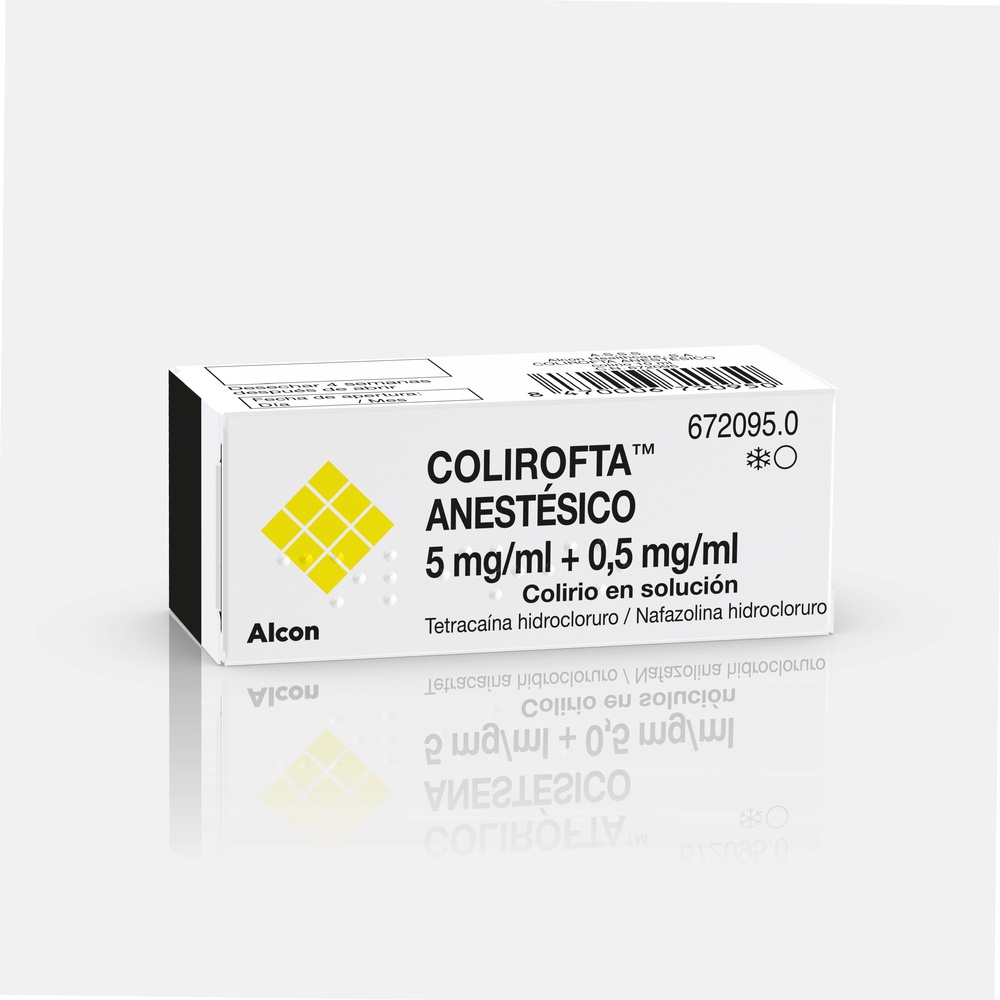
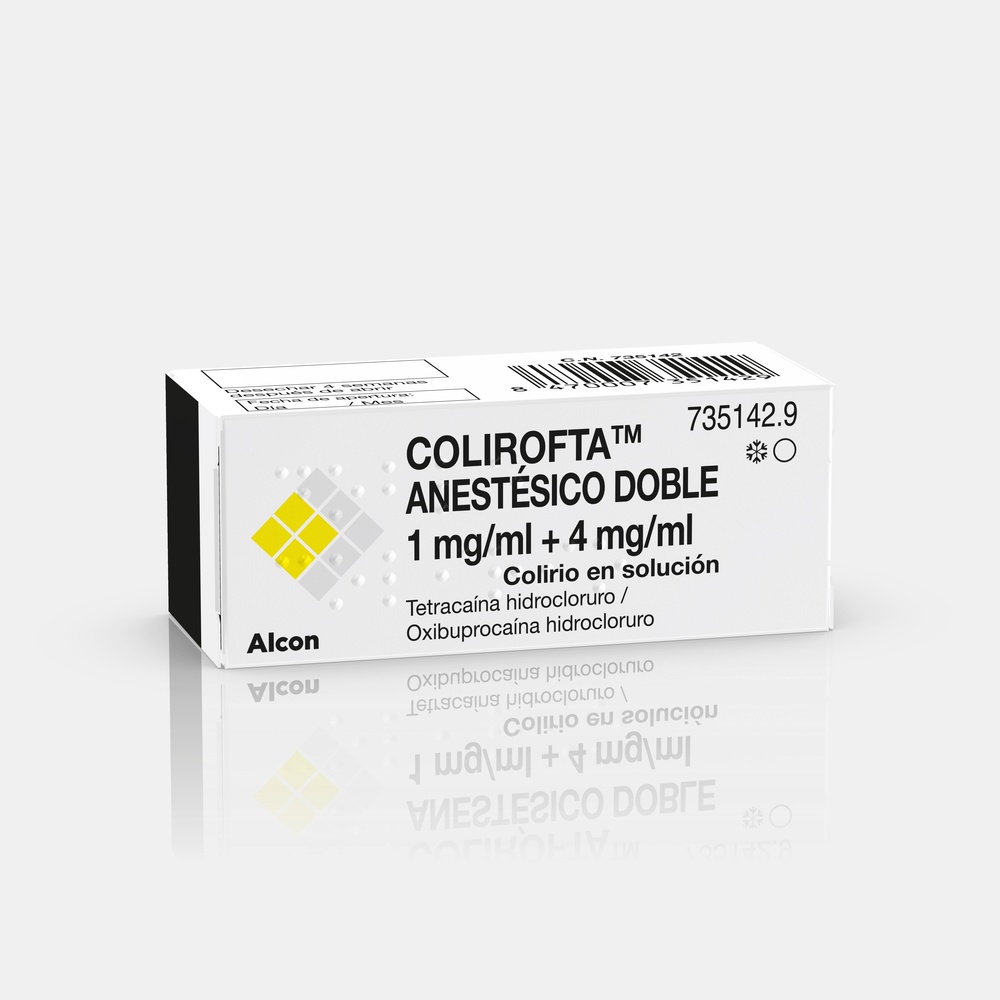
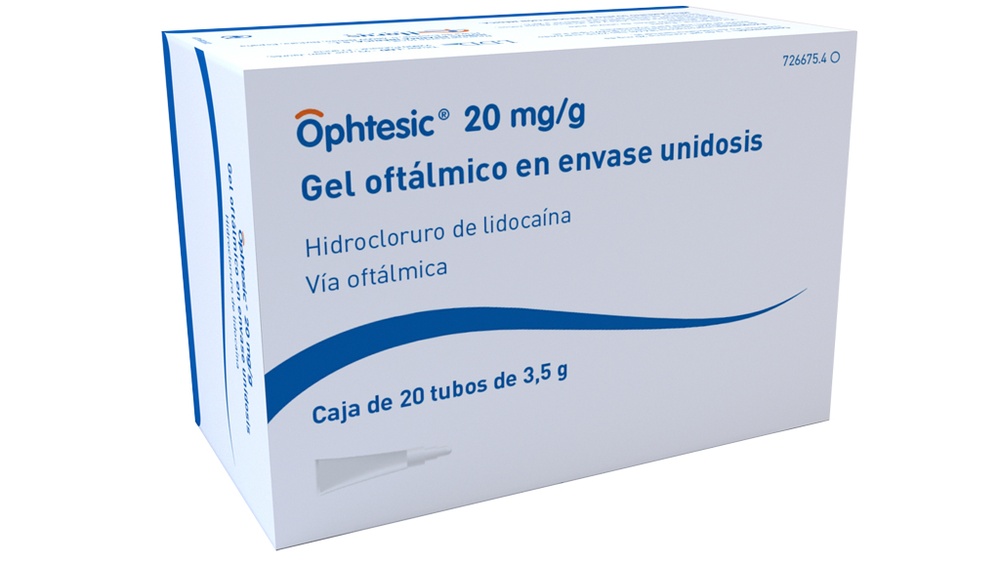
- Alternatives to OXIBUPROCAINE HYDROCHLORIDE AGEPHA 4 MG/ML EYE DROPS IN SOLUTIONDosage form: EYEDROP, 5 mg tetracaine HCl; 0.5 mg naphazoline HClActive substance: combinationsManufacturer: Alcon Healthcare S.A.Prescription requiredDosage form: EYE DROP, 4 mg/ml + 1 mg/mlActive substance: combinationsManufacturer: Alcon Healthcare S.A.Prescription requiredDosage form: OPHTHALMIC GEL, 20 mg/gActive substance: lidocaineManufacturer: Laboratoires Doliage DeveloppementPrescription required
Online doctors for OXIBUPROCAINE HYDROCHLORIDE AGEPHA 4 MG/ML EYE DROPS IN SOLUTION
Discuss questions about OXIBUPROCAINE HYDROCHLORIDE AGEPHA 4 MG/ML EYE DROPS IN SOLUTION, including use, safety considerations and prescription review, subject to medical assessment and local regulations.






Frequently Asked Questions
