



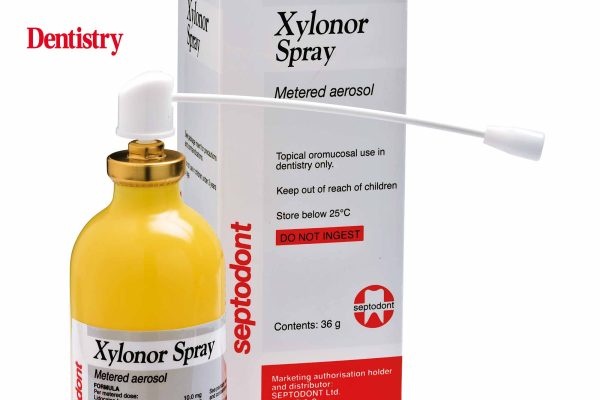
XYLONOR SPRAY 150 mg + 1,5 mg por gramo, solución para pulverización bucal

Revisión de receta online
Un médico revisará tu caso y determinará si la prescripción es médicamente apropiada.

Habla con un médico sobre este medicamento
Comenta tus síntomas y las opciones de tratamiento en una consulta online.



Cómo usar XYLONOR SPRAY 150 mg + 1,5 mg por gramo, solución para pulverización bucal
Contenido del prospecto
- Introducción
- Qué es Xylonor Spray y para qué se utiliza
- Qué necesita saber antes de empezar a usar Xylonor Spray
- Cómo usar Xylonor Spray
- Posibles efectos adversos
- Conservación de Xylonor Spray
- Contenido del envase e información adicional
Introducción
Prospecto: información para el usuario
Xylonor Spray, 150 mg + 1.5 mg por gramo, soluciónpara pulverización bucal
Lidocaína y cetrimonio
Lea todo el prospecto detenidamente antes de empezar a usar este medicamento, porque contiene información importante para usted.
- Conserve este prospecto, ya que puede tener que volver a leerlo.
- Si tiene alguna duda, consulte a su dentista, médico o farmacéutico.
- Este medicamento se le ha recetado solamente a usted,y no debe dárselo a otras personas aunque tengan los mismos síntomas que usted, ya que puede perjudicarles.
- Si experimenta efectos adversos, consulte a su dentista, médico o farmacéutico, incluso si se trata de efectos adversos que no aparecen en este prospecto. Ver sección 4.
Contenido del prospecto
- Qué es Xylonor Spray y para qué se utiliza
- Qué necesita saber antes de empezar a usar Xylonor Spray
- Cómo usar Xylonor Spray
- Posibles efectos adversos
- Conservación de Xylonor Spray
- Contenido del envase e información adicional
1. Qué es Xylonor Spray y para qué se utiliza
Xylonor Spray es un anestésico tópico que contiene un anestésico local, lidocaína y un agente bactericida, cetrimonio. Pertenece al grupo de anestésicos locales del sistema nervioso.
Xylonor Spray está indicado para la anestesia tópica de las partes internas de la boca (labios, mejillas, encías, paladar, la base de la boca, lengua) en procesos dentales. Sólo puede ser administrado por su dentista. Está destinado a adultos, adolescentes y niños mayores de 6 años.

¿No estás seguro de si este medicamento es adecuado para ti?
Comenta tus síntomas y tratamiento con un médico online.
2. Qué necesita saber antes de empezar a usar Xylonor Spray
No use Xylonor Spray
- Si es alérgico a la lidocaína o al cetrimonio o a alguno de los demás componentes de este medicamento (incluidos en la sección 6).
- Si usted es alérgico a otros anestésicos locales.
- En niños menores de 6 años.
Advertencias y precauciones
Hable con su dentista antes de usar Xylonor Spray si usted tiene inflamación o infección en el área a anestesiar.
Otros medicamentos y Xylonor Spray
Informe a su dentista, médico o farmacéutico si está utilizando, ha utilizado recientemente o pudiera tener que utilizar cualquier otro medicamento.
Consulte con su dentista si usted tiene lesiones en la boca porque la lidocaína puede pasar fácilmente a la sangre e interactuar con otros medicamentos.
Uso de Xylonor Spray con alimentos
Evite masticar chicle o comer hasta que recupere la sensación normal después de usar este medicamento. De lo contrario, existe el riesgo de que se muerda los labios, las mejillas o la lengua.
Embarazo, lactancia y fertilidad
Si está embarazada o en periodo de lactancia, cree que podría estar embarazada o tiene intención de quedarse embarazada, consulte a su dentista, médico o farmacéutico antes de utilizar este medicamento .
Este medicamento se puede utilizar durante el embarazo y la lactancia sin ningún riesgo para el feto o para el recién nacido siempre que se utilice según lo indicado.
No se han observado efectos sobre la fertilidad.
Conducción y uso de máquinas
Xylonor Spray no tiene influencia alguna o insignificante en la capacidad de conducir y usar máquinas.
Xylonor Spray contiene alcohol (etanol 96%)
Este medicamento contiene 606 mg de alcohol (etanol al 96%) en una dosis máxima diaria de 1,3 g de producto, que equivale al 45,45% (p/p).
Puede causar una ligera sensación de ardor sobre heridas abiertas.
3. Cómo usar Xylonor Spray
Únicamente los dentistas y estomatólogos están entrenados para usar Xylonor Spray.
Se debe utilizar la dosis más baja que produzca una anestesia efectiva.
Posología:
Adultos:
Una pulverización libera una dosis de alrededor de 10 mg de lidocaína cubriendo un área de aproximadamente 1cm2. La administración diaria máxima no debe exceder las 20 pulverizaciones equivalentes a 200 mg de lidocaína.
Población pediátrica (a partir de 6 años)
Una pulverización libera una dosis de alrededor de 10 mg de lidocaína cubriendo un área de aproximadamente 1 cm2. La administración diaria máxima del medicamento en la población pediátrica depende de la edad del paciente.
De 6 a 11 años (o 25 kg de peso corporal), la administración diaria máxima del medicamento no debe superar las 5 pulverizaciones, equivalentes a 50 mg de lidocaína.
De 12 a 18 años de edad (o 40-55 kg de peso corporal), la administración diaria máxima del medicamento no debe superar las 10 pulverizaciones, equivalentes a 100 mg de lidocaína.
No se debe utilizar en niños menores de 6 años debido al riesgo de asfixia.
Uso en niños
Se debe tener especial cuidado al tratar a los niños.
Los dentistas ajustarán la dosis de acuerdo a la edad y peso de los niños.
Si usa más Xylonor Spray del que debe
En condiciones normales de uso en odontología, no se pueden esperar efectos de sobredosis con un producto para uso local solamente.
Sin embargo, los siguientes síntomas pueden ser signos de toxicidad debido a una dosis excesiva de Xylonor Spray:
ardor, picazón, sensación de hormigueo alrededor de la boca sin causa física aparente, mareo, nerviosismo, ansiedad, aprehensión, estado de ánimo eufórico, confusión, somnolencia, hipersensibilidad de la audición, zumbido en los oídos, visión borrosa, vómitos, náuseas, sensación de calor, frío, entumecimiento, espasmos, temblores, convulsiones, inconsciencia, depresión, paro respiratorio o cardíaco, ritmo cardíaco anormalmente bajo o acelerado u otros problemas de coordinación del ritmo cardíaco, presión sanguínea baja o alta, insuficiencia circulatoria, angina de pecho.
Si usted experimenta cualquiera de estos síntomas, hable con su dentista, médico o farmacéutico.
Si tiene cualquier otra duda sobre el uso de este medicamento, pregunte a su dentista, médico o farmacéutico.

¿Has empezado a tomar el medicamento y tienes preguntas?
Comenta tus síntomas y tratamiento con un médico online.
4. Posibles efectos adversos
Al igual que todos los medicamentos, este medicamento puede producir efectos adversos, aunque no todas las personas los sufran.
Informe inmediatamente a su dentista, médico o farmacéutico si usted experimenta alguno de los siguientes efectos secundarios graves:
- Sarpullido, picazón, urticaria, inflamación de la cara, labios, encías, lengua y/o garganta y dificultad para respirar, sibilancias, asma: estos pueden ser síntomas de una reacción de hipersensibilidad (alérgia/ reacción alérgica)
Otros efectos secundarios no mencionados anteriormente también pueden ocurrir:
No se conoce (la frecuencia no puede estimarse a partir de los datos disponibles):
- Sarpullido, enrojecimiento
- Picazón
- Deslizamiento y ulceración de las encías
- Sensación anormal dentro y alrededor de la boca
- Inflamación del sitio de aplicación, quemadura en el sitio de aplicación
Comunicación de efectos adversos
Si experimenta cualquier tipo de efecto adverso, consulte a su dentista, médico o farmacéutico, incluso si se trata de posibles efectos adversos que no aparecen en este prospecto. También puede comunicarlos directamente a través del Sistema Español de Farmacovigilancia de Medicamentos de Uso Humanowww.notificaRAM.es. Mediante la comunicación de efectos adversos usted puede contribuir a proporcionar más información sobre la seguridad de este medicamento.
5. Conservación de Xylonor Spray
Mantener este medicamento fuera de la vista y del alcance de los niños.
No utilice este medicamento después de la fecha de caducidad que aparece en el tubo y en la caja después de CAD. La fecha de caducidad es el último día del mes que se indica.
Conservar por debajo de 25ºC.
Los medicamentos no se deben tirar por los desagües. Pregunte a su dentista cómo deshacerse de los envases y de los medicamentos que ya no necesita. De esta forma, ayudará a proteger el medio ambiente.
6. Contenido del envase e información adicional
Composición de Xylonor Spray
- Los principios activos son lidocaina 150 mg/g y cetrimonio 1,5 mg/g
Cada pulsación libera aproximadamente una dosis de 10 mg de lidocaína y 0.1 mg de cetrimonio.
- Los demás componentes son sacarina (E954), sabor hierbabuena, dipropylene glycol, etanol (96 %).
Aspecto del producto y contenido del envase
Este medicamento es una solución clara. Está envasado en un envase multidosis.
La presentación comercializada es un frasco de 36g.
Titular de la autorización de comercialización y responsable de la fabricación
SEPTODONT
58, Rue du Pont de Créteil
94100 Saint-Maur-des-Fossés - Francia
Fecha de la última revisión del prospecto: Mayo 2022
Esta información está destinada únicamente a profesionales del sector sanitario:
Para uso profesional por dentistas y estomatólogos.
Se debe utilizar la dosis más baja que conduzca a una anesthesia efectiva.
Posología
Adultos
Una pulverización libera una dosis de alrededor de 10 mg de lidocaína cubriendo un área de aproximadamente 1cm2. La administración diaria máxima no debe exceder las 20 pulverizaciones, equivalente a 200 mg de lidocaína.
Población pediátrica (a partir de 6 años)
Una pulverización libera una dosis de alrededor de 10 mg de lidocaína cubriendo un área de aproximadamente 1cm2. La administración diaria máxima del medicamento en la población pediátrica depende de la edad del paciente.
De 6 a 11 años (o 25 kg de peso corporal), la administración diaria máxima del medicamento no debe superar las 5 pulverizaciones, equivalentes a 50 mg de lidocaína.
De 12 a 18 años de edad (o 40-55 kg de peso corporal), la administración diaria máxima del medicamento no debe superar las 10 pulverizaciones, equivalentes a 100 mg de lidocaína.
No se debe utilizar en niños menores de 6 años por motivos de seguridad.
Población de edad avanzada
Se recomienda tomar precauciones especiales para administrar la dosis mínima resultando en una anesthesia efectiva en pacientes de edad avanzada.
Pacientes con alteraciones de la función hepática
Se recomienda tomar precauciones especiales para administrar la dosis mínima resultando en una anestesia efectiva en pacientes con alteraciones de la función hepática.
Pacientes con alteraciones de la función renal
Se recomienda tomar precauciones especiales para administrar la dosis mínima resultando en una anestesia efectiva en pacientes con alteraciones de la función renal.
Pacientes con alteraciones de la función del sistema cardiovascular
Se recomienda tomar precauciones especiales para administrar la dosis mínima resultando en una anestesia efectiva en pacientes con alteraciones de la función del sistema cardiovascular.
Pacientes con epilepsia
Se recomienda tomar precauciones especiales para administrar la dosis mínima resultando en una anestesia efectiva en pacientes con epilepsia.
Forma de administración
Vía bucal.
La solución debe aplicarse a una membrana mucosa que se ha secado previamente.
Colocar el extremo de la cánula de 2 a 4 cm de la zona a anestesiar. Esta operación se puede repetir en tres áreas diferentes de la boca durante la misma sesión.
Advertencias y precauciones especiales de empleo
- Aunque se espera un insignificante paso sistémico de la lidocaína, el medicamento debe ser usado con precaución cuando se aplica en un área inflamada o infectada, debido al riesgo de una rápida absorción sistémica de lidocaína.
- Se requiere aspiración y aislamiento de la saliva con un rollo de algodón en el sitio tratado con anestesia local.
- Existe el riesgo de traumatismo por mordedura (labios, mejillas, lengua), pero con el medicamento se espera que sea muy bajo, debido a la limitada área de administración. Cuando se asocia con anestésicos inyectables locales, se debe indicar al paciente que evite masticar chicle o comer hasta que recupere la sensibilidad.
- Debe evitarse el uso orofaríngeo de anestésicos locales, ya que puede interferir con la capacidad de deglución, especialmente en los niños y, por lo tanto, causar atragantamiento. La orientación accidental del anestésico hacia la úvula (paladar blando) o la faringe puede desencadenar una parálisis transitoria de estas áreas y molestias temporales para el paciente. Desaparece rápidamente. Para evitar problemas de atragantamiento y otros relacionados, el producto no debe pulverizarse en la parte posterior de la garganta.
- Este medicamento contiene 606 mg de alcohol (etanol al 96%) en una dosis máxima diaria de 1,3 g de producto, que equivale al 45,45% (p/p).
Puede causar una ligera sensación de ardor sobre heridas abiertas.
Sobredosis
En dosis normales y en condiciones normales de administración, es poco probable que ocurra una sobredosis con un medicamento para uso local solamente.
Sin embargo, se debe tener precaución al usar el producto en combinación con anestésicos inyectables locales, ya que el riesgo de toxicidad del SNC y la toxicidad cardiovascular pueden ocurrir con altos niveles plasmáticos de lidocaína debido a una dosis excesiva o rápida absorción. Hasta la fecha, no se han comunicado casos de sobredosis con el producto.
Sintomatología:
Las siguientes reacciones pueden ocurrir con altos niveles plasmáticos de lidocaína debido a una dosis excesiva, o una rápida absorción, en particular cuando se asocia con el uso de anestésicos inyectables locales:
Sistema Nervioso Central (SNC):
La alta concentración plasmática puede causar estimulación del SNC (incluyendo convulsiones) seguida de depresión del SNC (incluyendo paro respiratorio) y puede caracterizarse por los siguientes signos y síntomas de gravedad creciente: parestesia circumoral, aturdimiento, nerviosismo, ansiedad, aprensión, euforia, confusión, mareo, somnolencia, hiperacusia, acúfenos, visión borrosa, vómitos, náuseas, sensación de calor o frío, entumecimiento, espasmos temblores, convulsiones, inconsciencia, depresión y paro respiratorio. Las manifestaciones excitatorias (por ejemplo, espasmos, temblores y convulsiones) pueden ser muy breves o no ocurrir en absoluto, en cuyo caso la primera manifestación de toxicidad puede ser la somnolencia que se fusiona en inconsciencia y paro respiratorio.
Sistema cardiovascular:
Las manifestaciones cardiovasculares son generalmente depresivas y se caracterizan por bradicardia, hipotensión, arritmia y colapso cardiovascular, lo que puede llevar a un paro cardíaco. La hipertensión, taquicardia y angina pueden ser causadas por el uso concomitante con un anestésico inyectable local que contenga adrenalina.
Tratamiento de la sobredosis:
La disponibilidad de los equipos de reanimación debe estar asegurada antes del inicio de la anestesia dental con anestesia local.
Si se sospecha la presencia de signos de toxicidad aguda, el medicamento debe enjuagarse inmediatamente.
Se debe administrar oxígeno rápidamente, si es necesario se debe usar ventilación asistida. Cambie la posición del paciente a posición supina si es necesario.
En caso de paro cardíaco, se debe realizar una reanimación cardiopulmonar inmediata.
- País de registro
- Forma farmacéuticaPULVERIZACION BUCAL, -
- Código ATCN01BB52
- Principio activo
- Requiere recetaSí
- Fabricante
- ComposiciónDIPROPILENGLICOL (37,8 g mg), ETANOL AL 96% (45,45 g mg)
- Esta información es de carácter general y no sustituye la consulta con un profesional sanitario.
- Alternativas a XYLONOR SPRAY 150 mg + 1,5 mg por gramo, solución para pulverización bucalForma farmacéutica: INYECTABLE, 20 mg/ml + 0,005 mg/mlPrincipio activo: lidocaine, combinationsFabricante: Laboratoire AguettantRequiere recetaForma farmacéutica: INYECTABLE, 2 g lidocaina; 0,00125 g epinefrina bitartratoPrincipio activo: lidocaine, combinationsFabricante: Farmalider S.A.Requiere recetaForma farmacéutica: INYECTABLE, 10mg/ml + 0,005mg/mlPrincipio activo: lidocaine, combinationsFabricante: Laboratoire AguettantRequiere receta
Médicos online para XYLONOR SPRAY 150 mg + 1,5 mg por gramo, solución para pulverización bucal
Comenta la dosis, los posibles efectos secundarios, interacciones, contraindicaciones o la revisión de receta de XYLONOR SPRAY 150 mg + 1,5 mg por gramo, solución para pulverización bucal, sujeto a valoración médica y a la normativa local.









Obtén una receta de XYLONOR SPRAY 150 mg + 1,5 mg por gramo, solución para pulverización bucal online
Rellena un formulario de 2 minutos
Cuéntanos tus síntomas, historial y el medicamento que necesitas.
Elige un médico o nosotros te asignamos uno
Escoge un especialista o te conectamos con el próximo médico disponible.
El médico revisa tu caso
Normalmente en 30 minutos. Puede hacerte preguntas adicionales por chat.
Recógela en cualquier farmacia
Receta electrónica enviada a tu correo, válida en toda España.
Preguntas frecuentes
XYLONOR SPRAY 150 mg + 1,5 mg por gramo, solución para pulverización bucal requiere receta en España. Puedes confirmarlo con un médico online según tu caso.
El principio activo de XYLONOR SPRAY 150 mg + 1,5 mg por gramo, solución para pulverización bucal es lidocaine, combinations. Esta información ayuda a identificar medicamentos con la misma composición pero con diferentes nombres comerciales.
XYLONOR SPRAY 150 mg + 1,5 mg por gramo, solución para pulverización bucal es fabricado por Septodont. La marca y el envase pueden variar según el distribuidor.
Los Médicos de familia, Psiquiatras, Dermatólogos, Cardiólogos, Endocrinólogos, Gastroenterólogos, Neumólogos, Nefrólogos, Reumatólogos, Hematólogos, Infectólogos, Alergólogos, Geriatras, Pediatras, Oncólogos pueden valorar la prescripción de XYLONOR SPRAY 150 mg + 1,5 mg por gramo, solución para pulverización bucal cuando esté clínicamente indicado. Puedes reservar una videoconsulta para comentar tu caso y las opciones de tratamiento.
España cuenta con una infraestructura sanitaria bien desarrollada en ciudades principales como Madrid, Barcelona, Valencia y Sevilla. Las farmacias están ampliamente disponibles y operan bajo estrictas regulaciones, garantizando el acceso a medicamentos con receta.
Puedes comprar XYLONOR SPRAY 150 mg + 1,5 mg por gramo, solución para pulverización bucal en Madrid, Barcelona, Sevilla o Valencia en cualquier farmacia local con una receta válida.
Para obtener una receta, puedes utilizar Oladoctor:
Otros medicamentos con el mismo principio activo (lidocaine, combinations) incluyen LIDOCAINA /ADRENALINA AGUETTANT 20 MG/ML + 0,005 MG/ML SOLUCION INYECTABLE EFG, LIDOCAÍNA/ EPINEFRINA DERMOGEN 20 MG/ML + 0,0125 MG/ML SOLUCIÓN INYECTABLE EFG, LIDOCAINA/ADRENALINA AGUETTANT 10 MG/ML + 0,005 MG/ML SOLUCION INYECTABLE EFG. Pueden tener diferentes nombres comerciales o formulaciones, pero contienen el mismo componente terapéutico. Consulta siempre con un médico antes de cambiar o iniciar un nuevo medicamento.
