






How to use TIVICAY 5 mg DISPERSIBLE TABLETS
Translated with AI
This page provides general information and does not replace a doctor’s consultation. Always consult a doctor before taking any medication. Seek urgent medical care if symptoms are severe.
Show originalContents of the leaflet
Introduction
Package Leaflet: Information for the Patient
Tivicay 5 mg Dispersible Tablets
dolutegravir
Read all of this leaflet carefully before you start taking this medicine (or your child, if they are the patient), because it contains important information for you.
- Keep this leaflet, as you may need to read it again.
- If you have any further questions, ask your doctor or pharmacist.
- This medicine has been prescribed for you (or your child, if they are the patient) only. Do not pass it on to others. It may harm them, even if their signs of illness are the same as yours.
- If you experience any side effects, talk to your doctor or pharmacist. This includes any possible side effects not listed in this leaflet. See section 4.
Contents of the Package Leaflet
- What is Tivicay and what is it used for
- What you need to know before you take Tivicay
- How to take Tivicay
- Possible side effects
- Storing Tivicay
- Contents of the pack and further information
Step-by-step instructions for use are also provided.
1. What is Tivicay and what is it used for
Tivicay contains the active substance dolutegravir. Dolutegravir belongs to a group of antiretroviral medicines called integrase inhibitors (INIs).
Tivicay is used to treat HIV infection (Human Immunodeficiency Virus) in adults, adolescents, and children from at least 4 weeks of age and weighing at least 3 kg.
Tivicay does not cure HIV infection; it reduces the amount of virus in your body and keeps it at a low level. As a result, it also increases the number of CD4 cells in your blood. CD4 cells are a type of white blood cell that helps your body fight infections.
Not everyone responds to treatment with Tivicay in the same way. Your doctor will monitor the effectiveness of your treatment.
Tivicay is always used in combination with other antiretroviral medicines (combination therapy). To control your HIV infection and to avoid it getting worse, you must keep taking all your medicines, unless your doctor has told you to stop.

2. What you need to know before you take Tivicay
Do not take Tivicay:
- if you (or your child, if they are the patient) are allergic to dolutegravir or any of the other ingredients of this medicine (listed in section 6).
- if you (or your child, if they are the patient) are taking another medicine called fampridine (also known as dalfampridine; used to treat multiple sclerosis).
- If you think any of these apply to you (or your child), tell your doctor.
Warnings and precautions
Be aware of important symptoms
Some people taking medicines for HIV infection develop other conditions that can be serious. These include:
- symptoms of infections and inflammation
- joint pain, stiffness, and bone problems.
You need to know what important signs and symptoms to look out for while taking Tivicay.
- Read the information in section 4 of this leaflet.
Children
Do not give this medicine to children under 4 weeks of age, weighing less than 3 kg, or with HIV infection resistant to other medicines similar to Tivicay. The use of Tivicay dispersible tablets in children under 4 weeks or weighing less than 3 kg has not been studied.
Children must attend scheduled medical appointments(see "Children and adolescents" in section 3 for more information).
Other medicines and Tivicay
Tell your doctor if you are taking (or your child, if they are the patient), have recently taken, or might take any other medicines.
Do not take Tivicaywith the following medicine:
- fampridine (also known as dalfampridine), used to treat multiple sclerosis.
Some medicines may affect how Tivicay works, or increase the chance of you having side effects. Tivicay may also affect how some other medicines work.
Tell your doctorif you are taking (or your child) any of the following medicines:
- metformin, to treat diabetes
- medicines called antacids, to treat indigestionand heartburn. Do not take an antacidduring the 6 hours before taking Tivicay, or at least 2 hours after taking it (see also section 3)
- supplements or multivitamins that contain calcium, iron, or magnesium. If you take Tivicay with food, you can take supplements or multivitamins that contain calcium, iron, or magnesium at the same time as Tivicay. If you do not take Tivicay with food, do not take a supplement or multivitamin that contains calcium, iron, or magnesiumduring the 6 hours before taking Tivicay, or at least 2 hours after taking it (see also section 3)
- etravirine, efavirenz, fosamprenavir/ritonavir, nevirapine, or tipranavir/ritonavir, to treat HIV infection
- rifampicin, to treat tuberculosis (TB)and other bacterial infections
- phenytoin and phenobarbital, to treat epilepsy
- oxcarbazepine and carbamazepine, to treat epilepsyor bipolar disorder
- St. John's Wort(Hypericum perforatum), a herbal medicine to treat depression.
- Tell your doctor or pharmacistif you are taking (or your child) any of these medicines. Your doctor may decide to adjust your dose or that you need extra checks.
Pregnancy
If you are pregnant, think you may be pregnant, or are planning to have a baby:
- Ask your doctorabout the risks and benefits of taking Tivicay.
Tell your doctor immediately if you become pregnant or plan to become pregnant. Your doctor will review your treatment. Do not stop taking Tivicay without talking to your doctor, as this can harm you and your baby.
Breast-feeding
It is not recommendedthat HIV-positive women breast-feed their babies because HIV infection can be passed on to the baby through breast milk.
A small amount of the components of Tivicay may pass into breast milk.
If you are breast-feeding or think you may want to breast-feed, consult your doctor as soon as possible.
Driving and using machines
Tivicay may make you feel dizzy and has other side effects that can affect your attention.
- Do not drive or use machines unless you are sure it won't affect you.
Tivicay contains less than 1 mmol sodium (23 mg) per tablet; this is essentially “sodium-free”.
3. How to take Tivicay
Always take this medicine exactly as your doctor has told you. If you are not sure, check with your doctor or pharmacist.
Adults
- The recommended dose in adults is 30 mg (taken as six 5 mg dispersible tablets) once a day.
- If you are also taking other medicines, the dose is 30 mg (taken as six 5 mg dispersible tablets) twice a day.
- For HIV resistantto other medicines similar to Tivicay, the recommended dose is 30 mg (taken as six 5 mg dispersible tablets) twice a day.
Your doctor will decide what the correct dose of Tivicay is for you.
Children and adolescents
- The child's doseof Tivicay should be adjusted as they grow or gain weight.
- Therefore, it is important that children attend scheduled medical appointments.
- Children and adolescents who weigh at least 20 kg can take the adult dose of 30 mg, once a day or 15 mg twice a day. Your doctor will decide how Tivicay should be given.
- For children from at least 4 weeks of age and weighing between 3 and 20 kg, your doctor will decide the correct dose of Tivicay, based on the child's weight and age.
- If swallowing whole tablets with water, children must not swallow more than one tablet at a time, to reduce the risk of choking.
- Tivicay must notbe used in children and adolescents with HIV infection resistantto other medicines similar to Tivicay.
How to take the dispersible tablets
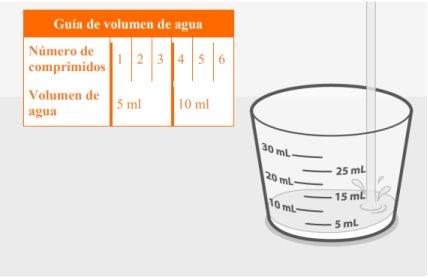
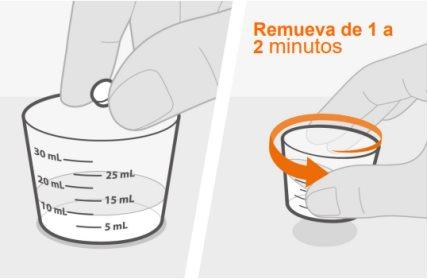
- The dispersible tablets can be dispersed in water or swallowed whole with water. When dispersing, the amount of water will depend on the number of tablets prescribed. The tablets must be fully dispersed before swallowing.
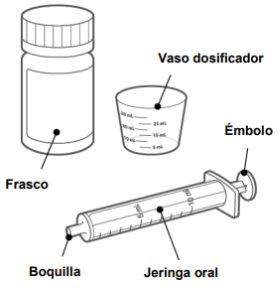
Refer to the instructions for useregarding how to disperse and administer the tablets using the dosing cup and oral syringe provided in this pack.
- Do not chew, crush, or break the tablets.
- Tivicay can be taken with or without food. When taking Tivicay twice a day, your doctor may advise you to take it with food.
Tivicay is also available as film-coated tablets. The film-coated tablets and dispersible tablets are not the same, so do not switchbetween film-coated tablets and dispersible tablets without first talking to your doctor.
Antacids
Antacids, used to treat indigestionand heartburn, can stop Tivicay from being absorbed into your body and make it less effective.
Do not take an antacidduring the 6 hours before taking Tivicay, or at least 2 hours after taking it. Other medicines that reduce stomach acid, such as ranitidine and omeprazole, can be taken at the same time as Tivicay.
- Talk to your doctor for advice on what acid-reducing medicines you can take with Tivicay.
Supplements or multivitamins that contain calcium, iron, or magnesium
Supplements or multivitamins that contain calcium, iron, or magnesium can stop Tivicay from being absorbed into your body and make it less effective.
If you take Tivicay with food, you can take supplements or multivitamins that contain calcium, iron, or magnesium at the same time as Tivicay. If you do not take Tivicay with food, do not take a supplement or multivitamin that contains calcium, iron, or magnesiumduring the 6 hours before taking Tivicay, or at least 2 hours after taking it.
- Talk to your doctor for advice on how to take supplements or multivitamins that contain calcium, iron, or magnesium with Tivicay.
If you take more Tivicay than you should
If you (or your child) take more Tivicay than you should, contact your doctor or pharmacist for advice. If possible, show them the Tivicay pack.
If you forget to take Tivicay
If you (or your child) miss a dose, take it as soon as you remember. But if it is less than 4 hours until your next dose, skip the missed dose and take the next dose at the usual time. Then continue your treatment as before.
- Do not take a double doseto make up for a forgotten dose.
Do not stop taking Tivicay
Take Tivicay until your doctor tells you to stop. Do not stop taking it unless your doctor advises you to.
If you have any further questions on the use of this medicine, ask your doctor or pharmacist.

4. Possible side effects
Like all medicines, this medicine can cause side effects, although not everybody gets them.
Allergic reactions
These are uncommon in people taking Tivicay (may affect up to 1 in 100 people). The signs include:
- skin rash
- high temperature (fever)
- lack of energy (fatigue)
- swelling, sometimes of the face or mouth (angioedema), causing difficulty breathing
- muscle pain or joint pain.
- See a doctor immediately.Your doctor may decide to do liver, kidney, or blood tests and may tell you to stop taking Tivicay.
Very common side effects
These may affect more than 1 in 10 people:
- headache
- diarrhea
- nausea.
Common side effects
These may affect up to 1 in 10 people:
- skin rash
- itching (pruritus)
- vomiting
- stomach pain (abdominal pain)
- stomach discomfort (abdomen)
- weight gain
- insomnia
- dizziness
- abnormal dreams
- depression (feeling of deep sadness and loss of self-worth)
- anxiety
- lack of energy (fatigue)
- gas (flatulence)
- increase in liver enzyme levels
- increase in muscle enzyme levels (creatine phosphokinase).
Uncommon side effects
These may affect up to 1 in 100 people:
- liver inflammation (hepatitis)
- suicidal attempt*
- suicidal thoughts*
- panic attack
- joint pain
- muscle pain.
*especially in patients who have previously had depression or mental health problems.
Rare side effects
These may affect up to 1 in 1,000 people:
- liver failure (signs can include yellowing of the skin and the whites of the eyes or unusually dark urine)
- increase in bilirubin (liver function test) in your blood
- suicide (especially in patients who have previously had depression or mental health problems).
- Tell your doctor immediatelyif you experience any mental health problems (see also other mental health problems listed above).
Signs of infection and inflammation
People with advanced HIV infection (AIDS) have a weakened immune system and are more likely to develop serious infections (opportunistic infections). Such infections may have developed in a "silent" way, not being noticed by the weakened immune system before treatment started. After starting treatment, the immune system becomes stronger and can fight off these infections, which can cause symptoms of infection or inflammation. The symptoms usually include fever, as well as some of the following:
- headache
- stomach pain
- difficulty breathing.
In rare cases, as the immune system becomes stronger, it can also attack healthy tissue (autoimmune disorders). The symptoms of autoimmune disorders can appear many months after starting to take medicines to treat HIV infection. The symptoms can include:
- palpitations (irregular or fast heartbeats) or tremors
- hyperactivity (excessive restlessness and movement)
- weakness starting in the hands and feet and moving up towards the trunk of the body.
If you (or your child) have any symptoms of infection or inflammationor if you notice any of the above symptoms:
- See a doctor immediately. Do not take any other medicines for the infection without talking to your doctor first.
Joint pain, stiffness, and bone problems
Some people taking combination therapy for HIV develop osteonecrosis. In this condition, parts of the bone tissue die due to reduced blood supply to the bones. People may be more likely to get this condition:
- if they have been taking combination therapy for a long time
- if they are also taking anti-inflammatory medicines called corticosteroids
- if they drink alcohol
- if their immune system is very weakened
- if they are overweight.
Signs of osteonecrosis include:
- joint stiffness
- joint pain and discomfort (especially in the hip, knee, or shoulder)
- difficulty moving.
If you notice any of these symptoms:
- Tell your doctor.
Effects on weight, lipids, and glucose in the blood
During HIV treatment, there may be an increase in weight and levels of lipids and glucose in the blood. This is partly due to the recovery of your health and lifestyle, and sometimes to the HIV medicines themselves. Your doctor will monitor these changes.
Reporting of side effects
If you experience any side effects, talk to your doctor or pharmacist. This includes any possible side effects not listed in this leaflet. You can also report side effects directly via the national reporting system listed in Appendix V. By reporting side effects, you can help provide more information on the safety of this medicine.
5. Storage of Tivicay
Keep this medicine out of sight and reach of children.
Do not use this medicine after the expiry date which is stated on the carton and bottle after EXP.
Store in the original package to protect from moisture. Keep the bottle tightly closed. Do not throw away the desiccant. Do not ingest the desiccant. This medicine does not require any special storage temperature.
Medicines should not be disposed of via wastewater or household waste. Ask your pharmacist how to dispose of medicines no longer required. This will help protect the environment.
6. Package contents and additional information
Composition of Tivicay
- The active substance is dolutegravir. Each tablet contains dolutegravir sodium equivalent to 5 mg of dolutegravir.
- The other ingredients are mannitol (E421), microcrystalline cellulose, povidone, sodium carboxymethyl starch, colloidal silicon dioxide, microcrystalline cellulose, crospovidone, sodium stearyl fumarate, calcium sulfate dihydrate, sucralose, strawberry cream flavor, titanium dioxide (E171), hypromellose, and macrogol.
Appearance of the product and package contents
Tivicay 5 mg dispersible tablets are white, round, biconvex, engraved with “SV H7S” on one side and “5” on the other. The bottle contains a desiccant to reduce moisture. Once opened, keep the desiccant in the bottle, do not throw it away.
The dispersible tablets are supplied in bottles containing 60 tablets.
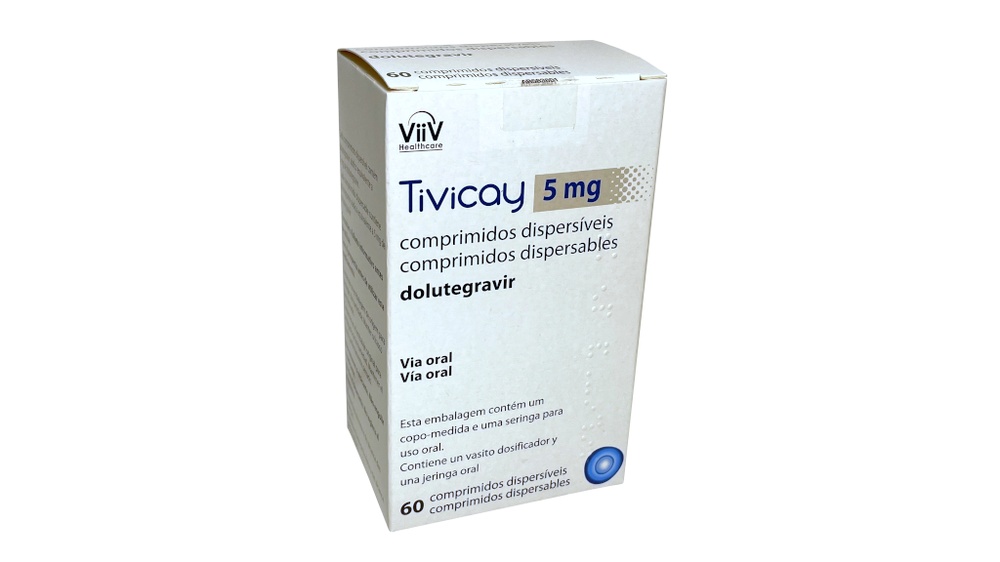
A dosing cup and an oral syringe are provided with the package.
Marketing authorization holder
ViiV Healthcare BV
Van Asch van Wijckstraat 55H
3811 LP Amersfoort
Netherlands
Manufacturer
Glaxo Wellcome, S.A., Avda. Extremadura 3, 09400 Aranda de Duero (Burgos), Spain
You can request more information about this medicine by contacting the local representative of the marketing authorization holder:
België/Belgique/Belgien ViiV Healthcare srl/bv Tel: + 32 (0) 10 85 65 00 | Lietuva ViiV Healthcare BV Tel: + 370 80000334 |
| Luxembourg/Luxemburg ViiV Healthcare srl/bv Belgique/Belgien Tel: + 32 (0) 10 85 65 00 |
Ceská republika GlaxoSmithKline, s.r.o. Tel: + 420 222 001 111 | Magyarország ViiV Healthcare BV Tel.: + 36 80088309 |
Danmark GlaxoSmithKline Pharma A/S Tlf.: + 45 36 35 91 00 | Malta ViiV Healthcare BV Tel: + 356 80065004 |
Deutschland ViiV Healthcare GmbH Tel.: + 49 (0)89 203 0038-10 | Nederland ViiV Healthcare BV Tel: + 31 (0) 33 2081199 |
Eesti ViiV Healthcare BV Tel: + 372 8002640 | Norge GlaxoSmithKline AS Tlf: + 47 22 70 20 00 |
Ελλáδα GlaxoSmithKline Μονοπρóσωπη A.E.B.E. Τηλ: + 30 210 68 82 100 | Österreich GlaxoSmithKline Pharma GmbH Tel: + 43 (0)1 97075 0 |
España Laboratorios ViiV Healthcare, S.L. Tel: + 34 900 923 501 | Polska GSK Services Sp. z o.o. Tel.: + 48 (0)22 576 9000 |
France ViiV Healthcare SAS Tél.: + 33 (0)1 39 17 69 69 | Portugal VIIVHIV HEALTHCARE, UNIPESSOAL, LDA Tel: + 351 21 094 08 01 |
Hrvatska ViiV Healthcare BV Tel: + 385 1 800787089 | România ViiV Healthcare BV Tel: + 40800672524 |
Ireland GlaxoSmithKline (Ireland) Limited Tel: + 353 (0)1 4955000 | Slovenija ViiV Healthcare BV Tel: + 386 80688869 |
Ísland Vistor hf. Sími: + 354 535 7000 | Slovenská republika ViiV Healthcare BV Tel: + 421 800500589 |
Italia ViiV Healthcare S.r.l Tel: + 39 (0)45 7741600 | Suomi/Finland GlaxoSmithKline Oy Puh/Tel: + 358 (0)10 30 30 30 |
Κúπρος ViiV Healthcare BV Τηλ: + 357 80070017 | Sverige GlaxoSmithKline AB Tel: + 46 (0)8 638 93 00 |
Latvija ViiV Healthcare BV Tel: + 371 80205045 | United Kingdom (Northern Ireland) ViiV Healthcare BV Tel: + 44 (0)800 221441 |
Date of last revision of this leaflet: {month YYYY}
Other sources of information
Detailed information on this medicine is available on the European Medicines Agency website: https://www.ema.europa.eu.
Step-by-step instructions for use
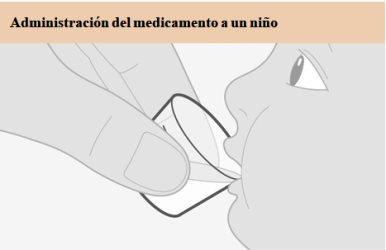
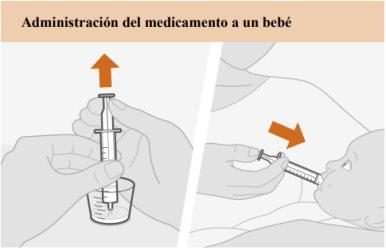
Read these instructions for use before administering a dose of medicine. Follow the steps, using clean drinking water to prepare and administer a dose to a baby or child who cannot swallow the tablets. Important information Always administer this medicine exactly as your doctor has told you. Talk to your doctor if you are not sure. Do not chew, cut, or crush the tablets. If you forgot to give a dose of medicine, do so as soon as you remember. But if it is within 4 hours or less of your next dose, skip the missed dose and take the next one at the usual time. Then continue your treatment as before. Do not administer 2 doses at the same time or administer more than prescribed by your doctor. If you administer too much medicine, seek immediate medical help. If your child can and prefers to swallow the tablets, you can skip the following steps.
The water volume guide above shows the amount of water needed for the prescribed dose. |
Use only drinking water. Do not useany other beverage or food to prepare the dose. |
|
If you spill any medicine, clean it up. Discard the prepared dose and prepare a new dose of medicine. |
You must administer the dose of medicine within 30 minutes of preparing the dose.If more than 30 minutes have passed, discard the dose and prepare a new dose of medicine. |
|
Allow time for the medicine to be swallowed. |
Keep the tablets in the bottle. Keep the bottle tightly closed. The bottle contains a desiccant that helps keep the tablets dry. Do notingest the desiccant. Do not throw awaythe desiccant. Keep all medicines out of the reach of children.
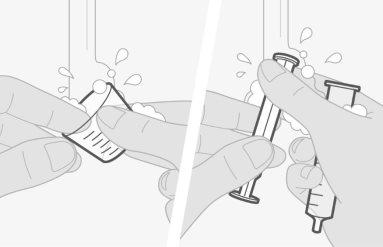
When all the tablets in the bottle have been used or are no longer needed, discard the bottle, measuring cup, and oral syringe. Discard them according to local household waste guidelines. You will receive a new measuring cup and oral syringe with your next package. |











-

- Country of registration
- Dosage formTABLET, 5 mg
- ATC codeJ05AJ03
- Active substance
- Prescription requiredYes
- Manufacturer
- This information is for reference only and does not constitute medical advice. Always consult a doctor before taking any medication. Oladoctor is not responsible for medical decisions based on this content.
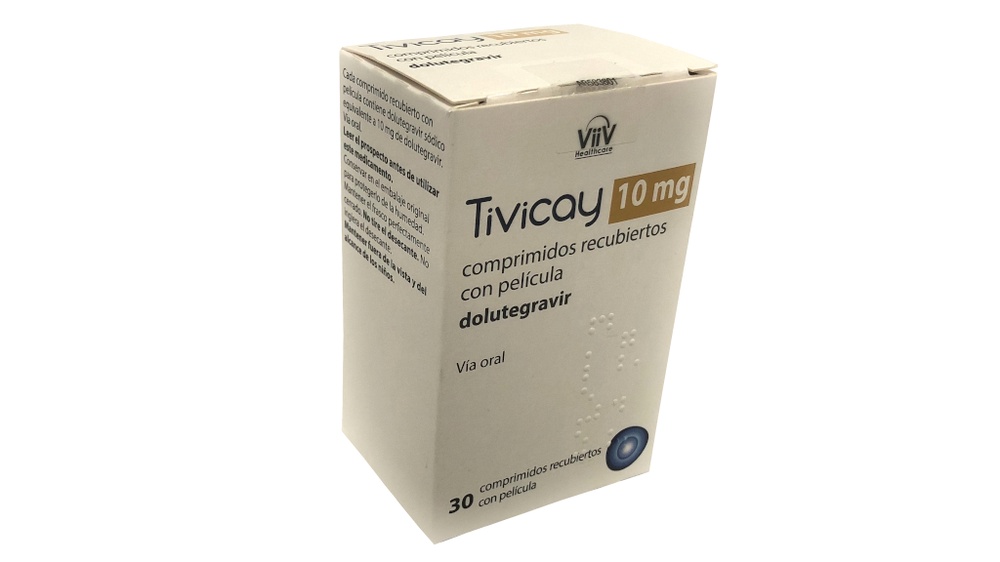
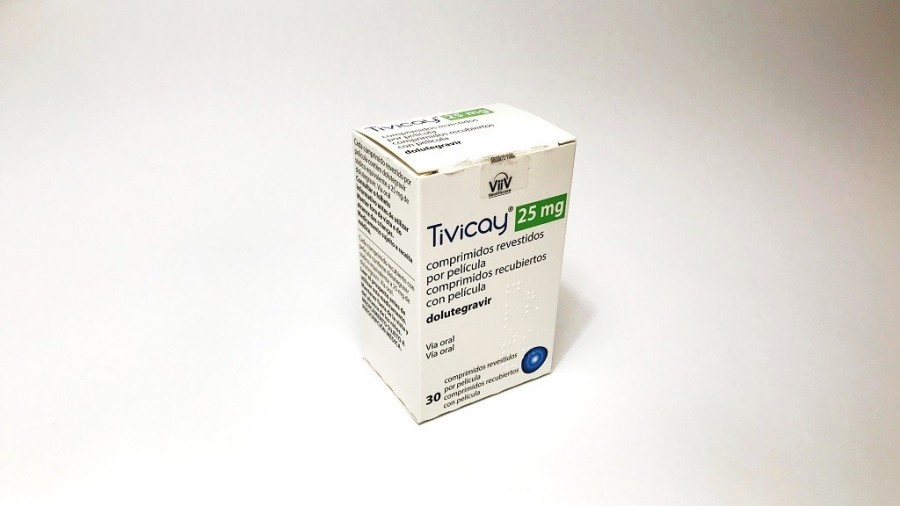
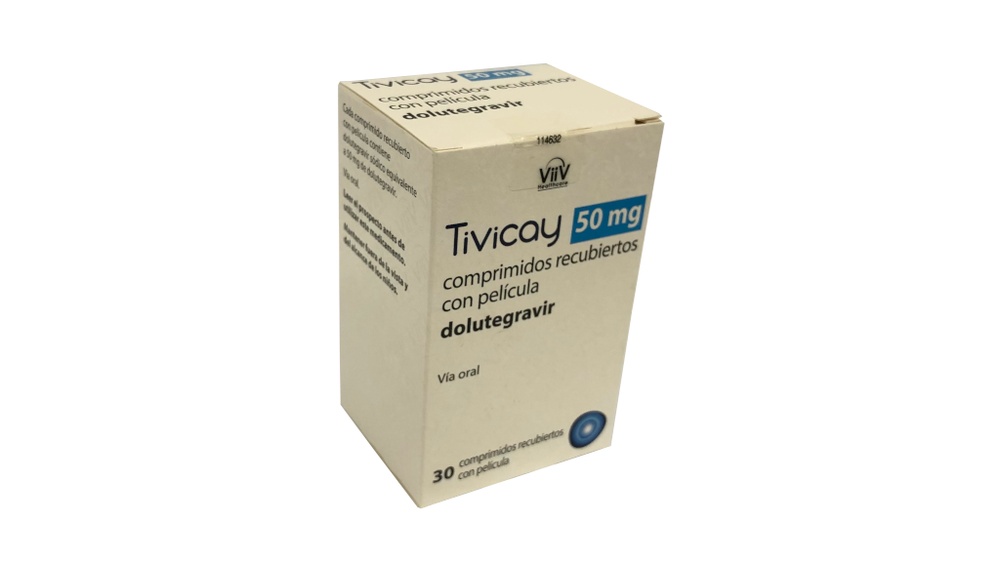
- Alternatives to TIVICAY 5 mg DISPERSIBLE TABLETSDosage form: TABLET, 10 mgActive substance: dolutegravirManufacturer: Viiv Healthcare B.V.Prescription requiredDosage form: TABLET, 25 mgActive substance: dolutegravirManufacturer: Viiv Healthcare B.V.Prescription requiredDosage form: TABLET, 50 mgActive substance: dolutegravirManufacturer: Viiv Healthcare B.V.Prescription required
Online doctors for TIVICAY 5 mg DISPERSIBLE TABLETS
Discuss questions about TIVICAY 5 mg DISPERSIBLE TABLETS, including use, safety considerations and prescription review, subject to medical assessment and local regulations.









Get TIVICAY 5 mg DISPERSIBLE TABLETS Prescription Online
Fill in a 2-min form
Tell us your symptoms, history, and what medicine you're requesting.
Pick a doctor or let us assign
Choose a specialist or we'll match you with the next available doctor.
Doctor reviews your case
Usually within 30 minutes. They may ask follow-up questions via chat.
Collect from any pharmacy
Electronic prescription sent to your email — valid across Spain.
Frequently Asked Questions
TIVICAY 5 mg DISPERSIBLE TABLETS requires a prescription in Spain. You can check with a doctor online whether this medicine may be appropriate for your situation.
The active ingredient in TIVICAY 5 mg DISPERSIBLE TABLETS is dolutegravir. This information helps identify medicines with the same composition but different brand names.
TIVICAY 5 mg DISPERSIBLE TABLETS is manufactured by Viiv Healthcare B.V.. Pharmacy brands and packaging may differ depending on the distributor.
Doctors such as Family doctors, Psychiatrists, Dermatologists, Cardiologists, Endocrinologists, Gastroenterologists, Pulmonologists, Nephrologists, Rheumatologists, Hematologists, Infectious disease physicians, Allergists, Geriatricians, Paediatricians, Oncologists may assess whether TIVICAY 5 mg DISPERSIBLE TABLETS is appropriate, depending on your situation and local regulations. You can book an online consultation to discuss your symptoms and possible next steps.
Spain has a well-developed healthcare infrastructure across major cities such as Madrid, Barcelona, Valencia, and Seville. Pharmacies are widely available and operate under strict regulations, ensuring access to prescribed medications.
You can buy TIVICAY 5 mg DISPERSIBLE TABLETS in Madrid, Barcelona, Seville, or Valencia at any local pharmacy with a valid prescription.
To obtain a prescription, you can use Oladoctor:
Other medicines with the same active substance (dolutegravir) include TIVICAY 10 mg FILM-COATED TABLETS, TIVICAY 25 mg FILM-COATED TABLETS, TIVICAY 50 mg FILM-COATED TABLETS. These may have different brand names or formulations but contain the same therapeutic ingredient. Always consult a doctor before switching or starting a new medicine.
