



RYBELSUS 3 mg Tablets

Prescription review online
A doctor will review your case and decide whether a prescription is medically appropriate.

Talk to a doctor about this medicine
Discuss your symptoms and possible next steps in a quick online consultation.



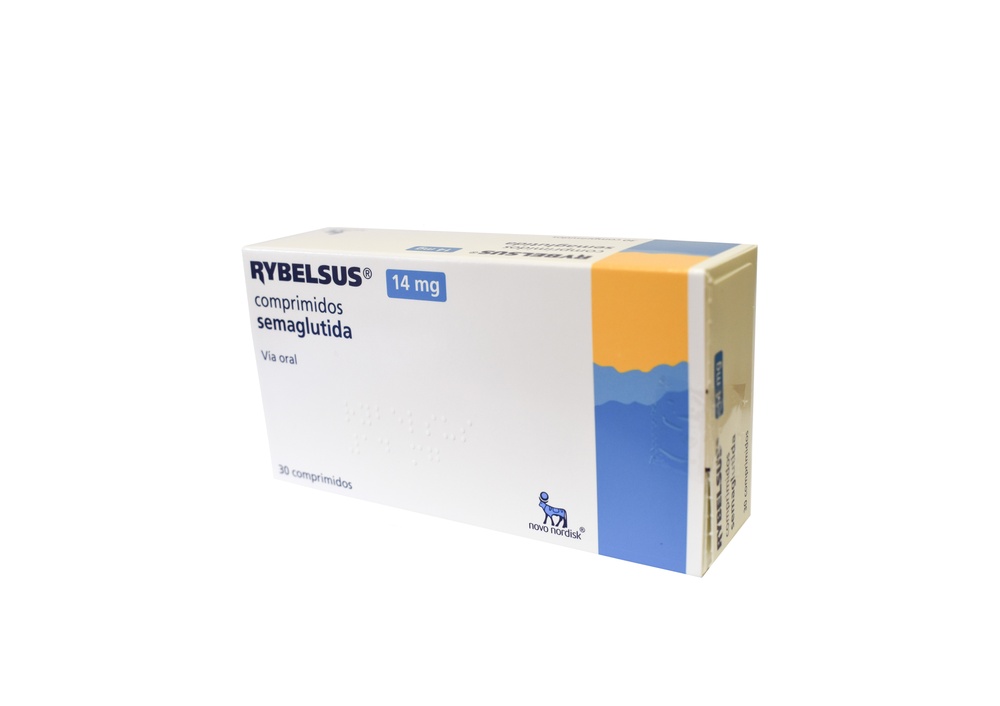
How to use RYBELSUS 14 mg TABLETS
Contents of the leaflet
- Introduction
- What is Rybelsus and what is it used for
- What you need to know before you take Rybelsus
- How to take Rybelsus
- Possible side effects
- Storage of Rybelsus
- Contents of the pack and other information
Introduction
Package Leaflet: Information for the Patient
Rybelsus 3mg tablets
Rybelsus 7mg tablets
Rybelsus 14mg tablets
Rybelsus 25mg tablets
Rybelsus 50mg tablets
semaglutide
Read all of this leaflet carefully before you start taking this medicine because it contains important information for you.
- Keep this leaflet, you may need to read it again.
- If you have any further questions, ask your doctor, pharmacist, or nurse.
- This medicine has been prescribed for you only. Do not pass it on to others. It may harm them, even if their signs of illness are the same as yours.
- If you get any side effects, talk to your doctor, pharmacist, or nurse. This includes any possible side effects not listed in this leaflet. See section 4.
Contents of the pack
- What is Rybelsus and what is it used for
- What you need to know before you take Rybelsus
- How to take Rybelsus
- Possible side effects
- Storage of Rybelsus
- Contents of the pack and other information
1. What is Rybelsus and what is it used for
Rybelsus contains the active substance semaglutide. It is a medicine used to reduce blood sugar levels.
Rybelsus is used to treat type 2 diabetes when it is not controlled well enough with diet and exercise in adults (18 years or older):
- as the only medicine: when metformin (another diabetes medicine) cannot be used or
- with other diabetes medicines: when these are not enough to control your blood sugar levels. These may be medicines that are taken by mouth or injected like insulin.
It is important that you continue with the diet and exercise plan that your doctor, pharmacist, or nurse has advised.
What is type 2 diabetes?
Type 2 diabetes is a condition where your body does not make enough insulin, and the insulin your body makes does not lower your blood sugar as it should. In some cases, your body may make too much sugar in the blood. If your blood sugar level goes up and stays high for a long time, it can lead to harmful effects such as heart problems, kidney disease, eye disorders, and poor circulation in your limbs. Therefore, it is important to keep your blood sugar levels within a normal range.

Not sure if this medicine is right for you?
Discuss your symptoms and treatment with a doctor online.
2. What you need to know before you take Rybelsus
Do not take Rybelsus
- if you are allergic to semaglutide or any of the other ingredients of this medicine (listed in section 6).
Warnings and precautions
Talk to your doctor, pharmacist, or nurse before you start taking Rybelsus.
Traceability
In order to improve the traceability of biological medicinal products, the name and batch number of the product (indicated on the packaging and blister) should be recorded and provided to the healthcare professional when reporting any adverse reaction.
General information
This medicine is not the same as insulin and should not be used if:
- you have type 1 diabetes (your body does not make any insulin)
- you develop diabetic ketoacidosis. This is a complication of diabetes characterized by high blood sugar levels, difficulty breathing, confusion, excessive thirst, sweet-smelling breath or a sweet or metallic taste in the mouth.
If you know you are going to have surgery where you will be under anesthesia (put to sleep), tell your doctor that you are taking Rybelsus.
Stomach and intestinal problems and dehydration
During treatment with this medicine, you may experience nausea, vomiting, or diarrhea. These side effects can cause dehydration (loss of fluids). It is important that you drink enough liquid to prevent dehydration. This is especially important if you have kidney problems. If you have any doubts, talk to your doctor.
Severe and persistent stomach pain which could be a sign of pancreatitis
If you have severe and persistent stomach pain, go to the doctor immediately, as it could be a sign of pancreatitis (inflammation of the pancreas).
Low blood sugar (hypoglycemia)
Taking a sulfonylurea or insulin with Rybelsus may increase the risk of experiencing low blood sugar levels (hypoglycemia). See section 4 for symptoms of low blood sugar levels.
Your doctor may ask you to measure your blood sugar levels. This will help decide if it is necessary to change the dose of sulfonylurea or insulin to reduce the risk of low blood sugar levels.
Diabetic eye disease (retinopathy)
A rapid improvement in blood sugar control may cause a temporary worsening of diabetic eye disease. If you have diabetic eye disease and experience eye problems during treatment with this medicine, talk to your doctor.
Response to treatment
If the response to treatment with semaglutide is less than expected, it may be due to low absorption due to variability in absorption and low absolute bioavailability. You should follow the instructions indicated in section 3 to achieve an optimal effect of semaglutide.
Children and adolescents
This medicine is not recommended for children and adolescents under 18 years of age, as safety and efficacy have not been established in this age group.
Other medicines and Rybelsus
Tell your doctor or pharmacist if you are taking, have recently taken, or might take any other medicines.
In particular, tell your doctor, pharmacist, or nurse if you are using medicines that contain any of the following ingredients:
- levothyroxine used to treat thyroid-related diseases. This is because your doctor may need to check your thyroid hormone levels if you are taking Rybelsus with levothyroxine.
- warfarin or other similar oral medicines to reduce blood clotting (oral anticoagulants). It may be necessary to perform frequent blood tests to determine the blood clotting ability of your blood.
- If you are using insulin, your doctor will tell you how to reduce the insulin dose and recommend that you monitor your blood sugar levels more frequently in order to avoid hyperglycemia (high blood sugar) and diabetic ketoacidosis (a complication of diabetes that occurs when the body cannot break down glucose because there is not enough insulin).
Pregnancy and breastfeeding
If you are pregnant or breastfeeding, think you may be pregnant, or are planning to have a baby, ask your doctor for advice before taking this medicine.
This medicine should not be used during pregnancy because it is not known if it affects the unborn baby. Therefore, you must use contraceptive methods while taking this medicine. If you want to become pregnant, talk to your doctor about how to change your treatment, as you should stop using this medicine at least 2 months in advance. If you become pregnant while using this medicine, talk to your doctor immediately, as your treatment will need to be changed.
Do not use this medicine during breastfeeding. This medicine passes into breast milk, and it is not known how it may affect your baby.
Driving and using machines
Rybelsus is unlikely to affect your ability to drive or use machines.
Some patients may feel dizzy when taking Rybelsus. If you feel dizzy, be extra careful when driving or using machines. Talk to your doctor for more information.
If you use this medicine with a sulfonylurea or insulin, you may experience low blood sugar levels (hypoglycemia), which can reduce your ability to concentrate. Do not drive or use machines if you experience any symptoms of low blood sugar. See section 2, “Warnings and precautions”, for information on the increased risk of experiencing low blood sugar levels and section 4 for symptoms of low blood sugar levels. Talk to your doctor for more information.
Rybelsus contains sodium
This medicine contains 23 mg of sodium (a major component of cooking/table salt) in each tablet. This is equivalent to 1% of the maximum recommended daily intake of sodium for an adult.
3. How to take Rybelsus
Take this medicine exactly as your doctor has told you. If you are not sure, talk to your doctor or pharmacist.
How much to take
- The initial dose is one 3 mg tablet once a day for one month.
- After one month, your doctor will increase the dose to one 7 mg tablet once a day.
- Your doctor will tell you to keep the dose for at least one month before increasing to a higher dose.
- Your doctor may increase the dose stepwise to one 14 mg, 25 mg, or 50 mg tablet once a day if needed.
- Your doctor will prescribe the dose that is right for you. Do not change your dose unless your doctor has told you to.
- Rybelsus should always be taken as one tablet per day. Do not take two tablets to get the effect of a higher dose.
Taking this medicine
- Take the Rybelsus tablet on an empty stomach after at least 8 hours of fasting.
- Swallow the Rybelsus tablet whole with a sip of water (up to 120 ml). Do not split, crush, or chew the tablet, as it is not known if this affects the absorption of semaglutide.
- After taking the Rybelsus tablet, wait at least 30 minutes before eating, drinking, or taking other oral medicines. Waiting less than 30 minutes reduces the absorption of semaglutide.
If you take more Rybelsus than you should
If you take more Rybelsus than you should, talk to your doctor immediately. You may experience side effects such as nausea.
If you forget to take Rybelsus
If you forget a dose, skip the missed dose and take your normal dose the next day.
If you stop taking Rybelsus
Do not stop taking this medicine without talking to your doctor. If you stop, your blood sugar levels may increase.
If you have any other questions on the use of this medicine, ask your doctor, pharmacist, or nurse.

Started taking the medicine and have questions?
Discuss your symptoms and treatment with a doctor online.
4. Possible side effects
Like all medicines, this medicine can cause side effects, although not everybody gets them.
Serious side effects
Common(may affect up to 1 in 10 people)
- complications of diabetic eye disease (retinopathy). Talk to your doctor if you experience eye problems, such as changes in vision during treatment with this medicine.
Rare(may affect up to 1 in 1,000 people)
- severe allergic reactions (anaphylactic reactions). You should seek immediate medical help and tell your doctor immediately if you experience symptoms such as breathing problems, swelling of the face and throat, wheezing, palpitations, pale and cold skin, dizziness, or weakness.
- inflammation of the pancreas (acute pancreatitis) that can cause severe stomach and back pain that does not go away. You should talk to a doctor immediately if you experience these symptoms.
Frequency not known(frequency cannot be estimated from the available data)
- intestinal obstruction. A severe form of constipation with other symptoms such as stomach pain, abdominal swelling, vomiting, etc.
Other side effects
Very common(may affect more than 1 in 10 people)
- low blood sugar (hypoglycemia) when this medicine is used with other medicines that contain a sulfonylurea or insulin. Your doctor may reduce the dose of these medicines before you start taking this medicine.
- nausea; this side effect usually goes away with time.
- diarrhea; this side effect usually goes away with time.
The warning signs of low blood sugar may appear suddenly. Some of these signs are: cold sweat, cold and pale skin, headache, palpitations, nausea, or excessive hunger, changes in vision, drowsiness, or feeling weak, nervousness, anxiety, or confusion, difficulty concentrating, or trembling.
Your doctor will tell you how to treat low blood sugar and what to do if you experience these warning signs.
Common(may affect up to 1 in 10 people)
- low blood sugar (hypoglycemia) when this medicine is used with oral diabetes medicines other than sulfonylurea or insulin
- decreased appetite
- feeling dizzy
- vomiting – this side effect usually goes away with time and may occur more frequently when increasing the dose to 25 mg and 50 mg
- stomach pain
- stomach swelling
- constipation
- stomach upset or indigestion
- inflamed stomach (gastritis); symptoms include stomach pain, nausea, or vomiting
- reflux or heartburn; also known as “gastroesophageal reflux disease”
- gas (flatulence)
- fatigue
- increased pancreatic enzymes (such as lipase and amylase) in blood tests
- change in skin sensitivity – this side effect usually goes away with time and may occur with the 25 mg and 50 mg doses
- headache.
Uncommon(may affect up to 1 in 100 people)
- allergic reactions such as rash, itching, or hives
- change in the taste of food and drink.
- rapid heartbeat
- belching
- a delay in emptying the stomach
- gallstones
- weight loss
Reporting of side effects
If you experience any side effects, talk to your doctor, pharmacist, or nurse. This includes any possible side effects not listed in this leaflet. You can also report side effects directly via the national reporting system listed in Appendix V. By reporting side effects, you can help provide more information on the safety of this medicine.
5. Storage of Rybelsus
Keep this medicine out of the sight and reach of children.
Do not use this medicine after the expiry date which is stated on the blister and carton after EXP. The expiry date is the last day of the month stated.
Store in the original package to protect from light and moisture.
This medicine does not require any special storage temperature.
Medicines should not be disposed of via wastewater or household waste. Ask your pharmacist how to dispose of medicines no longer required. These measures will help protect the environment.
6. Contents of the pack and other information
What Rybelsus contains
- The active substance is semaglutide. Each tablet contains 3, 7, 14, 25, or 50 mg of semaglutide.
- The other ingredients in the 3 mg, 7 mg, and 14 mg tablets are sodium caprylate, povidone K90, microcrystalline cellulose, and magnesium stearate. See also section 2, “Rybelsus contains sodium”.
- The other ingredients in the 25 mg and 50 mg tablets are sodium caprylate and magnesium stearate. See also section 2, “Rybelsus contains sodium”.
Appearance of Rybelsus and pack contents
The Rybelsus 3 mg tablets are white to light yellow in color and oval in shape (7.5 mm x 13.5 mm). They have a "3" on one side and the word "novo" on the other.
The Rybelsus 7 mg tablets are white to light yellow in color and oval in shape (7.5 mm x 13.5 mm). They have a "7" on one side and the word "novo" on the other.
The Rybelsus 14 mg tablets are white to light yellow in color and oval in shape (7.5 mm x 13.5 mm). They have a "14" on one side and the word "novo" on the other.
The Rybelsus 25 mg tablets are white to light yellow in color and oval in shape (6.8 mm x 12 mm). They have a "25" on one side and the word "novo" on the other.
The Rybelsus 50 mg tablets are white to light yellow in color and oval in shape (6.8 mm x 12 mm). They have a "50" on one side and the word "novo" on the other.
The 3 mg, 7 mg, 14 mg, 25 mg, and 50 mg tablets are available in aluminum/aluminum blisters, and the pack sizes available are 10, 30, 60, 90, and 100 tablets.
Not all pack sizes may be marketed.
Marketing authorization holder and manufacturer
Novo Nordisk A/S
Novo Allé
DK-2880 Bagsværd
Denmark
Date of last revision of this leaflet:
Other sources of information
Detailed information on this medicine is available on the European Medicines Agency website: https://www.ema.europa.eu/
- Country of registration
- Dosage formTABLET, 3 mg
- ATC codeA10BJ06
- Average pharmacy price132.77 EUR
- Active substance
- Prescription requiredYes
- Manufacturer
- This information is for reference only and does not constitute medical advice. Always consult a doctor before taking any medication. Oladoctor is not responsible for medical decisions based on this content.
- Alternatives to RYBELSUS 14 mg TABLETSDosage form: INJECTABLE, 0.25 mgActive substance: semaglutideManufacturer: Novo Nordisk A/SPrescription requiredDosage form: INJECTABLE, 0.5 mgActive substance: semaglutideManufacturer: Novo Nordisk A/SPrescription requiredDosage form: INJECTABLE, 1 mgActive substance: semaglutideManufacturer: Novo Nordisk A/SPrescription required
Online doctors for RYBELSUS 14 mg TABLETS
Discuss questions about RYBELSUS 14 mg TABLETS, including use, safety considerations and prescription review, subject to medical assessment and local regulations.

Get RYBELSUS 14 mg TABLETS Prescription Online
Fill in a 2-min form
Tell us your symptoms, history, and what medicine you're requesting.
Pick a doctor or let us assign
Choose a specialist or we'll match you with the next available doctor.
Doctor reviews your case
Usually within 30 minutes. They may ask follow-up questions via chat.
Collect from any pharmacy
Electronic prescription sent to your email — valid across Spain.
Frequently Asked Questions
RYBELSUS 14 mg TABLETS requires a prescription in Spain. You can check with a doctor online whether this medicine may be appropriate for your situation.
The active ingredient in RYBELSUS 14 mg TABLETS is semaglutide. This information helps identify medicines with the same composition but different brand names.
The average pharmacy price for RYBELSUS 14 mg TABLETS is around 132.77 EUR. Prices may vary depending on the manufacturer and dosage form.
RYBELSUS 14 mg TABLETS is manufactured by Novo Nordisk A/S. Pharmacy brands and packaging may differ depending on the distributor.
Doctors such as Family doctors, Psychiatrists, Dermatologists, Cardiologists, Endocrinologists, Gastroenterologists, Pulmonologists, Nephrologists, Rheumatologists, Hematologists, Infectious disease physicians, Allergists, Geriatricians, Paediatricians, Oncologists may assess whether RYBELSUS 14 mg TABLETS is appropriate, depending on your situation and local regulations. You can book an online consultation to discuss your symptoms and possible next steps.
Spain has a well-developed healthcare infrastructure across major cities such as Madrid, Barcelona, Valencia, and Seville. Pharmacies are widely available and operate under strict regulations, ensuring access to prescribed medications.
You can buy RYBELSUS 14 mg TABLETS in Madrid, Barcelona, Seville, or Valencia at any local pharmacy with a valid prescription.
To obtain a prescription, you can use Oladoctor:
Other medicines with the same active substance (semaglutide) include OZEMPIC 0.25 mg SOLUTION FOR INJECTION IN PRE-FILLED PEN, OZEMPIC 0.5 mg SOLUTION FOR INJECTION IN PRE-FILLED PEN, OZEMPIC 1 mg SOLUTION FOR INJECTION IN PRE-FILLED PEN. These may have different brand names or formulations but contain the same therapeutic ingredient. Always consult a doctor before switching or starting a new medicine.
