


PARACETAMOL/IBUPROFEN SANDOZ CARE 500 mg/200 mg FILM-COATED TABLETS
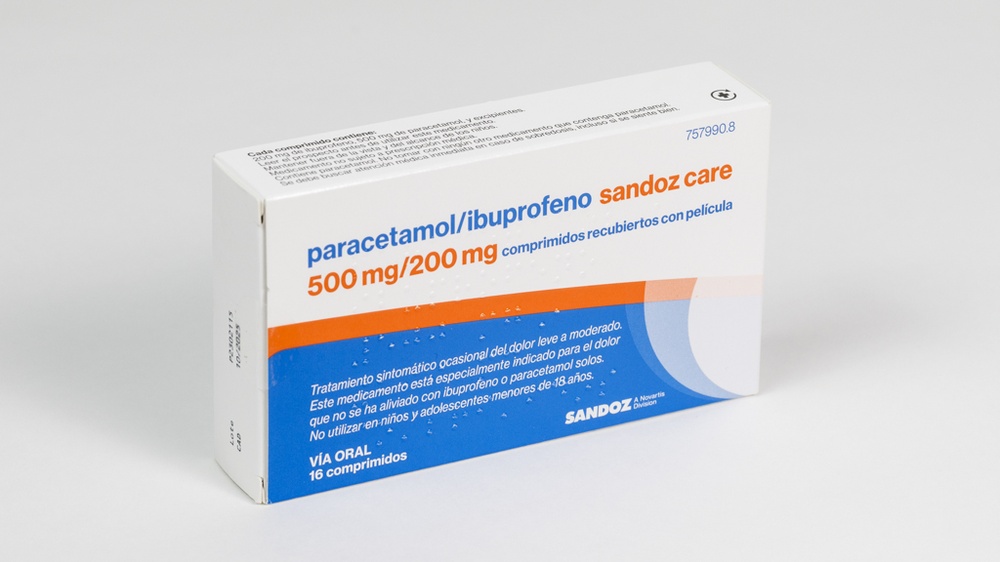



How to use PARACETAMOL/IBUPROFEN SANDOZ CARE 500 mg/200 mg FILM-COATED TABLETS
Translated with AI
This page provides general information and does not replace a doctor’s consultation. Always consult a doctor before taking any medication. Seek urgent medical care if symptoms are severe.
Show originalContents of the leaflet
- Introduction
- What Paracetamol/Ibuprofen Sandoz Care is and what it is used for
- What you need to know before taking Paracetamol/Ibuprofen Sandoz Care
- How to take Paracetamol/Ibuprofen Sandoz Care
- Possible adverse effects
- Conservation of Paracetamol/Ibuprofen Sandoz Care
- Package contents and additional information
Introduction
Package Leaflet: Information for the Patient
Paracetamol/Ibuprofen Sandoz Care 500 mg/200 mg film-coated tablets
Read the entire package leaflet carefully before starting to take this medication, as it contains important information for you.
Follow the administration instructions for the medication contained in this package leaflet or as indicated by your doctor or pharmacist exactly.
- Keep this package leaflet, as you may need to read it again.
- If you need advice or more information, consult your pharmacist.
- If you experience side effects, consult your doctor or pharmacist, even if they are side effects not listed in this package leaflet. See section 4.
- You should consult a doctor if it worsens or does not improve after 3 days. You must not take this medication for more than 3 days.
Contents of the Package Leaflet
- What Paracetamol/Ibuprofen Sandoz Care is and what it is used for
- What you need to know before taking Paracetamol/Ibuprofen Sandoz Care
- How to take Paracetamol/Ibuprofen Sandoz Care
- Possible side effects
- Storage of Paracetamol/Ibuprofen Sandoz Care
- Contents of the pack and further information
1. What Paracetamol/Ibuprofen Sandoz Care is and what it is used for
Paracetamol/Ibuprofen Sandoz Care contains two active substances (which make the medication work). These are ibuprofen and paracetamol.
Ibuprofen belongs to a group of medications known as non-steroidal anti-inflammatory drugs (NSAIDs). Paracetamol works differently from ibuprofen, but both active substances work together to reduce pain.
Paracetamol/ibuprofen is used for the symptomatic occasional treatment of mild to moderate pain. This medication is especially indicated for pain that has not been relieved by ibuprofen or paracetamol alone.
Paracetamol/ibuprofen is used in adults over 18 years of age.

2. What you need to know before taking Paracetamol/Ibuprofen Sandoz Care
Do not take Paracetamol/Ibuprofen Sandoz Care if:
- you are allergic to ibuprofen, paracetamolor to any of the other components of this medication (listed in section 6),
- you are taking any other medication that contains paracetamol,
- you have a history of allergic reactions (e.g., bronchospasm, angioedema, asthma, rhinitis, or urticaria) associated with acetylsalicylic acid or other non-steroidal anti-inflammatory drugs (NSAIDs),
- you have an active or recurrent peptic ulcer (i.e., stomach or duodenal ulcer) or bleeding (two or more distinct episodes of ulceration or bleeding confirmed),
- you have a history of gastrointestinal bleeding or perforation related to previous treatment with NSAIDs,
- you have a cerebrovascular hemorrhage or other active bleeding,
- you have blood coagulation disorders,
- you have severe heart, liver, or kidney failure,
- you are severely dehydrated, caused by vomiting, diarrhea, or insufficient fluid intake,
- you are in the last 3 months of pregnancy,
- you are under 18 years of age.
Warnings and precautions
Consult your doctor or pharmacist before starting to take Paracetamol/Ibuprofen Sandoz Care if:
- you are an elderly patient,
- you have asthmaor have suffered from asthma,
- you have kidney, heart, liver, or intestinal problems, hepatitis, or difficulty urinating,
- you are being treated concomitantly with medications that affect liver function,
- you are allergic to other substances,
- you have stomach acid, indigestion, stomach ulcers, or any other stomach problem,
- you have a tendency to bleed,
- you have Gilbert's syndrome(a rare hereditary metabolic disorder with possible signs such as yellowing of the skin or the whites of the eyes),
- you have systemic lupus erythematosus(SLE), a condition of the immune system that affects connective tissue and causes joint pain, skin changes, and disorders of other organs or other mixed connective tissue disease,
- you have gastrointestinal disorders or chronic inflammatory bowel disease(e.g., ulcerative colitis, Crohn's disease),
- you have an infection; consult the section "Infections" below,
- you have a deficiencyof a certain enzyme called glucose-6-phosphate dehydrogenase,
- you have a hereditary or acquired genetic disorder of certain enzymes that manifests with neurological complications or skin problems and occasionally both, i.e., porphyria,
- you have hemolytic anemia,
- you have hay fever, nasal polyps, or chronic obstructive respiratory disorders, as there may be a higher risk of allergic reactions,
- you suffer from chronic alcoholism,
- you have low weightor chronic malnutrition,
- you have a total body water deficiency(dehydration),
- you have recently had major surgery,
- you are in the first 6 months of pregnancyor are breastfeeding,
- you are planning to become pregnant.
Consult your doctor if any of the above warnings apply to you, or if you have experienced them in the past. You may need to avoid this medication or require a dose reduction.
Side effects can be minimized by using the minimum effective dose for the shortest necessary time to control symptoms. Do not take paracetamol/ibuprofen for more than 3 days.
Concomitant use with NSAIDs, including specific cyclooxygenase-2 inhibitors, increases the risk of adverse reactions (see below "Other medications and Paracetamol/Ibuprofen Sandoz Care") and should be avoided.
During treatment with paracetamol, inform your doctor immediately if:
If you have severe diseases, such as severe kidney failure or sepsis (when bacteria and their toxins circulate in the blood, causing organ damage), or if you suffer from malnutrition, chronic alcoholism, or are also taking flucloxacillin (an antibiotic). A severe disease called metabolic acidosis (an anomaly in the blood and fluids) has been reported in patients in these situations when paracetamol is used at regular doses for a prolonged period or when paracetamol is taken with flucloxacillin. The symptoms of metabolic acidosis may include: severe breathing difficulties with deep and rapid breathing, drowsiness, feeling unwell (nausea) and vomiting.
Warning: taking higher doses than the recommended doses does not provide greater pain relief, but it poses the risk of severe liver damage. Therefore, do not exceed the maximum daily dose of paracetamol. Do not take other medications that also contain paracetamol (see also the section "Do not take Paracetamol/Ibuprofen Sandoz Care" above). The symptoms of liver damage usually occur for the first time after a couple of days. Therefore, it is essential to consult a doctor immediatelyif you have taken more than recommended. See also section 3 "If you take more Paracetamol/Ibuprofen Sandoz Care than you should".
Anti-inflammatory/analgesic medications like ibuprofen may be associated with a small increased risk of heart attack or stroke, especially when used in high doses. Do not exceed the recommended dose or treatment duration.
You must discuss your treatment with your doctor or pharmacist before taking this medication if:
- you have heart problems, such as heart failure, angina (chest pain), or if you have had a heart attack, bypass surgery, peripheral arterial disease (poor circulation in the legs and feet due to narrow or blocked arteries) or any type of stroke (including 'mini-stroke' or transient ischemic attack "TIA"),
- you have high blood pressure, diabetes, high cholesterol, family history of heart disease or stroke, or if you are a smoker.
Skin reactions
Severe skin reactions have been reported in association with paracetamol/ibuprofen treatment. Stop taking this medication and consult a doctor immediately if you develop a skin rash, lesions on the mucous membranes, blisters, or other signs of allergy, as these may be the first signs of a very severe skin reaction. See section 4.
Infections
Paracetamol/ibuprofen may mask signs of an infection, such as fever and pain. Therefore, this medication may delay appropriate treatment of the infection, which may increase the risk of complications. This has been observed in bacterial pneumonias and bacterial skin infections related to chickenpox. If you take this medication while having an infection and the symptoms of the infection persist or worsen, consult a doctor immediately.
Gastrointestinal symptoms
Severe gastrointestinal side effects (affecting the stomach and intestine) have been reported with the use of NSAIDs, including ibuprofen. These can occur with or without warning symptoms. The risk of these side effects is higher in patients with a history of stomach or intestinal ulcers, particularly if there was also bleeding or perforation. Elderly patients have a higher risk of gastrointestinal side effects. You should discuss any history of gastrointestinal problems with your doctor and remain alert to any unusual abdominal symptoms, such as nausea, vomiting, diarrhea, constipation, indigestion, abdominal pain, black tarry stools, or vomiting blood.
Prolonged use of analgesics
Prolonged use of analgesics for headaches can worsen them. If you experience or suspect this situation, you must inform your doctor and interrupt treatment.
Regular use of analgesics, particularly in combination with several pain-relieving medications, can cause permanent kidney damage with a risk of kidney failure, a condition called analgesic nephropathy. This risk may increase under physical exertion associated with salt loss and dehydration. Therefore, it should be avoided.
Vision problems
If you notice any vision problems after using paracetamol/ibuprofen, stop using the medication and consult a doctor.
Other considerations
In general, habitual intake of analgesics, particularly in combination with several pain-relieving active substances, can lead to permanent kidney damage with a risk of kidney failure. Therefore, it should be avoided.
Children and adolescents
This medication is contraindicated in children and adolescents under 18 years of age.
Other medications and Paracetamol/Ibuprofen Sandoz Care
Inform your doctor or pharmacist if you are using, have recently used, or may need to use any other medication.
Do not take Paracetamol/Ibuprofen Sandoz Care with:
- other medications that contain paracetamol, such as some cold and flu medications or pain relievers.
Paracetamol/ibuprofen may affect or be affected by other medications. For example:
- tablet corticosteroids,
- antibiotics(e.g., chloramphenicol or quinolones),
- antiemeticmedications (e.g., metoclopramide, domperidone),
- acetylsalicylic acid, salicylates, or other NSAIDs (including COX-2 inhibitors like celecoxib or etoricoxib),
- anticoagulant medications (e.g., to thin the blood/prevent clotting, e.g., warfarin, acetylsalicylic acid, ticlopidine),
- cardiac glycosides (e.g., digoxin), medications to strengthen the heart,
- medications for high cholesterol(e.g., colestyramine),
- diuretics(to help urinate),
- medications that reduce high blood pressure(e.g., ACE inhibitors like captopril, beta blockers like atenolol, angiotensin II receptor antagonists like losartan),
- medications to suppress the immune system(e.g., methotrexate, cyclosporine, tacrolimus),
- medications for mania or depression(e.g., lithium or SSRIs),
- mifepristone(for pregnancy termination),
- phenytoin, a medication to prevent seizures in epilepsy,
- zidovudine, a medication to treat HIV (the virus that causes acquired immunodeficiency disease),
- medications that decrease gastric emptying,
- medications to treat bacterial infections called aminoglycosides,
- medications to treat gout and gouty arthritis called probenecid and sulfinpyrazone,
- antimycoticmedications that inhibit the liver enzyme CYP2C9 (e.g., voriconazole, fluconazole),
- other medications thatare known to affect the liveror induce liver microsomal enzymessuch as alcohol and antiepileptic medications (e.g., carbamazepine, phenobarbital, lorazepam),
- medications to treat diabetes(sulfonylureas),
- ginkgo biloba(a herbal medication) may increase the risk of bleeding with NSAIDs,
- medications used to treat tuberculosis(e.g., isoniazid),
- flucloxacillin(antibiotic), due to a serious risk of blood and fluid anomaly (called metabolic acidosis) that requires urgent treatment (see section 2).
Other medications may also affect or be affected by paracetamol/ibuprofen treatment. Therefore, you should always seek the advice of your doctor or pharmacist before using paracetamol/ibuprofen with other medications.
Taking Paracetamol/Ibuprofeno Sandoz Care with food and alcohol
To reduce the probability of side effects, take Paracetamol/Ibuprofen with food.
Do not drink alcohol during treatment with this medication. Alcohol may increase the toxicity of paracetamol in the liver.
Pregnancy, breastfeeding, and fertility
If you are pregnant or breastfeeding, think you may be pregnant, or are planning to become pregnant, consult your doctor or pharmacist before using this medication.
- Pregnancy
- Do not take paracetamol/ibuprofen if you are in the last 3 months of pregnancy, as it may harm the fetus or cause problems during delivery. It may cause kidney and heart problems in the baby at birth. It may affect your tendency to bleed and that of your baby and make delivery delayed or prolonged more than expected. You must not take paracetamol/ibuprofen during the first 6 months of pregnancy unless it is absolutely necessary and advised by your doctor. If you need treatment during this period or while trying to become pregnant, the lowest dose should be used for the shortest possible time. If taken for more than a few days from 20 weeks of pregnancy, paracetamol/ibuprofen may cause kidney problems in your baby at birth, which can lead to low levels of amniotic fluid surrounding the baby (oligohydramnios) or narrowing of a blood vessel (ductus arteriosus) in the baby's heart. If you need treatment for more than a few days, your doctor may recommend additional monitoring.
- Breastfeeding
Only small amounts of ibuprofen and its metabolites pass into breast milk. This medication can be taken during breastfeeding if used at the recommended dose and for the shortest possible time.
- Fertility
Ibuprofen belongs to a group of medications that may affect female fertility. Paracetamol/ibuprofen may make it difficult to become pregnant. This is reversible upon discontinuation of the medication.
Driving and using machines
Paracetamol/ibuprofen may cause dizziness, concentration problems, and drowsiness.
If you are affected, do not drive or use tools or machines.
3. How to take Paracetamol/Ibuprofen Sandoz Care
Follow the administration instructions for this medication exactly as indicated by your doctor or pharmacist. In case of doubt, consult your doctor or pharmacist again.
Adults: the recommended dose is 1 tabletwith water, up to 3 times a day.
Leave at least 6 hours between doses.
If one tablet does not control the symptoms, you can take up to a maximum of 2 tablets up to three times a day. Leave at least 6 hours between doses.
Do not take more than six tablets in a 24-hour period(equivalent to 1,200 mg of ibuprofen and 3,000 mg of paracetamol per day).
To reduce the likelihood of adverse effects, it is recommended to take paracetamol/ibuprofen with food.
Use in advanced age
No special dose modifications are required. There is a greater risk of serious adverse reactions. The lowest possible dose should be used for the shortest possible time.
Use in children and adolescents
Not suitable for use in children and adolescents under 18 years of age.
It may be necessary to reduce your dose to a maximum of 4 tablets per day if:
- you have kidney problems,
- you have liver problems,
- you weigh less than 50 kg,
- you suffer from chronic malnutrition,
- you regularly drink alcohol (chronic alcoholism),
- you are not well hydrated.
If any of the above applies to you, talk to your doctor before taking paracetamol/ibuprofen (see also section 2 "Warnings and precautions").
Only for oral use and for short-term use.
Do not take this medication for more than 3 days.
If your symptoms worsen or persist, consult your doctor.
The effective lowest dose should be used for the shortest time necessary for symptom relief.
If you have an infection, consult a doctor immediately if symptoms (such as fever and pain) persist or worsen (see section 2).
If you take more Paracetamol/Ibuprofen Sandoz Care than you should
If you have taken more paracetamol/ibuprofen than you should, or if a child has accidentally ingested the medication, consult your doctor or pharmacist immediately or go to the nearest hospital to find out about the risk and ask for advice on the measures to be taken.
The symptoms may include nausea, stomach pain, vomiting (which may be bloody), gastrointestinal bleeding, headache, ringing in the ears, confusion, and eye movement tremors (nystagmus) or, more rarely, diarrhea. Additionally, at high doses, dizziness, blurred vision, low blood pressure, excitement, disorientation, coma, hyperkalemia (high potassium levels in the blood), increased prothrombin time/INR, acute kidney failure, liver damage, respiratory depression, cyanosis, and exacerbation of asthma in asthmatics, somnolence, chest pain, palpitations, loss of consciousness, convulsions (mainly in children), weakness, and dizziness, blood in the urine, feeling of cold in the body, and respiratory problems.
In case of overdose or accidental ingestion, consult your doctor or pharmacist immediately or call the Toxicological Information Service, phone: 91 562 04 20, indicating the medication and the amount ingested.
Talk to a doctor immediately if you have taken too much medication, even if you feel well.The reason is that an excessive amount of paracetamol can cause severe late liver damage, which can be fatal. Even if there are no signs of discomfort or poisoning, you may need urgent medical attention. Liver damage can become irreversible in case of late intervention. To avoid liver damage, it is essential to receive medical treatment as soon as possible.
If you forgot to take Paracetamol/Ibuprofen Sandoz Care
Do not take a double dose to make up for forgotten doses. If you forget to take a dose, take it as soon as you remember and then take the next dose at least 6 hours later.
If you have any other doubts about the use of this medication, ask your doctor or pharmacist.

4. Possible adverse effects
Like all medications, this medication can produce adverse effects, although not all people suffer from them.
Regarding the following adverse effects, it should be noted that they depend largely on the dose and vary from patient to patient.
The most frequently observed adverse effects are of a gastrointestinal nature. Peptic ulcers, perforation, or gastrointestinal bleeding may occur, sometimes fatally, especially in elderly patients. After administration, nausea, vomiting, diarrhea, flatulence, constipation, indigestion, abdominal pain, tarry stools, vomiting blood, ulcerative stomatitis, exacerbation of colitis, and Crohn's disease have been reported. Less frequently, gastritis has been observed. In particular, the risk of gastrointestinal bleeding depends on the dose range and duration of use.
Cases of edema, high blood pressure, and heart failure have been reported in association with treatment with NSAIDs.
STOP TAKING the medication and inform your doctor if you experience:
Uncommon (may affect up to 1 in 100 people):
- signs of intestinal bleeding (severe stomach pain, vomiting blood or liquid that looks like coffee grounds, blood in the stool, black tarry stools).
Rare (may affect up to 1 in 10,000 people):
- symptoms of aseptic meningitis, inflammation of the brain lining such as: neck stiffness, headache, nausea or vomiting, fever or loss of consciousness,
- severe allergic reactions. The symptoms may include: swelling of the face, tongue, or larynx, difficulty breathing, rapid heartbeat, low blood pressure (anaphylaxis, angioedema, or severe shock),
- respiratory reactivity including asthma, worsening of asthma, wheezing, difficulty breathing,
- severe forms of skin reactions, such as blistering reactions, including erythema multiforme, Stevens-Johnson syndrome, and toxic epidermal necrolysis,
- worsening of severe existing skin infections (you may notice rash, blisters, and skin discoloration, fever, somnolence, diarrhea, and nausea), or worsening of other infections, such as chickenpox or herpes zoster or severe infection with destruction (necrosis) of the skin, subcutaneous tissue, and muscle, blisters, and skin peeling.
Frequency not known (cannot be estimated from the available data):
- a severe skin reaction known as DRESS syndrome (frequency not known). The symptoms of DRESS include: skin rash, fever, lymph node inflammation, and an increase in eosinophils (a type of white blood cell),
- red, scaly, generalized rash, with bumps under the skin and localized blisters mainly in skin folds, trunk, and upper limbs, accompanied by fever at the start of treatment (acute generalized exanthematous pustulosis). Stop taking this medication if you develop these symptoms and seek immediate medical attention. See also section 2.
- A serious condition that can make the blood more acidic (called metabolic acidosis) in patients with severe illness using paracetamol (see section 2).
Other possible adverse effects
Common(may affect up to 1 in 10 people):
- gastrointestinal disorders such as stomach pain, heartburn, indigestion, nausea, vomiting, gas, and constipation, diarrhea, mild gastrointestinal bleeding that can cause anemia in exceptional cases,
- elevated alanine aminotransferase, elevated gamma-glutamyltransferase, and abnormal liver function tests with paracetamol,
- swelling and fluid retention, swelling of ankles or legs (edema); fluid retention usually responds quickly to discontinuation of the combination,
- increased levels of creatinine and urea in the blood.
Uncommon(may affect up to 1 in 100 people):
- central nervous system disorders such as headache, dizziness, insomnia, agitation, irritability, or fatigue,
- urticaria, itching,
- inability to empty the bladder completely (urinary retention),
- thick mucus in the respiratory tract,
- various types of rash,
- gastrointestinal ulcers, potentially with bleeding and perforation or gastrointestinal bleeding, worsening of colon inflammation (colitis) and digestive tract (Crohn's disease), ulcerative stomatitis, gastritis,
- decrease in hemoglobin and hematocrit, increase in aspartate aminotransferase, increase in alkaline phosphatase in blood, increase in creatine phosphokinase in blood, increase in platelet count (blood clotting cells).
Rare(may affect up to 1 in 1,000 people):
- abnormal dreams,
- kidney tissue damage (particularly with long-term use),
- high uric acid levels in the blood (hyperuricemia),
- abnormal skin sensation (tingling, tingling).
Very rare(may affect up to 1 in 10,000 people):
- blood disorders (agranulocytosis, anemia, aplastic anemia, hemolytic anemia, leukopenia, neutropenia, pancytopenia, and thrombocytopenia). The first signs are: fever, sore throat, superficial ulcers in the mouth, symptoms similar to those of the flu, severe fatigue, unexplained bleeding, bruising, and nosebleeds,
- optic neuritis and somnolence, aseptic meningitis in patients with existing disorders (such as systemic lupus erythematosus and mixed connective tissue disease), the symptoms include neck stiffness, headache, nausea, vomiting, fever, or loss of consciousness,
- visual disturbances; in this case, you should stop using this medication and consult a doctor,
- hearing loss, ringing in the ears, sensation of spinning (vertigo), confusion, psychotic reactions, hallucinations, depression,
- fatigue, general malaise,
- increased sweating, sensitivity to light, exfoliative dermatosis,
- rash with red spots on the skin (purpura),
- hair loss,
- high blood pressure, vasculitis,
- esophageal inflammation, pancreatitis, formation of intestinal structures similar to a diaphragm,
- liver problems, dysfunction, liver damage (particularly with long-term use), liver failure, acute hepatitis, yellowing of the skin and/or the whites of the eyes, also called jaundice; in paracetamol overdose, it can cause acute liver failure, liver failure, liver necrosis, and liver damage,
- nephrotoxicity in various forms, including interstitial nephritis, nephrotic syndrome, and acute and chronic kidney failure,
- rapid or irregular heartbeats, also called palpitations, tachycardia, arrhythmia, and other cardiac arrhythmias, heart failure (which causes difficulty breathing, swelling), myocardial infarction.
Not known(cannot be estimated from the available data):
- the skin becomes sensitive to light.
Medications like paracetamol/ibuprofen may be associated with a small increased risk of heart attack ("myocardial infarction") or stroke (see section 2).
Reporting of adverse effects
If you experience any type of adverse effect, consult your doctor or pharmacist, even if it is a possible adverse effect that does not appear in this prospectus. You can also report them directly through the Spanish Pharmacovigilance System for Human Use Medications: https://www.notificaram.es. By reporting adverse effects, you can contribute to providing more information on the safety of this medication.
5. Conservation of Paracetamol/Ibuprofen Sandoz Care
Keep this medication out of sight and reach of children.
Do not use this medication after the expiration date that appears on the box and blister after CAD/EXP. The expiration date is the last day of the month indicated.
Store in the original packaging to protect it from light.
This medication does not require any special storage temperature.
Medications should not be thrown away through the sewers or in the trash. Deposit the containers and medications you no longer need in the SIGRE Point of the pharmacy. In case of doubt, ask your pharmacist how to dispose of the containers and medications you no longer need. This way, you will help protect the environment.
6. Package contents and additional information
Composition of Paracetamol/Ibuprofen Sandoz Care
- The active ingredients are ibuprofen and paracetamol. Each tablet contains 200 mg of ibuprofen and 500 mg of paracetamol.
- The other components are:
Tablet core: cornstarch, crospovidone (type A) (E 1202), anhydrous colloidal silica (E 551), povidone K-30 (E 1201), pregelatinized cornstarch, talc (E 553b), stearic acid (50).
Coating: poly(vinyl alcohol) (E 1203), talc (E 553b), macrogol 3350 (E 1521), titanium dioxide (E171).
Product appearance and package contents
Paracetamol/Ibuprofen Sandoz Care 500 mg/200 mg are film-coated tablets of white to off-white color, oval shape, with dimensions of 19.7 mm x 9.2 mm.
The film-coated tablets are packaged in Aluminum-PVC/PVDC blisters.
Package sizes:
Blister packs: 10, 16, or 20 film-coated tablets.
Unit-dose blisters: 10x1, 16x1, or 20x1 film-coated tablets
Not all package sizes may be marketed.
Marketing authorization holder and manufacturer
Marketing authorization holder
Sandoz Farmacéutica, S.A.
Centro Empresarial Parque Norte
Edificio Roble
C/ Serrano Galvache, 56
28033 Madrid
Spain
Manufacturer
Lek Pharmaceuticals d.d.
Verovškova, 57
SLO-1526 Ljubljana
Slovenia
or
Rontis Hellas S.A., Medical and Pharmaceutical Products
Larissa Industrial Area, P.O. Box 3012,
Larissa, 41 500
Greece
Date of the last revision of this prospectus:March 2025.
Detailed information about this medication is available on the website of the Spanish Agency for Medications and Health Products (AEMPS) http://www.aemps.gob.es/
- Country of registration
- Active substance
- Prescription requiredNo
- Manufacturer
- This information is for reference only and does not constitute medical advice. Always consult a doctor before taking any medication. Oladoctor is not responsible for medical decisions based on this content.
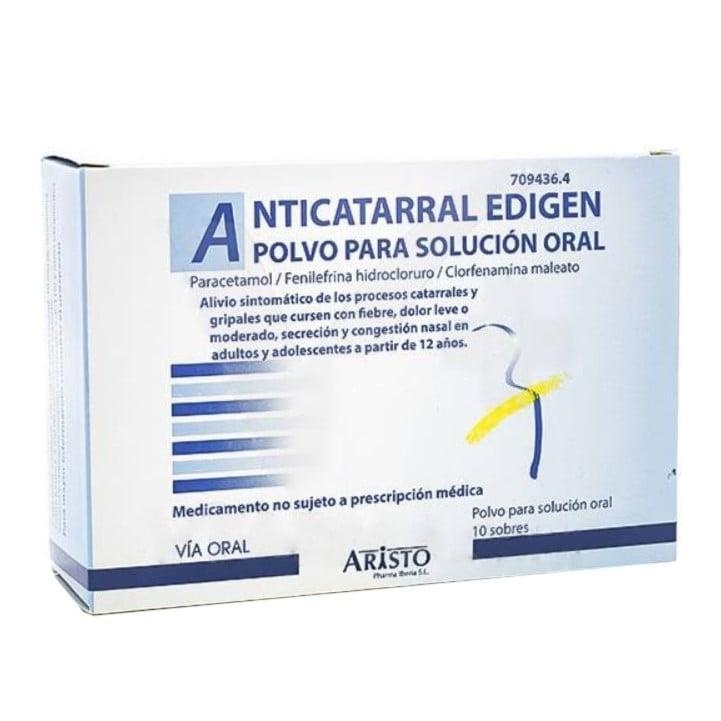
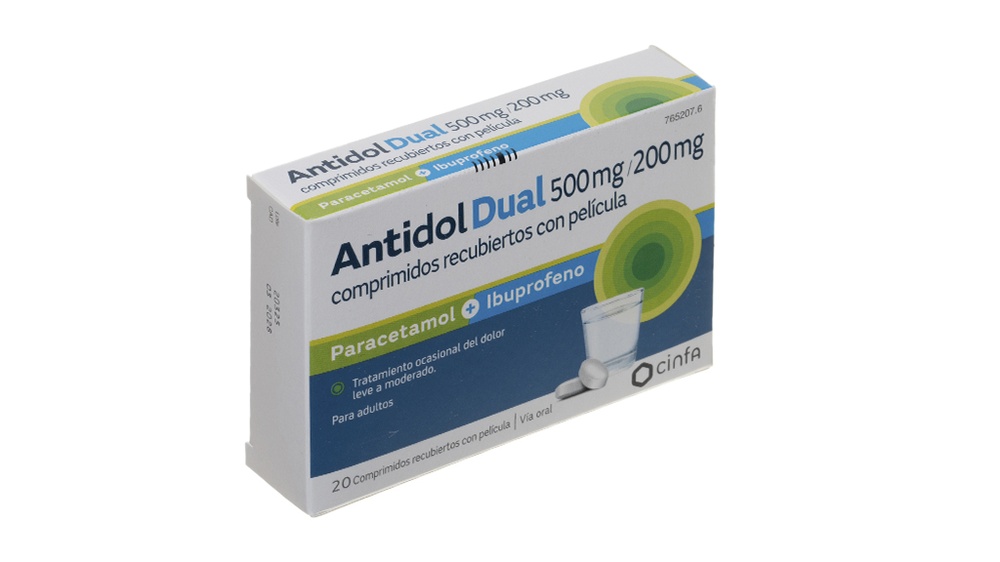
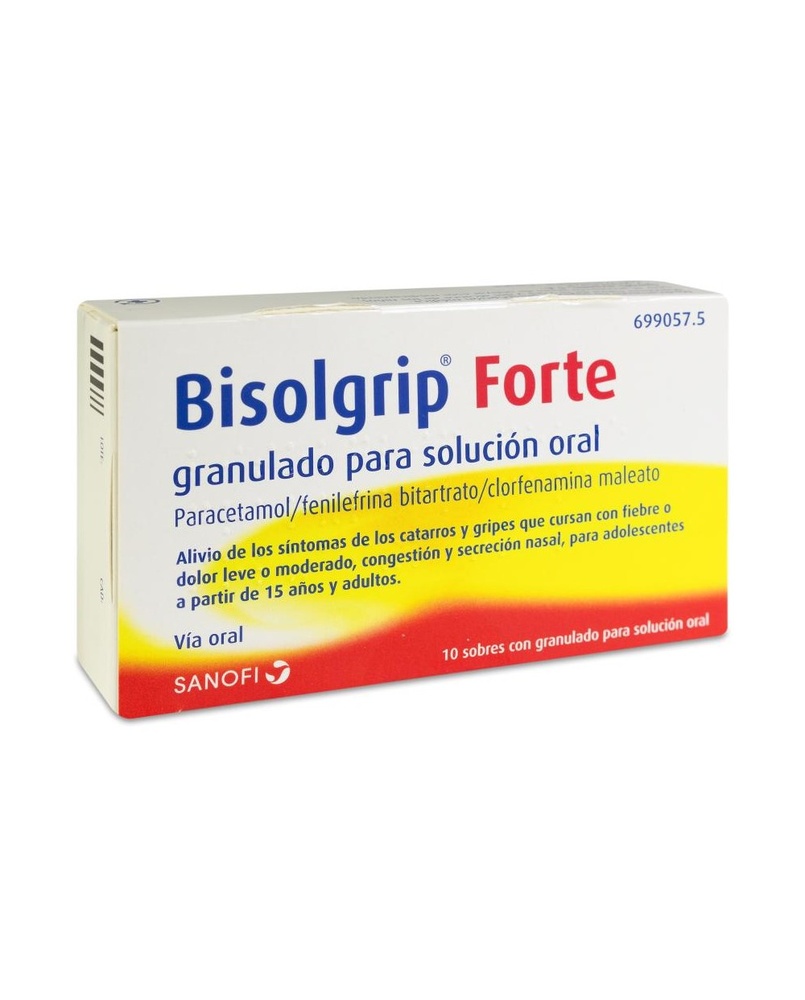
- Alternatives to PARACETAMOL/IBUPROFEN SANDOZ CARE 500 mg/200 mg FILM-COATED TABLETSDosage form: ORAL SOLUTION/SUSPENSION, 500 mg; 4 mg; 10 mgActive substance: paracetamol, combinations excl. psycholepticsManufacturer: Aristo Pharma Iberia S.L.Prescription not requiredDosage form: TABLET, 500 mg/200 mgActive substance: paracetamol, combinations excl. psycholepticsManufacturer: Laboratorios Cinfa S.A.Prescription not requiredDosage form: ORAL SOLUTION/SUSPENSION, 650 mg/2.8 mg/8.21 mgActive substance: paracetamol, combinations excl. psycholepticsManufacturer: Opella Healthcare Spain S.L.Prescription not required
Online doctors for PARACETAMOL/IBUPROFEN SANDOZ CARE 500 mg/200 mg FILM-COATED TABLETS
Discuss questions about PARACETAMOL/IBUPROFEN SANDOZ CARE 500 mg/200 mg FILM-COATED TABLETS, including use, safety considerations and prescription review, subject to medical assessment and local regulations.











Frequently Asked Questions
