


Palexia 75 mg comprimidos recubiertos con película

Prescription request online
A doctor will review your case and decide whether a prescription is medically appropriate.

Talk to a doctor about this medicine
Discuss your symptoms and possible next steps in a quick online consultation.



How to use PALEXIA 75 mg FILM-COATED TABLETS
Contents of the leaflet
- Introduction
- What PALEXIA 75 mg is and what it is used for
- What you need to know before taking PALEXIA 75 mg
- How to take PALEXIA 75 mg
- Possible Adverse Effects
- Conservation of PALEXIA 75 mg
- Package contents and additional information
Introduction
Prospective: Information for the User
PALEXIA75mg film-coated tablets
Tapentadol
Read the entire prospectus carefully before starting to take this medication, as it contains
important information for you.
- Keep this prospectus, as you may need to read it again.
- If you have any doubts, consult your doctor or pharmacist.
- This medication has been prescribed to you only, and you should not give it to others, even if they have the same symptoms as you, as it may harm them.
- If you experience side effects, consult your doctor or pharmacist, even if they are not listed in this prospectus. See section 4.
Contents of the Prospectus
- What PALEXIA 75 mg is and what it is used for
- What you need to know before taking PALEXIA 75 mg
- How to take PALEXIA 75 mg
- Possible side effects
- Storage of PALEXIA 75 mg
- Package contents and additional information
1. What PALEXIA 75 mg is and what it is used for
Tapentadol, the active ingredient in PALEXIA, is a potent analgesic that belongs to the class of opioids.
PALEXIA 75 mg is used for the treatment of moderate to severe acute pain in adults, which can only be adequately treated with an opioid analgesic.

Not sure if this medicine is right for you?
Discuss your symptoms and treatment with a doctor online.
2. What you need to know before taking PALEXIA 75 mg
Do not take PALEXIA 75 mg:
- if you are allergic to tapentadol or any of the other components of this medication (listed in section 6),
- if you have asthma or if your breathing is slow or shallow to dangerous levels [respiratory depression; hypercapnia (higher than normal carbon dioxide levels in the blood)],
- if you have a disease in which the intestine does not function properly (intestinal paralysis),
- if you have consumed alcohol, sleeping pills, other analgesics, or other psychotropic medications (medications that influence mood and emotions) at high doses (see section "Taking PALEXIA 75 mg with other medications").
Warnings and precautions
Consult your doctor or pharmacist before starting to take PALEXIA 75 mg:
- if your breathing is slow or shallow,
- if you have increased intracranial pressure or altered consciousness, even coma,
- if you have had a head injury or brain tumors,
- if you have liver or kidney disease (see section "How to take PALEXIA 75 mg"),
- if you have pancreatic disease (such as pancreatitis) or bile duct disease,
- if you are taking medications called mixed opioid agonist/antagonists (e.g., pentazocine, nalbuphine) or partial opioid agonists (e.g., buprenorphine),
- if you are prone to epilepsy or convulsive seizures, or if you are taking other medications with a known risk of increasing seizures, as the risk of these seizures may increase,
- if you or a family member have a history of substance abuse or dependence on alcohol, prescription medications, or illicit substances ("addiction"),
- if you smoke,
- if you have ever had problems with your mood (depression, anxiety, or personality disorder) or have received psychiatric treatment for other mental illnesses.
This medication contains tapentadol, which is an opioid medication. Repeated use of opioid analgesics can reduce their effectiveness (you may become accustomed to them). It can also lead to dependence and abuse, which can result in a potentially fatal overdose. It is essential that you inform your doctor if you think you may have developed dependence on PALEXIA 75 mg. Its use (even at therapeutic doses) can cause physical dependence, which may lead to withdrawal symptoms and a recurrence of your problems if you stop taking this medication abruptly.
PALEXIA 75 mg can cause physical and psychological addiction. If you have a tendency to abuse medications or are dependent on medications, you should only take these tablets for short periods under strict medical supervision.
Sleep-related respiratory disorders
PALEXIA 75 mg can cause sleep-related respiratory disorders, such as sleep apnea (pauses in breathing during sleep) and sleep-related hypoxemia (low oxygen levels in the blood). Symptoms may include pauses in breathing during sleep, nighttime awakenings due to difficulty breathing, difficulty maintaining sleep, or excessive daytime sleepiness. If you or someone else observes these symptoms, consult your doctor. Your doctor may consider reducing the dose.
Taking PALEXIA 75 mg with other medications
Inform your doctor or pharmacist if you are taking, have recently taken, or may need to take any other medication.
The risk of side effects increases if you are taking medications that can cause seizures (attacks), such as certain antidepressants or antipsychotics. The risk of seizures increases if you take PALEXIA 75 mg simultaneously with these medications. Your doctor will tell you if PALEXIA 75 mg is suitable for you.
The concomitant use of PALEXIA 75 mg and sedative medications, such as benzodiazepines or related medications (certain sleeping pills or tranquilizers [e.g., barbiturates] or analgesics like opioids, morphine, and codeine [also as a cough medication], antipsychotics, antihistamines H1, alcohol), increases the risk of drowsiness, respiratory difficulties (respiratory depression), coma, and can be potentially fatal. Due to this, concomitant use should only be considered when other treatment options are not possible.
However, if your doctor prescribes PALEXIA 75 mg with sedative medications, they will limit the dose and duration of concomitant treatment.
The concomitant use of opioids and medications used to treat epilepsy, nerve pain, or anxiety (gabapentin and pregabalin) increases the risk of opioid overdose, respiratory depression, and can be potentially fatal.
Inform your doctor if you are taking gabapentin or pregabalin or any other sedative medication, and follow your doctor's dosage recommendations to the letter. It may be helpful to inform your friends and family about the signs and symptoms mentioned above. Inform your doctor if you experience any of these symptoms.
If you are taking a type of medication that affects serotonin levels (e.g., certain medications for treating depression), talk to your doctor before taking PALEXIA 75 mg, as there have been cases of "serotonin syndrome". Serotonin syndrome is a rare but potentially life-threatening disorder. Symptoms may include involuntary muscle contractions, including muscles that control eye movement, agitation, excessive sweating, tremors, exaggerated reflexes, increased muscle tension, and body temperature above 38°C. Your doctor can provide additional information.
The concomitant administration of PALEXIA 75 mg with other types of medications called mixed opioid agonist/antagonists (e.g., pentazocine, nalbuphine) or partial opioid agonists (e.g., buprenorphine) has not been studied. It is possible that PALEXIA 75 mg may not have the same efficacy if administered with one of these medications. Inform your doctor if you are currently being treated with one of these medications.
The administration of PALEXIA 75 mg with potent inhibitors or inducers (e.g., rifampicin, phenobarbital, St. John's Wort) of certain enzymes necessary for the elimination of tapentadol from your body may affect the efficacy of tapentadol or cause side effects, especially when starting or stopping this other type of medication. Keep your doctor informed about all medications you are taking.
PALEXIA 75 mg should not be taken with MAO inhibitors (medications for treating depression). Inform your doctor if you are taking MAO inhibitors or if you have taken them in the last 14 days.
Taking PALEXIA 75 mg with food, beverages, and alcohol
Do not consume alcohol while taking PALEXIA 75 mg, as some of its side effects, such as drowsiness, may increase. Food intake does not affect the effect of this medication.
Pregnancy and breastfeeding
If you are pregnant or breastfeeding, think you may be pregnant, or plan to become pregnant, consult your doctor or pharmacist before using this medication.
Do not take this medication:
- if you are pregnant, unless your doctor has indicated it, if used during prolonged periods during pregnancy, tapentadol may cause withdrawal symptoms in the newborn, which can be life-threatening if not detected and treated by a doctor,
- during childbirth, as it may cause slow or shallow breathing to dangerous levels (respiratory depression) in the newborn,
- during breastfeeding, as it may be excreted in breast milk.
Driving and using machines
Ask your doctor if you can drive or use machines during treatment with PALEXIA. It is essential that you observe how this medication affects you before driving or using machines. Do not drive or use machines if you feel drowsy, dizzy, have blurred vision, or have difficulty concentrating. Be especially careful when starting treatment, after a dose change, or when taking it concomitantly with alcohol or tranquilizers.
PALEXIA 75 mg contains lactose
If your doctor has told you that you have an intolerance to certain sugars, consult with them before taking this medication.
PALEXIA 75 mg contains sodium
This medication contains less than 1 mmol (23 mg) of sodium per tablet, so it is considered essentially "sodium-free".
3. How to take PALEXIA 75 mg
Follow the administration instructions for this medication indicated by your doctor or pharmacist. If in doubt, consult your doctor or pharmacist again.
Your doctor will adjust the dose based on the intensity of your pain and your personal sensitivity to pain. Generally, you should take the minimum effective dose to relieve pain.
Adults
The usual starting dose is 50 mg every 4 to 6 hours.
Your doctor may prescribe a different dose or dosing regimen, more suitable if necessary. If you think the effect of these tablets is too strong or too weak, consult your doctor or pharmacist.
Daily doses above 700 mg of tapentadol on the first day of treatment and daily doses above 600 mg of tapentadol on subsequent days of treatment are not recommended.
Elderly patients
In elderly patients (over 65 years of age), the dose does not usually need to be adjusted. However, the elimination of tapentadol may be delayed and slower in certain patients in this age group. If this applies to you, your doctor may prescribe a different dosing regimen.
Liver and kidney diseases (hepatic and renal insufficiency)
Patient with severe hepatic impairment should not take these tablets. If you have moderate hepatic impairment, your doctor will prescribe a different dosing regimen. In cases of mild hepatic impairment, dose adjustment is not necessary.
Patient with severe renal impairment should not take these tablets. In cases of mild or moderate renal impairment, dose adjustment is not necessary.
Use in children and adolescents
PALEXIA 75 mg is not indicated in children and adolescents under 18 years of age.
How and when to take PALEXIA 75 mg
PALEXIA 75 mg should be taken orally.
Take the tablets with a sufficient amount of liquid. You can take them on an empty stomach or with meals.
How long to take PALEXIA 75 mg
Do not take the tablets for longer than your doctor has indicated.
If you take more PALEXIA 75 mg than you should
After taking very high doses, you may experience some of the following effects:
- very small pupils, vomiting, decreased blood pressure, rapid heartbeat, fainting, altered consciousness or coma (deep loss of consciousness), epileptic seizures, slow or shallow breathing to dangerous levels, or respiratory arrest.
If any of these things happen to you, call a doctor immediately!
In case of overdose or accidental ingestion, consult your doctor or pharmacist immediately or call the Toxicology Information Service, phone: 91 562 04 20, indicating the medication and the amount used. It is recommended to bring the packaging and prospectus of the medication to the healthcare professional.
If you forget to take PALEXIA 75 mg
If you forget to take a tablet, you will likely feel pain again. Do not take a double dose to make up for forgotten doses, but continue taking the tablets as before.
If you stop taking PALEXIA 75 mg
If you stop or discontinue treatment too soon, you will likely feel pain again. If you want to stop treatment, consult your doctor before doing so.
Generally, patients do not experience any side effects after stopping treatment, but in rare cases, people who have taken the tablets for a long time may feel unwell if they stop taking them abruptly.
The symptoms may be:
- restlessness, tearful eyes, runny nose, yawning, sweating, chills, muscle pain, and dilated pupils,
- irritability, anxiety, back pain, joint pain, weakness, abdominal cramps, difficulty sleeping, nausea, loss of appetite, vomiting, diarrhea, and increased blood pressure, respiratory rate, or heart rate.
If you experience any of these symptoms after stopping treatment, consult your doctor.
You should not stop taking this medication abruptly, unless your doctor tells you to do so. If your doctor wants you to stop taking these tablets, they will tell you how to do it, which may involve gradually reducing the dose.
If you have any other questions about the use of this medication, ask your doctor or pharmacist.
Started taking the medicine and have questions?
Discuss your symptoms and treatment with a doctor online.
4. Possible Adverse Effects
Like all medicines, this medicine can cause adverse effects, although not all people suffer from them.
Adverse effects or important symptoms to be aware of and what to do if you are affected by them:
This medicine may cause allergic reactions. The symptoms may consist of wheezing (a kind of whistling when breathing), difficulty breathing, swelling of the eyelids, face, or lips, skin rash, or itching, especially if they affect the whole body.
Another serious adverse effect is breathing more slowly or more weakly than normal. It occurs mostly in elderly patients or weakened patients.
If you experience any of these important symptoms, consult your doctor immediately.
Adverse effects that may occur:
Very common(may affect more than 1 in 10 people): nausea, vomiting, dizziness, drowsiness, headache.
Common(may affect up to 1 in 10 people): decreased appetite, anxiety, confusion, hallucinations, difficulty sleeping, sleep disturbances, tremors, hot flashes, constipation, diarrhea, indigestion, dry mouth, itching, increased sweating, skin rash, muscle cramps, feeling of weakness, fatigue, feeling of change in body temperature.
Uncommon(may affect up to 1 in 100 people): mood depression, disorientation, excitability (agitation), nervousness, restlessness, euphoric mood, attention disturbances, memory impairment, feeling of being about to faint, sedation, difficulty controlling movements, difficulty speaking, numbness, abnormal sensations in the skin (such as tingling, itching), muscle twitches, vision disturbances, rapid heartbeat, palpitations, decreased blood pressure, slow or shallow breathing to dangerous levels (respiratory depression), decreased oxygen levels in the blood, shortness of breath, abdominal discomfort, rash, feeling of heaviness, delayed urination, frequent urination, drug withdrawal syndrome (see section "If you stop treatment with PALEXIA 75 mg"), water accumulation in tissues (edema), feeling of discomfort, feeling of intoxication, irritability, feeling of relaxation.
Rare(may affect up to 1 in 1,000 people): drug allergic reaction (including swelling under the skin, urticarial habon, and in severe cases difficulty breathing, decreased blood pressure, collapse, or shock), altered thinking, epileptic seizures, decreased level of consciousness, altered coordination, slow heartbeat, altered gastric emptying.
Frequency not known(the frequency cannot be estimated from the available data): delirium.
In general, the possibility of having suicidal thoughts and behaviors increases in patients with chronic pain. Additionally, some medications for treating depression (with an impact on the brain's neurotransmitter system) may increase this risk, especially at the start of treatment. Although tapentadol also affects neurotransmitters, experience in patients has not proven that it increases this risk.
Reporting of adverse effects
If you experience any type of adverse effect, consult your doctor or pharmacist, even if it is a possible adverse effect that is not listed in this prospectus. You can also report them directly through the Spanish Pharmacovigilance System for human use medicines: https://www.notificaram.es. By reporting adverse effects, you can contribute to providing more information on the safety of this medicine.
5. Conservation of PALEXIA 75 mg
Keep this medicine out of the sight and reach of children.
Do not use this medicine after the expiration date that appears on the box and blister. The expiration date is the last day of the month indicated.
This medicine does not require special storage conditions.
Medicines should not be thrown away through drains or into the trash. Deposit the containers and medicines you no longer need at the SIGRE point in the pharmacy. In case of doubt, ask your pharmacist how to dispose of the containers and medicines you no longer need. This way, you will help protect the environment.
6. Package contents and additional information
Composition of PALEXIA 75 mg
The activeingredient is tapentadol.
Each tablet contains 75 mg of tapentadol (as 87.36 mg of tapentadol hydrochloride).
The othercomponents are:
Core of the tablet: microcrystalline cellulose, lactose monohydrate, sodium croscarmellose, povidone K30, magnesium stearate. Film coating: polyvinyl alcohol, titanium dioxide (E 171), macrogol 3350, talc, yellow iron oxide (E 172), red iron oxide (E 172).
Appearance of the product and package contents
Coated tablets, round, light yellow in color, 8 mm in diameter, with the Grünenthal logo embossed on one side and "H7" on the other.
PALEXIA film-coated tablets are packaged in blisters and supplied in containers of 5, 10, 10x1, 14, 14x1, 20, 20x1, 24, 28, 28x1, 30, 30x1, 40, 50, 50x1, 54, 56, 56x1, 60, 60x1, 90, 90x1, 100, and 100x1 tablets.
Only some package sizes may be marketed.
Marketing authorization holder and manufacturer
Marketing authorization holder:
Grünenthal Pharma, S.A.
Doctor Zamenhof, 36 – 28027 Madrid, Spain
Manufacturer:
Grünenthal GmbH
Zieglerstrasse, 6 – D-52078 Aachen, Germany
This medicine is authorized in the Member States of the European Economic Area and in the United Kingdom (Northern Ireland) with the following names:
Germany: Palexia Akutschmerz
Austria, Belgium, Cyprus, Croatia, Denmark, Slovenia, Spain, Greece, Netherlands, Ireland, Italy, Luxembourg, Norway, Poland, Portugal, United Kingdom (Northern Ireland), Czech Republic, Slovakia, Sweden: PALEXIA
Date of the last revision of this prospectus: February 2024
Detailed and updated information on this medicine is available on the website of the Spanish Agency for Medicines and Health Products (AEMPS) http://www.aemps.gob.es/

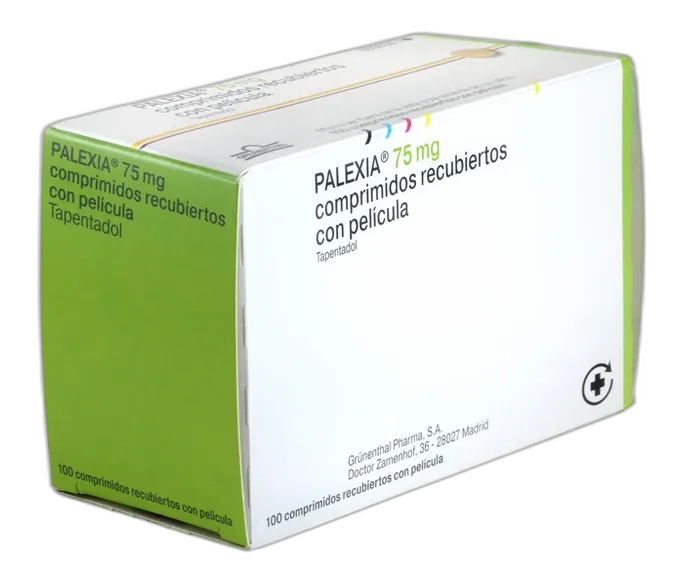
Illustrative image Image: AEMPS – CIMA - Country of registration
- Dosage formTABLET, 75 mg
- ATC codeN02AX06
- Active substance
- Prescription requiredYes
- Manufacturer
- CompositionLACTOSA MONOHIDRATO (39,06 mg mg), CROSCARMELOSA SODICA (11,25 mg mg)
- This information is for reference only and does not constitute medical advice. Always consult a doctor before taking any medication. Oladoctor is not responsible for medical decisions based on this content.
- Alternatives to PALEXIA 75 mg FILM-COATED TABLETS
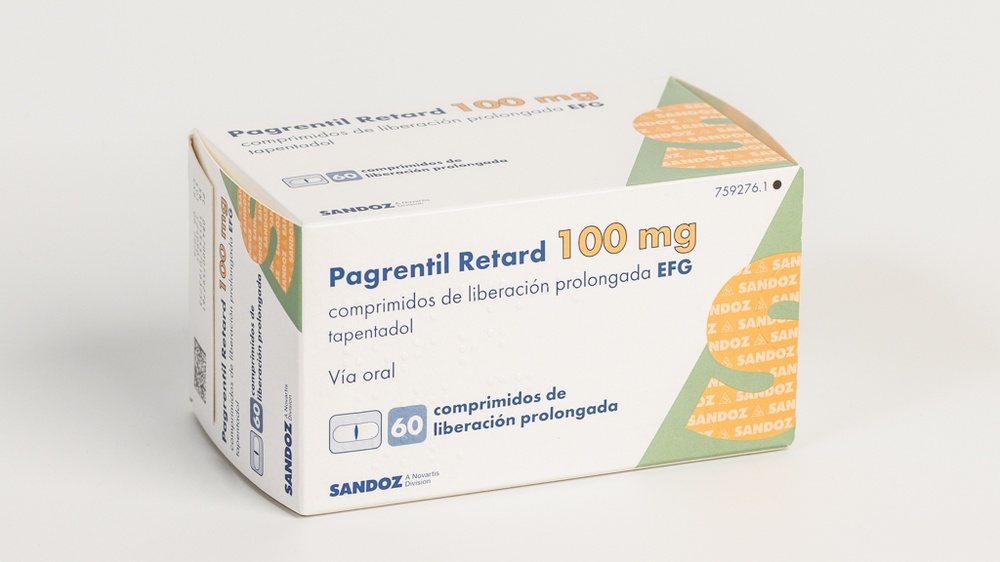 PAGRENTIL RETARD 100 mg PROLONGED-RELEASE TABLETSIllustrative imageDosage form: MODIFIED-RELEASE TABLET, 100 mgActive substance: tapentadolManufacturer: Sandoz Farmaceutica S.A.Prescription required
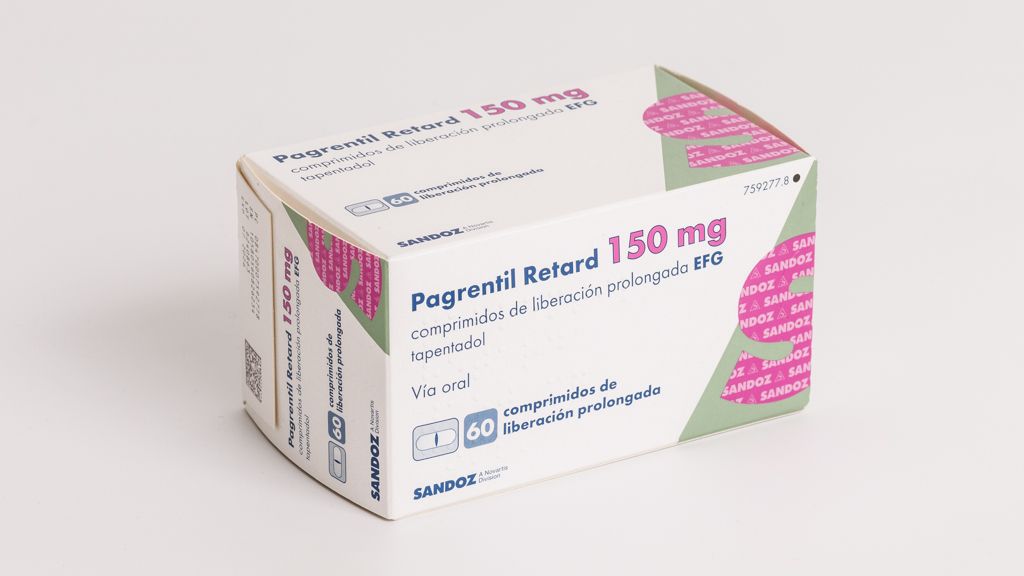 PAGRENTIL RETARD 150 mg PROLONGED-RELEASE TABLETSIllustrative imageDosage form: MODIFIED-RELEASE TABLET, 150 mgActive substance: tapentadolManufacturer: Sandoz Farmaceutica S.A.Prescription required
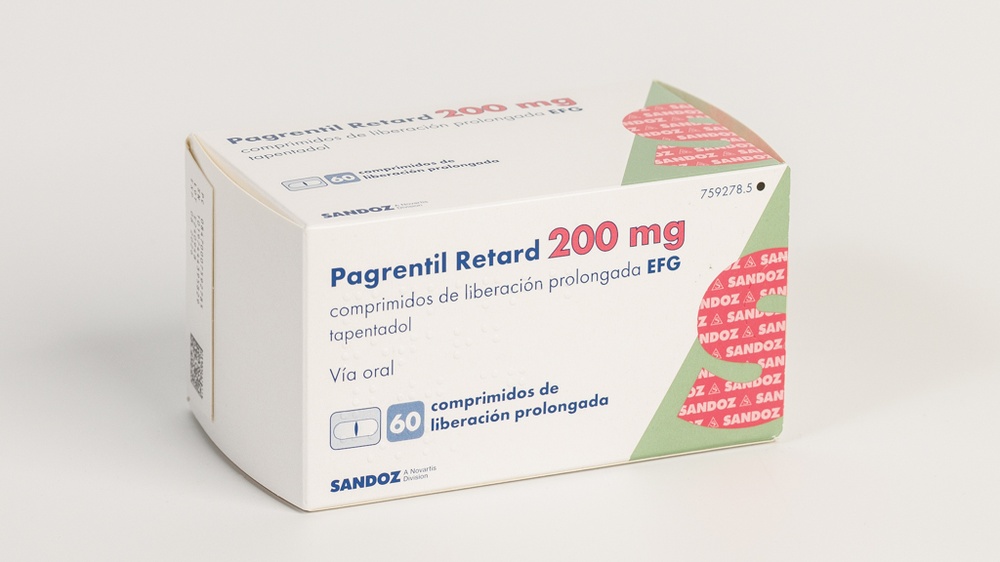 PAGRENTIL RETARD 200 mg PROLONGED-RELEASE TABLETSIllustrative imageDosage form: MODIFIED-RELEASE TABLET, 200 mgActive substance: tapentadolManufacturer: Sandoz Farmaceutica S.A.Prescription required
Online doctors for PALEXIA 75 mg FILM-COATED TABLETS
Discuss questions about PALEXIA 75 mg FILM-COATED TABLETS, including use, safety considerations and whether a prescription is appropriate, subject to medical assessment and local regulations.









Frequently Asked Questions
PALEXIA 75 mg FILM-COATED TABLETS requires a prescription in Spain. You can check with a doctor online whether this medicine may be appropriate for your situation.
The active ingredient in PALEXIA 75 mg FILM-COATED TABLETS is tapentadol. This information helps identify medicines with the same composition but different brand names.
PALEXIA 75 mg FILM-COATED TABLETS is manufactured by Grünenthal Pharma S.A.. Pharmacy brands and packaging may differ depending on the distributor.
Doctors such as Psychiatrists, Neurologists, General medicine doctors, Pain medicine doctors, Anaesthesiologists may assess whether PALEXIA 75 mg FILM-COATED TABLETS is appropriate, depending on your situation and local regulations. You can book an online consultation to discuss your symptoms and possible next steps.
The prescription is issued by a doctor after assessing your health. In Spain, PALEXIA 75 mg FILM-COATED TABLETS is then dispensed in pharmacies with that prescription. An online consultation does not guarantee that a prescription will be issued: the decision always rests with the doctor.
To request an assessment, you can use Oladoctor:
Other medicines with the same active substance (tapentadol) include PAGRENTIL RETARD 100 mg PROLONGED-RELEASE TABLETS, PAGRENTIL RETARD 150 mg PROLONGED-RELEASE TABLETS, PAGRENTIL RETARD 200 mg PROLONGED-RELEASE TABLETS. These may have different brand names or formulations but contain the same therapeutic ingredient. Always consult a doctor before switching or starting a new medicine.
