


OSVICAL D 600 MG/400 IU EFFERVSCENT GRANULES



How to use OSVICAL D 600 MG/400 IU EFFERVSCENT GRANULES
Translated with AI
This page provides general information and does not replace a doctor’s consultation. Always consult a doctor before taking any medication. Seek urgent medical care if symptoms are severe.
Show originalContents of the leaflet
Introduction
Package Leaflet: Information for the Patient
Osvical D 600 mg/400 UIeffervescent granule
Calcium, pidolate/Cholecalciferol (Vitamin D3)
Read all of this leaflet carefully before you start taking this medicine because it contains important information for you.
- Keep this leaflet, you may need to read it again.
- If you have any further questions, ask your doctor or pharmacist.
- This medicine has been prescribed for you only. Do not pass it on to others. It may harm them, even if their signs of illness are the same as yours.
- If you get any side effects, talk to your doctor or pharmacist. This includes any possible side effects not listed in this leaflet. See section 4.
Contents of the pack
- What Osvical D is and what it is used for
- What you need to know before you take Osvical D
- How to take Osvical D
- Possible side effects
- Storage of Osvical D
- Contents of the pack and further information
1. What Osvical D is and what it is used for
Osvical D is a calcium and vitamin D supplement.
Osvical D is used:
- To prevent and treat calcium and vitamin D deficiency states in elderly people.
- For the intake of vitamin D and calcium as complementary therapy for osteoporosis (fragile bones).

2. What you need to know before you take Osvical D
Do not take Osvical D
- if you are allergic to the active substances or any of the other ingredients of this medicine (listed in section 6).
- if you have high levels of calcium in the blood (hypercalcaemia),
- if you excrete too much calcium in the urine (hypercalciuria),
- if you have overactivity of the parathyroid glands (hyperparathyroidism),
- if you have bone marrow cancer (myeloma),
- if you have cancer that has affected your bones (bone metastases),
- if you have limited mobility of the limbs (prolonged immobilization) accompanied by hypercalcaemia and/or hypercalciuria,
- if you have kidney stones (nephrolithiasis),
- if you have an excess of vitamin D (hypervitaminosis D),
- if you have severe kidney problems,
- if you are under 18 years of age.
Warnings and precautions
Consult your doctor or pharmacist before starting to take Osvical D, especially if you are affected by any of the following:
- Prolonged treatment
During prolonged treatment, calcium levels in blood and urine and kidney function should be monitored periodically. This is especially important if you have a tendency to develop kidney stones. Depending on blood levels, your doctor may reduce the dose or stop treatment.
- If you are receiving simultaneous treatment with cardiac glycosides or thiazide diuretics (medicines that increase urine excretion) for heart problems.
In this case, calcium levels in blood and urine and kidney function should be monitored periodically, especially if you are an elderly patient. Depending on blood levels, your doctor may reduce the dose or stop treatment.
- Kidney problems
If you have kidney problems, you should take this medicine with special care. Especially if you are receiving other medicines that contain aluminium, since the citric acid present in this medicine can increase aluminium absorption. Your calcium levels in blood and urine should be monitored. If you have severe kidney problems, use other forms of vitamin D that are not cholecalciferol.
- Taking additional calcium and vitamin D supplements
Medical supervision is required and your doctor will require frequent monitoring of calcium levels in blood and urine.
- Sarcoidosis (an immune disorder that can affect the liver, lungs, skin, or lymph nodes).
Be careful when taking this medicine if you have sarcoidosis. There is a risk that the effect of this medicine may become too strong, which can lead to an overdose of calcium in the body. Calcium levels in blood and urine should be monitored.
- Immobility and osteoporosis
In these cases, this medicine should be used with special care, as it may increase calcium levels in the blood.
Children and adolescents
This medicine is not indicated for use in children or adolescents under 18 years of age (see "Do not take Osvical D").
Osvical D and other medicines
Tell your doctor or pharmacist if you are taking, have recently taken, or might take any other medicines.
- In case of simultaneous treatment with digitalis glycosides (cardiac glycosides derived from the digitalis plant), cardiac arrhythmias may occur. Therefore, strict medical monitoring is necessary, including an ECG and determination of calcium levels in the blood.
- In case of simultaneous administration of thiazide diuretics (also known as medicines to increase urine excretion), calcium levels in the blood should be monitored periodically, as thiazides reduce calcium excretion in the urine.
- The absorption and, therefore, the efficacy of certain antibiotics (called tetracyclines) decrease with simultaneous administration of Osvical D. These medicines should be taken at least 2 hours before or 4 to 6 hours after this medicine.
- Additionally, other medicines such as sodium fluoride (used to strengthen tooth enamel or treat osteoporosis) and bisphosphonates (used to treat osteoporosis) are affected by interactions. Therefore, these medicines should be taken at least 3 hours before Osvical D.
- The largest possible interval should be left between the administration of cholestyramine (a medicine to reduce high cholesterol levels) or laxatives such as liquid paraffin and this medicine, as otherwise, vitamin D may not be absorbed properly.
- The simultaneous administration of Osvical D and phenytoin (a medicine for the treatment of epilepsy) or barbiturates (hypnotics) may lead to a reduction in the effect of vitamin D.
- The simultaneous administration of Osvical D and glucocorticoids (e.g., cortisone) may lead to a reduction in the effect of vitamin D and a reduction in calcium levels in the blood.
- Additional calcium and vitamin D supplements should only be administered under medical supervision and frequent monitoring of calcium levels in blood and urine is required.
- Calcium may reduce the effect of levothyroxine (used to treat thyroid deficiency). For this reason, levothyroxine should be taken at least 4 hours before or 4 hours after this medicine.
- There may be a reduction in the effect of quinolone antibiotics if taken at the same time as calcium. Take quinolone antibiotics at least 2 hours before or 6 hours after taking this medicine.
- Calcium salts may decrease the absorption of iron, zinc, and strontium ranelate. Consequently, iron, zinc, or strontium ranelate preparations should be taken at least two hours before or after Osvical D lemon flavor.
- Orlistat (used for the treatment of obesity) may alter the absorption of fat-soluble vitamins, such as vitamin D3.
Taking Osvical D with food, drinks, and alcohol
You can take the medicine at any time, with or without food.
You should be aware that oxalic acid (present in spinach and rhubarb) and phytic acid (present in whole grains) can reduce the amount of calcium absorbed in the intestine. In the 2 hours before or after eating foods high in oxalic acid or phytic acid, patients should not take medicines containing calcium.
Pregnancy, breastfeeding, and fertility
If you are pregnant or breastfeeding, think you may be pregnant, or are planning to have a baby, ask your doctor or pharmacist for advice before taking this medicine.
If you are pregnant, you can take this medicine in case of calcium and vitamin D deficiency.
Do not exceed the daily dose of one sachet. During pregnancy, the total daily amount of calcium should not exceed 1,500 mg and the total daily amount of vitamin D3 should not exceed 600 IU (International Units).
Long-term overdose of calcium and vitamin D during pregnancy should be avoided, as it can cause high levels of calcium in the blood and may have a negative effect on the fetus.
This medicine can be used during breastfeeding. Since calcium and vitamin D pass into breast milk, consult your doctor before giving your child other products containing vitamin D.
Driving and using machines
There is no sufficient data on the effects of this medicine on the ability to drive and use machines. However, the influence seems unlikely.
Osvical D contains aspartame
This medicine contains 30 mg of aspartame in each sachet.
Aspartame is a source of phenylalanine that may be harmful in case of phenylketonuria (PKU), a rare genetic disorder in which phenylalanine accumulates because the body cannot eliminate it properly.
Osvical D contains orange yellow S
It can cause allergic reactions. It can cause asthma, especially in patients allergic to acetylsalicylic acid.
Osvical D contains sodium
Consult your doctor or pharmacist if you need to take 2 or more sachets daily for a prolonged period, especially if you have been advised to follow a low-salt (sodium) diet.
Osvical D contains glucose
This medicine contains glucose (from maltodextrin and dextrin). If your doctor has told you that you have an intolerance to some sugars, consult them before taking this medicine.
Osvical D contains sorbitol
This medicine contains 0.4 mg of sorbitol (E420) in each sachet, equivalent to 0.05 mg/g.
3. How to take Osvical D
Follow the instructions for administration of this medicine exactly as indicated by your doctor. If you are unsure, consult your doctor or pharmacist again.
Dose
Unless your doctor tells you otherwise, the recommended dose is:
Adults and elderly people: 1 to 2 sachets per day (corresponding to 600 or 1,200 mg of calcium and 400 or 800 IU (International Units) of vitamin D3).
Pregnant women can take only 1 sachet per day. Do not exceed the daily dose of 1 sachet.
Use in children and adolescents
The safety and efficacy of this medicine in children have not been established, so its use is not recommended in this age group.
Method of administration
Oral use.
Dissolve the contents of the sachet in a glass of tap water. Osvical D can be taken at any time, with or without food.
Duration of treatment
Osvical D should be taken as prolonged treatment. Talk to your doctor about the duration of your treatment with Osvical D (see also section 2 "Warnings and precautions").
If you take more Osvical D than you should
Overdose of Osvical D can cause symptoms such as nausea, vomiting, thirst or excessive thirst, increased urine production, decreased body fluids, or constipation.
In case of overdose or accidental ingestion, consult your doctor or pharmacist immediately or call the Toxicology Information Service, telephone 91 562 04 20, indicating the medicine and the amount ingested.
If you forget to take Osvical D
If you forget to take Osvical D, take it as soon as you remember. Do not take a double dose to make up for forgotten doses.
If you stop taking Osvical D
If you want to stop or suspend treatment, consult your doctor.
If you have any other questions about the use of this medicine, ask your doctor or pharmacist.

4. Possible side effects
Like all medicines, this medicine can cause side effects, although not everybody gets them.
Stop taking Osvical D and contact a doctor immediately if you experience any of the following serious side effects:
Very rare (may affect up to 1 in 10,000 people)
- Allergic reaction.
- Swelling of the face, lips, tongue, or throat with sudden difficulty breathing and severe skin rash.
Other side effects reported are:
Uncommon (may affect up to 1 in 100 people)
- High levels of calcium in the blood (hypercalcaemia) or urine (hypercalciuria).
Rare (may affect up to 1 in 1,000 people)
- Nausea, vomiting, diarrhea, abdominal pain, constipation, gas, bloating (abdominal distension).
- Skin rash, itching, urticaria.
- Allergy.
Very rare (may affect up to 1 in 10,000 people)
- Milk-alkali syndrome (also called Burnett syndrome, which usually only occurs when excessive amounts of calcium have been ingested). The symptoms are urgent need to urinate frequently, headache, loss of appetite, nausea or vomiting, unusual tiredness or weakness, along with high levels of calcium in the blood and alterations in kidney function.
If you have kidney failure, there may be a risk of having high levels of phosphate in the blood, high levels of calcium in the kidneys, and kidney stones.
Reporting of side effects
If you experience any side effects, talk to your doctor or pharmacist. This includes any possible side effects not listed in this leaflet. You can also report side effects directly through the Spanish Pharmacovigilance System for Human Use Medicines: https://www.notificaram.es. By reporting side effects, you can help provide more information on the safety of this medicine.
5. Storage of Osvical D
Keep this medicine out of the sight and reach of children.
Do not use this medicine after the expiry date which is stated on the carton after EXP. The expiry date is the last day of the month stated.
Store below 30°C.
Medicines should not be disposed of via wastewater or household waste. Ask your pharmacist how to dispose of medicines no longer required. These measures will help protect the environment.
6. Contents of the pack and further information
Composition of Osvical D
- The active substances are calcium pidolate and cholecalciferol. Each sachet contains 4,500 mg of calcium pidolate (equivalent to 600 mg of calcium) and 4 mg of cholecalciferol (vitamin D3) (equivalent to 400 IU of vitamin D3).
- The other ingredients are: aspartame (E951), sodium bicarbonate, anhydrous sodium carbonate, anhydrous citric acid, anhydrous sodium citrate, orange flavor (contains natural flavors, wheat maltodextrin, and pea dextrin), lemon flavor [contains natural flavors, mannitol (E421), D-glucono-1,5-lactone (E575), wheat maltodextrin and/or potato dextrin, and sorbitol (E420)], orange yellow S (E110), povidone 30.
Appearance and packaging
Orange-colored granule with orange flavor and aroma.
Osvical D is presented in sachet form, in packs of 60 sachets.
Marketing authorization holder and manufacturer
Laboratorios Alter, S.A.
C/ Mateo Inurria 30
28036 Madrid
Spain
Date of last revision of this leaflet:June 2018.
Detailed and updated information on this medicine is available on the website of the Spanish Agency for Medicines and Health Products (AEMPS) http://www.aemps.gob.es/.
- Country of registration
- Dosage formEFFERVSCENT ORAL SOLUTION/SUSPENSION, 4500 mg calcium pidolate; 4 mg cholecalciferol
- ATC codeA12AX96
- Average pharmacy price25.84 EUR
- Active substance
- Prescription requiredYes
- Manufacturer
- This information is for reference only and does not constitute medical advice. Always consult a doctor before taking any medication. Oladoctor is not responsible for medical decisions based on this content.
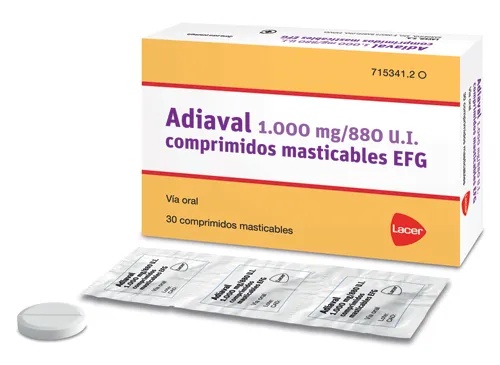
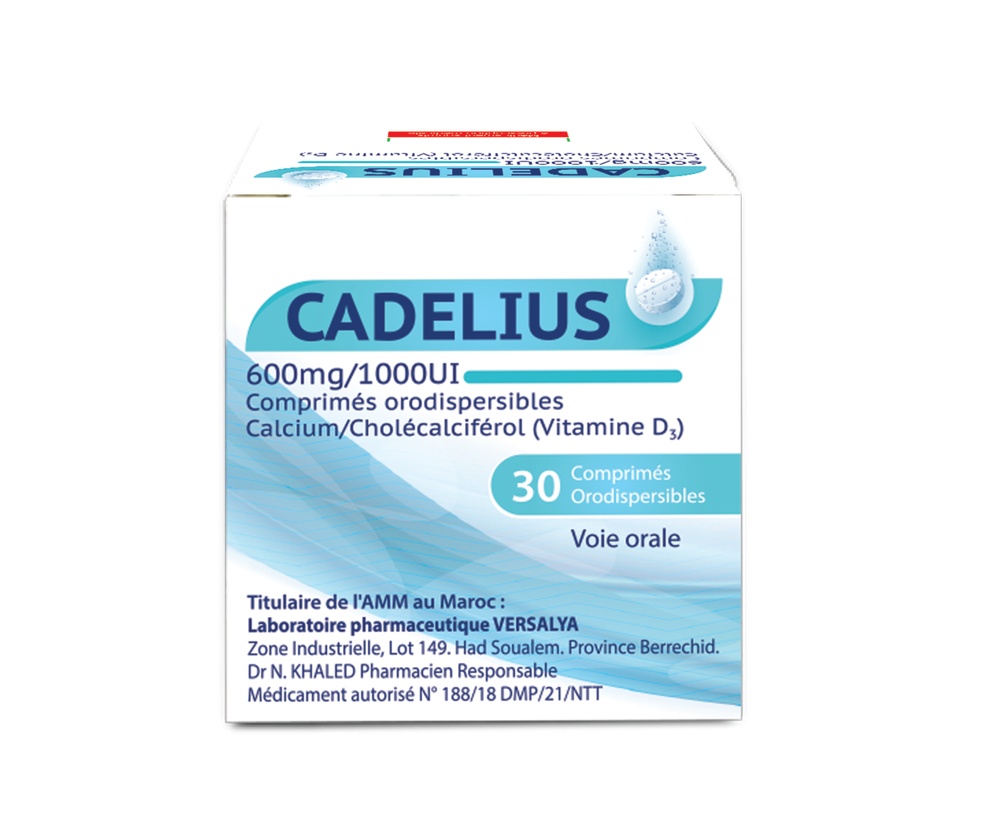
- Alternatives to OSVICAL D 600 MG/400 IU EFFERVSCENT GRANULESDosage form: CHEWABLE TABLET, 1000 mg/880 IUActive substance: Calcium, combinations with vitamin D and/or other drugsManufacturer: Lacer S.A.Prescription requiredDosage form: ORALLY DISINTEGRATING TABLET/LIOTAB, 1500 mg calcium carbonate; 400 IU cholecalciferolActive substance: Calcium, combinations with vitamin D and/or other drugsManufacturer: Itf Medilab Farma S.A.Prescription requiredDosage form: ORALLY DISINTEGRATING TABLET/LYOTAB, 1500 mg calcium carbonate (600 mg Calcium) + 2000 IU cholecalciferolActive substance: Calcium, combinations with vitamin D and/or other drugsManufacturer: Italfarmaco S.A.Prescription required

Online doctors for OSVICAL D 600 MG/400 IU EFFERVSCENT GRANULES
Discuss questions about OSVICAL D 600 MG/400 IU EFFERVSCENT GRANULES, including use, safety considerations and prescription review, subject to medical assessment and local regulations.











Frequently Asked Questions
