






How to use OCTREOTIDE GP-PHARM 0.1 mg/ml INJECTABLE SOLUTION AND PERFUSION SOLUTION
Translated with AI
This page provides general information and does not replace a doctor’s consultation. Always consult a doctor before taking any medication. Seek urgent medical care if symptoms are severe.
Show originalContents of the leaflet
Introduction
Package Leaflet: Information for the Patient
Octreotide GP-Pharm 0.1 mg/ml Solution for Injection and Infusion EFG
Read all of this leaflet carefully before you start using this medicine because it contains important information for you.
- Keep this leaflet, you may need to read it again.
- If you have any further questions, ask your doctor, pharmacist, or nurse.
- This medicine has been prescribed for you only. Do not pass it on to others. It may harm them, even if their signs of illness are the same as yours.
- If you get any side effects, talk to your doctor, pharmacist, or nurse. This includes any possible side effects not listed in this leaflet. See section 4.
Contents of the pack:
- What is Octreotide GP-Pharm and what is it used for
- What you need to know before you use Octreotide GP-Pharm
- How to use Octreotide GP-Pharm
- Possible side effects
- Storing Octreotide GP-Pharm
- Contents of the pack and other information
1. What is Octreotide GP-Pharm and what is it used for
Octreotide GP-Pharm contains octreotide. This medicine is a synthetic compound derived from somatostatin, a substance that is normally found in the human body that inhibits the effects of some hormones such as growth hormone. The advantages of this medicine compared to somatostatin are that it is more potent and its effects are longer-lasting.
Octreotide GP-Pharm is used
- for acromegaly, a disease in which the body produces too much growth hormone. Normally, growth hormone controls the growth of tissues, organs, and bones. An excess of growth hormone means an increase in the size of bones and tissues, especially in the hands and feet. This medicine significantly reduces the symptoms of acromegaly, which include headache, excessive sweating, numbness of the hands and feet, fatigue, and joint pain.
- to relieve symptoms associated with some gastrointestinal tumors(e.g., carcinoid tumors, VIPomas, glucagonomas, gastrinomas, insulinomas, GRFomas). In these diseases, there is an overproduction of certain hormones and other related substances by the stomach, intestine, or pancreas. This overproduction alters the body's natural hormonal balance and produces various symptoms, such as hot flashes, diarrhea, low blood pressure, hives, and weight loss. Treatment with this medicine helps control these symptoms.
- to prevent complications after pancreatic surgery. Treatment with this medicine helps reduce the possibility of complications after surgery (e.g., abdominal abscesses, pancreatitis).
- to stop bleeding and protect against repeated bleeding from gastroesophageal varicesin patients with cirrhosis (chronic liver disease). Treatment with this medicine helps control bleeding and reduce the need for transfusions.
- to treat pituitary tumors that produce too much thyroid-stimulating hormone (TSH). An excess of thyroid-stimulating hormone (TSH) causes hyperthyroidism.
This medicine is used to treat people with pituitary tumors that produce too much thyroid-stimulating hormone (TSH):
- when other types of treatment (surgery or radiotherapy) are not suitable or have not worked;
- after radiotherapy, to cover the period until the radiotherapy is fully effective.

2. What you need to know before you use Octreotide GP-Pharm
Do not use Octreotide GP-Pharm:
- If you are allergic to Octreotide or any of the other components of this medicine (listed in section 6)
Warnings and precautions
Consult your doctor before starting treatment with Octreotide GP-Pharm:
- if you currently have gallstones or have had them in the past or have any complications such as fever, chills, abdominal pain, or yellowing of the skin or eyes; inform your doctor, as prolonged use of Octreotide GP-Pharm may cause gallstones to form. Your doctor may want to check your gallbladder periodically.
- if you have problems with blood sugar levels, either too high (diabetes) or too low (hypoglycemia). When Octreotide GP-Pharm is used to treat bleeding from gastroesophageal varices, it is mandatory to monitor blood sugar levels.
- if you have a history of vitamin B12 deficiency, your doctor may monitor your B12 levels periodically.
Octreotide may reduce heart rate and at very high doses may cause an abnormal heart rhythm. Your doctor may monitor your heart rate during treatment.
Tests and checks
If you receive treatment with Octreotide GP-Pharm for a prolonged period, your doctor may periodically check your thyroid function.
Your doctor will check your liver function.
Your doctor may check the functioning of your pancreatic enzymes.
Children
There is limited experience with the use of Octreotide GP-Pharm in children.
Using Octreotide GP-Pharm with other medicines:
Tell your doctor or pharmacist if you are taking, have recently taken, or might take any other medicines.
Normally, you can continue taking other medicines while being treated with Octreotide GP-Pharm. However, it has been reported that some medicines such as cimetidine, cyclosporine, bromocriptine, quinidine, and terfenadine are affected by Octreotide GP-Pharm.
If you are taking a medicine to control blood pressure (e.g., a beta-blocker or a calcium channel blocker) or an agent to control fluid and electrolyte balance, your doctor may need to adjust the dose.
If you are diabetic, your doctor may need to adjust your insulin dose.
If you are going to receive treatment with lutetium (177Lu) oxodotreotide, a radiopharmaceutical, your doctor may interrupt and/or adapt treatment with Octreotide GP-Pharm.
Pregnancy and breastfeeding
If you are pregnant or breastfeeding, think you may be pregnant, or plan to become pregnant, consult your doctor before using this medicine.
Octreotide GP-Pharm should only be used during pregnancy if it is strictly necessary.
Women of childbearing age must use an effective contraceptive method during treatment.
You should not breastfeed during treatment with Octreotide GP-Pharm. It is unknown whether Octreotide GP-Pharm passes into breast milk.
Driving and using machines
Octreotide GP-Pharm has no effects or negligible effects on the ability to drive or use machines. However, some of these side effects that you may experience during treatment with Octreotide GP-Pharm, such as headache and fatigue, may reduce your ability to drive and use machines safely.
3. How to use Octreotide GP-Pharm
Follow the instructions for administration of this medicine exactly as indicated by your doctor or pharmacist. If you are unsure, consult your doctor or pharmacist again.
Depending on the disease being treated, this medicine is administered by:
- subcutaneous injection (under the skin) or
- intravenous infusion (in a vein).
If you have liver cirrhosis (chronic liver disease), your doctor may need to adjust your maintenance dose.
Your doctor or nurse will explain how to inject this medicine under the skin, but infusion into a vein must always be performed by a healthcare professional.
- Subcutaneous injection
The upper arms, thighs, and abdomen are suitable areas for subcutaneous injection.
A new site should be chosen for each subcutaneous injection to avoid irritating a specific area. Patients who are going to administer the injection themselves should receive specific instructions from their doctor or nurse.
If you keep the medicine in the refrigerator, it is recommended that you let it reach room temperature before using it. This will reduce the risk of pain at the injection site. It can be warmed in the hand, but not heated.
A few patients experience pain at the subcutaneous injection site. This pain usually only lasts for a short time. If this happens to you, you can alleviate it by gently massaging the injection site for a few seconds afterward.
Before using an ampoule of Octreotide GP-Pharm, check for the presence of particles or a change in color. Do not use it if you detect anything abnormal.
If you use more Octreotide GP-Pharm than you should:
Symptoms of overdose are: irregular heartbeat, low blood pressure, cardiac arrest, decreased oxygen supply to the brain, severe pain in the upper abdomen, yellow color of the skin and eyes, nausea, loss of appetite, diarrhea, weakness, fatigue, lack of energy, weight loss, swelling, and abdominal discomfort, high levels of lactic acid in the blood, and abnormal heart rhythm.
If you think you have overdosed and experience any of these symptoms, inform your doctor immediately. You can also call the Toxicology Information Service, phone 91.562.04.20, indicating the medicine and the amount used.
If you forget to use Octreotide GP-Pharm
Administer a dose as soon as you remember and then continue with your usual schedule. It will not harm you to forget a dose, but your symptoms may temporarily recur until you return to your usual treatment schedule.
Do not inject a double dose to make up for forgotten doses.
If you stop treatment with Octreotide GP-Pharm
If you stop your treatment with this medicine, your symptoms may recur. Therefore, do not stop treatment unless your doctor tells you to.
If you have any further questions about the use of this medicine, ask your doctor, nurse, or pharmacist.

4. Possible side effects
Like all medicines, this medicine can cause side effects, although not everybody gets them.
Some side effects could be serious. Tell your doctor immediately if you experience any of the following:
Very common(may affect more than 1 in 10 people):
- Gallstones, which can cause sudden back pain.
- Too much sugar in the blood.
Common(may affect up to 1 in 10 people):
- Decreased activity of the thyroid gland (hypothyroidism) that causes changes in heart rate, appetite, or weight; fatigue, feeling cold, or swelling in the front of the neck.
- Changes in thyroid function tests.
- Inflammation of the gallbladder (cholecystitis); symptoms may include pain in the upper right abdomen, fever, nausea, yellowing of the skin and eyes (jaundice).
- Too little sugar in the blood.
- Alteration of glucose tolerance
- Slow heart rate.
Uncommon(may affect up to 1 in 100 people):
- Thirst, low urine output, dark urine, dry reddened skin.
- Fast heart rate.
Other serious side effects
- Allergic reactions (hypersensitivity) including skin hives.
- A type of allergic reaction (anaphylaxis) that can cause difficulty swallowing or breathing, swelling, and tingling, possibly with a decrease in blood pressure with dizziness or loss of consciousness.
- Inflammation of the pancreas (pancreatitis); symptoms may include sudden pain in the upper abdomen, nausea, vomiting, diarrhea.
- Inflammation of the liver (hepatitis); symptoms may include yellowing of the skin and eyes (jaundice), nausea, vomiting, loss of appetite, general feeling of discomfort, itching, lightly colored urine.
- Abnormal heart rhythm.
- Low platelet count in the blood; this can lead to increased bleeding or bruising.
Tell your doctor immediately if you notice any of the above side effects.
Other side effects:
Tell your doctor, pharmacist, or nurse if you notice any of the following side effects. They are usually mild and tend to disappear as treatment progresses.
Very common(may affect more than 1 in 10 people):
- Diarrhea.
- Abdominal pain.
- Nausea.
- Constipation.
- Flatulence (gas).
- Headache.
- Local pain at the injection site.
Common(may affect up to 1 in 10 patients):
- Discomfort in the stomach after eating (dyspepsia).
- Vomiting.
- Feeling of having a full stomach.
- Fatty stools.
- Watery stools.
- Change in stool color.
- Dizziness.
- Lack of appetite.
- Changes in liver function tests.
- Hair loss.
- Difficulty breathing.
- Weakness.
If you experience any type of side effect, consult your doctor, nurse, or pharmacist.
A few patients experience pain at the subcutaneous injection site. This pain usually only lasts for a short time. If this happens to you, you can alleviate it by gently massaging the injection site for a few seconds afterward.
If you are administered Octreotide GP-Pharm by subcutaneous injection, you can help reduce the risk of gastrointestinal side effects by avoiding meals near the time of injection. Therefore, it is recommended that you administer Octreotide GP-Pharm between meals or at bedtime.
Reporting side effects
If you experience any side effects, consult your doctor, pharmacist, or nurse, even if they are possible side effects not listed in this leaflet. You can also report them directly through the Spanish Medicines Monitoring System for Human Use: https://www.notificaram.es. By reporting side effects, you can help provide more information on the safety of this medicine.
5. Storing Octreotide GP-Pharm
Keep this medicine out of the sight and reach of children.
Store in a refrigerator (between 2°C and 8°C). Store the ampoules in the outer packaging to protect them from light. For daily use, the medicine can be taken out of the refrigerator and left at room temperature for a few hours before administration, without altering its therapeutic properties.
Do not use this medicine after the expiration date stated on the packaging after EXP. The expiration date is the last day of the month indicated.
Medicines should not be disposed of via wastewater or household waste. Deposit the packaging and medicines you no longer need at the SIGRE collection point in your usual pharmacy. If in doubt, ask your pharmacist how to dispose of the packaging and medicines you no longer need. This will help protect the environment.
6. Container Contents and Additional Information
Composition of Octreotida GP-Pharm:
- The active ingredient is octreotide. Each 1 ml ampoule contains 0.1 mg of octreotide in the form of octreotide acetate.
- The other components (excipients) are: glycine, water for injectable preparations, hydrochloric acid, and mannitol.
Marketing Authorization Holder and Manufacturer:
GP-Pharm, S.A.
Polígono Industrial Els Vinyets-Els Fogars, sector 2
Carretera comarcal C-244, km 22,
08777 – Sant Quintí de Mediona (Barcelona)
Date of the Last Revision of this Prospectus:January 2025
Detailed information about this medication is available on the website of the Spanish Agency for Medicines and Health Products (AEMPS) http://www.aemps.gob.es/
This information is intended solely for healthcare professionals:
- Intravenous Infusion (for healthcare professionals)
The ampoules of Octreotida must be stored between 2°C and 8°C. Keep in the original container to protect the product from light.
The single-use ampoules (0.1 mg/ml and 0.5 mg/ml) must be opened immediately before administration, and the unused solution must be discarded.
The contents of an ampoule should normally be dissolved in 50 ml of 0.9% sodium chloride isotonic solution. The solution should be administered using an infusion pump. This should be repeated as necessary until the prescribed treatment duration is reached.
Storage Conditions after Dilution:
The physical and chemical stability of the Octreotida GP-Pharm solution diluted in 0.9% sodium chloride injectable solution and stored in PVC bags is 48 hours when stored at a temperature below 25°C. From a microbiological point of view, the product should be used immediately. If not used immediately, the storage time and conditions are the responsibility of the user and should not normally exceed 24 hours at a temperature between 2°C and 8°C, unless the dilution has taken place under controlled and validated aseptic conditions.
To reduce local discomfort, the injectable solution should be allowed to reach room temperature before administration.
Before using an ampoule of Octreotida GP-Pharm, check if the solution contains particles or if there is a color change. Do not use it if you notice anything abnormal.
How Much Octreotida GP-Pharm to Use
The dose of Octreotida GP-Pharm depends on the disease being treated.
- Acromegaly
Normally, treatment is initiated at a dose of 0.05 to 0.1 mg every 8 or 12 hours by subcutaneous injection. It is then adjusted according to its effects and symptom relief (such as fatigue, sweating, and headache). In most patients, the optimal daily dose will be 0.1 mg 3 times/day. The maximum dose should not exceed 1.5 mg/day.
- Gastrointestinal Tract Tumors
Treatment is usually initiated at a dose of 0.05 mg once or twice a day by subcutaneous injection. Depending on the response and tolerability, the dose can be gradually increased to 0.1 mg to 0.2 mg 3 times/day. In carcinoid tumors, treatment should be discontinued if no improvement is observed after 1 week of treatment at the maximum tolerated dose.
- Complications after Pancreatic Surgery
The usual dose is 0.1 mg 3 times/day by subcutaneous injection for 1 week, starting at least 1 hour before surgery.
- Gastroesophageal Variceal Bleeding
The recommended dose is 25 micrograms/hour for 5 days by continuous intravenous infusion. Blood sugar level monitoring is necessary during treatment.
- TSH-Secreting Pituitary Adenomas
The effective dose is usually 100 micrograms three times a day by subcutaneous injection. The dose can be adjusted according to the TSH and thyroid hormone response. At least 5 days are needed to assess efficacy.
-

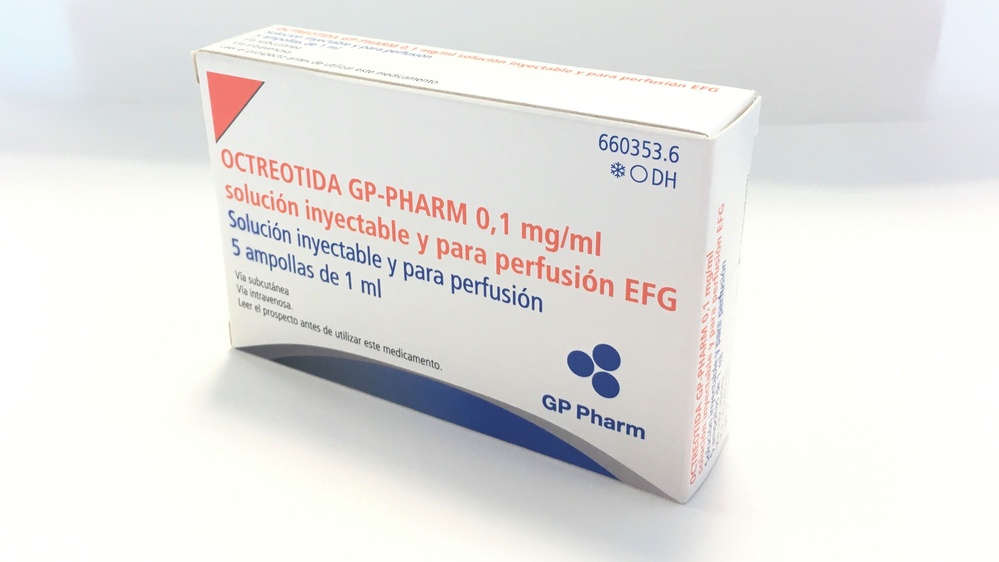
- Country of registration
- Dosage formINJECTABLE, Octreotide 100 micrograms/ml
- ATC codeH01CB02
- Active substance
- Prescription requiredYes
- Manufacturer
- This information is for reference only and does not constitute medical advice. Always consult a doctor before taking any medication. Oladoctor is not responsible for medical decisions based on this content.
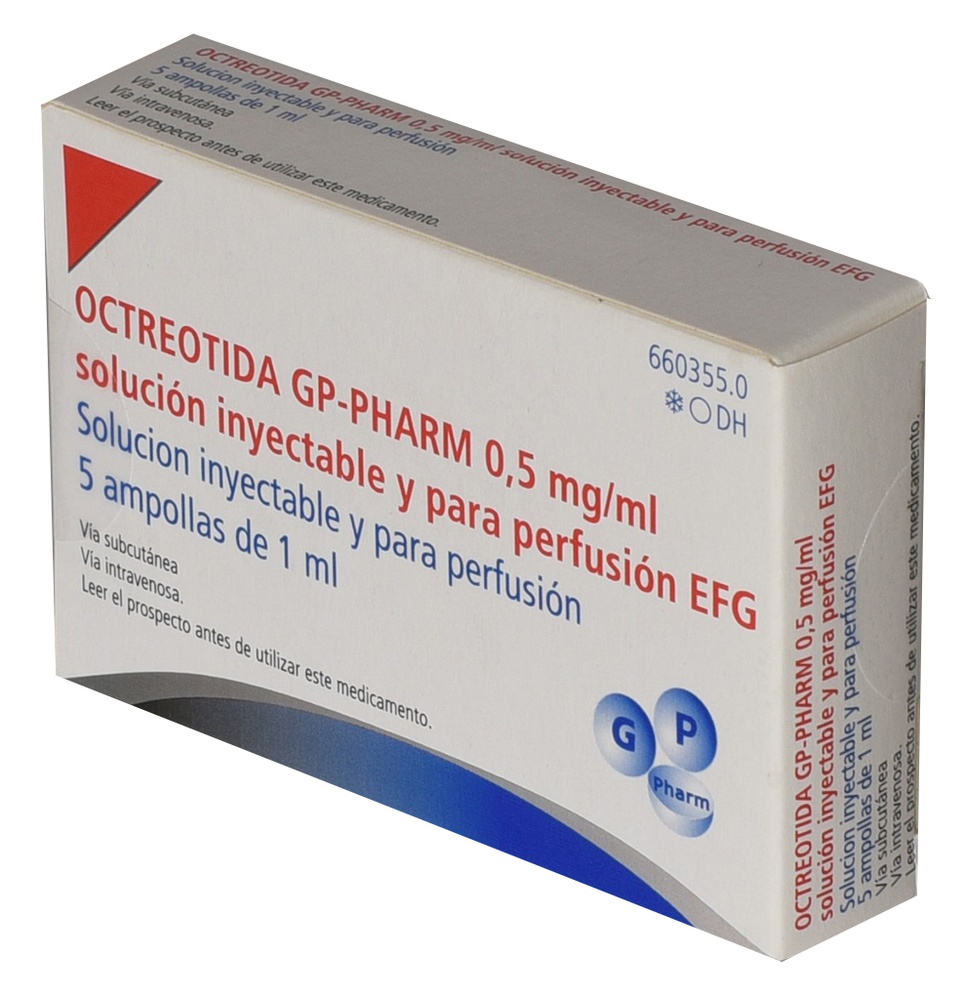
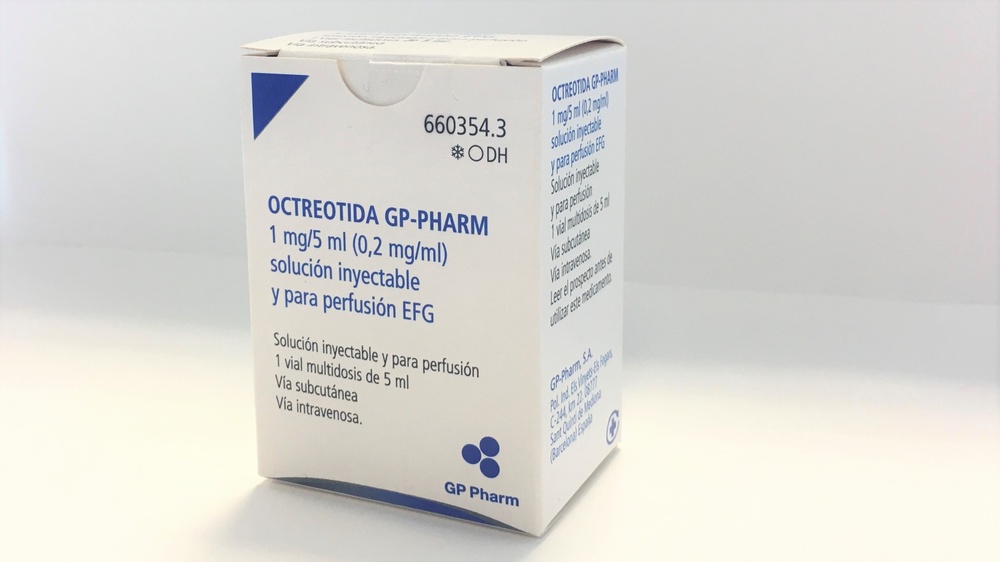
- Alternatives to OCTREOTIDE GP-PHARM 0.1 mg/ml INJECTABLE SOLUTION AND PERFUSION SOLUTIONDosage form: INJECTABLE, Octreotide 500 micrograms/mlActive substance: octreotideManufacturer: Gp Pharm S.A.Prescription requiredDosage form: INJECTABLE, 200 micrograms/mlActive substance: octreotideManufacturer: Gp Pharm S.A.Prescription requiredDosage form: INJECTABLE, 100 µg/mlActive substance: octreotideManufacturer: Sun Pharmaceutical Industries (Europe) B.V.Prescription required
Online doctors for OCTREOTIDE GP-PHARM 0.1 mg/ml INJECTABLE SOLUTION AND PERFUSION SOLUTION
Discuss questions about OCTREOTIDE GP-PHARM 0.1 mg/ml INJECTABLE SOLUTION AND PERFUSION SOLUTION, including use, safety considerations and prescription review, subject to medical assessment and local regulations.









Get OCTREOTIDE GP-PHARM 0.1 mg/ml INJECTABLE SOLUTION AND PERFUSION SOLUTION Prescription Online
Fill in a 2-min form
Tell us your symptoms, history, and what medicine you're requesting.
Pick a doctor or let us assign
Choose a specialist or we'll match you with the next available doctor.
Doctor reviews your case
Usually within 30 minutes. They may ask follow-up questions via chat.
Collect from any pharmacy
Electronic prescription sent to your email — valid across Spain.
Frequently Asked Questions
OCTREOTIDE GP-PHARM 0.1 mg/ml INJECTABLE SOLUTION AND PERFUSION SOLUTION requires a prescription in Spain. You can check with a doctor online whether this medicine may be appropriate for your situation.
The active ingredient in OCTREOTIDE GP-PHARM 0.1 mg/ml INJECTABLE SOLUTION AND PERFUSION SOLUTION is octreotide. This information helps identify medicines with the same composition but different brand names.
OCTREOTIDE GP-PHARM 0.1 mg/ml INJECTABLE SOLUTION AND PERFUSION SOLUTION is manufactured by Gp Pharm S.A.. Pharmacy brands and packaging may differ depending on the distributor.
Doctors such as Family doctors, Psychiatrists, Dermatologists, Cardiologists, Endocrinologists, Gastroenterologists, Pulmonologists, Nephrologists, Rheumatologists, Hematologists, Infectious disease physicians, Allergists, Geriatricians, Paediatricians, Oncologists may assess whether OCTREOTIDE GP-PHARM 0.1 mg/ml INJECTABLE SOLUTION AND PERFUSION SOLUTION is appropriate, depending on your situation and local regulations. You can book an online consultation to discuss your symptoms and possible next steps.
Spain has a well-developed healthcare infrastructure across major cities such as Madrid, Barcelona, Valencia, and Seville. Pharmacies are widely available and operate under strict regulations, ensuring access to prescribed medications.
You can buy OCTREOTIDE GP-PHARM 0.1 mg/ml INJECTABLE SOLUTION AND PERFUSION SOLUTION in Madrid, Barcelona, Seville, or Valencia at any local pharmacy with a valid prescription.
To obtain a prescription, you can use Oladoctor:
Other medicines with the same active substance (octreotide) include OCTREOTIDE GP-PHARM 0.5 mg/ml INJECTABLE SOLUTION AND PERFUSION SOLUTION, OCTREOTIDE GP-PHARM 1 mg/5 ml (0.2 mg/ml) INJECTABLE SOLUTION AND PERFUSION SOLUTION, OCTREOTIDE SUN 100 micrograms/ml Injectable Solution. These may have different brand names or formulations but contain the same therapeutic ingredient. Always consult a doctor before switching or starting a new medicine.
