


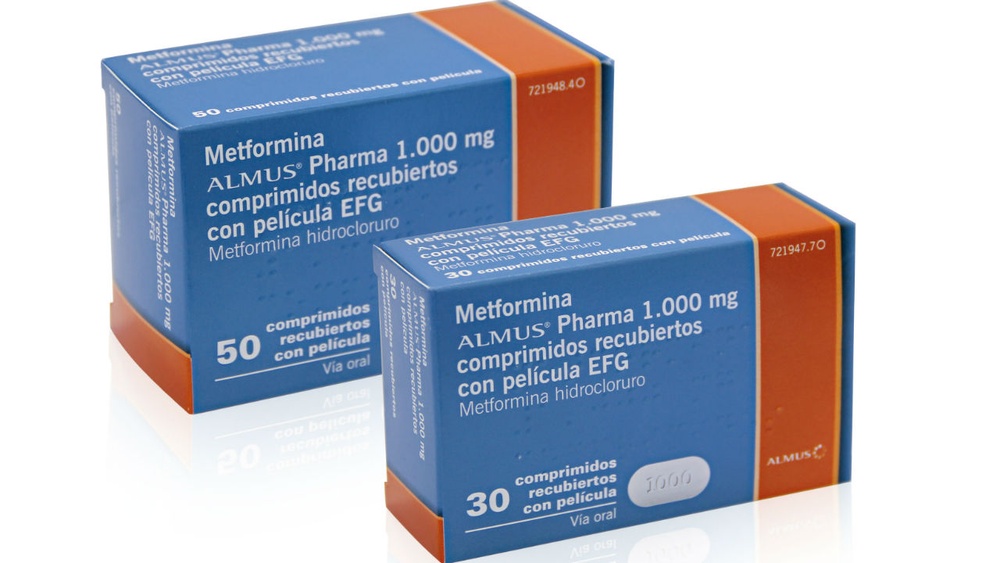
Metformina Almus 1000 mg comprimidos recubiertos con película

Prescription review online
A doctor will review your case and decide whether a prescription is medically appropriate.

Talk to a doctor about this medicine
Discuss your symptoms and possible next steps in a quick online consultation.



How to use METFORMIN ALMUS PHARMA 1000 mg FILM-COATED TABLETS
Contents of the leaflet
- Introduction
- What Metformin Almus Pharma is and what it is used for
- What you need to know before taking Metformin Almus Pharma
- How to take Metformin Almus Pharma
- Possible side effects
- Storage of Metformin Almus Pharma
- Packaging Content and Additional Information
Introduction
Package Leaflet: Information for the User
Metformin Almus Pharma 1,000 mg film-coated tablets EFG
Metformin hydrochloride
Read the entire package leaflet carefully before starting to take this medication, as it contains important information for you.
- Keep this package leaflet, as you may need to read it again.
- If you have any questions, consult your doctor or pharmacist.
- This medication has been prescribed to you only, and you should not give it to others, even if they have the same symptoms as you, as it may harm them.
- If you experience side effects, consult your doctor or pharmacist, even if they are not listed in this package leaflet. See section 4.
Contents of the package leaflet:
- What Metformin Almus Pharma is and what it is used for
- What you need to know before taking Metformin Almus Pharma
- How to take Metformin Almus Pharma
- Possible side effects
- Storage of Metformin Almus Pharma
- Package contents and additional information
1. What Metformin Almus Pharma is and what it is used for
What Metformin Almus Pharma is
Metformin Almus Pharma contains metformin, a medication used to treat diabetes. It belongs to a group of medications called biguanides.
Insulin is a hormone produced by the pancreas that helps your body absorb glucose (sugar) from the blood. Your body uses glucose to produce energy or stores it for future use.
If you have diabetes, your pancreas does not produce enough insulin or your body cannot use the insulin it produces properly. This causes high blood glucose levels. Metformin helps reduce your blood glucose to a normal level.
If you are an adult with overweight, taking metformin for a long time also helps reduce the risk of complications associated with diabetes. Metformin Almus Pharma is associated with maintaining body weight or a slight decrease in weight.
Metformin Almus Pharma is used to treat patients with type 2 diabetes (also called "non-insulin-dependent diabetes") when diet and exercise alone are not enough to control blood glucose levels. It is especially used in patients with overweight.
Adults can take metformin alone or with other medications to treat diabetes (oral medications or insulin).
Children aged 10 and older, and adolescents can take metformin alone or with insulin.

Not sure if this medicine is right for you?
Discuss your symptoms and treatment with a doctor online.
2. What you need to know before taking Metformin Almus Pharma
Do not take Metformin Almus Pharma:
- if you are allergic to metformin or any of the other ingredients of this medication (listed in section 6).
- if you have liver problems.
- if you have severe kidney function reduction.
- if you have uncontrolled diabetes with, for example, severe hyperglycemia (high blood sugar), nausea, vomiting, diarrhea, rapid weight loss, lactic acidosis (see "Risk of lactic acidosis" below) or ketoacidosis. Ketoacidosis is a disorder in which substances called "ketone bodies" accumulate in the blood, which can lead to a pre-diabetic coma. Symptoms include stomach pain, rapid and deep breathing, drowsiness, or an unusual fruity odor in your breath.
- If you have lost a lot of water from your body (dehydration), for example, due to prolonged or severe diarrhea or if you have vomited several times in a row. Dehydration can trigger kidney problems, which can put you at risk of developing lactic acidosis (see "Warnings and precautions" below).
- if you have a severe infection, for example, an infection that affects your lungs, bronchi, or kidneys. Severe infections can trigger kidney problems, which can put you at risk of developing lactic acidosis (see "Warnings and precautions" below).
- if you are receiving treatment for heart failure or if you have recently had a heart attack, if you have severe circulation problems (such as shock) or if you have difficulty breathing. This can reduce oxygen supply to tissues, which can put you at risk of developing lactic acidosis (see "Warnings and precautions" below).
- if you drink a lot of alcohol.
If any of the above circumstances apply to you, consult your doctor before starting to take this medication.
Make sure to consult your doctor if:
- you need an examination, such as an X-ray or a scan, that involves injecting a contrast medium containing iodine into your blood.
- you need to undergo major surgery.
You should stop taking metformin for a certain period before and after the examination or surgery. Your doctor will decide if you need any other treatment during this time. It is essential that you follow your doctor's instructions precisely.
Warnings and precautions
Consult your doctor or pharmacist before starting to take this medication.
Risk of lactic acidosis
This medication can cause a very rare but severe side effect called lactic acidosis, especially if your kidneys do not function properly. The risk of developing lactic acidosis is also increased with uncontrolled diabetes, severe infections, prolonged fasting, or alcohol consumption, dehydration (see more information below), liver problems, and any medical disorder in which a part of the body has a reduced oxygen supply (such as severe and acute heart diseases).
If any of the above applies to you, consult your doctor for further instructions.
Consult your doctor immediately to find out how to proceed if:
- You know you have a genetic disorder that affects the mitochondria (the energy-producing components within cells), such as MELAS syndrome (mitochondrial encephalopathy, myopathy, lactic acidosis, and stroke-like episodes) or maternally inherited diabetes and deafness (MIDD).
- You experience any of the following symptoms after starting treatment with metformin: seizure, cognitive impairment, difficulty with body movements, symptoms indicating nerve damage (e.g., pain or numbness), migraine, and hearing loss.
Stop taking metformin for a short period if you have a disorder that may be associated with dehydration(significant loss of body fluids), such as severe vomiting, diarrhea, fever, heat exposure, or if you drink less fluid than usual. Consult your doctor for further instructions.
Stop taking metformin and contact a doctor or the nearest hospital immediately if you experience any symptoms of lactic acidosis, as this condition can lead to a coma.
The symptoms of lactic acidosis include:
- vomiting
- stomach pain (abdominal pain)
- muscle cramps
- a general feeling of discomfort, with intense fatigue
- difficulty breathing
- reduction in body temperature and heart rate
Lactic acidosis is a medical emergency and should be treated in a hospital.
If you need to undergo major surgery, you should stop taking metformin during the procedure and for a period after it. Your doctor will decide when to stop and restart metformin treatment.
Metformin alone does not cause hypoglycemia (low blood sugar). However, if you take metformin with other diabetes medications that can cause hypoglycemia (such as sulfonylureas, insulin, meglitinides), there is a risk of hypoglycemia. If you experience symptoms of hypoglycemia, such as weakness, dizziness, increased sweating, rapid heartbeat, vision disturbances, or difficulty concentrating, it is usually helpful to eat or drink something containing sugar.
During treatment with metformin, your doctor will check your kidney function,
at least once a year or more frequently if you are an elderly person and/or if your kidney function is worsening.
Using Metformin Almus Pharma with other medications
If you need to be administered a contrast medium containing iodine into your bloodstream, for example, in the context of an X-ray or examination, you should stop taking metformin before the injection or at the time of the injection. Your doctor will decide when to stop and restart metformin treatment.
Tell your doctor if you are taking, have recently taken, or may need to take any other medication. You may need more frequent blood glucose and kidney function tests, or your doctor may need to adjust the dose of metformin.
It is especially important to mention the following:
- medications that increase urine production (diuretics)
- medications used to treat pain and inflammation (NSAIDs and COX-2 inhibitors, such as ibuprofen and celecoxib)
- certain medications for treating high blood pressure (ACE inhibitors and angiotensin II receptor antagonists)
- beta-2 agonists, such as salbutamol or terbutaline (used to treat asthma).
- corticosteroids (used to treat various conditions, such as severe skin inflammation or asthma).
- medications that may alter the amount of metformin in your blood, especially if you have reduced kidney function (such as verapamil, rifampicin, cimetidine, dolutegravir, ranolazine, trimethoprim, vandetanib, isavuconazole, crizotinib, olaparib).
- other medications used to treat diabetes.
Tell your doctor or pharmacist if you are using, have recently used, or may need to use any other medication.
Taking Metformin Almus Pharma with alcohol
Avoid excessive alcohol consumption while taking metformin, as this can increase the risk of lactic acidosis (see "Warnings and precautions").
Pregnancy and breastfeeding
During pregnancy, you need insulin to treat your diabetes. Inform your doctor if you are pregnant, think you may be pregnant, or plan to become pregnant, so that your treatment can be changed.
This medication is not recommended if you are breastfeeding or plan to breastfeed your baby.
Driving and using machines
Treatment with metformin alone does not cause low blood sugar (hypoglycemia) and therefore does not affect your ability to drive vehicles or use machinery.
However, be careful if you take metformin with other diabetes medications that can cause hypoglycemia (such as sulfonylureas, insulin, meglitinides). The symptoms of hypoglycemia include weakness, dizziness, increased sweating, rapid heartbeat, vision disturbances, or difficulty concentrating. Do not drive or use machinery if you start to feel these symptoms.
3. How to take Metformin Almus Pharma
Follow the administration instructions of this medication exactly as indicated by your doctor or pharmacist. If in doubt, consult your doctor or pharmacist again.
Metformin cannot replace the benefits of a healthy lifestyle. Continue to follow any dietary advice given by your doctor and exercise regularly.
Recommended dose
Children aged 10 and older, and adolescents usually start with 500 mg or 850 mg of metformin once a day. The maximum daily dose is 2000 mg divided into 2 or 3 doses. Treatment of children between 10 and 12 years is only recommended under specific advice from your doctor, as clinical experience in this patient group is limited.
Adults usually start with 500 mg or 850 mg of metformin, two or three times a day. The maximum daily dose is 3000 mg divided into 3 doses.
If you have reduced kidney function, your doctor may prescribe a lower dose.
If you are also taking insulin, your doctor will tell you how to start taking metformin.
Monitoring
- Your doctor will adjust your metformin dose according to your blood glucose level. Make sure to talk to your doctor regularly. This is particularly important for children, adolescents, or if you are an elderly person.
- Your doctor will also check your kidney function at least once a year. You may need more frequent checks if you are an elderly person or if your kidneys do not function normally.
How to take Metformin Almus Pharma:
The tablets should be taken with or immediately after meals. This will avoid
adverse effects that affect your digestion.
Do not split or chew the tablets before swallowing. Swallow the whole tablet with a glass
of water.
- If you take one dose a day, take it in the morning (at breakfast).
- If you take two doses a day, take them in the morning (at breakfast) and at night (at dinner).
- If you take three doses a day, take them in the morning (at breakfast), at lunchtime, and at night (at dinner).
If after some time, you think the effect of this medication is too strong or too weak, consult your doctor or pharmacist.
If you take more Metformin Almus Pharma than you should
If you have taken more metformin than you should, you may suffer from lactic acidosis. The symptoms of lactic acidosis are non-specific, such as vomiting, stomach pain (abdominal pain) with cramps, a general feeling of discomfort with intense fatigue, and difficulty breathing. Additional symptoms may include a decrease in body temperature and heart rate. If you experience any of these symptoms, seek medical attention immediately, as lactic acidosis can lead to a coma. Stop taking this medication immediately and contact your doctor or the nearest hospital as soon as possible.
In case of overdose or accidental ingestion, consult your doctor or pharmacist immediately or call the Toxicology Information Service. Phone: 91 562 04 20, indicating the medication and the amount ingested.
If you forget to take Metformin Almus Pharma
Do not take a double dose to make up for forgotten doses. Take the next dose at the usual time.
If you have any other questions about the use of this medication, ask your doctor or pharmacist.

Started taking the medicine and have questions?
Discuss your symptoms and treatment with a doctor online.
4. Possible side effects
Like all medications, this medication can have side effects, although not everyone gets them.
Metformin can cause a very rare but severe side effect called lactic acidosis (see "Warnings and precautions"), if this happens, you should stop taking this medication and contact a doctor or the nearest hospital immediately, as lactic acidosis can lead to a coma.
Very common side effects (affecting more than 1 in 10 people):
- digestive problems such as nausea, vomiting, diarrhea, abdominal pain, and loss of appetite. These side effects occur more frequently at the beginning of treatment. They improve if the tablets are taken during or immediately after meals. If the symptoms persist, stop treatment and consult your doctor.
Common side effects (affecting less than 1 in 10 people):
- changes in taste.
Very rare side effects (affecting less than 1 in 10,000 people):
- lactic acidosis. It is a very rare but severe complication, especially if your kidneys do not function properly. The symptoms of lactic acidosis are non-specific (see "Warnings and precautions").
- liver function changes or hepatitis (inflammation of the liver; this can cause fatigue, loss of appetite, weight loss, with or without yellowing of the skin or the whites of the eyes). If this happens, stop taking this medication and talk to your doctor.
- skin reactions such as skin redness (erythema), itching, or itchy rash (urticaria).
- low vitamin B12 levels in the blood.
Children and adolescents
Limited clinical data in children and adolescents showed that the side effects were similar in nature and severity to those observed in adults.
Reporting side effects
If you experience any side effects, consult your doctor, pharmacist, or nurse, even if they are not listed in this package leaflet. You can also report them directly through the Spanish Pharmacovigilance System for Human Use Medications: https://www.notificaram.es. By reporting side effects, you can help provide more information on the safety of this medication.
5. Storage of Metformin Almus Pharma
Keep this medication out of the sight and reach of children.
This medication does not require special storage conditions.
Do not use this medication after the expiration date stated on the packaging. The expiration date is the last day of the month indicated.
Medications should not be disposed of through wastewater or household waste. Place the packaging and any unused medications in the SIGRE collection point at your usual pharmacy. Ask your pharmacist how to dispose of the packaging and medications you no longer need. This will help protect the environment.
6. Packaging Content and Additional Information
Composition of Metformina Almus Pharma
The active ingredient is metformin hydrochloride. Each film-coated tablet contains 1,000 mg of metformin hydrochloride, equivalent to 780 mg of metformin.
The other components (excipients) are povidone, anhydrous colloidal silica, magnesium stearate, hypromellose, macrogol 6000, and talc.
Appearance of the Product and Packaging Content
White or almost white film-coated tablets, oval (19.0 mm x 9.8 mm), marked with 'Rx' on one face and '1000' on the other.
The tablets are presented in blisters and in packs of: 28, 30, 50, 56, 60, 84, and 90 tablets.
Only some pack sizes may be marketed.
Marketing Authorization Holder and Manufacturer
Marketing Authorization Holder
Almus Farmacéutica, S.A.U.
Marie Curie, 54
08840 Viladecans (Barcelona), Spain
Phone: 93 739 71 80
Email: [email protected]
Manufacturer
Pharmadox Healthcare Limited
Kw20a Kordin Industrial Park, Paola, PLA 3000, Malta
This Medicinal Product is Authorized in the Member States of the European Economic Area with the Following Names:
Spain:Metformina Almus Pharma 1,000 mg film-coated tablets EFG
Italy:Metformina Almus
France:Metformine ALMUS 1000 mg, tablet
Date of the Last Revision of this Leaflet:March 2025
Detailed and updated information on this medicinal product is available on the website of the Spanish Agency for Medicines and Health Products (AEMPS) http://www.aemps.gob.es/
- Country of registration
- Dosage formTABLET, 1000 mg
- ATC codeA10BA02
- Average pharmacy price1.86 EUR
- Active substance
- Prescription requiredYes
- Manufacturer
- This information is for reference only and does not constitute medical advice. Always consult a doctor before taking any medication. Oladoctor is not responsible for medical decisions based on this content.
- Alternatives to METFORMIN ALMUS PHARMA 1000 mg FILM-COATED TABLETSDosage form: TABLET, 1000 mgActive substance: metforminManufacturer: Medochemie Iberia S.A.Prescription requiredDosage form: TABLET, 500 mgActive substance: metforminManufacturer: Medochemie Iberia S.A.Prescription requiredDosage form: TABLET, 850 mgActive substance: metforminManufacturer: Medochemie Iberia S.A.Prescription required
Online doctors for METFORMIN ALMUS PHARMA 1000 mg FILM-COATED TABLETS
Discuss questions about METFORMIN ALMUS PHARMA 1000 mg FILM-COATED TABLETS, including use, safety considerations and prescription review, subject to medical assessment and local regulations.

Frequently Asked Questions
METFORMIN ALMUS PHARMA 1000 mg FILM-COATED TABLETS requires a prescription in Spain. You can check with a doctor online whether this medicine may be appropriate for your situation.
The active ingredient in METFORMIN ALMUS PHARMA 1000 mg FILM-COATED TABLETS is metformin. This information helps identify medicines with the same composition but different brand names.
The average pharmacy price for METFORMIN ALMUS PHARMA 1000 mg FILM-COATED TABLETS is around 1.86 EUR. Prices may vary depending on the manufacturer and dosage form.
METFORMIN ALMUS PHARMA 1000 mg FILM-COATED TABLETS is manufactured by Almus Farmaceutica S.A.U.. Pharmacy brands and packaging may differ depending on the distributor.
Doctors such as Family doctors, Psychiatrists, Dermatologists, Cardiologists, Endocrinologists, Gastroenterologists, Pulmonologists, Nephrologists, Rheumatologists, Hematologists, Infectious disease physicians, Allergists, Geriatricians, Paediatricians, Oncologists may assess whether METFORMIN ALMUS PHARMA 1000 mg FILM-COATED TABLETS is appropriate, depending on your situation and local regulations. You can book an online consultation to discuss your symptoms and possible next steps.
The prescription is issued by a doctor after assessing your health. In Spain, METFORMIN ALMUS PHARMA 1000 mg FILM-COATED TABLETS is then dispensed in pharmacies with that prescription. An online consultation does not guarantee that a prescription will be issued: the decision always rests with the doctor.
To request a review, you can use Oladoctor:
Other medicines with the same active substance (metformin) include BROTMIN 1000 mg FILM-COATED TABLETS, BROTMIN 500 mg FILM-COATED TABLETS, BROTMIN 850 MG FILM-COATED TABLETS. These may have different brand names or formulations but contain the same therapeutic ingredient. Always consult a doctor before switching or starting a new medicine.
