



АТАКАНД 8 мг ТАБЛЕТКИ

Онлайн-рассмотрение запроса на рецепт
Врач изучит вашу ситуацию и примет решение о рецепте, если назначение будет медицински обосновано.

Обсудите это лекарство с врачом
Задайте вопросы о симптомах, лечении и возможных дальнейших шагах на онлайн-консультации.



Инструкция и информация о АТАКАНД 8 мг ТАБЛЕТКИ
Содержание инструкции к препарату
- Введение
- Что такое Атаканд и для чего он используется
- Что вам нужно знать перед началом приема Атаканда
- Как принимать Атаканд
- Возможные побочные эффекты
- Хранение Атаканда
- Содержание упаковки и дополнительная информация
Введение
Инструкция: информация для пациента
Атаканд 8мг таблетки
кан데сартан цилексетил
Прочитайте внимательно всю инструкцию перед началом приема этого лекарства, поскольку в ней содержится важная информация для вас.
- Сохраните эту инструкцию, поскольку вам может потребоваться прочитать ее снова.
- Если у вас есть какие-либо вопросы, проконсультируйтесь с вашим врачом или фармацевтом.
- Это лекарство было назначено только вам, и не передавайте его другим людям, даже если у них такие же симптомы, как у вас, поскольку оно может причинить им вред.
- Если вы испытываете побочные эффекты, проконсультируйтесь с вашим врачом, даже если это побочные эффекты, которые не указаны в этой инструкции. См. раздел 4.
Содержание инструкции:
- Что такое Атаканд и для чего он используется
- Что вам нужно знать перед началом приема Атаканда
- Как принимать Атаканд
- Возможные побочные эффекты
5 Хранение Атаканда
- Содержание упаковки и дополнительная информация
1. Что такое Атаканд и для чего он используется
Ваше лекарство называется Атаканд. Активное вещество - кандеcартан цилексетил. Это относится к группе лекарств, называемых антагонистами рецепторов ангиотензина II. Он действует, расслабляя и расширяя кровеносные сосуды. Это облегчает снижение артериального давления. Также облегчает работу сердца, перекачивающего кровь во все части вашего тела.
Атаканд можно использовать для:
- лечения повышенного артериального давления (гипертонии) у взрослых пациентов и у детей и подростков в возрасте от 6 до <18 лет.< li>
- лечения взрослых пациентов с сердечной недостаточностью с пониженной функцией сердечной мышцы, когда невозможно использовать ингибиторы ангиотензин-превращающего фермента (АПФ), или в сочетании с АПФ, когда симптомы сохраняются, несмотря на лечение, и невозможно использовать антагонисты рецепторов минералокортикоидов (АМК). (АПФ и АМК - это лекарства, используемые для лечения сердечной недостаточности).

Не уверены, подходит ли вам это лекарство?
Обсудите симптомы, противопоказания и варианты лечения с врачом онлайн.
2. Что вам нужно знать перед началом приема Атаканда
Не принимайте Атаканд:
- если вы аллергичны к кандеcартану цилексетилю или любому другому компоненту этого лекарства (указанному в разделе 6).
- если вы беременны более 3 месяцев. (Также лучше избегать этого лекарства в первые месяцы беременности - см. раздел Беременность).
- если у вас тяжелая печеночная болезнь или обструкция желчных протоков (проблема с оттоком желчи из желчного пузыря).
- если пациент - ребенок младше 1 года.
- если у вас диабет или почечная недостаточность и вы лечитесь лекарством для снижения артериального давления, содержащим алискирен.
Если вы не уверены, что вы находитесь в одной из этих ситуаций, проконсультируйтесь с вашим врачом или фармацевтом перед приемом Атаканда.
Предостережения и меры предосторожности
Проконсультируйтесь с вашим врачом перед началом приема Атаканда
- если у вас проблемы с сердцем, печенью или почками или вы проходите диализ.
- если вам недавно была сделана трансплантация почки.
- если у вас рвота, недавно была сильная рвота или у вас диарея.
- если у вас болезнь надпочечников, называемая синдромом Конна (также известная как первичный гиперальдостеронизм).
- если у вас низкое артериальное давление.
- если у вас когда-либо был инсульт.
- если вы беременны (или если вы подозреваете, что можете быть беременной). Не рекомендуется использовать Атаканд в начале беременности (первые 3 месяца), и в любом случае он не должен быть назначен, если вы беременны более трех месяцев,поскольку он может причинить серьезный вред вашему ребенку, когда его назначают после этого срока (см. раздел Беременность).
- если вы принимаете какие-либо из следующих лекарств, используемых для лечения высокого артериального давления (гипертонии):
- - ингибитор ангиотензин-превращающего фермента (АПФ) (например, эналаприл, лизиноприл, рамиприл), особенно если у вас проблемы с почками, связанные с диабетом.
- - алискирен.
- если вы принимаете АПФ в сочетании с лекарством, принадлежащим к классу лекарств, называемых антагонистами рецепторов минералокортикоидов (АМК). Эти лекарства используются для лечения сердечной недостаточности (см. «Прием Атаканда с другими лекарствами»)
Проконсультируйтесь с вашим врачом, если у вас появляются боли в животе, тошнота, рвота или диарея после приема Атаканда. Ваш врач решит, следует ли продолжать лечение. Не прекращайте прием Атаканда самостоятельно.
Ваш врач может регулярно контролировать функцию почек, артериальное давление и уровень электролитов в крови (например, калия).
См. также информацию под заголовком «Не принимайте Атаканд».
Если вы находитесь в одной из этих ситуаций, ваш врач может захотеть вызвать вас чаще и провести некоторые обследования.
Если вы собираетесь пройти хирургическую операцию, сообщите вашему врачу или дантисту, что принимаете Атаканд. Это связано с тем, что Атаканд, в сочетании с некоторыми анестетиками, может вызвать снижение артериального давления.
Дети и подростки
Атаканд был изучен у детей. Для получения более подробной информации проконсультируйтесь с вашим врачом. Атаканд не должен быть назначен детям младше 1 года из-за потенциального риска для развивающихся почек.
Прием Атаканда с другими лекарствами
Сообщите вашему врачу или фармацевту, если вы используете, недавно использовали или можете использовать любое другое лекарство
Атаканд может влиять на действие некоторых лекарств, и некоторые лекарства могут влиять на эффект Атаканда. Если вы используете определенные лекарства, ваш врач может потребовать регулярных анализов крови.
В частности, сообщите вашему врачу, если вы используете какие-либо из следующих лекарств, поскольку ваш врач может потребовать изменить дозу и/или принять другие меры предосторожности:
- Другие лекарства для снижения артериального давления, включая бета-блокаторы, диазоксид и так называемые ингибиторы АПФ, такие как эналаприл, каптоприл, лизиноприл или рамиприл.
- Противовоспалительные лекарства, не являющиеся стероидными (НПВС), такие как ибупрофен, напроксен, диклофенак, целекоксиб или эторикоксиб (лекарства для облегчения боли и воспаления).
- Ацетилсалициловая кислота (если вы принимаете более 3 г в день) (лекарство для облегчения боли и воспаления).
- Добавки калия или заменители соли, содержащие калий (лекарства, увеличивающие количество калия в вашей крови).
- Гепарин (лекарство, увеличивающее жидкость крови).
- Котримоксазол (антибиотическое лекарство) также известное как триметоприм/сульфаметоксазол.
- Мочегонные лекарства (лекарства, способствующие выведению мочи).
- Литий (лекарство для проблем с психическим здоровьем).
- Если вы принимаете ингибитор АПФ или алискирен (см. также информацию под заголовками «Не принимайте Атаканд» и «Предостережения и меры предосторожности»)
- Если вам назначен АПФ в сочетании с другими специфическими лекарствами для лечения сердечной недостаточности, известными как антагонисты рецепторов минералокортикоидов (АМК) (например, спиронолактон, эплеренон).
Прием Атаканда с пищей, напитками и алкоголем
- Вы можете принимать Атаканд с пищей или без нее.
- Когда вам назначен Атаканд, проконсультируйтесь с вашим врачом перед приемом алкоголя. Алкоголь может вызвать у вас головокружение или обморок.
Беременность и лактация
Беременность Сообщите вашему врачу, если вы беременны (или если вы подозреваете, что можете быть беременной). Ваш врач обычно порекомендует вам прекратить прием Атаканда до беременности или как можно скорее после того, как вы узнаете о беременности, и порекомендует вам принять другое лекарство вместо Атаканда. Не рекомендуется использовать Атаканд в начале беременности, и в любом случае он не должен быть назначен после третьего месяца беременности,поскольку он может причинить серьезный вред вашему ребенку, когда его назначают после этого срока. |
Лактация
Сообщите вашему врачу, если вы кормите грудью или собираетесь начать кормить грудью. Не рекомендуется использовать Атаканд во время грудного вскармливания, и ваш врач выберет другое лечение для вас, если вы хотите кормить грудью, особенно если ваш ребенок новорожденный или недоношенный.
Вождение и использование машин
Некоторые пациенты могут чувствовать усталость или головокружение при приеме Атаканда. Если это происходит с вами, не управляйте транспортными средствами и не используйте инструменты или машины.
Атаканд содержит лактозу. Лактоза - это тип сахара. Если ваш врач сказал вам, что у вас непереносимость некоторых сахаров, проконсультируйтесь с ним перед приемом этого лекарства.
3. Как принимать Атаканд
Следуйте точно инструкциям по приему этого лекарства, указанным вашим врачом. В случае сомнений проконсультируйтесь с вашим врачом или фармацевтом снова. Важно, что вы продолжаете принимать Атаканд каждый день.
Вы можете принимать Атаканд с пищей или без нее.
Проглотите таблетку с небольшим количеством воды.
Попробуйте принимать таблетку в одно и то же время каждый день. Это поможет вам запомнить, что вам нужно принять ее.
Артериальная гипертония:
- Рекомендуемая доза Атаканда - 8 мг один раз в день. Ваш врач может увеличить эту дозу до 16 мг один раз в день, а затем до 32 мг один раз в день в зависимости от ответа артериального давления.
- У некоторых пациентов, таких как те, у кого проблемы с печенью, почками или недавно потерявших жидкости организма, например, из-за рвоты, диареи или принимающих диуретики, врач может назначить меньшую начальную дозу.
- Некоторые пациенты африканского происхождения могут иметь сниженную реакцию на этот тип лекарств, когда они назначаются как монотерапия, и эти пациенты могут потребовать более высокой дозы.
Использование у детей и подростков с артериальной гипертонией:
Дети от 6 до <18 лет:< p>
Рекомендуемая начальная доза - 4 мг один раз в день.
Для пациентов с весом <50 кг: у некоторых пациентов, которых артериальное давление не контролируется достаточно, врач может решить увеличить дозу до максимальной - 8 мг в день.< p>
Для пациентов с весом ≥ 50 кг: у некоторых пациентов, у которых артериальное давление не контролируется достаточно, врач может решить увеличить дозу до 8 мг один раз в день и до 16 мг один раз в день.
Сердечная недостаточность у взрослых:
- Начальная доза Атаканда - 4 мг один раз в день. Ваш врач может увеличить эту дозу, удваивая ее через интервалы не менее 2 недель до 32 мг один раз в день. Атаканд можно принимать с другими лекарствами для сердечной недостаточности, и ваш врач решит, какое лечение подходит вам.
Если вы приняли больше Атаканда, чем положено
Если вы приняли больше Атаканда, чем назначил ваш врач, немедленно свяжитесь с вашим врачом или фармацевтом. Также вы можете позвонить в Центр токсикологической информации, телефон: 91 562 04 20, указав лекарство и количество, принятое вами.
Если вы забыли принять Атаканд
Не принимайте двойную дозу, чтобы компенсировать пропущенные дозы. Просто принимайте следующую дозу.
Если вы прекратите лечение Атакандом
Если вы перестанете принимать Атаканд, ваше артериальное давление может снова повыситься. Поэтому не прекращайте прием Атаканда без консультации с вашим врачом.
Если у вас есть какие-либо другие вопросы о использовании этого лекарства, проконсультируйтесь с вашим врачом или фармацевтом.

Уже принимаете препарат и появились вопросы?
Обсудите самочувствие, побочные эффекты и дальнейшие шаги с врачом онлайн.
4. Возможные побочные эффекты
Как и все лекарства, это лекарство может вызывать побочные эффекты, хотя не все люди испытывают их. Важно, чтобы вы знали, какие побочные эффекты могут быть.
Прекратите принимать Атаканд и немедленно обратитесь к врачу, если у вас появляются следующие аллергические реакции:
- затруднение дыхания, с или без отека лица, губ, языка и/или горла
- отек лица, губ, языка и/или горла, который может вызвать затруднение глотания
- сильный зуд кожи (с кожной сыпью)
Атаканд может вызвать снижение количества белых кровяных клеток. Ваша устойчивость к инфекциям может снизиться, и вы можете чувствовать усталость, иметь инфекцию или лихорадку. Если это происходит, сообщите вашему врачу. Возможно, ваш врач будет проводить анализ крови время от времени, чтобы проверить, не влияет ли Атаканд на вашу кровь (агранулоцитоз).
Другие возможные побочные эффекты включают:
Частые (встречаются у 1 до 10 из 100 пациентов)
- Чувство головокружения.
- Головная боль.
- Респираторная инфекция.
- Низкое артериальное давление. Это может вызвать у вас головокружение или обморок.
- Изменения в результатах анализов крови:
- Увеличение уровня калия в крови, особенно если у вас уже есть проблемы с почками или сердечная недостаточность. Если это состояние серьезное, вы можете чувствовать усталость, слабость, нерегулярные сердечные сокращения или онемение.
- Влияние на функцию почек, особенно если у вас уже есть проблемы с почками или сердечная недостаточность. В очень редких случаях может развиться почечная недостаточность.
Очень редкие (встречаются менее чем у 1 из 10 000 пациентов)
- Интестинальный ангиедема: отек в кишечнике, проявляющийся симптомами, такими как боли в животе, тошнота, рвота и диарея.
- Отек лица, губ, языка и/или горла.
- Снижение количества красных или белых кровяных клеток. Вы можете чувствовать усталость или иметь инфекцию или лихорадку.
- Кожная сыпь, крапивница.
- Зуд.
- Боли в спине, боли в суставах и мышцах.
- Изменения функции печени, включая воспаление печени (гепатит). Вы можете чувствовать усталость, иметь желтушную окраску кожи и белую часть глаз и симптомы, похожие на грипп.
- Тошнота.
- Изменения в результатах анализов крови:
- Снижение уровня натрия в крови. Если это состояние серьезное, вы можете чувствовать слабость, нехватку энергии или иметь мышечные спазмы.
- Кашель.
Частота неизвестна (не может быть оценена из доступных данных)
- Диарея
Другие побочные эффекты у детей
У детей, леченных от артериальной гипертонии, побочные эффекты, кажется, аналогичны тем, которые наблюдаются у взрослых, но встречаются чаще. Боль в горле - это очень частый побочный эффект у детей, но не был зарегистрирован у взрослых, и ринорея, лихорадка и учащенное сердцебиение являются частыми у детей, но не были зарегистрированы у взрослых.
Сообщение о побочных эффектах
Если вы испытываете любой побочный эффект, проконсультируйтесь с вашим врачом, даже если это возможные побочные эффекты, которые не указаны в этой инструкции. Также вы можете сообщить об этом напрямую через систему фармакологического надзора: www.notificaram.es. Сообщая о побочных эффектах, вы можете внести свой вклад в предоставление более полной информации о безопасности этого лекарства.
5. Хранение Атаканда
- Храните это лекарство в недоступном для детей месте.
- Не используйте это лекарство после даты истечения срока годности, указанной на упаковке или блистере. Дата истечения срока годности - последний день месяца, указанного.
- Это лекарство не требует специальной температуры хранения.
Лекарства не должны выбрасываться в канализацию или мусор. Положите упаковку и лекарства, которые вам не нужны, в специальный пункт сбора в аптеке. Если у вас есть сомнения, спросите вашего фармацевта, как избавиться от упаковки и лекарств, которые вам не нужны. Таким образом, вы поможете защитить окружающую среду.
6. Содержание упаковки и дополнительная информация
Состав Атаканда
- Активное вещество - кандеcартан цилексетил. Таблетки содержат 8 мг кандеcартана цилексетила.
- Другие компоненты - кармелоза кальция, гидроксипропилцеллюлоза, лактоза моногидрат, стеарат магния, кукурузный крахмал и макрогол. Таблетки 8 мг также содержат оксид железа (E172).
Внешний вид продукта и содержание упаковки
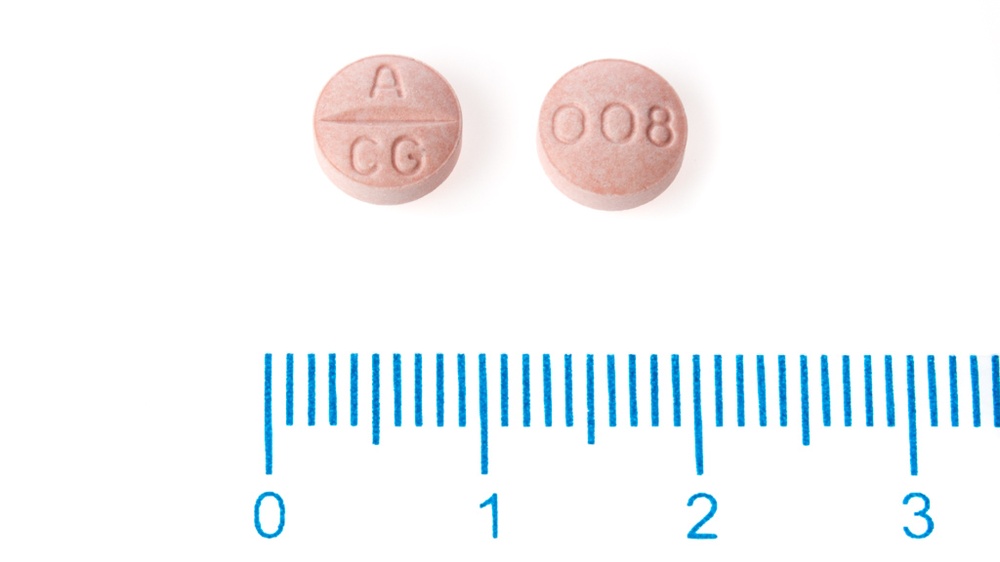
- Атаканд 8 мг - это розовые таблетки, круглые, с риской и гравировкой A/CG на одной стороне и 008 на другой.
Таблетку можно разделить на две равные части, разломив ее по риске.
Атаканд 8 мг выпускается в пластиковых банках по 100 таблеток или в блистерах по 7, 14, 28, 30, 56, 90 или 98 таблеток.
Возможно, что не все размеры упаковки будут продаваться во всех странах.
Владелец разрешения на маркетинг и производитель
Владелец разрешения на маркетинг:
CHEPLAPHARM Arzneimittel GmbHZiegelhof 2417489 Greifswald
Германия
Производитель:
KlockePharma-Service GmbH
Straßburger Str. 77
77767 Appenweier
Германия
CHEPLAPHARM Arzneimittel GmbH
Ziegelhof 23-24
17489 Greifswald
Германия
AstraZeneca AB, S-152 57, Сёдертелье, Швеция
Местный представитель:
Лаборатории Рубио, С.А.
Индустрия, 29
Пол. Инд. Комте де Серт
08755 Кастельбисбаль (Барселона)
Испания
Это лекарство разрешено к маркетингу в государствах-членах Европейского экономического пространства под следующими названиями:
Государство-член | Название |
Австрия, Бельгия, Болгария, Кипр, Дания, Эстония, Финляндия, Франция, Германия, Греция, Ирландия, Люксембург, Нидерланды, Норвегия, Польша, Португалия, Румыния, Словакия, Словения, Испания, Швеция | Атаканд |
Италия | Ратаканд |
Дата последней ревизии этой инструкции: 01/2025
Другие источники информации
Подробная и актуальная информация о этом лекарстве доступна на сайте Агентства по лекарствам и медицинским изделиям Испании (AEMPS) http://www.aemps.gob.es/
- Страна регистрации лекарства
- Форма выпуска и дозировкаТАБЛЕТКА, 8 мг кандесартана цилексетила
- Код АТХC09CA06
- Средняя цена в аптеках5.62 EUR
- Действующее вещество
- Отпускается по рецептуДа
- Производитель лекарства
- Состав препаратаCARMELOSA SODICA (5,6 mg mg), LACTOSA HIDRATADA (89,4 mg mg)
- Информация на этой странице является справочной и не заменяет медицинскую консультацию. Перед началом приема лекарства обязательно проконсультируйтесь с врачом.
- Похожие лекарства и аналоги АТАКАНД 8 мг ТАБЛЕТКИФорма выпуска и дозировка: ТАБЛЕТКА, 16 мг кандесартана цилексетилДействующее вещество: candesartanПроизводитель лекарства: Cheplapharm Arzneimittel GmbhОтпускается по рецептуФорма выпуска и дозировка: ТАБЛЕТКА, 32 мг кандесартана цилексетилДействующее вещество: candesartanПроизводитель лекарства: Cheplapharm Arzneimittel GmbhОтпускается по рецептуФорма выпуска и дозировка: ТАБЛЕТКА, 4 мг кандесартана цилексетилДействующее вещество: candesartanПроизводитель лекарства: Cheplapharm Arzneimittel GmbhОтпускается по рецепту
Врачи онлайн по АТАКАНД 8 мг ТАБЛЕТКИ
Обсудите применение АТАКАНД 8 мг ТАБЛЕТКИ и возможные следующие шаги — по оценке врача.
Как получить рецепт на АТАКАНД 8 мг ТАБЛЕТКИ онлайн
Заполните форму за 2 минуты
Расскажите о симптомах, истории болезни и нужном препарате.
Выберите врача или мы назначим
Выберите специалиста или мы подберём ближайшего доступного врача.
Врач рассматривает ваш случай
Обычно в течение 30 минут. Может задать уточняющие вопросы в чате.
Получите в любой аптеке
Электронный рецепт отправляется на вашу почту — действителен по всей Испании.
Часто задаваемые вопросы
АТАКАНД 8 мг ТАБЛЕТКИ требует рецепта в Испания. Вы можете уточнить у врача онлайн, подходит ли это лекарство для вашей ситуации.
Действующее вещество АТАКАНД 8 мг ТАБЛЕТКИ — candesartan. Эта информация помогает определить лекарства с тем же составом под другими торговыми названиями.
Средняя цена АТАКАНД 8 мг ТАБЛЕТКИ в аптеках составляет около 5.62 EUR. Стоимость может отличаться в зависимости от производителя, формы выпуска и аптеки.
АТАКАНД 8 мг ТАБЛЕТКИ производится компанией Cheplapharm Arzneimittel Gmbh. Упаковка и торговое название могут отличаться в зависимости от дистрибьютора.
Врачи, включая Семейные врачи, Психиатры, Дерматологи, Кардиологи, Эндокринологи, Гастроэнтерологи, Пульмонологи, Нефрологи, Ревматологи, Гематологи, Инфекционисты, Аллергологи, Гериатры, Педиатры, Онкологи, могут оценить целесообразность применения АТАКАНД 8 мг ТАБЛЕТКИ с учетом вашей ситуации и местных правил. Вы можете записаться на онлайн-консультацию, чтобы обсудить возможные варианты.
Польша имеет хорошо развитую систему здравоохранения в крупных городах, таких как Варшава, Краков, Вроцлав и Гданьск. Аптеки широко доступны и работают в соответствии с действующим законодательством, обеспечивая доступ к рецептурным препаратам.
Вы можете купить АТАКАНД 8 мг ТАБЛЕТКИ в Варшаве, Кракове, Вроцлаве или Гданьске в любой аптеке при наличии действующего рецепта.
Чтобы получить рецепт, вы можете воспользоваться Oladoctor:
Другие лекарства с тем же действующим веществом (candesartan) включают АТАКАНД 16 мг ТАБЛЕТКИ, АТАКАНД 32 мг ТАБЛЕТКИ, АТАКАНД 4 мг ТАБЛЕТКИ. Они могут отличаться торговым названием или формой выпуска, но содержат одинаковый терапевтический компонент. Перед изменением лечения рекомендуется проконсультироваться с врачом.
