


Abacavir/Lamivudina Macleods 600 mg/300 mg comprimidos recubiertos con película

Solicitud de receta online
Un médico revisará tu caso y determinará si la prescripción es médicamente apropiada.

Habla con un médico sobre este medicamento
Comenta tus síntomas y las opciones de tratamiento en una consulta online.



Cómo usar ABACAVIR/LAMIVUDINA MACLEODS 600 MG/300 MG COMPRIMIDOS RECUBIERTOS CON PELICULA EFG
Contenido del prospecto
- Introducción
- Qué es Abacavir/Lamivudina Macleods y para qué se utiliza
- Qué necesita saber antes de empezar a tomar Abacavir/Lamivudina Macleods
- Cómo tomar Abacavir/Lamivudina Macleods
- Posibles efectos adversos
- Conservación de Abacavir/Lamivudina Macleods
- Contenido del envase e información adicional
Introducción
Prospecto:Información para el usuario
Abacavir/Lamivudina Macleods 600 mg/300 mg comprimidos recubiertos con película EFG
abacavir/lamivudina
Lea todo el prospecto detenidamente antes de empezar a tomar este medicamento,porque contiene información importante para usted.
- Conserve este prospecto, ya que puede tener que volver a leerlo.
- Si tiene alguna duda, consulte a su médico o farmacéutico.
- Este medicamento se le ha recetado solamente a usted, y no debe dárselo a otras personas aunque tengan los mismos síntomas que usted, ya que puede perjudicarles.
- Si experimenta efectos adversos, consulte a su médico o farmacéutico, incluso si se trata de efectos adversos que no aparecen en este prospecto. Ver sección 4.
IMPORTANTE — Reacciones de hipersensibilidad
Este medicamento contiene abacavir. Algunas personas que toman abacavir pueden desarrollar una reacción de hipersensibilidad(reacción alérgica grave), que puede poner en riesgo la vida si se continúa tomando medicamentos que contienen abacavir. Debe leer atentamente la información sobre “Reacciones de hipersensibilidad” en la sección 4de este prospecto.
El envase de este medicamento incluye una Tarjeta de Informaciónpara recordarle a usted y al personal médico la hipersensibilidad a abacavir. Debe sacar esta tarjeta y llevarla siempre con usted.
Contenido del prospecto
- Qué es Abacavir/Lamivudina Macleods y para qué se utiliza
- Qué necesita saber antes de empezar a tomar Abacavir/Lamivudina Macleods
- Cómo tomar Abacavir/Lamivudina Macleods
- Posibles efectos adversos
5 Conservación de Abacavir/Lamivudina Macleods
- Contenido del envase e información adicional
1. Qué es Abacavir/Lamivudina Macleods y para qué se utiliza
Este medicamento se utiliza en el tratamiento de la infección producida por el VIH (virus de la inmunodeficiencia humana) en adultos, adolescentes y en niños que pesen al menos 25 kg.
Este medicamento contiene dos principios activos que se usan para el tratamiento de la infección producida por el VIH: abacavir y lamivudina. Ambos pertenecen a un grupo de medicamentos antirretrovirales denominados inhibidores de la transcriptasa inversa análogos de nucleósidos(INTIs).
Este medicamento no cura completamente la infección por el VIH; reduce la cantidad de virus en el organismo y la mantiene en un nivel bajo. También aumenta el número de células CD4 en sangre. Las células CD4 son un tipo de glóbulos blancos que desempeñan una importante función ayudando a su organismo a luchar contra la infección.
No todo el mundo responde al tratamiento con este medicamento de la misma manera. Su médico controlará la eficacia de su tratamiento.

¿No estás seguro de si este medicamento es adecuado para ti?
Comenta tus síntomas y tratamiento con un médico online.
2. Qué necesita saber antes de empezar a tomar Abacavir/Lamivudina Macleods
No tomeeste medicamento:
- si es alérgico(hipersensible)a abacavir (o a cualquier otro medicamento que contenga abacavir — ej. Trizivir, Triumeqo Ziagen), lamivudina o a cualquiera de los demás componentes de este medicamento (incluidos en la sección 6).
Lea atentamente toda la información sobre reacciones de hipersensibilidad en la sección 4 de este prospecto.
Consulte a su médico si piensa que le afecta alguna de estas circunstancias. No tome este medicamento.
Tenga especial cuidado con este medicamento
Advertencias y precauciones
Consulte a su médico o farmacéutico antes de empezar a tomar Abacavir/Lamivudina Macleods.
Algunas personas que toman este medicamento u otros tratamientos combinados frente al VIH tienen mayor riesgo de sufrir efectos adversos graves. Usted necesita saber que hay un mayor riesgo:
- si tiene una enfermedad hepática moderada o grave
- si alguna vez ha tenido una enfermedad hepática, incluyendo hepatitis B o C (si tiene hepatitis B no deje de tomar este medicamento sin el consejo de su médico, ya que podría empeorar)
- si tiene un sobrepeso importante (especialmente si es mujer)
- si tiene algún un problema de riñón.
Consulte a su médico antes de empezar a tomar este medicamento si padece alguna de estas circunstancias.Puede necesitar pruebas adicionales, incluyendo análisis de sangre, mientras toma este medicamento.Para más información vea la sección 4.
Reacciones de hipersensibilidad a abacavir
Incluso los pacientes que no presentan el gen HLA-B*5701 pueden desarrollar una reacción de hipersensibilidad (una reacción alérgica grave).
Lea atentamente la información sobre reacciones de hipersensibilidad en la sección 4 de este prospecto.
No puede excluirse que abacavir aumente el riesgo de sufrir eventos cardiovasculares.
Informe a su médicosi tiene problemas cardiovasculares, fuma o sufre de enfermedades que puedan aumentar su riesgo de enfermedades cardiovasculares como la tensión sanguínea alta y la diabetes. No deje de tomar este medicamento a menos que su médico se lo aconseje.
Esté atento a los síntomas importantes
Algunas personas que toman medicamentos para la infección por el VIH desarrollan otros trastornos, que pueden ser graves. Usted necesita conocer a qué signos y síntomas importantes debe prestar atención mientras está tomando este medicamento .
Lea la información sobre “Otros posibles efectos adversos del tratamiento combinado frente al VIH” en la sección 4 de este prospecto.
Otros medicamentos y Abacavir/Lamivudina Macleods
Informe a su médico o farmacéutico si está tomando, ha tomado recientemente o pudiera tener que tomar cualquier otro medicamento.
Recuerde informar a su médico o farmacéutico si empieza a tomar un nuevo medicamento mientras está tomando este medicamento.
Los siguientes medicamentos no se deben usar junto con Abacavir/Lamivudina Macleods:
- emtricitabina, para tratar la infección por el VIH
- otros medicamentos que contengan lamivudina, utilizados para tratar la infección por el VIH o la hepatitis B
- altas dosis de trimetoprima/sulfametoxazol), un antibiótico
- cladribina, utilizada para tratar la leucemia de células pilosas.
Informe a su médico si está siendo tratado con alguno de estos medicamentos.
Algunos medicamentos interaccionan con este medicamento, éstos incluyen:
- fenitoína, para tratar la epilepsia. Informe a su médico si está tomando fenitoína. Su médico puede necesitar hacerle un seguimiento mientras esté tomando este medicamento.
- metadona, usada como sustituto de la heroína. Abacavir aumenta la velocidad a la cual la metadona se elimina del organismo. Si está tomando metadona, deberá ser controlado por si sufre algún síntoma de abstinencia. Puede necesitar que su dosis de metadona sea modificada. Informe a su médico si está tomando metadona.
- medicamentos (generalmente líquidos) que contengan sorbitol y otros polialcoholes (como xilitol, manitol, lactitol o maltitol), si se toman con regularidad. Informe a su médico o farmacéutico si está siendo tratado con alguno de éstos.
- Riociguat, para tratar la presión arterial elevada en los vasos sanguíneos (arterias pulmonares) que transportan sangre desde el corazón a los pulmones. Es posible que su médico deba reducir su dosis de riociguat, ya que abacavir puede aumentar los niveles sanguíneos de riociguat.
Embarazo
No se recomienda el uso de este medicamento durante el embarazo.Este medicamento y medicamentos similares pueden causar efectos adversos en los bebés durante el embarazo.
Si ha estado tomando este medicamento durante su embarazo, su médico puede solicitar que se haga análisis de sangre periódicos y otras pruebas diagnósticas para controlar el desarrollo de su niño. En niños cuyas madres tomaron INTIs durante el embarazo, el beneficio de la protección frente al VIH fue mayor que el riesgo de que se produjeran efectos adversos.
Lactancia
No se recomiendaque las mujeres que conviven con el VIH den el pecho porque la infección por el VIH puede pasar al bebé a través de la leche materna. Una pequeña cantidad de los componentes de este medicamento también puede pasar a la leche materna.
Si está dando el pecho o piensa en dar el pecho, debe consultar con su médico lo antes posible.
Conducción y uso de máquinas
Este medicamento puede provocar efectos adversos que pueden afectar a su capacidad para conducir o utilizar máquinas.
Consulte con su médicoacerca de su capacidad para conducir o manejar máquinas mientras está tomando este medicamento.
Información importante sobre algunos de los componentes deeste medicamento
Este medicamento contiene menos de 1 mmol de sodio (23 mg) por comprimido; esto es, esencialmente “exento de sodio”.
3. Cómo tomar Abacavir/Lamivudina Macleods
Siga exactamente las instrucciones de administración de este medicamento indicadas por su médico. En caso de duda, consulte de nuevo a su médico o farmacéutico.
La dosis recomendada de este medicamento para adultos, adolescentes y niños que pesen al menos 25 kg o más, es de un comprimido una vez al día.
Trague los comprimidos enteros, con un poco de agua. Este medicamento puede tomarse con o sin alimentos.
Mantenga un contacto regular con su médico.Este medicamento ayuda a controlar su estado. Necesitará tomarlo todos los días para evitar que su enfermedad empeore. Puede continuar desarrollando otras infecciones y enfermedades asociadas con la infección por el VIH. Permanezca en contacto con su médico y no deje de tomar este medicamentosin hablar primero con su médico.
Si toma más Abacavir/Lamivudina Macleodsdel que debe
Si accidentalmente toma más Abacavir/Lamivudina Macleods del que debe, comuníqueselo a su médico o farmacéutico, o póngase en contacto con el servicio de urgencias del hospital más cercano para más información.
En caso de sobredosis o ingestión accidental, consulte inmediatamente a su médico o farmacéutico o llame al Servicio de Información Toxicológica, teléfono: 91 562 04 20, indicando el medicamento y la cantidad ingerida.
Si olvidó tomar este medicamento
Si olvidó tomar una dosis, tómela tan pronto como se acuerde y luego continúe con su tratamiento habitual.
No tome una dosis doble para compensar las dosis olvidadas.
Es importante tomar este medicamento de forma regular, dado que la ingesta irregular puede incrementar el riesgo de sufrir una reacción de hipersensibilidad.
Si interrumpe el tratamiento con Abacavir/Lamivudina Macleods
Si por alguna razón, ha dejado de tomar este medicamento, especialmente porque piensa que tiene efectos adversos o por otra enfermedad:
- Consulte a su médico antes de volver a iniciar el tratamiento.Su médico comprobará si sus síntomas estaban relacionados con una reacción de hipersensibilidad. Si su médico considera que pudo haber relación, le indicará que nunca debe volver a tomar este medicamento o cualquier otro que contengaabacavir (ej.Trizivir, Triumeq o Ziagen).Es importante que siga esta advertencia.
- Si su médico le aconseja reiniciar el tratamiento con este medicamento, puede pedirle que tome las primeras dosis en un lugar donde tenga fácil acceso a asistencia médica por si fuese necesario.

¿Has empezado a tomar el medicamento y tienes preguntas?
Comenta tus síntomas y tratamiento con un médico online.
4. Posibles efectos adversos
Durante el tratamiento frente al VIH puede haber un aumento en el peso y en los niveles de glucosa y lípidos en la sangre. Esto puede estar en parte relacionado con la recuperación de la salud y con el estilo de vida y en el caso de los lípidos en la sangre, algunas veces a los medicamentos frente al VIH por sí mismos. Su médico le controlará estos cambios.
Al igual que todos los medicamentos, este medicamento puede producir efectos adversos, aunque no todas las personas los sufran.
Cuando esté en tratamiento frente al VIH, puede ser difícil diferenciar si un síntoma es un efecto adverso de este medicamento o de otros medicamentos que esté tomando, o es debido a un efecto propio de la enfermedad producida por el VIH. Por ello, es muy importante que informe a su médico sobre cualquier cambio en su salud.
Incluso los pacientes que no presentan el gen HLA-B*5701 pueden desarrollar unareacción de hipersensibilidad(una reacción alérgica grave), descrita en este prospecto en el recuadro llamado “Reacciones de hipersensibilidad”.
Es muy importante que lea y comprenda la información sobre esta grave reacción.
Además de los efectos adversos listados a continuación para este medicamento,se pueden desarrollar otros trastornos durante el tratamiento combinado frente al VIH.
Es importante que lea la información bajo el epígrafe “Otros posibles efectos adversos del tratamiento combinado frente al VIH”.
Reacciones de hipersensibilidad Este medicamentocontiene abacavir(principio activo que también está presente en Trizivir, Triumeq y Ziagen). Abacavir puede producir una reacción alérgica grave conocida como reacción de hipersensibilidad. Estas reacciones de hipersensibilidad se han observado con más frecuencia en personas que tomaban medicamentos que contenían abacavir. ¿Quién sufre estas reacciones? Cualquier persona que esté tomando Abacavir/Lamivudina podría desarrollar una reacción de hipersensibilidad a abacavir, que podría poner en riesgo su vida si continúa tomando este medicamento. Usted tiene más probabilidad de desarrollar esta reacción si tiene un gen llamado HLA-B*5701(pero puede sufrir dicha reacción incluso si no tiene este gen). Antes de iniciar el tratamiento con Abacavir/Lamivudina, le deberían haber realizado la prueba de detección de este gen. Si sabe que tiene este gen, dígaselo a su médico antes de tomar Abacavir/Lamivudina. Alrededor de 3 a 4 de cada 100 pacientes tratados con abacavir en un ensayo clínico que no presentaban el gen HLA-B*5701 desarrollaron una reacción de hipersensibilidad. ¿Cuáles son los síntomas? Los síntomas más frecuentes son:
Otros signos frecuentemente observados son:
Otros síntomas pueden incluir: Dolor de las articulaciones o músculos, hinchazón del cuello, dificultad respiratoria, dolor de garganta, tos, dolor de cabeza ocasional, inflamación en el ojo (conjuntivitis), úlceras bucales, tensión sanguínea baja y hormigueo o entumecimiento de las manos o pies. ¿Cuándo ocurren estas reacciones? Las reacciones de hipersensibilidad pueden aparecer en cualquier momento durante el tratamiento con Abacavir/Lamivudina, pero es más probable que lo hagan en las primeras 6 semanas de tratamiento. Contacte con su médico inmediatamente:
Su médico puede aconsejarle dejar de tomar este medicamento. Si ha dejado de tomar este medicamento debido a una reacción de hipersensibilidad, jamás vuelva a tomareste medicamentoo cualquier otromedicamentoque contenga abacavir (ej. Trizivir, Triumeq o Ziagen).Si lo hace, en cuestión de horas, puede experimentar una bajada de tensión arterial que puede representar un riesgo para su vida u ocasionarle la muerte. Si por alguna razón, ha interrumpido el tratamiento con este medicamento — especialmente porque piensa que tiene efectos adversos o por otra enfermedad: Consulte a su médico antes de volver a iniciar el tratamiento. Su médico comprobará si sus síntomas estaban relacionados con una reacción de hipersensibilidad. Si su médico considera que pudo haber relación, le indicará que nunca debe volver a tomareste medicamentoo cualquier otro medicamento que contenga abacavir.Es importante que siga esta advertencia. Ocasionalmente, las reacciones de hipersensibilidad se han desarrollado en personas que vuelven a tomar abacavir, tras haber tenido un sólo síntoma de los incluidos en la Tarjeta de Información antes de que dejaran de tomarlo. Muy raramente, las reacciones se han desarrollado en personas que reinician el tratamiento con abacavir, pero que no tuvieron ningún síntoma de hipersensibilidad antes de dejar de tomarlo. Si su médico le aconseja reiniciar el tratamiento con este medicamento, puede pedirle que tome las primeras dosis en un lugar donde tenga fácil acceso a asistencia médica por si fuese necesario. Si es hipersensible aeste medicamento, debe devolver todos sus comprimidos deeste medicamentosin usar, para que sean eliminados de forma segura.Consulte con su médico o farmacéutico. El envase de este medicamento incluye una Tarjeta de Información para recordarle a usted y al personal sanitario acerca de las reacciones de hipersensibilidad. Separe la tarjeta del envase y llévela siempre con usted. |
Efectos adversos frecuentes:
Pueden afectar hasta 1 de cada 10personas:
- reacción de hipersensibilidad
- dolor de cabeza
- vómitos
- malestar (náuseas)
- diarrea
- dolor de estómago
- pérdida de apetito
- cansancio, falta de energía
- fiebre (temperatura elevada)
- sensación de malestar general
- dificultad para conciliar el sueño (insomnio)
- dolores musculares y molestias
- dolor de las articulaciones
- tos
- nariz irritada o con exceso de secreción nasal
- erupción cutánea
- pérdida de cabello.
Efectos adversos poco frecuentes:
Pueden afectar hasta 1 de cada 100personas y pueden reflejarse en los análisis de sangre
- recuento bajo de glóbulos rojos (anemia)o recuento bajo de glóbulos blancos (neutropenia)
- aumento del nivel de enzimas producidas por el hígado
- una disminución en el número de células implicadas en la coagulación sanguínea (trombocitopenia).
Efectos adversos raros
Pueden afectar hasta 1 de cada 1.000personas:
- alteraciones hepáticas, como ictericia, aumento del tamaño del hígado o hígado graso, inflamación (hepatitis)
- inflamación del páncreas (pancreatitis)
- rotura del tejido muscular.
Los efectos adversos raros que pueden aparecer en los análisis de sangre son:
- aumento de una enzima llamada amilasa.
Efectos adversos muy raros
Pueden afectar hasta 1 de cada 10.000 personas:
- entumecimiento, sensación de hormigueo en la piel (pinchazos)
- sensación de debilidad en las extremidades
- erupción de la piel, que puede formar ampollas que parecen pequeñas dianas (punto central oscuro rodeado por un área más pálida, con un anillo oscuro alrededor del borde) (eritema multiforme)
- erupción diseminada con ampollas y descamación de la piel, especialmente alrededor de la boca, nariz, ojos y los genitales (síndrome de Stevens–Johnson), y una forma más grave que causa descamación de la piel en más del 30% de la superficie corporal (necrólisis epidérmica tóxica)
- acidosis láctica (exceso de ácido láctico en la sangre).
Si nota cualquiera de estos síntomas contacte con un médico urgentemente.
Un efecto adverso muy raro que puede aparecer en los análisis de sangre es:
- fallo de la médula ósea en producir nuevos glóbulos rojos (aplasia pura de glóbulos rojos).
Si sufre efectos adversos
Informe a su médico o farmacéutico si considera que alguno de los efectos adversos que sufre es grave o si aprecia cualquier efecto adverso no mencionado en este prospecto.
Otros posibles efectos adversos del tratamiento combinado frente al VIH
Los tratamientos combinados, como este medicamento, pueden causar que otros trastornos se desarrollen durante el tratamiento frente al VIH.
Síntomas de infección e inflamación
Exacerbación de infecciones antiguas
Las personas con infección avanzada por el VIH (SIDA) tienen un sistema inmunitario debilitado y es más probable que desarrollen infecciones graves (infecciones oportunistas). Tales infecciones pueden haber estado "latentes" y no haber sido detectadas por el sistema inmunitario debilitado antes de que se comenzara el tratamiento. Después de comenzar el tratamiento, el sistema inmunológico se vuelve más fuerte, de forma que empieza a luchar contra estas infecciones, que pueden causar síntomas de infección o inflamación. Los síntomas generalmente incluyen fiebre, además de algunos de los siguientes:
- dolor de cabeza
- dolor de estómago
- dificultad para respirar.
En casos raros, como el sistema inmunológico se vuelve más fuerte, también puede atacar tejidos sanos (trastornos autoinmunitarios). Los síntomas de los trastornos autoinmunitarios pueden aparecer muchos meses después de comenzar a tomar medicamentos para tratar la infección por el VIH. Los síntomas pueden incluir:
- palpitaciones (latidos cardíacos rápidos o irregulares) o temblor
- hiperactividad (excesiva inquietud y movimiento)
- debilidad que empieza en las manos y pies y que asciende hacia el tronco del cuerpo.
Si observa cualquier síntoma de infección e inflamación o si usted nota cualquiera de los síntomas anteriores: Informe a su médico inmediatamente. No tome ningún otro medicamento para la infección sin que su médico se lo aconseje.
Puede tener problemas con sus huesos
Algunos pacientes que reciben un tratamiento combinado frente al VIH desarrollan una enfermedad de los huesos llamada osteonecrosis. Con esta enfermedad, parte del tejido óseo muere debido a una reducción del aporte de sangre al hueso. Las personas tienen más probabilidad de padecer esta enfermedad:
- si han estado tomando un tratamiento combinado durante un largo periodo de tiempo
- si también toman unos medicamentos antiinflamatorios llamados corticosteroides
- si beben alcohol
- si su sistema inmunitario está muy debilitado
- si tienen sobrepeso.
Los signos de la osteonecrosis incluyen:
- rigidez en las articulaciones
- dolor y molestias (especialmente en cadera, rodilla u hombro)
- dificultad de movimiento.
Si nota cualquiera de estos síntomas:
Informe a su médico
Comunicación de efectos adversos
Si experimenta cualquier tipo de efecto adverso, consulte a su médico o farmacéutico, incluso si se trata de posibles efectos adversos que no aparecen en este prospecto. También puede comunicarlos directamente a través del Sistema Español de Farmacovigilancia de medicamentos de Uso Humano: https://www.notificaram.es. Mediante la comunicación de efectos adversos usted puede contribuir a proporcionar más información sobre la seguridad de este medicamento.
5. Conservación de Abacavir/Lamivudina Macleods
Mantener este medicamento fuera de la vista y del alcance de los niños.
No utilice este medicamento después de la fecha de caducidad que aparece en la caja. La fecha de caducidad es el último día del mes que se indica.
Utilice este medicamento en los 30 días siguientes después de la apertura del frasco.
No conservar a temperatura superior a 30ºC.
Los medicamentos no se deben tirar por los desagües ni a la basura. Deposite los envases y los medicamentos que no necesita en el Punto SIGRE de la farmacia. En caso de duda pregunte a su farmacéutico cómo deshacerse de los envases y de los medicamentos que no necesita. De esta forma ayudará a proteger el medio ambiente.
6. Contenido del envase e información adicional
Composición Abacavir/Lamivudina Macleods
- Los principios activos son Abacavir y Lamivudina. Cada comprimido recubierto con película contiene 600 mg de abacavir (como sulfato) y 300 mg de lamivudina.
- Los otros componentes son:
Celulosa microcristalina
Almidón glicolato sódico Tipo A (Almidón de patata)
Povidona
Alcohol isopropílico
Dióxido de silicio coloidal
Hidroxipropil celulosa de baja sustitución
Estearato magnésico
- Los comprimidos estan recubiertos con
Hipromelosa 3cPs (E464)
Politetilenglicol 400 (E1521)
Polisorbato 80 (E433)
Dióxido de titanio (E171)
Aspecto del producto y contenido del envase
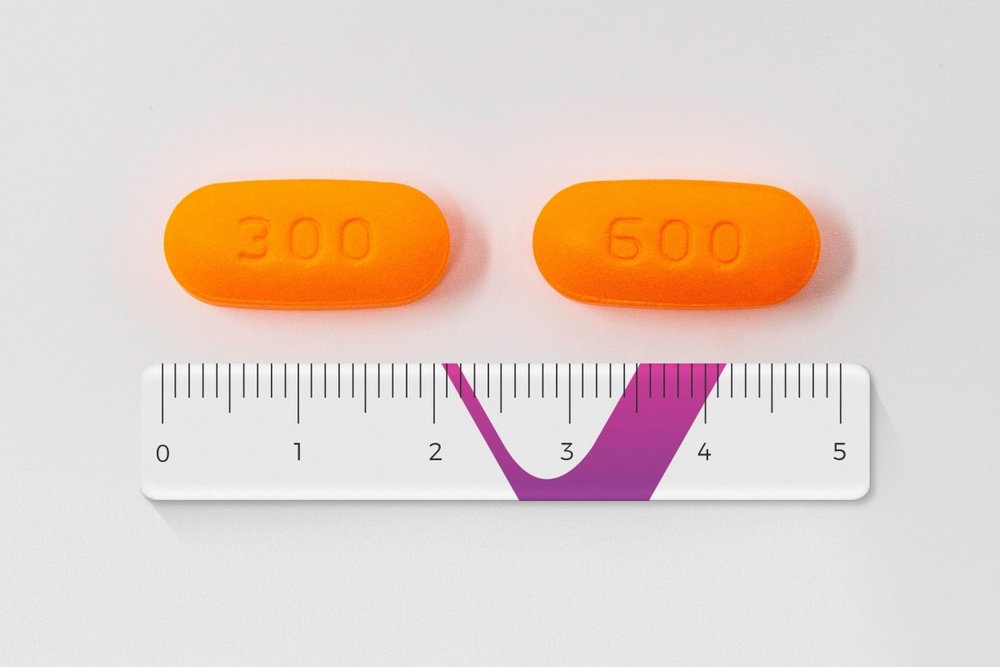
Comprimidos recubiertos con película de color blanco a blanquecino, con forma de cápsula, biconvexos, grabados en una cara con “300” y “600” por la otra.
Envase blíster: El envase blíster consta de lámina de aluminio y laminado de formación en frío
Tamaño de envase: 30 comprimidos. Envase blíster unidosis de 30 comprimidos.
Envase contenedor:El envase contenedor consta de un frasco blanco redondo de polietileno de alta densidad (HPDE) con cierre de seguridad a prueba de niños.
Tamaño de envase: 30 comprimidos
Titular de la autorización de comercialización y responsable de la fabricación
Titular de la autorización de comercialización
Macleods Pharma España S.L.U.
World Trade Center Barcelona
Moll de Barcelona, s/n,
08039 Barcelona, España
Responsable de la fabricación
Synoptis Industrial SP.Z.O.O.
ul. Rabowicka 15
62020 Swarzedz
Polonia
Fecha de la última revisión de este prospecto: Noviembre 2024
La información detallada de este medicamento está disponible en la página web de la Agencia Española de Medicamentos y Productos Sanitarios (AEMPS) (http://www.aemps.gob.es/)
- País de registro
- Forma farmacéuticaCOMPRIMIDO, 600 mg/300 mg
- Código ATCJ05AR02
- Principio activo
- Requiere recetaSí
- Fabricante
- ComposiciónPOLISORBATO 80 (0,3 mg mg)
- Esta información es de carácter general y no sustituye la consulta con un profesional sanitario.
- Alternativas a ABACAVIR/LAMIVUDINA MACLEODS 600 MG/300 MG COMPRIMIDOS RECUBIERTOS CON PELICULA EFGForma farmacéutica: COMPRIMIDO, 600 mg /300 mgPrincipio activo: lamivudine and abacavirFabricante: Aurovitas Spain, S.A.U.Requiere recetaForma farmacéutica: COMPRIMIDO, 600 mg/300 mgPrincipio activo: lamivudine and abacavirFabricante: Reddy Pharma Iberia S.A.Requiere recetaForma farmacéutica: COMPRIMIDO, 600 mg/300 mgPrincipio activo: lamivudine and abacavirFabricante: Glenmark Arzneimittel GmbhRequiere receta
Médicos online para ABACAVIR/LAMIVUDINA MACLEODS 600 MG/300 MG COMPRIMIDOS RECUBIERTOS CON PELICULA EFG
Comenta la dosis, los posibles efectos secundarios, interacciones, contraindicaciones o si una receta es apropiada para ABACAVIR/LAMIVUDINA MACLEODS 600 MG/300 MG COMPRIMIDOS RECUBIERTOS CON PELICULA EFG, sujeto a valoración médica y a la normativa local.









Preguntas frecuentes
ABACAVIR/LAMIVUDINA MACLEODS 600 MG/300 MG COMPRIMIDOS RECUBIERTOS CON PELICULA EFG requiere receta en España. Puedes confirmarlo con un médico online según tu caso.
El principio activo de ABACAVIR/LAMIVUDINA MACLEODS 600 MG/300 MG COMPRIMIDOS RECUBIERTOS CON PELICULA EFG es lamivudine and abacavir. Esta información ayuda a identificar medicamentos con la misma composición pero con diferentes nombres comerciales.
ABACAVIR/LAMIVUDINA MACLEODS 600 MG/300 MG COMPRIMIDOS RECUBIERTOS CON PELICULA EFG es fabricado por Macleods Pharma Espana S.L.U.. La marca y el envase pueden variar según el distribuidor.
Los Médicos de familia, Psiquiatras, Dermatólogos, Cardiólogos, Endocrinólogos, Gastroenterólogos, Neumólogos, Nefrólogos, Reumatólogos, Hematólogos, Infectólogos, Alergólogos, Geriatras, Pediatras, Oncólogos pueden valorar la prescripción de ABACAVIR/LAMIVUDINA MACLEODS 600 MG/300 MG COMPRIMIDOS RECUBIERTOS CON PELICULA EFG cuando esté clínicamente indicado. Puedes reservar una videoconsulta para comentar tu caso y las opciones de tratamiento.
La receta la emite un médico tras valorar tu estado de salud. En España, ABACAVIR/LAMIVUDINA MACLEODS 600 MG/300 MG COMPRIMIDOS RECUBIERTOS CON PELICULA EFG se dispensa en las farmacias con esa receta médica. Una consulta online no garantiza su emisión: la decisión corresponde siempre al médico.
Para solicitar una valoración puedes usar Oladoctor:
Otros medicamentos con el mismo principio activo (lamivudine and abacavir) incluyen ABACAVIR/LAMIVUDINA AUROVITAS 600 MG/300 MG COMPRIMIDOS RECUBIERTOS CON PELICULA EFG, ABACAVIR/LAMIVUDINA DR. REDDYS 600 MG/300 MG COMPRIMIDOS RECUBIERTOS CON PELICULA EFG, ABACAVIR/LAMIVUDINA GLENMARK 600 MG/300 MG COMPRIMIDOS RECUBIERTOS CON PELICULA EFG. Pueden tener diferentes nombres comerciales o formulaciones, pero contienen el mismo componente terapéutico. Consulta siempre con un médico antes de cambiar o iniciar un nuevo medicamento.
