







How to use ZYTRAM 150 mg PROLONGED-RELEASE TABLETS
Translated with AI
This page provides general information and does not replace a doctor’s consultation. Always consult a doctor before taking any medication. Seek urgent medical care if symptoms are severe.
Show originalContents of the leaflet
Introduction
Package Leaflet: Information for the Patient
Zytram 150 mg prolonged-release tablets
Tramadol, hydrochloride
Read all of this leaflet carefully before you start taking this medicine because it contains important information for you.
- Keep this leaflet, you may need to read it again.
- If you have any further questions, ask your doctor or pharmacist.
- This medicine has been prescribed for you only. Do not pass it on to others. It may harm them, even if their signs of illness are the same as yours.
- If you get any side effects, talk to your doctor or pharmacist. This includes any possible side effects not listed in this leaflet. See section 4.
Contents of the pack
- What is Zytram and what is it used for
- What you need to know before you take Zytram
- How to take Zytram
- Possible side effects
- Storage of Zytram
- Contents of the pack and other information
1. What is Zytram and what is it used for
These tablets have been prescribed for you by your doctor to relieve moderate to severe pain over a 24-hour period. The tablets contain tramadol as the active substance, which is a potent pain reliever (or analgesic), belonging to a group of medicines called opioids.
These tablets are for use in adults and adolescents over 12 years of age only.

2. What you need to know before you take Zytram
Do not take Zytram
- If you are allergic to tramadol or any of the other ingredients of this medicine (listed in section 6);
- If you have taken too much alcohol or more than the recommended dose of sleeping pills, pain relievers, or psychotropic medicines (used to treat psychiatric or mental disorders);
- If you are taking monoamine oxidase inhibitors (e.g., tranylcypromine, phenelzine, isocarboxazid, moclobemide, and linezolid), or if you have taken this type of medicine in the last two weeks;
- To treat withdrawal symptoms caused by stopping another potent pain reliever.
Warnings and precautions
Talk to your doctor or pharmacist before you start taking these tablets if:
- You have or have had any type of addiction to alcohol or drugs;
- You have or have had epilepsy, seizures, tremors, or convulsions;
- You have or have had severe headaches, or feel unwell due to a head injury, or have increased intracranial pressure (e.g., due to a brain condition). The tablets may worsen symptoms or mask a head injury;
- You have severe liver or kidney disease;
- You are in shock (suddenly feel very dizzy, tired, cold, shaky, and pale);
- You have slow and weak breathing (respiratory depression);
- You suffer from depression and are taking antidepressants, as some may interact with tramadol (see "Other medicines and Zytram prolonged-release tablets").
- You suffer from constipation.
Respiratory disorders related to sleep
Zytram tablets may cause sleep-related respiratory disorders such as central sleep apnea (pauses in breathing during sleep) and sleep-related hypoxemia (low oxygen levels in the blood). These symptoms can be pauses in breathing during sleep, nighttime awakenings due to difficulty breathing, difficulty maintaining sleep, or excessive sleepiness during the day. If you or someone else notices these symptoms, consult your doctor. Your doctor may consider reducing the dose.
Tolerance, dependence, and addiction
This medicine contains tramadol, which is an opioid medicine. Repeated use of opioids can make the medicine less effective (you get used to it, which is known as tolerance). Repeated use of Zytram can also lead to dependence, abuse, and addiction, which can cause a potentially life-threatening overdose. The risk of these side effects may increase with a higher dose and longer treatment duration.
Dependence or addiction can make you feel like you no longer have control over the amount of medicine you need to take or how often you need to take it.
The risk of becoming dependent or addicted varies from person to person. You may have a higher risk of becoming dependent or addicted to Zytram if:
- You or someone in your family has a history of alcohol or drug abuse.
- You are a smoker.
- You have ever had problems with your mood (depression, anxiety, or personality disorder) or have received psychiatric treatment for other mental illnesses.
If you notice any of the following signs while taking Zytram, it could be a sign that you have become dependent or addicted:
- You need to take the medicine for longer than recommended by your doctor.
- You need to take more doses than recommended.
- You are using the medicine for reasons other than those prescribed, for example, "to calm down" or "to help you sleep".
- You have made repeated attempts to stop or control the use of the medicine without success.
- You do not feel well when you stop taking the medicine, and you feel better when you take it again ("withdrawal symptoms").
If you notice any of these signs, talk to your doctor to address the best treatment strategy for your case, including when it is appropriate to stop taking it and how to do so safely (see section 3, If you stop taking Zytram).
Tramadol is transformed in the liver by an enzyme. Some people have a variation of this enzyme, and this can affect each person differently. In some people, sufficient pain relief may not be achieved, while others are more likely to experience serious side effects. If you notice any of the following side effects, you must stop taking this medicine and consult a doctor immediately: slow or shallow breathing, confusion, drowsiness, constricted pupils, general malaise, or vomiting, constipation, loss of appetite.
There is a weak risk that you may experience a serotonin syndrome that can occur after taking tramadol in combination with certain antidepressants or tramadol alone. Consult a doctor immediately if you experience any symptoms related to this serious syndrome (see section 4 "Possible side effects").
Talk to your doctor or pharmacist if you experience any of the following symptoms while taking Zytram: extreme fatigue, loss of appetite, severe abdominal pain, nausea, vomiting, or low blood pressure. This may indicate that you have adrenal insufficiency (low cortisol levels). If you experience any of these symptoms, inform your doctor, who will decide whether you should take a hormonal supplement.
Occasionally, an increase in sensitivity to pain (hyperalgesia) may occur, which does not respond to an additional increase in the dose of tramadol, especially at high doses. It may be necessary to reduce the dose of tramadol or switch to an alternative opioid.
Children and adolescents
Use in children with respiratory problems
Tramadol is not recommended for use in children with respiratory problems, as the symptoms of tramadol toxicity can worsen in these children.
Other medicines and Zytram prolonged-release tablets
Tell your doctor or pharmacist if you are taking or have recently taken or might take any other medicines. If you are taking other medicines with these tablets, the effect of these tablets or the other medicine may be altered.
Concomitant use of Zytram and sedative medicines such as benzodiazepines or related medicines increases the risk of drowsiness, breathing difficulties (respiratory depression), coma, and can be life-threatening. Due to this, concomitant use should only be considered when other treatment options are not possible.
However, if your doctor prescribes Zytram with sedative medicines, your doctor must limit the dose and duration of concomitant treatment.
Tell your doctor about all sedative medicines you are taking and follow your doctor's recommendations regarding the dose. It may be helpful to inform friends or family members so they are aware of the signs and symptoms mentioned above. Inform your doctor when you experience such symptoms.
These tablets must not be used in conjunction with a monoamine oxidase inhibitor (MAOI) or if you have taken this type of medicine in the last two weeks (see section 2, "Do not take Zytram").
The risk of side effects increases:
- If you are taking medicines that can cause seizures, such as certain antidepressants or antipsychotics. The risk of having a seizure may increase if you take Zytram tablets at the same time. Your doctor will inform you if Zytram tablets are suitable for you.
- If you are taking certain antidepressants. Zytram tablets may interact with these medicines, and you may experience a serotonin syndrome (see section 4 "Possible side effects").
Tell your doctor or pharmacist if you are taking:
- Sleeping pills (sedatives, hypnotics, or tranquilizers);
- Carbamazepine to treat seizures, tremors, convulsions, and some types of pain;
- Medicines for depression;
- Medicines for treating psychiatric or mental disorders;
- Ritonavir to treat HIV;
- Digoxin to treat heart failure or arrhythmias;
- Other potent pain relievers (buprenorphine, nalbuphine, and pentazocine);
- Certain morphine-like medicines, for example, to treat cough or to treat withdrawal symptoms;
- Barbiturates to treat seizures or to sleep;
- Benzodiazepines to treat anxiety or to sleep;
- Gabapentin or pregabalin to treat epilepsy or pain due to nerve problems (neuropathic pain);
- Certain medicines to prevent blood clotting or to thin the blood (coumarin anticoagulants, such as warfarin);
- Ondansetron to treat nausea or general malaise.
Taking Zytram tablets with alcohol
Talk to your doctor or pharmacist if you drink or intend to drink alcohol while being treated with this medicine.
Pregnancy, breastfeeding, and fertility
If you are pregnant or breastfeeding, think you may be pregnant, or are planning to have a baby, ask your doctor or pharmacist for advice before taking this medicine.
Pregnancy
Do not take this medicine if you are pregnant. Depending on the dose and duration of treatment with tramadol, the newborn may experience slow and shallow breathing (respiratory depression) or withdrawal symptoms.
Breastfeeding
Tramadol is excreted in breast milk. For this reason, you should not take Zytram more than once during breastfeeding, or if you take Zytram more than once, you should interrupt breastfeeding.
Babies born to mothers who have used Zytram prolonged-release tablets during pregnancy may experience withdrawal symptoms, which can include loud crying, irritability, and restlessness, agitation (shaking), feeding difficulties, and sweating.
Driving and using machines
These tablets can cause a number of side effects, such as drowsiness, blurred vision, and dizziness, which may affect your ability to drive or use machines (see section 4 for a full list of side effects). These effects are more noticeable when you start treatment with the tablets or when the dose is increased. If you are affected, you should not drive or use machines.
Zytram tablets contain lactose
This medicine contains lactose. If your doctor has told you that you have an intolerance to some sugars, consult your doctor before taking this medicine.
3. How to take Zytram tablets
Always take this medicine exactly as your doctor or pharmacist has told you. If you are not sure, check with your doctor or pharmacist. Before you start treatment and regularly during treatment, your doctor will discuss with you what you can expect from using Zytram, when and for how long you should take it, when to contact your doctor, and when to stop it (see also section 2).
The dose should be adjusted according to the intensity of the pain and your individual sensitivity. Normally, the lowest possible dose that provides pain relief should be used.
Adults and adolescents over 12 years of age
The usual initial dose is one 150 mg tablet once a day. However, your doctor will prescribe the dose required to treat the pain you are experiencing. Do not exceed the dose recommended by your doctor. If you find that you still have pain while taking the tablets, consult your doctor. You should not take more than 400 mg per day.
The tablets should be swallowed whole with water. Do not break, crush, or chew them.
Zytram tablets are designed to provide adequate treatment over 24 hours when taken whole. If the tablet is broken, crushed, or chewed, the full 24-hour dose may be absorbed quickly by your body, which can be dangerous and cause serious problems, including a potentially fatal overdose.
You should take the tablets at the same time every day. For example, if you take a tablet at 8 am, you should take the next tablet at 8 am the following day.
Elderly patients
In elderly patients (over 75 years), the elimination of tramadol may be slow. If this applies to you, your doctor may recommend reducing the dose.
Patients with liver or kidney impairment/patients on dialysis
If you have severe liver or kidney disease, treatment with Zytram tablets is not recommended. If you have mild or moderate liver or kidney disease, your doctor may recommend reducing the dose.
Children under 12 years of age
Children under 12 years of age should not take this medicine.
If you take more Zytram tablets than you should or someone takes them by accident
Contact your doctor or the nearest hospital immediately. People who have taken an overdose may experience drowsiness, feel very unwell, or very dizzy. They may have seizures, tremors, or convulsions. They may also have breathing difficulties that can lead to loss of consciousness or even death and may require emergency treatment in the hospital. If you need medical attention, make sure to bring this leaflet and the remaining tablets with you.
In case of overdose or accidental ingestion, consult the Toxicology Information Service (Tel. 91.562.04.20), indicating the product and the amount ingested.
If you forget to take Zytram tablets
If you remember within the next 10 hours of the time you should have taken the tablet, take the missed tablet immediately. Then take the next tablet at the usual time. If more than 10 hours have passed, it is best to consult your doctor.
Do not take a double dose to make up for the missed dose.
If you stop taking Zytram tablets
Do not stop taking this medicine suddenly unless your doctor tells you to. If you want to stop taking your medicine, talk to your doctor first, especially if you have been taking it for a long time. Your doctor will tell you when and how to stop it, which can be done by gradually reducing the dose to reduce the likelihood of unnecessary side effects (withdrawal symptoms). If you stop taking these tablets suddenly, you may experience withdrawal symptoms such as agitation, anxiety, nervousness, difficulty sleeping, unusual hyperactivity, tremors, or gastrointestinal disorders, e.g., upset stomach.
If you have any further questions on the use of this product, ask your doctor or pharmacist.

4. Possible Adverse Effects
Like all medicines, this medicine can cause adverse effects, although not all people suffer from them.
All medicines can cause allergic reactions, even if severe allergic reactions are rare. Contact your doctor immediately if you suddenly experience shortness of breath, difficulty breathing, swelling of the eyelids, face, or lips, or itching, particularly if it affects the whole body.
The most severe adverse effect is that in which slower or weaker breathing than usual is observed (respiratory depression).
As with all potent analgesics, there is a risk of addiction or dependence on these tablets.
Very Common:may affect more than 1 in 10 patients
- Dizziness (this effect usually subsides after a few days, however, your doctor may prescribe you some medication for dizziness if it continues to be a problem)
- Vertigo
Common:may affect up to 1 in 10 patients
- Drowsiness (it is more frequent when starting to take the tablets or when the dose is increased, but it usually subsides after a few days)
- Dry mouth
- Sweating
- Vomiting (with a feeling of dizziness)
Uncommon:may affect up to 1 in 100 patients
- Headache
- Tachycardia, palpitations, or severe heart problems
- Feeling of "fainting" particularly when standing up, hypotension
- Constipation
- Abdominal pain or discomfort
- Rash, hives (urticaria), or itching
Rare:may affect up to 1 in 1,000 patients
- Numbness or tingling
- Blurred vision
- Hallucinations
- Nightmares
- Mood changes, feeling of discomfort and displeasure, or feeling of extreme happiness
- Changes in activity level
- Confusion
- Recognition problems, changes in thinking, memory, and behavior
- Seizures, tremors, or convulsions
- Hypertension
- Shortness of breath, difficulty breathing, or wheezing
- Worsening of asthma
- Loss of appetite
- Diarrhea
- Pain or difficulty urinating
- Muscle weakness
- Redness of the skin
- Bradycardia
- Fainting
Very Rare:may affect up to 1 in 10,000 patients
- Withdrawal symptoms when stopping the tablets, such as agitation, anxiety, nervousness, hyperactivity, tremors, difficulty falling asleep, stomach upset
- Worsening of liver function tests (seen in blood tests)
Frequency Not Known(frequency cannot be estimated from available data)
- Breathing problems during sleep (sleep apnea syndrome).
- Decrease in blood sugar levels
- Unusual feeling of weakness
- Hiccup
- Need to take increasingly higher doses of the tablets to achieve the same level of pain relief (tolerance).
- Withdrawal symptoms in babies born to mothers who have used tramadol during pregnancy (see section 2 "Pregnancy, Breastfeeding, and Fertility").
- Increased sensitivity to pain.
- Serotonin syndrome, which can manifest as changes in mental state (e.g., agitation, hallucinations, coma), and other effects, such as fever, increased heart rate, unstable blood pressure, involuntary muscle contractions, muscle stiffness, lack of coordination, and/or gastrointestinal symptoms (e.g., nausea, vomiting, diarrhea) (see section 2 "What you need to know before taking Zytram prolonged-release tablets").
In some cases, the tablet matrix may be observed in the stool, which does not affect the efficacy of the tablets.
Reporting of Adverse Effects
If you experience any type of adverse effect, consult your doctor or pharmacist, even if it is an adverse effect that is not listed in this leaflet. You can also report them directly through the Spanish Medicines Surveillance System for Human Use https://www.notificaram.es.
By reporting adverse effects, you can contribute to providing more information on the safety of this medicine.
5. Storage of Zytram Tablets
Keep this medicine out of the sight and reach of children.
Store this medicine in a safe place, where other people cannot access it. It can cause serious harm and be fatal to people who have not been prescribed it.
Do not take these tablets after the expiration date shown on the blister pack and carton. The expiration date is the last day of the month indicated.
Do not store above 30°C.
Medicines should not be disposed of via wastewater or household waste. Deposit the packaging and unused medicines at the SIGRE collection point in the pharmacy. In case of doubt, ask your pharmacist how to dispose of the packaging and unused medicines. This way, you will help protect the environment.
6. Package Contents and Additional Information
Composition of Zytram Tablets
The active ingredient is tramadol hydrochloride. Each tablet contains 150 mg of tramadol hydrochloride.
The other ingredients are:
- Hydrogenated vegetable oil
- Talc
- Magnesium stearate
- Lactose monohydrate
- Macrogol
- Hypromellose (E464)
- Titanium dioxide (E171)
Appearance of the Product and Package Contents
This medicine is presented in the form of film-coated tablets, white, oval, marked with a T followed by the dosage (150), with an approximate length of 13 mm.
Each carton contains 2, 7, 10, 14, 15, 20, 28, 30, 50, 56, 60, or 100 tablets.
Not all pack sizes may be marketed.
Marketing Authorization Holder and Manufacturer
Marketing Authorization Holder
Mundipharma Pharmaceuticals, S.L.
Bahía de Pollensa, 11
28042 Madrid
Spain
Manufacturer
Mundipharma DC B.V.
Leusderend 16
3832 RC Leusden
Netherlands
or
Zambón Switzerland LTD
Via Industria, 13 (Campedino)
CH-6814 – Switzerland
or
MEDA Pharma GmbH & Co. KG
Benzstrasse 1
61352 Bad Homburg
Germany
This medicine is authorized in the Member States of the European Economic Area under the following names:
Austria Adamon® long retard - Filmtabletten
Portugal TRAVEX® Long
Spain Zytram®
Date of the Last Revision of this Leaflet:May 2024
Detailed and updated information on this medicine is available on the website of the Spanish Agency for Medicines and Health Products (AEMPS) http://www.aemps.gob.es/
- Country of registration
- Dosage formMODIFIED-RELEASE TABLET, 150 mg
- ATC codeN02AX02
- Average pharmacy price8.7 EUR
- Active substance
- Prescription requiredYes
- Manufacturer
- This information is for reference only and does not constitute medical advice. Always consult a doctor before taking any medication. Oladoctor is not responsible for medical decisions based on this content.
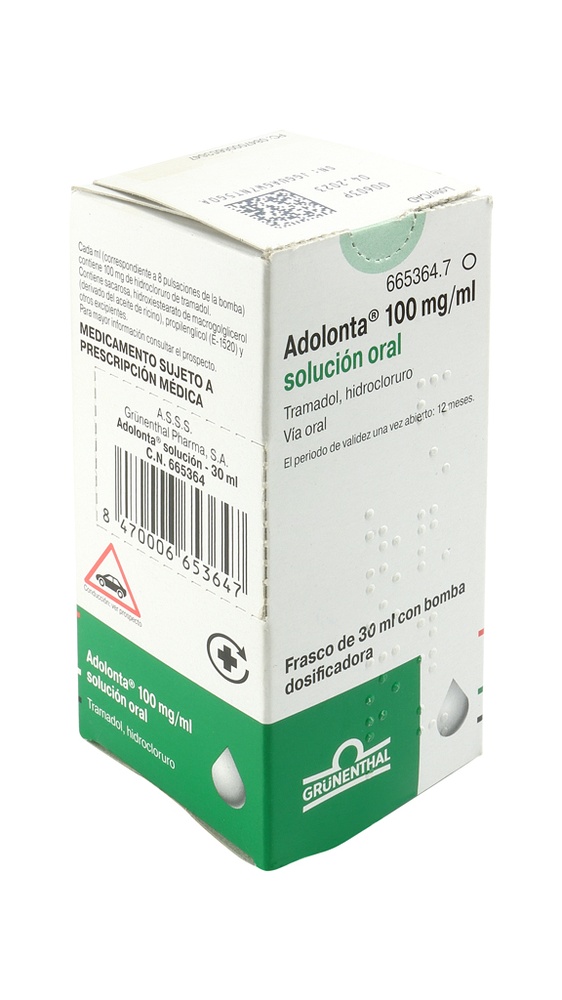
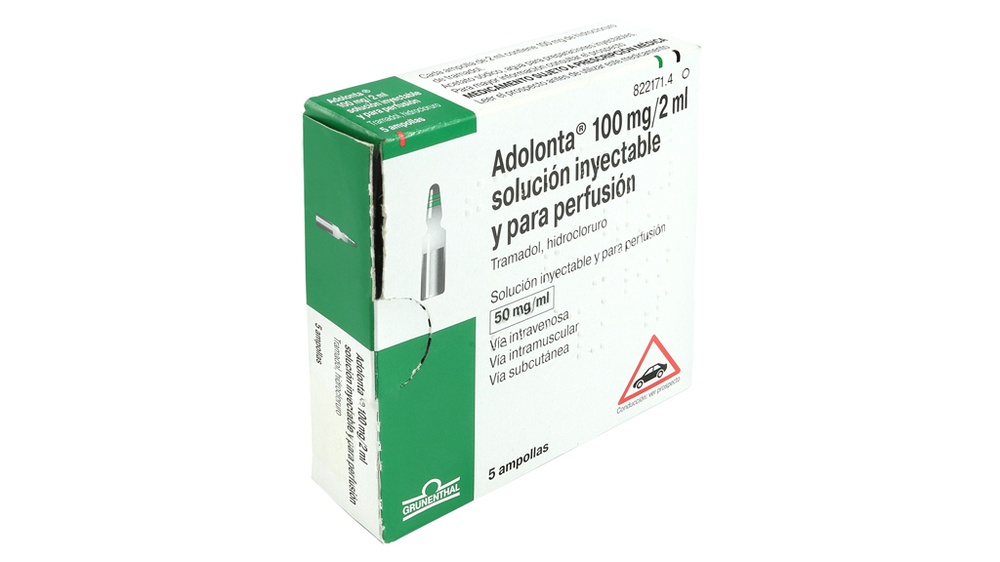
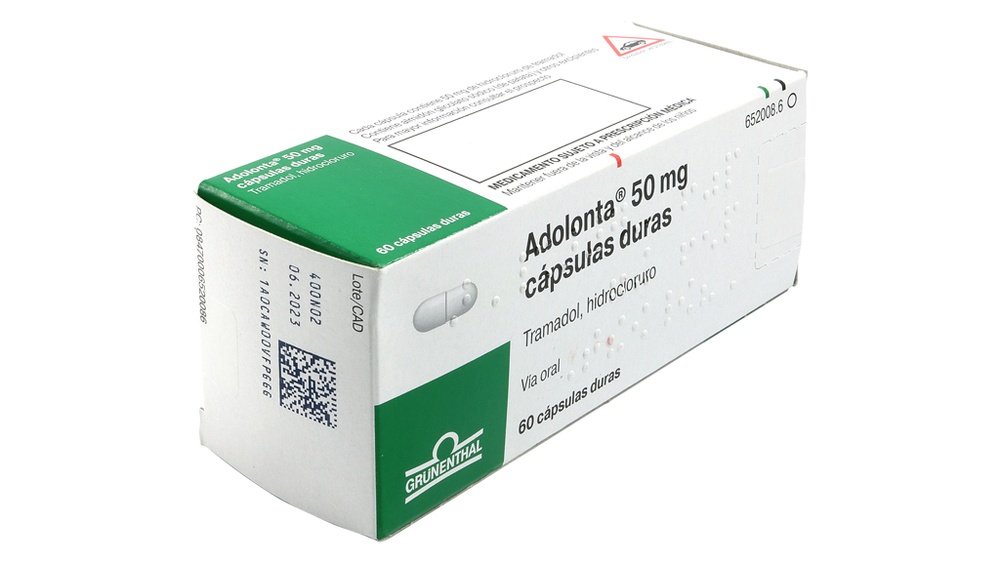
- Alternatives to ZYTRAM 150 mg PROLONGED-RELEASE TABLETSDosage form: ORAL SOLUTION/SUSPENSION, 100 mg/mlActive substance: tramadolManufacturer: Grünenthal Pharma S.A.Prescription requiredDosage form: INJECTABLE, 100 mgActive substance: tramadolManufacturer: Grünenthal Pharma S.A.Prescription requiredDosage form: CAPSULE, 50 mgActive substance: tramadolManufacturer: Grünenthal Pharma S.A.Prescription required
Online doctors for ZYTRAM 150 mg PROLONGED-RELEASE TABLETS
Discuss questions about ZYTRAM 150 mg PROLONGED-RELEASE TABLETS, including use, safety considerations and prescription review, subject to medical assessment and local regulations.









Get ZYTRAM 150 mg PROLONGED-RELEASE TABLETS Prescription Online
Fill in a 2-min form
Tell us your symptoms, history, and what medicine you're requesting.
Pick a doctor or let us assign
Choose a specialist or we'll match you with the next available doctor.
Doctor reviews your case
Usually within 30 minutes. They may ask follow-up questions via chat.
Collect from any pharmacy
Electronic prescription sent to your email — valid across Spain.
Frequently Asked Questions
ZYTRAM 150 mg PROLONGED-RELEASE TABLETS requires a prescription in Spain. You can check with a doctor online whether this medicine may be appropriate for your situation.
The active ingredient in ZYTRAM 150 mg PROLONGED-RELEASE TABLETS is tramadol. This information helps identify medicines with the same composition but different brand names.
The average pharmacy price for ZYTRAM 150 mg PROLONGED-RELEASE TABLETS is around 8.7 EUR. Prices may vary depending on the manufacturer and dosage form.
ZYTRAM 150 mg PROLONGED-RELEASE TABLETS is manufactured by Mundipharma Pharmaceuticals S.L.. Pharmacy brands and packaging may differ depending on the distributor.
Doctors such as Family doctors, Psychiatrists, Dermatologists, Cardiologists, Endocrinologists, Gastroenterologists, Pulmonologists, Nephrologists, Rheumatologists, Hematologists, Infectious disease physicians, Allergists, Geriatricians, Paediatricians, Oncologists may assess whether ZYTRAM 150 mg PROLONGED-RELEASE TABLETS is appropriate, depending on your situation and local regulations. You can book an online consultation to discuss your symptoms and possible next steps.
Spain has a well-developed healthcare infrastructure across major cities such as Madrid, Barcelona, Valencia, and Seville. Pharmacies are widely available and operate under strict regulations, ensuring access to prescribed medications.
You can buy ZYTRAM 150 mg PROLONGED-RELEASE TABLETS in Madrid, Barcelona, Seville, or Valencia at any local pharmacy with a valid prescription.
To obtain a prescription, you can use Oladoctor:
Other medicines with the same active substance (tramadol) include ADOLONTA 100 mg/ml ORAL SOLUTION, ADOLONTA 100 mg/2 ml INJECTABLE SOLUTION AND PERFUSION SOLUTION, ADOLONTA 50 mg HARD CAPSULES. These may have different brand names or formulations but contain the same therapeutic ingredient. Always consult a doctor before switching or starting a new medicine.
