






How to use YODOCEFOL 200/400/2 micrograms TABLETS
Translated with AI
This page provides general information and does not replace a doctor’s consultation. Always consult a doctor before taking any medication. Seek urgent medical care if symptoms are severe.
Show originalContents of the leaflet
Introduction
Leaflet: Informationfor the user
Yodocefol 200/400/2 micrograms tablets
iodine/folic acid/vitamin B12
Read this leaflet carefully before starting to take this medicine because
it contains important information for you.
- Keep this leaflet, as you may need to read it again.
- If you have any questions, ask your doctor or pharmacist.
- This medicine has been prescribed for you only, and you should not give it to others, even if they have the same symptoms as you, as it may harm them.
- If you experience side effects, consult your doctor or pharmacist, even if they are not listed in this leaflet. See section 4.
Contents of the leaflet
- What is Yodocefol and what is it used for
- What you need to know before taking Yodocefol
- How to take Yodocefol
- Possible side effects
- Storage of Yodocefol
- Package contents and additional information
1. What is Yodocefol and what is it used for
Yodocefol is indicated for the prevention of iodine, folic acid, and vitamin B12 deficiency disorders in pregnant women during the first trimester of pregnancy and for one month before conception as a prevention of alterations in the development of the central nervous system of the fetus (neural tube defects and neurological disorders).

2. What you need to know before taking Yodocefol
Do not take Yodocefol
- If you are allergic to potassium iodide, folic acid, vitamin B12, or any of the other components of this medicine (listed in section 6).
Especially related to potassium iodide:
- If you have acute bronchitis.
- If you have overt hyperthyroidism (increased thyroid function) with symptoms.
- If you have latent hyperthyroidism (increased thyroid function) without symptoms, you should not take a dose of iodine greater than 150 micrograms per day.
Warnings and precautions
Consult your doctor or pharmacist before starting to take Yodocefol.
- Treatment with Yodocefol in epileptic patients should be done under strict medical supervision.
- This medicine contains potassium iodide. Some people are especially sensitive to iodine, so treatment should be started with caution.
- This medicine, containing potassium iodide, may affect the thyroid gland. Its administration may interfere with the analysis of the function of this gland (thyroid function).
- Iodine-containing disinfectants should not be used for the disinfection of the newborn or the pregnant mother.
If you suffer from any of the following diseases, remember to inform your doctor before taking this medicine:
- Hypocomplementemic vasculitis (inflammation of the vessels), goiter (enlargement of the thyroid gland), or autoimmune thyroiditis (enlargement of the thyroid gland), as patients with these diseases may experience side effects as a result of iodine administration.
- Patients with kidney disease, hyperpotasemia (high potassium levels in the blood), goiter, or active tuberculosis should be especially cautious when starting treatment.
Other medicines and Yodocefol
Tell your doctor or pharmacist if you are taking, have recently taken, or may need to take any other medicine.
Certain medicines may interfere with Yodocefol; in these cases, it may be necessary to change the dose, interrupt treatment with one of them, or wait at least 3 hours between administration of both.
It is essential that you inform your doctor if you are taking or have recently taken any of the following medicines:
- Anti-ulcer medicines (for stomach acidity)
- Chloramphenicol (antibiotic)
- Phenytoin (medicine for seizures)
- Folic acid antagonists (methotrexate)
- Fluorouracil (cancer medicine)
- Potassium-sparing diuretics
- Lithium salts
- Antithyroid drugs (for the treatment of hyperthyroidism)
- Other possible interactions: antiepileptics, estrogens, prolonged use of corticosteroids, trimethoprim/sulfamethoxazole combination (treatment for certain infections), and alcohol abuse.
Interference with diagnostic tests
This medicine, containing potassium iodide, may affect the thyroid gland. Its administration may interfere with the analysis of the function of this gland.
Tell your doctor that you are taking this medicine if you need to undergo a blood or urine test.
Taking Yodocefol with food and drinks
No interactions of Yodocefol with any food or drink are known.
Pregnancy and breastfeeding
Yodocefol is indicated for the prevention of iodine, folic acid, and vitamin B12 deficiencies before and during pregnancy, as it contains these three active principles in the recommended doses for pregnancy. The administration of potassium iodide, folic acid, and vitamin B12 to pregnant women in doses higher than the recommended daily doses should be done under medical control and evaluating the benefit-risk ratio. If you are pregnant or breastfeeding, think you may be pregnant, or plan to become pregnant, consult your doctor or pharmacist before using this medicine.
Driving and using machines
No effects on the ability to drive and use machines have been observed.
Yodocefol contains lactose and sodium
This medicine contains lactose. If your doctor has told you that you have an intolerance to certain sugars, consult with them before taking this medicine.
This medicine contains less than 23 mg of sodium (1 mmol) per tablet; this is, essentially "sodium-free".
3. How to take Yodocefol
Follow exactly the administration instructions of this medicine indicated by your doctor. In case of doubt, consult your doctor or pharmacist again. The normal dose is 1 tablet per day, preferably before meals.
If you take more Yodocefol than you should
If you have taken more Yodocefol than you should or in case of overdose or accidental ingestion, consult your doctor or pharmacist immediately or call the Toxicology Information Service, phone 91 562 04 20.
Deliberate or accidental poisoning with this medicine is unlikely.
Taking doses much higher than those indicated in this leaflet or for long periods may cause metallic taste, burning in the mouth and throat, painful sensitivity in teeth and gums, increased salivation, irritation of the nasal mucosa, sneezing, and irritation of the eyes with swelling of the eyelids (symptoms known as "iodism").
It may also cause severe headache, cough, pulmonary edema (fluid accumulation in the lung), and swelling and discomfort of the parotid and submaxillary glands (glands located below the lower jaw). The pharynx, larynx, and tonsils may also become inflamed.
In greasier areas of the skin (seborrheic areas), moderate rashes may appear, rarely severe rashes.
Gastric irritation (of the digestive system) is common when very high doses are ingested and may cause diarrhea, sometimes with blood in the stool.
The signs and symptoms of iodism usually disappear spontaneously after a few days of stopping treatment.
The use of large doses of potassium iodide or for long periods may cause hyperplasia of the thyroid gland (enlargement), goiter, and severe hypothyroidism (decreased thyroid function).
If you forget to take Yodocefol
Do not take a double dose to make up for forgotten doses. Simply take the forgotten dose when you remember and take the next doses with the indicated interval between doses (24 hours).
If you stop taking Yodocefol
Your doctor will indicate the duration of treatment. Do not stop your treatment before, as it will not have the expected efficacy.
If you have any other questions about the use of this medicine, ask your doctor or pharmacist.

4. Possible side effects
Like all medicines, this medicine can cause side effects, although not everyone gets them.
The following side effects have been observed, which are classified by organs and systems and by frequency. The adverse reactions observed after treatment with Yodocefol are considered rare (may affect up to 1 in 100 people); frequency not known (cannot be estimated from the available data).
Blood and lymphatic system disorders
Thrombotic thrombocytopenic purpura (blood disorder characterized by low platelet count and red blood cells).
Endocrine disorders
Goiter.
Hyperthyroidism and hypothyroidism (abnormal thyroid function).
Gastrointestinal disorders
Transient diarrhea, nausea, vomiting, abdominal bloating/pain, flatulence (gas), metallic taste, and increased salivation.
Skin and subcutaneous tissue disorders
Itching, skin rashes, erythemas (inflammatory redness of the skin), urticaria (rash in the form of hives and itching), and angioedema (development of large hives especially around the eyes, lips, and throat).
Vascular disorders
Vasculitis (hypersensitivity to the medicine that leads to inflammation and damage to the blood vessels of the skin).
Fatal periarteritis (vascular disease in which small and medium-sized arteries become inflamed and damaged).
Immune system disorders
Edema (swelling), including facial and glottic edema.
Unknown: severe allergic reaction (anaphylactic reaction).
General disorders and administration site conditions
Hypersensitivity reactions (allergies) and general malaise.
Reporting of side effects
If you experience any type of side effect, consult your doctor or pharmacist, even if it is a possible side effect that is not listed in this leaflet. You can also report them directly through the Spanish Pharmacovigilance System for Human Use Medicines: https://www.notificaram.es. By reporting side effects, you can contribute to providing more information on the safety of this medicine.
5. Storage of Yodocefol
Keep this medicine out of the sight and reach of children.
Do not use this medicine after the expiration date that appears on the packaging after CAD. The expiration date is the last day of the month indicated.
This medicine does not require special storage conditions.
Medicines should not be disposed of through wastewater or household waste. Deposit the packaging and medicines you no longer need in the SIGRE collection point at the pharmacy. If in doubt, ask your pharmacist how to dispose of the packaging and medicines you no longer need. This way, you will help protect the environment.
6. Package contents and additional information
Composition of Yodocefol
The active ingredients are potassium iodide, folic acid, and vitamin B12 (cyanocobalamin). Each tablet contains 262 micrograms of potassium iodide (equivalent to 200 micrograms of iodine), 400 micrograms of folic acid (as folic acid hydrate), and 2 micrograms of vitamin B12.
The other components (excipients) are: lactose monohydrate, microcrystalline cellulose, sodium carboxymethylcellulose (type A) (from potato), calcium stearate, trisodium citrate, citric acid, and maltodextrin.
Appearance of the product and package contents
Yodocefol is presented in the form of circular tablets, yellow in color, for oral administration in packages of 28 tablets.
The tablets are arranged following a calendar with the days of the week to facilitate correct administration.
Marketing authorization holder
Italfarmaco, S.A.
C/ San Rafael, 3
28108 Alcobendas, Madrid
Spain
Phone: 91 657 23 23
Manufacturer
ITALFARMACO S.p.A.
Viale Fulvio Testi, 330
20126 Milan
Italy
Date of the last revision of this leaflet:April 2018
Detailed and updated information on this medicine is available on the website of the Spanish Agency for Medicines and Health Products (AEMPS) http://www.aemps.gob.es/.
-

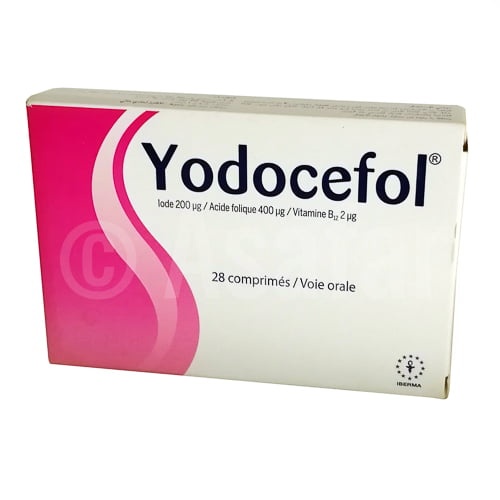
- Country of registration
- Dosage formTABLET, 200 mcg/400 mcg/2 mcg
- Average pharmacy price5.84 EUR
- Prescription requiredYes
- Manufacturer
- This information is for reference only and does not constitute medical advice. Always consult a doctor before taking any medication. Oladoctor is not responsible for medical decisions based on this content.
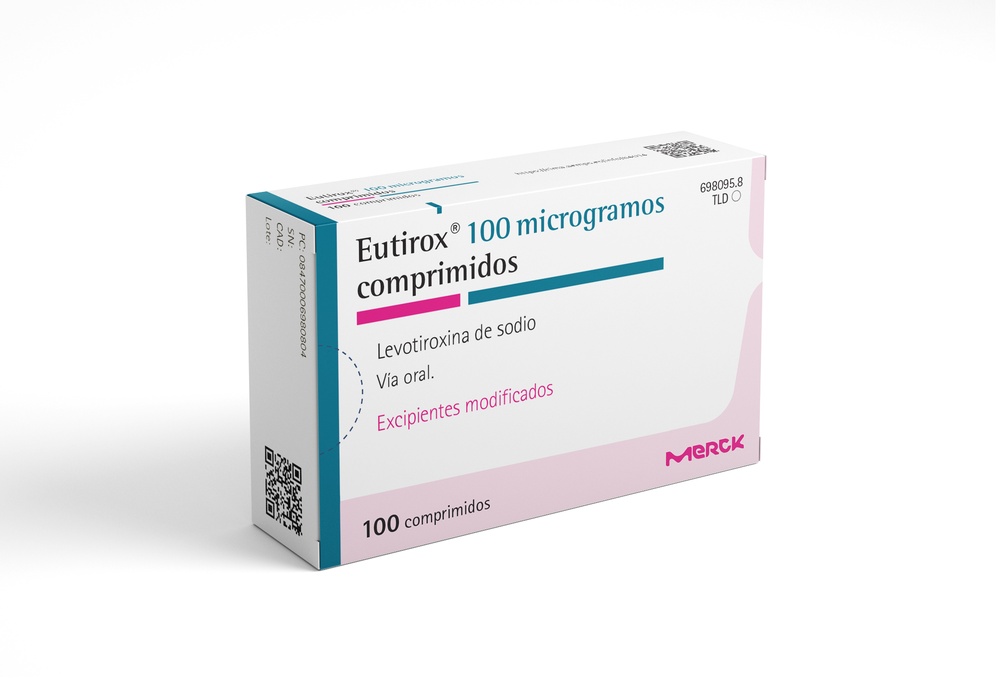
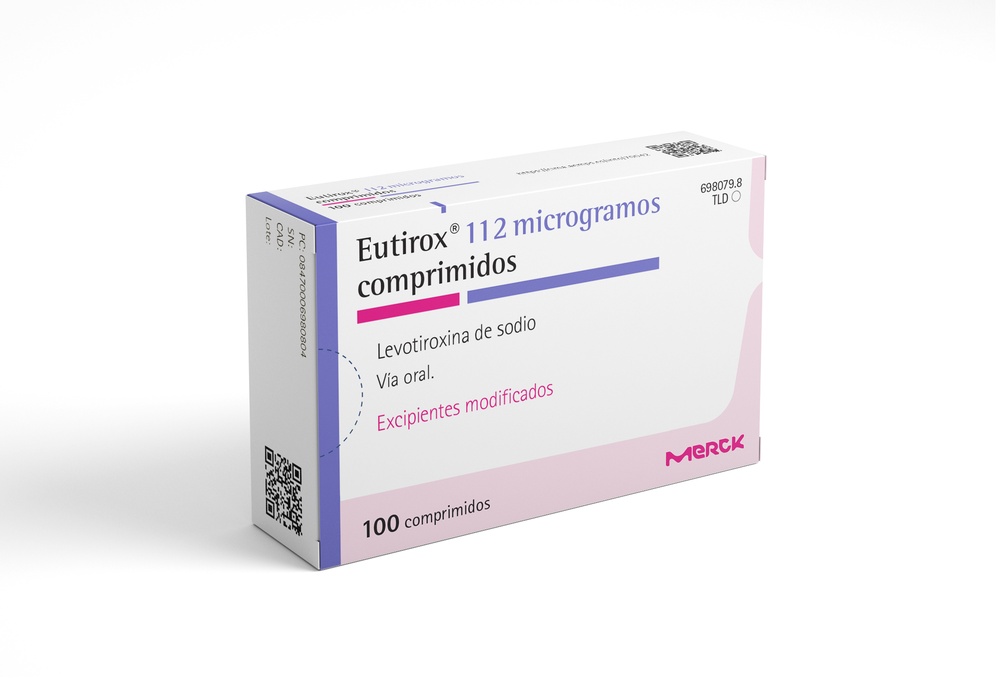
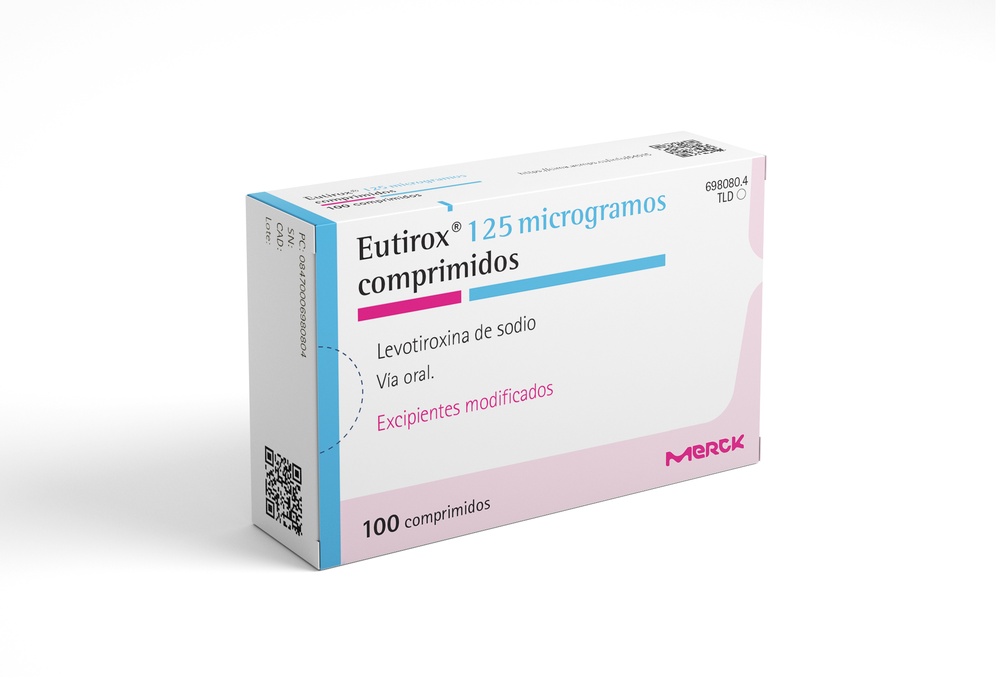
- Alternatives to YODOCEFOL 200/400/2 micrograms TABLETSDosage form: TABLET, 100 mcg sodium levothyroxineActive substance: levothyroxine sodiumManufacturer: Merck S.L.Prescription requiredDosage form: TABLET, 112 mcg sodium levothyroxineActive substance: levothyroxine sodiumManufacturer: Merck S.L.Prescription requiredDosage form: TABLET, 125 mcg levothyroxine sodiumActive substance: levothyroxine sodiumManufacturer: Merck S.L.Prescription required
Online doctors for YODOCEFOL 200/400/2 micrograms TABLETS
Discuss questions about YODOCEFOL 200/400/2 micrograms TABLETS, including use, safety considerations and prescription review, subject to medical assessment and local regulations.








Get YODOCEFOL 200/400/2 micrograms TABLETS Prescription Online
Fill in a 2-min form
Tell us your symptoms, history, and what medicine you're requesting.
Pick a doctor or let us assign
Choose a specialist or we'll match you with the next available doctor.
Doctor reviews your case
Usually within 30 minutes. They may ask follow-up questions via chat.
Collect from any pharmacy
Electronic prescription sent to your email — valid across Spain.
Frequently Asked Questions
YODOCEFOL 200/400/2 micrograms TABLETS requires a prescription in Spain. You can check with a doctor online whether this medicine may be appropriate for your situation.
The average pharmacy price for YODOCEFOL 200/400/2 micrograms TABLETS is around 5.84 EUR. Prices may vary depending on the manufacturer and dosage form.
YODOCEFOL 200/400/2 micrograms TABLETS is manufactured by Italfarmaco S.A.. Pharmacy brands and packaging may differ depending on the distributor.
Doctors such as Family doctors, Psychiatrists, Dermatologists, Cardiologists, Endocrinologists, Gastroenterologists, Pulmonologists, Nephrologists, Rheumatologists, Hematologists, Infectious disease physicians, Allergists, Geriatricians, Paediatricians, Oncologists may assess whether YODOCEFOL 200/400/2 micrograms TABLETS is appropriate, depending on your situation and local regulations. You can book an online consultation to discuss your symptoms and possible next steps.
Spain has a well-developed healthcare infrastructure across major cities such as Madrid, Barcelona, Valencia, and Seville. Pharmacies are widely available and operate under strict regulations, ensuring access to prescribed medications.
You can buy YODOCEFOL 200/400/2 micrograms TABLETS in Madrid, Barcelona, Seville, or Valencia at any local pharmacy with a valid prescription.
To obtain a prescription, you can use Oladoctor:
Other medicines with the same active substance () include EUTIROX 100 micrograms TABLETS, EUTIROX 112 micrograms TABLETS, EUTIROX 125 micrograms TABLETS. These may have different brand names or formulations but contain the same therapeutic ingredient. Always consult a doctor before switching or starting a new medicine.
