


Yantil 20 mg/ml solución oral

Prescription request online
A doctor will review your case and decide whether a prescription is medically appropriate.

Talk to a doctor about this medicine
Discuss your symptoms and possible next steps in a quick online consultation.



How to use YANTIL 20 mg/ml ORAL SOLUTION
Contents of the leaflet
- Introduction
- What is Yantil and what is it used for
- What you need to know before you take Yantil
- How to take Yantil
- Possible side effects
- Storage of Yantil
- Package contents and additional information
Introduction
Package Leaflet: Information for the User
Yantil 20 mg/ml Oral Solution
Tapentadol
Read all of this leaflet carefully before you start taking this medicine because it contains important information for you.
- Keep this leaflet, you may need to read it again.
- If you have any further questions, ask your doctor or pharmacist.
- This medicine has been prescribed for you only. Do not pass it on to others. It may harm them, even if their signs of illness are the same as yours.
- If you get any side effects, talk to your doctor or pharmacist. This includes any possible side effects not listed in this leaflet. See section 4.
Contents of the pack
- What is Yantil and what is it used for
- What you need to know before you take Yantil
- How to take Yantil
- Possible side effects
- Storage of Yantil
- Contents of the pack and other information
1. What is Yantil and what is it used for
Tapentadol - the active substance in Yantil - is a strong pain reliever that belongs to the class of opioids. This medicine is used for the treatment of moderate to severe acute pain that can only be adequately managed with an opioid analgesic in children from 2 years of age with a body weight of more than 16 kg and in adults.

Not sure if this medicine is right for you?
Discuss your symptoms and treatment with a doctor online.
2. What you need to know before you take Yantil
Do not take Yantil:
- if you are allergic to tapentadol or any of the other ingredients of this medicine (listed in section 6),
- if you have asthma or if your breathing is slow or shallow to dangerous levels [respiratory depression; hypercapnia (higher than normal carbon dioxide levels in the blood)],
- if you have a disease in which the intestine does not work properly (paralytic ileus),
- if you have consumed alcohol, sleeping pills, other analgesics, or other psychotropic medicines (medicines that affect mood and emotions) at high doses (see section "Taking Yantil with other medicines").
Warnings and precautions
Consult your doctor or pharmacist before taking Yantil:
- if your breathing is slow or shallow,
- if you have increased intracranial pressure or altered consciousness up to coma,
- if you have had a head injury or brain tumors,
- if you have liver or kidney disease (see section “How to take Yantil”),
- if you have a disease of the pancreas (such as pancreatitis) or bile ducts,
- if you are taking medicines called mixed opioid agonist/antagonists (e.g., pentazocine, nalbuphine) or partial agonists of opioid μ receptors (e.g., buprenorphine),
- if you are prone to epilepsy or convulsive seizures, or if you are taking other medicines with a known risk of increasing seizures, as the risk of these seizures may increase,
- if you or a family member have a history of abuse or dependence on alcohol, prescription medicines, or illicit substances (“addiction”),
- if you smoke,
- if you have ever had problems with your mood (depression, anxiety, or personality disorder) or have received psychiatric treatment for other mental illnesses.
This medicine contains tapentadol, which is an opioid medicine. Repeated use of opioid analgesics can reduce their effectiveness (you can get used to it). It can also lead to dependence and abuse, which can result in a potentially fatal overdose. It is essential that you inform your doctor if you think you may have developed dependence on Yantil. Its use (even at therapeutic doses) can cause physical dependence, which may cause you to suffer from withdrawal effects and a recurrence of your problems if you stop taking this treatment suddenly.
Yantil can cause physical and psychological addiction. If you have a tendency to abuse medicines or have drug dependence, you should only take this medicine for short periods under strict medical supervision.
Yantil has not been systematically evaluated in children and adolescents with obesity; therefore, pediatric patients with obesity should be closely monitored, and the maximum recommended dose for each age should not be exceeded.
Do not give this medicine to children under 2 years of age.
Sleep-related breathing disorders
Yantil may cause sleep-related breathing disorders such as sleep apnea (pauses in breathing during sleep) and sleep-related hypoxemia (low oxygen levels in the blood). Symptoms may include pauses in breathing during sleep, nighttime awakenings due to difficulty breathing, difficulty maintaining sleep, or excessive daytime sleepiness. If you or someone else observes these symptoms, consult your doctor. Your doctor may consider reducing the dose.
Taking Yantil with other medicines
Tell your doctor or pharmacist if you are taking, have recently taken, or might take any other medicines.
- The risk of side effects increases if you are taking medicines that can cause seizures (attacks), such as certain antidepressants or antipsychotics. The risk of seizures increases if you take Yantil at the same time as these medicines. Your doctor will tell you if Yantil is suitable for you.
- Taking Yantil with sedative medicines such as benzodiazepines or related medicines (certain sleeping pills or tranquilizers [e.g., barbiturates] or analgesics like opioids, morphine, and codeine [also as a cough medicine], antipsychotics, antihistamines H1, alcohol) increases the risk of drowsiness, breathing difficulties (respiratory depression), coma, and can be potentially fatal. Due to this, concomitant use should only be considered when other treatment options are not possible.
However, if your doctor prescribes Yantil with sedative medicines, they will limit the dose and duration of concomitant treatment.
Taking opioids with medicines used to treat epilepsy, nerve pain, or anxiety (gabapentin and pregabalin) increases the risk of opioid overdose, respiratory depression, and can be potentially fatal.
Tell your doctor if you are taking gabapentin or pregabalin or any other sedative medicine and follow your doctor's dosage recommendation to the letter. It may be helpful to inform your friends and family about the signs and symptoms mentioned above. Tell your doctor if you experience any of these symptoms.
If you are taking a type of medicine that affects serotonin levels (e.g., certain medicines for treating depression), talk to your doctor before taking Yantil, as there have been cases of "serotonin syndrome". Serotonin syndrome is a rare but potentially life-threatening disorder. Symptoms can include involuntary rhythmic contractions of the muscles, including the muscles that control eye movement, agitation, excessive sweating, tremors, exaggerated reflexes, increased muscle tension, and body temperature above 38°C. Your doctor can provide you with more information.
- The concomitant administration of Yantil with other types of medicines called mixed opioid agonist/antagonists (e.g., pentazocine, nalbuphine) or partial agonists of opioid μ receptors (e.g., buprenorphine) has not been studied. It is possible that Yantil may not have the same efficacy if administered with one of these medicines. Tell your doctor if you are currently being treated with one of these medicines.
- Administration of this medicine with potent inhibitors or inducers (e.g., rifampicin, phenobarbital, St. John's Wort) of certain enzymes necessary for eliminating tapentadol from your body may affect the efficacy of tapentadol or may cause side effects, especially when starting or stopping this other type of medication. Keep your doctor informed about all medicines you are taking.
- Yantil must not be taken with MAO inhibitors (medicines for treating depression). Tell your doctor if you are taking MAO inhibitors or if you have taken them in the last 14 days.
Taking Yantil with food, drinks, and alcohol
Do not consume alcohol while taking this medicine, as some of its side effects, such as drowsiness, may increase. The intake of food does not affect the effect of this medicine.
Pregnancy and breastfeeding
If you are pregnant or breastfeeding, think you may be pregnant, or are planning to have a baby, ask your doctor or pharmacist for advice before taking this medicine.
Do not take this medicine:
- if you are pregnant, unless your doctor has told you to do so. If used during prolonged periods during pregnancy, tapentadol may cause withdrawal symptoms in the newborn, which can be life-threatening to the newborn if not detected and treated by a doctor.
Yantil is not recommended:
- during labor because it may cause slow or shallow breathing to dangerous levels (respiratory depression) in the newborn,
- during breastfeeding, as tapentadol may be excreted in breast milk.
Driving and using machines
Ask your doctor if you can drive or use machines while taking tapentadol. It is essential that before driving or using machines, you observe how this medicine affects you. Do not drive or use machines if you feel drowsy, dizzy, have blurred vision, or have difficulty concentrating. Be particularly careful when starting treatment, after a dose change, and when administering it concomitantly with alcohol or tranquilizers.
Yantil contains sodium
This medicine contains less than 1 mmol of sodium (23 mg) per dose unit, i.e., it is essentially "sodium-free".
Yantil contains sodium benzoate
This medicine contains 5.9 mg of sodium benzoate in 5 ml of oral solution (maximum dose unit), which is equivalent to 1.18 mg/ml.
Benzoic acid salt may increase the risk of jaundice (yellowing of the skin and eyes) in newborns (up to 4 weeks of age).
Yantil contains propylene glycol
This medicine contains 10 mg of propylene glycol in 5 ml of solution (maximum dose unit), which is equivalent to 2 mg/ml.
3. How to take Yantil
Follow exactly the administration instructions of this medication indicated by your doctor or pharmacist. In case of doubt, consult your doctor or pharmacist again.
Your doctor will adjust the dose based on the intensity of your pain and your personal level of sensitivity to pain. Generally, you should take the minimum effective dose to relieve the pain.
Adults
The recommended dose is 50 mg of tapentadol (2.5 ml of oral solution), 75 mg of tapentadol (3.75 ml of oral solution), or 100 mg of tapentadol (5 ml of oral solution) every 4 or 6 hours.
Daily total doses above 700 mg of tapentadol on the first day of treatment or daily doses above 600 mg of tapentadol on subsequent days of treatment are not recommended.
Your doctor may prescribe a different dose or dosage regimen, more suitable if necessary. If you think the effect of this medication is too strong or too weak, consult your doctor or pharmacist.
Elderly patients
In elderly patients (over 65 years of age), the dose does not usually need to be adjusted. However, the elimination of tapentadol may be delayed and slower in certain patients in this age group. If this happens to you, your doctor may prescribe a different dosage regimen.
Liver and kidney diseases (hepatic and renal insufficiency)
Patient with severe hepatic problems should not take this medication. If you have moderate hepatic problems, your doctor will prescribe a different dosage regimen. In case of mild hepatic problems, dose adjustment is not necessary.
Patient with severe renal problems should not take this medication. In case of mild or moderate renal problems, dose adjustment is not necessary.
Use in children and adolescents
Yantil should only be administered to children in the hospital.
This medication should only be administered to children with a body weight over 16 kg.
The dose of Yantil for children and adolescents from 2 years to 18 years is 1.25 mg/kg every 4 hours. Your doctor or nurse will administer the correct dose.
Always wait 4 hours before giving the next dose. The dose can be reduced as acute pain decreases.
How and when to take Yantil
This medication should be taken orally.
You can take the oral solution on an empty stomach (fasting) or with meals.
The package contains a dosing syringe with an adapter that must be used to extract the exact amount (volume) corresponding to the prescribed dose of tapentadol from the bottle.
Instructions for opening the bottle and using the dosing syringe

The bottle has a child-resistant screw cap. To remove the cap, press it down and turn it counterclockwise (Fig. 1). Remove the cap and peel off the security seal from the top of the bottle. If the security seal is damaged, do not use this medication and consult your pharmacist.
Fig. 1
 Place the bottle on a firm and smooth surface. Open the plastic bag containing the dosing syringe and the adapter by the perforated end and remove the dosing syringe (A) and the adapter (B) both included in the same. Insert the dosing syringe into the adapter and place it firmly on the neck of the bottle (Fig. 2).
Fig. 2
 To fill the dosing syringe, turn the bottle upside down. While keeping the dosing syringe in place, gently pull the plunger (C) down to the line that matches the dose prescribed by your doctor (see the section "How to take Yantil"). Do not removethe dosing syringe yet! (Fig. 3).
Fig. 3
 Turn the bottle upright againand then carefully remove the dosing syringe from the bottle. Once the dosing syringe is removed, carefully check that you have extracted the correct amount of solution. The adapter (B) that was previously attached to the dosing syringe should now remain in the bottle (Fig. 4).
Fig. 4
 To take the medication, put the dosing syringe in your mouth and press the plunger gently. Press the plunger to the end to ensure you take all the solution. If you prefer, you can dilute the medication in a glass of water or a non-alcoholic beverage before taking it, in which case you will have to take the entire glass to ensure you take the correct dose of the medication (Fig. 5).
Fig. 5
Leave the adapter in the bottle, close the bottle tightly, and store it upright. Rinse the dosing syringe with water after each use and let it dry. The next time you take the medication, place the dosing syringe in the adapter that will be on the neck of the bottle and follow the instructions mentioned above.
How long to take Yantil
Do not take this medication for longer than your doctor has indicated. In children, the duration of treatment should not exceed 3 days.
If you take more Yantil than you should
After taking very high doses, you may experience some of the following effects:
- pupils very reduced, vomiting, decrease in blood pressure, rapid heartbeat, fainting, alteration of consciousness or coma (deep loss of consciousness), epileptic seizures, slow or shallow breathing to dangerous levels or respiratory arrest.
If any of these things happen to you, call a doctor immediately!
In case of overdose or accidental ingestion, consult your doctor or pharmacist immediately or call the Toxicology Information Service, phone: 91 562 04 20, indicating the medication and the amount used. It is recommended to take the package and the prospectus of the medication to the healthcare professional.
If you forget to take Yantil
If you forget to take this medication, you will probably feel pain again. Do not take a double dose to make up for the forgotten doses, but continue taking this medication as before.
If you stop taking Yantil
If you stop or discontinue treatment too soon, you will probably feel pain again. If you want to stop treatment, consult your doctor before doing so.
Generally, patients do not experience any adverse effects after stopping treatment, but in rare cases, people who have taken this medication for a long time may feel unwell if they stop taking it suddenly.
The symptoms may be:
- restlessness, tearful eyes, runny nose, yawning, sweating, chills, muscle pain, and dilated pupils,
- irritability, anxiety, back pain, joint pain, weakness, abdominal cramps, difficulty sleeping, nausea, loss of appetite, vomiting, diarrhea, and increases in blood pressure, respiratory rate, or heart rate.
If you experience any of these symptoms after stopping treatment, consult your doctor.
You should not stop taking this medication abruptly, unless your doctor tells you to do so. If your doctor wants you to stop taking this medication, they will indicate how to do it, which may involve a gradual reduction of the dose.
If you have any other questions about the use of this medication, ask your doctor or pharmacist.
Started taking the medicine and have questions?
Discuss your symptoms and treatment with a doctor online.
4. Possible side effects
Like all medications, this medication can cause side effects, although not everyone will experience them.
Important side effects or symptoms to be aware of and what to do if you are affected by them:
This medication can cause allergic reactions. The symptoms may consist of wheezing (a kind of whistling when breathing), difficulty breathing, swelling of the eyelids, face, or lips, skin rash, or itching, especially if they affect the whole body.
Another serious side effect is feeling drowsy and breathing more slowly or weakly than normal. It occurs mainly in elderly or debilitated patients.
If you experience any of these important symptoms, consult your doctor immediately.
Side effects that may occur:
Very common(may affect more than 1 in 10 people): nausea, vomiting, dizziness, somnolence, headache.
Common(may affect up to 1 in 10 people): decreased appetite, anxiety, confusion, hallucinations, difficulty sleeping, sleep disturbances, tremors, hot flashes, constipation, diarrhea, indigestion, dry mouth, itching, increased sweating, skin rash, muscle cramps, feeling of weakness, fatigue, feeling of change in body temperature.
Uncommon(may affect up to 1 in 100 people): depression, disorientation, excitability (agitation), nervousness, restlessness, euphoric mood, attention disturbances, memory impairment, feeling of being about to faint, sedation, difficulty controlling movements, difficulty speaking, numbness, abnormal sensations in the skin (e.g., tingling, itching), muscle twitches, vision disturbances, rapid heartbeat, palpitations, decreased blood pressure, slow or shallow breathing to dangerous levels (respiratory depression), decrease in oxygen levels in the blood, shortness of breath, abdominal discomfort, rash, feeling of heaviness, frequent urination, drug withdrawal syndrome (see section "If you stop taking Yantil"), water retention in the tissues (edema), feeling of discomfort, feeling of intoxication, irritability, feeling of relaxation.
Rare(may affect up to 1 in 1,000 people): allergic reaction to medications (including swelling under the skin, urticaria, and in severe cases difficulty breathing, decreased blood pressure, collapse, or shock), altered thinking, epileptic seizures, decreased level of consciousness, altered coordination, slow heartbeat, altered gastric emptying.
Frequency not known:delirium.
In general, the possibility of having suicidal thoughts and behaviors increases in patients with chronic pain. Additionally, some medications for treating depression (with an impact on the brain's neurotransmitter system) may increase this risk, especially at the start of treatment. Although tapentadol also affects neurotransmitters, experience in patients has not proven that it increases this risk.
No additional side effects have been observed in children and adolescents.
Reporting side effects
If you experience any type of side effect, consult your doctor or pharmacist, even if it is a possible side effect that does not appear in this prospectus. You can also report them directly through the Spanish Pharmacovigilance System for Human Use Medications: https://www.notificaram.es. By reporting side effects, you can contribute to providing more information on the safety of this medication.
5. Storage of Yantil
Keep this medication out of sight and reach of children.
Do not use this medication after the expiration date that appears on the box and on the bottle after CAD. The expiration date is the last day of the month indicated.
Before the first opening: this medication does not require special storage conditions.
The solution should not be used six weeks after the first opening of the bottle.
Store upright after the first opening.
Medications should not be thrown away through the sewers or in the trash. Deposit the packages and medications you no longer need in the SIGRE Point of the pharmacy. If in doubt, ask your pharmacist how to dispose of the packages and medications you no longer need. This way, you will help protect the environment.
6. Package contents and additional information
Composition of Yantil
The active ingredientis tapentadol.
1 ml of oral solution contains 20 mg of tapentadol (in the form of hydrochloride).
The othercomponents are:
Sodium benzoate (E 211)
Citric acid monohydrate
Sucralose (E 955)
Raspberry flavor, contains propylene glycol (E 1520)
Sodium hydroxide (for pH adjustment)
Purified water
Appearance of the product and package contents
Yantil is a clear and colorless oral solution.
The oral solution is supplied in plastic bottles containing 100 milliliters or 200 milliliters of solution and includes a 5 ml dosing syringe graduated in 0.1 ml fractions and an adapter attached to the dosing syringe. Additionally, the scale on the right shows the unit dose for adults.
Only some package sizes may be marketed.
Marketing authorization holder and manufacturer
Marketing authorization holder:
Grünenthal Pharma, S.A.
Doctor Zamenhof, 36 – 28027 Madrid, Spain
Manufacturer:
Grünenthal GmbH
Zieglerstrasse, 6 – D-52078 Aachen, Germany
This medication is authorized in the Member States of the European Economic Area with the following names:
Germany: Tapentadol Libra-Pharm
Spain: Yantil
Italy: Tapentadolo Grünenthal
Date of the last revision of this prospectus: January 2023
Detailed and updated information on this medication is available on the website of the Spanish Agency for Medicines and Health Products (AEMPS) http://www.aemps.gob.es/

Illustrative image - Country of registration
- Dosage formORAL SOLUTION/SUSPENSION, 20 MG/ML
- ATC codeN02AX06
- Active substance
- Prescription requiredYes
- Manufacturer
- CompositionHIDROXIDO DE SODIO (E 524) (0,45 mg mg)
- This information is for reference only and does not constitute medical advice. Always consult a doctor before taking any medication. Oladoctor is not responsible for medical decisions based on this content.
- Alternatives to YANTIL 20 mg/ml ORAL SOLUTION
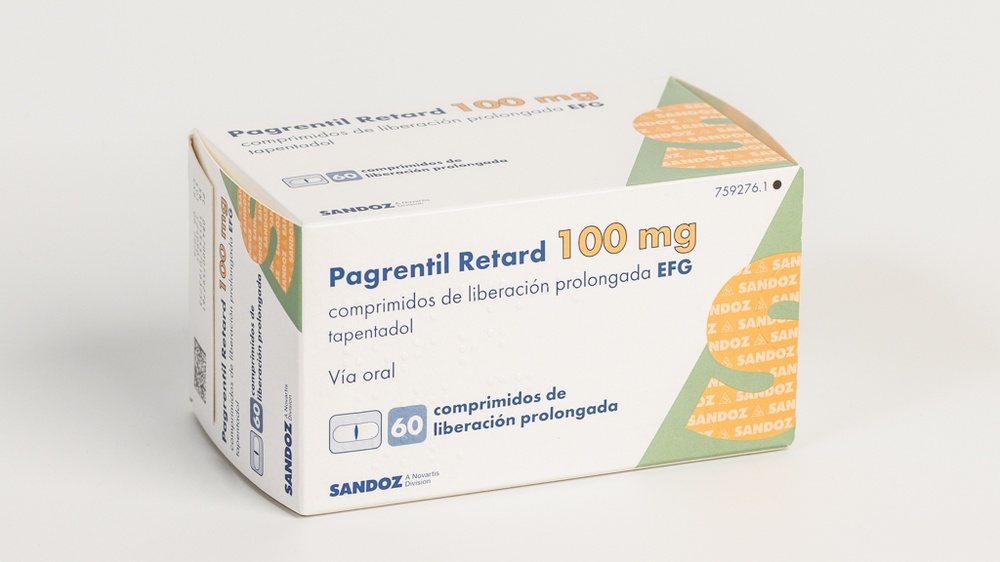 PAGRENTIL RETARD 100 mg PROLONGED-RELEASE TABLETSIllustrative imageDosage form: MODIFIED-RELEASE TABLET, 100 mgActive substance: tapentadolManufacturer: Sandoz Farmaceutica S.A.Prescription required
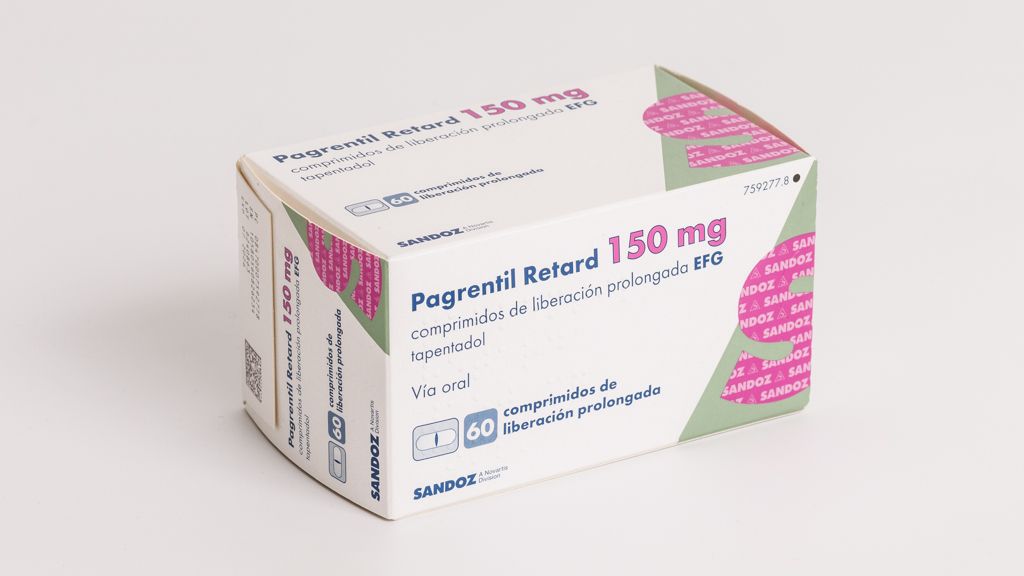 PAGRENTIL RETARD 150 mg PROLONGED-RELEASE TABLETSIllustrative imageDosage form: MODIFIED-RELEASE TABLET, 150 mgActive substance: tapentadolManufacturer: Sandoz Farmaceutica S.A.Prescription required
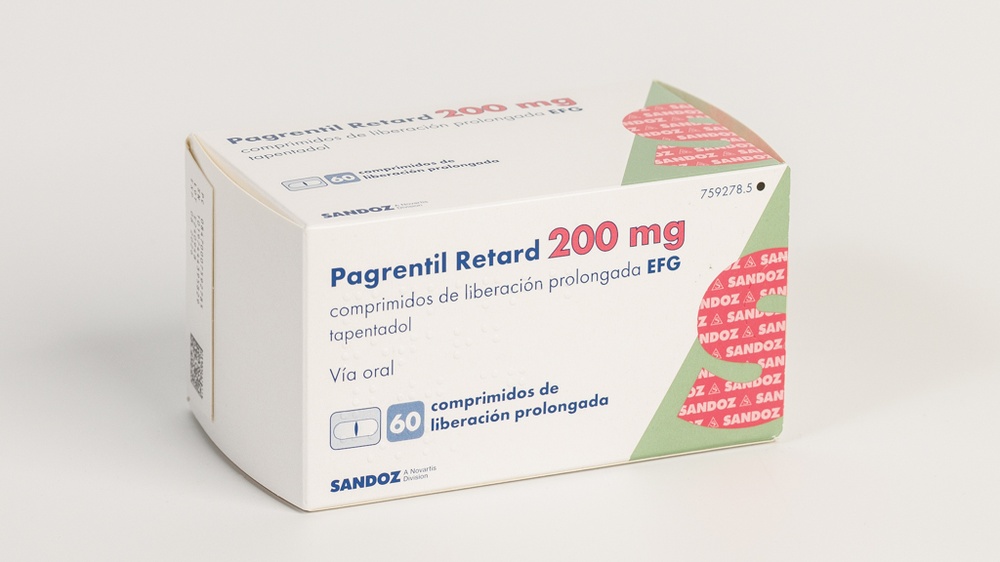 PAGRENTIL RETARD 200 mg PROLONGED-RELEASE TABLETSIllustrative imageDosage form: MODIFIED-RELEASE TABLET, 200 mgActive substance: tapentadolManufacturer: Sandoz Farmaceutica S.A.Prescription required
Online doctors for YANTIL 20 mg/ml ORAL SOLUTION
Discuss questions about YANTIL 20 mg/ml ORAL SOLUTION, including use, safety considerations and whether a prescription is appropriate, subject to medical assessment and local regulations.









Frequently Asked Questions
YANTIL 20 mg/ml ORAL SOLUTION requires a prescription in Spain. You can check with a doctor online whether this medicine may be appropriate for your situation.
The active ingredient in YANTIL 20 mg/ml ORAL SOLUTION is tapentadol. This information helps identify medicines with the same composition but different brand names.
YANTIL 20 mg/ml ORAL SOLUTION is manufactured by Grünenthal Pharma S.A.. Pharmacy brands and packaging may differ depending on the distributor.
Doctors such as Psychiatrists, Neurologists, General medicine doctors, Pain medicine doctors, Anaesthesiologists may assess whether YANTIL 20 mg/ml ORAL SOLUTION is appropriate, depending on your situation and local regulations. You can book an online consultation to discuss your symptoms and possible next steps.
The prescription is issued by a doctor after assessing your health. In Spain, YANTIL 20 mg/ml ORAL SOLUTION is then dispensed in pharmacies with that prescription. An online consultation does not guarantee that a prescription will be issued: the decision always rests with the doctor.
To request an assessment, you can use Oladoctor:
Other medicines with the same active substance (tapentadol) include PAGRENTIL RETARD 100 mg PROLONGED-RELEASE TABLETS, PAGRENTIL RETARD 150 mg PROLONGED-RELEASE TABLETS, PAGRENTIL RETARD 200 mg PROLONGED-RELEASE TABLETS. These may have different brand names or formulations but contain the same therapeutic ingredient. Always consult a doctor before switching or starting a new medicine.
