







How to use ULCERAL 40 mg HARD GASTRO-RESISTANT CAPSULES
Translated with AI
This page provides general information and does not replace a doctor’s consultation. Always consult a doctor before taking any medication. Seek urgent medical care if symptoms are severe.
Show originalContents of the leaflet
Introduction
Package Leaflet: Information for the User
Ulceral 40 mg Hard Gastro-Resistant Capsules
omeprazole
Read all of this leaflet carefully before you start taking this medicine because it contains important information for you.
- Keep this leaflet, you may need to read it again.
- If you have any further questions, ask your doctor or pharmacist.
- This medicine has been prescribed for you only. Do not pass it on to others. It may harm them, even if their signs of illness are the same as yours.
- If you get any side effects, talk to your doctor or pharmacist. This includes any possible side effects not listed in this leaflet. See section 4.
Contents of the pack and other information
- What is Ulceral and what is it used for
- What you need to know before you take Ulceral
- How to take Ulceral
- Possible side effects
- Storing Ulceral
- Contents of the pack and other information
1. What is Ulceral and what is it used for
Ulceral contains the active substance omeprazole. It belongs to a group of medicines called “proton pump inhibitors”. These medicines work by reducing the amount of acid produced by the stomach.
Ulceral is used to treat the following conditions:
In adults:
- “Gastro-oesophageal reflux disease” (GORD). In this condition, acid from the stomach escapes into the gullet (the tube which connects the throat to the stomach), causing pain, inflammation and heartburn.
- Ulcers in the upper part of the intestine (duodenal ulcer) or stomach (gastric ulcer).
- Ulcers caused by a bacteria called Helicobacter pylori. If you have this condition, your doctor may also prescribe antibiotics to treat the infection and allow the ulcer to heal.
- Ulcers caused by medicines called non-steroidal anti-inflammatory drugs (NSAIDs).
- Ulceral may also be used to prevent ulcers if you are taking NSAIDs.
- Too much acid in the stomach caused by a tumour in the pancreas (Zollinger-Ellison syndrome).
In children:
Children over 1 year of age and ≥ 10 kg:
- “Gastro-oesophageal reflux disease” (GORD). In this condition, acid from the stomach escapes into the gullet (the tube which connects the throat to the stomach), causing pain, inflammation and heartburn.
In children, symptoms of the disease can include return of stomach contents into the mouth (regurgitation), vomiting and insufficient weight gain.
Children over 4 years of age and adolescents:
Ulcers caused by a bacteria called Helicobacter pylori. If your child has this condition, your doctor may also prescribe antibiotics to treat the infection and allow the ulcer to heal.

2. What you need to know before you take Ulceral
Do not take Ulceral:
- if you are allergic to omeprazole or any of the other ingredients of this medicine (listed in section 6).
- if you are allergic to medicines containing proton pump inhibitors (e.g. pantoprazole, lansoprazole, rabeprazole, esomeprazole).
- if you are taking a medicine containing nelfinavir (used to treat HIV infection).
Do not take Ulceral if you are among any of the above cases. If you are not sure, talk to your doctor or pharmacist before taking Ulceral.
Warnings and precautions
Talk to your doctor or pharmacist before starting treatment with Ulceral.
Serious skin reactions such as Stevens-Johnson syndrome, toxic epidermal necrolysis, drug reaction with eosinophilia and systemic symptoms (DRESS) and acute generalized exanthematous pustulosis (AGEP) have been reported in relation to Ulceral treatment. Stop taking Ulceral and contact your doctor immediately if you experience any of these symptoms related to serious skin reactions described in section 4.
Omeprazole may mask the symptoms of other diseases. Therefore, if you experience any of the following before starting or during treatment with omeprazole, consult your doctor immediately:
- Unintentional weight loss and difficulty swallowing.
- Stomach pain or indigestion.
- Vomiting food or vomiting blood.
- Black stools (faeces stained with blood).
- If you have severe or persistent diarrhoea, as omeprazole has been associated with a slight increase in infectious diarrhoea.
- Severe liver problems.
- If you have ever had a skin reaction after treatment with a medicine similar to Ulceral to reduce stomach acid.
- If you are scheduled to have a specific blood test (chromogranin A).
If you take omeprazole for a long period (more than 1 year) your doctor will probably keep you under regular surveillance. You must inform your doctor about any new or unusual symptoms or circumstances whenever you visit your doctor.
Taking a proton pump inhibitor like omeprazole, especially over a period of more than one year, may slightly increase the risk of hip, wrist or spine fractures. Inform your doctor if you have osteoporosis or if you are taking corticosteroids (which can increase the risk of osteoporosis).
If you get a rash on your skin, especially in areas exposed to the sun, you should contact your doctor as soon as possible, as it may be necessary to stop treatment with omeprazole. Remember to mention any other symptoms that you may notice, such as joint pain.
When taking omeprazole, kidney inflammation can occur. The signs and symptoms may include decreased urine output or blood in the urine and/or hypersensitivity reactions such as fever, rash and joint stiffness. You should inform your doctor of these signs.
Children
Some children with chronic diseases may require long-term treatment, although it is not recommended. Do not give this medicine to children under 1 year of age or weighing less than 10 kg.
Taking Ulceral with other medicines
Tell your doctor or pharmacist if you are taking, have recently taken or might take any other medicines. This includes medicines that you buy without a prescription. Omeprazole may affect the way some medicines work and some medicines may affect the way omeprazole works.
Do not take omeprazole if you are taking a medicine containing nelfinavir(used to treat HIV infection).
Tell your doctor or pharmacist if you are taking any of the following medicines:
- Ketoconazole, posaconazole, itraconazole or voriconazole (used to treat fungal infections)
- Digoxin (used to treat heart problems)
- Diazepam (used to treat anxiety, relax muscles or in epilepsy)
- Phenytoin (used in epilepsy). If you are taking phenytoin, your doctor will need to monitor you when you start or stop treatment with omeprazole.
- Medicines used to prevent blood clots, such as warfarin or other vitamin K antagonists. Your doctor will need to monitor you when you start or stop treatment with omeprazole.
- Rifampicin (used to treat tuberculosis)
- Atazanavir (used to treat HIV infection)
- Tacrolimus (in cases of organ transplantation)
- St. John's Wort (Hypericum perforatum) (used to treat mild depression)
- Cilostazol (used to treat intermittent claudication)
- Saquinavir (used to treat HIV infection)
- Clopidogrel (used to prevent blood clots (thrombi))
- Erlotinib (used to treat cancer)
- Methotrexate (chemotherapy medicine used in high doses to treat cancer) - if you are taking high-dose methotrexate, your doctor will need to temporarily stop treatment with omeprazole.
If your doctor has also prescribed the antibiotics amoxicillin and clarithromycin to treat ulcers caused by Helicobacter pyloriinfection, it is very important that you inform your doctor of any other medicines you are taking.
Taking Ulceral with food and drink
See section 3.
Pregnancy, breast-feeding and fertility
If you are pregnant or breast-feeding, think you may be pregnant or are planning to have a baby, ask your doctor or pharmacist for advice before taking this medicine.
Omeprazole passes into breast milk, but it is unlikely to affect the baby when used in therapeutic doses. Your doctor will decide whether you can take omeprazole if you are breast-feeding.
Driving and using machines
Omeprazole is unlikely to affect your ability to drive or use tools or machines. However, side effects such as dizziness and visual disturbances (see section 4) may occur. If affected, you should not drive or operate machinery.
Ulceral contains sucrose
If your doctor has told you that you have an intolerance to some sugars, contact them before taking this medicine.
Ulceral contains sodium
This medicine contains less than 23 mg of sodium (1 mmol) per capsule; this is essentially “sodium-free”.
3. How to take Ulceral
Always take this medicine exactly as your doctor has told you. Check with your doctor or pharmacist if you are not sure.
Your doctor will tell you how many capsules to take and for how long. This will depend on your condition and age.
The recommended dose is described below:
Use in adults
Treatment of symptoms of GORD, such as heartburn and acid regurgitation:
- If your doctor confirms that you have mild oesophageal damage, the recommended dose is 20 mg once daily for 4-8 weeks. Your doctor may prescribe a dose of 40 mg for another 8 weeks if the oesophagus has not yet healed.
- The recommended dose once the oesophagus has healed is 10 mg once daily.
- If you do not have oesophageal damage, the recommended dose is 10 mg once daily.
Treatment of duodenal ulcers:
- The recommended dose is 20 mg once daily for 2 weeks. Your doctor may prescribe the same dose for another 2 weeks if the ulcer has not yet healed.
- If the ulcer does not heal, the dose may be increased to 40 mg once daily for 4 weeks.
Treatment of gastric ulcers:
- The recommended dose is 20 mg once daily for 4 weeks. Your doctor may prescribe the same dose for another 4 weeks if the ulcer has not yet healed.
- If the ulcer does not heal, the dose may be increased to 40 mg once daily for 8 weeks.
Preventionof duodenal and gastric ulcers:
- The recommended dose is 10 mg or 20 mg once daily. Your doctor may increase the dose to 40 mg once daily.
Treatment of ulcers caused by NSAIDs:
- The recommended dose is 20 mg once daily for 4-8 weeks.
Prevention of ulcers caused by NSAIDs:
- The recommended dose is 20 mg once daily.
Treatment of ulcers caused byHelicobacter pyloriinfectionand prevention of recurrence:
- The recommended dose is 20 mg of Ulceral twice daily for one week.
- Your doctor will also prescribe two antibiotics, amoxicillin and clarithromycin.
Treatment of excess acid in the stomach caused by a tumour in the pancreas (Zollinger-Ellison syndrome):
- The recommended dose is 60 mg per day.
- Your doctor will adjust the dose according to your needs and decide how long you need to take the medicine.
Use in children and adolescents
Treatment of symptoms of GORD, such as heartburn and acid regurgitation:
- Children over 1 year of age who weigh more than 10 kg can take Ulceral. The dose for children is based on body weight and your doctor will decide the correct dose.
Treatment of ulcers caused byHelicobacter pyloriinfectionand prevention of recurrence:
- Children over 4 years of age can take Ulceral. The dose for children is based on body weight and your doctor will decide the correct dose.
- Your doctor will also prescribe two antibiotics, amoxicillin and clarithromycin, for your child.
How to take this medicine
- It is recommended to take the capsules in the morning.
- You can take your capsules with food or on an empty stomach.
- Swallow the capsules whole with half a glass of water. Do not chew or crush the capsules, as they contain coated granules that prevent the medicine from being broken down by the acid in the stomach. It is important not to damage the granules.
What to do if you or your child have problems swallowing the capsules
- If you or your child have problems swallowing the capsules:
- Open the capsules and swallow the contents directly with half a glass of water or pour the contents into a glass of still water, acidic fruit juice (e.g. apple, orange or pineapple) or apple sauce.
- Always stir the mixture just before drinking it (the mixture will not be clear). Then drink the mixture immediately or within 30 minutes.
- To make sure that you have taken all the medicine, fill the glass with water, rinse it well and drink the water. The solid parts contain the medicine; do not chew or crush them.
If you take more Ulceral than you should
If you have taken more Ulceral than prescribed by your doctor, contact your doctor or pharmacist immediately. You can also contact the Toxicology Information Service, telephone 91 562 04 20, stating the medicine and the amount taken.
If you forget to take Ulceral
If you forget to take a dose, take it as soon as you remember. However, if it is almost time for the next dose, skip the missed dose. Do not take a double dose to make up for forgotten doses.
If you stop taking Ulceral
Do not stop taking Ulceral without talking to your doctor or pharmacist first.
If you have any further questions on the use of this product, ask your doctor or pharmacist.

4. Possible Adverse Effects
Like all medicines, this medicine can cause adverse effects, although not all people suffer from them.
If you notice any of the following rare (may affect up to 1 in 1,000 people) or very rare (may affect up to 1 in 10,000 people) but serious side effects, stop taking omeprazole and consult your doctor immediately:
- Sudden whistling when breathing (sudden wheezing), swelling of the lips, tongue, and throat or body, skin rash, fainting or difficulty swallowing (severe allergic reaction). (rare)
- Redness of the skin with blistering or peeling. Intense blisters and bleeding may also appear on the lips, eyes, mouth, nose, and genitals. This could be "Stevens-Johnson syndrome" or "toxic epidermal necrolysis". (very rare)
- Widespread rash, high body temperature, and inflammation of the lymph nodes (DRESS syndrome or drug hypersensitivity syndrome). (rare)
- A red, scaly, and widespread rash with bumps under the skin and blisters, accompanied by fever. Symptoms usually appear at the start of treatment (acute generalized exanthematous pustulosis). (rare)
- Yellowing of the skin, dark urine, and fatigue, which can be symptoms of liver problems.
Other side effects are:
Common side effects (may affect up to 1 in 10 people)
- Headache.
- Effects on the stomach or intestine: diarrhea, stomach pain, constipation, and gas (flatulence).
- Nausea or vomiting.
- Benign polyps in the stomach.
Uncommon side effects (may affect up to 1 in 100 people)
- Swelling of the feet and ankles.
- Sleep disorders (insomnia).
- Dizziness, tingling sensation, drowsiness.
- Feeling that everything is spinning (vertigo).
- Abnormal liver function tests.
- Skin rash, hives, and itching.
- Feeling of general discomfort and lack of energy.
Rare side effects (may affect up to 1 in 1,000 people)
- Blood problems, such as a decrease in white blood cells or platelets. This can cause weakness or bruising and increase the risk of infection.
- Allergic reactions, sometimes very severe, including swelling of the lips, tongue, and throat, fever, and wheezing.
- Low sodium levels in the blood. This can cause weakness, vomiting, and cramps.
- Agitation, confusion, or depression.
- Taste disturbances.
- Visual problems, such as blurred vision.
- Sudden feeling of difficult breathing (bronchospasm).
- Dry mouth.
- Inflammation of the mouth.
Infection called "candidiasis" that can affect the intestine and is caused by a fungus.
- Hair loss (alopecia).
- Skin rash when exposed to sunlight.
- Joint pain (arthralgia) or muscle pain (myalgia).
- Severe kidney problems (interstitial nephritis).
- Increased sweating.
Very rare side effects (may affect up to 1 in 10,000 people)
- Abnormal blood counts, such as agranulocytosis (lack of white blood cells).
- Aggression.
- Seeing, feeling, or hearing things that do not exist (hallucinations).
- Severe liver problems that can cause liver failure and brain inflammation.
- Erythema multiforme.
- Muscle weakness.
- Increased breast size in males.
Frequency not known (cannot be estimated from the available data)
- Inflammation of the intestine (causing diarrhea).
- If you are being treated with omeprazole for more than three months, your magnesium levels in the blood may decrease. Low magnesium levels can manifest as fatigue, involuntary muscle contractions, disorientation, convulsions, dizziness, or increased heart rate. If you experience any of these symptoms, inform your doctor immediately. Low magnesium levels can also lead to a reduction in potassium or calcium levels in the blood. Your doctor may decide to perform periodic tests to monitor your magnesium levels.
- Skin rash, possibly with joint pain.
In very rare cases, omeprazole can affect the white blood cells and cause immunodeficiency. If you have an infection with symptoms such as fever with a severely deteriorated general condition or fever with symptoms of local infection, such as neck, throat, or mouth pain, or difficulty urinating, you should consult your doctor as soon as possible to perform a blood test and rule out a lack of white blood cells (agranulocytosis). It is essential that you provide information about the medication you are taking at that time.
Reporting of side effects
If you experience any side effects, consult your doctor or pharmacist, even if they are possible side effects that do not appear in this leaflet. You can also report them directly through the Spanish Pharmacovigilance System for Human Use Medicines: https://www.notificaram.es. By reporting side effects, you can contribute to providing more information on the safety of this medicine.
5. Storage of Ulceral
- Keep this medicine out of the sight and reach of children.
- Do not use this medicine after the expiration date that appears on the packaging after CAD. The expiration date is the last day of the month indicated.
- Al/Al blister:
Store below 30°C.
Store in the original packaging to protect it from moisture.
- PVC-PVDC/Al blister:
Store below 25°C.
Store in the original packaging to protect it from moisture.
- HDPE bottle:
No special storage conditions are required.
Validity period after the first opening of the bottle: 100 days.
Keep the bottle perfectly closed to protect it from moisture.
- Medicines should not be disposed of via wastewater or household waste. Deposit the packaging and medicines you no longer need at the pharmacy's SIGRE point. If in doubt, ask your pharmacist how to dispose of the packaging and medicines you no longer need. This will help protect the environment.
6. Package Contents and Additional Information
Composition of Ulceral
- The active ingredient is omeprazole. Ulceral hard gastro-resistant capsules contain 40 mg of omeprazole.
- The other ingredients are sugar spheres (sucrose and cornstarch), hypromellose (E-464), talc (E-553b), titanium dioxide (E-171), disodium hydrogen phosphate dihydrate (E-339 ii), sodium lauryl sulfate, polysorbate 80, methacrylic acid - ethyl acrylate copolymer, triethyl citrate (E-1505). Capsule:gelatin, titanium dioxide (E-171), printing ink (black iron oxide (E-172), potassium hydroxide, and shellac). See section 2 Ulceral contains sucrose.
Appearance of the Product and Package Contents
Ulceral capsules are hard gelatin capsules, opaque white, marked with "OM 40" containing spherical granules.
HDPE white bottle with cap and safety ring equipped with a desiccant: 14, 28, and 56 capsules.
Alu/Alu blister: 14 and 28 capsules.
PVC-PVDC/Al blister: 14, 28, and 56 capsules.
Only some pack sizes may be marketed.
Marketing Authorization Holder and Manufacturer
Marketing Authorization Holder
Meiji Pharma Spain, S.A.
Avda. de Madrid, 94
28802 Alcalá de Henares, Madrid (Spain)
Manufacturer
Towa Pharmaceutical Europe S.L.
C/ de Sant Martí, 75-97
08107 - Martorelles (Barcelona)
Spain
Date of the last revision of this leaflet:October 2023
Detailed information about this medicine is available on the website of the Spanish Agency for Medicines and Health Products (AEMPS) http://www.aemps.gob.es/.
- Country of registration
- Dosage formCAPSULE, 40 mg
- ATC codeA02BC01
- Average pharmacy price4.15 EUR
- Active substance
- Prescription requiredYes
- Manufacturer
- This information is for reference only and does not constitute medical advice. Always consult a doctor before taking any medication. Oladoctor is not responsible for medical decisions based on this content.
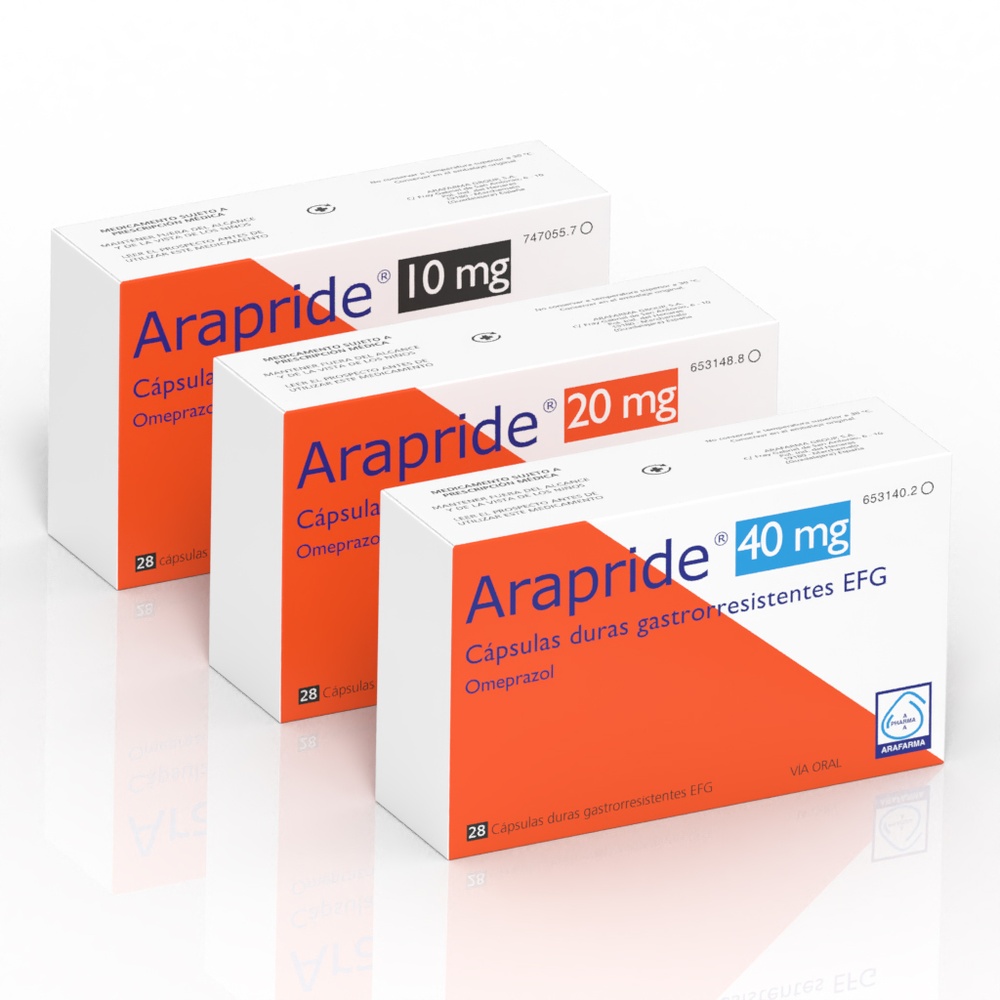
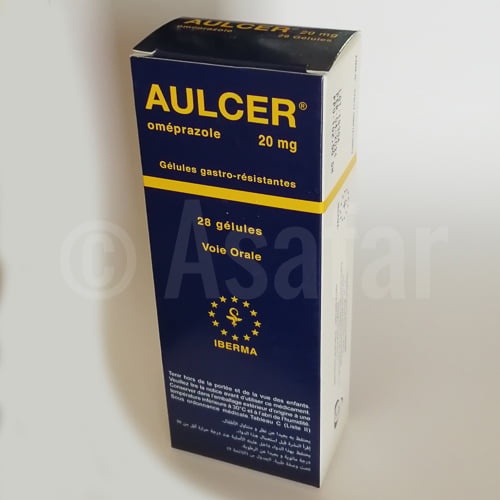
- Alternatives to ULCERAL 40 mg HARD GASTRO-RESISTANT CAPSULESDosage form: CAPSULE, 20 mgActive substance: omeprazoleManufacturer: Arafarma Group S.A.Prescription requiredDosage form: CAPSULE, 40 mgActive substance: omeprazoleManufacturer: Arafarma Group S.A.Prescription requiredDosage form: CAPSULE, 20 mgActive substance: omeprazoleManufacturer: Especialidades Farmaceuticas Centrum S.A.Prescription required

Online doctors for ULCERAL 40 mg HARD GASTRO-RESISTANT CAPSULES
Discuss questions about ULCERAL 40 mg HARD GASTRO-RESISTANT CAPSULES, including use, safety considerations and prescription review, subject to medical assessment and local regulations.









Get ULCERAL 40 mg HARD GASTRO-RESISTANT CAPSULES Prescription Online
Fill in a 2-min form
Tell us your symptoms, history, and what medicine you're requesting.
Pick a doctor or let us assign
Choose a specialist or we'll match you with the next available doctor.
Doctor reviews your case
Usually within 30 minutes. They may ask follow-up questions via chat.
Collect from any pharmacy
Electronic prescription sent to your email — valid across Spain.
Frequently Asked Questions
ULCERAL 40 mg HARD GASTRO-RESISTANT CAPSULES requires a prescription in Spain. You can check with a doctor online whether this medicine may be appropriate for your situation.
The active ingredient in ULCERAL 40 mg HARD GASTRO-RESISTANT CAPSULES is omeprazole. This information helps identify medicines with the same composition but different brand names.
The average pharmacy price for ULCERAL 40 mg HARD GASTRO-RESISTANT CAPSULES is around 4.15 EUR. Prices may vary depending on the manufacturer and dosage form.
ULCERAL 40 mg HARD GASTRO-RESISTANT CAPSULES is manufactured by Meiji Pharma Spain S.A.. Pharmacy brands and packaging may differ depending on the distributor.
Doctors such as Family doctors, Psychiatrists, Dermatologists, Cardiologists, Endocrinologists, Gastroenterologists, Pulmonologists, Nephrologists, Rheumatologists, Hematologists, Infectious disease physicians, Allergists, Geriatricians, Paediatricians, Oncologists may assess whether ULCERAL 40 mg HARD GASTRO-RESISTANT CAPSULES is appropriate, depending on your situation and local regulations. You can book an online consultation to discuss your symptoms and possible next steps.
Spain has a well-developed healthcare infrastructure across major cities such as Madrid, Barcelona, Valencia, and Seville. Pharmacies are widely available and operate under strict regulations, ensuring access to prescribed medications.
You can buy ULCERAL 40 mg HARD GASTRO-RESISTANT CAPSULES in Madrid, Barcelona, Seville, or Valencia at any local pharmacy with a valid prescription.
To obtain a prescription, you can use Oladoctor:
Other medicines with the same active substance (omeprazole) include ARAPRIDE 20 mg GASTRO-RESISTANT HARD CAPSULES, ARAPRIDE 40 mg GASTRO-RESISTANT HARD CAPSULES, AULCER 20 mg HARD GASTRO-RESISTANT CAPSULES. These may have different brand names or formulations but contain the same therapeutic ingredient. Always consult a doctor before switching or starting a new medicine.
