






How to use TRAMADOL RETARD COMBIX 100 mg PROLONGED-RELEASE TABLETS
Translated with AI
This page provides general information and does not replace a doctor’s consultation. Always consult a doctor before taking any medication. Seek urgent medical care if symptoms are severe.
Show originalContents of the leaflet
Introduction
Package Leaflet: Information for the User
Tramadol Retard Combix 100 mg prolonged-release tablets EFG
Tramadol hydrochloride
Read all of this leaflet carefully before you start taking this medicine.
- Keep this leaflet, you may need to read it again.
- If you have any further questions, ask your doctor or pharmacist.
- This medicine has been prescribed for you only. Do not pass it on to others, as it may harm them, even if their symptoms are the same as yours.
- If you experience any of the side effects, or if you notice any side effects not listed in this leaflet, please tell your doctor or pharmacist. See section 4.
Contents of the pack
- What is Tramadol Retard Combix and what is it used for
- Before taking Tramadol Retard Combix
- How to take Tramadol Retard Combix
- Possible side effects
- Storing Tramadol Retard Combix
- Further information
1. What is Tramadol Retard Combix and what is it used for
Tramadol is an analgesic belonging to the group of opioids that acts on the central nervous system. It relieves pain by acting on specific nerve cells in the spinal cord and brain.
Tramadol Retard is indicated for the treatment of moderate to severe pain.

2. Before taking Tramadol Retard Combix
Do not take Tramadol Retard Combix
- If you are allergic (hypersensitive) to tramadol or any of the other ingredients of Tramadol Retard Combix.
- In case of acute intoxications caused by alcohol, sleep-inducing drugs, analgesics, or psychotropic substances (medicines that act on mood and emotions).
- If you are taking MAO inhibitors (certain medicines used to treat depression) or if you have taken them in the last 14 days before starting treatment with Tramadol Retard Combix (see "Use of other medicines").
- If you have epilepsy and your seizures are not adequately controlled with treatment.
- As a treatment for withdrawal syndrome.
Be careful with Tramadol Retard Combix
- If you think you are dependent on other analgesics (opioids).
- If you have disorders of consciousness (if you think you are going to faint).
- If you are in a state of shock (a sign of this state may be cold sweat).
- If you have increased pressure inside the skull (for example, after a head injury or brain disease).
- If you have difficulty breathing.
- If you are epileptic or have seizures, as the risk of these seizures may increase.
- If you have any liver or kidney disease.
- If you suffer from depression and are taking antidepressants, as they may interact with tramadol (see "Use of other medicines").
In such cases, please consult your doctor before taking the medicine.
Warnings and precautions
Tramadol is transformed in the liver by an enzyme. Some people have a variation of this enzyme, and this can affect each person differently. In some people, sufficient pain relief may not be achieved, while others are more likely to suffer from serious side effects. If you notice any of the following side effects, you should stop taking this medicine and consult a doctor immediately: slow or shallow breathing, confusion, drowsiness, constricted pupils, general malaise, or vomiting, constipation, loss of appetite.
Seizures have been reported in patients taking tramadol at the recommended dose. The risk may increase when the dose of tramadol exceeds the recommended daily dose limit (400 mg).
Tolerance, dependence, and addiction
This medicine contains tramadol, which is an opioid medicine. Repeated use of opioids can make the medicine less effective (the body gets used to it, which is known as pharmacological tolerance). Repeated use of tramadol can also lead to dependence, abuse, and addiction, which could result in a potentially fatal overdose. The risk of these side effects may be greater with a higher dose and longer use.
Dependence or addiction can cause a feeling of lack of control over the amount of medicine you need to use or how often you need to use it.
The risk of dependence or addiction varies from person to person. The risk of becoming dependent on or addicted to tramadol may be greater if:
- You or any member of your family have abused alcohol or experienced dependence on it, prescription medicines, or illegal drugs ("addiction").
- You are a smoker.
- You have had problems with your mood (depression, anxiety, or personality disorder) or have been treated by a psychiatrist for other mental illnesses.
If you observe any of the following symptoms while using tramadol, it could be a sign of dependence or addiction:
- You need to use the medicine for a longer period than indicated by your doctor.
- You need to use a higher dose than recommended.
- You are using the medicine for reasons other than those prescribed, for example, "to feel calm" or "to help you sleep".
- You have made repeated, unsuccessful attempts to stop using the medicine or control its use.
- You feel unwell when you stop using the medicine, and you feel better once you take it again ("withdrawal symptoms").
If you notice any of these signs, consult your doctor to determine the best treatment for you, when it is appropriate to stop the medicine, and how to do it safely (see section 3, if you interrupt treatment with Tramadol Retard Combix).
Respiratory disorders related to sleep
Tramadol Retard Combix may cause respiratory disorders related to sleep, such as sleep apnea (pauses in breathing during sleep) and sleep-related hypoxemia (low oxygen level in the blood). Symptoms may include pauses in breathing during sleep, nighttime awakenings due to shortness of breath, difficulty maintaining sleep, or excessive daytime sleepiness. If you or someone else observes these symptoms, contact your doctor. Your doctor may consider a dose reduction.
Tell your doctor or pharmacist if you experience any of the following symptoms while taking Tramadol Retard Combix:
Extreme fatigue, loss of appetite, severe abdominal pain, nausea, vomiting, or low blood pressure. They may be indicators of adrenal insufficiency (low cortisol levels). If you have these symptoms, contact your doctor, who will decide if you need to take hormonal supplements.
Also, inform your doctor if any of these problems occur during treatment with Tramadol Retard Combix or if you have had them before.
There is a slight risk that you may experience a serotonin syndrome that can occur after taking tramadol in combination with certain antidepressants or tramadol alone. Consult a doctor immediately if you present any of the symptoms related to this serious syndrome (see section 4 "Possible side effects").
Children and adolescents
Use in children with respiratory problems
Tramadol is not recommended for use in children with respiratory problems, as the symptoms of tramadol toxicity can worsen in these children.
Use of other medicines
Tell your doctor or pharmacist if you are using or have recently used other medicines, including those obtained without a prescription.
Concomitant treatment with Tramadol Retard Combix and monoamine oxidase inhibitors (MAOIs) (medicines for the treatment of depression) should be avoided.
The analgesic effect of Tramadol Retard Combix, as well as its duration, may be reduced if you take medicines that contain:
- Carbamazepine (for epileptic seizures)
- Pentazocine, nalbuphine, or buprenorphine (analgesics);
- Ondansetron (medicine to prevent nausea)
Your doctor will tell you if you should take Tramadol Retard Combix and at what dose.
The risk of side effects increases,
- If you take tranquilizers, sleep-inducing drugs, other analgesics such as morphine and codeine (also when used for cough), and alcohol while taking Tramadol Retard Combix. It may cause more sleepiness or make you feel like you are going to faint. If this happens, consult your doctor.
- If you are taking medicines that can cause seizures, such as some antidepressants. The risk of having seizures may increase if you take Tramadol Retard Combix at the same time. Your doctor will tell you if Tramadol Retard Combix is suitable for you.
- If you are taking selective serotonin reuptake inhibitors (SSRIs) or MAOIs (medicines used to treat depression). Tramadol Retard Combix may interact with them and may lead to a serotonin syndrome (see section 4 "Possible side effects").
- If you take anticoagulant coumarins (medicines that prevent abnormal blood clotting), such as warfarin, with Tramadol Retard Combix. The effect of these medicines on blood clotting may be affected, and it may lead to bleeding.
- If you take gabapentin or pregabalin to treat epilepsy or pain due to nerve problems (neuropathic pain).
Taking Tramadol Retard Combix with food and drinks
Do not consume alcohol during treatment with Tramadol Retard Combix, as its effect may be intensified. Food does not affect the effect of Tramadol Retard Combix.
Pregnancy and breastfeeding
If you are pregnant or breastfeeding, think you may be pregnant, or plan to become pregnant, consult your doctor or pharmacist before using this medicine.
There is very little information regarding the safety of tramadol during human pregnancy. Therefore, you should not take Tramadol Retard Combix if you are pregnant.
Chronic use during pregnancy may lead to withdrawal syndrome in newborns.
Tramadol is not recommended during breastfeeding. Tramadol is excreted in breast milk. For this reason, you should not take Tramadol Retard Combix more than once during breastfeeding, or if you take Tramadol Retard Combix more than once, you should interrupt breastfeeding.
Driving and using machines
Ask your doctor if you can drive or use machines during treatment with Tramadol Retard Combix. It is important that before driving or using machines, you observe how this medicine affects you. Do not drive or use machines if you feel sleepy, dizzy, have blurred vision, or double vision, or have difficulty concentrating. Be careful when administering it in combination with other medicines.
3. How to take Tramadol Retard Combix
Follow the instructions for administration of Tramadol Retard Combix indicated by your doctor.
Consult your doctor or pharmacist if you have doubts.
Before starting treatment and regularly during treatment, your doctor will also explain what you can expect from the use of Tramadol Retard Combix, when and for how long you should use it, when you should contact your doctor, and when you should stop using it (see also section 2).
The dose should be adjusted according to the intensity of the pain and individual sensitivity to pain. In general, the lowest analgesic dose should be taken.
Unless your doctor has given you different instructions, the usual dose is:
Adults and adolescents over 12 years
One Tramadol Retard Combix 100 mg prolonged-release tablet twice a day (equivalent to 200 mg of tramadol hydrochloride per day), preferably in the morning and at night.
If necessary, your doctor may prescribe a different and more suitable dose of this medicine.
If necessary, the dose can be increased to 150 mg or 200 mg twice a day (equivalent to 300 mg - 400 mg of tramadol hydrochloride per day).
Do not take more than 400 mg of tramadol hydrochloride per day, unless your doctor has indicated otherwise.
Children
Tramadol Retard Combix is not suitable for children under 12 years.
Elderly patients
In geriatric patients (over 75 years), the elimination of tramadol may be slower. If this occurs, your doctor may prolong the dosing intervals.
Patient with hepatic or renal impairment / dialysis
Patient with severe hepatic or renal impairment should not take Tramadol Retard Combix. If in your case the impairment is mild or moderate, your doctor may prolong the dosing interval.
How and when should you take Tramadol Retard Combix?
Tramadol Retard prolonged-release tablets are administered orally.
Tramadol Retard Combix tablets should always be swallowed whole, not divided or chewed, with sufficient liquid, preferably in the morning and at night. You can take the tablet with an empty stomach or with food.
For how long should you take Tramadol Retard Combix?
Tramadol Retard Combix should not be administered for longer than strictly necessary.
If you require prolonged treatment, your doctor will monitor you at short and regular intervals (if necessary with interruptions in treatment) to see if you should continue treatment with Tramadol Retard Combix and at what dose.
If you think the effect of this medicine is too strong or too weak, tell your doctor or pharmacist.
If you take more Tramadol Retard Combix than you should
If you have taken more Tramadol Retard Combix than you should by mistake, you will generally not have negative effects. You should take the next dose as prescribed.
After taking very high doses, contraction of the pupil, vomiting, decrease in blood pressure, increase in heart rate, collapse, decrease in the level of consciousness up to coma (deep unconsciousness), epileptic seizures, and difficulty breathing that can lead to respiratory arrest may occur. In such a case, contact a doctor immediately.
If you forget to take Tramadol Retard Combix
If you forget to take the tablets, it is likely that the pain will return. Do not take a double dose to make up for forgotten doses; simply continue treatment as indicated by your doctor.
If you interrupt treatment with Tramadol Retard Combix
You should not stop taking this medicine suddenly unless your doctor tells you to. If you want to stop taking your medicine, talk to your doctor first, especially if you have been taking it for a long time. Your doctor will inform you when and how to interrupt it, which can be done by gradually reducing the dose to reduce the likelihood of unnecessary side effects (withdrawal symptoms).
Generally, no undesirable effects occur when finishing treatment with Tramadol Retard Combix. However, in rare cases, when some people who have been taking Tramadol Retard Combix for some time stop taking it suddenly, they may feel unwell. They may feel agitated, anxious, nervous, or tremulous. They may feel hyperactive, have difficulty sleeping, or have gastrointestinal or intestinal disorders. Very few people may have panic attacks, hallucinations, unusual perceptions such as itching, tingling, and numbness, and ringing in the ears (tinnitus). Rarely, other unusual symptoms of the central nervous system, such as confusion, delirium, distorted perception of one's own personality (depersonalization), and altered perception of reality (derealization) and persecution delusions (paranoia), have been seen. If you present any of these symptoms after interrupting the use of Tramadol Retard Combix, please consult your doctor. If you have any doubts about the use of this medicine, consult your doctor or pharmacist.

4. Possible Adverse Effects
Like all medicines, Tramadol Retard Combix can have adverse effects, although not all people suffer from them. Normally, the frequency of adverse effects is classified as follows:
- Very frequent (more than 1 in 10 people)
- Frequent (more than 1 in 100 people and less than 1 in 10 people)
- Uncommon (more than 1 in 1,000 people and less than 1 in 100 people)
- Rare (more than 1 in 10,000 people and less than 1 in 1,000 people)
- Very rare (less than 1 in 10,000 people)
- Frequency not known (cannot be estimated from available data)
You should consult your doctor immediately if you experience symptoms of an allergic reaction such as swelling of the face, tongue, and/or throat and/or difficulty swallowing and rash along with difficulty breathing.
The most frequent adverse effects during treatment with Tramadol Retard are nausea and dizziness, which occur in more than 1 in 10 patients.
Cardiac and blood disorders: | |
Uncommon: | Effects on the heart and blood circulation (strong and rapid heartbeats, fainting or collapse). These adverse effects may occur especially in patients who are standing or making physical effort. |
Rare: | Slow heartbeat, increased blood pressure. |
Nervous system disorders | |
Very frequent: | Dizziness. |
Frequent: | Headaches, sleepiness. |
Rare: | Changes in appetite, abnormal sensations (such as itching, tingling, and numbness), tremors, slow breathing, epileptic seizures, muscle twitches, uncoordinated movements, transient loss of consciousness (syncope). If the recommended doses are exceeded, or if other central nervous system depressant medications are taken at the same time, breathing may slow down. Epileptic seizures may occur mainly after taking high doses of tramadol or when taking medications that can cause epileptic seizures. |
Frequency not known: | Speech disorders. |
Psychiatric disorders | |
Rare: | Hallucinations, confusion, sleep disturbances, anxiety, and nightmares. Psychological problems may appear after treatment with Tramadol Retard Combix. Their intensity and nature may vary (according to the patient's personality and the duration of treatment). These problems can manifest as a change in mood (usually excessive cheerfulness, occasionally irritability), changes in activity (usually suppression, occasionally increase), and decreased cognitive and sensory perception (changes in senses and recognition, which can lead to errors in judgment). Dependence may occur. |
Ocular disorders | |
Rare: | Blurred vision. |
Frequency not known: | Excessive dilation of the pupils (mydriasis). |
Respiratory disorders | |
Rare: | Shortness of breath (dyspnea). Worsening of asthma has been reported, however, a causal relationship with tramadol has not been established. |
Frequency not known: | Hiccup. |
Gastrointestinal disorders | |
Very frequent: | Nausea. |
Frequent: | Vomiting, constipation, dry mouth. |
Uncommon: | Retching, stomach problems (such as feeling of pressure in the stomach, bloating), diarrhea. |
Skin disorders | |
Frequent: | Sweating. |
Uncommon: | Skin reactions (such as itching, rash). |
Muscular disorders | |
Rare: | Muscle weakness. |
Liver and biliary disorders | |
Very rare: | Increased liver enzyme values. |
Urinary disorders | |
Rare: | Difficulty or pain when urinating, less urine than normal. |
General disorders | |
Frequent: | Fatigue. |
Rare: | In very rare cases, allergic reactions (such as difficulty breathing, wheezing, skin swelling) and shock (sudden circulatory failure) have been reported. When treatment is abruptly stopped, signs of withdrawal (see "If you stop treatment with Tramadol Retard Combix") may appear. |
Metabolic and nutritional disorders | |
Frequency not known: | Decrease in blood sugar levels. |
Indeterminate frequency (cannot be estimated from available data)
Serotonin syndrome, which can manifest through changes in mental status (such as agitation, hallucinations, coma), and other effects, such as fever, increased heart rate, unstable blood pressure, involuntary muscle contractions, muscle stiffness, lack of coordination, and/or gastrointestinal symptoms (such as nausea, vomiting, diarrhea) (see section 2 "Before taking Tramadol Retard Combix").
Reporting of adverse effects
If you experience any type of adverse effect, consult your doctor, pharmacist, or nurse, even if it is a possible adverse effect that does not appear in this prospectus. You can also report them directly through the Spanish Pharmacovigilance System for Human Use Medicines: https://www.notificaram.es. By reporting adverse effects, you can contribute to providing more information on the safety of this medication.
5. Conservation of Tramadol Retard Combix
Keep out of the reach and sight of children.
Store this medication in a safe and protected place, where others cannot access it. This medication can cause serious harm and even be fatal to people who have not been prescribed it.
This medication does not require special storage conditions.
Do not use Tramadol Retard Combix after the expiration date that appears on the box and on the blister pack after "CAD". The expiration date is the last day of the month indicated.
Medicines should not be thrown away through the sewers or in the trash. Deposit the packaging and medications you no longer need at the SIGRE point in the pharmacy. In case of doubt, ask your pharmacist how to dispose of the packaging and medications you no longer need. This way, you will help protect the environment.
6. Additional Information
Composition of Tramadol Retard Combix
The active ingredient is tramadol hydrochloride. Each tablet contains 100 mg of tramadol hydrochloride.
The other components are:
Core of the tablet: microcrystalline cellulose, polyethylene oxide, povidone, and magnesium stearate.
Coating of the tablet: hypromellose, titanium dioxide (E171), macrogol, and talc.
Appearance of the product and packaging content
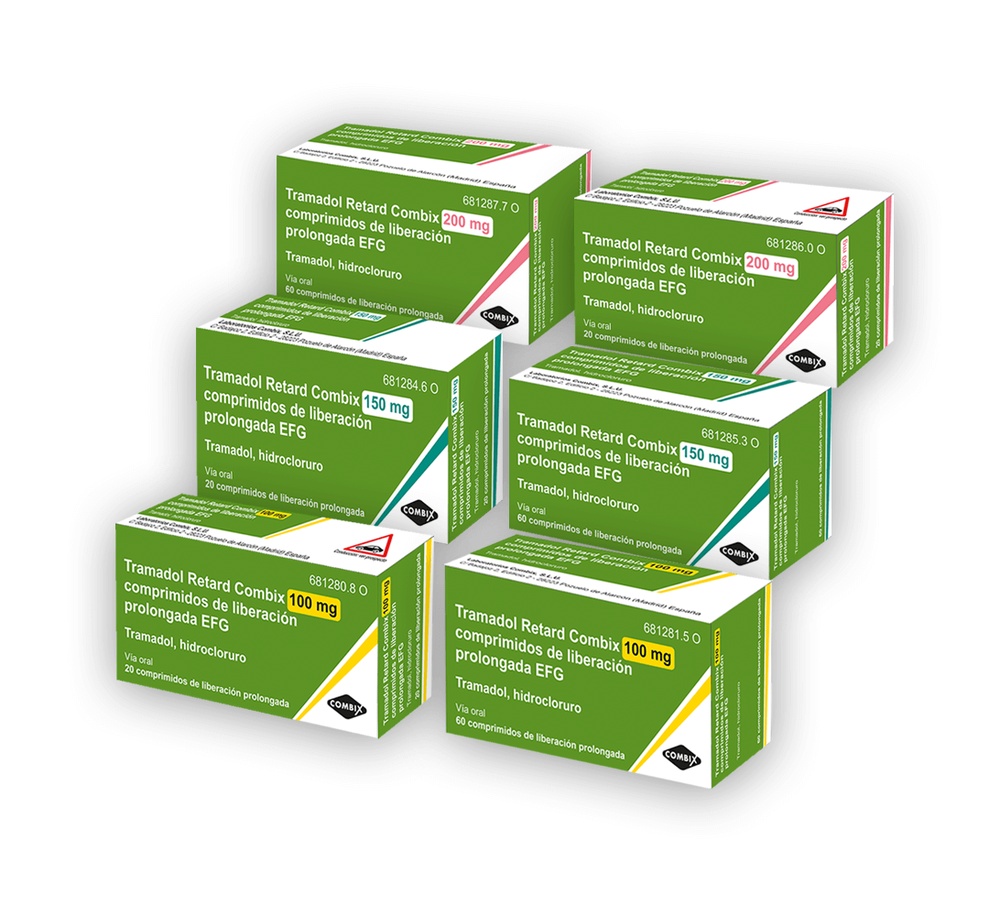
Tramadol Retard Combix 100 mg prolonged-release tablets are white or off-white, round, biconvex tablets, with the mark "100" printed on one face and smooth on the other.
Tramadol Retard Combix 100 mg is packaged in blister packs containing 20 or 60 prolonged-release tablets.
Tramadol Retard Combix is also available in 150 and 200 mg prolonged-release tablets in packages containing 20 or 60 tablets.
Marketing authorization holder and manufacturer
Marketing authorization holder
Laboratorios Combix, S.L.U.
C/ Badajoz 2, Edificio 2
28223 Pozuelo de Alarcón (Madrid)
Spain
Manufacturer
Zydus France
25, parc d’activités des Peupliers
92000 Nanterre
France
or
Centre Spécialités Pharmaceutiques
ZAC des Suzots
35 rue de la Chapelle
63450 Saint Amant Tallende
France
This prospectus was approved in June 2024
Detailed and updated information on this medication is available on the website of the Spanish Agency for Medicines and Health Products (AEMPS) http://www.aemps.gob.es/
-

- Country of registration
- Dosage formMODIFIED-RELEASE TABLET, 100 mg
- ATC codeN02AX02
- Average pharmacy price4.14 EUR
- Active substance
- Prescription requiredYes
- Manufacturer
- This information is for reference only and does not constitute medical advice. Always consult a doctor before taking any medication. Oladoctor is not responsible for medical decisions based on this content.
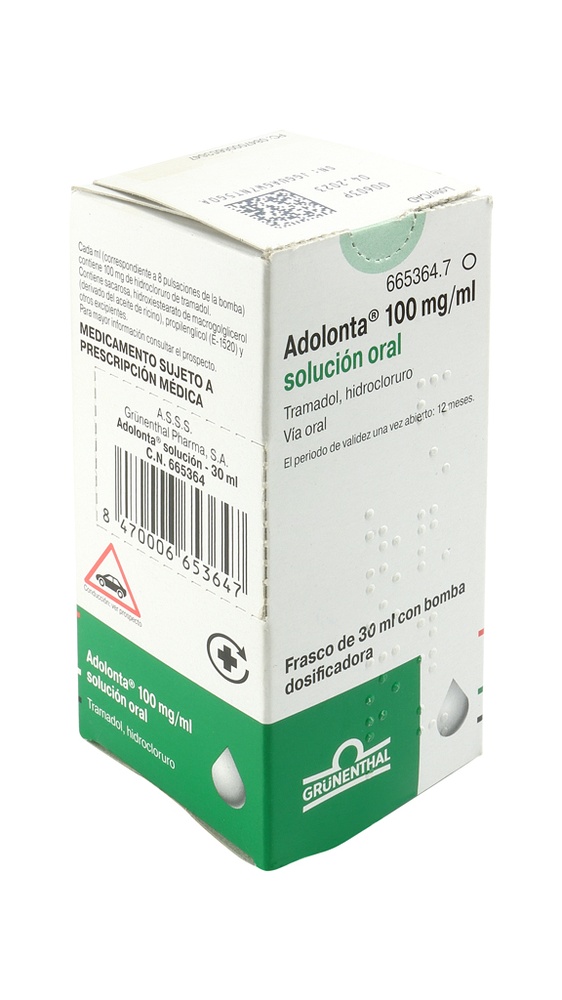
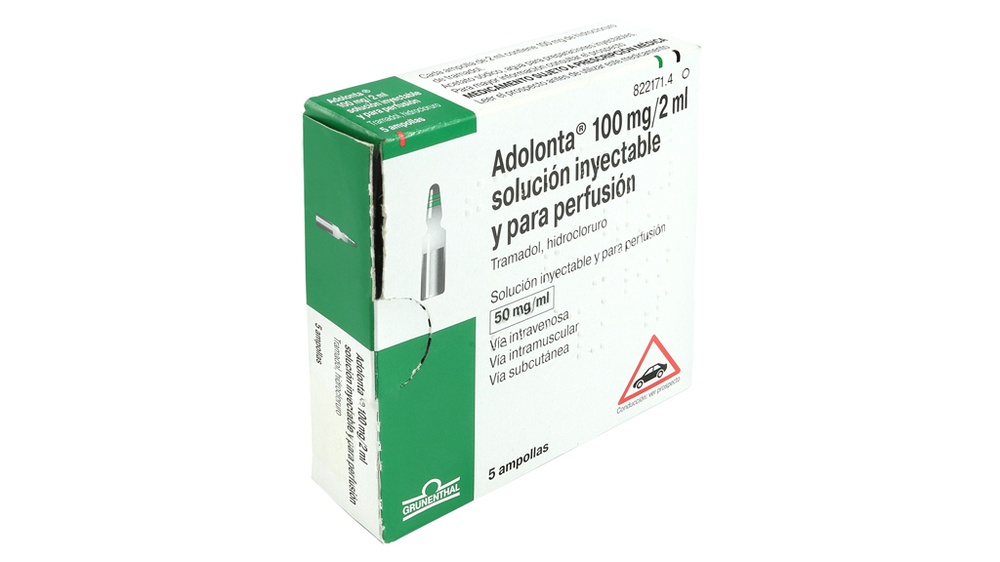
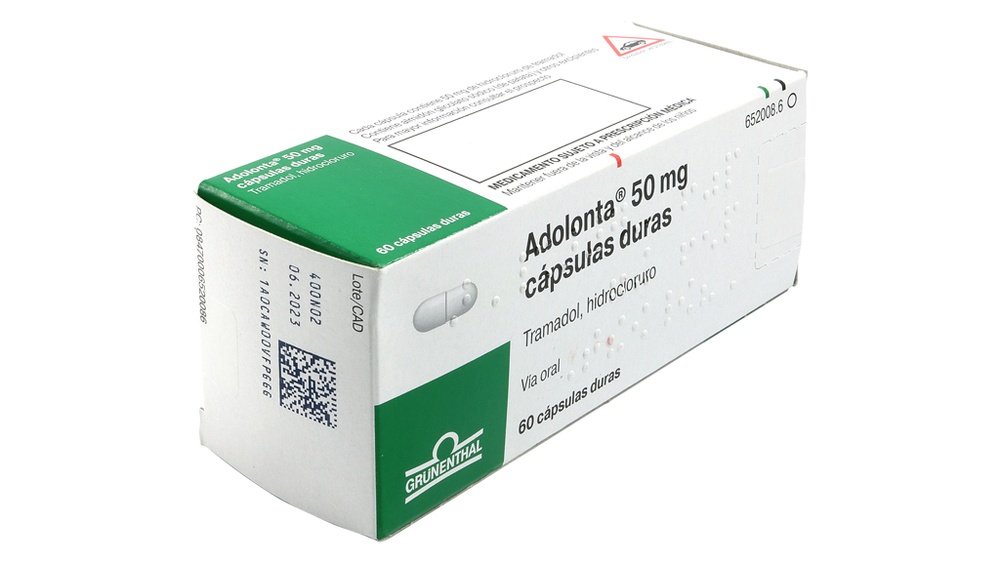
- Alternatives to TRAMADOL RETARD COMBIX 100 mg PROLONGED-RELEASE TABLETSDosage form: ORAL SOLUTION/SUSPENSION, 100 mg/mlActive substance: tramadolManufacturer: Grünenthal Pharma S.A.Prescription requiredDosage form: INJECTABLE, 100 mgActive substance: tramadolManufacturer: Grünenthal Pharma S.A.Prescription requiredDosage form: CAPSULE, 50 mgActive substance: tramadolManufacturer: Grünenthal Pharma S.A.Prescription required
Online doctors for TRAMADOL RETARD COMBIX 100 mg PROLONGED-RELEASE TABLETS
Discuss questions about TRAMADOL RETARD COMBIX 100 mg PROLONGED-RELEASE TABLETS, including use, safety considerations and prescription review, subject to medical assessment and local regulations.






Get TRAMADOL RETARD COMBIX 100 mg PROLONGED-RELEASE TABLETS Prescription Online
Fill in a 2-min form
Tell us your symptoms, history, and what medicine you're requesting.
Pick a doctor or let us assign
Choose a specialist or we'll match you with the next available doctor.
Doctor reviews your case
Usually within 30 minutes. They may ask follow-up questions via chat.
Collect from any pharmacy
Electronic prescription sent to your email — valid across Spain.
Frequently Asked Questions
TRAMADOL RETARD COMBIX 100 mg PROLONGED-RELEASE TABLETS requires a prescription in Spain. You can check with a doctor online whether this medicine may be appropriate for your situation.
The active ingredient in TRAMADOL RETARD COMBIX 100 mg PROLONGED-RELEASE TABLETS is tramadol. This information helps identify medicines with the same composition but different brand names.
The average pharmacy price for TRAMADOL RETARD COMBIX 100 mg PROLONGED-RELEASE TABLETS is around 4.14 EUR. Prices may vary depending on the manufacturer and dosage form.
TRAMADOL RETARD COMBIX 100 mg PROLONGED-RELEASE TABLETS is manufactured by Laboratorios Combix S.L.U.. Pharmacy brands and packaging may differ depending on the distributor.
Doctors such as Family doctors, Psychiatrists, Dermatologists, Cardiologists, Endocrinologists, Gastroenterologists, Pulmonologists, Nephrologists, Rheumatologists, Hematologists, Infectious disease physicians, Allergists, Geriatricians, Paediatricians, Oncologists may assess whether TRAMADOL RETARD COMBIX 100 mg PROLONGED-RELEASE TABLETS is appropriate, depending on your situation and local regulations. You can book an online consultation to discuss your symptoms and possible next steps.
Spain has a well-developed healthcare infrastructure across major cities such as Madrid, Barcelona, Valencia, and Seville. Pharmacies are widely available and operate under strict regulations, ensuring access to prescribed medications.
You can buy TRAMADOL RETARD COMBIX 100 mg PROLONGED-RELEASE TABLETS in Madrid, Barcelona, Seville, or Valencia at any local pharmacy with a valid prescription.
To obtain a prescription, you can use Oladoctor:
Other medicines with the same active substance (tramadol) include ADOLONTA 100 mg/ml ORAL SOLUTION, ADOLONTA 100 mg/2 ml INJECTABLE SOLUTION AND PERFUSION SOLUTION, ADOLONTA 50 mg HARD CAPSULES. These may have different brand names or formulations but contain the same therapeutic ingredient. Always consult a doctor before switching or starting a new medicine.
