

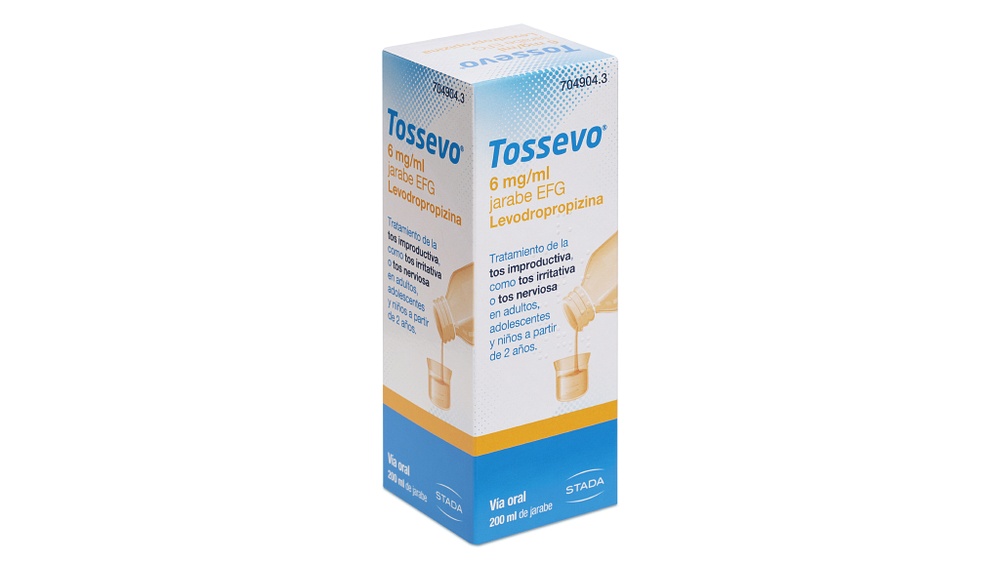
TOSSEVO 6 mg /Ml Oral Solution



How to use TOSSEVO 6 mg/ml SYRUP
Translated with AI
This page provides general information and does not replace a doctor’s consultation. Always consult a doctor before taking any medication. Seek urgent medical care if symptoms are severe.
Show originalContents of the leaflet
Introduction
Leaflet: information for the patient
Tossevo6mg/ml syrup EFG
Levodropropizina
Read the entire leaflet carefully before starting to take this medication, as it contains important information for you.
Follow the administration instructions of the medication contained in this leaflet or as indicated by your doctor or pharmacist.
- Keep this leaflet, as you may need to read it again.
- If you need advice or more information, consult your pharmacist.
- If you experience side effects, consult your doctor or pharmacist, even if they are not listed in this leaflet. See section 4.
- You should consult a doctor if your symptoms worsen or do not improve after 4 days.
Contents of the leaflet:
- What is Tossevo and what is it used for
- What you need to know before taking Tossevo
- How to take Tossevo
- Possible side effects
- Storage of Tossevo
- Package contents and additional information
1. What is Tossevo and what is it used for
This medication contains levodropropizina and belongs to the group of medications called antitussives.
Levodropropizina is indicated for:
Treatment of non-productive forms of cough, such as irritative or nervous cough in adults, adolescents, and children over 2 years old.
You should consult a doctor if your symptoms worsen or do not improve after 4 days.

2. What you need to know before taking Tossevo
Do not take Tossevo:
- If you are allergic to levodropropizina or any of the other components of this medication (listed in section 6).
- If you have excessive mucus secretion in the bronchi or have impaired mucus elimination function (Kartagener syndrome, bronchial ciliary dyskinesia).
- In pregnancy and lactation
- Children under 2 years old.
Warnings and precautions
Consult your doctor or pharmacist before taking Tossevo.
The administration of this medication should be evaluated:
- If you have liver and kidney failure.
- If you are diabetic
Children
Do not administer to children under 2 years old.
Taking Tossevo with other medications
Tell your doctor or pharmacist if you are taking, have recently taken, or may take any other medication.
No interactions or incompatibilities with other medications have been observed. However, caution should be exercised when administering this medication concomitantly with anxiolytic medications (which reduce anxiety), such as benzodiazepines, especially in sensitive patients, as an increase in sedative effect may occur.
Using Tossevo with food
Since there is no information available on the effect of food on the absorption of the product, it should be taken outside of meals.
Pregnancy, lactation, and fertility
If you are pregnant or breastfeeding, think you may be pregnant, or plan to become pregnant, consult your doctor or pharmacist before using this medication.
This medication is not recommended during pregnancy or in women of childbearing age who are not using contraceptive methods.
Levodropropizina is excreted in breast milk, so its use is not recommended during the lactation period.
Driving and using machines
Since this product can rarely cause drowsiness, caution should be exercised when driving vehicles, operating hazardous machinery, and engaging in activities where lack of concentration and skill may pose a risk.
Tossevo containssucrose,methyl parahydroxybenzoateandpropyl parahydroxybenzoate
This medication contains sucrose. If your doctor has told you that you have an intolerance to certain sugars, consult with them before taking this medication.
Patients with diabetes mellitus should note that this medication contains 1.84 g of glucose per 10 ml of syrup (measured with the graduated measuring cup provided in the package).
It may cause tooth decay.
It may cause allergic reactions (possibly delayed) because it contains methyl parahydroxybenzoate (E-218) and propyl parahydroxybenzoate (E-216).
3. How to take Tossevo
Follow the administration instructions of the medication contained in this leaflet or as indicated by your doctor or pharmacist. If in doubt, ask your doctor or pharmacist.
Measure the amount of medication to be administered using the measuring cup provided with the package.
Once used, wash the measuring cup with water.
Do not administer with food.
Antitussives are symptomatic medications and should only be used while symptoms persist.
It is not advisable to use the medication for more than 7 days.
If the patient's symptoms worsen or persist after 4 days of treatment, the treatment should be discontinued and the patient's clinical situation evaluated.
The recommended dose is:
Adults
- 10 ml every 6-8 hours. Do not administer more than 3 times a day.
Use in children and adolescents
- Children under 2 years old: Should not take this medication.
- Children from 2-6 years old: Only under medical supervision.
- Adolescents and children from 6 years old: The dose is calculated according to the patient's weight, administering 1 mg per kg per dose, every 6-8 hours. No more than 3 doses in 24 hours. The amount of medication to be administered is indicated in the following table:
kg | Ml 3 times a day | |
Children | ||
10-15 | 2.5 | |
16-20 | 3 | |
21-30 | 5 | |
Adolescents | ||
31-45 | 7.5 | |
More than 45 | 10 |
unless the doctor establishes a different regimen, but in no case should more than 10 ml be administered 3 times a day.
Elderly patients
Elderly patients do not require adjustments or modifications to the dosage regimen; however, special attention should be paid when administering this medication and evaluating their clinical situation.
If you take more Tossevo than you should
You may experience mild and transient tachycardia (increased heart rate). Consult your doctor or pharmacist immediately.
In case of overdose or accidental ingestion, consult the Toxicological Information Service. Phone 91 562 04 20, indicating the medication and the amount ingested.
If you forget to take Tossevo
Do not take a double dose to make up for forgotten doses.
If you have any other questions about the use of this medication, ask your doctor or pharmacist.

4. Possible side effects
Like all medications, this medication can cause side effects, although not everyone will experience them.
The detected side effects include:
Frequent (affecting less than 1 in 10 patients but more than 1 in 100)
- Gastrointestinal disorders: nausea, pyrosis, dyspepsia, diarrhea, vomiting, and abdominal pain.
- Nervous system disorders: fatigue and/or asthenia, clumsiness, drowsiness, headache, and vertigo.
- Cardiac disorders: palpitations
Rare (affecting less than 1 in 1,000 patients but more than 1 in 10,000)
- Skin and subcutaneous tissue disorders: rare cases of skin allergy have been observed.
- Respiratory, thoracic, and mediastinal disorders: dyspnea (difficulty breathing)
Frequency not known (cannot be estimated from available data)
- Eye disorders: visual disturbances
- Cardiac disorders: precordial pain (chest pain).
Reporting side effects
If you experience any type of side effect, consult your doctor or pharmacist, even if it is a possible side effect not listed in this leaflet. You can also report them through the Spanish Medication Surveillance System for Human Use https://www.notificaram.es. By reporting side effects, you can contribute to providing more information on the safety of this medication.
5. Storage of Tossevo
Keep this medication out of sight and reach of children.
Do not store at a temperature above 25°C.
Discard 6 weeks after opening.
Do not use this medication after the expiration date shown on the package, after CAD. The expiration date is the last day of the month indicated.
Medications should not be thrown down the drain or into the trash. Deposit the packages and medications you no longer need at the SIGRE collection point in the pharmacy. If in doubt, ask your pharmacist how to dispose of the packages and medications you no longer need. This will help protect the environment.
6. Package contents and additional information
Composition of Tossevo
- The active ingredient is levodropropizina. Each ml of syrup contains 6 mg of levodropropizina.
- The other components (excipients) are sucrose, methyl parahydroxybenzoate (E-218), propyl parahydroxybenzoate (E-216), citric acid, sodium hydroxide, cherry flavor, and purified water.
Appearance of the product and package contents
This medication is presented as a colorless to slightly yellowish solution.
Levodropropizina is presented in a 200 ml glass bottle with a child-resistant cap and a graduated measuring cup.
Marketing authorization holder and manufacturer
Marketing authorization holder
Laboratorio STADA, S.L.
Frederic Mompou, 5
08960 Sant Just Desvern
(Barcelona)
Manufacturer
Doppel Farmaceutici S.r.l
Via Martiri delle Foibe, 1
29016 Cortemaggiore (Piacenza)
Italy
Date of the last revision of this leaflet:January 2015
Detailed and updated information on this medication is available on the website of the Spanish Agency for Medicines and Health Products (AEMPS) http://www.aemps.gob.es/
-

- Country of registration
- Dosage formORAL SOLUTION/SUSPENSION, 6 mg/ml
- ATC codeR05DB27
- Active substance
- Prescription requiredNo
- Manufacturer
- CompositionSACAROSA (35 g mg), PARAHIDROXIBENZOATO DE METILO (E-218) (0.12 g mg), PARAHIDROXIBENZOATO DE PROPILO (0,03 g mg), HIDROXIDO DE SODIO (E 524) (0,36 g mg)
- This information is for reference only and does not constitute medical advice. Always consult a doctor before taking any medication. Oladoctor is not responsible for medical decisions based on this content.
- Alternatives to TOSSEVO 6 mg/ml SYRUPDosage form: ORAL SOLUTION/SUSPENSION, 60 mgActive substance: levodropropizineManufacturer: Alfasigma Espana S.L.Prescription not requiredDosage form: ORAL SOLUTION/SUSPENSION, 2.13 mg/mlActive substance: pentoxyverineManufacturer: Opella Healthcare Spain S.L.Prescription not requiredDosage form: ORAL SOLUTION/SUSPENSION, 12.5 mg/ml + 9.09 mg/ml + 10 mg/mlActive substance: combinationsManufacturer: Kwizda Pharma GmbhPrescription not required
Online doctors for TOSSEVO 6 mg/ml SYRUP
Discuss questions about TOSSEVO 6 mg/ml SYRUP, including use, safety considerations and prescription review, subject to medical assessment and local regulations.

 Book a video appointment


 Book a video appointment

 Book a video appointment
  Book a video appointment
Get TOSSEVO 6 mg/ml SYRUP Prescription Online
Fill in a 2-min form
Tell us your symptoms, history, and what medicine you're requesting.
Pick a doctor or let us assign
Choose a specialist or we'll match you with the next available doctor.
Doctor reviews your case
Usually within 30 minutes. They may ask follow-up questions via chat.
Collect from any pharmacy
Electronic prescription sent to your email — valid across Spain.
Frequently Asked Questions
Is a prescription required for TOSSEVO 6 mg/ml SYRUP?
TOSSEVO 6 mg/ml SYRUP does not require a prescription in Spain. You can check with a doctor online whether this medicine may be appropriate for your situation.
What is the active substance in TOSSEVO 6 mg/ml SYRUP?
The active ingredient in TOSSEVO 6 mg/ml SYRUP is levodropropizine. This information helps identify medicines with the same composition but different brand names.
Who manufactures TOSSEVO 6 mg/ml SYRUP?
TOSSEVO 6 mg/ml SYRUP is manufactured by Laboratorio Stada S.L.. Pharmacy brands and packaging may differ depending on the distributor.
Which doctors can assess the use of TOSSEVO 6 mg/ml SYRUP online?
Doctors such as Family doctors, Psychiatrists, Dermatologists, Cardiologists, Endocrinologists, Gastroenterologists, Pulmonologists, Nephrologists, Rheumatologists, Hematologists, Infectious disease physicians, Allergists, Geriatricians, Paediatricians, Oncologists may assess whether TOSSEVO 6 mg/ml SYRUP is appropriate, depending on your situation and local regulations. You can book an online consultation to discuss your symptoms and possible next steps.
How to buy TOSSEVO 6 mg/ml SYRUP in Spain?
Spain has a well-developed healthcare infrastructure across major cities such as Madrid, Barcelona, Valencia, and Seville. Pharmacies are widely available and operate under strict regulations, ensuring access to prescribed medications.
You can buy TOSSEVO 6 mg/ml SYRUP in Madrid, Barcelona, Seville, or Valencia at any local pharmacy with a valid prescription.
To obtain a prescription, you can use Oladoctor:
What are the alternatives to TOSSEVO 6 mg/ml SYRUP?
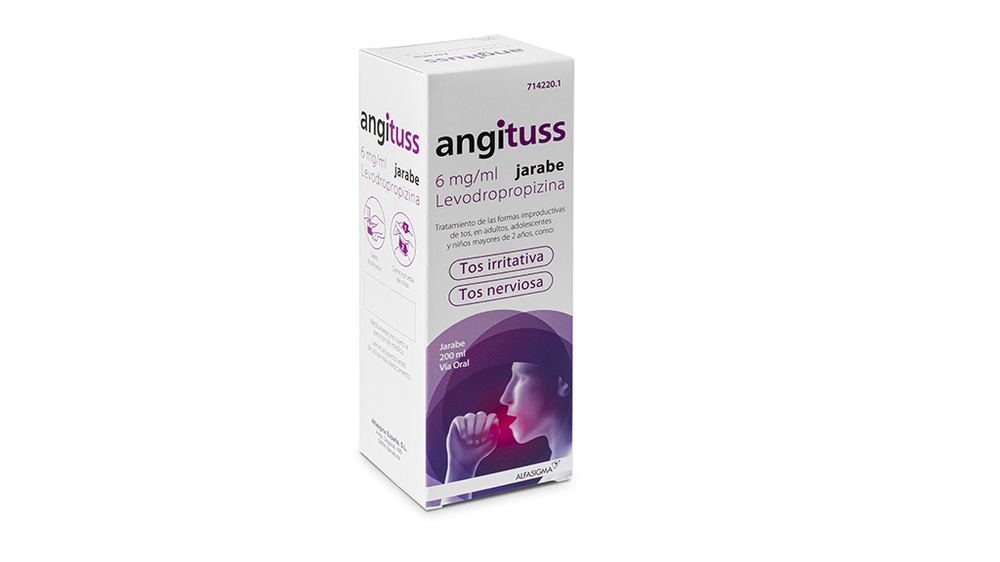
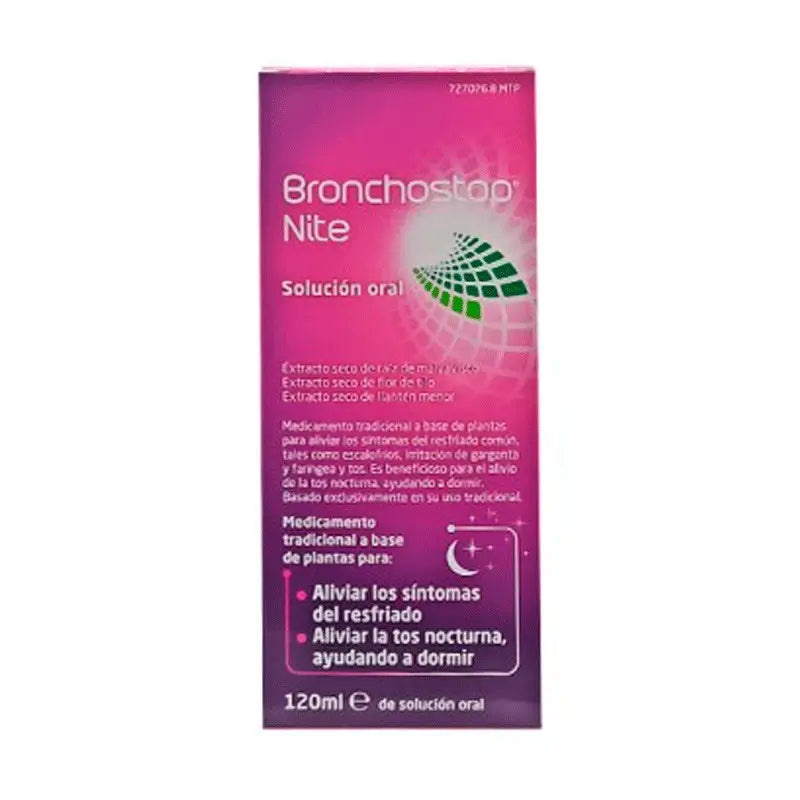
Other medicines with the same active substance (levodropropizine) include ANGITUSS 6mg/mL SYRUP, BISOLVON CALMATOS 2.13 mg/ml ORAL SOLUTION, BRONCHOSTOP NITE ORAL SOLUTION. These may have different brand names or formulations but contain the same therapeutic ingredient. Always consult a doctor before switching or starting a new medicine.
