







How to use TIROFIBAN ALTAN 50 micrograms/mL solution for infusion
Translated with AI
This page provides general information and does not replace a doctor’s consultation. Always consult a doctor before taking any medication. Seek urgent medical care if symptoms are severe.
Show originalContents of the leaflet
Introduction
Package Leaflet: Information for the Patient
TIROFIBAN Altan 50 micrograms/ml solution for infusion EFG
Read all of this leaflet carefully before you start using this medicine because it contains important information for you.
- Keep this leaflet, you may need to read it again.
- If you have any further questions, ask your doctor or pharmacist.
- This medicine has been prescribed for you only. Do not pass it on to others. It may harm them, even if their signs of illness are the same as yours.
- If you get any side effects, talk to your doctor or pharmacist. This includes any possible side effects not listed in this leaflet. See section 4.
Contents of the pack:
- What is Tirofiban Altan and what is it used for
- What you need to know before you use Tirofiban Altan
- How to use Tirofiban Altan
- Possible side effects
- Storage of Tirofiban Altan
- Contents of the pack and further information
1. What is Tirofiban Altan and what is it used for
Tirofiban Altanis used to help facilitate blood flow to the heart and prevent chest pain and heart attacks. It works by preventing the aggregation of platelets, cells found in the blood, which form blood clots.
This medicine may also be used in patients whose veins are dilated with a balloon (percutaneous coronary intervention or PCI). This is a procedure that involves the implantation of a small tube (stent) to improve blood flow to the heart.
Tirofiban Altanis intended to be used with aspirin and unfractionated heparin.

2. What you need to know before you use Tirofiban Altan
Do not use Tirofiban Altan
- If you are allergic (hypersensitive) to tirofiban or any of the other ingredients of this medicine (listed in section 6).
- If you have internal bleeding or a history of internal bleeding in the last 30 days.
- If you have a history of intracranial bleeding, a brain tumor, or abnormal blood vessels in the brain.
- If you have severe uncontrolled high blood pressure (malignant hypertension).
- If you have a low platelet count (thrombocytopenia) or blood coagulation disorders.
- If you developed thrombocytopenia while being treated with Tirofiban Altan or another medicine of the same therapeutic group.
- If you have had a stroke in the last 30 days or any history of hemorrhagic stroke.
- If you have had major trauma or major surgery in the last six weeks.
- If you have severe liver failure.
Your doctor will review your medical history to see if you have a higher risk of suffering from side effects associated with the use of this medicine.
Warnings and precautions
Consult your doctor before starting to use Tirofiban Altan, if you have or have had:
- Any medical problem.
- Any allergy.
- Cardiopulmonary resuscitation, biopsy, or lithotripsy in the last 2 weeks.
- Major trauma or major surgery in the last 3 months.
- Stomach or intestinal ulcer (duodenum) in the last 3 months.
- Recent hemorrhagic disorder (in the last year) such as bleeding in the stomach or intestine, or blood in the urine or feces.
- Recent spinal intervention.
- History or symptoms of aortic dissection.
- Uncontrolled hypertension.
- Inflammation of the membrane that surrounds the heart (pericarditis).
- Inflammation of the veins (active vasculitis).
- Hemorrhagic retinopathy.
- Thrombolytic treatment.
- Liver problem.
- Insertion of a special intravenous catheter under the clavicle in the last 24 hours.
- Heart failure.
- Low blood pressure due to heart failure (cardiogenic shock).
- Liver disorder.
- Low blood count or anemia.
Using Tirofiban Altan with other medicines
Generally, Tirofiban Altancan be used with other medicines. Please tell your doctor if you are taking, have recently taken, or might take any other medicine, including medicines without a prescription, as it may affect the action of these. It is very important that you inform your doctor if you are taking medicines that prevent the formation of clots, such as warfarin.
Using Tirofiban Altan with food, drinks, and alcohol
Food and drinks have no effect on this medicine.
Pregnancy, breastfeeding, and fertility
If you are pregnant or breastfeeding, think you may be pregnant, or plan to become pregnant, consult your doctor before using this medicine.
Driving and using machines
Due to your condition, you will not be able to drive or operate machinery while using Tirofiban Altan.
Tirofiban Altan contains sodium
This medicine contains 916.28 mg of sodium (the main component of table salt or kitchen salt) in each 250 ml bag. This is equivalent to 46% of the maximum recommended daily intake of sodium for an adult.

3. How to use Tirofiban Altan
Tirofiban Altanshould be prescribed by qualified doctors with experience in the management of acute coronary syndromes.
Tirofiban Altanis administered intravenously. Your doctor will decide the appropriate dose, depending on your condition and weight.
Use in children
Use in children is not recommended.
If you use more Tirofiban Altan than you should
Your dose of Tirofiban Altanwill be carefully monitored and supervised by your doctor and pharmacist.
The most commonly reported adverse effect of overdose was bleeding. If you notice bleeding, you should inform your doctor immediately.
In case of overdose or accidental ingestion, consult your doctor or pharmacist immediately or call the Toxicology Information Service, phone: 91 562 04 20, indicating the medicine and the amount ingested.
If you forget to use Tirofiban Altan
Your doctor will decide when to administer this medicine.
If you stop using Tirofiban Altan
Your doctor will decide when to stop treatment. However, if you wish to stop treatment beforehand, you should discuss other options with your doctor.
If you have any further questions on the use of this medicine, ask your doctor or pharmacist.
4. Possible side effects
Like all medicines, this medicine can cause side effects, although not everybody gets them.
The most common side effect in treatment with Tirofiban Altanis bleeding, which can occur anywhere in your body. This side effect can be serious and, rarely, can be fatal.
If you suffer from side effects, you may need medical attention. While you are using Tirofiban Altan, if you develop any of the following symptoms, you should contact your doctor immediately:
- Signs of intracranial bleeding such as headache, sensory deficits (visual or auditory), speech difficulties, numbness, or problems with movement or balance.
- Signs of internal bleeding such as coughing up blood or presence of blood in the urine or feces.
- Signs of serious allergic reactions such as difficulty breathing or dizziness.
The following side effects have occurred in patients after treatment with Tirofiban Altan. These side effects are listed in order of decreasing frequency.
Very common side effects (may affect more than 1 in 10 people):
Bleeding after surgery
Bleeding under the skin at the injection site, or in the muscle causing inflammation
Small red spots on the skin
Invisible blood in the urine or feces
Feeling of dizziness
Headache
Common side effects (may affect up to 1 in 10 people):
Blood in the urine
Coughing up blood
Nosebleeds
Bleeding in the gums and mouth
Bleeding at the puncture site
Decrease in blood count (decrease in hematocrit and hemoglobin)
Decrease in platelet count below 90,000/mm3
Fever
Uncommon side effects (may affect up to 1 in 100 people):
Bleeding in the stomach or intestine
Vomiting blood
Decrease in platelet count below 50,000/mm3
Side effects of unknown frequency (cannot be estimated from the available data):
Intracranial bleeding
Hematoma in the spinal region
Retroperitoneal bleeding
Accumulation of blood around the heart
Pulmonary hemorrhage
Acute and severe decrease in platelet count below 20,000/mm3
Severe allergic reactions with chest tightness, urticaria, including reactions that can cause difficulty breathing and dizziness.
Reporting of side effects
If you experience any side effects, talk to your doctor or pharmacist. This includes any possible side effects not listed in this leaflet. You can also report side effects directly through the Spanish Pharmacovigilance System of Medicines for Human Use www.notificaRAM.com. By reporting side effects, you can help provide more information on the safety of this medicine.
5. Storage of Tirofiban Altan
Your doctor or pharmacist knows how to store and dispose of this medicine. Keep out of sight and reach of children.
After opening, this medicine should be used immediately.
Do not use this medicine after the expiry date that appears on the bag. The expiry date is the last day of the month indicated.
This medicine does not require any special storage conditions.
Do not use Tirofiban Altanif there are visible particles or if the solution is discolored before use.
Medicines should not be disposed of via wastewater or household waste. Ask your pharmacist how to dispose of the packaging and any unused medicine. This will help protect the environment.
6. Contents of the pack and further information
Composition of Tirofiban Altan
The active ingredient is tirofiban.
1 ml of solution for infusion contains 50 micrograms of tirofiban.
Other ingredients are: sodium acetate trihydrate, acetic acid, sodium chloride, sodium hydroxide (for pH adjustment) and water for injectable preparations.
Appearanceoftheproductandpackcontents
Tirofiban Altanis a clear and colorless solution presented in 250 ml bags.
Pack size: 1 or 3 bags with 250 ml of solution for infusion. Only some pack sizes may be marketed.
Marketing authorization holder:
ALTAN PHARMACEUTICALS S.A.
C/Cólquide 6 Portal 2 1ª Planta – Oficina F
28230 Las Rozas (Madrid)
Spain
Manufacturer:
ALTAN PHARMACEUTICALS S.A.
Polígono Industrial de Bernedo, s/n
01118 Bernedo (Álava)
Spain
This medicinal product is authorized in the Member States of the EU under the following names:
< Germany > Tirofiban Ibisqus 50 micrograms/ml solution for infusion
< France > Tirofiban Farmages 50 micrograms/ml solution for infusion
< Italy > Tirofiban Ibigen
< Spain > Tirofiban G.E.S. 50 micrograms/ml solution for infusion EFG
< United Kingdom > Tirofiban 50 micrograms/ml solution for infusion
Date of last revision of this leaflet:September 2020
“Detailed and updated information on this medicinal product is available on the website of the Spanish Agency for Medicines and Health Products (AEMPS) http://www.aemps.gob.es/”
---------------------------------------------------------------------------------------------------------------------
This information is intended only for healthcare professionals:
This product is intended only for hospital use, to be used by specialist doctors with experience in the treatment of acute coronary syndromes.
Tirofiban Altanshould be administered with unfractionated heparin and antiplatelet oral treatment including acetylsalicylic acid (ASA)
Posology and method of administration
In patients who are treated with an early invasive strategy for acute coronary syndrome without ST-segment elevation (NSTE-ACS) and do not plan to undergo angiography for at least 4 hours and up to 48 hours after diagnosis, Tirofiban Altanis administered intravenously at an initial infusion rate of 0.4 micrograms/kg/min for 30 minutes. At the end of the initial infusion, Tirofiban Altanshould be continued at a maintenance infusion rate of 0.1 micrograms/kg/min. Tirofiban Altanshould be administered with unfractionated heparin (usually an intravenous bolus of 50-60 units (U)/kg simultaneously with the start of Tirofiban Altantherapy, after approximately 1000 (U) per hour, adjusted according to the activated partial thromboplastin time (aPTT), which should be approximately twice the normal value) and oral antiplatelet treatment, including but not limited to ASA, unless contraindicated.
In patients with NSTE-ACS undergoing scheduled percutaneous coronary intervention (PCI) within the first 4 hours after diagnosis or in patients with acute myocardial infarction with scheduled primary PCI, Tirofiban Altanshould be administered using an initial bolus of 25 micrograms/kg administered over a period of 3 minutes, followed by a continuous infusion at a rate of 0.15 micrograms/kg/min for 18-24, and up to 48 hours. Tirofiban Altanshould be administered with unfractionated heparin and oral antiplatelet treatment, including but not limited to acetylsalicylic acid (ASA), unless contraindicated.
No dose adjustment is required for elderly patients.
Patients with severe renal impairment
In severe renal impairment (creatinine clearance <30 ml/min) the dose of Tirofiban Altanshould be reduced by 50%.
Pediatric population
The safety and efficacy of Tirofiban Altanin children have not been established.
No data are available.
Initiation and duration of TirofibanAltan
In patients who are treated with an early invasive strategy for acute coronary syndrome without ST-segment elevation (NSTE-ACS) and do not plan to undergo angiography for at least 4 hours and up to 48 hours after diagnosis, the dosing regimen of Tirofiban Altanthat should be initiated after diagnosis will be 0.4 micrograms/kg/min loading dose. The recommended duration of maintenance infusion should be at least 48 hours. The infusion of Tirofiban Altanand unfractionated heparin should be maintained during coronary angiography, and should be maintained for at least 12 hours and no more than 24 hours after angioplasty/atherectomy. Once the patient is clinically stable and no coronary intervention is planned by the physician, the infusion should be discontinued. The total duration of treatment should not exceed 108 hours.
If the patient with a diagnosis of NSTE-ACS is treated with an invasive strategy and undergoes angiography within 4 hours after diagnosis, the bolus dosing regimen of Tirofiban Altan25 micrograms/kg should be initiated at the start of PCI with a continuous infusion of 12 to 24 hours and up to 48 hours. In patients with acute myocardial infarction with scheduled primary PCI, the bolus infusion regimen should be initiated as soon as possible after diagnosis.
Concomitant treatment (unfractionated heparin, oral antiplatelet treatment including ASA)
Treatment with unfractionated heparin is initiated with an intravenous bolus of 50-60U/kg, and continued with a maintenance infusion of 1,000 units per hour. The dose of heparin is titrated to maintain an activated partial thromboplastin time (aPTT) of approximately twice the normal value.
Unless contraindicated, all patients should receive oral antiplatelet agents, including but not limited to ASA, before the start of treatment with Tirofiban Altan. This medication should be continued for at least the duration of the infusion with Tirofiban Altan.
Most studies investigating the administration of Tirofiban Altanas a complement to PCI have used ASA in combination with clopidogrel as oral antiplatelet treatment. The efficacy of the combination of Tirofiban Altanwith prasugrel or ticagrelor has not been established in randomized and controlled trials.
If angioplasty (PCI) is required, heparin should be discontinued after PCI, and the cannulas should be removed once coagulation has returned to normal, for example, when the activated clotting time (ACT) is less than 180 seconds (usually 2-6 hours after discontinuing heparin).
Incompatibilities
Cases of incompatibility with diazepam have been reported. Therefore, Tirofiban Altanand diazepam should not be administered through the same intravenous line.
No incompatibilities have been found between Tirofiban Altanand the following intravenous formulations: atropine sulfate, dobutamine, dopamine, epinephrine hydrochloride, furosemide, heparin, lidocaine, midazolam hydrochloride, morphine sulfate, nitroglycerin, potassium chloride, propranolol hydrochloride, and injectable famotidine.
Instructions for use:
Check the expiry date.
Do not withdraw the solution directly from the container with a syringe.
Indications for the use of containers
Do not use unless the solution is clear and the closure is intact.
Do not add supplementary medication or withdraw the solution directly from the bag with a syringe.
PRECAUTION: Do not use plastic containers in series connections, as this may cause an air embolism due to the extraction of residual air from the primary container before the administration of the liquid from the secondary container is completed.
Preparation for administration
Use according to the dosing table.
The following table is provided as a guide for dose adjustment based on weight.
0.4 micrograms/kg/min Loading dose regimen Most patients | 0.4 micrograms/kg/min Loading dose regimen Severe renal impairment | 25 micrograms/kg Bolus dose regimen Most patients | 25 micrograms/kg Bolus dose regimen Severe renal impairment | |||||
Patient weight (kg) | Loading infusion rate 30 min (ml/h) | Maintenance infusion rate (ml/h) | Loading infusion rate 30 min (ml/h) | Maintenance infusion rate (ml/h) | Bolus (ml) | Maintenance infusion rate (ml/h) | Bolus (ml) | Maintenance infusion rate (ml/h) |
30-37 | 16 | 4 | 8 | 2 | 17 | 6 | 8 | 3 |
38-45 | 20 | 5 | 10 | 3 | 21 | 7 | 10 | 4 |
46-54 | 24 | 6 | 12 | 3 | 25 | 9 | 13 | 5 |
55-62 | 28 | 7 | 14 | 4 | 29 | 11 | 15 | 5 |
63-70 | 32 | 8 | 16 | 4 | 33 | 12 | 17 | 6 |
71-79 | 36 | 9 | 18 | 5 | 38 | 14 | 19 | 7 |
80-87 | 40 | 10 | 20 | 5 | 42 | 15 | 21 | 8 |
88-95 | 44 | 11 | 22 | 6 | 46 | 16 | 23 | 8 |
96-104 | 48 | 12 | 24 | 6 | 50 | 18 | 25 | 9 |
105-112 | 52 | 13 | 26 | 7 | 54 | 20 | 27 | 10 |
113-120 | 56 | 14 | 28 | 7 | 58 | 21 | 29 | 10 |
121-128 | 60 | 15 | 30 | 8 | 62 | 22 | 31 | 11 |
129-137 | 64 | 16 | 32 | 8 | 67 | 24 | 33 | 12 |
138-145 | 68 | 17 | 34 | 9 | 71 | 25 | 35 | 13 |
146-153 | 72 | 18 | 36 | 9 | 75 | 27 | 37 | 13 |
- Whenever the solution and container allow, parenteral drugs should be inspected for visible particles or coloration before use.
- Tirofiban Altan should only be administered intravenously and can be administered with unfractionated heparin through the same infusion tube.
- It is recommended to administer Tirofiban Altan with a calibrated infusion device using sterile material.
- Care should be taken not to prolong the infusion of the initial dose and to avoid calculation errors of the infusion rates for the maintenance dose based on the patient's weight.
Special precautions for storage
Do not use Tirofiban Altanafter the expiry date stated on the label and on the outer packaging. The expiry date is the last day of the month indicated.
Appearance of the product and pack contents
Tirofiban Altanis a clear and colorless solution presented as follows:
250 ml bags with a colorless, multilayer polyolefin membrane free of PVC with 2 polyolefin tubes free of PVC and an administration port.
It is packaged in a pre-printed aluminum overbag.
Pack size: 1 or 3 bags with 250 ml of solution for infusion. Only some pack sizes may be marketed.
Special precautions for disposal and other handling
The disposal of unused medicinal products and all materials that have come into contact with them will be carried out in accordance with local regulations.
- Country of registration
- Dosage formINJECTABLE PERFUSION, 0.05 mg/ml
- ATC codeB01AC17
- Active substance
- Prescription requiredYes
- Manufacturer
- This information is for reference only and does not constitute medical advice. Always consult a doctor before taking any medication. Oladoctor is not responsible for medical decisions based on this content.
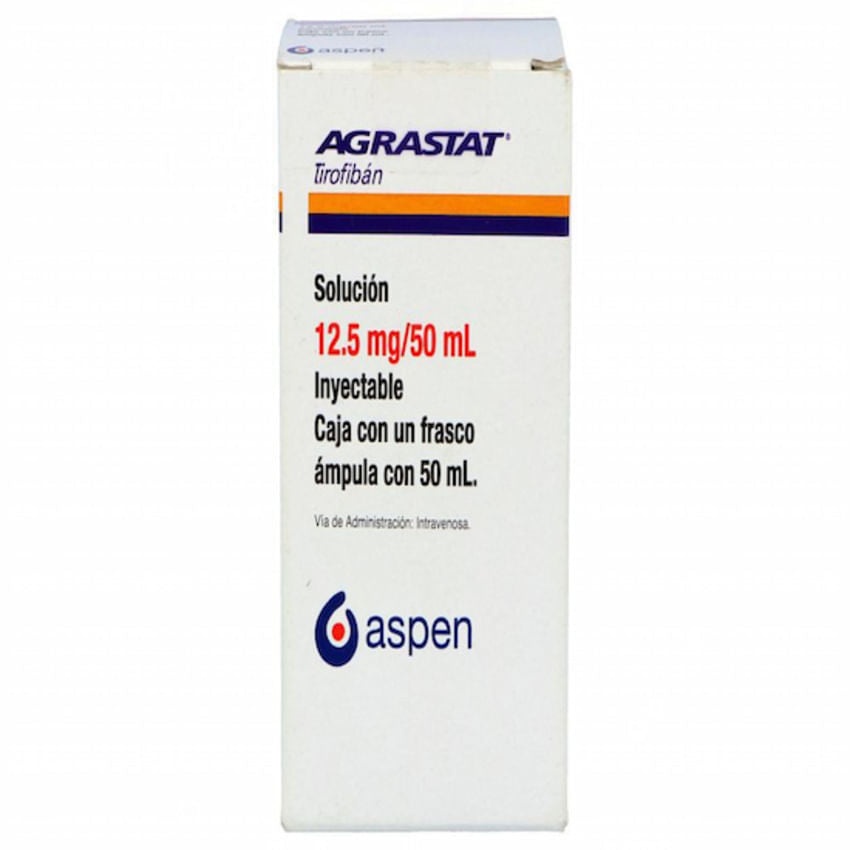
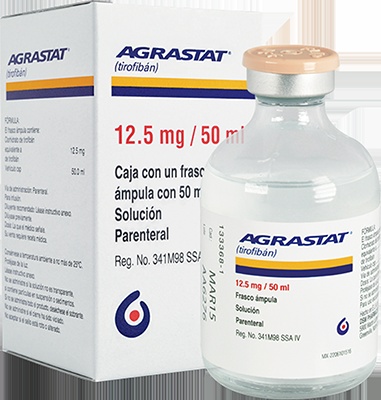
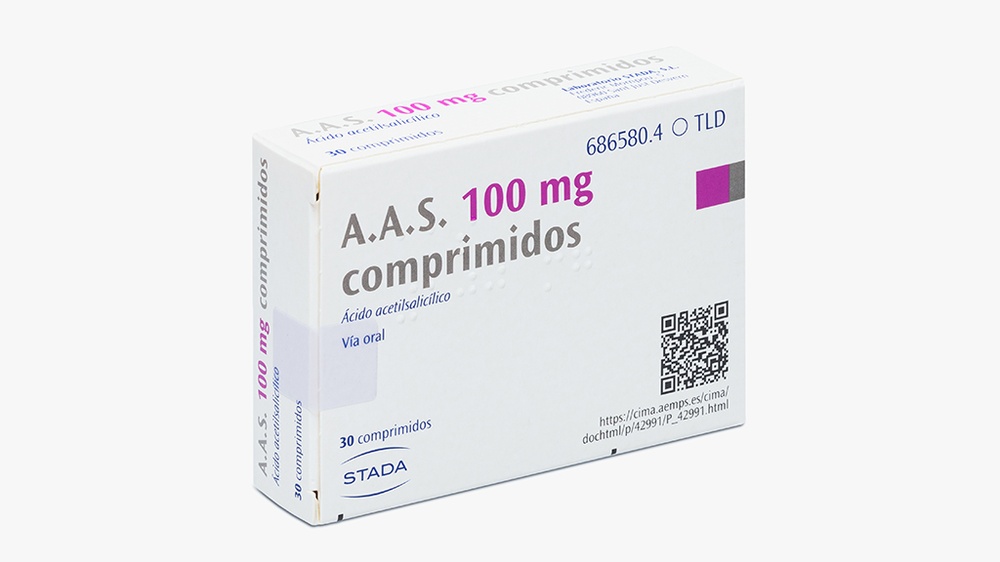
- Alternatives to TIROFIBAN ALTAN 50 micrograms/mL solution for infusionDosage form: INJECTABLE PERFUSION, 50 µg/mlActive substance: tirofibanManufacturer: Advanz Pharma LimitedPrescription requiredDosage form: INJECTABLE PERFUSION, 250 µg/mlActive substance: tirofibanManufacturer: Advanz Pharma LimitedPrescription requiredDosage form: TABLET, 100 mgActive substance: acetylsalicylic acidManufacturer: Laboratorio Stada S.L.Prescription required
Online doctors for TIROFIBAN ALTAN 50 micrograms/mL solution for infusion
Discuss questions about TIROFIBAN ALTAN 50 micrograms/mL solution for infusion, including use, safety considerations and prescription review, subject to medical assessment and local regulations.





Get TIROFIBAN ALTAN 50 micrograms/mL solution for infusion Prescription Online
Fill in a 2-min form
Tell us your symptoms, history, and what medicine you're requesting.
Pick a doctor or let us assign
Choose a specialist or we'll match you with the next available doctor.
Doctor reviews your case
Usually within 30 minutes. They may ask follow-up questions via chat.
Collect from any pharmacy
Electronic prescription sent to your email — valid across Spain.
Frequently Asked Questions
TIROFIBAN ALTAN 50 micrograms/mL solution for infusion requires a prescription in Spain. You can check with a doctor online whether this medicine may be appropriate for your situation.
The active ingredient in TIROFIBAN ALTAN 50 micrograms/mL solution for infusion is tirofiban. This information helps identify medicines with the same composition but different brand names.
TIROFIBAN ALTAN 50 micrograms/mL solution for infusion is manufactured by Altan Pharmaceuticals Sa. Pharmacy brands and packaging may differ depending on the distributor.
Doctors such as Family doctors, Psychiatrists, Dermatologists, Cardiologists, Endocrinologists, Gastroenterologists, Pulmonologists, Nephrologists, Rheumatologists, Hematologists, Infectious disease physicians, Allergists, Geriatricians, Paediatricians, Oncologists may assess whether TIROFIBAN ALTAN 50 micrograms/mL solution for infusion is appropriate, depending on your situation and local regulations. You can book an online consultation to discuss your symptoms and possible next steps.
Spain has a well-developed healthcare infrastructure across major cities such as Madrid, Barcelona, Valencia, and Seville. Pharmacies are widely available and operate under strict regulations, ensuring access to prescribed medications.
You can buy TIROFIBAN ALTAN 50 micrograms/mL solution for infusion in Madrid, Barcelona, Seville, or Valencia at any local pharmacy with a valid prescription.
To obtain a prescription, you can use Oladoctor:
Other medicines with the same active substance (tirofiban) include AGRASTAT 0.05 mg/ml SOLUTION FOR INFUSION, AGRASTAT 0.25 mg/ml CONCENTRATE FOR INFUSION SOLUTION, A.A.S. 100 mg TABLETS. These may have different brand names or formulations but contain the same therapeutic ingredient. Always consult a doctor before switching or starting a new medicine.
