


TIGETEMEL 500 mg FILM-COATED TABLETS



How to use TIGETEMEL 500 mg FILM-COATED TABLETS
Translated with AI
This page provides general information and does not replace a doctor’s consultation. Always consult a doctor before taking any medication. Seek urgent medical care if symptoms are severe.
Show originalContents of the leaflet
Introduction
Package Leaflet: Information for the User
Tigetemel 500mg film-coated tablets EFG
Paracetamol
L
Follow the instructions for administration of the medicine contained in this package leaflet or as indicated by your doctor or pharmacist.
- Keep this package leaflet, as you may need to read it again.
- If you need advice or more information, consult your pharmacist.
- If you experience side effects, consult your doctor or pharmacist, even if they are not listed in this package leaflet. See section 4.
- You should consult a doctor if it worsens or does not improve after 3 days.
Contents of the Package Leaflet
- What is Tigetemel and what is it used for
- What you need to know before taking Tigetemel
- How to take Tigetemel
- Possible side effects
- Storage of Tigetemel
- Package contents and additional information

1. What is Tigetemel and what is it used for
Tigetemel contains the active ingredient paracetamol, which belongs to a group of medicines called analgesics (pain-relieving medicines).
Tigetemel is used to relieve pain and reduce fever. The tablets can treat mild to moderate pain or fever.
Tigetemel can be used in adults and children who weigh more than 30 kg (i.e., around 9 years of age). The use of this medicine is not suitable for children under 6 years of age.
2. What you need to know before taking Tigetemel

Do not take Tigetemel:
- if you are allergic to paracetamol or any of the other ingredients of this medicine (listed in section 6).
- if you are under 6 years of age.
Warnings and Precautions
Consult your doctor or pharmacist before starting to take Tigetemel:
- If you are taking other medicines that contain paracetamol, as it can cause serious liver damage.
- If you have any liver problems (including Gilbert's syndrome or acute hepatitis).
- If you have kidney failure.
- If you have a deficiency of a certain enzyme called glucose-6-phosphate dehydrogenase.
- If you have hemolytic anemia (anemia caused by abnormal breakdown of red blood cells).
- If you have a poor nutritional status, such as due to alcoholism, lack of appetite (anorexia), or malnutrition. You may need to take a lower dose or otherwise, you could damage your liver.
- If you are asthmatic or have hypersensitivity to acetylsalicylic acid.
- If you have a high fever, signs of infection (e.g., sore throat), or if the pain lasts for more than three days.
- If you drink alcohol.

If you take paracetamol for headache for a prolonged period, the headaches could worsen or become more frequent. If you suffer from frequent or daily headaches, contact your doctor.
If you are going to have a blood or urine test, always inform your doctor that you are taking this medicine, as it may affect the test results.
Children and Adolescents
Tigetemel should not be given to children under 6 years of age.
Other Medicines and Tigetemel
Tell your doctor or pharmacist if you are taking, have recently taken, or might take any other medicines.This includes prescription medicines, medicines bought abroad, alternative medicines, and potent vitamins and minerals.
Do not use Tigetemel in combination with other medicines that contain paracetamol.
Consult your doctor if you are taking:
- Medicines used to treat nausea and vomiting (metoclopramide or domperidone).
- Medicines used to reduce cholesterol (cholestyramine).
- Medicines for treating epilepsy (such as phenytoin, carbamazepine, and lamotrigine).
- Medicines for gout (probenecid). The dose may need to be modified.
- Anticoagulants (e.g., warfarin and other coumarin derivatives). If you take Tigetemel regularly for a prolonged period, you may be at risk of bleeding.
- Salicylamide (a pain reliever).
- Medicines used to treat tuberculosis (isoniazid or rifampicin).
- Medicines that cause relaxation and drowsiness (barbiturates or carbamazepines).
- A medicine used to treat depression (St. John's Wort).
- Chloramphenicol (an antibiotic).
- Zidovudine (a medicine used to treat AIDS).
- Flucloxacillin (an antibiotic), due to a serious risk of alteration of blood and fluids (metabolic acidosis with high anion gap) that must be treated urgently and that may occur particularly in case of severe kidney failure, sepsis (when bacteria and their toxins circulate in the blood, leading to organ damage), malnutrition, chronic alcoholism, and if the maximum daily doses of paracetamol are used.
If you are going to have a blood test (such as blood test, urine test, skin allergy tests, etc.), you must inform your doctor that you are taking this medicine, as it may affect the test results.
If you are taking medicines for high cholesterol (such as cholestyramine), take Tigetemel at least one hour before or 4 to 6 hours after this medicine and inform your doctor.
Using Tigetemel with Food, Drinks, and Alcohol
You can take Tigetemel with food, although it is not necessary. You should take the paracetamol tablets with a glass of water.
It is advised not to drink large amounts of alcohol during treatment with paracetamol.
Pregnancy, Breast-feeding, and Fertility
If you are pregnant or breast-feeding, think you may be pregnant, or are planning to have a baby, ask your doctor or pharmacist for advice before taking this medicine.
Pregnancy
Tigetemel can be used during pregnancy if necessary. You should use the lowest possible dose that reduces your pain and/or fever and use it for the shortest possible time. Contact your doctor or midwife if the pain and/or fever do not improve or if you need to take the medicine more frequently.
Breast-feeding
Paracetamol is excreted in breast milk, but at therapeutic doses of paracetamol, no effects are expected in newborns/breast-fed infants. Paracetamol can be used during breast-feeding, provided that the recommended dose is not exceeded. In the case of prolonged use, caution is advised.
Fertility
No harmful effects on fertility are expected with the normal use of paracetamol. Consult your doctor or pharmacist before taking any medicine.
Driving and Using Machines
Paracetamol does not affect the ability to drive or use machines safely.
3. How to Take Tigetemel
Follow the instructions for administration of the medicine contained in this package leaflet or as indicated by your doctor or pharmacist. In case of doubt, ask your doctor or pharmacist.
The recommended dose is:
Adult Use
Adults and children over 15 years (over 55 kg body weight)
One or 2 tablets of 500 mg in a single dose, up to a maximum of 6 tablets (3000 mg) per day (24 hours). The interval between doses should be at least 4 hours.
Use in Children
The dose depends on the child's weight. If not known, the child should be weighed to select the correct dose.
This pharmaceutical form is not suitable for children under 6 years of age.
Children weighing 30-40 kg (around 9-12 years)
One 500 mg tablet in a single dose, up to a maximum of 3-4 times a day (24 hours). Between two doses, 6 to 8 hours should elapse.
Children weighing 40-55 kg (around 12-15 years)
One 500 mg tablet in a single dose, up to a maximum of 4-6 times a day (24 hours). Between two doses, 4 to 6 hours should elapse.
The minimum number of administrations per day is intended for the smallest children in a particular age group. Systematic administration (even at night) helps to alleviate pain and fever fluctuations.
- Do not use this medicine in combination with other medicines that contain paracetamol.
- Do not exceed the indicated dose.
- If the symptoms of pain or fever return, you may need to repeat the treatment with Tigetemel.
- You should stop the treatment and consult a doctor if it worsens or does not improve after 3 days or if other symptoms appear.
Kidney Failure
The dose should be reduced in case of kidney failure (renal failure). Talk to your doctor or pharmacist.
Liver Failure
In patients with liver failure or Gilbert's syndrome, the dose should be reduced or the administration interval prolonged. Talk to your doctor or pharmacist.
The effective daily dose should not exceed 60 mg/kg/day (up to a maximum of 2000 mg/day (2 g/day)) in the following situations:
- Adults weighing less than 50 kg
- Mild to moderate liver failure, Gilbert's syndrome (familial non-hemolytic jaundice)
- Dehydration
- Chronic malnutrition
- Chronic alcoholism
Follow these instructions unless your doctor tells you otherwise.
If you think the action of Tigetemel is too strong or too weak, consult your doctor or pharmacist.
Method of administration
Swallow the tablet with a glass of water.
The tablet can be divided into equal doses.
If you take more Tigetemel than you should
In case of overdose or accidental ingestion, consult your doctor or pharmacist immediately or call the toxicology information service, phone 915 620 420, indicating the medicine and the amount ingested.
Seek immediate help in case of overdose, even if you feel well, as you may be at risk of serious delayed liver damage. The symptoms of paracetamol overdose are nausea, vomiting, and decreased appetite. Unconsciousness is not usually produced.
If you forget to take Tigetemel
Do not take a double dose to make up for forgotten doses. Just continue with the recommended dose.
If you have any other questions about the use of this medicine, ask your doctor or pharmacist.
4. Possible Side Effects
Like all medicines, this medicine can cause side effects, although not everybody gets them. The possible side effects are listed below and are classified as:
Rare side effects (affect 1 to 10 users in 10,000)
- Various blood disorders, including agranulocytosis, thrombocytopenia, thrombocytopenic purpura, hemolytic anemia, leukopenia, platelet disorders (blood coagulation disorders), and stem cell disorders (disorders of the bone marrow cells that make up the blood)
- Allergic reactions
- Depression, confusion, hallucinations
- Tremors, headache
- Visual disturbances
- Edema (abnormal accumulation of fluids under the skin)
- Abdominal pain, stomach or intestinal bleeding, diarrhea, nausea, vomiting
- Abnormal liver function, liver failure, jaundice (with symptoms such as yellowing of the skin and eyes), liver necrosis (death of liver cells)
- Rash, itching, sweating, hives, red plates on the skin, angioedema, accompanied by symptoms such as swelling of the face, lips, throat, and tongue.
- Dizziness, general malaise, fever, sedation, interactions with other medicines
- Overdose and poisoning
Very rare side effects (occurring in less than 1 user in 10,000):
- Pancytopenia (decrease in the number of blood cells)
- Allergic reactions in which treatment must be discontinued, including angioedema, difficulty breathing, sweating, nausea, hypotension, shock, and anaphylaxis
- Low blood glucose concentration
- Hepatotoxicity (liver damage caused by chemicals)
- Cloudy urine and kidney disorders
- Bronchospasm (difficulty breathing) in patients with hypersensitivity to acetylsalicylic acid and other anti-inflammatory medicines
- Hematuria (blood in the urine)
- Anuria (inability to urinate)
Frequency not known (frequency cannot be estimated from available data):
- Acute generalized exanthematous pustulosis (a drug rash characterized by the appearance of numerous small sterile pustules, mainly non-follicular)
- Severe skin rash or skin peeling
- Stevens-Johnson syndrome (a severe skin disorder that can be fatal)
- Redness of the skin, blisters, or rash due to paracetamol
- A serious disease that can make the blood more acidic (called metabolic acidosis) in patients with severe disease using paracetamol (see section 2).
These symptoms should disappear after stopping the medicine. If any of the side effects become serious, consult your doctor or pharmacist.
Reporting Side Effects
If you experience any side effects, consult your doctor or pharmacist. This includes any side effects not listed in this package leaflet. You can also report them directly through the Spanish Medicines Monitoring System: www.notificaRAM.es. By reporting side effects, you can help provide more information on the safety of this medicine.
5. Storage of Tigetemel
Keep this medicine out of the sight and reach of children.
Do not use this medicine after the expiry date stated on the carton after EXP. The expiry date is the last day of the month indicated.
This medicine does not require any special storage temperature. Store in the original packaging to protect it from light.
Medicines should not be disposed of via wastewater or household waste. Dispose of the packaging and any unused medicine in the SIGRE collection point at the pharmacy or in any other medicine waste collection system. If you are unsure, ask your pharmacist how to dispose of the packaging and any unused medicine. This will help protect the environment.
6. Package Contents and Additional Information
Composition of Tigetemel
- The active ingredient is paracetamol.
- The other ingredients are pregelatinized corn starch, corn starch, povidone, stearic acid, and talc.
Coating: Opadry white (Y-1-7000): hypromellose, macrogol, titanium dioxide (E-171).
Appearance of the Product and Package Contents
Tigetemel 500 mg film-coated tablets are white, oval, scored tablets with the inscription «P 500» on one side.
The film-coated tablets are packaged in PVC/aluminum blisters and HDPE bottles with a screw cap.
Package Sizes:
Blister packs of 10, 16, 20, 30, and 50 film-coated tablets.
Bottles of 50, 100, 200, and 300 film-coated tablets.
Not all package sizes may be marketed.
Marketing Authorization Holder and Manufacturer
Marketing Authorization Holder
Neogen N.V.
Square Marie Curie 50
1070 Anderlecht, Brussels
Belgium
Manufacturer
SANTA S.A.
Str. Panselelor nr. 25, nr. 27, nr. 29,
Brasov, jud. Brasov, 500419,
Romania
This medicine is authorized in the Member States of the European Economic Area under the following names:
Denmark Paradol
Netherlands Paracetamol Neogen
Date of the last revision of this package leaflet: January 2025
Detailed and up-to-date information on this medicine is available on the website of the Spanish Agency for Medicines and Health Products (AEMPS) http://www.aemps.gob.es/.
- Country of registration
- Dosage formTABLET, 500 mg
- ATC codeN02BE01
- Active substance
- Prescription requiredNo
- Manufacturer
- This information is for reference only and does not constitute medical advice. Always consult a doctor before taking any medication. Oladoctor is not responsible for medical decisions based on this content.
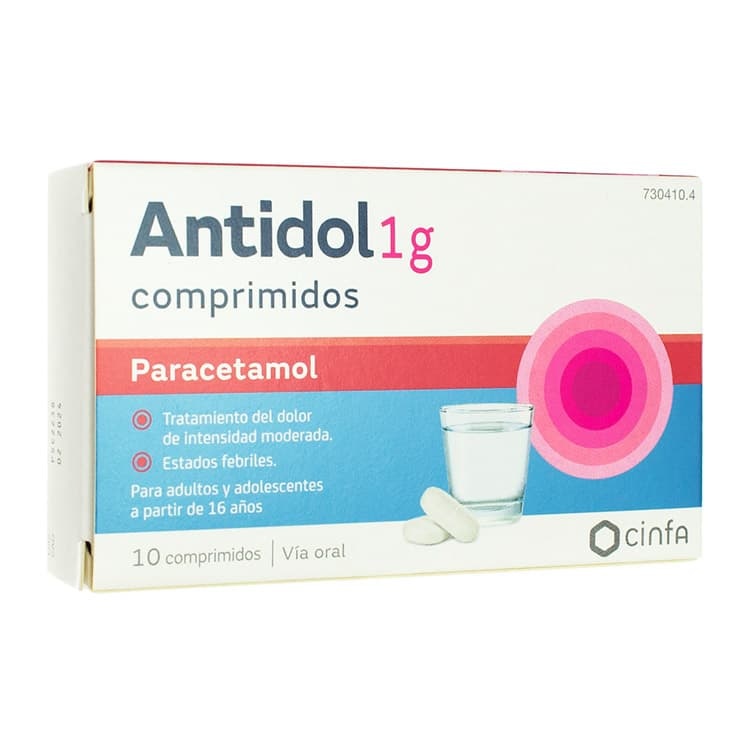
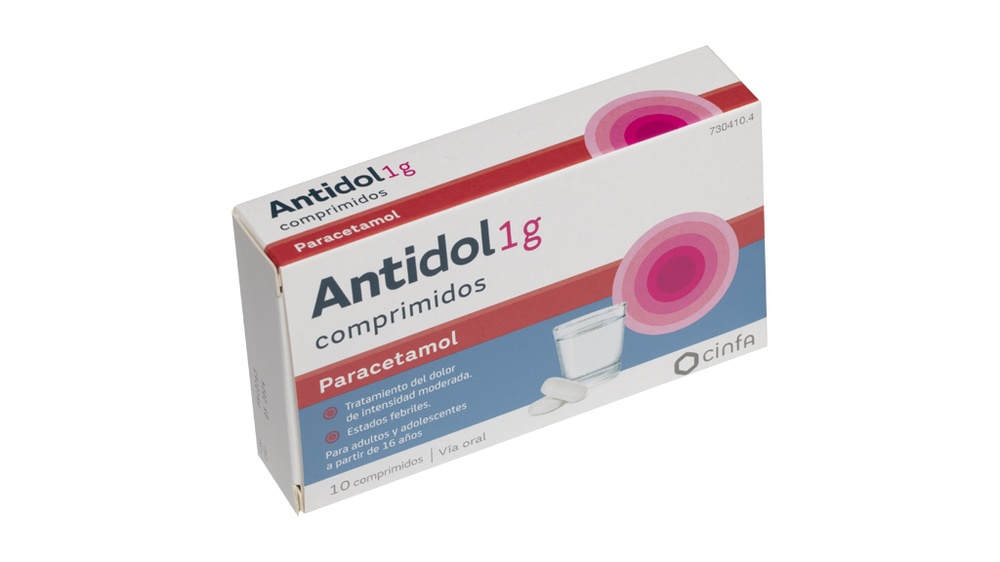
- Alternatives to TIGETEMEL 500 mg FILM-COATED TABLETSDosage form: TABLET, 1 gActive substance: paracetamolManufacturer: Uxa Farma S.A.Prescription requiredDosage form: TABLET, 1 gActive substance: paracetamolManufacturer: Laboratorios Cinfa S.A.Prescription not requiredDosage form: TABLET, 1 gActive substance: paracetamolManufacturer: Laboratorios Cinfa S.A.Prescription not required

Online doctors for TIGETEMEL 500 mg FILM-COATED TABLETS
Discuss questions about TIGETEMEL 500 mg FILM-COATED TABLETS, including use, safety considerations and prescription review, subject to medical assessment and local regulations.





.jpg)





Frequently Asked Questions
