


TICAGRELOR SANDOZ 60 mg FILM-COATED TABLETS



How to use TICAGRELOR SANDOZ 60 mg FILM-COATED TABLETS
Translated with AI
This page provides general information and does not replace a doctor’s consultation. Always consult a doctor before taking any medication. Seek urgent medical care if symptoms are severe.
Show originalContents of the leaflet
Introduction
Package Leaflet: Information for the Patient
Ticagrelor Sandoz 60 mg Film-Coated Tablets EFG
Read all of this leaflet carefully before you start taking this medicine because it contains important information for you.
- Keep this leaflet, you may need to read it again.
- If you have any further questions, ask your doctor or pharmacist.
- This medicine has been prescribed for you only. Do not pass it on to others. It may harm them, even if their signs of illness are the same as yours.
- If you get any side effects, talk to your doctor or pharmacist. This includes any possible side effects not listed in this leaflet. See section 4.
Contents of the pack
- What is Ticagrelor Sandoz and what is it used for
- What you need to know before you take Ticagrelor Sandoz
- How to take Ticagrelor Sandoz
- Possible side effects
- Storage of Ticagrelor Sandoz
- Contents of the pack and other information
1. What is Ticagrelor Sandoz and what is it used for
What is Ticagrelor Sandoz
Ticagrelor Sandoz contains the active substance ticagrelor. It belongs to a group of medicines called antiplatelet agents.
What Ticagrelor Sandoz is used for
Ticagrelor in combination with acetylsalicylic acid (another antiplatelet agent) should only be used in adults. You have been prescribed this medicine because you have had:
- a heart attack more than a year ago.
This medicine reduces the risk of you having another heart attack, a stroke, or dying from a heart or blood vessel disease.
How Ticagrelor Sandoz works
Ticagrelor works on cells called platelets (also called thrombocytes). These very small blood cells help stop bleeding by clumping together to block tiny holes in blood vessels that are cut or damaged.
However, platelets can also form clots inside damaged blood vessels in the heart and brain. This can be very dangerous because:
- the clot can completely block the blood flow; this can cause a heart attack (myocardial infarction) or a stroke, or
- the clot can partially block the blood vessels that go to the heart; this reduces blood flow to the heart and can cause intermittent chest pain (called unstable angina).
Ticagrelor helps prevent platelets from clumping together. This reduces the chance of a blood clot forming that could block blood flow.

2. What you need to know before you take Ticagrelor Sandoz
Do not take Ticagrelor Sandoz
- if you are allergic to ticagrelor or any of the other ingredients of this medicine (listed in section 6),
- if you have a current bleeding disorder,
- if you have had a stroke caused by bleeding in the brain,
- if you have severe liver disease,
- if you are taking any of the following medicines:
- ketoconazole (used to treat fungal infections),
- clarithromycin (used to treat bacterial infections),
- nefazodone (an antidepressant),
- ritonavir and atazanavir (used to treat HIV and AIDS).
Do not take ticagrelor if you are in any of the above situations. If you are unsure, consult your doctor or pharmacist before taking this medicine.
Warnings and precautions
Consult your doctor or pharmacist before taking ticagrelor if:
- you have a higher risk of bleeding due to:
- a recent severe injury,
- a recent surgical procedure (including dental procedures, ask your dentist about this),
- a disorder that affects blood clotting,
- a recent stomach or intestine bleeding (such as stomach ulcer or colon polyps),
- you need to have surgery (including dental procedures) at any time while taking ticagrelor. This is because it increases the risk of bleeding. Your doctor may want to stop your treatment with this medicine 5 days before surgery,
- your heart rate is abnormally slow (normally less than 60 beats per minute) and you do not have a device that regulates your heart (pacemaker),
- you have asthma or other lung problems or breathing difficulties,
- you develop irregular breathing patterns, such as rapid, slow, or brief pauses in breathing. Your doctor will decide if you need any further evaluation,
- you have had any liver problems or have had a disease that may have affected your liver,
- you have had a blood test that shows high levels of uric acid.
If any of the above applies to you (or if you are unsure), consult your doctor or pharmacist before taking this medicine.
If you are taking ticagrelor and heparin:
- your doctor may require a blood sample for diagnostic tests if they suspect the presence of a rare platelet disorder caused by heparin. It is essential that you inform your doctor that you are taking ticagrelor and heparin, as ticagrelor may affect the diagnostic test.
Children and adolescents
Ticagrelor is not recommended for children and adolescents under 18 years of age.
Other medicines and Ticagrelor Sandoz
Tell your doctor or pharmacist if you are taking, have recently taken, or might take any other medicines, including those obtained without a prescription. This is because ticagrelor may affect the way some medicines work and some medicines may affect ticagrelor.
Tell your doctor or pharmacist if you are taking any of the following medicines:
- rosuvastatin (a medicine used to treat high cholesterol),
- more than 40 mg daily of simvastatin or lovastatin (medicines used to treat high cholesterol levels),
- rifampicin (an antibiotic),
- phenytoin, carbamazepine, and phenobarbital (used to control epilepsy seizures),
- digoxin (used to treat heart failure),
- cyclosporin (used to reduce the body's immune response),
- quinidine and diltiazem (used to treat irregular heart rhythms),
- beta-blockers and verapamil (used to treat high blood pressure),
- morphine and other opioids (used to treat acute pain).
In particular, tell your doctor or pharmacist if you are taking any of the following medicines that increase the risk of bleeding:
- oral anticoagulants, often referred to as blood thinners, including warfarin,
- non-steroidal anti-inflammatory medicines (NSAIDs) often taken as painkillers, such as ibuprofen and naproxen,
- selective serotonin reuptake inhibitors (SSRIs) taken as antidepressants, such as paroxetine, sertraline, and citalopram,
- other medicines such as ketoconazole (used to treat fungal infections), clarithromycin (used to treat bacterial infections), nefazodone (an antidepressant), ritonavir and atazanavir (used to treat HIV and AIDS), cisapride (used to treat stomach acidity), and ergot alkaloids (used to treat migraines and headaches).
Tell your doctor that, because you are taking ticagrelor, you may have a higher risk of bleeding if your doctor gives you fibrinolytics, often referred to as clot dissolvers, such as streptokinase or alteplase.
Pregnancy and breast-feeding
Ticagrelor should not be used if you are pregnant or may become pregnant. Women should use appropriate contraceptive methods to prevent pregnancy while taking this medicine.
Consult your doctor before taking this medicine if you are breast-feeding. Your doctor will explain the benefits and risks of taking ticagrelor during this period.
If you are pregnant or breast-feeding, think you may be pregnant, or plan to become pregnant, consult your doctor or pharmacist before using this medicine.
Driving and using machines
Ticagrelor is not expected to affect your ability to drive or use machines. If you feel dizzy or confused while taking this medicine, be careful while driving or using machines.
Ticagrelor Sandoz contains sodium
This medicine contains less than 1 mmol of sodium (23 mg) per tablet; this is essentially "sodium-free".
3. How to take Ticagrelor Sandoz
Follow exactly the instructions of your doctor or pharmacist. If you are unsure, consult your doctor or pharmacist again.
How much to take
- the usual dose is one 60 mg tablet twice a day. Keep taking ticagrelor as long as your doctor tells you to,
- take this medicine at the same time every day (for example, one tablet in the morning and one in the evening).
Taking ticagrelor with other blood clotting medicines
Your doctor will also usually prescribe acetylsalicylic acid. This is a substance found in many medicines used to prevent blood clotting. Your doctor will tell you how much to take (usually between 75-150 mg daily).
How to take ticagrelor
- you can take this medicine with or without food,
- you can check when you took your last ticagrelor tablet by looking at the blister pack. A sun symbol (for morning) and a moon symbol (for evening) will appear. This will tell you if you have taken your dose.
If you have difficulty swallowing the tablet
If you have difficulty swallowing the tablet, you can crush it and mix it with water as follows:
- crush the tablet into a fine powder,
- pour the powder into half a glass of water,
- stir and drink immediately,
- to make sure there is no medicine left, rinse the empty glass with another half a glass of water and drink it.
If you are in the hospital, this tablet may be given to you mixed with a little water through a tube in your nose (nasogastric tube).
If you take more Ticagrelor Sandoz than you should
If you have taken more ticagrelor than you should, consult your doctor immediately or go to the hospital immediately. Bring the medicine pack with you. You may have a higher risk of bleeding.
In case of overdose or accidental ingestion, consult your doctor or pharmacist immediately or call the Toxicology Information Service, phone: 91 562 04 20, indicating the medicine and the amount ingested.
If you forget to take ticagrelor
- if you forget to take a dose, just take your next dose at the usual time,
- do not take a double dose (two doses at the same time) to make up for forgotten doses.
If you stop taking ticagrelor
Do not stop taking ticagrelor without consulting your doctor. Take this medicine regularly and for as long as your doctor tells you to. If you stop taking ticagrelor, you may increase the risk of having another heart attack or stroke, or dying from a heart or blood vessel disease.
If you have any further questions on the use of this product, ask your doctor or pharmacist.

4. Possible side effects
Like all medicines, this medicine can cause side effects, although not everybody gets them. With this medicine, the following side effects may occur:
Ticagrelor affects blood clotting, so most side effects are related to bleeding. Bleeding can occur anywhere in the body. Some level of bleeding is common (such as bruising and nosebleeds). Severe bleeding is rare but can be life-threatening.
Tell your doctor immediately if you notice any of the following, you may need urgent medical treatment:
- A bleeding in the brain or inside the skull is an uncommon side effect and can cause signs of a stroke such as:
- sudden numbness or weakness of the arms, legs, or face, especially if it affects only one side of the body,
- sudden confusion, difficulty speaking or understanding others,
- sudden difficulty walking or loss of balance or coordination,
- sudden feeling of dizziness or severe headache of unknown cause.
- Signs of bleeding such as:
- severe or uncontrolled bleeding,
- unexpected or prolonged bleeding,
- urine that is pink, red, or brown,
- vomiting blood or vomit that looks like coffee grounds,
- black or red stools (like tar),
- coughing or vomiting blood.
- Fainting (syncope)
- temporary loss of consciousness due to a sudden drop in blood flow to the brain (common).
- Signs of a blood clotting problem called thrombotic thrombocytopenic purpura (TTP) such as:
- fever and purple spots (called purpura) on the skin and in the mouth, with or without yellowing of the skin or eyes (jaundice), extreme tiredness or confusion.
Tell your doctor if you notice any of the following:
- Difficulty breathing, this is very common. It may be due to heart disease or another cause, or it may be a side effect of ticagrelor. The breathing difficulty related to ticagrelor is usually mild and is characterized by a sudden, unexpected need for air that occurs normally at rest and may disappear in many cases. If you think your breathing difficulty has worsened or lasts a long time, tell your doctor. They will decide if you need treatment or further investigation.
Other possible side effects
Very common (may affect more than 1 in 10 people)
- high levels of uric acid in the blood (as seen in blood tests),
- bleeding caused by blood disorders.
Common (may affect up to 1 in 10 people)
- bruising,
- headache,
- feeling dizzy or as if everything is spinning,
- diarrhea or indigestion,
- feeling sick (nausea),
- constipation,
- rash,
- itching,
- severe pain and swelling in the joints, these are signs of gout,
- feeling dizzy or faint, or blurred vision, these are signs of low blood pressure,
- nosebleeds,
- bleeding more than usual after surgery or cuts (for example, when shaving) and wounds,
- bleeding from the stomach walls (ulcer),
- bleeding gums.
Uncommon (may affect up to 1 in 100 people)
- allergic reaction, a skin rash, itching, swelling of the face or swelling of the lips/tongue may be signs of an allergic reaction,
- confusion,
- vision problems caused by bleeding in the eye,
- heavier or irregular vaginal bleeding, or bleeding between periods,
- bleeding into the joints and muscles that causes painful swelling,
- bleeding in the ear,
- internal bleeding, this can cause dizziness or fainting.
Frequency not known (cannot be estimated from the available data)
- abnormally low heart rate (normally below 60 beats per minute).
Reporting of side effects
If you experience any side effects, talk to your doctor or pharmacist, even if it is not listed in this leaflet. You can also report side effects directly to the Spanish Medicines Monitoring System for Human Use: https://www.notificaram.es. By reporting side effects, you can help provide more information on the safety of this medicine.
5. Storage of Ticagrelor Sandoz
Keep this medicine out of the sight and reach of children.
Do not use this medicine after the expiry date which is stated on the carton and blister after CAD/EXP. The expiry date is the last day of the month shown.
This medicine does not require any special storage conditions.
Medicines should not be disposed of via wastewater or household waste. Ask your pharmacist how to dispose of medicines no longer required. These measures will help protect the environment.
6. Packaging Contents and Additional Information
Composition ofTicagrelor Sandoz
- The active ingredient is ticagrelor. Each film-coated tablet contains 60 mg of ticagrelor.
- The other ingredients are:
Tablet core: mannitol (E421), calcium hydrogen phosphate dihydrate, corn starch, pregelatinized corn starch, talc (E553b), stearic acid salt and sodium.
Tablet coating: poly (vinyl alcohol) (E1203), talc (E553b), titanium dioxide (E171), glycerol monocaprylate, sodium lauryl sulfate, red iron oxide (E172), black iron oxide (E172).
Product Appearance and Packaging Contents
Film-coated tablets: the tablets are round, biconvex, pink in color, marked with “60” on one side and smooth on the other, with a diameter of 8.6 mm ± 5%.
Ticagrelor Sandoz is available in:
- standard blisters (with or without sun/moon symbols) in packs of 10, 14, 20, 56, 60, 100, and 168 tablets,
- calendar blisters (with or without sun/moon symbols) in packs of 14, 56, and 168 tablets,
- a multiple pack containing 168 (3 packs of 56), 180 (3 packs of 60), and 200 (4 packs of 50) tablets in standard blisters (with or without sun/moon symbols),
- a multiple pack containing 168 (3 packs of 56) in calendar blisters (with or without sun/moon symbols).
Only some pack sizes may be marketed.
Marketing Authorization Holder and Manufacturer
Marketing Authorization Holder
Sandoz Farmacéutica, S.A.
Centro Empresarial Parque Norte
Edificio Roble
C/ Serrano Galvache, 56
28033 Madrid
Spain
Manufacturer
Lek Pharmaceuticals d.d
Verovskova 57
1526 Ljubljana
Slovenia
or
PharOS MT Ltd.
HF62X, Hal Far Industrial Estate,
Birzebbugia BBG3000,
Malta
Date of Last Revision of this Leaflet:December 2024
Detailed information on this medicinal product is available on the website of the Spanish Agency for Medicines and Health Products (AEMPS) http://www.aemps.gob.es.
- Country of registration
- Dosage formTABLET, 60 mg
- ATC codeB01AC24
- Active substance
- Prescription requiredYes
- Manufacturer
- This information is for reference only and does not constitute medical advice. Always consult a doctor before taking any medication. Oladoctor is not responsible for medical decisions based on this content.
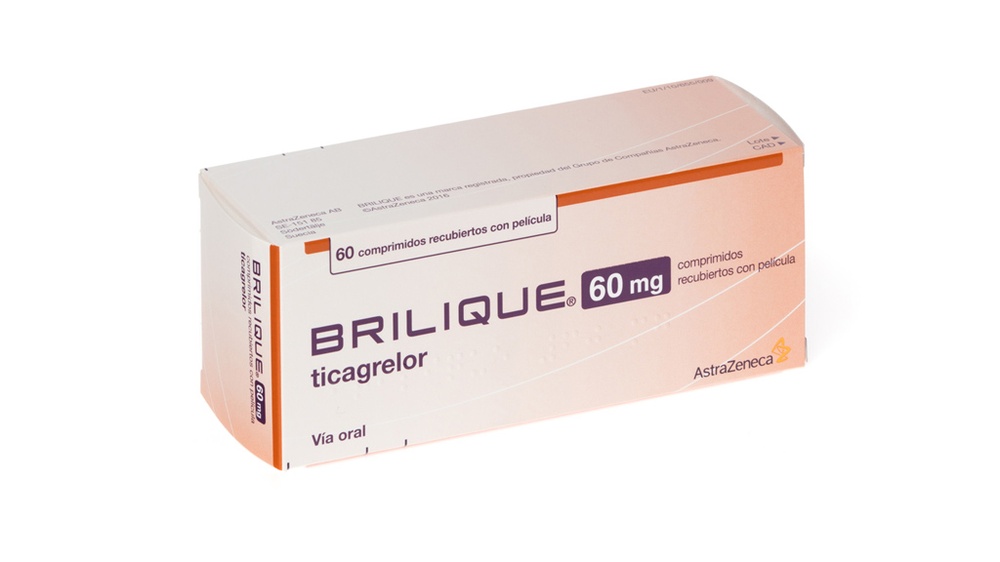
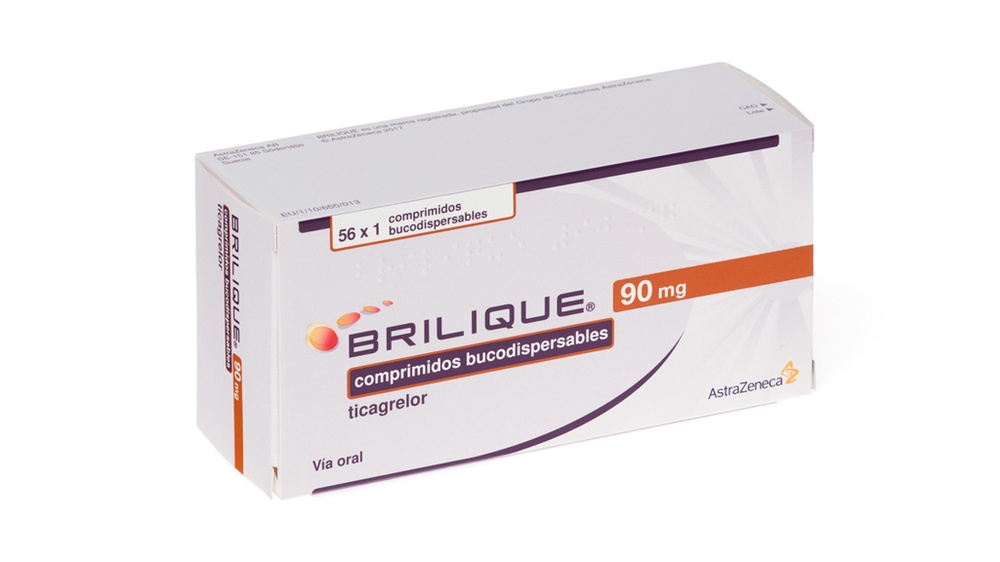
- Alternatives to TICAGRELOR SANDOZ 60 mg FILM-COATED TABLETSDosage form: TABLET, 60mgActive substance: ticagrelorManufacturer: Astrazeneca AbPrescription requiredDosage form: TABLET, 60 mgActive substance: ticagrelorManufacturer: Astrazeneca AbPrescription requiredDosage form: ORALLY DISINTEGRATING TABLET/LIOTAB, 90 mgActive substance: ticagrelorManufacturer: Astrazeneca AbPrescription required
Online doctors for TICAGRELOR SANDOZ 60 mg FILM-COATED TABLETS
Discuss questions about TICAGRELOR SANDOZ 60 mg FILM-COATED TABLETS, including use, safety considerations and prescription review, subject to medical assessment and local regulations.











Frequently Asked Questions
