



TAMOXIFENO 20 mg Film-Coated Tablets

Prescription review online
A doctor will review your case and decide whether a prescription is medically appropriate.

Talk to a doctor about this medicine
Discuss your symptoms and possible next steps in a quick online consultation.



How to use TAMOXIFEN VIATRIS 20 mg FILM-COATED TABLETS
Contents of the leaflet
- Introduction
- What is Tamoxifeno Viatris and what is it used for
- What you need to know before taking Tamoxifeno Viatris
- How to Take Tamoxifeno Viatris
- Possible Side Effects
- Storage of Tamoxifeno Viatris
- Package Contents and Additional Information
Introduction
Package Leaflet: Information for the User
Tamoxifeno Viatris 20 mg Film-Coated Tablets
Read the entire package leaflet carefully before starting to take this medication, as it contains important information for you.
- Keep this package leaflet, as you may need to read it again.
- If you have any questions, consult your doctor or pharmacist.
- This medication has been prescribed to you only, and you should not give it to others, even if they have the same symptoms as you, as it may harm them.
- If you experience side effects, consult your doctor or pharmacist, even if they are not listed in this package leaflet. See section 4.
Contents of the Package Leaflet
- What is Tamoxifeno Viatris and what is it used for
- What you need to know before taking Tamoxifeno Viatris
- How to take Tamoxifeno Viatris
- Possible side effects
- Storage of Tamoxifeno Viatris
- Package Contents and Additional Information
1. What is Tamoxifeno Viatris and what is it used for
Tamoxifeno Viatris contains the active ingredient tamoxifen and belongs to the group of medications known as antiestrogens.
Estrogen is a natural substance in your body, known as a "sex hormone". Tamoxifen works by blocking the effects of estrogen.
Tamoxifeno Viatris is indicated for certain breast conditions.

Not sure if this medicine is right for you?
Discuss your symptoms and treatment with a doctor online.
2. What you need to know before taking Tamoxifeno Viatris
Do not take Tamoxifeno Viatris:
- If you are allergic to tamoxifen or any of the other components of this medication (listed in section 6).
- If you are pregnant (see "Pregnancy, Breastfeeding, and Fertility").
Warnings and Precautions
Consult your doctor or pharmacist before starting to take Tamoxifeno Viatris.
- The concomitant administration of the following medications should be avoided, as a reduction in the effects of tamoxifen cannot be ruled out: paroxetine, fluoxetine (e.g., antidepressants), bupropion (antidepressant or used to quit smoking), quinidine (used to treat cardiac arrhythmia), and cinacalcet (for the treatment of parathyroid disorders).
- If you are using a contraceptive method. Consult your doctor about the contraceptive methods you should use, as some may be affected by this medication.
- It is essential that you immediately inform your doctor if you experience any unusual vaginal bleeding or other gynecological symptoms (such as pelvic pain or pressure) during treatment with tamoxifen or at any time thereafter. This is because certain changes may occur in the uterus (endometrium), some of which can be severe.
- Before starting treatment with this medication, it is essential that you inform your doctor if you or a family member has a history of blood clots or any known hereditary condition that increases the risk of blood clot formation.
- In the event of hospitalization, inform the healthcare staff that you are taking tamoxifen.
- In a delayed breast reconstruction surgery (weeks or years after the primary breast surgery, when your own tissue is moved to shape a new breast), tamoxifen may increase the risk of blood clot formation in the small blood vessels of the tissue graft, which can lead to complications.
- This medication contains tamoxifen, which may produce a positive result in doping tests.
- Severe skin reactions, including Stevens-Johnson syndrome and toxic epidermal necrolysis, have been reported in association with tamoxifen treatment. If you notice any symptoms related to these severe skin reactions, stop using tamoxifen and seek medical attention immediately.
- If you have a history of hereditary angioedema, as tamoxifen may trigger or worsen the symptoms of hereditary angioedema. If you experience symptoms such as swelling of the face, lips, tongue, and/or throat with difficulty swallowing or breathing, contact a doctor immediately.
Children and Adolescents
Tamoxifen should not be administered to children/adolescents, as its safety and efficacy have not been established in this age group.
Taking Tamoxifeno Viatris with Other Medications
Inform your doctor or pharmacist if you are taking, have recently taken, or may need to take any other medication.
Never take another medication on your own initiative without your doctor's recommendation, as some combinations should be avoided.
In particular, you should inform your doctor if you are taking any of the following medications:
- Warfarin (an oral anticoagulant to prevent blood clots).
- Rifampicin (for tuberculosis).
- Aromatase inhibitors such as anastrozole, letrozole, or exemestane (used to treat breast cancer).
- Paroxetine, fluoxetine (antidepressants).
- Bupropion (antidepressant or used to quit smoking).
- Quinidine (used to treat cardiac arrhythmia).
- Cinacalcet (for the treatment of parathyroid disorders).
Pregnancy, Breastfeeding, and Fertility
If you are pregnant or breastfeeding, think you may be pregnant, or plan to become pregnant, consult your doctor or pharmacist before using this medication.
Men and women should use an effective contraceptive method during tamoxifen treatment, and women should continue for at least 7 months and men for at least 4 months after treatment is completed.
During tamoxifen treatment or for 2 months after stopping the medication, you should not become pregnant.
Do not take tamoxifen if you are breastfeeding, unless your doctor has analyzed the risks and benefits involved. It is not known whether tamoxifen passes into human milk.
Driving and Using Machines
Tamoxifen's influence on the ability to drive and use machines is small.
However, fatigue has been reported with the use of tamoxifen, so caution should be exercised when driving or using machines while these symptoms persist.
Tamoxifeno Viatris Contains Lactose, Orange Yellow S (E-110), and Sodium
This medication contains lactose. If your doctor has told you that you have an intolerance to certain sugars, consult with them before taking this medication.
This medication may cause allergic reactions because it contains Orange Yellow S (E-110). It can cause asthma, especially in patients allergic to acetylsalicylic acid.
This medication contains less than 23 mg of sodium (1 mmol) per tablet; it is essentially "sodium-free".
3. How to Take Tamoxifeno Viatris
Follow your doctor's or pharmacist's instructions for taking this medication exactly. If you are unsure, consult your doctor or pharmacist again.
Taking Tamoxifeno Viatris
- The recommended dose is 1 tablet (20 mg) to 2 tablets (40 mg) daily.
- Tamoxifen is usually taken once or twice a day.
- Swallow the tablets whole with the help of water.
- Try to take the tablet at the same time every day.
Do not stop taking your tablets even if you feel well, unless your doctor tells you to do so.
Use in Children and Adolescents
Tamoxifen should not be administered to children/adolescents, as its safety and efficacy have not been established in this age group.
If You Take More Tamoxifeno Viatris Than You Should
In case of overdose or accidental ingestion, consult your doctor or pharmacist immediately or call the Toxicology Information Service, phone 91 562 04 20, indicating the medication and the amount ingested, or go to the emergency department of the nearest hospital.
If You Forget to Take Tamoxifeno Viatris
If you forget a dose, take it as soon as you remember. Do not take a double dose to make up for the missed doses.
If You Stop Taking Tamoxifeno Viatris
Your doctor will indicate the duration of your treatment with tamoxifen. Do not stop treatment before your doctor tells you to do so.
If you have any other questions about the use of this medication, ask your doctor or pharmacist.

Started taking the medicine and have questions?
Discuss your symptoms and treatment with a doctor online.
4. Possible Side Effects
Like all medications, this medication can cause side effects, although not everyone will experience them.
Stop taking tamoxifen and inform your doctor immediately if you notice any of the following symptoms or side effects, as you may need urgent medical treatment:
- Red patches without relief, in a target or circular shape on the trunk, often with central blisters, skin peeling, ulcers in the mouth, throat, nose, genitals, and eyes. These severe skin rashes can be preceded by fever and flu-like symptoms (Stevens-Johnson syndrome, toxic epidermal necrolysis); these side effects occur rarely.
- Swelling of the face, lips, tongue, or throat, difficulty swallowing or breathing (angioedema). Tamoxifen can cause or worsen the symptoms of hereditary angioedema.
Very Common (May Affect More Than 1 in 10 Patients):
- Metabolic and nutritional disorders: Fluid retention.
- Vascular disorders: Hot flashes.
- Gastrointestinal disorders: Nausea.
- Skin and subcutaneous tissue disorders: Rash.
- Reproductive system and breast disorders: Vaginal bleeding, vaginal discharge.
- General disorders and administration site conditions: Fatigue.
Common (May Affect Up to 1 in 10 Patients):
- Benign, malignant, and unspecified neoplasms (including cysts and polyps): Uterine fibroids.
- Blood and lymphatic system disorders: Anemia (decrease in red blood cells).
- Immune system disorders: Hypersensitivity reactions (allergic reactions).
- Nervous system disorders: Sudden weakness or paralysis of the arms or legs, sudden difficulty speaking, walking, holding things, or thinking (any of which may occur due to decreased blood flow to the brain and these symptoms may be a sign of a stroke), headache, dizziness, sensory disturbances (including taste disorders and numbness or tingling of the skin).
- Eye disorders: Cataracts, changes in the retina.
- Gastrointestinal disorders: Vomiting, diarrhea, constipation.
- Hepatobiliary disorders: Changes in liver enzymes, fatty liver.
- Skin and subcutaneous tissue disorders: Hair loss.
- Musculoskeletal and connective tissue disorders: Leg cramps, muscle pain.
- Reproductive system and breast disorders: Itching around the vagina, endometrial changes (inside the uterus).
- Investigations: Increased blood fat levels.
- Disorders affecting multiple organs or systems: Increased risk of blood clots (including clots in small blood vessels).
Uncommon (May Affect Up to 1 in 100 Patients):
- Benign, malignant, and unspecified neoplasms (including cysts and polyps): Endometrial tumor (inside the uterus).
- Blood and lymphatic system disorders: Thrombocytopenia (decrease in platelet count), leucopenia (decrease in white blood cell count).
- Metabolic and nutritional disorders: Elevated calcium levels in the blood (in patients with bone metastases).
- Eye disorders: Vision changes.
- Respiratory, thoracic, and mediastinal disorders: Inflammation of the lung area, which can present with the same symptoms as pneumonia, such as difficulty breathing and coughing.
- Gastrointestinal disorders: Pancreatitis (pain or sensitivity in the upper abdominal area).
- Hepatobiliary disorders: Liver cirrhosis (symptoms can include general discomfort, with or without yellowing of the skin and eyes), which has occasionally resulted in death.
Rare (May Affect Up to 1 in 1,000 Patients):
- Benign, malignant, and unspecified neoplasms (including cysts and polyps): Uterine tumor (uterus), symptoms related to the disease.
- Blood and lymphatic system disorders: Neutropenia (decrease in neutrophil count), isolated decrease in the levels of a specific type of white blood cell (agranulocytosis).
- Nervous system disorders: Optic nerve inflammation and, in a small number of cases, vision loss (caused by optic nerve inflammation).
- Eye disorders: Corneal changes, optic nerve disorders, and, in a small number of cases, vision loss (caused by optic nerve disorders).
- Hepatobiliary disorders: Hepatitis, bile flow stoppage, liver failure, liver cell damage (symptoms can include general discomfort, with or without yellowing of the skin and eyes), which has occasionally resulted in death.
- Skin and subcutaneous tissue disorders: Angioedema (swelling of the face, lips, tongue, and/or throat), inflammation of the small blood vessels in the skin that triggers a skin rash, severe skin reactions with lesions, ulcers, or blisters.
- Reproductive system and breast disorders: Endometrial disorders, ovarian cysts, vaginal polyps (non-tumoral mass inside the vagina).
Very Rare (May Affect Up to 1 in 10,000 Patients):
- Skin and subcutaneous tissue disorders: Cutaneous lupus erythematosus (skin inflammation characterized by a rash or redness, especially in areas exposed to light).
- Congenital, familial, and genetic disorders: Skin disorder characterized by the presence of blisters due to the increased production of a special group of pigments (called porphyrins) by the liver.
If you experience symptoms of a blood clot such as swelling in the calf or leg, chest pain, shortness of breath, or sudden weakness, STOP TAKING tamoxifen and contact your doctor immediately.
Reporting Side Effects
If you experience any side effects, consult your doctor or pharmacist, even if they are not listed in this package leaflet. You can also report them directly through the Spanish Medication Surveillance System for Human Use: https://www.notificaram.es. By reporting side effects, you can contribute to providing more information on the safety of this medication.
5. Storage of Tamoxifeno Viatris
Keep this medication out of the sight and reach of children.
Do not use this medication after the expiration date stated on the packaging after CAD or EXP. The expiration date is the last day of the month indicated.
Store in the original packaging to protect it from light.
Medications should not be disposed of through wastewater or household waste. Deposit the packaging and any unused medication in the SIGRE collection point at the pharmacy. If you have any questions, ask your pharmacist how to dispose of the packaging and any unused medication. This will help protect the environment.
6. Package Contents and Additional Information
Composition of Tamoxifeno Viatris
- The active ingredient is tamoxifen (as citrate). Each tablet contains 30.34 mg of tamoxifen citrate, equivalent to 20.0 mg of tamoxifen.
- The other ingredients are: cornstarch, lactose, povidone (E-1201), Orange Yellow S (E-110), sodium croscarmellose (E-468), magnesium stearate (E-470b), colloidal silica, talc (E-553b), and hypromellose (E-464).
Appearance of the Product and Package Contents
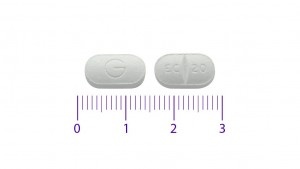
The film-coated tablets are orange, round, biconvex, engraved with "20" on the upper surface, and have a smooth lower surface.
Tamoxifeno Viatris is available in packages of 30 and 60 film-coated tablets, packaged in blisters.
Not all package sizes may be marketed.
Marketing Authorization Holder
Viatris Pharmaceuticals, S.L.U.
C/ General Aranaz, 86
28027 - Madrid
Spain
Manufacturer
Prasfarma, S.L.
C/ Sant Joan, 11-15
08560 - Manlleu, Barcelona
Spain
Date of the Last Revision of this Package Leaflet:August 2024
Detailed information about this medication is available on the website of the Spanish Agency for Medicines and Health Products (AEMPS) https://www.aemps.gob.es/
- Country of registration
- Dosage formTABLET, 20 mg
- ATC codeL02BA01
- Average pharmacy price5.06 EUR
- Active substance
- Prescription requiredYes
- Manufacturer
- CompositionAMARILLO ANARANJADO S (E 110, CI=15985) (1,0 mg mg), LACTOSA (85,3 mg mg), CROSCARMELOSA SODICA (6,0 mg mg)
- This information is for reference only and does not constitute medical advice. Always consult a doctor before taking any medication. Oladoctor is not responsible for medical decisions based on this content.
- Alternatives to TAMOXIFEN VIATRIS 20 mg FILM-COATED TABLETSDosage form: TABLET, 10 mgActive substance: tamoxifenManufacturer: Laboratorios Cinfa S.A.Prescription requiredDosage form: TABLET, 20 mgActive substance: tamoxifenManufacturer: Laboratorios Cinfa S.A.Prescription requiredDosage form: TABLET, 20 mgActive substance: tamoxifenManufacturer: Teva Pharma S.L.U.Prescription required
Online doctors for TAMOXIFEN VIATRIS 20 mg FILM-COATED TABLETS
Discuss questions about TAMOXIFEN VIATRIS 20 mg FILM-COATED TABLETS, including use, safety considerations and prescription review, subject to medical assessment and local regulations.


Get TAMOXIFEN VIATRIS 20 mg FILM-COATED TABLETS Prescription Online
Fill in a 2-min form
Tell us your symptoms, history, and what medicine you're requesting.
Pick a doctor or let us assign
Choose a specialist or we'll match you with the next available doctor.
Doctor reviews your case
Usually within 30 minutes. They may ask follow-up questions via chat.
Collect from any pharmacy
Electronic prescription sent to your email — valid across Spain.
Frequently Asked Questions
TAMOXIFEN VIATRIS 20 mg FILM-COATED TABLETS requires a prescription in Spain. You can check with a doctor online whether this medicine may be appropriate for your situation.
The active ingredient in TAMOXIFEN VIATRIS 20 mg FILM-COATED TABLETS is tamoxifen. This information helps identify medicines with the same composition but different brand names.
The average pharmacy price for TAMOXIFEN VIATRIS 20 mg FILM-COATED TABLETS is around 5.06 EUR. Prices may vary depending on the manufacturer and dosage form.
TAMOXIFEN VIATRIS 20 mg FILM-COATED TABLETS is manufactured by Viatris Pharmaceuticals S.L.U.. Pharmacy brands and packaging may differ depending on the distributor.
Doctors such as Family doctors, Psychiatrists, Dermatologists, Cardiologists, Endocrinologists, Gastroenterologists, Pulmonologists, Nephrologists, Rheumatologists, Hematologists, Infectious disease physicians, Allergists, Geriatricians, Paediatricians, Oncologists may assess whether TAMOXIFEN VIATRIS 20 mg FILM-COATED TABLETS is appropriate, depending on your situation and local regulations. You can book an online consultation to discuss your symptoms and possible next steps.
Spain has a well-developed healthcare infrastructure across major cities such as Madrid, Barcelona, Valencia, and Seville. Pharmacies are widely available and operate under strict regulations, ensuring access to prescribed medications.
You can buy TAMOXIFEN VIATRIS 20 mg FILM-COATED TABLETS in Madrid, Barcelona, Seville, or Valencia at any local pharmacy with a valid prescription.
To obtain a prescription, you can use Oladoctor:
Other medicines with the same active substance (tamoxifen) include TAMOXIFENE CINFA 10 mg TABLETS, TAMOXIFENE CINFA 20 mg TABLETS, TAMOXIFEN TEVA 20 mg TABLETS. These may have different brand names or formulations but contain the same therapeutic ingredient. Always consult a doctor before switching or starting a new medicine.
