






How to use SURMENALIT 200 mg FILM-COATED TABLETS
Translated with AI
This page provides general information and does not replace a doctor’s consultation. Always consult a doctor before taking any medication. Seek urgent medical care if symptoms are severe.
Show originalContents of the leaflet
Introduction
Leaflet: information for the user
Surmenalit 200 mg coated tablets
sulbutiamine
Read this leaflet carefully before starting to take this medication, as it contains important information for you.
- Keep this leaflet, as you may need to read it again.
- If you have any questions, consult your doctor or pharmacist.
- This medication has been prescribed to you only and should not be given to others, even if they have the same symptoms as you, as it may harm them.
- If you experience side effects, consult your doctor or pharmacist, even if they are not listed in this leaflet. See section 4.
Contents of theleaflet
- What Surmenalit 200 mg coated tablets are and what they are used for
- What you need to know before taking Surmenalit 200 mg coated tablets
- How to take Surmenalit 200 mg coated tablets
- Possible side effects
- Storage of Surmenalit 200 mg coated tablets
- Package contents and additional information
1. What Surmenalit 200 mg tablets are and what they are used for
Surmenalit is a derivative of vitamin B1 (also known as thiamine).
It is indicated in states of thiamine deficiency (vitamin B1) in adults with apathy and reduced activity.

2. What you need to know before taking Surmenalit 200 mg tablets
Do not take Surmenalit
- If you are allergic (hypersensitive) to the active ingredient or any of the other components of this medication (listed in section 6).
- If you are allergic to milk proteins since it contains casein.
- If you are allergic to vitamin B1 or any of its derivatives.
Warnings and precautions
Consult your doctor or pharmacist before starting to take Surmenalit 200 mg tablets
- If you are over 65 years old. In this case, the dose should be reduced.
- If you notice mild agitation or symptoms of allergy to the medication, discontinue treatment and consult your doctor.
Interference with analytical tests: If you are going to undergo any diagnostic tests (such as blood tests, urine tests, etc.), inform your doctor that you are using this medication, as it may alter the results, for example, in tests for determining uric acid, urobilinogen, and theophylline.
Children and adolescents
This medication should not be administered to children and adolescents under 18 years of age, as there are no specific studies on the administration of Surmenalit in this population.
Other medications and Surmenalit
Inform your doctor or pharmacist if you are using, have recently used, or may need to use any other medication, including those purchased without a prescription.
Surmenalit may interact with the following medications:
- Diuretics (treatment of high blood pressure): may increase the excretion of thiamine in urine.
- Neuromuscular blockers (muscle relaxants): concomitant use of sulbutiamine with these drugs may increase the effects of neuromuscular blockers.
Taking Surmenalit with food and drinks
Surmenalit can be taken with all types of food and non-alcoholic beverages.
Pregnancy and breastfeeding
If you are pregnant or breastfeeding, think you may be pregnant, or plan to become pregnant, consult your doctor or pharmacist before using this medication.
Pregnancy
Due to the lack of data on the use of sulbutiamine in pregnant women, its use is not recommended during pregnancy.
In case of becoming pregnant during treatment with sulbutiamine, consult your doctor to evaluate the benefit of treatment versus the risk to the fetus.
Breastfeeding
It is unknown whether sulbutiamine is excreted in breast milk.
Due to the lack of data on the potential risks of sulbutiamine in newborns, its use is not recommended during breastfeeding, unless your doctor indicates otherwise.
Driving and using machines
No studies have been conducted on the effects of Surmenalit on the ability to drive and use machines.
Surmenalit 200 mg tablets contain orange yellow S (E-110) dye and milk proteins
This medication may cause allergic reactions because it contains orange yellow S (E-110) dye. It can cause asthma, especially in patients allergic to acetylsalicylic acid.
This medication may cause allergic reactions in patients with milk protein allergy.
3. How to take Surmenalit 200 mg tablets
Follow the administration instructions of this medication exactly as indicated by your doctor or pharmacist. Do not take more medication or more frequently than indicated. If you do, you may increase the possibility of an overdose.
In case of doubt, consult your doctor or pharmacist again.
The recommended dose is:
Adults
The recommended dose ranges from 400 mg to 600 mg per day, administered in 2 or 3 doses (1 coated tablet 2-3 times a day).
Treatment should not exceed one month continuously. The maximum dose of 600 mg/day should not be exceeded.
Elderly
The recommended dose is 200 mg (1 coated tablet) per day.
Patients with hepatic or renal insufficiency
There is not enough information on the use of sulbutiamine in patients with hepatic and/or renal insufficiency.
Tablets should be taken with a glass of water.
If taking 2 tablets, divide the doses between breakfast and lunch, as taking them after noon may interfere with sleep.
If you think the effect of Surmenalit is too strong or too weak, please inform your doctor or pharmacist.
If you take more Surmenalit than you should
In case of overdose, agitation, euphoria, and tremors of the limbs may appear. These symptoms are usually transient, and treatment will be symptomatic.
In case of overdose or accidental ingestion, consult your doctor or pharmacist immediately or contact the emergency service of the nearest hospital and bring the medication with you. You can also call the Toxicology Information Service at 91.562.04.20, indicating the medication and the amount ingested.
If you forget to take Surmenalit
Do not take a double dose to make up for forgotten doses. If you forget to take a dose of Surmenalit, take the next dose at the usual time.
If you interrupt treatment with Surmenalit
Do not interrupt treatment unless your doctor indicates it.
If you have any other questions about the use of this medication, ask your doctor or pharmacist.

4. Possible side effects
Like all medications, this medication can cause side effects, although not everyone experiences them. The side effects of Surmenalit are rare if the doses are adjusted as recommended, except in special situations.
The effects that may appear are:
Effects on the nervous system
Rare(affect 1 to 10 in 10,000 patients): tremors, headache.
Psychiatric effects
Rare(affect 1 to 10 in 10,000 patients): mild agitation, excitement, sleep disturbances
Effects on the stomach and intestines
Uncommon(affect 1 to 10 in 1,000 patients): abdominal pain, nausea, vomiting.
Frequency not known(cannot be estimated from available data): diarrhea
Effects on the skin
Rare(affect 1 to 10 in 10,000 patients): skin rash
General effects and alterations at the administration site
Rare(affect 1 to 10 in 10,000 patients): discomfort
*This medication contains orange yellow S (E-110) dye and may cause allergic reactions; it can cause asthma, especially in patients allergic to acetylsalicylic acid.
Reporting side effects
If you experience any type of side effect, consult your doctor or pharmacist, even if it is not listed in this leaflet. You can also report them directly through the Spanish Medication Surveillance System for Human Use: www.notificaRAM.es. By reporting side effects, you can contribute to providing more information on the safety of this medication.
5. Storage of Surmenalit 200 mg tablets
Keep this medication out of the sight and reach of children.
No special storage conditions are required.
Do not use this medication after the expiration date shown on the packaging after CAD. The expiration date is the last day of the month indicated.
Medications should not be thrown down the drain or into the trash. Deposit the packaging and unused medications at the SIGRE point in the pharmacy. If in doubt, ask your pharmacist how to dispose of the packaging and medications you no longer need. This will help protect the environment.
6. Package contents and additional information
Composition of Surmenalit 200 mg tablets
- The active ingredient is sulbutiamine. Each coated tablet contains 200 mg of sulbutiamine.
- The other components (excipients) are: microcrystalline cellulose, casein formalin, magnesium stearate (E-572), titanium dioxide (E-171), methacrylic acid copolymer, ethyl phthalate, and orange yellow S (E-110) dye.
Appearance of the product and package contents
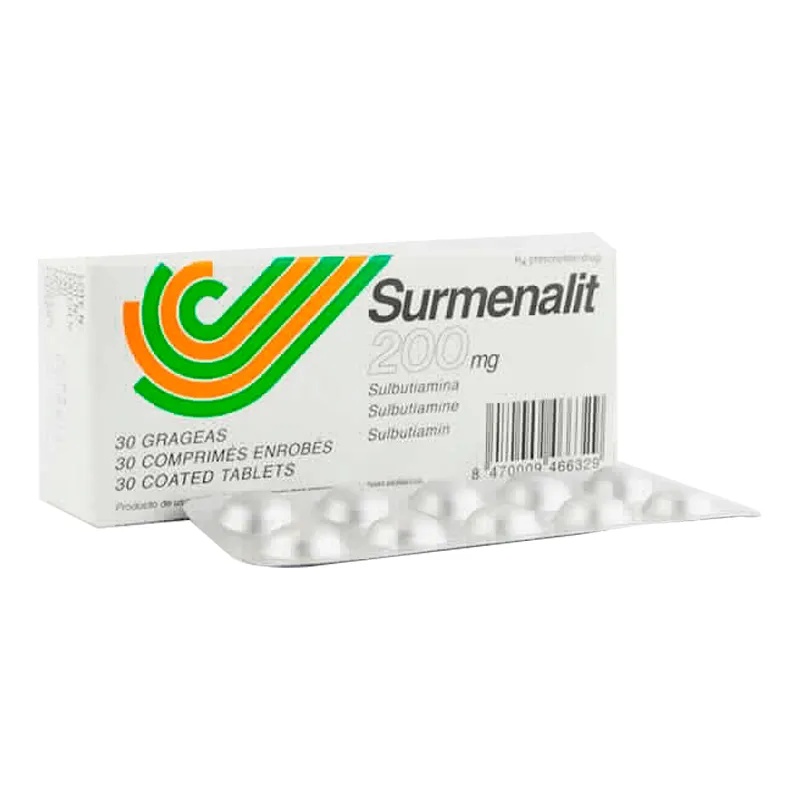
Each package contains 30 orange-colored coated tablets.
Marketing authorization holder
Faes Farma, S.A.
Autonomia Etorbidea, 10
48940 Leioa (Bizkaia)
Spain
Manufacturer
Faes Farma, S.A.
Maximo Agirre Kalea, 14
48940 Leioa (Bizkaia)
Spain
Date of the last revision of this leaflet: September 2021
Detailed information about this medication is available on the website of the Spanish Agency for Medicines and Health Products (AEMPS) http://www.aemps.gob.es
-

- Country of registration
- Dosage formTABLET, {"pl":null}
- ATC codeA11DA02
- Active substance
- Prescription requiredYes
- Manufacturer
- This information is for reference only and does not constitute medical advice. Always consult a doctor before taking any medication. Oladoctor is not responsible for medical decisions based on this content.
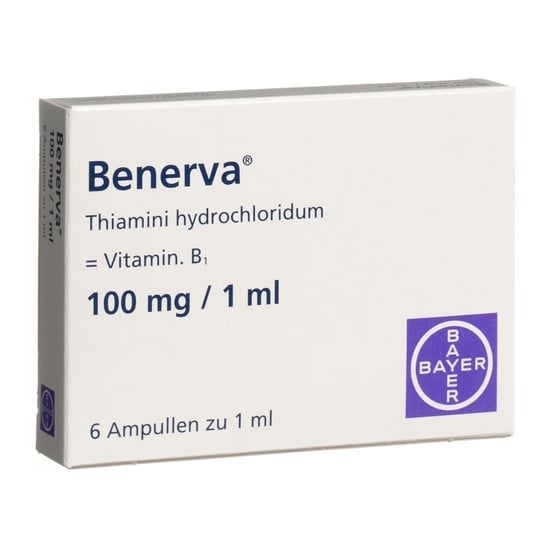
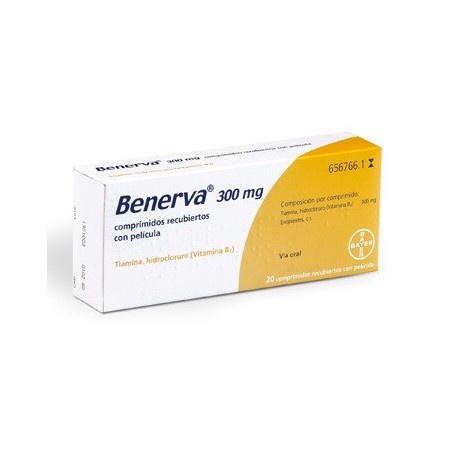
- Alternatives to SURMENALIT 200 mg FILM-COATED TABLETSDosage form: INJECTABLE, 100 mgActive substance: thiamine (vit B1)Manufacturer: Teofarma S.R.L.Prescription requiredDosage form: TABLET, 300 mgActive substance: thiamine (vit B1)Manufacturer: Teofarma S.R.L.Prescription not requiredDosage form: TABLET, 300 mgActive substance: benfotiamineManufacturer: Aaa-Pharma GmbhPrescription not required
Online doctors for SURMENALIT 200 mg FILM-COATED TABLETS
Discuss questions about SURMENALIT 200 mg FILM-COATED TABLETS, including use, safety considerations and prescription review, subject to medical assessment and local regulations.









Get SURMENALIT 200 mg FILM-COATED TABLETS Prescription Online
Fill in a 2-min form
Tell us your symptoms, history, and what medicine you're requesting.
Pick a doctor or let us assign
Choose a specialist or we'll match you with the next available doctor.
Doctor reviews your case
Usually within 30 minutes. They may ask follow-up questions via chat.
Collect from any pharmacy
Electronic prescription sent to your email — valid across Spain.
Frequently Asked Questions
SURMENALIT 200 mg FILM-COATED TABLETS requires a prescription in Spain. You can check with a doctor online whether this medicine may be appropriate for your situation.
The active ingredient in SURMENALIT 200 mg FILM-COATED TABLETS is sulbutiamine. This information helps identify medicines with the same composition but different brand names.
SURMENALIT 200 mg FILM-COATED TABLETS is manufactured by Faes Farma S.A.. Pharmacy brands and packaging may differ depending on the distributor.
Doctors such as Family doctors, Psychiatrists, Dermatologists, Cardiologists, Endocrinologists, Gastroenterologists, Pulmonologists, Nephrologists, Rheumatologists, Hematologists, Infectious disease physicians, Allergists, Geriatricians, Paediatricians, Oncologists may assess whether SURMENALIT 200 mg FILM-COATED TABLETS is appropriate, depending on your situation and local regulations. You can book an online consultation to discuss your symptoms and possible next steps.
Spain has a well-developed healthcare infrastructure across major cities such as Madrid, Barcelona, Valencia, and Seville. Pharmacies are widely available and operate under strict regulations, ensuring access to prescribed medications.
You can buy SURMENALIT 200 mg FILM-COATED TABLETS in Madrid, Barcelona, Seville, or Valencia at any local pharmacy with a valid prescription.
To obtain a prescription, you can use Oladoctor:
Other medicines with the same active substance (sulbutiamine) include BENERVA 100 mg/ml INJECTABLE SOLUTION, BENERVA 300 mg FILM-COATED TABLETS, MELGAMA 300 MG FILM-COATED TABLETS. These may have different brand names or formulations but contain the same therapeutic ingredient. Always consult a doctor before switching or starting a new medicine.
