


TRAMADOL/PARACETAMOL TEVA-RATIOPHARM 37.5 mg/325 mg FILM-COATED TABLETS



How to use TRAMADOL/PARACETAMOL TEVA-RATIOPHARM 37.5 mg/325 mg FILM-COATED TABLETS
Translated with AI
This page provides general information and does not replace a doctor’s consultation. Always consult a doctor before taking any medication. Seek urgent medical care if symptoms are severe.
Show originalContents of the leaflet
- Introduction
- What is Tramadol/Paracetamol Teva-ratiopharm and what is it used for
- What you need to know before you take Tramadol/Paracetamol ratiopharm
- How to take Tramadol/Paracetamol Teva-ratiopharm
- Possible side effects
- Conservation of Tramadol/Paracetamol Teva-ratiopharm
- Package contents and additional information
Introduction
Package Leaflet: Information for the User
Tramadol/Paracetamol Teva-ratiopharm 37.5 mg/325 mg
film-coated tablets EFG
tramadol hydrochloride/paracetamol
Read all of this leaflet carefully before you start taking this medicine because it contains important information for you.
- Keep this leaflet, you may need to read it again.
- If you have any further questions, ask your doctor or pharmacist.
- This medicine has been prescribed for you only. Do not pass it on to others. It may harm them, even if their signs of illness are the same as yours.
- If you get any side effects, talk to your doctor or pharmacist. This includes any possible side effects not listed in this leaflet. See section 4.
Contents of the pack:
- What is Tramadol/Paracetamol Teva-ratiopharm and what is it used for
- What you need to know before you take Tramadol/Paracetamol Teva-ratiopharm
- How to take Tramadol/Paracetamol Teva-ratiopharm
- Possible side effects
- Storage of Tramadol/Paracetamol Teva-ratiopharm
- Package contents and further information

1. What is Tramadol/Paracetamol Teva-ratiopharm and what is it used for
Tramadol/paracetamol is a combination of two pain relievers: tramadol and paracetamol, which work together to relieve pain.
Tramadol/paracetamol is indicated for the symptomatic treatment of moderate to severe pain, when your doctor considers that a combination of tramadol and paracetamol is necessary.
Tramadol/paracetamol should only be used by adults and adolescents over 12 years of age.
2. What you need to know before you take Tramadol/Paracetamol ratiopharm
Do not take Tramadol/Paracetamol ratiopharm
- if you are allergic to tramadol, paracetamol or any of the other ingredients of this medicine (listed in section 6).
- in case of acute alcohol intoxication, if you have taken any medication for the treatment of insomnia, potent analgesics (opioids), or psychotropic drugs (drugs that can alter the level of consciousness).
- if you are taking MAO inhibitors (certain medications used to treat depression or Parkinson's disease), or if you have taken them in the last 14 days before treatment with Tramadol/Paracetamol ratiopharm.
- if you have severe liver disease.
- if you have uncontrolled epilepsy.
Warnings and precautions
Consult your doctor or pharmacist before starting to take tramadol/paracetamol if you:
- are taking other medications that contain tramadol or paracetamol;
- have liver problems or liver disease or if you notice that your eyes or skin turn yellow. This may be indicative of jaundice or problems with your bile ducts;
- have kidney problems;
- have severe breathing difficulties, for example, asthma or severe lung problems
- are epileptic or have had seizures or convulsions.
- have recently suffered a head injury, shock, or severe headaches associated with vomiting.
- are dependent on any other medication used for pain relief, for example, morphine;
- are taking other medications for pain relief that contain buprenorphine, nalbuphine, or pentazocine;
- are going to be anesthetized. Tell your doctor or dentist that you are using Tramadol/Paracetamol ratiopharm.
- If you suffer from depression and are taking antidepressants, as some may interact with tramadol (see "Other medications and Tramadol/Paracetamol ratiopharm").
- If you are taking flucloxacillin (an antibiotic), due to a serious risk of blood and fluid alteration (metabolic acidosis with high anion gap) that must be treated urgently and may occur particularly in case of severe kidney failure, sepsis (when bacteria and their toxins circulate in the blood, causing organ damage), malnutrition, chronic alcoholism, and if the maximum daily doses of paracetamol are used.
During treatment with tramadol/paracetamol, inform your doctor immediately if you have severe illnesses, such as severe kidney failure or sepsis (when bacteria and their toxins circulate in the blood, causing organ damage), or if you suffer from malnutrition, chronic alcoholism, or if you are also taking flucloxacillin (an antibiotic). A serious disease called metabolic acidosis (an anomaly in the blood and fluids) has been reported in patients in these situations when paracetamol is used at regular doses for a prolonged period or when paracetamol is taken with flucloxacillin. The symptoms of metabolic acidosis may include: severe breathing difficulties with deep and rapid breathing, drowsiness, feeling of discomfort (nausea) and vomiting.
If you have or have had any of these problems while taking Tramadol/Paracetamol ratiopharm, please inform your doctor. He will decide if you should continue taking this medication.
Tramadol is transformed in the liver by an enzyme. Some people have a variation of this enzyme and this can affect each person in different ways. In some people, it may not be possible to achieve sufficient pain relief, while others are more likely to suffer from serious side effects. If you notice any of the following side effects, you should stop taking this medication and consult a doctor immediately: slow or shallow breathing, confusion, drowsiness, constricted pupils, general discomfort or vomiting, constipation, loss of appetite.
Talk to your doctor, pharmacist, or nurse if you experience any of the following symptoms while taking Tramadol/Paracetamol ratiopharm:
Extreme fatigue, loss of appetite, severe abdominal pain, nausea, vomiting, or low blood pressure. These may be indicators of adrenal insufficiency (low cortisol levels). If you have these symptoms, contact your doctor, who will decide if you need to take hormonal supplements.
There is a weak risk that you may experience a serotonin syndrome that can occur after taking tramadol in combination with certain antidepressants or tramadol alone. Consult a doctor immediately if you present any of the symptoms linked to this serious syndrome (see section 4 "Possible side effects").
Tolerance, dependence, and addiction
This medication contains tramadol, which is an opioid medication. Repeated use of opioids can make the medication less effective (you get used to it, which is known as tolerance). Repeated use of tramadol/paracetamol can also lead to dependence, abuse, and addiction, which can result in a potentially fatal overdose. The risk of these side effects may increase with a higher dose and longer duration of use.
Dependence or addiction can make you feel that you no longer control the amount of medication you need to take or the frequency with which you need to take it.
The risk of becoming dependent or addicted varies from person to person. You may have a higher risk of becoming dependent or addicted to tramadol/paracetamol if:
- You or someone in your family has abused or been dependent on alcohol, prescription medications, or illegal drugs ("addiction").
- You are a smoker.
- You have ever had problems with your mood (depression, anxiety, or a personality disorder) or have been treated by a psychiatrist for other mental illnesses.
If you notice any of the following signs while taking tramadol/paracetamol, it could be a sign that you have become dependent or addicted:
- You need to take the medication for a longer period than advised by your doctor
- You need to take more than the recommended dose
- You use the medication for reasons other than those prescribed, for example, "to calm down" or "to sleep"
- You have repeatedly tried and failed to stop or control the use of the medication
- When you stop taking the medication, you feel unwell, and you feel better when you take it again ("withdrawal effect")
If you observe any of these signs, talk to your doctor so that he can indicate the best treatment option for you, including when it is appropriate to stop taking it and how to do it safely (see section 3, If you stop taking tramadol/paracetamol).
Respiratory disorders related to sleep
Tramadol/Paracetamol ratiopharm may cause sleep-related respiratory disorders, such as sleep apnea (pauses in breathing during sleep) and sleep-related hypoxemia (low oxygen level in the blood).Among the symptoms may include pauses in breathing during sleep, nocturnal awakenings due to lack of breath, difficulty maintaining sleep, or excessive daytime sleepiness. If you or someone else observes these symptoms, contact your doctor. Your doctor may consider a dose reduction.
Children and adolescents
It is not recommended to use in children under 12 years of age.
Use in children with respiratory problems:
It is not recommended to use tramadol in children with respiratory problems, as the symptoms of tramadol toxicity can worsen in these children.
Taking Tramadol/Paracetamol ratiopharm with other medications
Tell your doctor or pharmacist if you are taking, have recently taken, or might take any other medications, such as:
- Gabapentin or pregabalin for the treatment of epilepsy or pain due to nerve problems (neuropathic pain).
- Flucloxacillin (antibiotic), due to a serious risk of blood and fluid alteration (metabolic acidosis) that must be treated urgently (see section 2)
Important:this medication contains tramadol and paracetamol. Inform your doctor if you are taking any other medication that contains tramadol or paracetamol, so that you do not exceed the maximum daily dose.
You must not take Tramadol/Paracetamol ratiopharm with monoamine oxidase inhibitors (MAOIs) (see section "Do not take Tramadol/Paracetamol ratiopharm").
The use of Tramadol/Paracetamol ratiopharm is contraindicated if you are being treated with:
- Carbamazepine (a medication normally used to treat epilepsy or certain types of pain, such as severe facial pain called trigeminal neuralgia). The harmful effects of paracetamol on the liver may increase.
- Buprenorphine, nalbuphine, or pentazocine (opioid analgesic). Pain relief may be reduced.
The concomitant use of Tramadol/Paracetamol ratiopharm and sedative medications such as benzodiazepines or related medications increases the risk of drowsiness, breathing difficulties (respiratory depression), coma, and can be potentially fatal. Due to this, concomitant use should only be considered when other treatment options are not possible.
However, if your doctor prescribes Tramadol/Paracetamol ratiopharm with sedative medications, the dose and duration of concomitant treatment should be limited by your doctor.
Tell your doctor about all sedative medications you are taking, and follow your doctor's dosage recommendation carefully. It may be helpful to inform friends or family members to be aware of the signs and symptoms mentioned above. Contact your doctor if you experience any of these symptoms.
The risk of side effects increases if you also use:
- If you are taking medications for the treatment of depression, Tramadol/Paracetamol ratiopharm may interact with these medications and you may experience a serotonin syndrome (see section 4 "Possible side effects").
- Triptans (for the treatment of migraines) or selective serotonin reuptake inhibitors, "SSRIs" (for the treatment of depression). If you experience confusion, agitation, fever, sweating, uncoordinated movements of the limbs or eyes, uncontrolled muscle contractions, or diarrhea, you should call your doctor.
- Sedatives, sleeping pills, other analgesics such as morphine and codeine (also when used for the treatment of cough), baclofen (muscle relaxant), some medications to lower blood pressure, antidepressants, or medications for the treatment of allergies. You may feel drowsy or dizzy. If this happens, consult your doctor.
- The concomitant use of tramadol/paracetamol and sedative medications such as benzodiazepines or related medications increases the risk of drowsiness, breathing difficulties (respiratory depression), coma, and can be potentially fatal. For this reason, concomitant use should only be considered when other treatment options are not possible. However, if your doctor prescribes this medication with sedative medications, the dose and duration of concomitant treatment should be limited. Inform your doctor of all sedative medications you are taking and follow your doctor's dosage recommendation carefully. It may be helpful to inform friends or family members about the signs and symptoms mentioned above. Inform your doctor if you experience any of these symptoms.
- If you are taking medications that can cause seizures, such as certain antidepressants or antipsychotics. The risk of seizures increases if you take tramadol/paracetamol simultaneously with these medications. Your doctor will tell you if tramadol/paracetamol is suitable for you.
- Warfarin or phenprocoumon (medication used to prevent blood clots). The effectiveness of these medications may be altered, and there is a risk of bleeding. You should inform your doctor immediately of any prolonged or unexpected bleeding.
The effectiveness of Tramadol/Paracetamol ratiopharm may be altered if you also use:
- Metoclopramide, domperidone, or ondansetron (medicines for the treatment of nausea and vomiting),
- Colestyramine (medication that reduces cholesterol in the blood),
- Ketoconazole and erythromycin (medications used against infections).
Your doctor will know which medications are safe to use with Tramadol/Paracetamol ratiopharm.
Taking Tramadol/Paracetamol ratiopharm with food and drinks
Tramadol/Paracetamol ratiopharm may make you feel drowsy. Alcohol may make you feel more drowsy, so it is recommended not to drink alcohol while taking Tramadol/Paracetamol ratiopharm.
Pregnancy and breastfeeding
If you are pregnant or breastfeeding, think you may be pregnant, or are planning to have a baby, ask your doctor or pharmacist for advice before taking this medicine.
Pregnancy
Due to the fact that Tramadol/Paracetamol ratiopharm contains tramadol, it is not recommended to use this medication during pregnancy. If you become pregnant during treatment with Tramadol/Paracetamol ratiopharm, consult your doctor before taking the next tablet.
Breastfeeding
Tramadol is excreted in breast milk. For this reason, you should not take Tramadol/Paracetamol Teva more than once during breastfeeding, or if you take Tramadol/Paracetamol Teva more than once, you should interrupt breastfeeding.
Fertility
Based on human experience, it is not suggested that tramadol affects fertility in men and women. There are no data available on the combination of tramadol and paracetamol in fertility.
Driving and using machines:
Ask your doctor if you can drive or use machines during treatment with tramadol/paracetamol. It is important that before driving or using machines, you observe how this medication affects you. Do not drive or use machines if you feel drowsy, dizzy, have blurred vision, or double vision, or have difficulty concentrating. Be especially careful at the start of treatment, after a dose increase, after a change in formulation, and/or when administering it concomitantly with other medications.

3. How to take Tramadol/Paracetamol Teva-ratiopharm
Follow exactly the administration instructions of this medication indicated by your doctor. In case of doubt, consult your doctor or pharmacist.
Before starting treatment and on a regular basis during it, your doctor will explain what you can expect from the use of tramadol/paracetamol, when and for how long you should take it, when you should contact your doctor, and when you should stop it (see also section 2).
You should take tramadol/paracetamol for the shortest possible time.
Use in children
The use of this medication is not recommended in children under 12 years of age.
Use in adults
The dose should be adjusted to the intensity of the pain and your individual sensitivity. Normally, the lowest possible dose that produces pain relief should be used.
Unless your doctor prescribes something different, the normal starting dose for adults and adolescents over 12 years of age is 2 tablets.
If necessary, you can increase the dose, as your doctor recommends. The shortest interval between doses should be at least 6 hours.
Do not take more than 8 tramadol/paracetamol tablets per day.
Do not take tramadol/paracetamol more frequently than your doctor has indicated.
Elderly patients
In elderly patients (over 75 years of age), the elimination of tramadol may be slow. If this is your case, your doctor may recommend prolonging the dosing intervals.
Patients with hepatic or renal insufficiency/patients on dialysis
If you have a severe liver or kidney disease, treatment with tramadol/paracetamol is not recommended. If you have moderate liver or kidney disorders, your doctor may prolong the dosing intervals.
Method of administration
Tramadol/paracetamol is administered orally.
The tablets should be swallowed whole with sufficient liquid. They should not be broken or chewed.
If you think the effect of tramadol/paracetamol is too strong (e.g., you feel very drowsy or have difficulty breathing) or too weak (e.g., you do not have adequate pain relief), inform your doctor.
If you take more Tramadol/Paracetamol Teva-ratiopharm than you should
If you have taken more tramadol/paracetamol than you should, even if you feel well, consult your doctor immediately, as there is a risk of serious liver damage that may only become apparent later.
In case of overdose or accidental ingestion, consult the Toxicology Information Service, phone 91 562 04 20, indicating the medication and the amount ingested.
If you forget to take Tramadol/Paracetamol Teva-ratiopharm
If you forget to take a dose of tramadol/paracetamol, it is likely that the pain will return. Do not take a double dose to make up for the forgotten doses; simply continue taking the tablets as usual.
If you stop treatment with Tramadol/Paracetamol Teva-ratiopharm
Generally, no unwanted effects appear after stopping treatment with tramadol/paracetamol. However, in rare cases, patients who have been taking tramadol/paracetamol for a while and have stopped treatment abruptly may feel unwell (see section 4, "Possible side effects"). You should not stop taking this medication suddenly unless your doctor tells you to. If you want to stop taking your medication, talk to your doctor first, especially if you have been taking it for a long time. Your doctor will inform you when and how to stop it, which can be done by gradually reducing the dose to reduce the likelihood of unnecessary side effects (withdrawal symptoms).
If you have been taking tramadol/paracetamol for some time, you should consult your doctor before stopping treatment, as your body may have become accustomed to it.
If you have any other questions about the use of this product, ask your doctor or pharmacist.
4. Possible side effects
Like all medications, this medication can cause side effects, although not everyone will experience them.
Very common: may affect more than 1 in 10 people.
- Nausea.
- Dizziness, drowsiness.
Common: may affect up to 1 in 10 people.
- Vomiting, digestive problems (constipation, flatulence, diarrhea), stomach pain, dry mouth,
- Itching, increased sweating,
- Headache, agitation,
- Confusion, sleep disorders, mood changes (anxiety, nervousness, euphoria - feeling "high" all the time).
Uncommon: may affect up to 1 in 100 people.
- Tachycardia, hypertension, cardiac rhythm and frequency disorders,
- Presence of albumin in the urine, difficulty or pain when urinating,
- Skin reactions (e.g., rashes, hives),
- Feeling of tingling, numbness, or pinching in the limbs, ringing in the ears, involuntary muscle spasms,
- Depression, nightmares, hallucinations, (hearing, seeing, or perceiving something that does not exist in reality), memory loss,
- Difficulty swallowing, blood in the stool,
- Chills, hot flashes, chest pain,
- Increased liver enzyme values,
- Breathing difficulties.
Rare: may affect 1 in 100 people.
- Seizures, difficulties in carrying out coordinated movements,
- Dependence on the medication,
- Delirium,
- Blurred vision, pupil constriction (miosis),
- Transient loss of consciousness (syncope),
- Speech disorders,
- Pupil dilation (mydriasis).
Frequency not known: cannot be estimated from the available data.
- Decrease in blood sugar levels (hypoglycemia),
- Hypo,
- Serotonin syndrome, which can manifest as changes in mental status (e.g., agitation, hallucinations, coma), and other effects, such as fever, increased heart rate, unstable blood pressure, involuntary muscle contractions, muscle stiffness, lack of coordination, and/or gastrointestinal symptoms (e.g., nausea, vomiting, diarrhea) (see section 2 "what you need to know before taking Tramadol/Paracetamol ratiopharm).
- A serious disease that can cause the blood to become more acidic (called metabolic acidosis) in patients with severe disease who use paracetamol (see section 2).
The following recognized side effects have been reported by people who have taken medications containing only tramadol or only paracetamol. However, if you experience any of these symptoms while taking Tramadol/Paracetamol ratiopharm, you should tell your doctor:
- Feeling of dizziness when standing up after being lying down or sitting, low heart rate, fainting, changes in appetite, muscle weakness, slower or weaker breathing, mood changes, changes in activity, changes in perception, worsening of asthma.
- The use of paracetamol alone or when taken with the antibiotic flucloxacillin may induce an anomaly in the blood and fluids (metabolic acidosis with high anion gap) when there is an increase in blood plasma acidity.
- In rare cases, skin rashes, indicating allergic reactions that can manifest with sudden swelling of the face and neck, shortness of breath, or a drop in blood pressure and dizziness. In very rare cases, serious skin reactions have been reported. If this happens to you, stop treatment and consult your doctor immediately. You should not take this medication again.
In rare cases, using a medication like tramadol can create dependence, making it difficult to stop taking it.
In rare cases, people who have been taking tramadol for some time may feel unwell if they stop treatment abruptly. They may feel agitated, anxious, nervous, or trembly. They may be hyperactive, have difficulty sleeping, and have digestive and intestinal disorders. Very few people may also have panic attacks, hallucinations, unusual perceptions such as itching, tingling, and numbness, and ringing in the ears (tinnitus). If you experience any of these symptoms after stopping treatment with Tramadol/Paracetamol ratiopharm, please consult your doctor.
In exceptional cases, blood tests may reveal certain abnormalities, such as low platelet count, which can result in nosebleeds or bleeding gums.
Taking Tramadol/Paracetamol ratiopharm with anticoagulants (e.g., phenprocoumon, warfarin) may increase the risk of bleeding. You should inform your doctor immediately about any prolonged or unexpected bleeding.
Reporting of side effects
If you experience any type of side effect, consult your doctor or pharmacist, even if it is a possible side effect that does not appear in this leaflet. You can also report them directly through the Spanish Pharmacovigilance System for human use medications: https://www.notificaram.es. By reporting side effects, you can contribute to providing more information on the safety of this medication.
5. Conservation of Tramadol/Paracetamol Teva-ratiopharm
Keep this medication out of sight and reach of children.
Store this medication in a safe and protected place, where other people cannot access it. It can cause serious harm and be fatal for people who have not been prescribed it.
Do not use this medication after the expiration date that appears on the packaging after CAD. The expiration date is the last day of the month indicated.
No special storage conditions are required.
Medications should not be thrown down the drain or into the trash. Deposit the packaging and medications you no longer need at the SIGRE point of your usual pharmacy. Ask your pharmacist how to dispose of the packaging and medications you no longer need. This way, you will help protect the environment.
6. Package contents and additional information
Composition of Tramadol/Paracetamol Teva-ratiopharm
- The active ingredients are tramadol hydrochloride and paracetamol.
One film-coated tablet contains 37.5 mg of tramadol hydrochloride and 325 mg of paracetamol.
- The other ingredients are:
Core of the tablet: kollicoat IR (75% polyvinyl alcohol, 25% polyethylene glycol, 0.3% colloidal silica), pregelatinized corn starch, microcrystalline cellulose, sodium starch glycolate, hydroxypropyl cellulose, magnesium stearate.
Coating: opadry II beige 85F97409 (polyvinyl alcohol, titanium dioxide (E171), macrogol/PEG 3350, talc, yellow iron oxide (E172), red iron oxide (E172), black iron oxide (E172)).
Appearance of the product and package contents
Tramadol/Paracetamol Teva-ratiopharm film-coated tablets are presented in the form of peach-colored tablets packaged in blisters.
Tramadol/Paracetamol Teva-ratiopharm is presented in packages of 20 and 60 tablets.
Marketing authorization holder and manufacturer
Marketing authorization holder:
Teva Pharma, S.L.U.
C/Anabel Segura, 11 Edificio Albatros B, 1ª Planta
28108 Alcobendas, Madrid
Manufacturer:
Teva Operations Poland sp.z.o.o.
Ul. Mogilska 80, 31-546, Krakow
Poland
Or
Pliva Hrvatska d.o.o. (Pliva Croatia Ltd.)
Prilaz baruna Filipovica 25,
10000 Zagreb,
Croatia
Date of the last revision of this leaflet:February 2025
Detailed information about this medication is available on the website of the Spanish Agency for Medicines and Health Products (AEMPS) http://www.aemps.gob.es/.
- Country of registration
- Average pharmacy price2.97 EUR
- Active substance
- Prescription requiredYes
- Manufacturer
- This information is for reference only and does not constitute medical advice. Always consult a doctor before taking any medication. Oladoctor is not responsible for medical decisions based on this content.
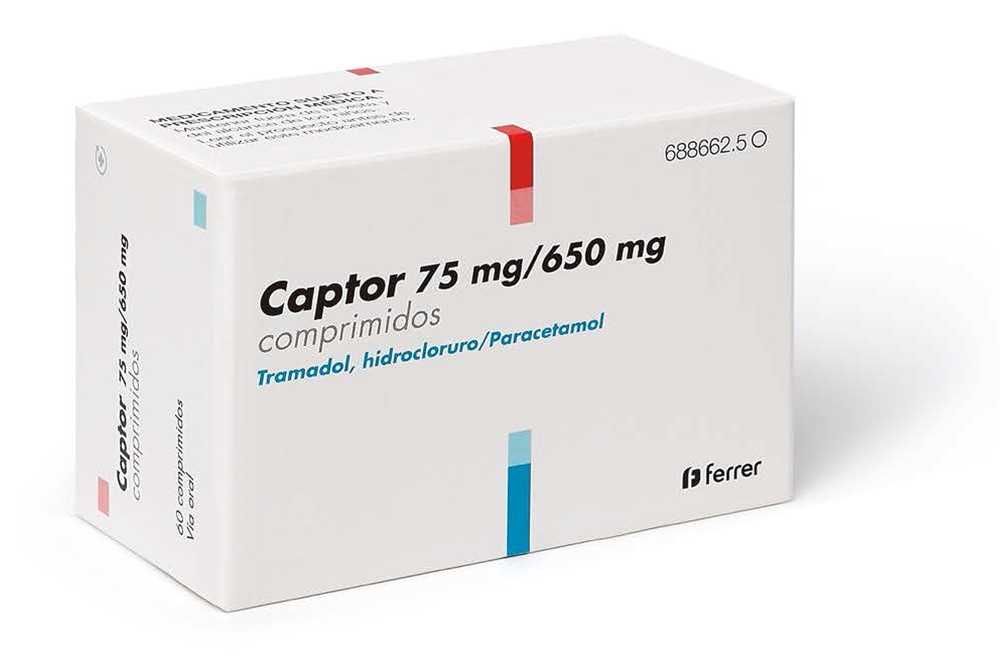
- Alternatives to TRAMADOL/PARACETAMOL TEVA-RATIOPHARM 37.5 mg/325 mg FILM-COATED TABLETSDosage form: TABLET, 325/37.5 mgActive substance: tramadol and paracetamolManufacturer: Ferrer Internacional S.A.Prescription requiredDosage form: TABLET, 650/75 mgActive substance: tramadol and paracetamolManufacturer: Ferrer Internacional S.A.Prescription requiredDosage form: EFFERVESCENT TABLET, 37.5 mg/325 mgActive substance: tramadol and paracetamolManufacturer: Aristo Pharma Iberia S.L.Prescription required

Online doctors for TRAMADOL/PARACETAMOL TEVA-RATIOPHARM 37.5 mg/325 mg FILM-COATED TABLETS
Discuss questions about TRAMADOL/PARACETAMOL TEVA-RATIOPHARM 37.5 mg/325 mg FILM-COATED TABLETS, including use, safety considerations and prescription review, subject to medical assessment and local regulations.











Frequently Asked Questions
