


SIRDALUD 2 mg TABLETS
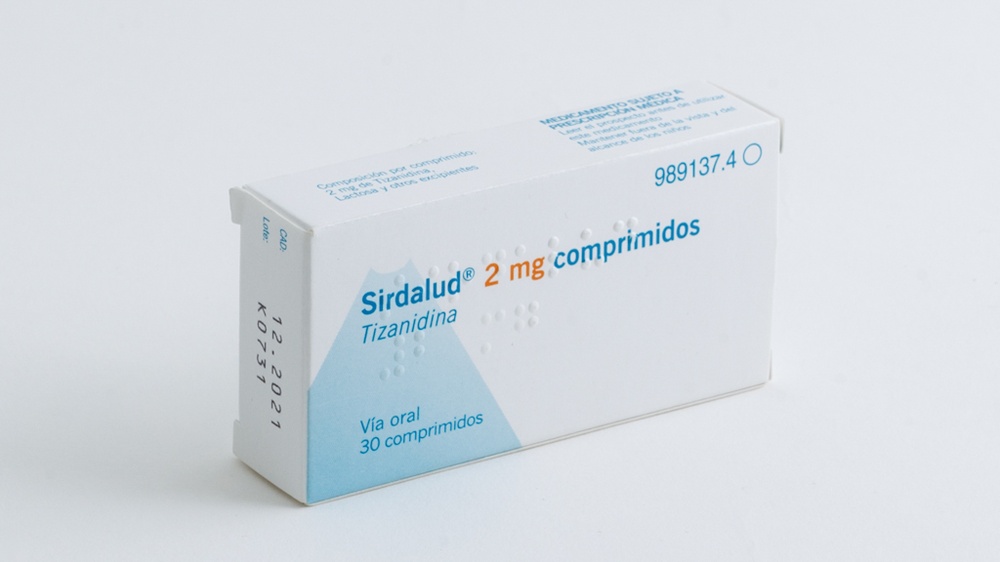



How to use SIRDALUD 2 mg TABLETS
Translated with AI
This page provides general information and does not replace a doctor’s consultation. Always consult a doctor before taking any medication. Seek urgent medical care if symptoms are severe.
Show originalContents of the leaflet
Introduction
Package Leaflet:information for the user
Sirdalud 2 mg tablets
Tizanidine
Read all of this leaflet carefully before you start taking this medicine because it contains important information for you.
- Keep this leaflet, you may need to read it again.
- If you have any further questions, ask your doctor or pharmacist.
- This medicine has been prescribed for you only. Do not pass it on to others. It may harm them, even if their signs of illness are the same as yours.
- If you experience any side effects, talk to your doctor or pharmacist. This includes any possible side effects not listed in this leaflet. See section 4.
Contents of the package leaflet:
- What is Sirdalud and what is it used for
- What you need to know before you take Sirdalud
- How to take Sirdalud
- Possible side effects
- Storage of Sirdalud
- Contents of the pack and other information
1. What is Sirdalud and what is it used for
Sirdalud belongs to a group of medicines called muscle relaxants (medicines used to relax muscles). It is indicated for the treatment of muscle problems associated with:
- spinal problems, such as lumbago and torticollis
- surgical interventions, such as herniated disc or inflammatory disease of the hip
chronic hip disease
- neurological disorders such as multiple sclerosis (a disease that affects the coating of the central nerves), chronic myelopathy (spinal cord injury), degenerative disorders of the spinal cord, cerebrovascular accidents (strokes or cerebral hemorrhages) or cerebral palsy.

2. What you need to know before you take Sirdalud
Do not take Sirdalud
- If you are allergic to the active substance or any of the other ingredients of this medicine (listed in section 6)
- If you have severe liver disease
- If you are taking medicines that contain fluvoxamine (used to treat depression) or ciprofloxacin (an antibiotic used to treat infections)
Warnings and precautions
Talk to your doctor or pharmacist before you start taking this medicine, especially:
- If you have any liver or kidney disease, as your doctor may need to adjust your dose of Sirdalud
- If you are taking more than 6 tablets (12 mg of tizanidine) per day and you feel nauseous, tired, and have no appetite, you should tell your doctor, as you may need to have periodic tests to check your liver function
- If you are taking blood pressure medications at the same time, as Sirdalud can cause low blood pressure, especially when standing up or getting up
- Sirdalud can cause serious symptoms due to low blood pressure, such as loss of consciousness and circulatory collapse (the volume of fluid circulating in the body is not enough to maintain normal metabolism)
- If you are taking oral contraceptives at the same time, your doctor may need to adjust the dose of Sirdalud
- If you are a smoker (more than 10 cigarettes per day).
- If you are pregnant or plan to become pregnant, as Sirdalud may be harmful to the fetus.
- Before starting treatment with Sirdalud, your doctor may ask you to have a pregnancy test to make sure you are not pregnant. During treatment with Sirdalud and at least until one day after stopping it, it is also recommended to use reliable methods to avoid pregnancy. Consult your doctor about the most suitable methods to use during this period.
- Do not stop treatment abruptly, consult your doctor, as it may cause hypertension and tachycardia, especially if you are taking antihypertensives.
- It can cause hypersensitivity reactions, see section 4.
- It can cause visual disturbances and sedation, and may interfere with daily activities.
Taking Sirdalud with other medicines
Tell your doctor or pharmacist if you are using, have recently used, or might use any other medicines:
- fluvoxamine (used to treat depression) is contraindicated
- ciprofloxacin (an antibiotic used to treat infections) is contraindicated
- antiarrhythmics (medicines used to treat heart rhythm disorders)
- cimetidine (medicines used to treat duodenal or gastric ulcers)
- cisapride (medicines used to treat heartburn and esophageal reflux)
- fluoroquinolones, acitromycin, and rifampicin (antibiotics used to treat certain infections)
- rofecoxib (medicines used to relieve pain or inflammation)
- oral contraceptives (medicines used to prevent unwanted pregnancies), as they may increase the effects of Sirdalud
- amitriptyline (medicines used to treat depression)
- ticlopidine (a medicine used to reduce the risk of stroke)
Sirdalud may increase the effects of:
- antihypertensives (medicines used to treat high blood pressure)
- diuretics (medicines that increase urine production)
- sedatives (medicines that decrease nervous excitement)
- hypnotics (sleeping medicines)
- antihistamines (medicines used for allergies)
- potent analgesics (medicines used to treat intense pain)
Taking Sirdalud with food and drinks
Alcohol may increase the sedative effects of Sirdalud, so it is recommended that you do not drink alcohol while taking this medicine.
Pregnancy and breastfeeding
If you are pregnant or breastfeeding, think you may be pregnant, or plan to become pregnant, consult your doctor or pharmacist before using this medicine.
Do not take this medicine during pregnancy or breastfeeding. A pregnancy test is recommended before starting treatment.
Use contraceptive methods in women of childbearing age during treatment and at least until one day after stopping it.
Driving and using machines
Sirdalud may make you feel drowsy, dizzy, and cause sweating, see flashes, so you should not drive or use hazardous machinery while taking this medicine.
Important information about some of the ingredients of Sirdalud
This medicine contains lactose. If your doctor has told you that you have an intolerance to some sugars, consult them before taking this medicine.
3. How to take Sirdalud
Follow the instructions for administration of this medicine contained in this leaflet or as indicated by your doctor. If you are unsure, ask your doctor or pharmacist.
Remember to take your medicine. Your doctor will tell you the duration of your treatment with Sirdalud. Do not stop it before or prolong it.
Swallow the tablets with a glass of water. The tablets can be broken in half.
The recommended dose is:
Adults
One or two tablets (2 mg to 4 mg of tizanidine) three times a day. In severe cases, it can be increased up to a maximum daily dose of eight tablets (16 mg of tizanidine). Patients with neurological disorders should not take more than eighteen tablets per day (36 mg of tizanidine).
Patients with kidney disease
A dose reduction may be necessary if you have kidney disease, so you should inform your doctor so that they can adjust the dose accordingly.
Patients with liver disease
A dose reduction or contraindication of the medicine may be necessary if you have liver disease, so you should inform your doctor so that they can adjust the dose accordingly.
Use in children
Experience in children is limited, therefore, its use is not recommended in children under 18 years of age.
Elderly
Experience in the elderly is limited. Treatment should be started with the lowest dose and your doctor will adjust the dose accordingly.
If you take more Sirdalud than you should
Tell your doctor or pharmacist or go to the nearest hospital. You may need urgent medical attention. The symptoms of overdose are nausea, vomiting, low blood pressure, slow heart rate, dizziness, drowsiness, pupil constriction, agitation, difficulty breathing, or coma.
In cases of overdose or accidental ingestion, consult the Toxicology Information Service. Telephone 91 562 04 20. It is recommended to take the packaging and the leaflet of the medicine to the healthcare professional.
If you forget to take Sirdalud
Do not take a double dose to make up for forgotten doses. Take the missed dose as soon as possible, unless it is almost time for the next dose, in which case skip the missed dose and take the next dose when it is due.
If you stop taking Sirdalud
Do not change or stop taking Sirdalud without first consulting your doctor. Your doctor will gradually reduce the dose before stopping treatment completely. This will prevent worsening and reduce the risk of hypertension (high blood pressure, headache, dizziness) or tachycardia (rapid heart rate).
If you have any further questions about the use of this medicine, ask your doctor or pharmacist.

4. Possible side effects
Like all medicines, this medicine can cause side effects, although not everybody gets them.
Very common(at least 1 in 10 patients) are:
Nervous system disorders: drowsiness, dizziness
Gastrointestinal disorders: gastrointestinal disturbances, dry mouth
General disorders and administration site conditions: fatigue
Musculoskeletal and connective tissue disorders: muscle weakness
Common(at least 1 in 100 patients but less than 1 in 10 patients) are:
Psychiatric disorders: insomnia, sleep disorders
Vascular disorders: decreased blood pressure. Consult your doctor immediately.
Gastrointestinal disorders: nausea
Investigations: a transient increase in liver enzymes (transaminases) may occur.
Uncommon(at least 1 in 1000 patients but less than 1 in 100 patients) are:
Cardiac disorders: slow heart rate.
Frequency not known(cannot be estimated from the available data):
Immune system disorders: allergic reactions, severe allergic reactions including difficulty breathing, dizziness (anaphylaxis) and swelling mainly of the face and throat (angioedema). Consult your doctor immediately.
Psychiatric disorders: hallucinations, confusion. Consult your doctor immediately.
Nervous system disorders: vertigo, speech confusion
Vascular disorders: fainting
Eye disorders: blurred vision
Gastrointestinal disorders: stomach pain, vomiting
Hepatobiliary disorders: acute hepatitis, liver failure. Consult your doctor immediately.
Skin and subcutaneous tissue disorders: skin inflammation with rash (dermatitis), skin redness (erythema), itching (pruritus), and itchy rash (urticaria and rash).
General disorders: loss of vitality and withdrawal symptoms (rebound hypertension and tachycardia).
Reporting of side effects
If you experience any side effects, talk to your doctor or pharmacist. This includes any possible side effects not listed in this leaflet. You can also report side effects directly through the Spanish Medicines and Healthcare Products Agency (AEMPS) website: https://www.notificaram.es. By reporting side effects, you can help provide more information on the safety of this medicine.
5. Storage of Sirdalud
Keep this medicine out of the sight and reach of children.
No special storage conditions are required.
Do not use this medicine after the expiry date stated on the packaging. The expiry date is the last day of the month stated.
Do not use this medicine if you notice that the packaging is damaged or shows signs of tampering.
Medicines should not be disposed of via wastewater or household waste. Return any unused medicine to your pharmacist. They will dispose of it in an environmentally friendly way. If you have any further questions, ask your pharmacist.
6. Contents of the pack and other information
Composition ofSirdalud
- The active substance is tizanidine.
Each tablet contains 2 mg of tizanidine (as hydrochloride).
- The other ingredients are lactose, microcrystalline cellulose, stearic acid, and anhydrous colloidal silica.
Appearance of the product and pack contents
Sirdalud 2 mg tablets are presented as a circular tablet, white in color, scored with the mark OZ. Each pack contains 30 tablets.
Marketing authorisation holder
BEXAL FARMACÉUTICA, S.A.
Centro Empresarial Parque Norte
Edificio Roble
C/ Serrano Galvache, 56
28033 Madrid
Spain
Manufacturer
Novartis Farmacéutica, S. A.
Gran Vía de les Corts Catalanes, 764
08013 Barcelona, Spain
or
Novartis Pharma GmbH
Roonstrasse 25
90429 Nuremberg, Germany
or
Lek Pharmaceuticals d.d.
Verovskova Ulica 57,
Ljubljana 1526,
Slovenia
Date of last revision of this leaflet:January 2020
Detailed and updated information on this medicine is available on the website of the Spanish Agency for Medicines and Healthcare Products (AEMPS) http://www.aemps.gob.es
- Country of registration
- Dosage formTABLET, 2 mg
- ATC codeM03BX02
- Average pharmacy price3.68 EUR
- Active substance
- Prescription requiredYes
- Manufacturer
- This information is for reference only and does not constitute medical advice. Always consult a doctor before taking any medication. Oladoctor is not responsible for medical decisions based on this content.
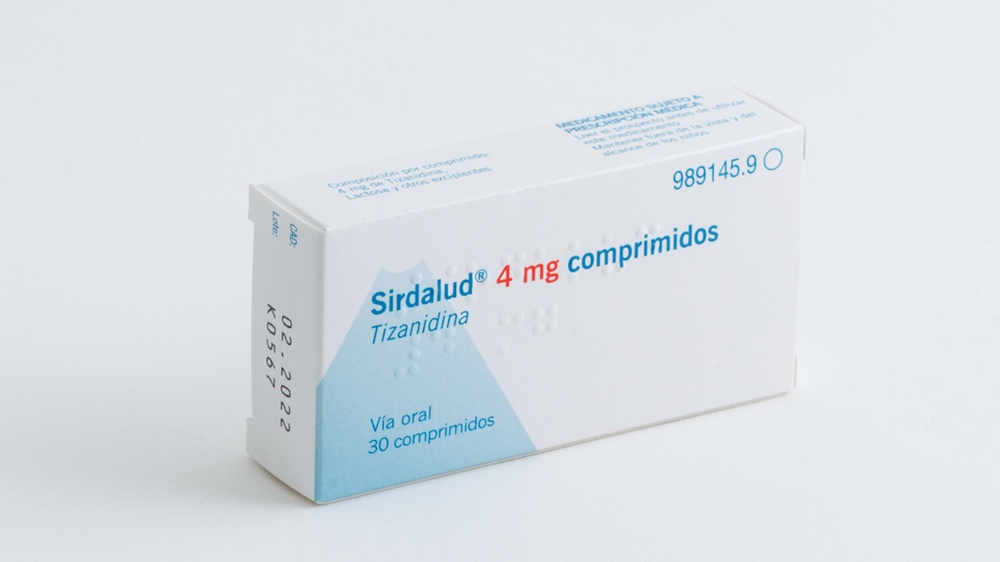
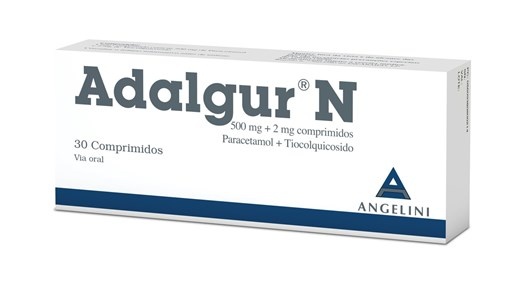
- Alternatives to SIRDALUD 2 mg TABLETSDosage form: TABLET, 4 mgActive substance: tizanidineManufacturer: Bexal Farmaceutica S.A.Prescription requiredDosage form: TABLET, 500 mg/2 mgActive substance: thiocolchicoside, combinationsManufacturer: Teofarma S.R.L.Prescription requiredDosage form: TABLET, 10 mgActive substance: baclofenManufacturer: Laboratorios Combix S.L.U.Prescription required

Online doctors for SIRDALUD 2 mg TABLETS
Discuss questions about SIRDALUD 2 mg TABLETS, including use, safety considerations and prescription review, subject to medical assessment and local regulations.











Frequently Asked Questions
